Affordable Hotels in Beijing

HopeGoo Travel Adviser
Last Updated: 2026-06-29 14:08:22
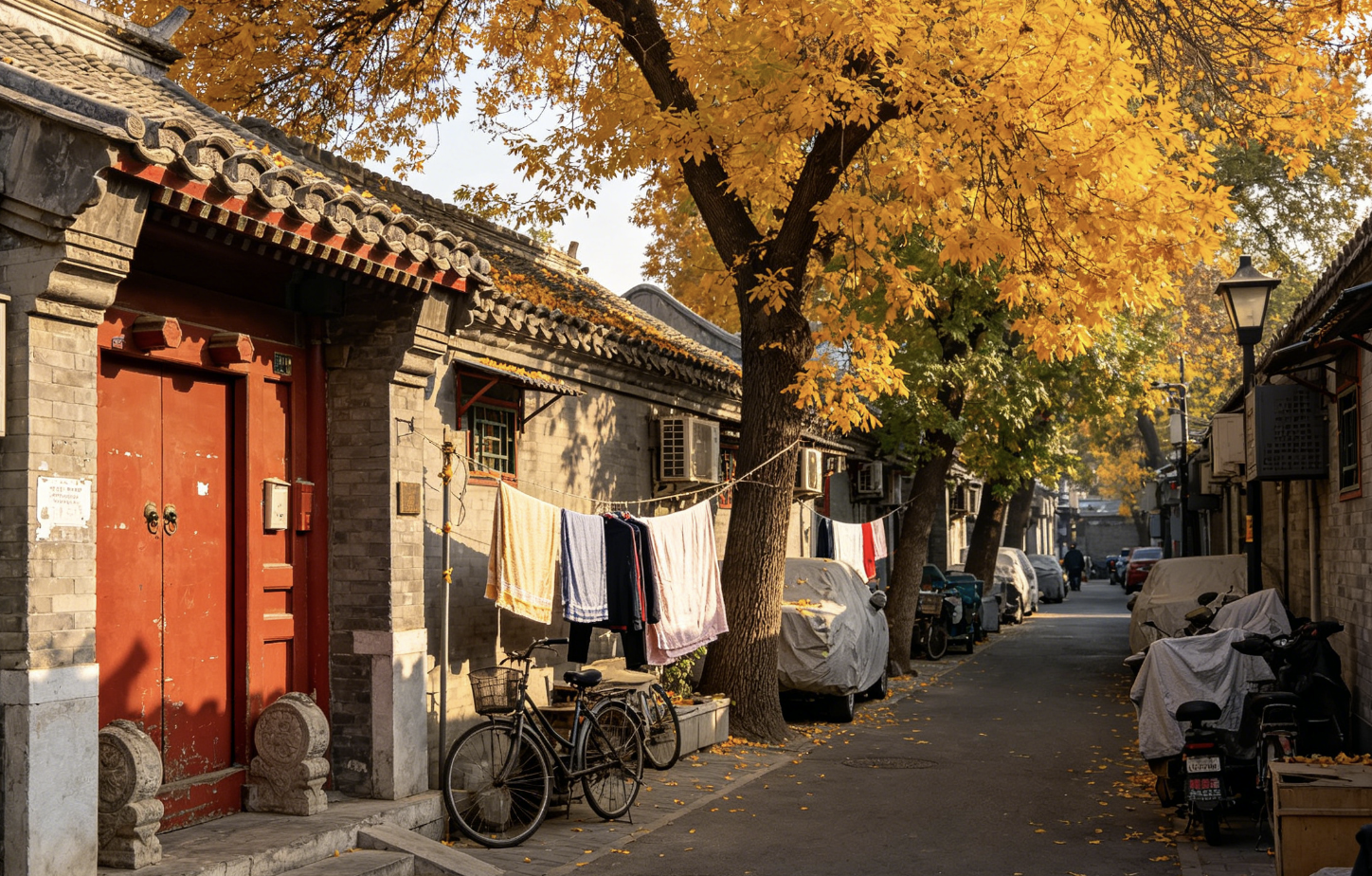
This guide focuses on what actually improves budget value: the best areas to stay, what price bands usually mean in Beijing, and how to avoid low-quality picks while still booking cheap.
What affordable hotels look like in Beijing
Beijing budget value usually comes in three "good" formats (more reliable than random ultra-cheap listings):
- Chinese chain budget hotels near a subway station (often the best value for cleanliness and consistency)
- Simple 3-star hotels in central districts (a strong comfort-to-price balance)
- Small guesthouses in hutong-adjacent areas (best for atmosphere, but check room size and soundproofing)
The main trade-off is almost always one of these: smaller rooms, fewer English-speaking staff, or a longer walk from the main road—so you want to pick the trade-off you can live with.
For budget travelers comparing routes and stays together,
can help you check hotel options before choosing a Beijing district.
| Budget level | Typical nightly range (CNY) | What you can usually expect | Best for |
|---|---|---|---|
| Ultra-budget | 150–260 | Very compact rooms, basic bathrooms, limited services | Solo travelers, one-night stops |
| Value budget | 260–450 | Cleaner chain-style rooms, better bedding, stable Wi‑Fi | Most first-time leisure travelers |
| Comfort budget | 450–700 | More space, quieter rooms, stronger front desk support | Couples, families, business-lite trips |
These ranges are planning baselines rather than fixed rules—prices swing by season, weekday vs weekend, and how early you book.
Best budget-friendly areas to stay in Beijing
A "cheap but convenient" Beijing hotel is usually inside the 2nd to 3rd Ring Road range and within an easy walk of a subway station. For first-time tourists, prioritize districts that reduce friction with the historic core.
Dongcheng for first-time value near the classics
Dongcheng is where many of the headline sights cluster (Forbidden City area, Tiananmen-area access, Temple of Heaven access). Budget hotels here cost more than far-out suburbs, but you often save money overall by cutting daily transport and saving time.
Best for: short 2–4 day trips, first-timers who want early starts, travelers who hate long commutes.
Xicheng for strong central value with less "tourist street" energy
Xicheng can be a sweet spot for budget travelers who still want central Beijing. Depending on the exact location, it can feel calmer than the busiest shopping strips while staying very workable for sightseeing by subway.
Best for: travelers who want central access but quieter nights than the most commercial cores.
Qianmen area for traditional vibe plus practical access
Qianmen/Dashilar can be excellent value if you want a traditional-streets feeling at night while still being close to the central sightseeing zone. Hotel quality varies more here, so review-checking matters.
Best for: travelers who like night strolling and street atmosphere, plus easy access to Temple of Heaven.
Chaoyang for cheaper space and modern convenience
Chaoyang is huge: you'll find both budget hotels and upscale districts. For price-to-room-size, parts of Chaoyang can be strong value, especially if you plan modern dining, shopping, or nightlife—but you'll trade off longer transfers to the historic core.
Best for: longer stays, nightlife plans, mixed business/leisure, travelers okay with commuting.
Choose hotels by subway lines and stations
For tourists, the best affordable plan is usually: hotel within a short walk of a station + most trips by subway + taxis only when tired or late. With fares starting at CNY 3 for short rides and increasing by distance tiers, many central sightseeing rides stay low-cost.
High-utility line logic (simple version):
- Line 1: crosses key central areas (useful for many "core Beijing" moves)
- Line 5: helpful for getting toward the Temple of Heaven area (Tiantandongmen Station is on Line 5)
- Line 8: useful for certain north-south moves and some tourist transfers
- Line 2 loop: very practical for connecting between central districts and major transfer points
| Where to stay | Why it's good for budgets | Easy sightseeing focus | Who it fits best |
|---|---|---|---|
| Wangfujing side streets (Dongcheng) | Central access reduces daily transit costs | Forbidden City area, central museums, shopping | First-timers, families |
| Dongsi (Dongcheng) | Central but often calmer price-to-quiet ratio | Historic core access + local neighborhoods | Light sleepers, slower travelers |
| Qianmen/Dashilar edges | Traditional vibe without being far out | Temple of Heaven + central axis days | Culture-focused travelers |
| Xidan area (Xicheng) | Strong transit connectivity | Multiple central transfers | Budget planners who ride metro a lot |
| Dongzhimen area (Dongcheng/Chaoyang edge) | Transit hub feel, practical for moving around | Mixed city access + dining | Longer stays, flexible itineraries |
How to find cheap hotels without sacrificing comfort
Use a checklist that catches the most common Beijing budget mistakes:
- Filter for real convenience: choose "near metro," then manually verify walking distance and route (not just straight-line distance).
- Read the newest reviews first: prioritize comments about cleanliness, heating/AC performance, and noise (especially important in older buildings).
- Avoid suspiciously low prices unless reviews are consistent: ultra-cheap deals can be fine, but only when many recent stays confirm basics like hot water and reliable check-in.
- Check room photos for layout reality: some older budget rooms feel much smaller than the listed square meters.
- Confirm check-in requirements: keep your passport ready and avoid properties with unclear policies for international guests.
If you are comparing Beijing with other cities on a longer route, the
page can help you evaluate different destinations before finalizing your stay.
Booking tips that lower total cost
A cheap nightly rate is not always a cheap stay. In Beijing, the best savings often come from lowering "hidden costs":
- Book earlier for peak seasons: spring and autumn are widely considered the most comfortable travel periods (mid-April to mid-May, and mid-September to mid-October), and prices tend to rise when weather is best.
- Choose weekday-heavy date patterns when possible: weekend demand can push up rates in popular zones.
- Prioritize breakfast only when it truly saves you time: in Beijing, street breakfasts are easy in many districts, so sometimes skipping hotel breakfast saves money without lowering quality of life.
- Don't overpay for "central" if you won't use it: if you're doing multiple day trips or meetings in Chaoyang, a slightly less central base can be cheaper and more logical.
For travelers comparing budget stays with premium alternatives, checking
hotels in beijing china 5 star
can also clarify the price gap by district.
FAQs about Affordable Hotels in Beijing
What is the best area for affordable hotels in Beijing
For most first-time visitors, Dongcheng offers the best "affordable and practical" balance because you can reduce daily commuting to the historic core and rely more on short subway rides. If you want calmer nights or slightly better value, parts of Xicheng and well-connected areas near major transfer stations can work very well too.
How much do cheap hotels in Beijing cost in 2026
Prices change by season and day of week, but planning ranges like CNY 260–450 for solid value-budget hotels and CNY 450–700 for comfort-budget hotels are realistic baselines for many travelers. The cheapest deals can drop lower on off-peak dates, but you should only book them when recent reviews confirm cleanliness and reliable check-in.
Are hotels near the Forbidden City always expensive
Not always—there are affordable options in Dongcheng if you choose side streets rather than the most premium blocks and book early. The real savings is often time and transport: being closer can reduce taxis, reduce fatigue, and make early sightseeing starts much easier.
Is it better to stay near a subway line in Beijing
Yes, because Beijing's numbered subway lines use a distance-based fare system starting at CNY 3 for short rides, so metro-based sightseeing is one of the cheapest ways to move around. A hotel within an easy walk of a station typically improves your whole trip, especially if you're doing multiple attractions per day.
What is the cheapest time to book a hotel in Beijing
Off-peak winter periods are often cheaper, while the most comfortable sightseeing windows in spring and autumn tend to raise demand and prices. If you're traveling in peak weather months, booking earlier and keeping weekdays in your stay pattern usually improves value.
How can I avoid a low-quality cheap hotel
Start with recent reviews and look specifically for cleanliness, hot water, heating/AC performance, and noise—these are the most common failure points in very cheap rooms. Then verify the real walking route to the subway and avoid deals that look far below the neighborhood's normal range without strong review evidence.
Conclusion
Affordable hotels in Beijing are easy to book when you think in two layers: pick a district that matches your trip (Dongcheng for first-timers, Xicheng for central value, Chaoyang for modern convenience), then pick a near-metro property so the city's low-cost subway rides do the rest. If you share your dates, budget ceiling, and must-see list.