Beijing Hutong Hotels

HopeGoo Travel Adviser
Last Updated: 2026-06-29 14:08:11
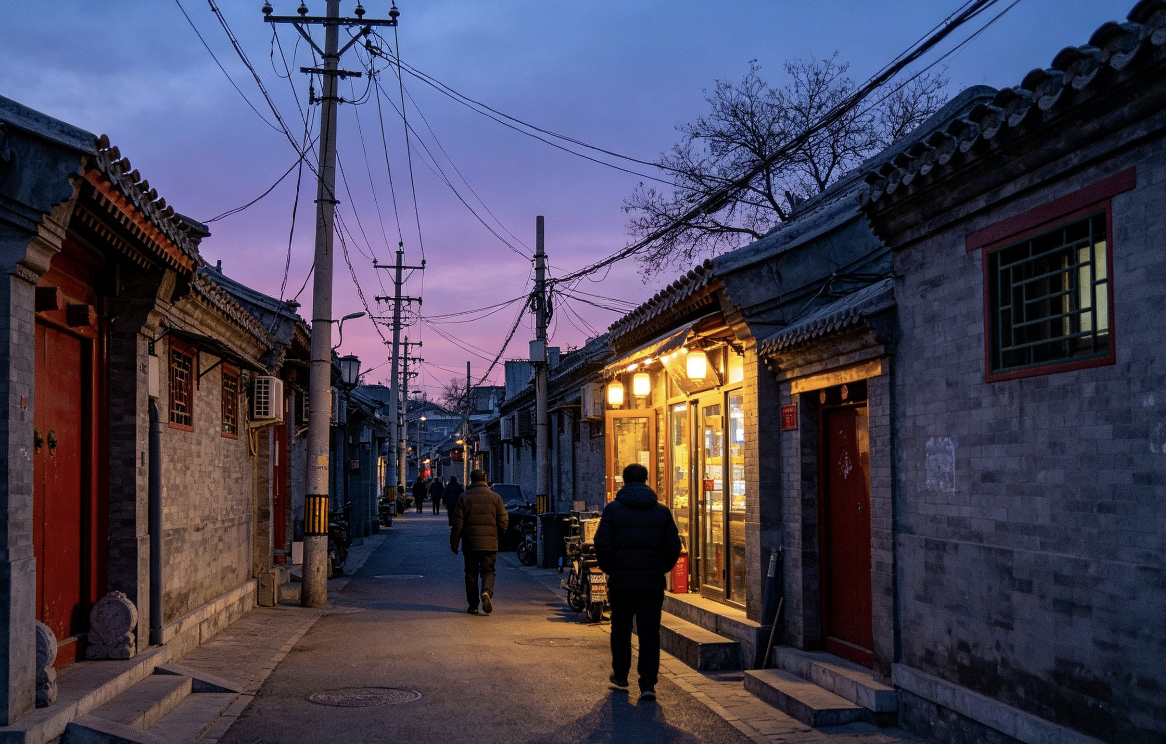
Beijing hutong hotels let you sleep inside the city’s historic alley neighborhoods—often in renovated siheyuan courtyard homes—while still staying close to major first-time sights like the Forbidden City, Tiananmen area, Temple of Heaven, and hutong night walks around Shichahai/Houhai and Gulou. For travelers who value atmosphere, walkability, and smaller-scale design, a well-chosen hutong stay can feel more “Beijing” than a conventional high-rise at a similar nightly rate.
This HopeGoo guide focuses on what helps you book confidently in 2026: the best hutong areas, what courtyard hotels are really like, trade-offs to expect, and how to choose the right property for your trip style.
Why hutong hotels feel more authentic A Beijing hutong hotel works because the neighborhood becomes part of your itinerary. Instead of commuting to “old Beijing,” you step outside and it’s already there—street breakfasts, evening strolling, small cafés, and local life at ground level.
Why hutong hotels feel more authentic
A hutong hotel works because the neighborhood becomes part of your itinerary. Instead of commuting to “old Beijing,” you step outside and it’s already there—street breakfasts, evening strolling, small cafés, and local life at ground level.
What travelers typically love most:
- Atmosphere and design: courtyards, brick walls, traditional layouts, quieter “home-like” scale
- Walkable evenings: easy access to hutong walks, snacks, and casual bars without planning a big night out
- Location efficiency: many hutong zones sit between the imperial core and modern subway lines, making sightseeing practical
What you may need to accept:
- Car access can be limited: some lanes are too narrow for door-to-door taxi drop-offs, so you may walk the last few minutes with luggage
- Soundproofing varies: historic structures often have lighter insulation than modern towers
- Room sizes can be smaller: especially in more traditional guesthouse-style courtyards
Best hutong areas to stay in Beijing
Choose your hutong area based on what you want to do at night and how close you want to be to the imperial core. The best first-time hutong bases are usually in Dongcheng and the adjacent historic-lakes area.
Travelers comparing
can use this hutong-area logic to decide whether Beijing should be an atmospheric courtyard stay or a more conventional hotel base.
Drum Tower and Nanluoguxiang area
Best for: first-time hutong vibes, cafés, casual bars, easy evening walks
Key locations: Drum Tower (Gulou), Bell Tower (Zhonglou), Nanluoguxiang, nearby lanes like Baochao Hutong
Why it works: you get classic hutong scenery plus a lot of “visitor-friendly” dining without feeling far from the city center.
Shichahai and Houhai lakes area
Best for: scenic evening walks and relaxed nightlife
Key locations: Shichahai, Houhai, Yandaixiejie
Why it works: it’s the easiest place to have a beautiful, low-effort evening—walk the lake, snack, sit by the water, then return to a quiet courtyard.
Dongsi and Lishi Hutong
Best for: a calmer, more residential feel while staying central
Key locations: Dongsi, Lishi Hutong, quick links toward Wangfujing and the Forbidden City zone
Why it works: it’s central without being as “nightlife-forward” as Houhai, which many travelers prefer for sleep quality.
Qianmen area courtyards
Best for: heritage-rich location close to Beijing’s ceremonial heart
Key locations: Qianmen, Dashilan, Tiananmen area, the Central Axis zone
Why it works: you’re extremely well positioned for early starts at top sights; this is also where some of the most polished luxury courtyard concepts have appeared.
Area Comparison Table
| Hutong area | Best for | Night vibe | Daytime sightseeing convenience | Common trade-offs |
|---|---|---|---|---|
| Drum Tower + Nanluoguxiang | Boutique feel, cafés, easy hutong walks | Lively but manageable | Strong access to Dongcheng core | Some lanes can be busy early evening |
| Shichahai + Houhai | Lakeside strolling, relaxed bars | Scenic, social | Good, but you’ll still metro/taxi to big sights | Tourist-heavy strips can be noisy |
| Dongsi + Lishi Hutong | Quieter local feel, central base | Low-key | Very convenient for first-timers | Fewer “waterfront” style evenings |
| Qianmen courtyards | Central Axis immersion, heritage | Mixed, more “historic” | Excellent for early landmark starts | Premium options can book out fast |
Recommended hutong hotels by travel style
Instead of listing dozens of properties, it’s usually more helpful to shortlist by “type,” then confirm your priorities: location, noise tolerance, and how much service you want.
Luxury courtyard village style
- Mandarin Oriental Qianmen, Beijing: a high-end courtyard concept built as a hutong-style “village,” known for having 42 courtyard houses and a prime heritage location near the Qianmen and Tiananmen area.
Best for: travelers comparing
but still want a true courtyard setting rather than a high-rise tower.
Boutique courtyard favorites
- The Orchid: a well-known boutique courtyard hotel in the Drum Tower area, located on Baochao Hutong—a strong pick if you want design, rooftop/terrace moments, and a very walkable hutong base.
Best for: couples, solo travelers, and small groups who want neighborhood character and don’t need large-hotel infrastructure.
Mid-range hutong courtyard hotels
- Qiuguo Hutong Courtyard Hotel: a practical mid-range option located on Lishi Hutong in Dongcheng (commonly listed as No.64 Lishi Hutong), useful for travelers who want a central hutong address without luxury pricing.
Best for: travelers who want “authentic + comfortable” and plan to spend most of their time sightseeing rather than inside the hotel.
Traditional guesthouse style
- Templeside Deluxe Hutong House Hotel: a long-running hutong guesthouse concept often chosen by independent travelers who want a smaller, more personal stay.
Best for: travelers who enjoy simpler, more home-like operations and can accept variability in older-building layouts.
What to expect from hutong courtyard accommodation
Most professionally run hutong hotels include modern necessities, but the experience is different from a tower hotel. Knowing the “courtyard reality” improves satisfaction.
Typical features:
- Rooms arranged around one or more shared courtyards
- Private bathrooms in most boutique and upgraded properties
- Heating and air-conditioning in renovated hotels, important for Beijing winters and summers
- Smaller public spaces: a lounge, café corner, or small roof terrace rather than large lobbies
Common differences versus high-rise hotels:
- You may walk 5–15 minutes from the nearest main road or subway station depending on the exact lane
- Some courtyards have steps, uneven paving, and narrow corridors, which can affect stroller and wheelchair ease
- Sound can travel across courtyards; light sleepers should request quieter rooms away from cafés or reception areas
How to choose the best Beijing hutong hotel
A good hutong hotel choice is mostly about matching your itinerary to the right micro-location and comfort level.
A simple decision process that works:
- Pick your evening style first: Shichahai/Houhai for lakeside nights, Gulou/Nanluoguxiang for café energy, Dongsi/Lishi for quieter sleep
- Confirm your must-see sights: if you want early starts at the Forbidden City or Temple of Heaven, prioritize central Dongcheng or Qianmen
- Check access notes: look for clear guidance on taxi drop-off points and “last 200 meters” walking
- Read recent reviews for three issues: noise at night, bathroom comfort (hot water and ventilation), and staff support for foreign guests
- Choose the right room category: upgraded rooms often have better insulation, better bathroom layouts, and quieter positioning
If you’re planning with
, you can request a short-list filtered by neighborhood, budget, bed type, and quietness so you don’t spend hours comparing similar-sounding courtyards.
| Type | Typical scale | Key strengths | Potential trade-offs | Best for |
|---|---|---|---|---|
| Traditional courtyard guesthouse | Small, home-like | Strong heritage feel, very local | Smaller rooms, variable soundproofing | Budget-to-mid travelers prioritizing authenticity |
| Boutique hutong hotel | Small-to-medium | Design, service consistency, better comfort | Higher price, limited availability | Couples, first-timers, style-focused travelers |
| Luxury courtyard village | Premium, high service | Privacy, location, full luxury services | High cost, can feel more curated than raw | Luxury travelers and special trips |
Practical tips for arrivals, luggage, and comfort
- Plan your arrival point: tell your driver the nearest main road/landmark and walk in; many hutong lanes are not car-friendly
- Pack lighter than usual: wheeled luggage is fine, but cobblestones and narrow turns can be annoying at night
- Ask for a quiet room: especially in Gulou/Nanluoguxiang and Shichahai areas where evening activity peaks
- Consider a split stay: 2–3 nights in a hutong for immersion, then 1–2 nights in Chaoyang (Sanlitun/Guomao) if you want modern malls and nightlife
- Winter and summer checks: if traveling in January–February or July–August, prioritize properties with consistent heating/cooling feedback and newer renovations
FAQs about Beijing Hutong Hotels
Are Beijing hutong hotels safe for first-time visitors
Yes, the main hutong areas visitors stay in—around Gulou, Nanluoguxiang, Shichahai, Dongsi, and Qianmen—are active residential neighborhoods where travelers and locals mix daily, and reputable hotels operate with standard front-desk procedures and room security. Use normal city awareness at night, stick to lit lanes, and plan your ride pickup point on a main road for a smoother return.
How many nights should I stay in a hutong hotel
Two to four nights is the sweet spot for most travelers because it gives you time to enjoy morning and evening neighborhood life without feeling “locked in” if you later want modern conveniences. This is also enough time to pair a hutong base with core sights like the Forbidden City/Tiananmen zone, Temple of Heaven, and at least one hutong night walk around Shichahai or Gulou.
Can families with children stay comfortably in hutong hotels
Yes, many boutique courtyards offer family rooms, extra beds, or connecting setups, but inventory is limited compared with big chain hotels so you should reserve earlier and confirm the exact bed configuration. If you’re traveling with a stroller, choose a property with clear lane access notes and fewer internal steps, and consider quieter zones like Dongsi/Lishi over the busiest lakeside strips.
Do hutong hotels have Western-style bathrooms and heating
Most professionally managed hutong boutique hotels and upgraded courtyards have private Western-style bathrooms plus modern heating and air-conditioning, but older or ultra-budget stays may vary so it’s important to verify room details before booking. For winter or peak summer, it’s often worth paying slightly more for a higher room category because comfort differences can be significant in historic buildings.
How far are hutong hotels from the subway and major sights
Many popular hutong clusters are within roughly a 7–15 minute walk of a subway station, but the last stretch may be through narrow lanes where cars cannot enter, so plan for short walking with luggage. Sightseeing is usually efficient if you choose a central hutong base in Dongcheng or near Shichahai, since you can reach the Forbidden City area, Wangfujing, and Qianmen with short transfers.
Are hutong hotels a good choice in winter or summer
They can be excellent year-round if the property is well renovated, because modern HVAC matters more than the hutong location itself, especially in Beijing’s cold winters and hot summers. In extreme seasons, prioritize hotels with consistent comfort feedback, request a quieter room away from courtyards used for dining, and plan taxis/ride-hailing pickup points on main roads to reduce waiting outside.
Conclusion
A Beijing hutong hotel is right for you if you want character, walkable evenings, and a smaller, more personal stay than a standard tower hotel. Choose your hutong area based on your night style—Shichahai/Houhai for lakeside atmosphere, Gulou/Nanluoguxiang for café energy, Dongsi/Lishi for quieter sleep, or Qianmen for Central Axis proximity—and confirm access and room comfort details before booking.