Best Food Spots in Hong Kong

HopeGoo Travel Adviser
Last Updated: 2026-03-30 13:52:10
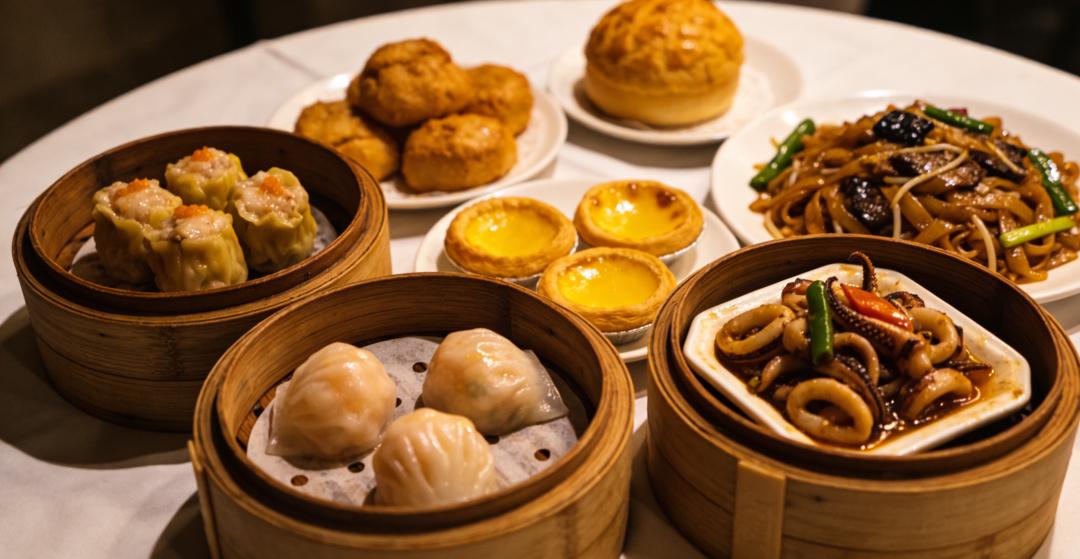
Hong Kong is one of the world's great food cities, where Cantonese tradition meets global influences in a dense, fast-moving dining scene. In a single day, you can go from classic dim sum in a bustling tea house to roast meats in a decades-old institution, then finish with street snacks and dessert in a night market. What makes Hong Kong special isn't just the variety—it's how accessible great food is, from Michelin-recognized casual spots to tiny neighborhood stalls.
This guide covers the best food spots in Hong Kong in a practical way: the local dishes you should prioritize, iconic restaurants and street food areas worth your time, food tours and cooking experiences for deeper cultural context, hidden gems for adventurous eaters, and essential dining tips (ordering, peak hours, etiquette).
Quick Answer
-The best food experiences in Hong Kong include:
-Eating dim sum at a traditional tea house (e.g., Tim Ho Wan)
-Trying wonton noodles (e.g., Mak's Noodle)
-Ordering roast goose (e.g., Yung Kee)
-Sampling street snacks like egg waffles at night markets (Temple Street area)
-Drinking Hong Kong-style milk tea For deeper exploration, join a guided food tour in neighborhoods like Mong Kok, Sham Shui Po, or Central.
Top Local Dishes to Try in Hong Kong
1) Dim Sum (the essential Hong Kong meal)
Dim sum is the signature experience—small plates designed for sharing. You'll see steamed dumplings, buns, rice rolls, and more. Where to start: Tim Ho Wan is a popular entry point for first-timers.
2) Wonton Noodles
A classic bowl of thin egg noodles in broth topped with shrimp-and-pork wontons. Where to try: Mak's Noodle is a long-standing favorite.
3) Roast Goose (and other Cantonese roast meats)
Roast goose is famous for its crisp skin and rich flavor, often served with plum sauce. Where to try: Yung Kee Restaurant is one of the best-known names for roast goose.
4) Hong Kong-Style Milk Tea
Strong black tea blended with milk (often evaporated or condensed), usually enjoyed with café-style meals and baked goods.
Iconic Restaurants and Street Food Spots
Temple Street Night Market (street food + night atmosphere)
A classic place to combine street snacks, browsing, and late-night energy. Look for staples like egg waffles and other fried/grilled bites. Tip: go hungry, bring cash, and expect crowds.
Australia Dairy Company (classic “cha chaan teng” breakfast vibe)
Known for fast service and Hong Kong café staples (scrambled eggs, toast sets). Tip: be ready to order quickly—service is famously efficient.
Yung Kee (roast goose institution)
A well-known sit-down option for travelers who want a classic Cantonese roast meal in a traditional setting.
Mak's Noodle (wonton noodle classic)
A reliable stop for a quick, iconic bowl—great for a lunch slot between sightseeing.
Culinary Tours and Food Experiences (Best for First-Timers)
If you want to eat well without spending time researching every neighborhood, a guided tour can be the most efficient way to discover real local favorites.
Food walking tours
Tours often combine tastings with cultural context—why certain foods matter, how locals eat, and what to order. This is especially useful in street food districts where menus may be limited or not fully translated.
Cooking classes
A cooking class is a memorable group activity and a deeper cultural experience. Learning to make dishes like buns or sweet-and-sour pork adds context to what you eat around the city.
Hidden Gems for Food Lovers (Worth the Detour)
Hong Kong rewards travelers who go beyond the most famous names.
-Choi Fook Seafood (New Territories): good for fresh seafood and a more local dining atmosphere
-Little Bao: modern, creative takes on bao (good for travelers who like fusion)
-Hui Lau Shan: well-known for mango desserts (a great warm-weather treat)
Planning note: If you’re building a food-focused itinerary across multiple neighborhoods, staying at a well-located Hong Kong hotel near an MTR line helps you move quickly between stops. Platforms such as Hopegoo can help you compare flights and hotels and keep your bookings organized so you can spend more time eating and exploring.
Tips for Dining Out in Hong Kong
-Share dishes: many meals are designed for group-style eating
-Expect peak-hour queues: lunch (12–2 pm) and dinner (6–8 pm) are busiest
-Move fast in popular cafés: service can be quick and tables turn over fast
-Bring cash for street food: many stalls still prefer cash or small payments
-Use reservations when possible: especially for well-known restaurants and weekends
-Don't over-order early: portions can add up fast when you're sampling many places
Conclusion
Hong Kong is a food destination where iconic classics and everyday street eats are equally worth your time. Start with dim sum, wonton noodles, roast goose, and milk tea, then explore night markets and other Hong Kong tourism attractions to see how locals really eat. Whether you prefer famous institutions or hidden spots, the best strategy is to plan by area, eat in small rounds, and leave room for snacks and dessert. With a little structure—and flexible transport-friendly planning—your Hong Kong food trip can be one of the most memorable parts of your visit.
FAQs of Best Food Spots in Hong Kong
What food is Hong Kong most famous for?
Hong Kong is most famous for dim sum, Cantonese roast meats (especially roast goose), wonton noodles, and Hong Kong-style milk tea.
Where is the best street food in Hong Kong?
Popular street food areas include Temple Street Night Market and busy Kowloon neighborhoods like Mong Kok and Sham Shui Po.
Should I book restaurants in Hong Kong in advance?
For famous restaurants, weekends, and peak dinner times, yes. For street food and casual noodle shops, walk-ins are usually fine.