Hidden Gems in Beijing 2026

HopeGoo Travel Adviser
Last Updated: 2026-06-29 14:08:05
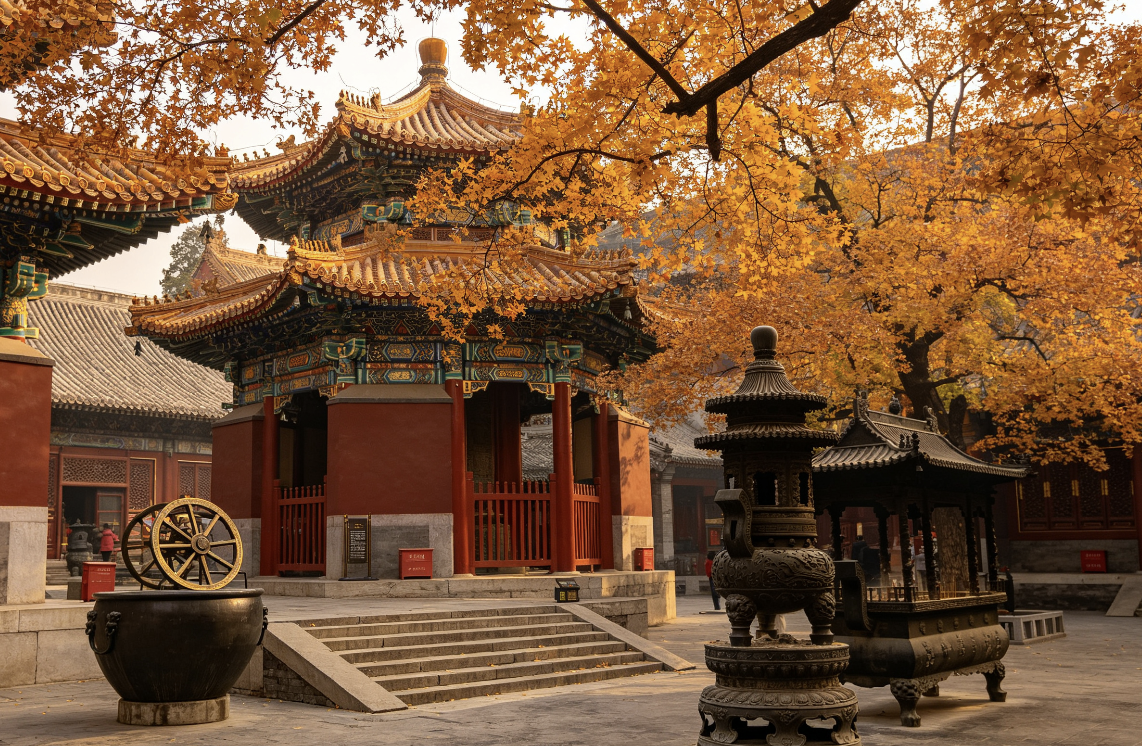
Beijing is far more than its headline landmarks. If you slow down and explore the city's hutongs, small museums, low-key temples, river walks, and everyday parks, you'll find a version of Beijing that feels calmer, more photogenic, and more local—especially in the early morning, late afternoon, and on weekdays.
Hidden gems that feel instantly local
If you only have one day to "escape the crowds," start with places that combine walkability, neighborhood texture, and easy transit.
Top quick wins
- Wudaoying Hutong near Yonghegong: cafés, small design shops, and an easy lane layout that still feels residential.
- Dongsi Hutongs in Dongcheng: a calmer hutong grid where you can walk numbered lanes from Dongsi Toutiao to Dongsi Shisitiao.
- Beijing Ancient Observatory by the Jianguomen area: a small, serious heritage site built in 1442, with a platform about 14 meters high and eight preserved Qing-era bronze astronomical instruments.
- 798 Art District in Dashanzi, Chaoyang: free to wander outdoors, with industrial architecture and galleries; it's often described as about 60 hectares (148 acres) overall, while some official descriptions focus on a core area around 300,000 square meters.
| Place | Area and nearest reference point | Why it's a hidden gem | Best time to go | Low-friction tip |
|---|---|---|---|---|
| Wudaoying Hutong | Dongcheng near Yonghegong | Calm, creative hutong lane with cafés | Late morning or early evening | Pair it with a short walk around Guozijian Street |
| Dongsi Hutongs | Dongcheng, Dongsi area | Residential hutongs with "lived-in" Beijing rhythm | Early morning | Walk the numbered alleys for a simple self-guided route |
| Shijia Hutong area | Dongcheng | Quiet lanes and small local-life moments | Morning | Combine with Dongsi for a longer hutong loop |
| Beijing Ancient Observatory | Jianguomen Overpass area | Ming-era science heritage built in 1442 | Midday | Great "short stop" between neighborhoods |
| Ming City Wall Relics Park | Near Beijing Railway Station | Under-visited historic wall park feel | Sunset | Works well after a station-area meal |
| Panjiayuan Antique Market | Chaoyang, Panjiayuan | One of the biggest browsing markets, often cited at about 4,000 stalls | Weekend morning | Go early for the fullest selection and easier walking |
| Ritan Park | Chaoyang, near embassy areas | Local-life park with relaxed pacing | Morning | Great for people-watching and a low-cost reset |
| Olympic Forest Park | Chaoyang, Olympic Green area | Huge green space, often free, excellent for long walks | Morning or late afternoon | Use it as a "recovery day" after heavy sightseeing |
| Liangma River waterfront | Chaoyang, embassy district side | Modern night lights without club pressure | After dinner | Ideal for a calm evening stroll |
| Baitasi area | Xicheng, White Pagoda zone | Historic landmark vibe plus quieter side streets | Late afternoon | Explore side streets for cafés without Sanlitun crowds |
| Fayuan Temple area | Xicheng | A calmer temple stop with strong atmosphere | Weekday morning | Keep it as a quiet contrast to the central axis |
| Temple of Confucius area | Dongcheng, Guozijian | Cultural streetscape and heritage vibe | Morning | Go early to avoid tour-group waves |
| Beijing Stone Carving Art Museum area | Haidian | Niche museum setting and quiet grounds | Weekday afternoon | Great if you want something very non-touristy |
| Zizhuyuan Park | Haidian | Classic local park energy, less "must-see checklist" | Morning | Strong for relaxed walks and photos |
| Capital Museum area | Xicheng | A strong "indoors" option for hot or rainy days | Midday | Build a half-day around it and keep the rest outdoors free |
If these areas shape your accommodation plan, using reliable
can help you compare hotel locations, transit access, and nearby neighborhoods before choosing a base.
Beijing Ancient Observatory
It's a compact visit with unusually strong story value: built in 1442, used for centuries of official astronomical work, and still known for its eight preserved Qing bronze instruments on the platform. It's also easy to insert into a day because it doesn't require a full half-day like major palaces.
Ming City Wall Relics Park
If you want "Beijing layers" without queues, this is one of the easiest wins: a historic-structure park feel near a major transit area, good for golden-hour walking and low-effort photos.
Confucian heritage streets near Guozijian
Even if you don't do every paid interior, the surrounding streetscapes can be the best part—quiet, architectural, and easy to combine with Wudaoying.
Neighborhoods that feel authentic in 2026
If your goal is everyday Beijing rather than performance Beijing, prioritize neighborhoods where residents still dominate the street scene.
- Dongsi: central, walkable, and often calmer than the most famous hutong "main lanes."
- Gulou area: excellent for evening wandering, but choose side lanes to avoid the busiest strips.
- Baitasi area: a strong "old-meets-new" zone that's often more relaxed than the biggest shopping streets.
- Embassy-side Chaoyang: areas around Liangma River can feel modern and calm, especially at night.
If you are comparing Beijing with other destinations on a longer itinerary, the
page can make it easier to evaluate where to spend more nights and where to keep the stay short.
Cafes, shops, and creative spaces locals actually use
798 Art District
The easiest "creative cluster" because it stacks galleries, design retail, and coffee stops in one walkable zone; you can treat it as a free outdoor architecture walk, then selectively pay for one exhibition if something truly interests you.
Wudaoying Hutong
A smaller-scale alternative to big commercial streets: coffee, snacks, and boutique browsing without needing a shopping-mall itinerary.
Panjiayuan
Best for "treasure hunting energy": antiques, crafts, decorative items, and browsing that feels like a real market day rather than a polished retail lane.
How to find hidden gems without wasting time
A simple method that works in Beijing is the "one-one-one" structure:
- One neighborhood walk (hutong or park)
- One small cultural stop (museum, observatory, temple area)
- One modern or creative zone (798, Liangma River, design streets)
| Time block | Stop | Why it works | What to do |
|---|---|---|---|
| Morning | Wudaoying Hutong + Guozijian area | Calm hutong texture before crowds build | Coffee, short walk, street photos |
| Late morning | Beijing Ancient Observatory | High story value in a short visit | Quick heritage stop, then move on |
| Afternoon | Dongsi Hutongs or Panjiayuan | Choose "walk" or "browse" depending on mood | Hutong loop or market treasure hunting |
| Evening | 798 Art District or Liangma River | Modern Beijing without heavy planning | Outdoor wandering, dinner, night photos |
Travelers who want a more polished base near major sights can also compare
hotels in Beijing China 5 star
before choosing between Dongcheng, Xicheng, and Chaoyang.
FAQs about Hidden Gems in Beijing 2026
What is the best hidden gem in Beijing for first-time visitors
Wudaoying Hutong is a strong first hidden gem because it's walkable, easy to navigate, and sits close to major cultural zones like Yonghegong and Guozijian. It feels local without requiring special planning skills, so it fits short trips and jet-lag mornings.
Which hidden place has the strongest historical value with a short visit time
The Beijing Ancient Observatory stands out because it's a focused heritage stop with clear historical facts: it was built in 1442, the platform is about 14 meters high, and eight Qing-era bronze instruments are preserved on site. It's ideal when you want substance but don't want to commit half a day.
Where can I walk hutongs that feel less commercial
Dongsi Hutongs are a reliable choice for a more residential feel, and you can structure your walk around the numbered alleys from Dongsi Toutiao through Dongsi Shisitiao. Go in the morning for the calmest street rhythm and the best everyday-life photos.
What is the best area for art, design, and creative cafés
798 Art District is the easiest creative cluster because you can wander the industrial streets for free and then selectively choose one gallery or exhibition if something is worth paying for. If you want a smaller, more neighborhood café feel, Wudaoying Hutong pairs well with it on the same day.
Is Panjiayuan worth visiting if I don't collect antiques
Yes, Panjiayuan is still worth it for browsing because it's often described as having around 4,000 stalls, which makes it more like a cultural market experience than a single "shopping stop." Even if you buy nothing, it's great for people-watching, objects, and visual texture.
How do I fit hidden gems into a short Beijing itinerary
Use a simple structure: one hutong or park walk, one small cultural site, and one modern/creative zone per day, then leave space for unplanned turns. This prevents the common Beijing mistake of spending your best hours commuting instead of exploring.
Conclusion
Beijing's best hidden gems are not just "secret places"—they're places that reward the right pacing: hutongs like Wudaoying and Dongsi, compact heritage stops like the Beijing Ancient Observatory, browsing-heavy local culture at Panjiayuan, and modern creativity at 798.