Historical Landmarks in Hong Kong

HopeGoo Travel Adviser
Last Updated: 2026-03-31 16:12:49
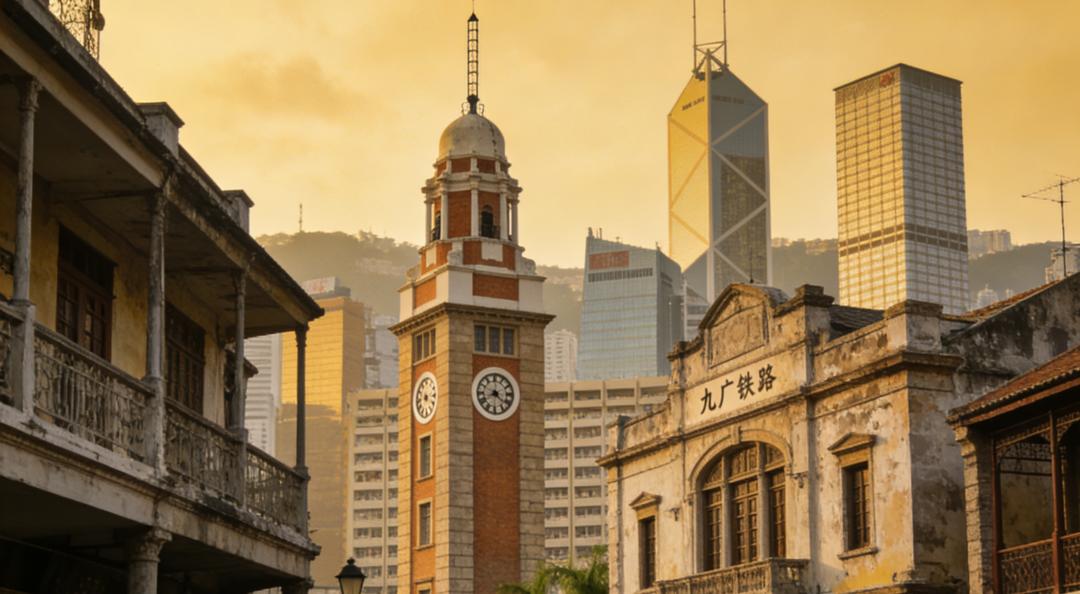
Hong Kong has long been known as a “city of contrasts,” and nowhere is that duality more vivid than in its historical landmarks. Here, colonial-era architecture stands steps away from centuries-old temples, while traditional fishing villages thrive beside one of the world's most striking skylines. These layers of time make exploring Hong Kong's heritage not just educational but visually captivating.
This guide presents the most important historical sites to explore across the city—from cultural temples and colonial edifices to heritage neighborhoods and museums—while offering tips on how to plan efficient routes. Whether you enjoy slow-paced walks, immersive cultural trips, or architectural photography, Hong Kong's past is easily accessible through these preserved landmarks.
Victoria Peak & the Peak Tram
Victoria Peak is inseparable from Hong Kong's image, symbolizing both its colonial-era development and its modern-day glamour. The Peak Tram, which first began service in 1888, remains one of the world's oldest and most scenic funicular railways. Taking this short uphill ride feels like stepping through history, revealing the same panoramic views of the harbor that once captivated the city's early residents.
To experience it at its best, visit early in the morning for tranquil moments and clear air, or time your trip for sunset when the skyline glows over Victoria Harbour. The Peak pairs its past with the present like no other landmark—combining 19th-century heritage, engineering marvel, and world-class vistas in a single outing.
Hong Kong Museum of History
For travelers eager to understand the city's evolution, the Hong Kong Museum of History in Tsim Sha Tsui provides a rich, coherent narrative of how Hong Kong became what it is today. The exhibits trace everything from prehistoric settlements and maritime trade to British colonial influence, wartime occupation, post-war growth, and the territory's modern identity.
Visitors should plan two to three hours to take in the full experience. For those looking to stay in the heart of the cultural district, there are excellent hotels near Hong Kong Museum of History that make it easy to combine a museum visit with a harbor stroll—an ideal half-day itinerary for those who prefer to absorb history at a relaxed pace.
Chi Lin Nunnery and Nan Lian Garden
In Diamond Hill, the serene pairing of Chi Lin Nunnery and Nan Lian Garden stands as a reminder of spiritual grace amid urban life. The nunnery, built entirely from interlocking wooden beams in Tang-dynasty architectural style, represents harmony, faith, and traditional craftsmanship at its finest. The adjacent Nan Lian Garden continues the theme, with ponds, bridges, and manicured pavilions designed according to classical Chinese landscaping principles.
Visitors are encouraged to move quietly and dress appropriately, as the site remains an active place of worship. Photography is permitted in some areas but restricted in others, so it's best to follow posted guidance. A stroll through this complex feels like entering a painting—one where architecture, nature, and mindfulness seamlessly converge.
Tai O Fishing Village
Out on Lantau Island, Tai O Fishing Village offers travelers a glimpse into Hong Kong's maritime heritage. The village is best known for its wooden stilt houses rising above tidal waters and the traditions of the Tanka people, who once lived almost entirely afloat and made their livelihood through fishing and salt production.
Visitors can take a short boat ride around the stilt houses to appreciate the village from the water, or simply wander its narrow streets lined with dried seafood stalls and simple homes. Early mornings are quieter and more atmospheric, though the village retains its charm throughout the day. For those spending longer on Lantau, it's easy to pair a Tai O visit with other island attractions like the Tian Tan Buddha or cable car rides, creating a full-day heritage adventure.
Legislative Council Building
Standing in the heart of Central, the Legislative Council Building is among Hong Kong's most elegant reminders of its British colonial past. Built in neoclassical style and framed by granite columns, it once served as the Supreme Court before becoming a symbol of the city's civic administration. Today, it anchors one of Central's most recognizable heritage clusters, surrounded by modern skyscrapers that illustrate the city's evolution from colony to global hub.
The building's location makes it easy to include in a self-guided heritage walk through Central. Nearby roads and pedestrian paths connect it to other notable stops like St. John's Cathedral, the former French Mission Building, and heritage-rich shopping arcades, allowing history enthusiasts to absorb layers of architecture in one compact district.
Man Mo Temple
Among Hong Kong's temples, Man Mo in Sheung Wan stands out for its atmosphere and symbolism. Dedicated to Man, the god of literature, and Mo, the god of war, it reflects the traditional balance between intellect and strength—values long cherished in Chinese belief systems. Inside, large spiral incense coils hang from the ceiling, filling the temple with a misty fragrance and soft golden light that create one of the city's most photogenic spiritual scenes.
Visitors can quietly observe worshippers or focus on architectural details such as the carved beams and red lanterns. Since light is dim and the temple often fills with smoke from incense, steady hand photography or night mode settings are helpful. Respectful behavior is crucial—avoid flash photography or blocking worship areas.
Tsim Sha Tsui Clock Tower & Promenade
The Tsim Sha Tsui Clock Tower is one of the few heritage remnants of the former Kowloon-Canton Railway terminus, standing proudly by the harbor as a monument to early 20th-century travel and trade. As one of the premier Hong Kong tourism attractions, it connects the city's colonial infrastructure with its modern skyline—an ideal setting for photos that capture both past and present.
Visit during sunset or blue hour for the best reflections on Victoria Harbour. The promenade's open space, framed by cultural landmarks like the Hong Kong Cultural Centre and the Avenue of Stars, makes this one of the city's most versatile photography and leisure spots.
Planning Heritage Itineraries
Exploring Hong Kong's history doesn't require a complicated schedule. For a half-day heritage walk, start at Man Mo Temple, wander the atmospheric lanes of Sheung Wan, then cross into Central to reach the Legislative Council Building and nearby colonial-era landmarks. On rainy or humid days, pair indoor learning with outdoor views by visiting the Hong Kong Museum of History before strolling along the Tsim Sha Tsui Promenade and Clock Tower. Travelers with a full day to spare can head to Lantau Island to explore Tai O's fishing culture and surrounding attractions, enjoying a slower pace and cultural depth.
When Guided Tours Add Value
Guided heritage tours are particularly worthwhile for travelers who want richer context beyond what plaques and signboards can offer. Trained guides can illuminate layers of political and social history, connect nearby sites efficiently, and even tie in culinary or architectural themes for a more rounded experience. When booking, look for tours that clearly outline their route, duration, language options, and group size, while citing reputable sources and historical expertise to ensure authenticity.
Photography Highlights
Heritage sites in Hong Kong are not just educational—they're visually stunning. For skyline panoramas, Victoria Peak remains unbeatable, while closer urban contrasts can be captured along the Tsim Sha Tsui waterfront. Man Mo Temple offers hypnotic patterns of incense and light, and Chi Lin Nunnery's wooden symmetry is ideal for architectural studies. Meanwhile, Tai O's stilt houses provide endlessly photogenic waterfront scenes that shift in mood from morning glow to dusk reflections.
Conclusion
Hong Kong's historical landmarks, which often rank among the top 10 things to do in Hong Kong, transform the abstract idea of “East meets West” into tangible experience. From the colonial elegance of Central's architecture to the quiet spirituality of hillside temples and the resilient traditions of fishing villages, each site reveals part of a centuries-old narrative that still shapes daily life today. Exploring them—whether independently or on guided walks—helps visitors see beyond the skyline and appreciate the cultural layers that define Hong Kong's identity.