Photography Spots in Shanghai: Skyline, Street and Historic Views

HopeGoo Travel Adviser
Last Updated: 2026-08-11 13:55:56
Shanghai offers a wide range of photography locations, from the Lujiazui skyline and Bund waterfront to historic streets, Shikumen lanes, parks and neighborhood markets.
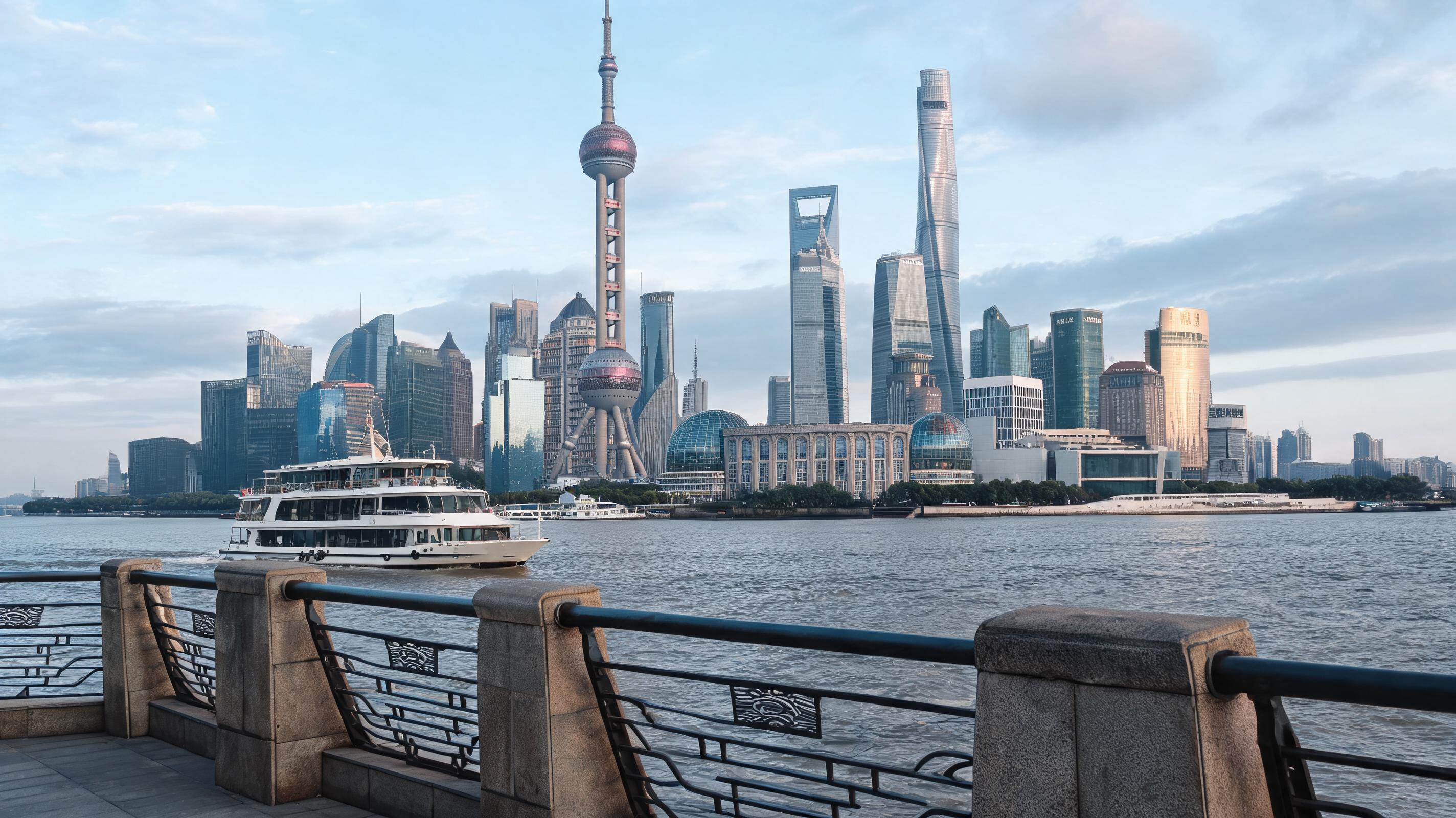
The strongest Shanghai photo collections usually combine wide skyline images, architectural details and everyday street scenes. Weather, crowd levels and seasonal light should be considered before planning a fixed shooting schedule.
Best Shanghai Skyline Photography Spots
The Bund
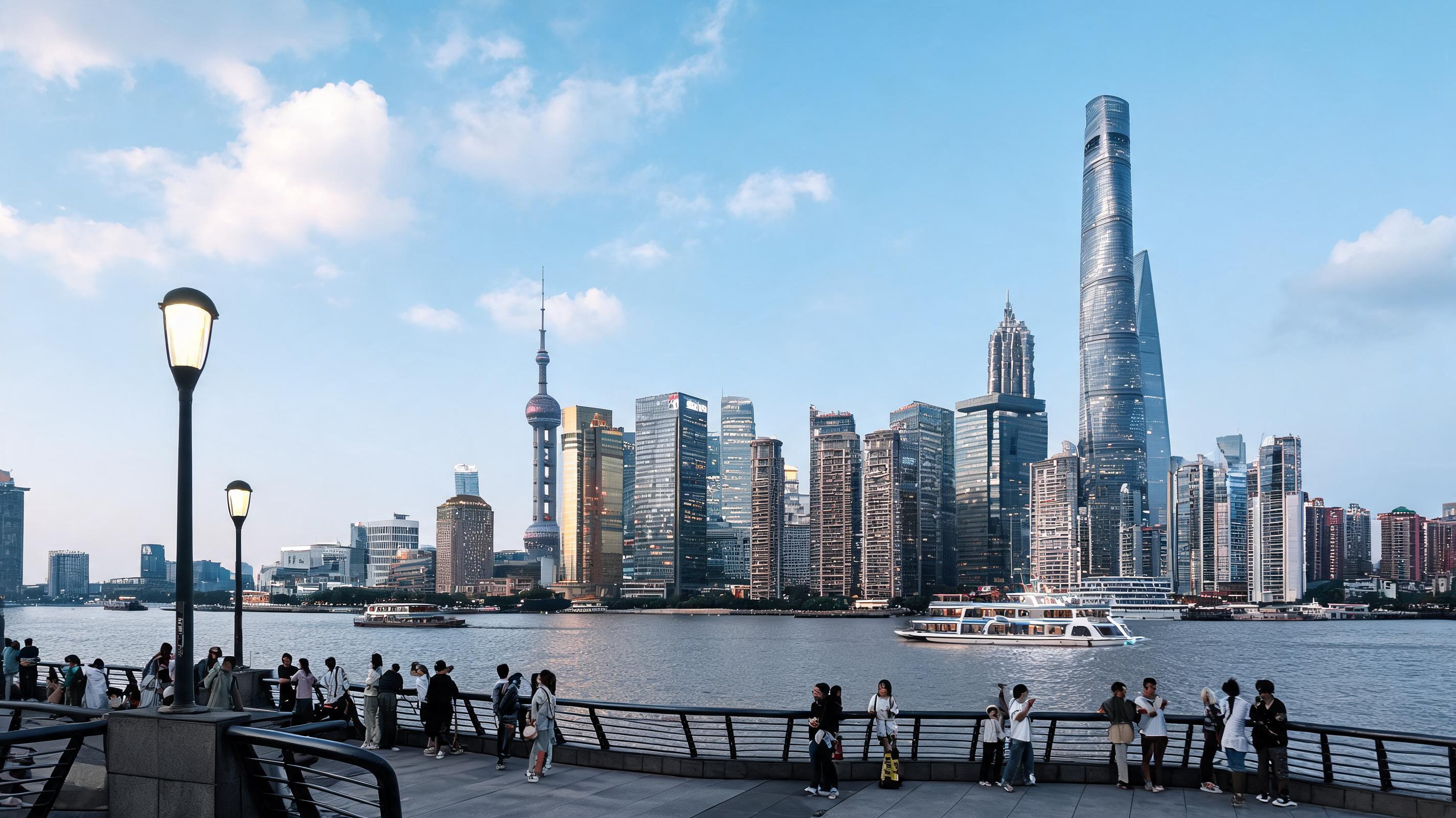
The Bund provides the most complete public view of the Lujiazui skyline across the Huangpu River. Shanghai Tower, Shanghai World Financial Center, Jin Mao Tower and the Oriental Pearl Tower can be photographed together from the waterfront promenade.
Early morning generally offers fewer visitors, while late afternoon and evening provide changing light and illuminated buildings. Lighting schedules may change because of weather, maintenance, special events or energy policies.
Useful compositions include:
- A wide skyline view from the riverfront
- Ferries or boats in the foreground
- Promenade railings as leading lines
- Reflections after rain
- Historic Bund buildings facing the modern skyline
Lujiazui
Lujiazui is suitable for close architectural photographs of Shanghai’s main skyscrapers. The elevated pedestrian walkway, public plazas and streets around the towers provide upward-looking compositions and urban details.
Wide-angle lenses can emphasize building height, while standard and short telephoto lenses can isolate architectural patterns. Some areas may restrict tripods or commercial photography equipment.
Observation Decks
Shanghai Tower, Shanghai World Financial Center, Jin Mao Tower and the Oriental Pearl Tower offer elevated city views.
Check weather, cloud height and air quality before purchasing a ticket. Rain, fog and window reflections can significantly reduce image quality.
Observation decks may restrict tripods, large bags or professional equipment, so review current rules before visiting.
Huangpu River Ferry
A public ferry can provide low-level views of both the Bund and Lujiazui from the river. Because the ferry is moving, use a faster shutter speed and keep equipment secure.
Routes, fares and operating hours vary, so confirm current information before planning a sunset crossing.
Best Street Photography Areas
East Nanjing Road
East Nanjing Road offers crowds, signs, shop windows, transport and evening lights. It is suitable for motion blur, reflections and wide urban scenes.
The area can be extremely busy, particularly during weekends and public holidays. Keep equipment close and avoid blocking pedestrian traffic.
Former French Concession
The former French Concession contains tree-lined roads, historic villas, Art Deco apartments, cafes and neighborhood activity.
Wukang Road, Anfu Road, Fuxing Road and nearby streets are popular, but many buildings are private residences. Photograph from public streets and avoid directing cameras into homes.
Xintiandi
Xintiandi combines restored Shikumen-style facades with modern shops, restaurants and public spaces. Brick walls, stone gateways and evening lighting provide strong architectural backgrounds.
The district is highly commercial and should not be presented as an unchanged residential neighborhood.
Yu Garden and Old City
The Yu Garden area offers traditional-style roofs, lanterns, bridges, shops and busy pedestrian streets. Yu Garden itself requires a ticket, while surrounding commercial streets can generally be explored without admission.
Early morning is better for quieter architectural photographs. Evening lighting can create stronger color, but crowds may make tripod use difficult.
Suzhou Creek
Suzhou Creek includes bridges, warehouses, riverside paths and renovated industrial buildings. It is suitable for urban landscapes and photographs showing older architecture beside newer development.
Select a specific section before departure because the creek covers a long distance.
Historic Architecture Photography
Bund Heritage Buildings
The Bund contains neoclassical, Gothic, Baroque and Art Deco buildings associated with Shanghai’s former commercial and treaty-port districts.
Columns, domes, stone facades and entrance details are best photographed from public pavements. Many buildings remain hotels, offices or private businesses, so interior access is limited.
Wukang Building
Wukang Building is one of Shanghai’s most recognizable historic apartment buildings. Its narrow corner creates a strong architectural composition from surrounding public streets.
The intersection can become crowded with photographers. Remain behind traffic barriers, avoid standing in the road and respect residents entering or leaving the building.
Shikumen and Lilong Areas
Shikumen architecture is characterized by stone gateways, brick walls and narrow residential lanes. Restored examples can be found in Xintiandi, while active residential areas remain in parts of Huangpu, Jing’an and Xuhui.
Do not enter private courtyards or residential buildings without permission.
Industrial Heritage
Former factories and warehouses along the West Bund, Yangpu riverside and Suzhou Creek provide strong geometric forms, brick textures and adaptive-reuse stories.
Public access varies, and some buildings operate as offices, museums or event venues.
Places to Photograph Everyday Shanghai Life
Neighborhood Parks
Early mornings in public parks may include tai chi, dancing, exercise and social activities. These scenes can provide a view of local daily life.
Ask permission before taking identifiable close-up portraits. Avoid treating local residents as staged tourist subjects.
Markets
Food and produce markets offer color, steam, movement and detailed images of daily commerce. However, they are working environments rather than photography attractions.
Do not block customers, touch goods unnecessarily or photograph vendors closely without consent.
Residential Backstreets
Quiet streets may contain bicycles, scooters, laundry, small shops and older architecture. These elements can create layered documentary images.
Stay in public areas and avoid photographing through windows or open doors.
Public Transport Areas
Metro entrances, bus stops and ferry terminals can show the scale and rhythm of Shanghai. Photography restrictions may apply inside transport facilities and around security areas.
Never photograph security screening, restricted equipment or personnel when prohibited.
Best Times to Photograph Shanghai
| Time | Best For | Things to Consider |
|---|---|---|
| Early morning | Quiet streets, parks and Bund views | Some venues and shops may be closed |
| Late afternoon | Historic facades and street scenes | Light direction changes by season |
| Blue hour | Skyline and waterfront photography | The useful light period can be brief |
| Night | Neon signs, traffic and illuminated buildings | Tripod restrictions and crowds |
| After rain | Reflections and softer atmospheric scenes | Slippery surfaces and equipment protection |
Sunrise and sunset times vary considerably throughout the year. Check the exact local time and weather forecast for your visit rather than relying on a fixed schedule.
Composition and Storytelling Tips
Combine Wide and Detailed Images
Begin with a wide view that establishes the location, then photograph architecture, people, signs, food and small street details.
This creates a more complete visual account than repeating similar skyline photographs.
Use Old and New Elements Together
Shanghai’s strongest visual contrast comes from historic buildings beside modern towers, traditional lanes beside commercial development and industrial structures beside new public spaces.
Use Reflections and Foreground Layers
Windows, puddles, polished stone and river surfaces can add depth. Pedestrians, bicycles and architectural details can provide foreground interest.
Adapt to Crowds
Instead of waiting for an empty street, use crowds to show movement and scale. A slower shutter speed can create controlled motion blur when tripod use is permitted.
Respect the Subject
Street photography should not cause discomfort. Ask before taking close portraits, particularly in markets, parks, temples and residential areas.
Photography Equipment Tips
- A wide-angle lens is useful for architecture and skyline views.
- A standard lens works well for street scenes and environmental portraits.
- A short telephoto lens can isolate building details.
- A small tripod can help with night photography where permitted.
- A lens cloth is useful in humid or rainy weather.
- A rain cover or water-resistant bag protects equipment.
- Carry spare batteries or a power bank.
- Back up important files regularly.
A tripod is helpful but not essential. Modern cameras and smartphones can produce strong night images using stabilization or night mode.
Suggested One-Day Photography Route
Morning: Former French Concession
- Begin around Wukang Road or Fuxing Road.
- Photograph architecture and quiet street activity.
- Continue to a park, cafe or nearby historic street.
Afternoon: Old City or Suzhou Creek
- Choose Yu Garden for traditional-style architecture and crowds.
- Choose Suzhou Creek for industrial buildings and waterfront scenes.
Evening: The Bund
- Arrive before sunset.
- Photograph the skyline as the light changes.
- Stay through blue hour and early evening.
Do not try to include every major photography area in one day. Shanghai’s size and traffic make a focused route more productive.
Frequently Asked Questions About Photography in Shanghai
Where is the best place to photograph the Shanghai skyline?
The Bund provides the most complete public view of Lujiazui. Observation decks and Pudong waterfront areas offer different perspectives.
When is the best time to photograph the Bund?
Early morning is quieter, while blue hour provides a balance between remaining daylight and building illumination.
Where can I photograph historic architecture?
The Bund, former French Concession, Wukang Road, Xintiandi and surviving Shikumen neighborhoods offer different types of historic architecture.
Where can I photograph everyday local life?
Neighborhood parks, markets, riverside paths and residential backstreets provide opportunities, but photographers should respect privacy and ask permission for close portraits.
Do I need a tripod?
No. A tripod can help with long exposures, but smartphones and stabilized cameras can also produce strong night photographs. Check local restrictions before setting up equipment.
Is commercial photography allowed?
Commercial shoots may require permission from property owners, venue operators or local authorities. Public access does not automatically permit professional production activity.
Can HopeGoo arrange a photography tour?
No. HopeGoo primarily provides online booking services for flights, hotels, train tickets, selected attraction tickets and connectivity products.
Conclusion
Shanghai offers photography opportunities ranging from the Bund skyline and Lujiazui towers to historic apartments, Shikumen lanes, markets and neighborhood parks.
Plan around weather and light, combine wide views with street details, respect private spaces and confirm photography restrictions at museums, observation decks and transport facilities.
After confirming your travel dates, you can use HopeGoo to search available flights, hotels, train tickets, selected attraction tickets and eSIM or SIM products.