Shanghai Art Galleries, Architecture and Heritage Travel Guide

HopeGoo Travel Adviser
Last Updated: 2026-08-11 13:56:04
Shanghai combines contemporary art museums, historic waterfront buildings, traditional lane houses and modern skyscrapers within one city. Visitors can move from the Bund’s early twentieth-century architecture to the towers of Lujiazui, then continue to museums, former industrial spaces and historic neighborhoods.
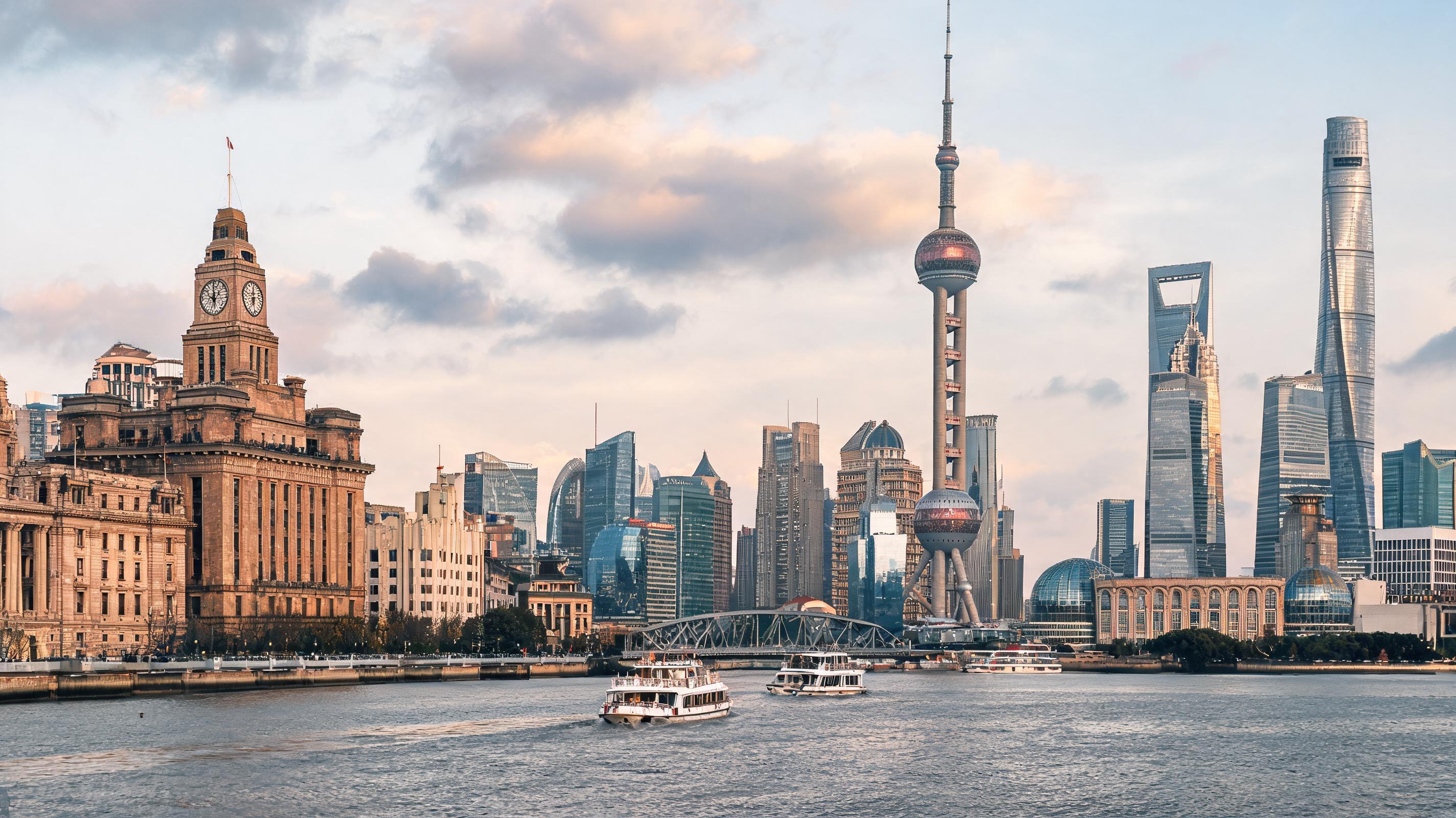
This guide introduces the main areas for art, architecture and heritage tourism, along with a practical itinerary for culture-focused visitors.
Best Art Museums and Galleries in Shanghai
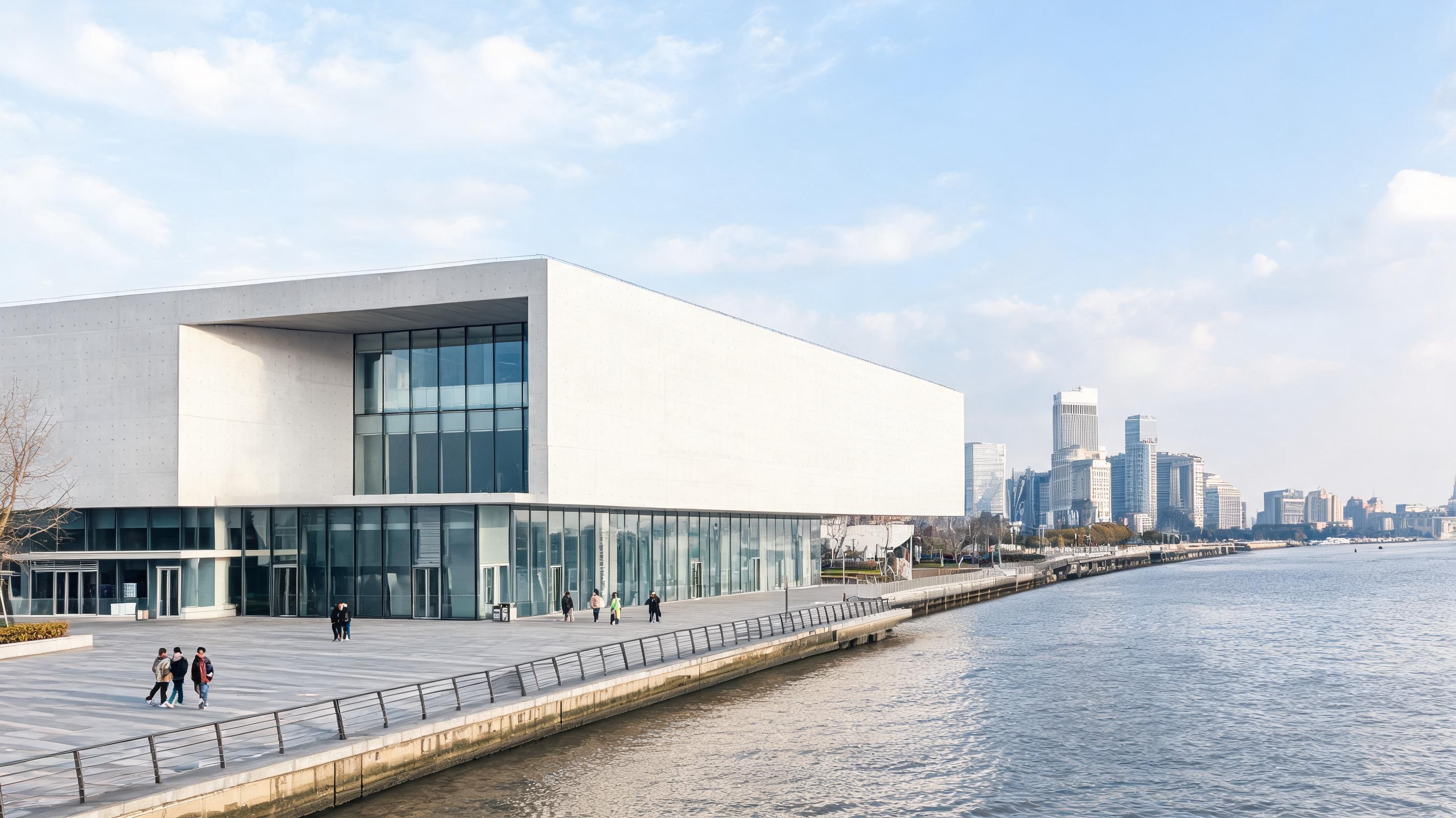
Shanghai’s art scene includes large public museums, commercial galleries and smaller independent spaces. Exhibition schedules change regularly, so visitors should check current programs before choosing a venue.
West Bund Museum
West Bund Museum is a major contemporary art venue on the Huangpu River. It presents rotating exhibitions of modern and contemporary art within a large waterfront building.
The surrounding West Bund area also includes public walking paths, additional museums and cultural venues. Distances between sites can be significant, so select one or two destinations rather than trying to visit the entire district in one afternoon.
Museum of Art Pudong
Museum of Art Pudong is located near the Lujiazui waterfront and hosts large temporary exhibitions. Its location makes it easy to combine art with views of the Bund and nearby modern architecture.
Admission prices, exhibition access and photography policies vary by program.
China Art Museum
China Art Museum occupies the former China Pavilion from Expo 2010 and focuses mainly on modern and contemporary Chinese art.
General exhibitions may be free, while selected exhibitions or events can require separate tickets.
Power Station of Art
Power Station of Art is a contemporary art museum inside a converted industrial building. It is known for large exhibition spaces, installations and rotating art programs.
The visitor experience depends on the current exhibition schedule, so review the program before making a special journey.
M50 Art District
M50 is a former industrial complex containing galleries, studios and creative businesses. Many spaces are free to enter, but galleries operate independently and may close between exhibitions.
M50 is suitable for visitors who enjoy informal exploration and do not expect every gallery to be open.
Shanghai Architecture: From the Bund to Lujiazui
Shanghai’s architecture reflects different stages of the city’s development, from historic commercial buildings and Shikumen housing to modern museums and skyscrapers.
The Bund
The Bund contains a row of historic financial and commercial buildings along the Huangpu River. Architectural influences include neoclassical, Gothic, Baroque and Art Deco styles.
Most buildings are best viewed from the public promenade. Some now contain hotels, offices, restaurants or private businesses and are not freely open for architectural visits.
Lujiazui
Across the river, Lujiazui represents modern Shanghai through Shanghai Tower, Jin Mao Tower, Shanghai World Financial Center and the Oriental Pearl Tower.
Visitors can view the district from street level, the elevated pedestrian walkway, the Pudong riverfront or one observation deck. Weather and air quality can affect elevated views.
Shikumen and Lilong Architecture
Shikumen housing combines Chinese courtyard traditions with Western row-house features. Typical elements include stone gateways, brick walls, narrow lanes and compact residential courtyards.
Restored examples can be seen in Xintiandi, while less commercial lane-house areas remain in parts of Huangpu, Jing’an and Xuhui. Visitors should respect private residences and avoid entering courtyards without permission.
Industrial Architecture
Former factories, warehouses and power facilities have been adapted into museums, galleries and public cultural spaces, particularly along the West Bund, Yangpu riverside and Suzhou Creek.
These projects show how Shanghai has reused parts of its industrial heritage rather than removing all traces of earlier urban development.
Top Heritage Areas in Shanghai
Old City and Yu Garden
Yu Garden is a classical Jiangnan-style garden with pavilions, ponds, rockeries and courtyards. The surrounding commercial area contains traditional-style buildings, shops, restaurants and snack stalls.
The public streets are free to explore, while entry to the garden requires a ticket.
Former French Concession
The former French Concession is known for tree-lined roads, historic villas, Art Deco buildings, Shikumen neighborhoods, cafes and boutiques.
Popular streets include Wukang Road, Anfu Road and Fuxing Road. Because the area is large, choose a specific walking route rather than treating it as one compact attraction.
North Bund and Hongkou
The North Bund offers additional riverfront views and historic buildings beyond the main Bund promenade. Nearby parts of Hongkou contain older residential streets, cultural sites and architectural traces of Shanghai’s international history.
Historic Temples and Religious Sites
Jing’an Temple, Longhua Temple and smaller religious sites provide insight into Shanghai’s spiritual and community life.
Visitors should dress respectfully, avoid interrupting worship and follow posted photography rules.
How Art, Architecture and History Connect
Shanghai’s cultural identity is shaped by the interaction between old and new urban spaces.
- Historic buildings now contain museums, hotels, galleries and restaurants.
- Former industrial areas have become art and public waterfront districts.
- Modern museums use contemporary architecture to present historical collections.
- Lane-house neighborhoods show how residential life developed alongside commerce and industry.
For a balanced cultural experience, combine one major museum, one architectural district and one historic neighborhood each day.
Suggested Three-Day Cultural Itinerary
Day One: The Bund and Lujiazui
- Walk along the Bund and view its historic facades.
- Cross the Huangpu River by metro or ferry.
- Explore Lujiazui and choose one observation deck if visibility is good.
- Visit Museum of Art Pudong or Shanghai Museum East.
- Finish with evening riverfront views.
Day Two: West Bund and Contemporary Art
- Visit West Bund Museum or another selected art venue.
- Walk along part of the West Bund waterfront.
- Continue to Power Station of Art or M50 rather than trying to visit every museum.
- Check current exhibition times before departure.
Day Three: Historic Neighborhoods
- Explore several streets in the former French Concession.
- Visit a local museum, bookstore or gallery.
- Continue to Yu Garden and the Old City area.
- Finish in Xintiandi or another Shikumen-style district.
Opening days differ between museums, and many venues close on Mondays. Confirm schedules before assigning museums to specific days.
Shanghai Cultural Experiences at a Glance
| Experience | Main Areas | Suggested Time | Best For |
|---|---|---|---|
| Contemporary art | West Bund, Pudong, M50 | Two to four hours per area | Art and design visitors |
| Historic architecture | The Bund, former French Concession | Half day | First-time visitors and photographers |
| Modern architecture | Lujiazui and Pudong | Half day | Skyline and architecture enthusiasts |
| Traditional heritage | Yu Garden and Old City | Two to three hours | History and garden visitors |
| Industrial heritage | West Bund, Yangpu and Suzhou Creek | Half day | Urban-design and repeat visitors |
Practical Visitor Tips
- Check current exhibitions before choosing an art museum.
- Confirm opening days, ticket policies and reservation requirements.
- Bring valid identification where required.
- Allow time for security checks at major museums.
- Group museums and heritage areas by district.
- Do not photograph private interiors or residents without permission.
- Check weather and visibility before booking an observation deck.
- Keep an indoor alternative for rain or extreme heat.
Frequently Asked Questions About Shanghai Art and Heritage
Which areas are best for contemporary art?
West Bund, Pudong and M50 contain some of Shanghai’s best-known contemporary museums, galleries and creative spaces.
Where can I see Shanghai’s historic architecture?
The Bund, former French Concession, Old City and surviving Shikumen neighborhoods provide the strongest architectural variety.
Can I combine the Bund and Lujiazui in one day?
Yes. The two areas face each other across the Huangpu River and can be connected by metro, ferry or taxi.
Are Shanghai art museums free?
Some offer free general admission, while others require paid tickets. Temporary exhibitions may have separate prices.
How many museums should I visit in one day?
One or two major museums are usually enough. Large venues can require several hours each.
Is Shanghai suitable for heritage-focused travel?
Yes. The city offers historic waterfront buildings, lane houses, temples, gardens, museums and reused industrial architecture.
Can HopeGoo arrange a guided cultural itinerary?
No. HopeGoo primarily provides online booking services for flights, hotels, train tickets, selected attraction tickets and connectivity products.
Conclusion
Shanghai’s cultural appeal comes from the contrast between contemporary museums, historic commercial buildings, Shikumen neighborhoods and modern skyscrapers.
A three-day cultural trip can combine the Bund and Lujiazui, the West Bund art area, and heritage neighborhoods such as the former French Concession and Old City.
After confirming your travel dates, you can use HopeGoo to search available flights, hotels, train tickets, selected attraction tickets and eSIM or SIM products.