Shanghai Café Culture and Lifestyle Districts

HopeGoo Travel Adviser
Last Updated: 2026-08-11 13:55:25
Shanghai’s café culture combines specialty coffee, independent businesses, international brands, design-focused interiors and walkable neighborhoods.
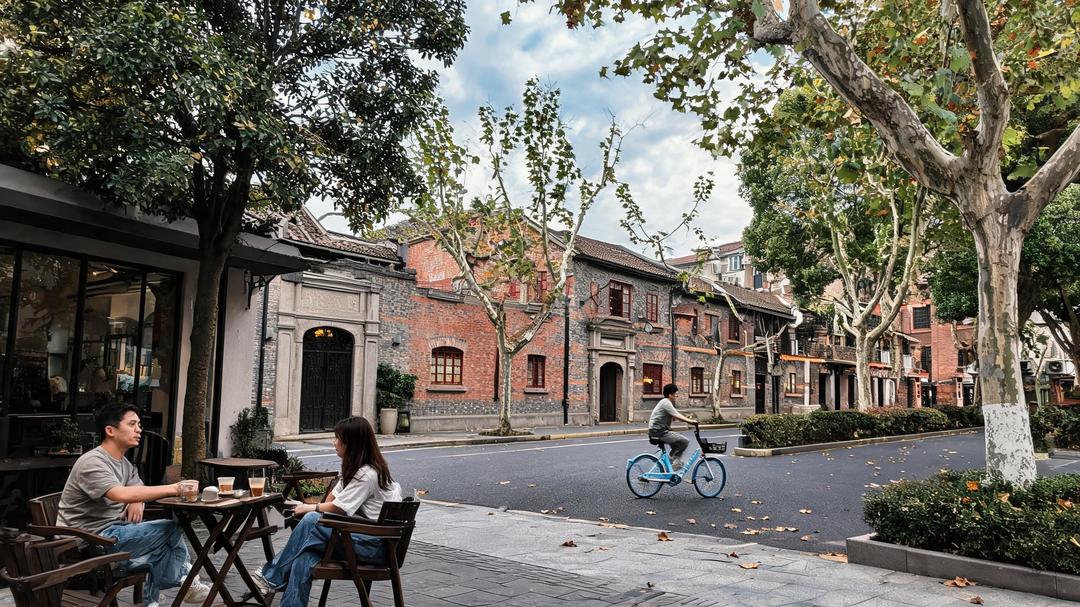
Visitors can experience this modern side of the city in tree-lined historic streets, commercial districts, shopping centers and regenerated waterfront areas. Because cafés frequently open, relocate or close, it is better to select a neighborhood first and confirm individual venues shortly before visiting.
How Café Culture Shapes Shanghai Life
Cafés in Shanghai serve several purposes. They are places to meet friends, take a break while shopping, work for a short period or experience new food and design concepts.
The city’s coffee scene includes:
- International and Chinese café chains
- Independent specialty coffee shops
- Small takeaway espresso bars
- Brunch cafés and bakeries
- Tea and coffee hybrid venues
- Cafés combined with galleries, bookstores or design shops
Shanghai cafés often mix global trends with local ingredients. Menus may include pour-over coffee, espresso drinks, Chinese-style pastries, seasonal fruit beverages and drinks inspired by tea, sesame or osmanthus.
Best Shanghai Districts for Cafés
Former French Concession
The former French Concession is one of Shanghai’s best-known areas for independent cafés, bakeries, boutiques and historic streets.
Wukang Road, Anfu Road, Yongkang Road, Fuxing Road and surrounding streets contain many café options. The district is extensive, so choose a small group of connected streets rather than trying to cover the entire area in one visit.
Weekdays are generally quieter. Popular streets can become crowded on weekends, especially near well-known architecture and photography locations.
Jing’an
Jing’an combines office towers, shopping malls, hotels and residential backstreets. Cafés range from quick-service locations for office workers to independent shops in quieter side streets.
The area around West Nanjing Road is convenient during hot or rainy weather because visitors can move between malls, restaurants and cafés with limited outdoor walking.
Xintiandi
Xintiandi is a pedestrian-friendly commercial district built around restored Shikumen-style buildings. It contains branded cafés, restaurants, shops and outdoor seating.
The area is easy to navigate and suitable for first-time visitors, although it is more polished and commercial than an ordinary residential neighborhood.
North Bund and Riverside Areas
The North Bund and other Huangpu River waterfront areas combine public promenades, parks, skyline views and selected cafés.
These areas are suitable for visitors who want to combine coffee with walking, photography or riverside sightseeing. Café options may be more widely separated than in central shopping districts.
Changning and Gubei
Changning and Gubei contain residential cafés, bakeries and all-day dining venues serving local and international communities.
These districts may be useful for travelers staying nearby, but they are not as compact as the most popular café-hopping areas in central Shanghai.
Independent Cafés and Design-Focused Spaces
Independent cafés often distinguish themselves through coffee sourcing, roasting, interior design and a specific neighborhood identity.
Common formats include:
- Small espresso bars with limited seating
- Specialty cafés serving pour-over coffee
- Pet-friendly neighborhood cafés
- Café and bookstore combinations
- Cafés hosting temporary art or design displays
- All-day cafés serving brunch, desserts and evening drinks
Not every visually attractive café specializes in coffee quality, and not every specialty café provides extensive seating or laptop access. Check menus, photographs and current customer information according to your priorities.
Shopping and Design Around Shanghai Cafés
Shanghai’s main café districts often combine coffee with fashion, books, art and homeware. This makes it possible to plan a half-day route around several types of activities rather than visiting cafés alone.
Independent Boutiques
Streets in the former French Concession and Jing’an contain small fashion, accessories and lifestyle stores. Some are temporary pop-ups or change locations frequently.
Bookstores and Cultural Shops
Shanghai has bookstores focusing on literature, architecture, art and design. Some include cafés, exhibition spaces or reading areas.
Seating, photography and event-entry policies differ by venue.
Shopping Centers
Shopping centers around West Nanjing Road, Huaihai Road and Xintiandi provide cafés, restaurants and retail under one roof. They are useful during rain, extreme heat or cold weather.
Design-Led Interiors
Many cafés use concrete, wood, plants, restored brick or gallery-style displays to create a distinct atmosphere.
Visitors should ask before conducting professional photography or photographing staff and other customers closely.
Suggested Café-Hopping Areas
Wukang Road and Anfu Road
This route combines historic buildings, boutiques, bookstores, bakeries and independent cafés.
Begin near Wukang Building, continue along Wukang Road and connect with nearby streets around Anfu Road. Avoid blocking pavements or entrances at popular photography locations.
Jing’an Urban Route
Begin around West Nanjing Road, visit a mall café or independent shop, then explore several nearby side streets.
This route works well when visitors want to combine coffee with shopping, dining or a visit to Jing’an Temple.
Xintiandi and Sinan Road
Start with cafés and shops in Xintiandi, then walk toward Sinan Road and nearby historic streets for a quieter neighborhood atmosphere.
Riverside Coffee Route
Choose one specific section of the North Bund, West Bund or another public waterfront. Combine a riverside walk with one or two confirmed café stops.
Do not assume that cafés are available continuously along the entire waterfront.
Where Coffee, Food and Culture Meet
Many Shanghai cafés now operate throughout the day and may serve breakfast, brunch, pastries, light meals or evening drinks.
Some also host:
- Small art exhibitions
- Book clubs and readings
- Design pop-ups
- Coffee tastings
- Live music or creative workshops
These programs are usually temporary and may require reservations. Check the organizer’s current account or venue announcement before attending.
Shanghai Café Districts Compared
| District | Main Atmosphere | Best For | Things to Consider |
|---|---|---|---|
| Former French Concession | Historic, leafy and independent | Café hopping, boutiques and photography | Popular streets become crowded |
| Jing’an | Business and lifestyle | Shopping, meetings and convenient indoor options | Cafés are spread across malls and side streets |
| Xintiandi | Polished and commercial | First-time visitors and easy navigation | Generally more expensive and tourist-oriented |
| North Bund and waterfront | Scenic and relaxed | Walking, views and photography | Cafés may be widely separated |
| Changning and Gubei | Residential and international | Neighborhood cafés and brunch | Less suitable for a compact sightseeing route |
Practical Café-Hopping Tips
- Choose one district for each half-day.
- Confirm current opening hours before departure.
- Do not rely on old lists of individual cafés.
- Check whether reservations or minimum spending apply.
- Ask about laptop and seating policies before working for long periods.
- Carry more than one payment method.
- Save addresses in Chinese for easier navigation.
- Ask permission before photographing interiors or customers.
- Keep a nearby mall or museum as a weather backup.
Weekday late mornings and afternoons are often comfortable for café visits, but opening schedules vary. Some venues open later, close on particular weekdays or become busy during lunch and weekend brunch periods.
Frequently Asked Questions About Shanghai Café Culture
Which Shanghai district is best for independent cafés?
The former French Concession is the strongest starting point, particularly around Wukang Road, Anfu Road and nearby streets. Jing’an also has many independent cafés.
Is Xintiandi good for café hopping?
Yes. It is compact and easy to navigate, although many venues are branded, polished and more commercial than neighborhood cafés.
Can I work remotely from Shanghai cafés?
Some cafés provide Wi-Fi, sockets and suitable seating, while others discourage laptops or have limited tables. Check the venue’s current policy.
Are most Shanghai cafés chains?
Shanghai has both large chains and independent cafés. Chains are common in malls and transport areas, while independent shops are more visible in lifestyle and residential districts.
When is the best time for café hopping?
Weekday late mornings and afternoons are generally less busy than weekend brunch periods. Always check individual opening hours.
Do Shanghai cafés accept international cards?
Payment acceptance varies. Mobile payment is widely used, while some cafés accept cash or selected bank cards. Carry a backup method.
Can HopeGoo plan a café-hopping itinerary?
No. HopeGoo primarily provides online booking services for flights, hotels, train tickets, selected attraction tickets and connectivity products.
Conclusion
Shanghai café culture is closely connected with shopping, design, food and neighborhood life. The former French Concession offers independent cafés and historic streets, Jing’an combines coffee with business and shopping, and Xintiandi provides a compact and polished visitor experience.
Choose a district first, confirm current venues and opening hours, and combine café visits with nearby shops, parks or cultural attractions.
After confirming your Shanghai travel dates, you can use HopeGoo to search available flights, hotels, train tickets, selected attraction tickets and eSIM or SIM products.