Walking Tours in Shanghai: The Best Routes for Culture, Food and History

HopeGoo Travel Adviser
Last Updated: 2026-08-11 13:55:59
Walking is one of the best ways to experience Shanghai’s architecture, neighborhoods, food and local street life. Historic buildings, cafes, markets, parks and museums are often concentrated within compact districts that can be explored over several hours.
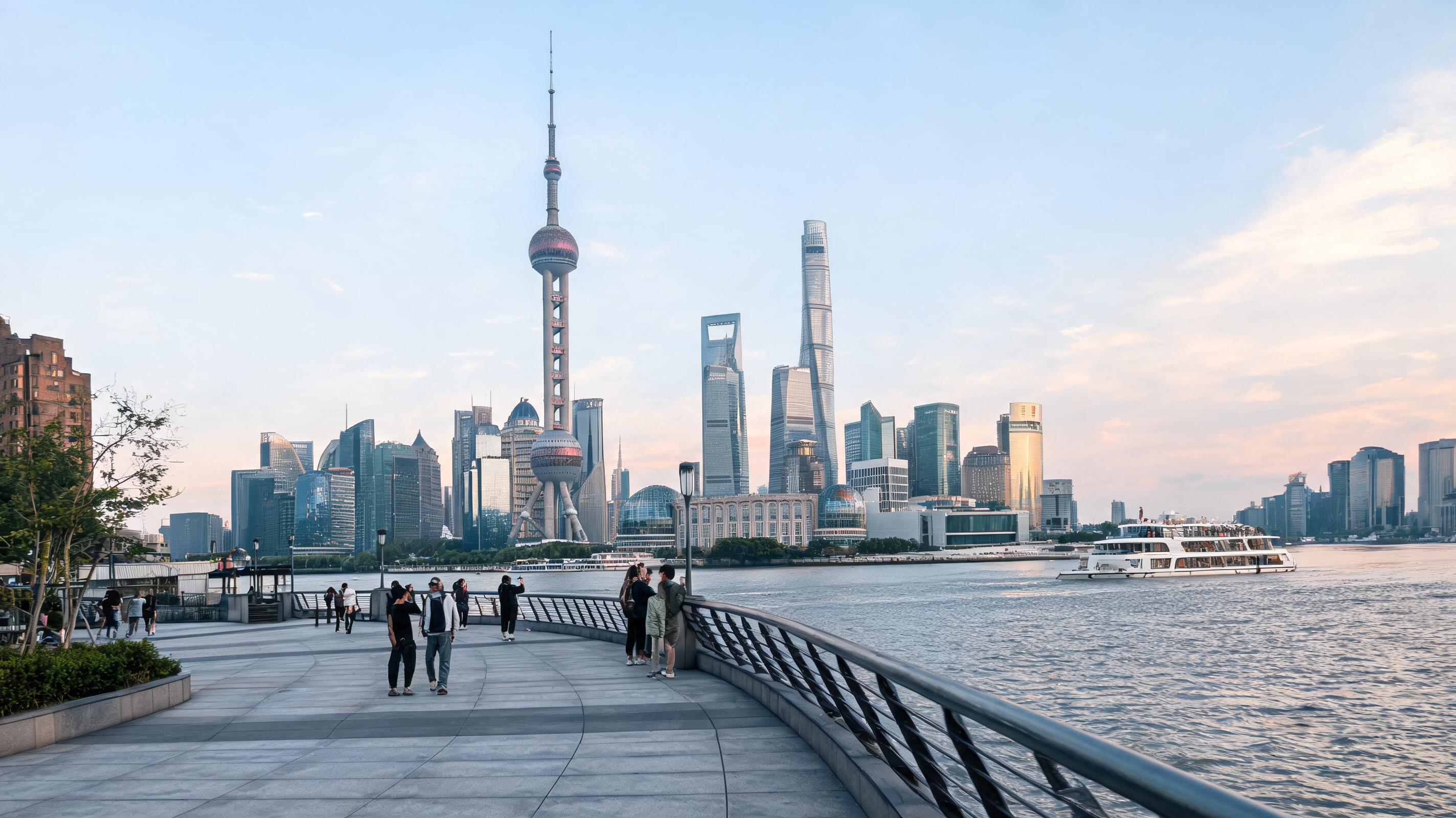
However, Shanghai is a very large city. A successful walking route should focus on one neighborhood or group of nearby areas rather than trying to connect distant attractions entirely on foot.
Why Explore Shanghai on Foot?
Walking allows visitors to notice architectural details, residential lanes, small shops and local activities that are easy to miss from a vehicle.
A Shanghai walking route can include:
- Historic waterfront and commercial architecture
- Shikumen and lilong residential streets
- Independent cafes and local restaurants
- Museums, galleries and cultural spaces
- Parks, riverside paths and public squares
Most comfortable routes take approximately two to four hours. Longer walks should include rest stops and convenient metro stations at the beginning and end.
Best Cultural Walking Routes in Shanghai
Former French Concession
The former French Concession is one of Shanghai’s most popular walking areas because of its tree-lined roads, historic villas, apartment buildings, cafes and small shops.
A practical route can include Wukang Road, Fuxing Road, Anfu Road and nearby streets. Because the district is extensive, choose several connected roads rather than attempting to walk from one end to the other.
Wukang Road and Surrounding Streets
Wukang Road is known for historic residences and the distinctive Wukang Building. Nearby streets contain bookstores, cafes and preserved architecture.
The area becomes crowded on weekends, especially around popular photography locations. Weekday mornings are generally more comfortable.
Yuyuan Road
Yuyuan Road combines residential architecture, small businesses, cafes and cultural venues. It provides a quieter alternative to the busiest parts of the former French Concession.
Some buildings are private homes or offices, so visitors should remain on public streets and respect access restrictions.
Xintiandi and Sinan Road
Xintiandi presents commercially restored Shikumen-style architecture, while nearby Sinan Road and surrounding streets contain historic residences and quieter walking areas.
The two areas can be combined in a half-day route with cafes, restaurants and selected museums.
Best Food-Friendly Walking Areas
Food walks work best when they focus on a neighborhood with several restaurants, snack shops or markets rather than relying on one famous venue.
Yu Garden and Old City
The streets surrounding Yu Garden contain dumpling restaurants, snack shops, tea stores and traditional-style commercial buildings.
This area is highly commercial and can become crowded. Check menus and prices before ordering, especially at restaurants near major visitor routes.
Former French Concession
The former French Concession is suitable for cafe, bakery, brunch and restaurant stops. Options range from small independent businesses to international dining.
Tenants and opening hours change frequently, so avoid building an entire route around one unverified venue.
Jing’an Backstreets
Streets behind West Nanjing Road contain local restaurants, bakeries, coffee shops and modern shopping centers. This area is convenient when weather conditions require a mixture of indoor and outdoor walking.
Local Markets
Neighborhood markets can provide insight into everyday food shopping, but they are working community spaces rather than tourist attractions.
Visitors should avoid blocking entrances, photographing vendors without permission or handling products unnecessarily.
Best Historical Walking Routes
The Bund
The Bund is the strongest route for understanding Shanghai’s treaty-port commercial history. Historic buildings once housed banks, hotels, shipping companies and trading firms.
A route from Waibaidu Bridge toward Nanjing East Road or Yan’an East Road generally takes two to three hours with photography stops.
Old City and Yu Garden Area
The Old City provides a different historical perspective from the former concessions. Yu Garden, temples and surviving street patterns reflect Chinese urban traditions that developed alongside the international settlements.
Much of the surrounding architecture has been restored or commercially redeveloped, so it should not all be described as original historic fabric.
Hongkou and North Bund
Hongkou contains literary, religious and international heritage connected with different communities that lived in Shanghai. The North Bund also provides historic buildings and river views outside the most crowded section of the main Bund.
Suzhou Creek
Suzhou Creek offers bridges, warehouses, industrial heritage and regenerated waterfront spaces. Choose one section rather than attempting to walk the entire creek.
Top Shanghai Neighborhoods to Explore on Foot
| Area | Main Experience | Suggested Time |
|---|---|---|
| Former French Concession | Historic streets, villas, cafes and boutiques | Three to four hours |
| The Bund | Waterfront architecture and skyline views | Two to three hours |
| Old City and Yu Garden | Traditional-style streets, garden and food | Two to three hours |
| Jing’an | Historic buildings, shopping and dining | Two to four hours |
| Hongkou and North Bund | Literary history and riverside heritage | Three to four hours |
| Suzhou Creek | Industrial architecture and waterfront paths | Two to three hours |
Self-Guided Shanghai Walking Routes
Route One: Bund Architecture Walk
- Begin near Waibaidu Bridge.
- Walk south along the Bund promenade.
- View the historic hotel, banking and commercial buildings.
- Stop near Nanjing East Road.
- Finish at Yan’an East Road or continue into the Old City by metro or taxi.
Route Two: Former French Concession Walk
- Begin near Shanghai Library or Changshu Road Metro Station.
- Walk along Wukang Road and nearby residential streets.
- Continue toward Anfu Road or Fuxing Road.
- Stop at a cafe, bookstore or park.
- Finish near a convenient metro station.
Route Three: Old City and Xintiandi
- Begin at Yu Garden and explore the surrounding public streets.
- Visit the garden or nearby temple where desired.
- Use the metro or taxi to reach Xintiandi rather than walking the entire distance.
- Explore the Shikumen-style pedestrian district.
- Continue toward Sinan Road for a quieter finish.
Route Four: Suzhou Creek and M50
- Choose a public section of the Suzhou Creek waterfront.
- Walk past bridges and regenerated warehouse areas.
- Continue to M50 Art District.
- Visit selected galleries where open.
- Finish near a metro station.
What to Wear and Bring
What to Wear
- Comfortable walking shoes with good grip
- Light layers during spring and autumn
- Breathable clothing during hot and humid summers
- A warm coat and wind-resistant layers in winter
What to Bring
- Water bottle
- Compact umbrella or rain jacket
- Portable power bank
- Sun protection
- Translation and navigation applications
- Backup payment method
Check the short-term weather forecast before departure. Summer routes should avoid the hottest part of the afternoon, while rainy conditions may make older pavements and lanes slippery.
Guided vs. Self-Guided Walking Tours
| Format | Advantages | Limitations |
|---|---|---|
| Guided tour | Historical explanation, structured route and language support | Fixed timing and usually higher cost |
| Self-guided walk | Flexible pace, lower cost and personalized stops | Requires navigation and independent research |
A guided tour may be useful for travelers interested in detailed history or local food explanations. Before booking, check the operator’s credentials, language, route, included costs and cancellation conditions.
HopeGoo does not operate guided Shanghai walking tours or verify individual tour companies.
Practical Walking Tips
- Plan one district per half day.
- Use the metro between distant neighborhoods.
- Save destinations and addresses in Chinese.
- Check museum and business opening hours.
- Do not enter private residential lanes or buildings.
- Ask permission before photographing people closely.
- Allow extra time during weekends and public holidays.
- Keep an indoor alternative for rain or extreme heat.
Frequently Asked Questions About Walking Tours in Shanghai
What is the best area for a first walking tour?
The Bund is best for major architecture and skyline views, while the former French Concession is better for neighborhood streets, cafes and residential history.
How long should a Shanghai walking route be?
Two to four hours is comfortable for most visitors. Longer routes should include rest stops and metro connections.
Is Shanghai suitable for self-guided walks?
Yes. Many central districts are easy to explore independently with a navigation application and a clearly defined route.
What should I wear?
Wear comfortable shoes and clothing suited to the weather. Carry rain protection because conditions can change quickly.
Are walking routes suitable for families?
Yes. Choose shorter routes with parks, cafes, toilets and convenient metro access.
Should I book a guide?
A guide can provide deeper historical or food-related explanations. A self-guided route is more suitable when flexibility and lower cost are priorities.
Can HopeGoo arrange a guided walking tour?
No. HopeGoo primarily provides online booking services for flights, hotels, train tickets, selected attraction tickets and connectivity products.
Conclusion
Walking tours are an effective way to experience Shanghai’s architecture, food, history and neighborhood life. The best routes focus on one compact area such as the Bund, former French Concession, Old City, Hongkou or Suzhou Creek.
Use the metro between distant districts, respect private residential spaces and adjust the route according to weather and crowd conditions.
After confirming your Shanghai travel dates, you can use HopeGoo to search available flights, hotels, train tickets, selected attraction tickets and eSIM or SIM products.