What is Hong Kong famous for shopping

HopeGoo Travel Adviser
Last Updated: 2026-03-31 14:42:02
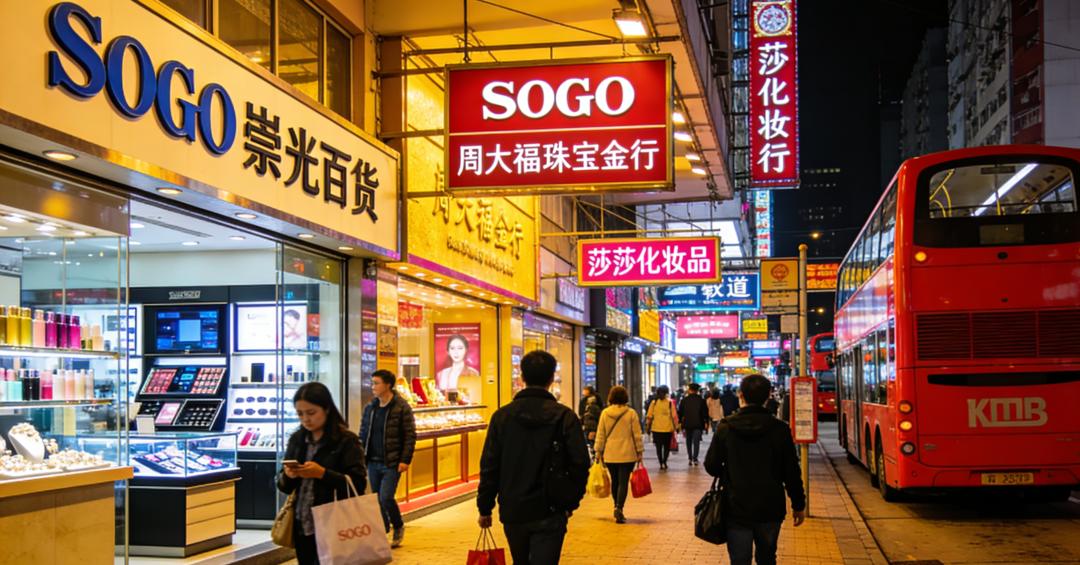
Hong Kong is famous for shopping because it combines world-class luxury retail, dense and diverse shopping districts, and iconic street markets in one compact, easy-to-navigate city. Beyond its skyline and harbour views, Hong Kong has long been positioned as a global commercial hub, which shaped a retail culture where international flagship stores, local designer brands, and bargain-friendly markets coexist side by side. For travelers, this means you can browse luxury boutiques in Central in the afternoon, hunt for souvenirs in Mong Kok in the evening, and still have time for late-night dining and city views.
Another reason Hong Kong stands out is the sheer concentration of retail infrastructure and shopping variety. According to the Hong Kong Tourism Board, shopping is a major part of visitor spending, often cited as around 30% of total visitor expenditure. The city also benefits from a low-tax environment (notably no general sales tax/VAT), which can make certain categories—especially luxury goods—more price-competitive than in many other destinations, depending on brand pricing and exchange rates.
In this guide, you'll learn exactly what makes Hong Kong a shopping destination: the most iconic shopping streets, how traditional markets differ from modern malls, where to find popular global and local brands, and how local culture and festival seasons influence shopping habits. Whether you're planning a luxury-focused trip or simply want authentic local finds, this article will help you shop smarter and enjoy the experience.
Quick Answer
Hong Kong is famous for shopping because it offers:
-A high density of luxury flagships and major malls in districts like Central, Causeway Bay, and Tsim Sha Tsui
-Iconic street markets (e.g., Ladies' Market, Temple Street) known for bargain-style shopping and souvenirs
-A strong mix of international brands and local boutiques (e.g., G.O.D.)
-A low-tax retail environment (no general sales tax/VAT), which can improve value on some products
-A shopping culture shaped by East-meets-West history, plus seasonal demand spikes during major festivals
An Overview of Hong Kong's Shopping Scene
Hong Kong's shopping scene is built on variety and convenience. It is not only a retail destination but also a global finance and logistics center, which helps support a fast-moving consumer market and frequent product turnover. Many visitors shop in Hong Kong because it offers a broad selection across categories: luxury fashion, watches and jewelry, cosmetics, electronics, designer lifestyle goods, and traditional Chinese products.
A key advantage often cited by travelers is pricing transparency and product range, especially in established malls and brand boutiques. Hong Kong's tax structure can also influence final prices for certain items, though the best approach is still to compare official prices by region and consider exchange rates, promotions, and warranty coverage.
From a travel-planning perspective, Hong Kong is also famous for “district-based shopping,” where each neighborhood has a distinct retail personality. This makes it easy to build a shopping itinerary based on your goals: luxury and flagships, street bargains, local design, or cultural goods.
Iconic Shopping Streets You Can't Miss
Nathan Road (Tsim Sha Tsui / Yau Tsim Mong) — “Golden Mile”
Nathan Road is one of Hong Kong's most recognizable shopping corridors. It's lined with retail chains, electronics shops, pharmacies, and access points to major malls. At night, the neon-lit streetscape adds to the classic Hong Kong shopping atmosphere. Best for: broad variety, convenient access, mall-hopping, first-time visitors
Causeway Bay — High-street fashion and trend-driven shopping
Causeway Bay is known for dense retail blocks, beauty stores, and fast-changing fashion trends. It's a popular area for shoppers who want to compare multiple brands quickly. Best for: high-street brands, cosmetics, seasonal promotions
Ladies' Market (Mong Kok) — Street shopping and bargaining culture
Ladies' Market is famous for affordable clothing, accessories, and souvenir-style items. Bargaining is common, and the experience is as much about the atmosphere as the purchase. Best for: souvenirs, small gifts, budget shopping Tip: quality varies—inspect items carefully before paying.
Stanley Market — Relaxed shopping for crafts and casual wear
Stanley Market offers a slower pace and is known for handicrafts, artwork, and casual apparel. It's a good option if you want a less crowded shopping environment compared to Mong Kok. Best for: gifts, crafts, leisure shopping with a seaside vibe
Traditional Markets vs. Modern Malls
Hong Kong is famous for shopping partly because you can choose between two very different experiences—often on the same day.
Traditional markets (authentic, social, discovery-driven)
Markets like Temple Street Night Market and the Flower Market are rooted in local life. Shoppers come for the energy, the vendor interaction, and the chance to find small, culturally specific goods. Best for: street snacks, small household items, souvenirs, local atmosphere What to watch: inconsistent pricing, variable quality, authenticity concerns for high-value items
Modern malls (comfortable, curated, brand-safe)
Malls such as IFC Mall and Pacific Place offer air-conditioned comfort, dining, and a curated brand mix. They are typically better for luxury purchases, clear return policies, and a predictable shopping experience. Best for: luxury brands, family-friendly shopping, rainy/hot-day itineraries Practical advantage: easier payment options and clearer customer service policies
This “markets + malls” duality is one of the clearest reasons Hong Kong remains a top shopping destination: it serves both experience-seekers and efficiency-focused buyers.
Popular Brands and Boutiques in Hong Kong
Hong Kong hosts flagship stores and boutiques for many global luxury brands, commonly concentrated in Central, Tsim Sha Tsui, and premium malls. Fashion enthusiasts often shop here for the breadth of selection and the ability to compare multiple brands within short walking distances.
At the same time, local brands add identity to the shopping scene. Examples include:
-G.O.D. (Goods of Desire): lifestyle products inspired by Hong Kong culture
-Chow Sang Sang: a well-known jewelry brand with strong local presence
This combination—international flagships plus local creativity—helps explain why Hong Kong shopping feels both global and distinctly local.
Travel note (kept user-first): If you're planning a shopping-focused trip across multiple districts, choosing the best hotels in Hong Kong near key MTR lines can save significant time. HopeGoo (established in 2004) can support travelers with flight and hotel bookings, which may help streamline a multi-district shopping itinerary.
Cultural Influences on Hong Kong's Shopping Habits
Hong Kong's shopping culture reflects a blend of Eastern traditions and Western retail habits. Shopping is often social—done with family or friends—and closely tied to festival seasons.
Key periods that influence shopping behavior include:
-Chinese New Year: higher demand for new clothing, gifts, and household items
-Mid-Autumn Festival: gift boxes, food items, and family-oriented purchases
Because festivals shape what people buy and when they buy it, visitors can experience a noticeably different retail atmosphere depending on their travel month—more promotions, more crowds, and more seasonal products during peak festive periods.
Where to Shop If you prefer curated convenience, Tsim Sha Tsui excels for high-end malls like Harbour City. To maximize your time, many visitors look for hotels near Harbour City Hong Kong to stay close to the premium boutiques. Central offers an elegant mix of flagship stores and art galleries, while Mong Kok remains the heart of street-market culture.
Conclusion
Hong Kong is famous for shopping because it delivers a rare mix of scale, variety, and cultural character, making it one of the most vibrant Hong Kong tourism attractions in a compact city. Iconic streets like Nathan Road and districts like Causeway Bay attract shoppers who want fast access to global brands, while markets such as Ladies' Market and Temple Street offer a classic street-shopping experience rooted in local life. Add modern malls like IFC Mall and Pacific Place—where luxury flagships, dining, and comfort come together—and you get a retail ecosystem that appeals to nearly every travel style and budget.
What truly differentiates Hong Kong is not only what you can buy, but how you shop: bargaining and discovery in traditional markets, curated premium experiences in malls, and a strong local design identity alongside international fashion houses. Cultural rhythms also shape the retail calendar, with shopping peaks around major festivals like Chinese New Year and Mid-Autumn Festival, when seasonal goods and gift traditions become part of the experience.
If you're planning a shopping trip, consider mapping your itinerary by district and transport convenience so you can cover luxury zones, markets, and local boutiques efficiently. With practical planning—and support from travel services such as HopeGoo for flights and accommodation—your Hong Kong shopping journey can be smooth, time-saving, and genuinely memorable.