What is the Best Time to Visit Hong Kong?

HopeGoo Travel Adviser
Last Updated: 2026-01-19 16:16:35
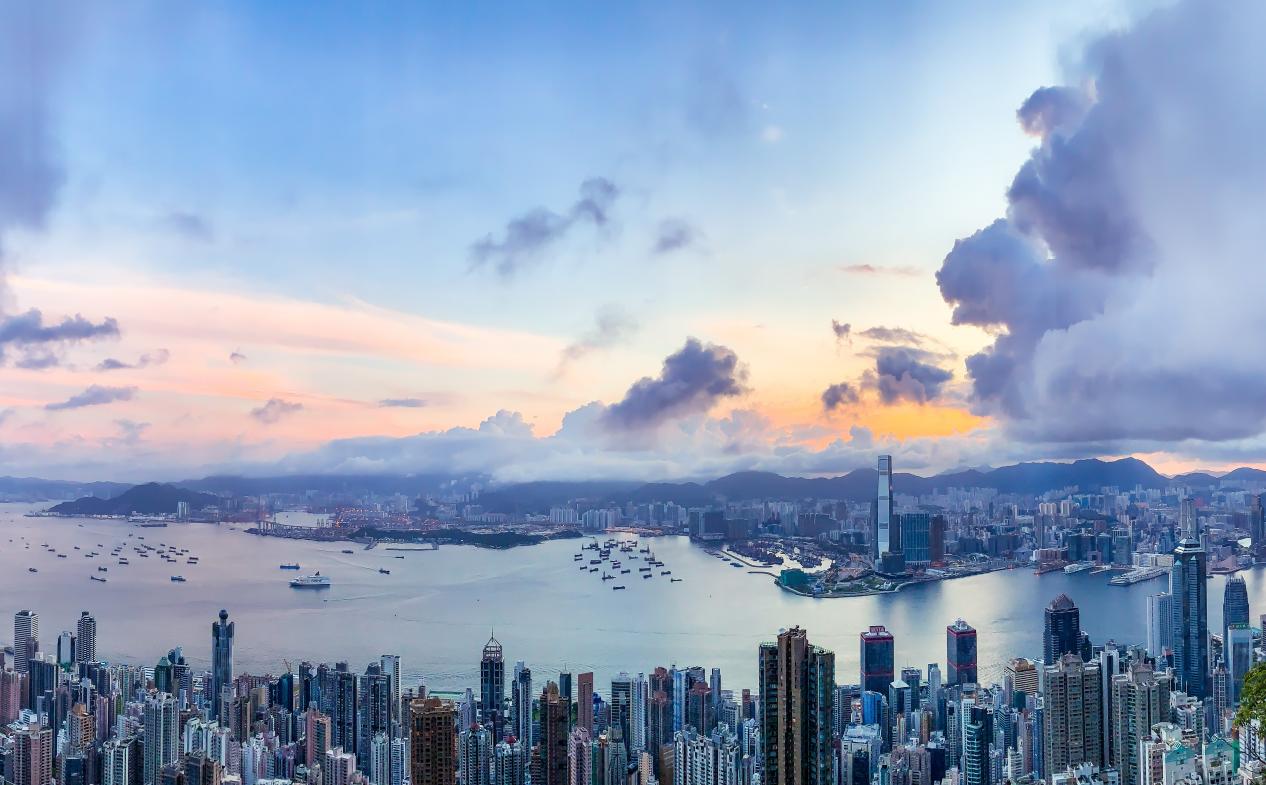
Planning a trip to Hong Kong can be stressful, especially when you have to deal with unpredictable weather, crowds, and high costs. Imagine this: your long-awaited holiday dream finally comes true, expecting a harbour cruise in the humid summer rain, only to turn into a soaking disaster, or being suffocated on Victoria Peak, regretting not timing it right. If you're also wondering when is the best time to go to Hong Kong, you've come to the right place.
This article will provide you with a comprehensive guide to the best time to travel to Hong Kong. We'll break down seasonal weather patterns, the differences between peak and off-peak seasons, affordable travel windows and purpose-driven advice.
Hong Kong Four Seasons Temperatures
Hong Kong's subtropical climate means mild winters and hot, humid summers, influenced by its coastal location. Here is a brief table summarizing Hong Kong's four seasons and their typical weather:
| Season | Months | Average Temperature | Key Characteristics |
|---|---|---|---|
| Spring | March – May | 20°C | Humid and foggy, occasional "return south" weather (sudden high humidity and dampness) |
| Summer | June – August | 29°C | Hot and very humid (feels like 31–33°C), typhoon season (mainly July – September) |
| Autumn | September – November | 25°C | Sunny, dry and comfortable – the best time to travel |
| Winter | December – February | 16°C | Dry and mildly cool, lows around 10°C, rarely below 5°C |
Hong Kong's subtropical climate offers something magical every season, from blooming spring festivals and mild hikes to summer dragon boat thrills, crisp autumn trails, and festive winter lights. No matter when you travel, the city delivers unforgettable experiences tailored to weather, events, and vibes.
Spring Season in Hong Kong (March–May)
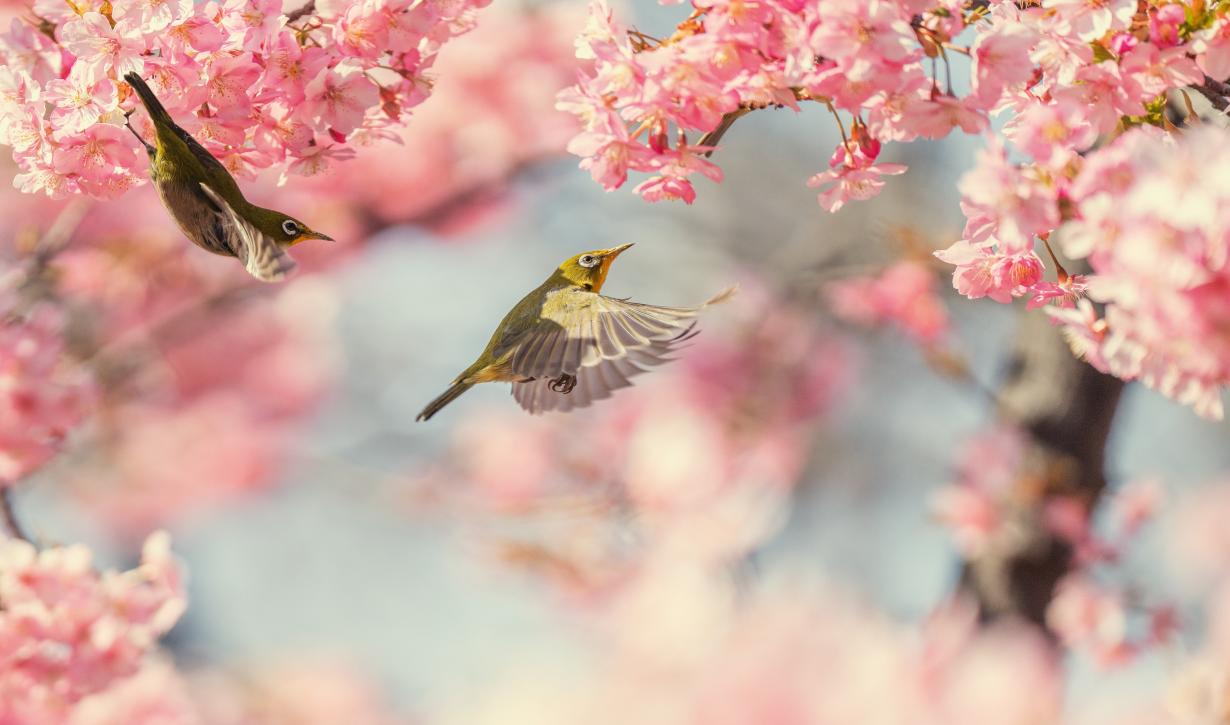
Spring brings gradual warming, with temperatures ranging from 18°C to 26°C (64°F–79°F) in Hong Kong. Humidity gradually increases, with occasional showers—perfect for those who prefer mild weather and avoid extreme temperatures. Hong Kong is vibrant during this time, boasting a rich array of cultural activities, including the Hong Kong Arts Festival (world-class theatre, music, and dance performances), the energetic Cheung Chau Bun Festival (bun climbing competition and parade), the Tin Hau Birthday Temple Fair Parade, and the Hong Kong International Film Festival. Cherry blossoms bloom in places like Tai Po Waterfront Park, Ngong Ping, and Kadoorie Farm, creating picturesque scenes and perfect for taking beautiful photos. It's also peak hiking season; Dragon's Back and Victoria Peak are particularly stunning under clear skies, flower markets are vibrant with color, and outlying islands like Cheung Chau are ideal for leisurely exploration before the summer heat arrives.
What to wear: Light long-sleeve T-shirts paired with a thin jacket or windbreaker work perfectly, together with casual pants or lightweight jeans. Comfortable, breathable sneakers or canvas shoes are ideal for footwear. Since spring showers are frequent, always carry a compact folding umbrella.
Suggested hotels in Spring via HopeGoo:
· Luxury: Four Seasons Hotel Hong Kong (Central) — Stunning harbour views, infinity pool, and easy MTR access to parks/festivals; perfect for balanced indoor/outdoor during showers.
· Mid-Range: Cordis, Hong Kong (Mong Kok/Wan Chai area) — High ratings, central convenience for events and transport.
· Budget: Holiday Inn Golden Mile (Tsim Sha Tsui) — Affordable, great location near attractions and MTR for easy island hopping.
Hong Kong Summer (June–August)
Summer temperatures in Hong Kong typically range from 26°C to 31°C (79°F–88°F), with humidity reaching 80–90%. Showers and typhoons are common – perfect for water activities or cooling off indoors. The festive atmosphere is vibrant, with the most notable event being the Dragon Boat Festival (usually in late May or June). Intense dragon boat races take place in Victoria Harbour and throughout the city, accompanied by deafening drumbeats and bustling crowds. Traditional rice dumplings (zongzi) are also available for tasting. For those seeking respite from the heat, Repulse Bay and Shek O Beach are popular choices, offering sunny beaches that offer respite from the heat.
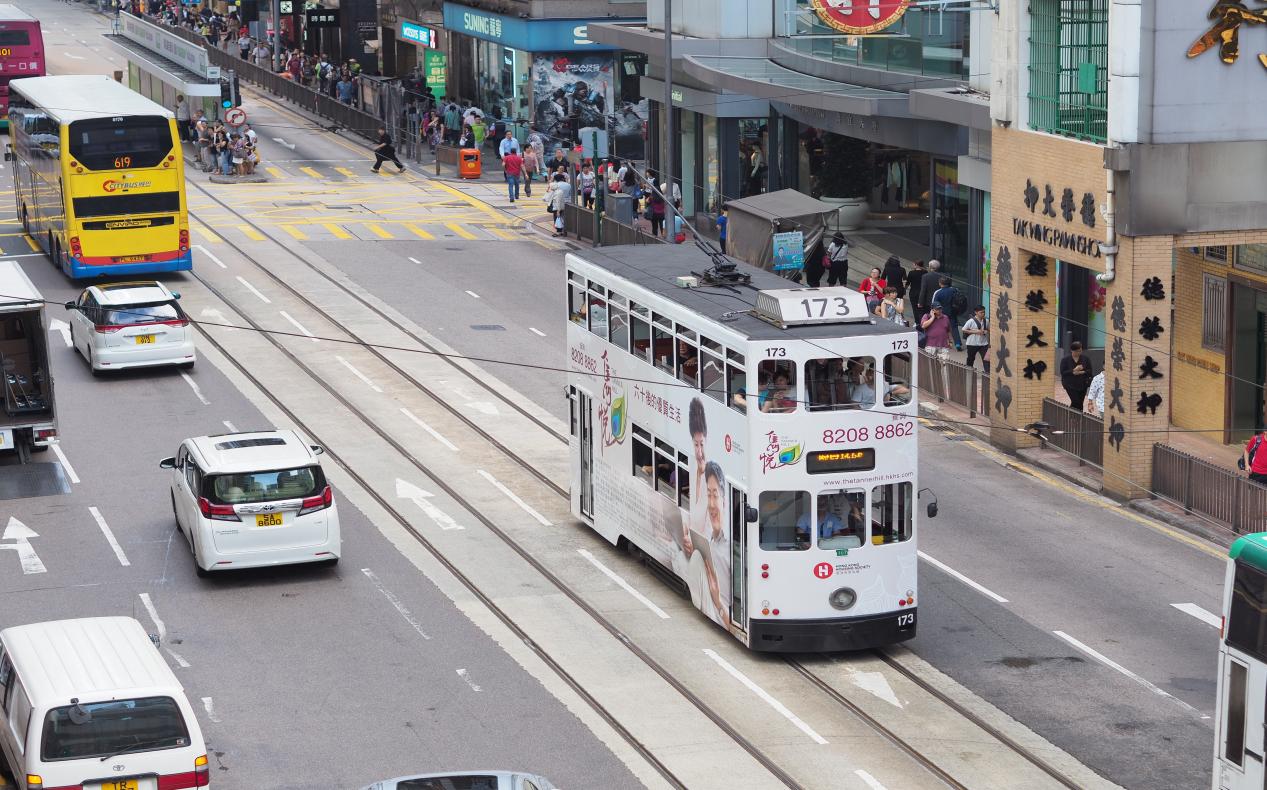
What to wear: Breathable, quick-dry short-sleeve T-shirts, tank tops, or Polo shirts are essential, paired with lightweight shorts, casual pants, or skirts. Opt for non-slip sandals or breathable athletic shoes (crucial for rainy days). Don't forget essentials like a compact folding umbrella (for both rain and sun protection), a sun hat, and sunglasses.
Suggested hotels in Summer via HopeGoo:
· Luxury: The Ritz-Carlton, Hong Kong (Kowloon/ICC) — Highest hotel with rooftop pool, panoramic views, excellent AC; ideal for harbour breezes and indoor escapes on rainy days.
· Mid-Range: W Hong Kong (Kowloon) — Stylish with late checkout, shuttle access, great for beating heat near malls.
· Budget: B P International (Yau Ma Tei) — Value stay with solid reviews, close to transport for beach trips.
Autumn in Hong Kong (September–November)
Autumn is widely considered the best time to travel, with comfortable temperatures ranging from 22°C to 28°C (72°F–82°F) and lower humidity, ideal for outdoor activities. This is the peak season for hiking. The Dragon's Back Trail offers stunning panoramic views of the coastline, beaches, and mountains. Classic routes like Lantau Peak and Tai Mo Shan are particularly spectacular under clear skies, and the crisp weather makes every step a pleasure.
What to wear: Long-sleeve T-shirts, lightweight hoodies, or shirts pair beautifully with jeans, casual pants, or long skirts. Comfortable athletic shoes or canvas shoes are ideal for walking and exploring. Bring a light scarf for those cooler early mornings or evenings when the temperature dips.
Suggested hotels in Autumn via HopeGoo:
· Luxury: The Peninsula Hong Kong (Tsim Sha Tsui) — Iconic harbour views, near Star Ferry for scenic trails/islands; perfect for outdoor enjoyment in ideal weather.
· Mid-Range: Hyatt Regency Hong Kong, Tsim Sha Tsui — Comfortable, high-rated, excellent location for hikes and city access.
· Budget: The Kowloon Hotel (Tsim Sha Tsui) — Affordable, central with MTR convenience for trail starts.
Hong Kong Winter (December–February)
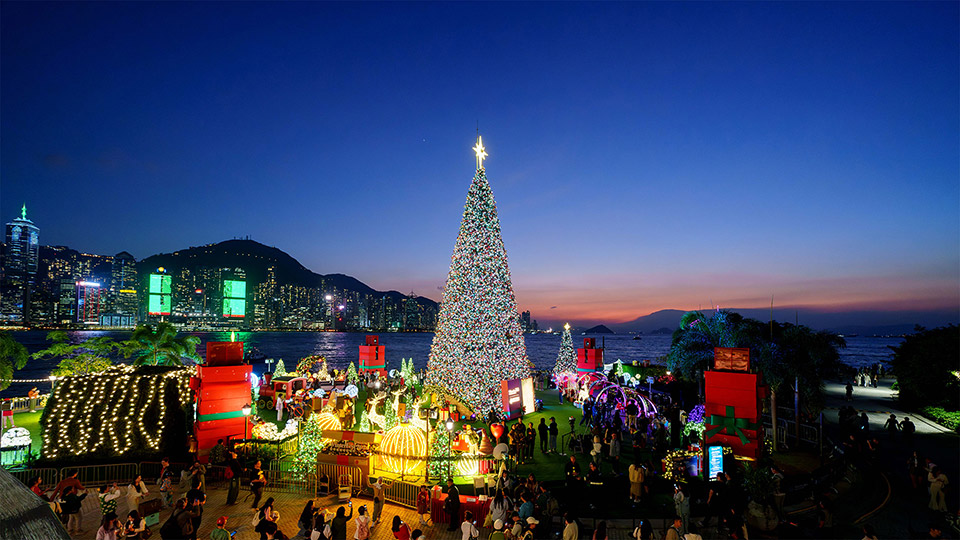
Hong Kong Winter are cool and comfortable with temperatures ranging from 15°C to 20°C (59°F–68°F), rarely dropping below 5°C. The air is dry and fresh, with occasional cool breezes—perfect for those escaping the cold from more frigid regions. Hong Kong transforms into a festive paradise during this time. WinterFest (usually starting in late November or December) brings Christmas markets, giant Christmas trees, dazzling lights, and seasonal attractions throughout the city. Tsim Sha Tsui and Causeway Bay are ablaze with lights, and the New Year's Eve countdown in Victoria Harbour is a romantic highlight.
What to wear: Layer up with thermal innerwear, sweaters, and a thick outer layer like a down jacket or wool coat. Pair with fleece-lined pants or thick jeans. Choose warm boots or sturdy athletic shoes for comfort. Essentials include a scarf, gloves, and hat—especially for those sensitive to the chill!
Suggested hotels in Winter via HopeGoo:
· Luxury: Island Shangri-La, Hong Kong (Admiralty/Central) — Cozy luxury, harbour views, prime spot for holiday lights and events.
· Mid-Range: The Salisbury - YMCA of Hong Kong (Tsim Sha Tsui) — Excellent value, central for WinterFest lights and fireworks views.
· Budget: Eaton HK (Yau Ma Tei/Kowloon) — Trendy, well-rated, easy access to festive areas and markets.
Peak Season & Off Season in Hong Kong
Hong Kong's peak tourist season is from October to December, when pleasant weather attracts a large influx of tourists, particularly during Christmas and New Year's. This leads to soaring hotel prices (by 30% to 50%) and overcrowded attractions. Another busy period is the Lunar New Year (late January or February), with celebrations further boosting popularity but also resulting in long queues and higher prices.
The off-season occurs in the summer (June to August). Despite the heat, fewer tourists mean discounted flights and accommodations—ideal for indoor shopping or museum visits. Transitional seasons like March-April and September offer a more balanced experience: fewer tourists, pleasant weather, and special offers, avoiding the chaos of peak season or the inconvenience of off-season rain.
| Festival | Time | Highlights |
|---|---|---|
| Lunar New Year (Chinese New Year) | January – February | Float parades, spectacular Victoria Harbour fireworks, Cheung Kung Temple windmill turning |
| Cheung Chau Bun Festival (Tai Ping Ching Chiu) | Lunar 4th month, 8th day (usually May) | Cheung Chau floating colours parade, bun mountain carnival and bun scrambling |
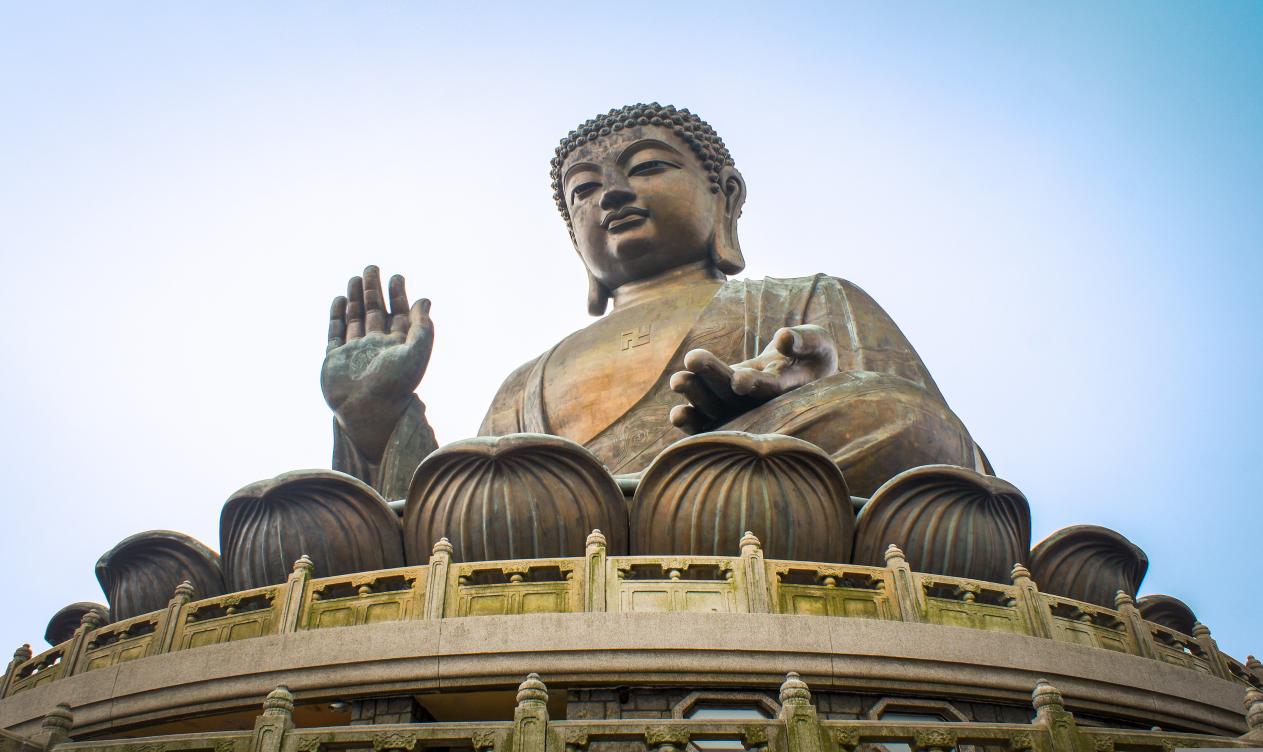
| Buddha's Birthday | Lunar 4th month, 8th day (usually May) | Bathing the Buddha ceremony at Po Lin Monastery, Cheung Chau bun scrambling |
| Hong Kong Book Fair | July | One of Asia's largest book fairs, attracting millions of visitors |
| Mid-Autumn Festival Lantern Show | September – October | Giant lantern displays at Victoria Park |
| Halloween | October 31 | Lan Kwai Fong "ghostly" street parties and massive celebrations |
| Christmas & New Year | December | Dazzling light decorations, New Year's Eve countdown, midnight fireworks |
Hong Kong's Year-Round Festival Highlights
Despite the peak and off-seasons, Hong Kong is a great place to visit year-round, except for typhoons that may negatively impact the travel experience.
Best Time to Visit Hong Kong on a Budget
For budget travelers, aim for off-peak summer months (June-August) when airfares drop by 20-40% and hotels offer promotions—think $50-80/night for mid-range spots versus $150+ in peak. Shoulder seasons (March-May, September) provide value too, with moderate prices and fewer surcharges on tours.
Mid-range budgets thrive in autumn (October-November), where $100-200/night accommodations pair with ideal weather, justifying the slight premium. Luxury seekers should target winter (December-February) for exclusive events, though expect $300+ rates—offset by bundling with OTA packages for savings on flights and experiences.
In addition to the hotels mentioned in the seasonal section, you can find more budget hotels in Hongkong on HopeGoo website. If you're planning a trip to Hong Kong, don't hesitate to book your hotel in advance on HopeGoo.
According to Travel Preference Choose Time
Photography Enthusiasts
Hong Kong is a paradise for photographers, featuring dramatic cityscapes and stunning nature. Capture Victoria Harbour at sunset with its glowing lights, panoramic views from the Peak, teddy bear sculptures at Harbour City, or ever-changing scenes along Wan Chai Waterfront. Experiment with low/high angles and shoot during golden hour or blue hour. A tripod is highly recommended for night shots. As for hotels, we recommend these Top 50 Instagrammable Hotels in Hong Kong; you're sure to take some great photos.
Recommended Travel Time: June–October for warm sunsets; November–February for low humidity and clear light.
Food Lovers
As a global food capital, Hong Kong delivers authentic classics and creative innovations. Explore Central’s food streets, Mong Kok’s trendy spots, luxurious afternoon tea in hotel lobbies, and fine dining at Harbour City or Pacific Place. Must-tries include summer shaved ice, crispy egg waffles, and traditional dim sum breakfast.
Recommended Travel Time: Year-round – every season brings unique flavors.
Shopping Enthusiasts
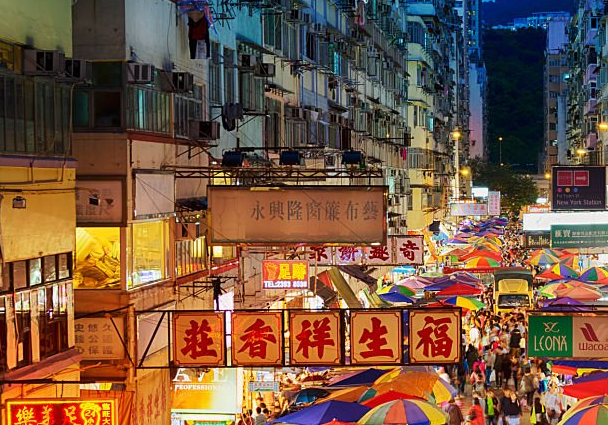
From luxury malls to bargain markets, Hong Kong satisfies all budgets. Visit Harbour City for high-end brands, Causeway Bay for fashion, Sheung Shui/Sha Tin for wholesale deals, and Disney stores for souvenirs. Check weekend promotions, use loyalty cards, and verify authenticity.
Recommended Travel Time: Year-round, with seasonal sales adding extra value.
History and Heritage Lovers
Discover Hong Kong’s rich past through historic sites and colonial architecture. Highlights include Avenue of Stars in Tsim Sha Tsui, old districts in Central, the Peak’s historical museum, and temples like Che Kung Temple. Join guided tours and cultural workshops for deeper insight.
Recommended Travel Time: October–February for comfortable humidity; December–January for festive events.
Culture Enthusiasts
Immerse in culture during major festivals: January–February for Chinese New Year fireworks and markets; Mid-Autumn for Tai Hang Fire Dragon Dance; February–March for Hong Kong Arts Festival performances. Visit temples early for peaceful moments. Popular Cultural Hotels in Hong Kong is recommended for you.
Recommended Travel Time: October–February for festivals; December–May for arts events.
Art and Design Lovers
Hong Kong’s creative scene thrives with galleries, hubs, and workshops. Explore Hong Kong Arts Centre, Central creative districts, and Mong Kok design shops. Follow art festivals, visit studios, and browse galleries/bookstores.
Recommended Travel Time: February–April for peak exhibitions; March–May for spring-inspired events.
Adventure Seekers
Thrill-seekers should visit October–March when lower humidity makes outdoor activities enjoyable. Hike Dragon’s Back for coastal views, paraglide in Sai Kung, surf/kayak at Big Wave Bay or Tai Long Wan, or explore hidden Lantau waterfalls. Avoid June–August due to heat and typhoons.
Recommended Travel Time: October–February (best overall October–March).
Family Travelers
Families enjoy March–April and October–November when mild weather suits theme parks and outdoor fun. Visit Hong Kong Disneyland and Ocean Park with shorter lines, ride Ngong Ping 360 cable car, and explore indoor museums on rainy days. Avoid Christmas and Lunar New Year crowds. Choose family-friendly Tsim Sha Tsui hotels and pack snacks. Here picks Top 20 Family Hotels in Hong Kong for you to choose by HopeGoo.
Recommended Travel Time: March–April and October–November.
Hong Kong Travel Essentials for Global Tourists
| Item | Recommendation | Best Season / Notes |
|---|---|---|
| Best Time to Visit | October–December (cool, dry, clear skies) or March–April (mild, blooming, fewer crowds) | Ideal weather for outdoor sights, hiking, and Victoria Harbour views; avoid peak summer typhoons (June–September). |
| Entry Requirements | Most nationalities enjoy visa-free entry for 7–180 days (e.g., 90 days for USA, UK, EU, Canada, Australia, Japan). Passport valid for at least 1 month beyond stay required. Mainland China residents use Home Return Permit + endorsement. Always check official Immigration Department site for your nationality. | No visa needed for the vast majority of international tourists — very tourist-friendly! |
| Transportation Card | Octopus Card (for MTR, buses, ferries, convenience stores, fast food). Tourists can easily add a digital Octopus via the "Octopus for Tourists" app on iPhone/Apple Watch or NFC-compatible Android/Huawei phones. Physical cards available at airport/MTR stations. | Super convenient — tap and go everywhere! Mobile version is popular for no physical card needed. |
| Payments | Cash, Octopus, and major international credit/debit cards (Visa, Mastercard) are widely accepted. WeChat Pay and Alipay are common but optional for global visitors. | Credit cards work almost everywhere — carry some cash/Octopus for small vendors or markets. |
| Voltage & Plugs | 220V, 50Hz. Mainly Type G plugs (British three-rectangular-pin). Bring a universal travel adapter/converter if your devices use different plugs (e.g., US Type A/B). Most modern chargers are dual-voltage (100–240V). | Type G is standard; Type D is rare in modern buildings. No converter needed for dual-voltage devices. |
| Internet / SIM Card | Full 5G coverage citywide. Tourists can buy a local prepaid SIM (e.g., 7-day plans with 50GB+ data for around HK$88 / ~US$11) at the airport, 7-Eleven, or telecom stores. eSIM options also available. | Great connectivity — perfect for maps, social media, and ride-hailing apps! |