Hotels in AByrnessBegg
Discover your perfect stay in AByrnessBegg.
AByrnessBegg(Germany) Travel 2026: Cheap Flights, Hotels & Top Attractions
Popular Landmarks in AByrnessBegg
Discover the most iconic attractions in AByrnessBegg
Recommended Hotels in AByrnessBegg
Find the perfect place to stay in AByrnessBegg
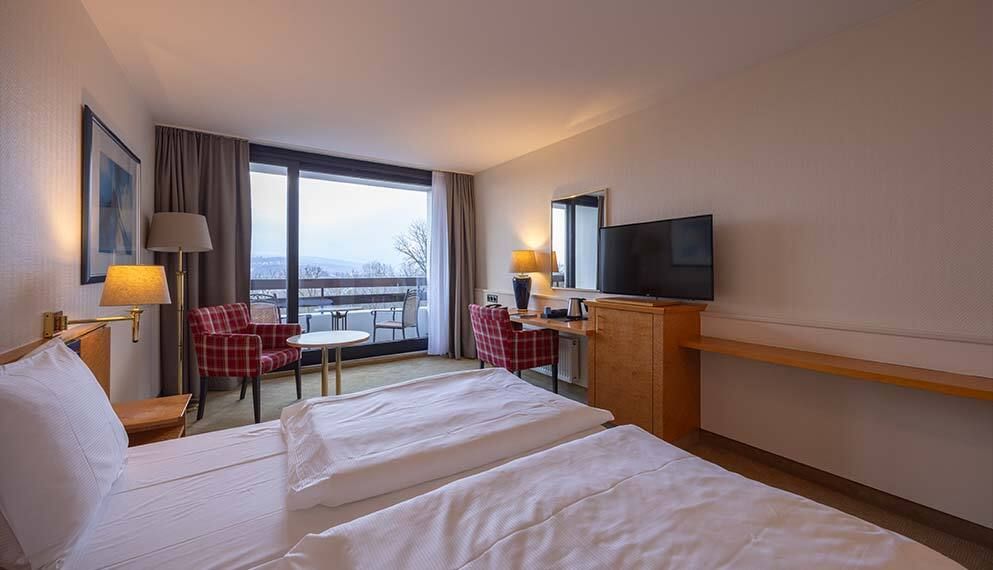
Fletcher Hotel-Restaurant Arnsberg-Sauerland
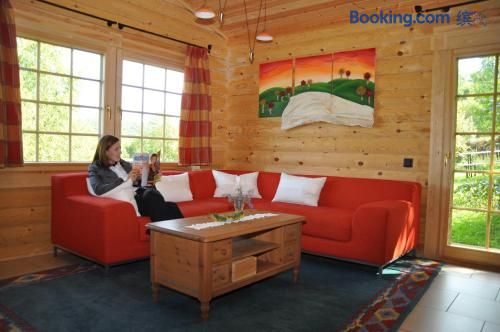
Hotelanlage Country Lodge
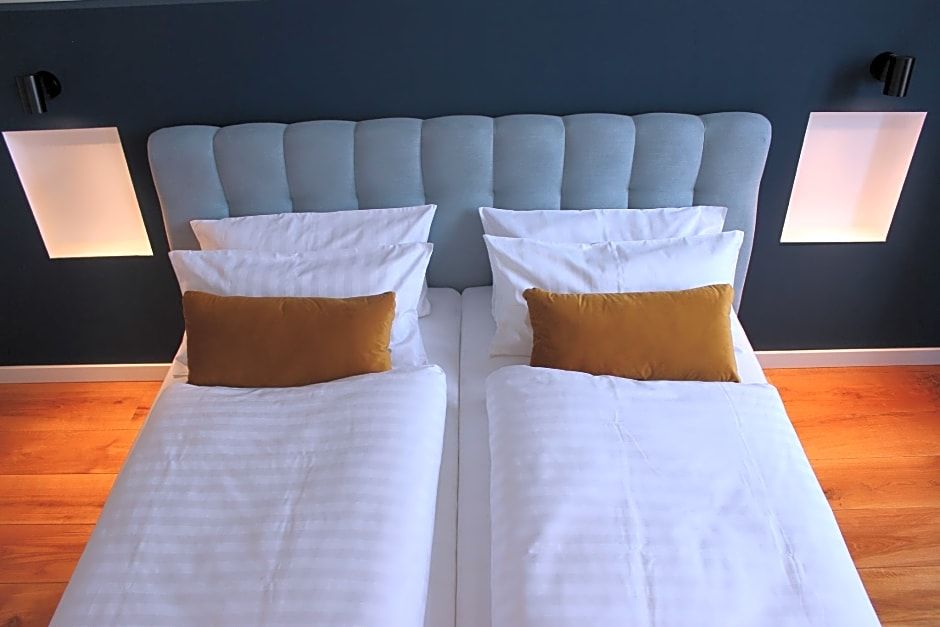
Kremers Freiräume
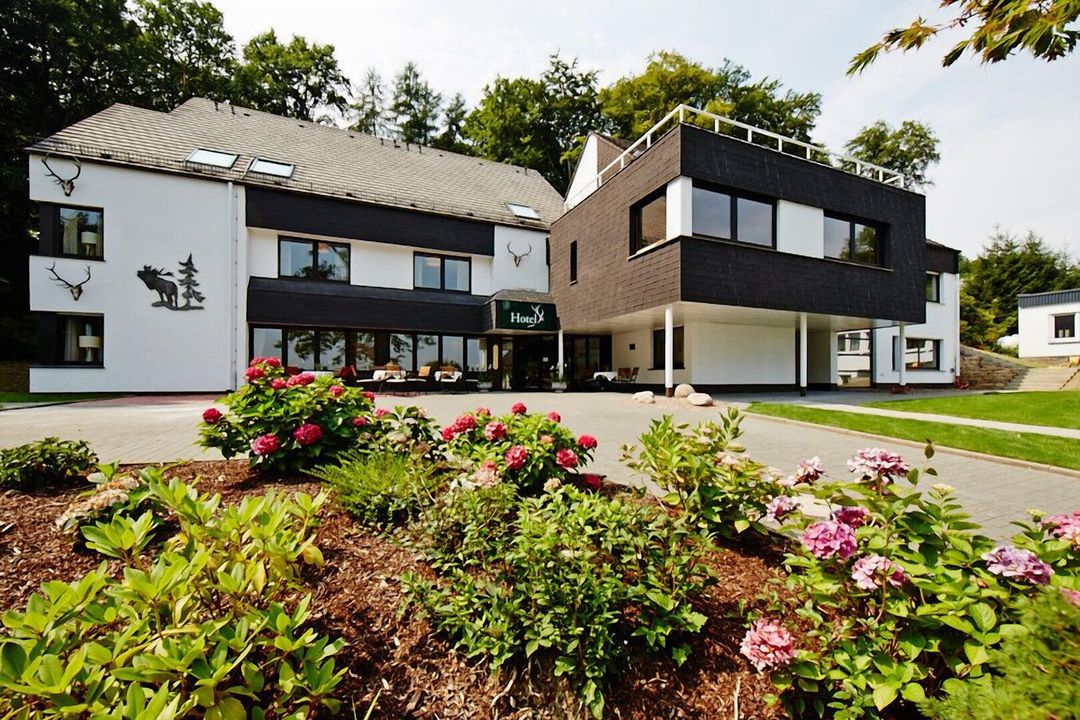
Rodelhaus
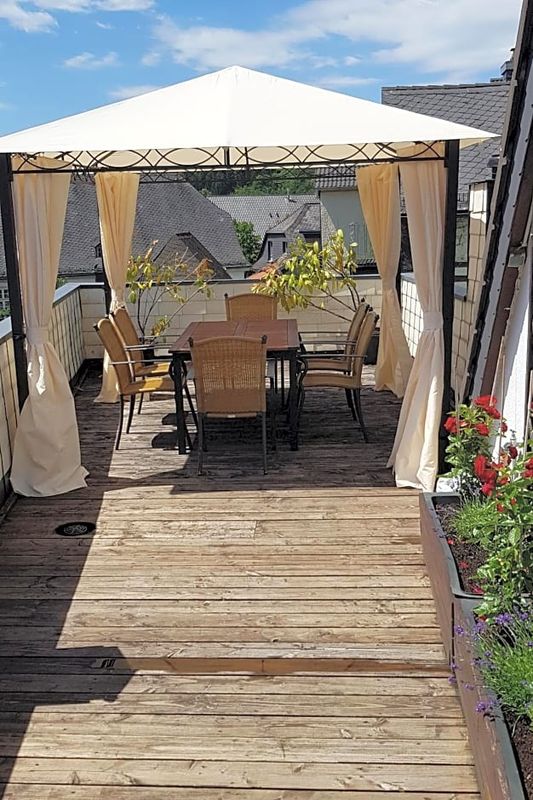
Weila - Dein Boutiquehotel
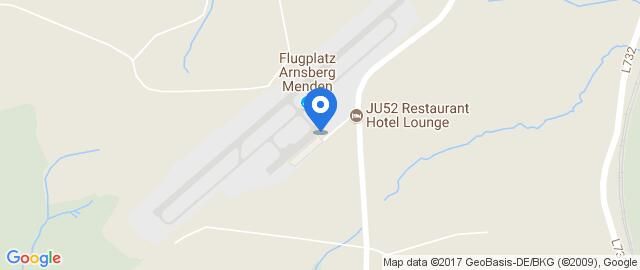
JU52 Restaurant Hotel Lounge
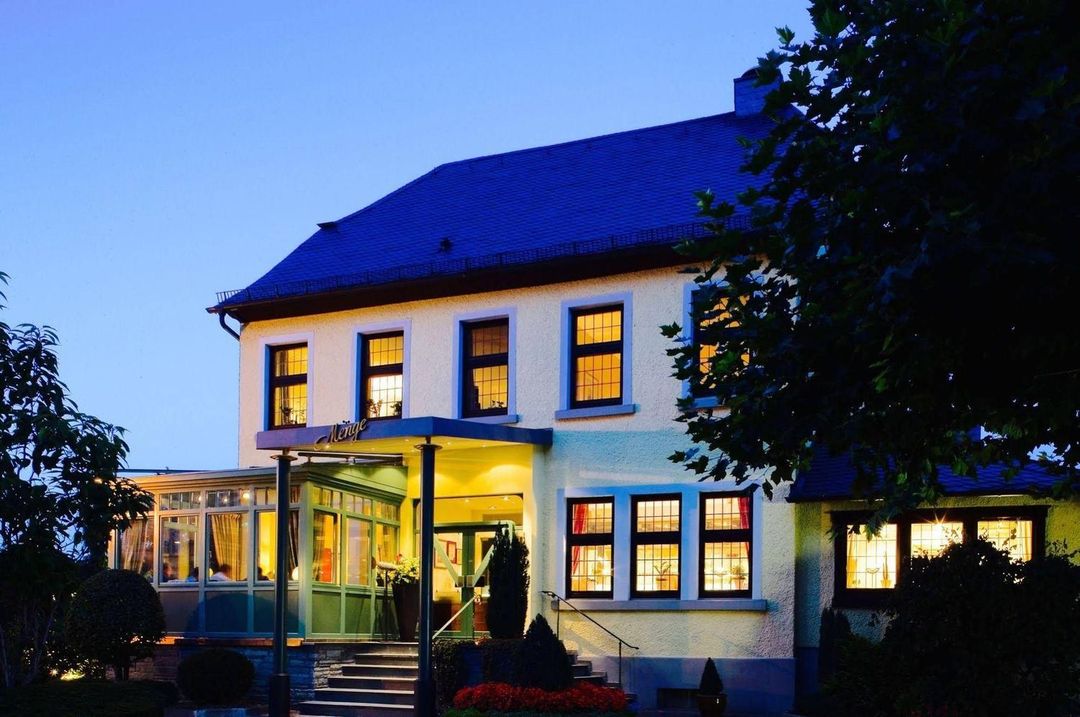
Hotelbetriebe Güldenhaupt Gmbh
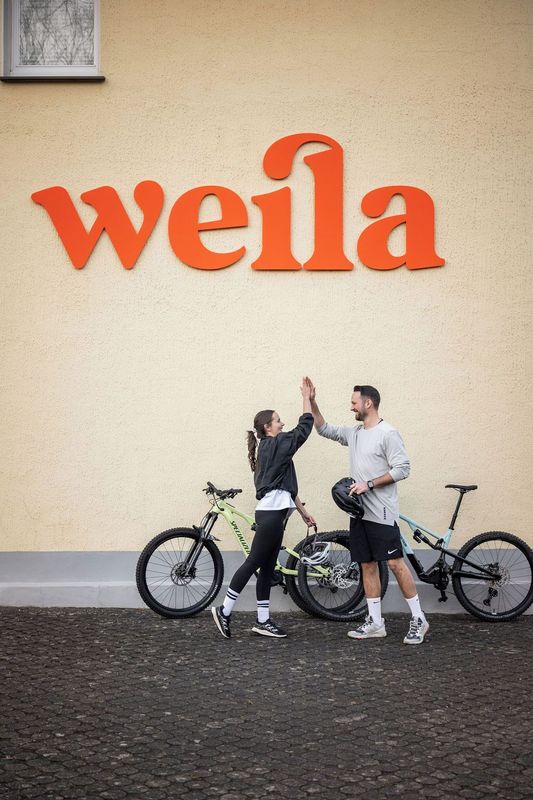
weila - dein Boutiquehotel
Frequently Asked Questions about Traveling to AByrnessBegg
Questions You Might Need to Know About Traveling to AByrnessBegg
In Arnsberg, the standout choice for historic charm is Hotel am Dom, located just steps from the Cathedral of St. Maria. Housed in a former 17th-century townhouse, it blends original stone walls with modern amenities. Its rooftop terrace offers panoramic views of the cathedral spire and old town rooftops. Another gem is Hotel Zur Alten Mühle, a restored mill building on the Möhne River, featuring exposed beams, antique furnishings, and a private garden. Both properties offer authentic regional character and are ideal for travelers seeking heritage experiences in Westphalia.
The city center (Innenstadt) is the most convenient area for first-time visitors to Arnsberg. It’s centered around the Rathausplatz (Town Hall Square), where you’ll find museums, cafes, and local shops. The pedestrian-friendly streets lead directly to the Old Town (Altstadt) with its cobblestone alleys and half-timbered houses. This area also hosts weekend markets and seasonal festivals, making it vibrant year-round. With easy access to public transit and walking distance to major sights like the Cathedral and Burg Arnsberg ruins, it’s perfect for exploring at your own pace.
Visitors to Arnsberg should not miss the annual Antiquitätenmarkt (Antique Market), one of the largest in North Rhine-Westphalia, held every summer. Over 200 vendors display vintage furniture, porcelain, and rare books. For art lovers, the Kunstverein Arnsberg gallery features rotating exhibitions of contemporary German artists, reflecting the region’s creative energy. Additionally, the North Rhine-Westphalia State Museum (Nordrhein-Westfälisches Landesmuseum) offers deep insights into local industrial history and traditional crafts, including hand-weaving and pottery techniques passed down through generations.
Absolutely. Arnsberg is a family-friendly destination with numerous attractions. The Landschaftspark Arnsberg features a children’s playground, miniature train ride, and nature trails ideal for young explorers. The Arnsberg Zoo, home to native European animals, offers interactive feeding sessions and educational programs. Many restaurants provide kid-friendly menus and high chairs. With safe sidewalks, low traffic zones, and welcoming locals, families can comfortably experience both culture and nature in a relaxed setting.
Local cuisine in Arnsberg highlights traditional Westphalian flavors. Try Fleischkäse Suppe, a hearty potato and meat soup seasoned with herbs, served with dark rye bread. At Gasthaus ZUM RITTER, sample the Schweinshaxe—slow-roasted pork knuckle with crispy skin and tender meat. Don’t miss the local Arnsberger Pilsner, brewed in the city’s own microbrewery, known for its smooth malt profile and refreshing finish. These dishes, often enjoyed in cozy taverns with wooden interiors, offer an authentic taste of regional life.
Key landmarks in Arnsberg include the Cathedral of St. Maria, a 13th-century Gothic masterpiece with stunning stained glass and a towering bell tower. The Marieturm (St. Mary's Tower) offers a climb to a breathtaking view over the city and surrounding valleys. Nearby, the Burg Arnsberg ruins showcase medieval fortifications, moats, and underground chambers—often illuminated during seasonal light shows. Also worth visiting is the Altes Rathaus (Old Town Hall), with intricate carvings and an exhibition on municipal history, providing context for this historic Westphalian town.
Yes, Arnsberg lies within the scenic Möhne Valley, offering excellent opportunities for outdoor enthusiasts. The Möhne River Trail stretches 12 km from the city center to Hülsen, ideal for cycling or leisurely walks with views of forests and riverside meadows. For hikers, the path to Kreuzberg Hill provides a moderate climb with panoramic vistas of the Ruhr region. Many hotels offer free bike rentals, and the ArnsbergMobility App provides real-time maps and route suggestions. This green corridor makes Arnsberg a perfect base for eco-friendly adventures.
The highlight is the Arnsberg Christmas Market (Weihnachtsmarkt), held on Rathausplatz, featuring festive lights, handmade crafts, and warm Glühwein. During spring, the Frühlingsschau (Spring Show) celebrates local gardening with open gardens and floral displays. In summer, the Jazz im Park festival transforms Landschaftspark into a lively outdoor venue, hosting international jazz acts under the stars. These events reflect the city’s strong community spirit and cultural vibrancy, making Arnsberg a year-round destination for memorable experiences.
Arnsberg is well-connected by rail and bus. The Arnsberg Train Station (Bahnhof Arnsberg) serves frequent ICE and IC trains to Düsseldorf, Cologne, and Münster, with journeys taking 30–60 minutes. Local buses cover all major districts and tourist spots. For those driving, the A46 highway provides quick access from nearby cities. The city also promotes sustainable travel with a network of public bike-sharing stations. Use the ArnsbergMobility App for live schedules, route planning, and bike availability, ensuring seamless navigation throughout the region.
Top photography locations in Arnsberg include the cathedral square at sunrise, where soft light enhances the Gothic façade and reflections in the cobblestones. The Möhne River promenade at dusk offers dreamy silhouettes of bridges and willow trees. The old town alleys after rain create natural mirror effects perfect for street photography. For wide-angle shots, climb the Marieturm tower to capture the entire cityscape framed by hills and forest. These spots, especially during winter snowfall, deliver cinematic visuals ideal for travel photographers.
AByrnessBegg Overview
City Summary
Arnsberg is a charming small town in the Sauerland region of North Rhine-Westphalia, Germany. Known for its medieval architecture, natural beauty, and rich history, it is an ideal destination for those seeking tranquility. The well-preserved old town features narrow cobblestone streets and half-timbered houses, while the surrounding forests and mountains offer excellent opportunities for hiking and cycling.
Must-See Attractions
Must-see attractions in Arnsberg include the Old Town (Altstadt), with its historic buildings and cozy cafés. The ruins of Arnsberg Castle (Schloss Arnsberg) provide stunning views of the city. The walking paths along the Ruhr River are perfect for relaxation. Additionally, the nearby Sauerland region offers a variety of outdoor activities, such as hiking, cycling, and winter skiing.
Food Guide
Arnsberg's culinary scene is deeply influenced by German traditions. Don't miss Sauerländer Schinken (a local ham) and Pumpernickel (dark rye bread). Local restaurants serve hearty German dishes like Schweinshaxe (pork knuckle) and Bratwurst (sausage). Be sure to try local beers, especially Kölsch or Pilsner.
Transportation Guide
Public transportation in Arnsberg is primarily bus-based, covering the city and surrounding areas. The train station connects to major German cities like Cologne and Dortmund. Renting a car is convenient for exploring the Sauerland region, but parking in the old town can be challenging. Walking or cycling is recommended for exploring the city center.
Best Time to Visit
The best time to visit is May to September, when the weather is mild and ideal for outdoor activities. Winter (December to February) is great for skiing but can be very cold. The city gets crowded during festivals (like Christmas markets), but the atmosphere is unique.
Travel Tips
- Cash payments: Many small shops and restaurants only accept cash.
- Comfortable shoes: The cobblestone streets in the old town can be uneven.
- Respect local customs: Germans value punctuality and politeness.
- Recycling: Strictly follow Germany's waste separation rules.
- Save water: Germans are environmentally conscious, so avoid wasting water.
- Book in advance: Accommodations and restaurants may be full during peak season.
Useful Information
The primary language is German, but English is widely understood in tourist areas. Network coverage is good, and most cafés offer free Wi-Fi. Payment methods include cash and EC cards; credit cards are accepted in larger establishments. The emergency number is 112, and pharmacies (Apotheke) are clearly marked. The voltage is 230V, with standard European two-pin plugs.