Hotels in Achi
Discover your perfect stay in Achi.
Achi(Japan) Travel 2026: Cheap Flights, Hotels & Top Attractions
Popular Landmarks in Achi
Discover the most iconic attractions in Achi
Recommended Hotels in Achi
Find the perfect place to stay in Achi
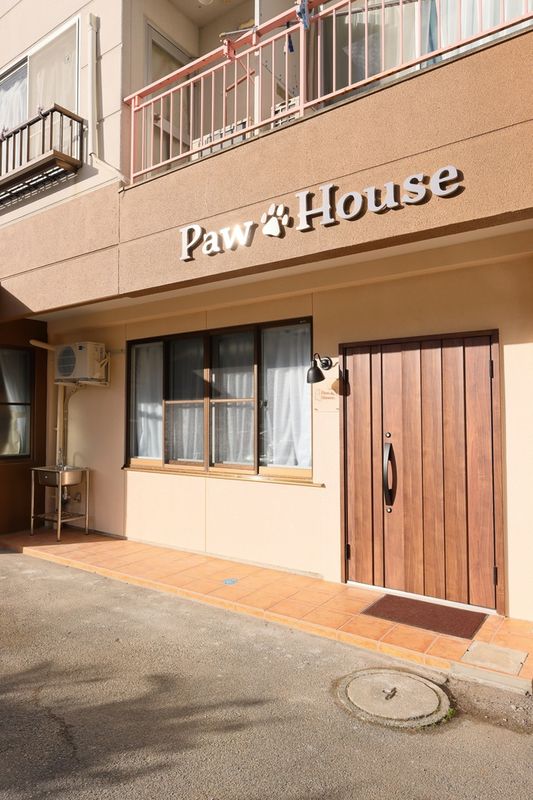
Sekitaitei Ishida
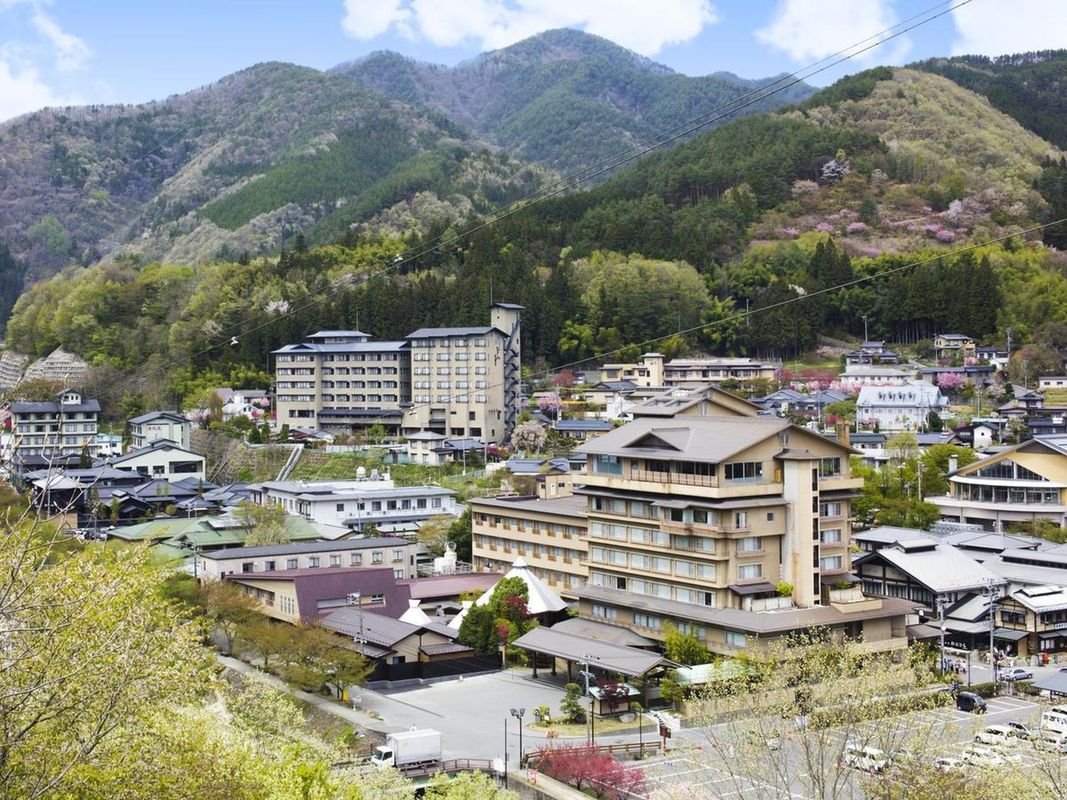
Hirugami Grand Hotel Tenshin
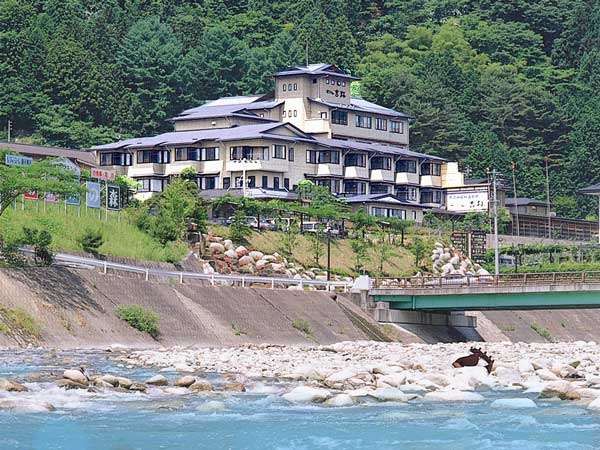
Kichiya
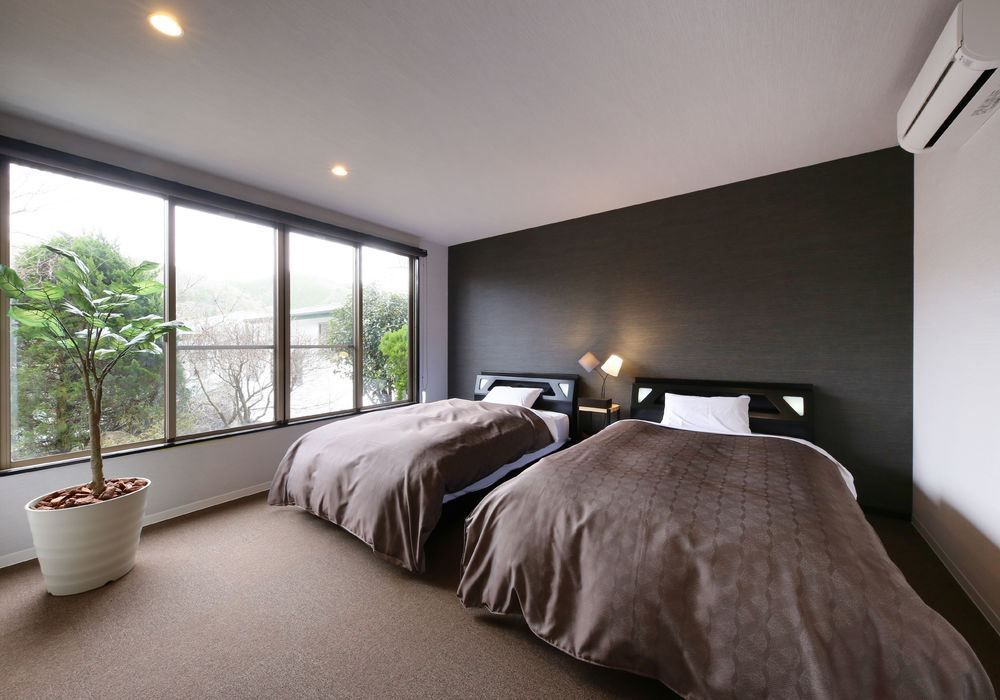
In Hirugami-No-Mori
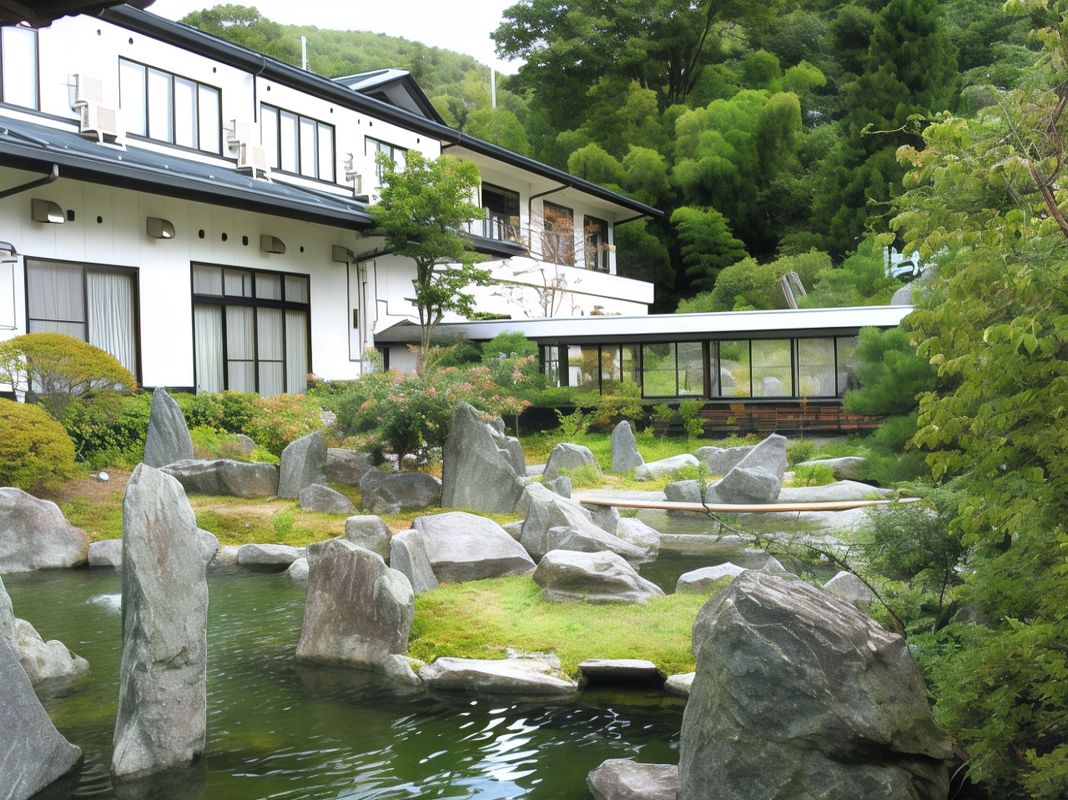
Oyado Sansui
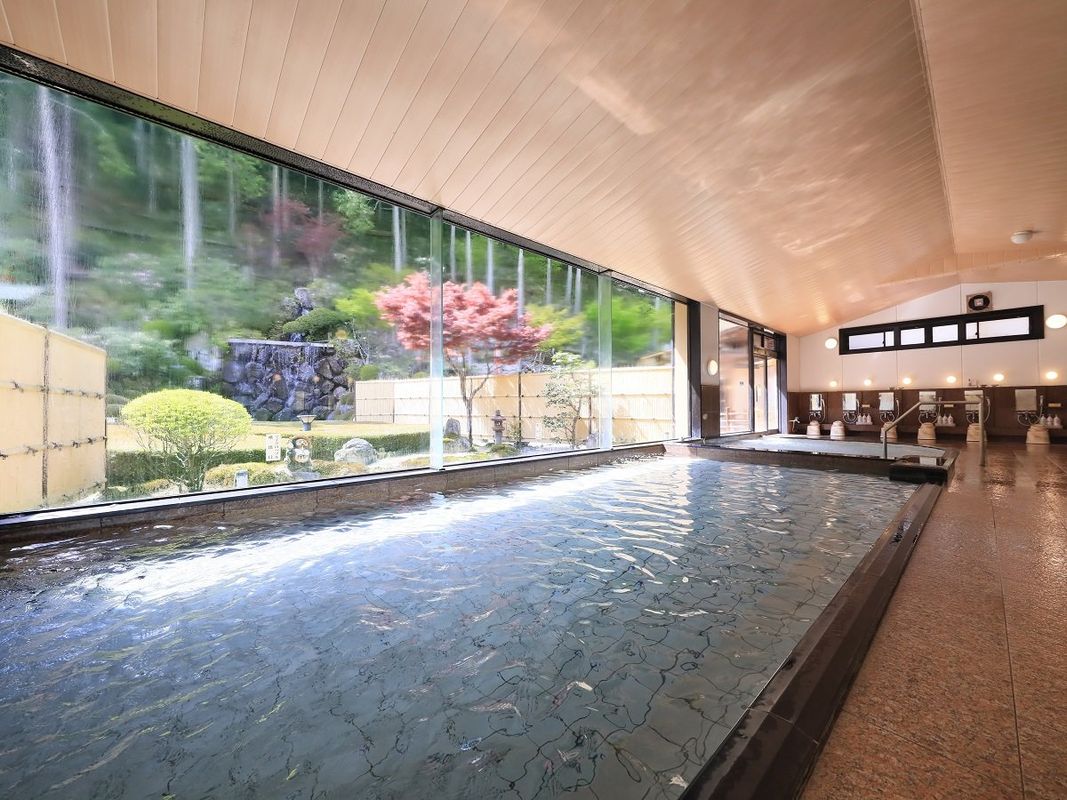
Yumoto Hotel Achikawa
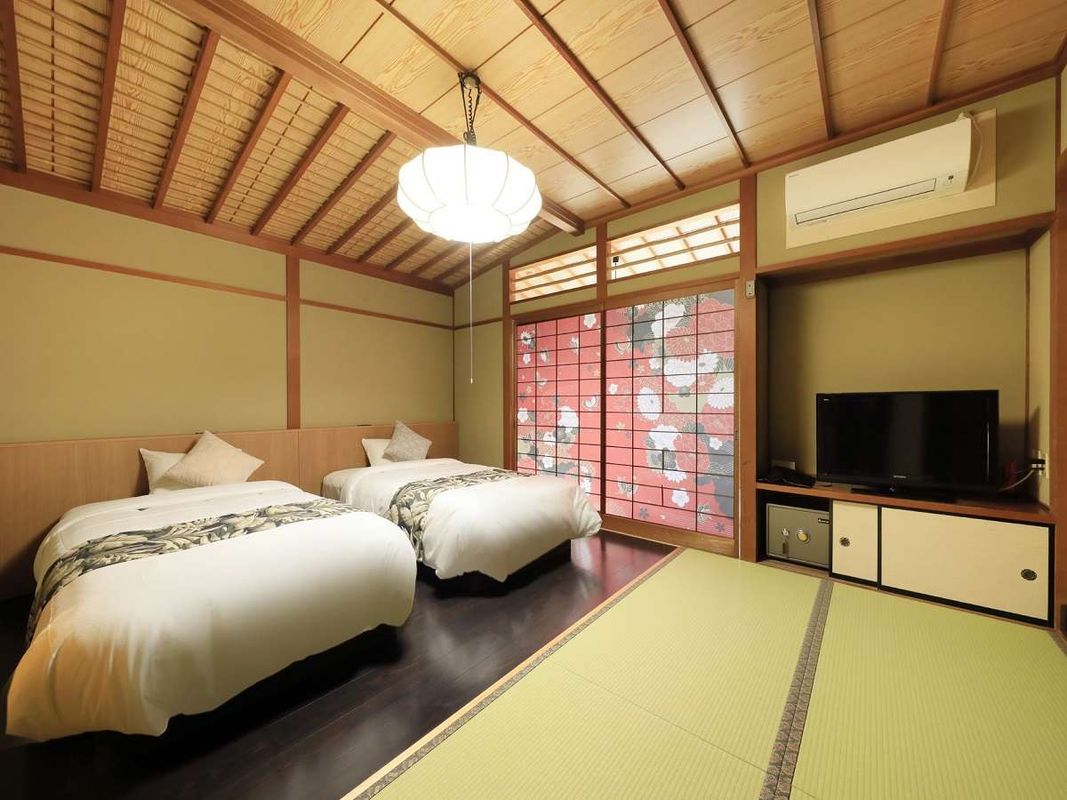
Otogitei Kofu
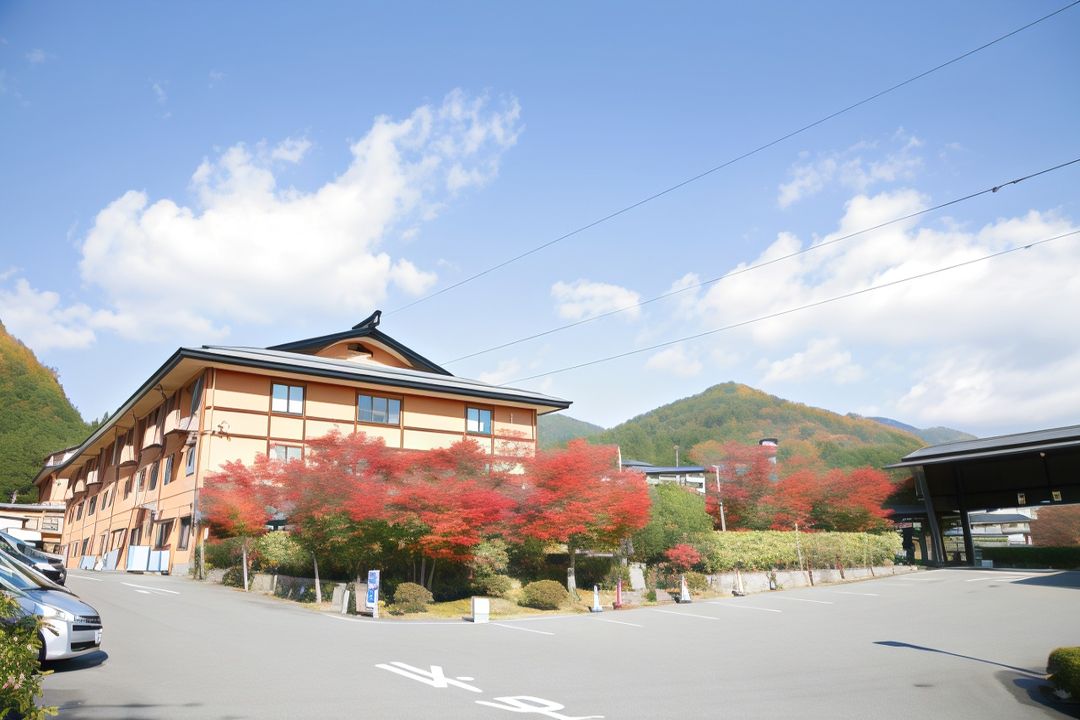
Yuttarino-Sato Inaka
Best Hotels in Achi
Discover curated hotel collections in Achi
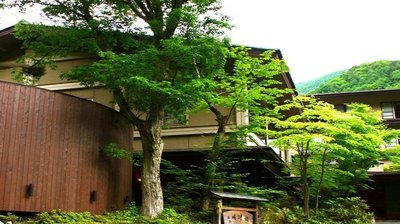
Myojinkan
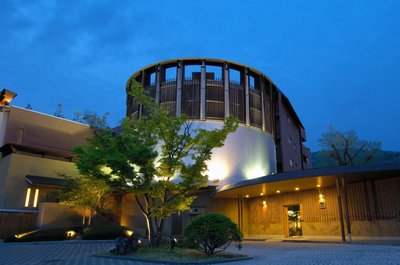
Hoshino Resorts Kai Matsumoto
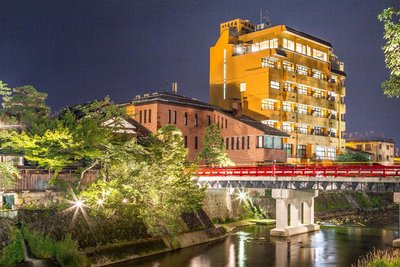
HONJIN HIRANOYA BEKKAN
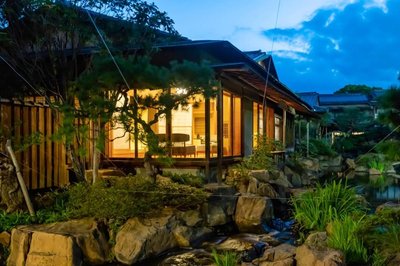
Tokiwa Hotel
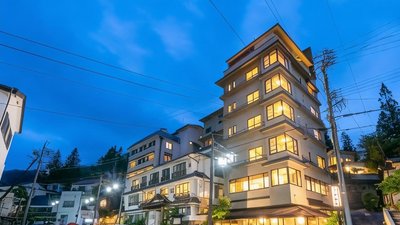
Nakamatsuya Ryokan
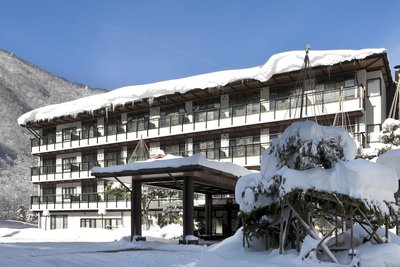
Okada Ryokan Warakutei
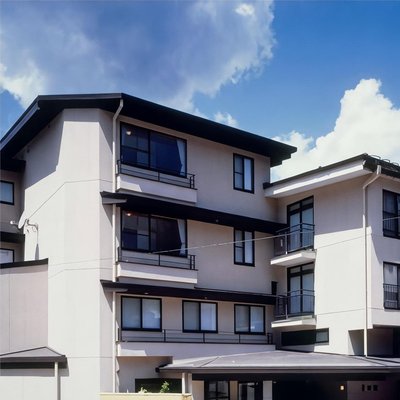
Hiratakan
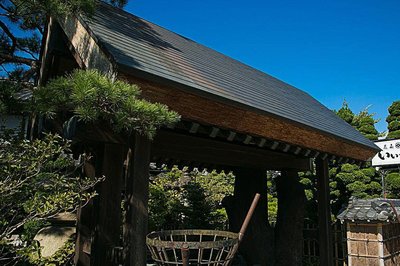
Hanaougi Bettei Iiyama

Hidatei Hanaougi
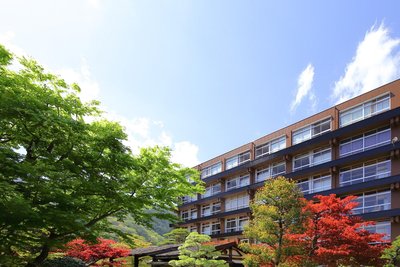
Bosenkan
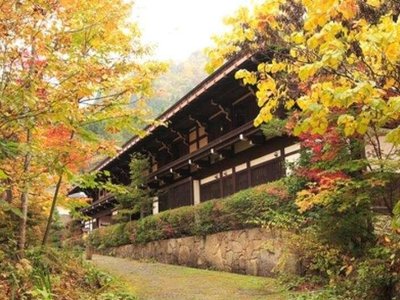
Yumoto Choza
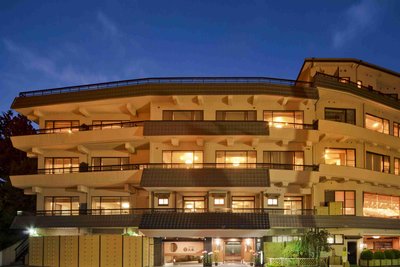
Maruei
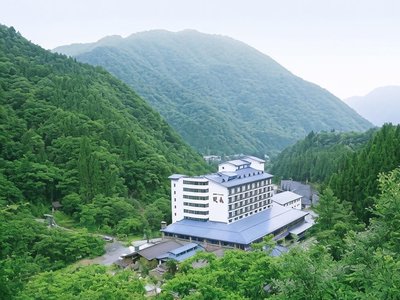
Okuhida Garden Hotel Yakedake
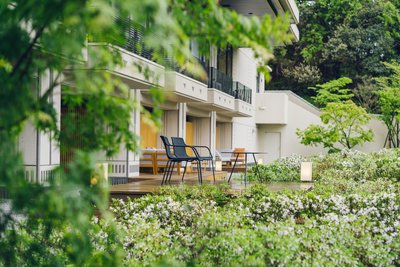
Hoshino Resorts Kai Enshu
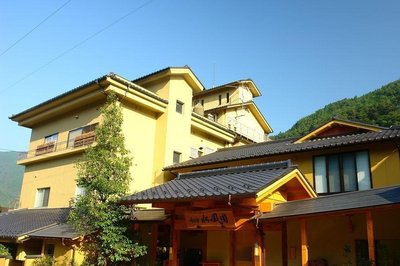
Suihoen
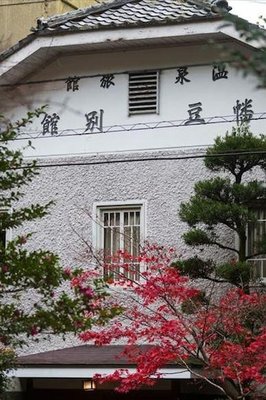
Oku-Mikawa・Yuya Onsen HAZU Bekkan
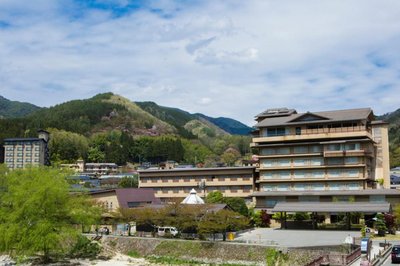
Hirugami Grand Hotel Tenshin
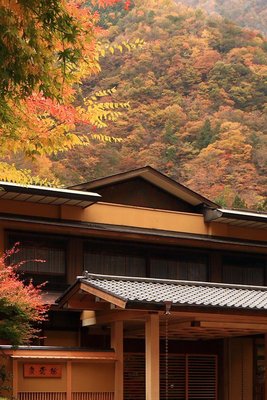
Nishiyama Onsen Keiunkan
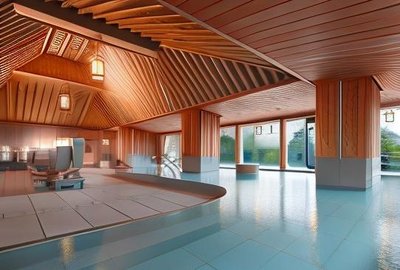
Suimeikan
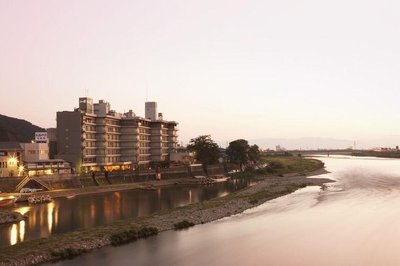
Juhachiro
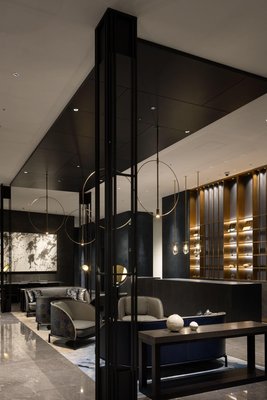
Bellustar Tokyo, A Pan Pacific Hotel

Bvlgari Hotel Tokyo
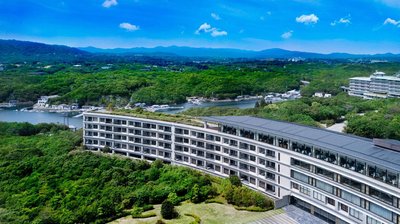
Shima Kanko Hotel the Bay Suites
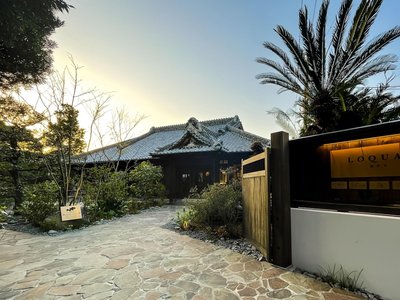
Loquat Nishiizu
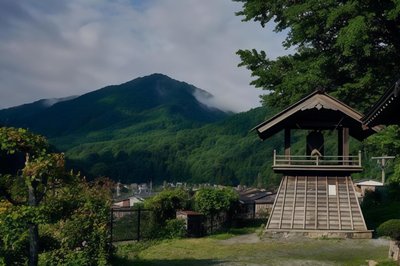
Byaku Narai
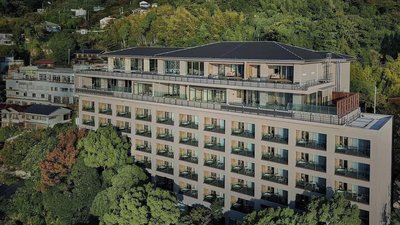
Atami Izusan Karaku
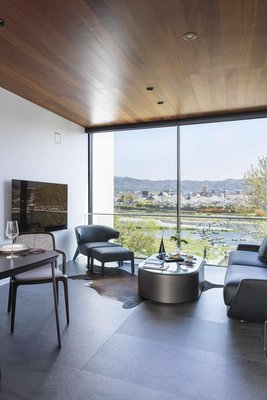
Kamo Residences by Reflections
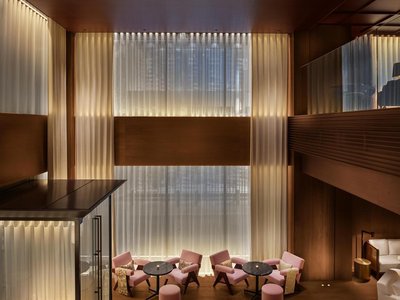
The Tokyo Edition, Ginza

Janu Tokyo
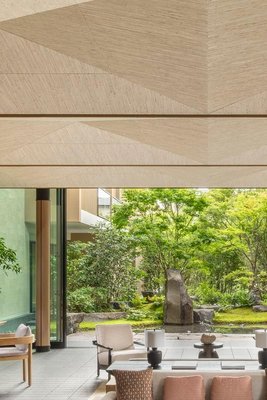
Six Senses Kyoto
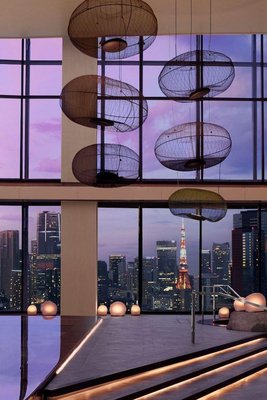
JW Marriott Hotel Tokyo
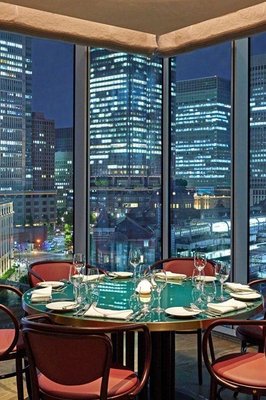
Four Seasons Hotel Tokyo at Marunouchi
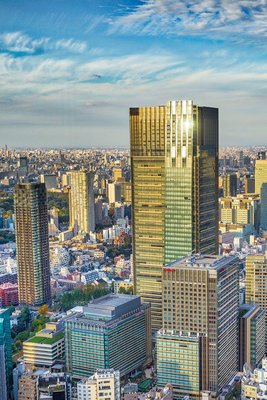
The Ritz-Carlton, Tokyo
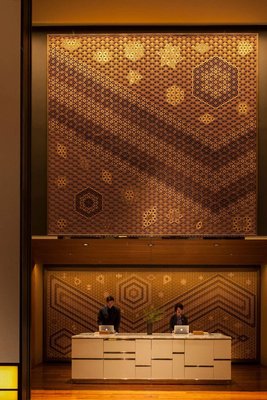
Andaz Tokyo Toranomon Hills- A Concept by Hyatt
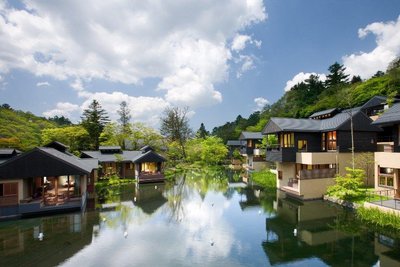
Hoshinoya Karuizawa
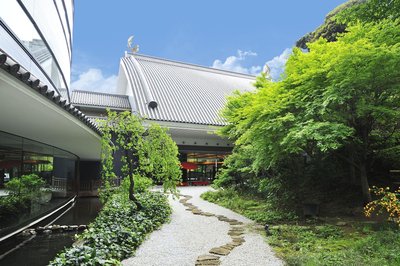
Hotel Gajoen Tokyo
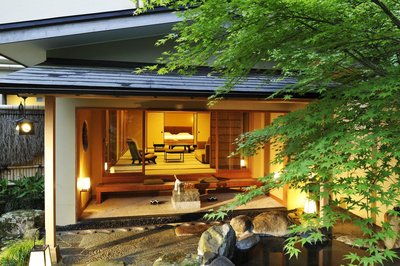
Gora Kadan
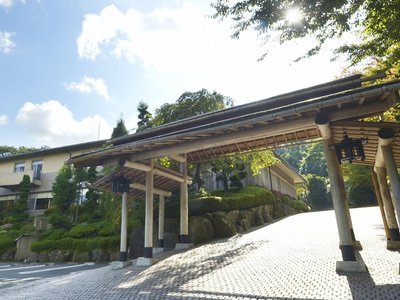
Gora Hanaougi

The Hiramatsu Hotels & Resorts Kashikojima
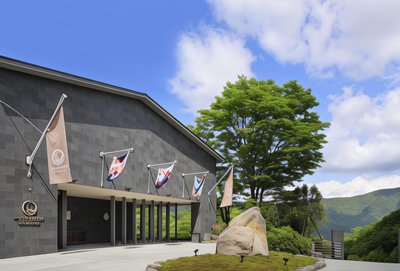
The Hiramatsu Hotels & Resorts Sengokuhara Hakone
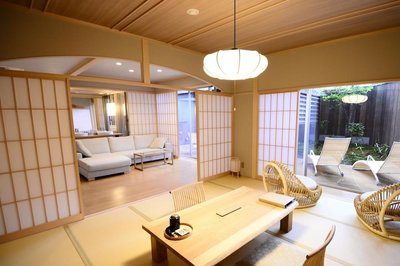
Hakone Gora Byakudan
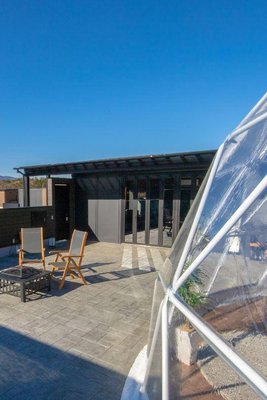
Panoramic Mt. Fuji Views from All Rooms – Vision Glamping Resort & Spa Yamanakako

TIAD, AUTOGRAPH COLLECTION
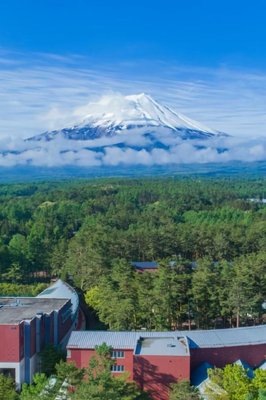
Forest Village (Fuji Premium Resort)

Fufu Kyu-Karuizawa Restful Forest
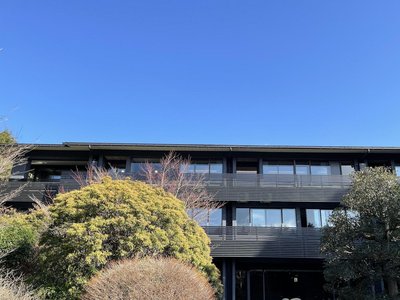
Sengokubara Cocon
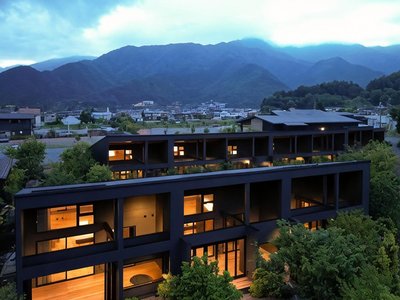
7C Villa and Winery

Hotel la Vigne Hakuba by Onko Chishin
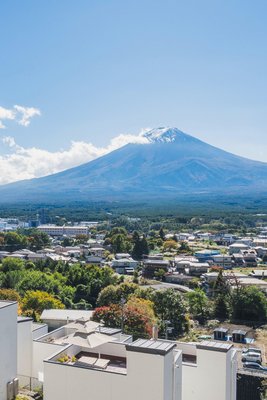
THE TOKI FujiKawaguchiko
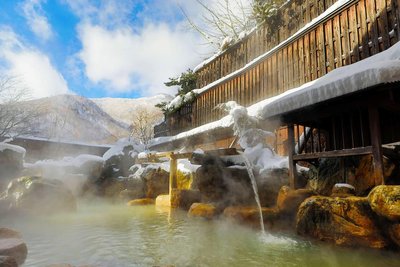
Miyamaouanbekkan yumegurinoyado hirayukan
HONJIN HIRANOYA BEKKAN
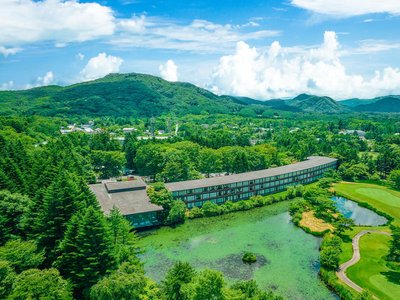
The Prince Karuizawa

Kyukaruizawa Kikyo, Curio Collection by Hilton
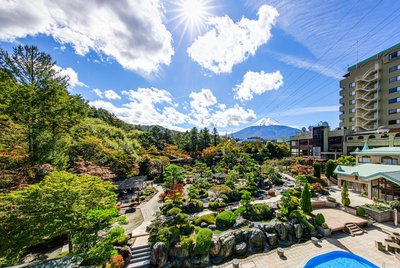
Kaneyamaen
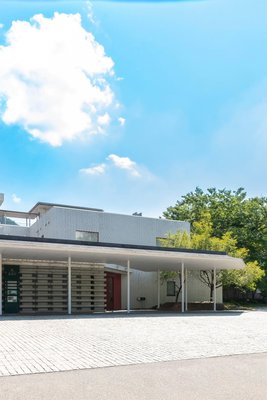
RIVER RETREAT GARAKU
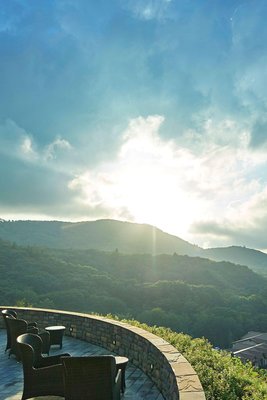
Le Grand Karuizawa Hotel & Resort
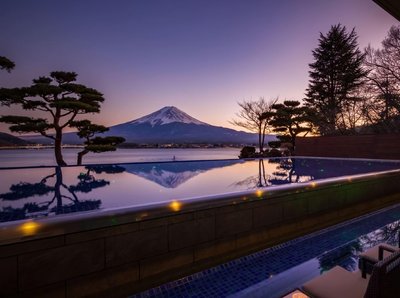
Shuhokaku Kogetsu

Gora-Onsen Setsugetsuka-Bettei Suiun

Ishinoya Izunagaoka (TKP Hotels & Resorts)

Laforet Shuzenji Sanshisuimei
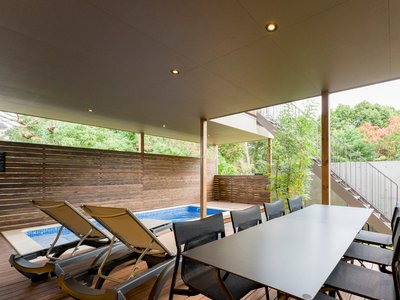
Rakuten STAY VILLA Kamogawa

Awaumi Fujikawaguchiko Resort
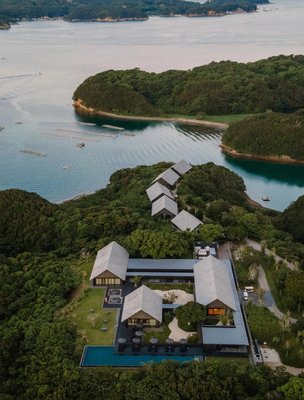
Amanemu
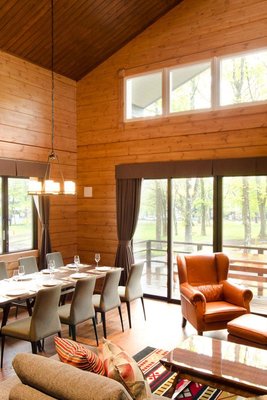
The Prince Villa Karuizawa
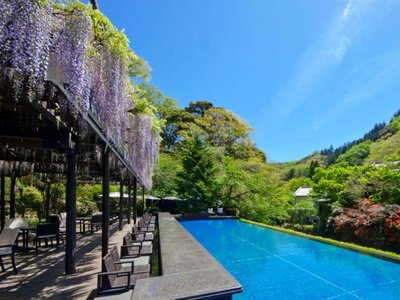
Tofuya Resort & Spa Izu
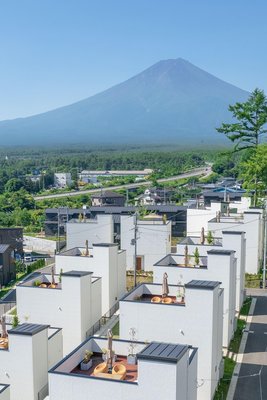
Fuji Granvilla -TOKI-
Hakone Gora Byakudan
The Prince Karuizawa
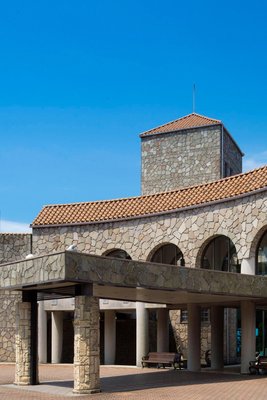
Izumigo Hotel Altia Toba

The Kukuna
Hoshinoya Karuizawa
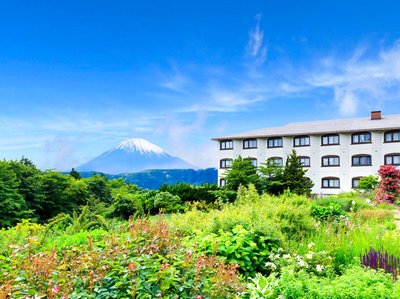
Hotel Green Plaza Hakone
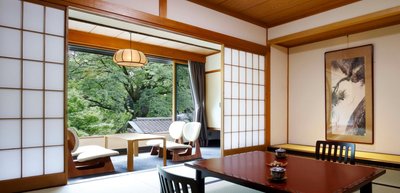
Yoshiike Ryokan
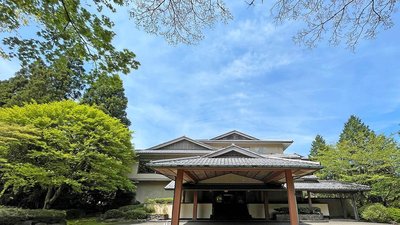
Ryuguden
Hoshino Resorts Kai Enshu
Kaneyamaen
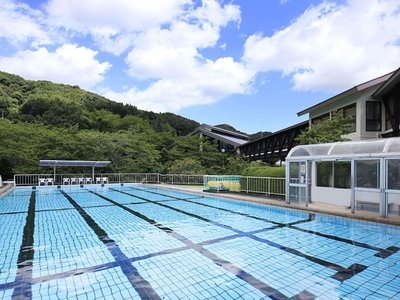
Shimoda Central Hotel
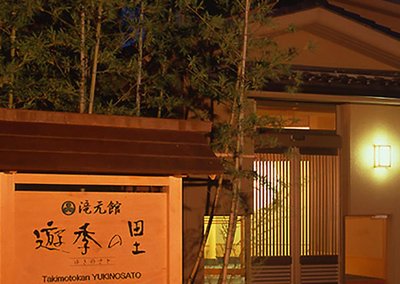
Takimotokan Yuki No Sato
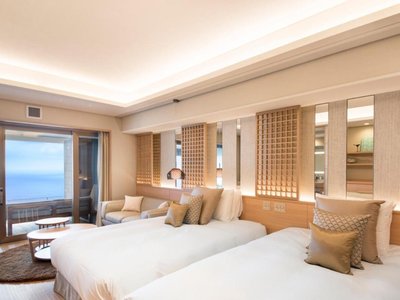
Atami Sekaie
Shuhokaku Kogetsu
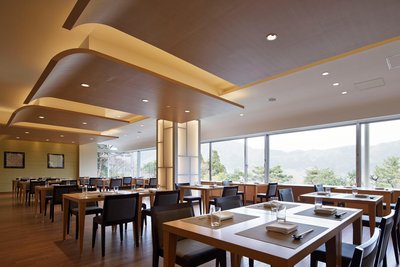
Laforet Hakone Gora Yunosumika
Juhachiro

Toba International Hotel
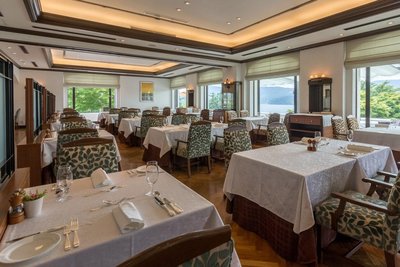
Odakyu Hotel de Yama
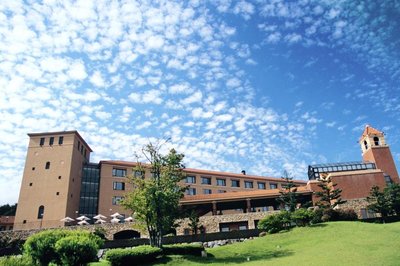
Fruit Park Fujiya Hotel

Hotel Indigo Hakone Gora

Legoland Japan Hotel
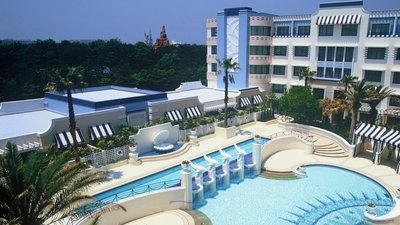
Disney Ambassador® Hotel

HOTEL UNIVERSAL PORT VITA

Tokyo Disneyland Hotel

The Park Front Hotel at Universal Studios Japan

HOTEL UNIVERSAL PORT

THE SINGULARI HOTEL & SKYSPA at UNIVERSAL STUDIOS JAPAN
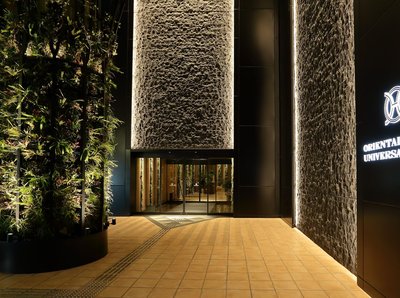
Oriental Hotel Universal City

Hotel Keihan Universal Tower
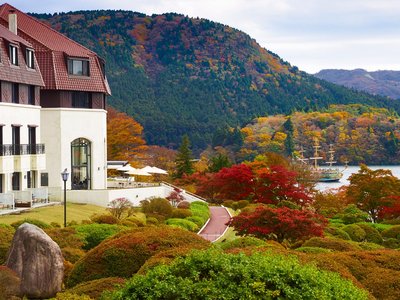
Hotakajyo
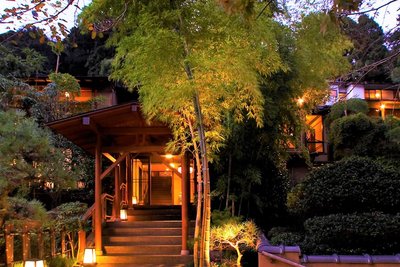
Shiki wo Ajiwau Yado Yamano Chaya
Hoshino Resorts Kai Matsumoto
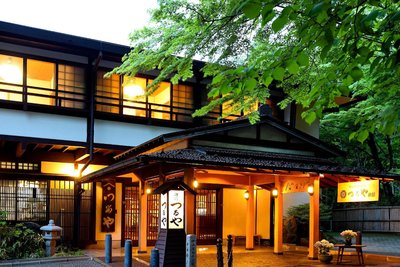
Tsuruya Ryokan
Nakamatsuya Ryokan
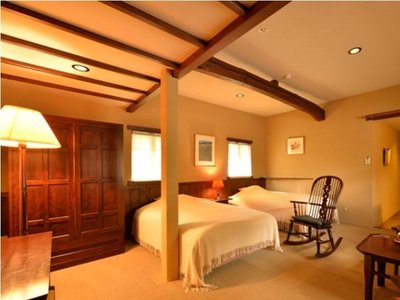
Ryokan Sugimoto
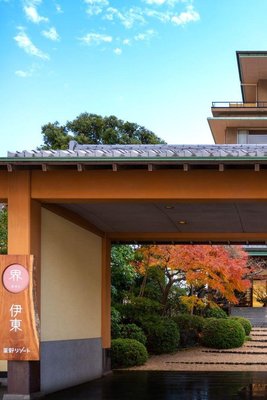
Hoshino Resorts Kai Ito
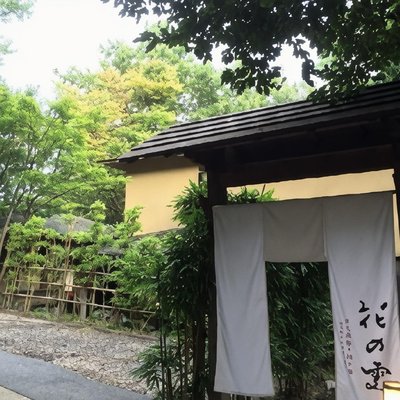
Hana No Kumo
Yoshiike Ryokan
Gora Hanaougi
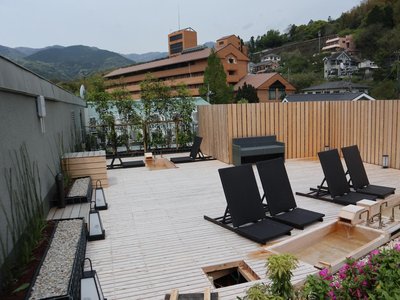
Fukiya Ryokan
Oku-Mikawa・Yuya Onsen HAZU Bekkan
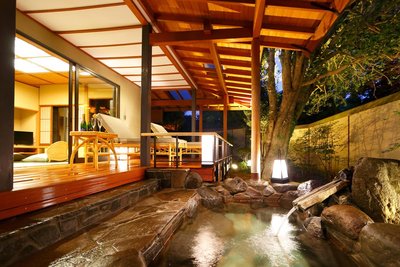
Yoshiharu Ryokan – Izu Nagaoka Onsen
Nishiyama Onsen Keiunkan

Naraya
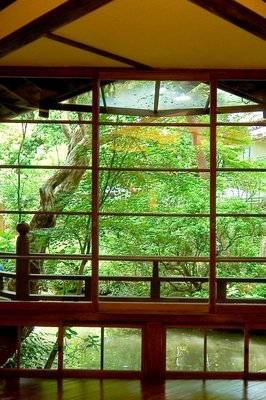
Yukairo Kikuya
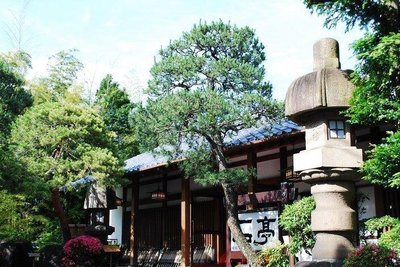
Atami Sekitei
Juhachiro
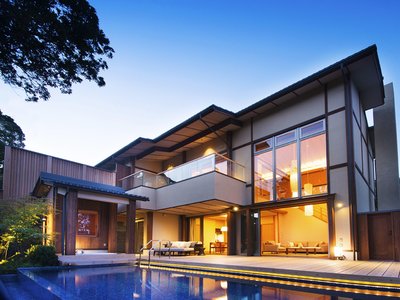
Abba Resorts Izu - Zagyosoh
Amanemu
Bellustar Tokyo, A Pan Pacific Hotel
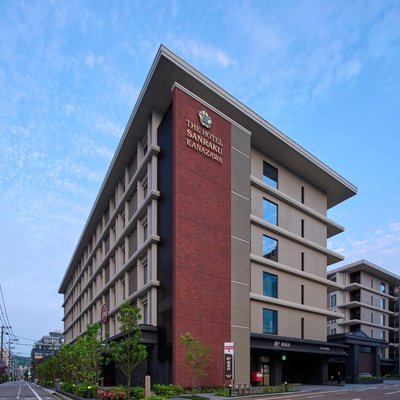
The Hotel Sanraku Kanazawa 21th December 2022 Open

22 PIECES

The Ritz-Carlton, Osaka
JW Marriott Hotel Tokyo
Andaz Tokyo Toranomon Hills- A Concept by Hyatt

The Thousand Kyoto
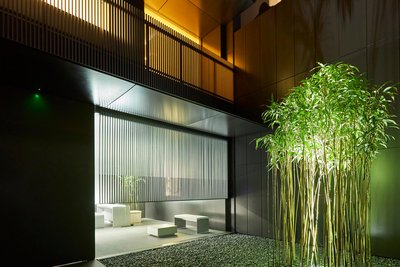
Mogana
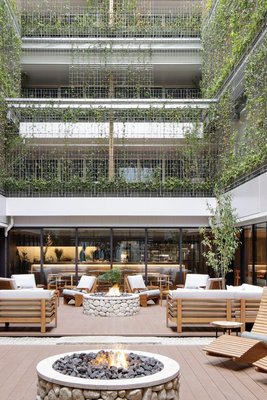
GOOD NATURE HOTEL KYOTO
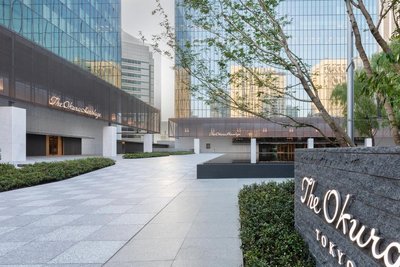
The Okura Tokyo

The Lively Azabujuban Tokyo

Kimpton Shinjuku Tokyo
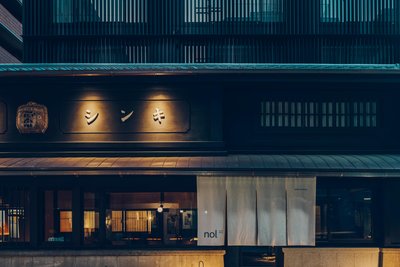
Nol Kyoto Sanjo

HOTEL K5
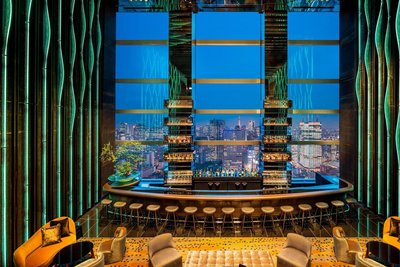
The Prince Gallery Tokyo Kioicho, a Luxury Collection Hotel

Zentis Osaka

Garrya Nijo Castle Kyoto

W Osaka

Hotel Kanra Kyoto

Aloft Osaka Dojima

The Address Akakura
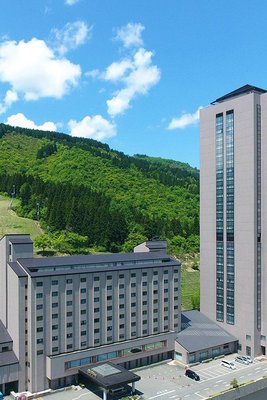
Naspa New Otani
The Prince Karuizawa
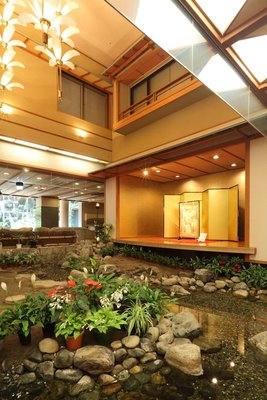
Hotel Futaba
Okada Ryokan Warakutei
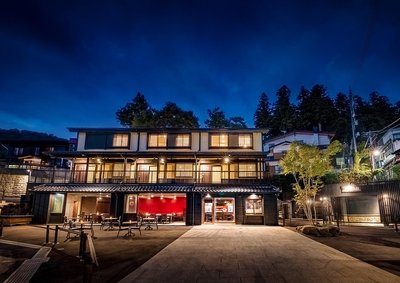
Ryokan Sakaya
Kyukaruizawa Kikyo, Curio Collection by Hilton
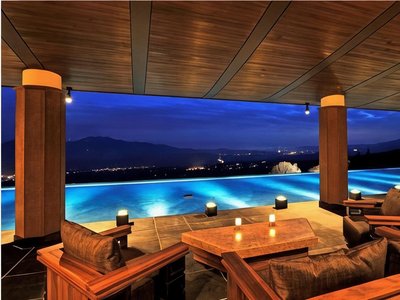
Akakura Kanko Hotel
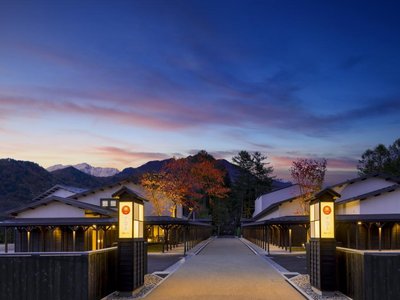
Hoshino Resorts KAI Alps
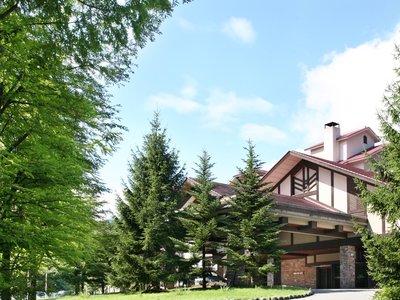
Hakuba Tokyu Hotel
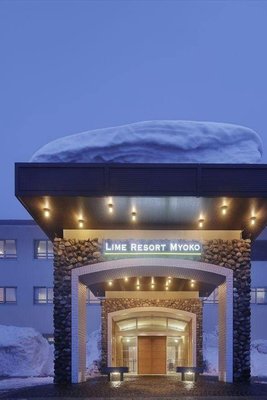
Lime Resort Myoko
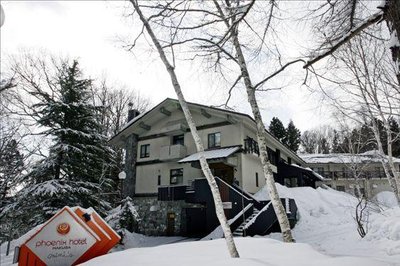
Phoenix Hotel by Hhg

Four Seasons Yuzawa Quattro

Courtyard by Marriott Hakuba
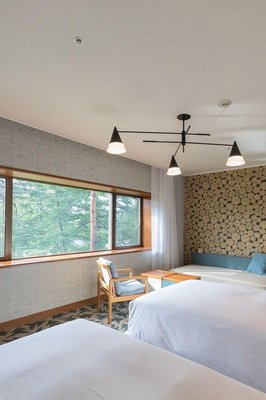
Karuizawa Prince Hotel East
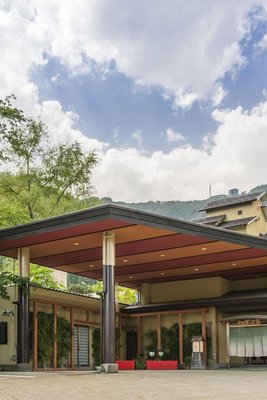
Shosenkaku Kagetsu
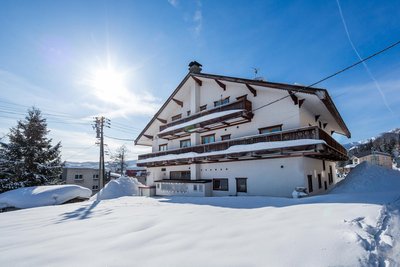
Marillen Hotel by Hhg
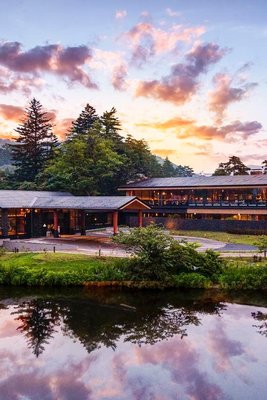
Karuizawa Prince Hotel West
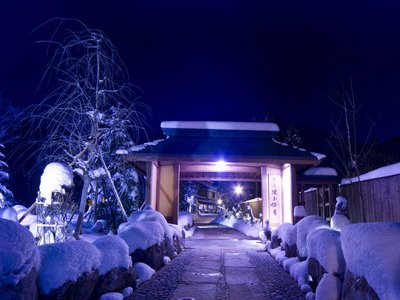
Miyama Ouan
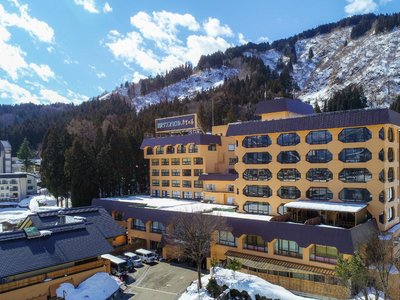
Yuzawa Grand Hotel
Bvlgari Hotel Tokyo
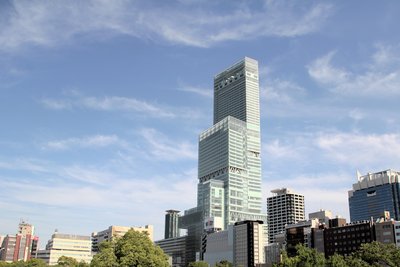
Osaka Marriott Miyako Hotel
The Ritz-Carlton, Osaka
Four Seasons Hotel Tokyo at Marunouchi

Mandarin Oriental, Tokyo
The Ritz-Carlton, Tokyo
Andaz Tokyo Toranomon Hills- A Concept by Hyatt
Gora Kadan
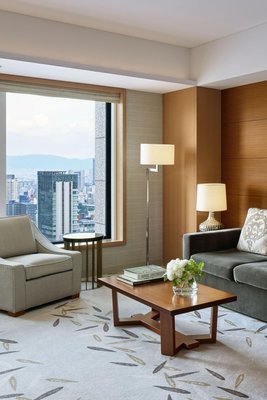
InterContinental Hotel Osaka
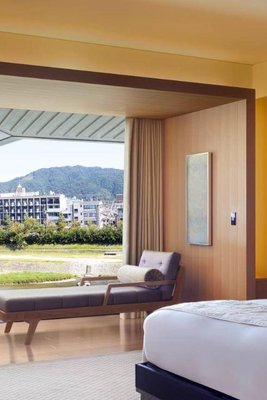
The Ritz-Carlton, Kyoto

Hotel New Otani Tokyo the Main
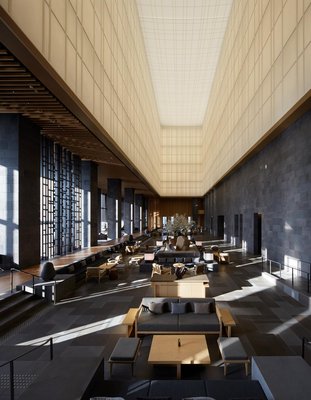
Aman Tokyo
Odakyu Hotel de Yama
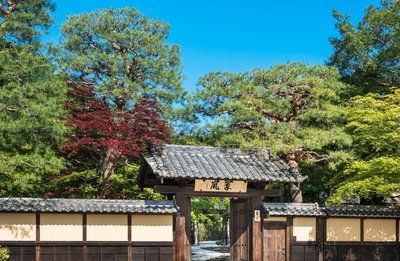
Suiran, a Luxury Collection Hotel, Kyoto
GOOD NATURE HOTEL KYOTO
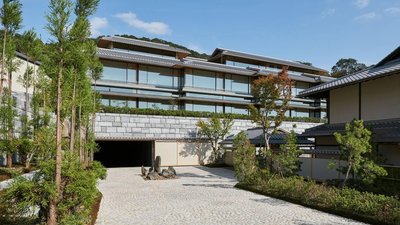
Park Hyatt Kyoto
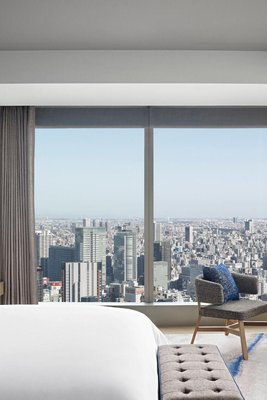
Four Seasons Hotel Tokyo at Otemachi

The Tokyo Edition, Toranomon

Hyatt Centric Kanazawa
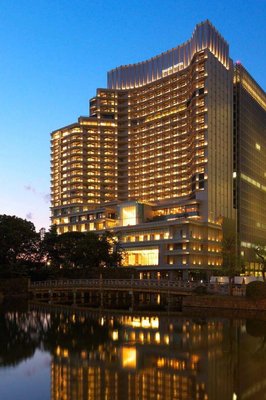
Palace Hotel Tokyo
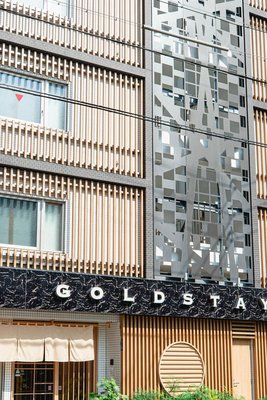
Gold Stay Nagoya OSU
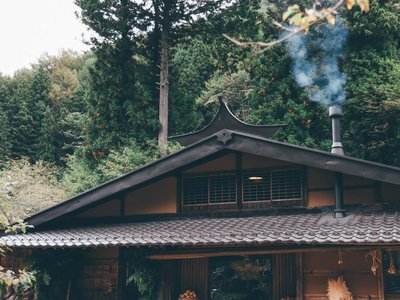
La Terra Resort

GOLD STAY Nagoya Sakae
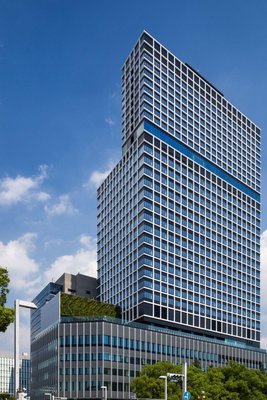
The Royal Park Hotel Iconic Nagoya
Awaumi Fujikawaguchiko Resort
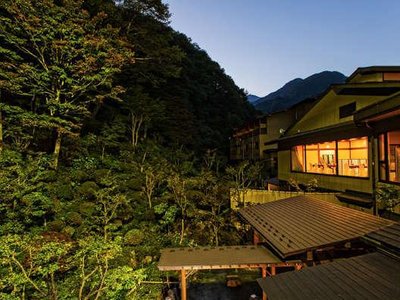
Futari Shizuka
Nakamatsuya Ryokan
Okada Ryokan Warakutei
Hidatei Hanaougi
Yumoto Choza
Maruei
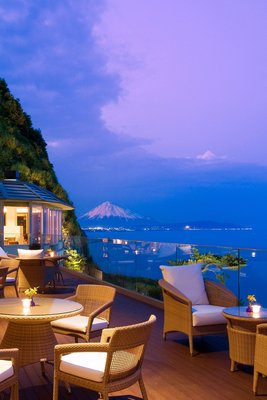
Yaizu Grand Hotel
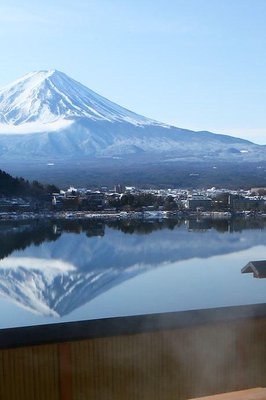
Fuji Ginkei
Hoshino Resorts KAI Alps

Hotel Ryu Resort and Spa
Hoshino Resorts Kai Enshu
Suihoen
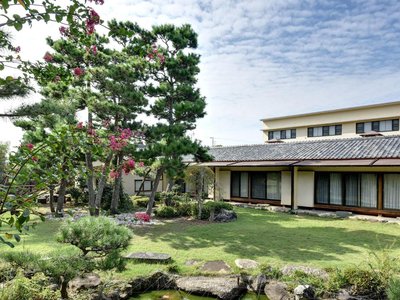
Hotel Hagoromo
Hirugami Grand Hotel Tenshin
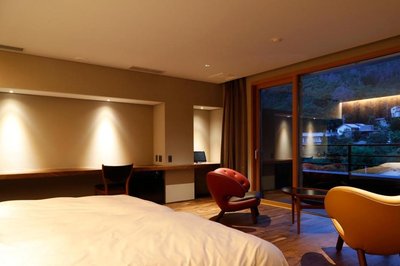
Matsumoto Jujo
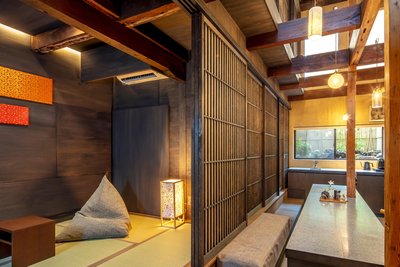
Kyo No Oozora Kihana
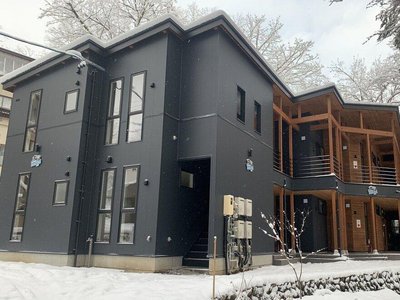
Hakuba Gondola Apartments
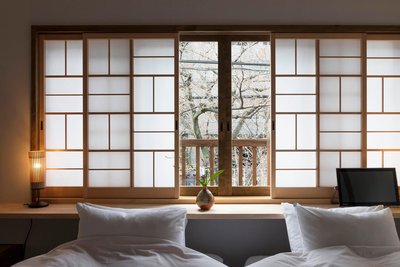
Hanagoromo Machiya House
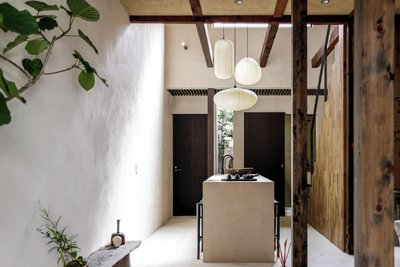
Maana Kiyomizu
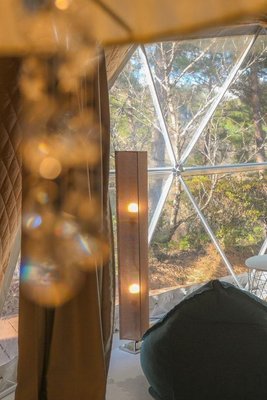
glampark Gekkabijin Nagano
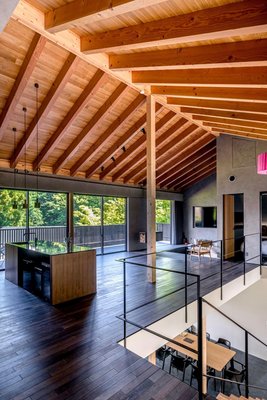
MONS GORA

Phoenix Chalets by Hhg
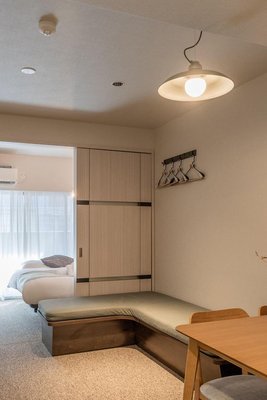
Apartment Hotel 11 Shinsaibashi
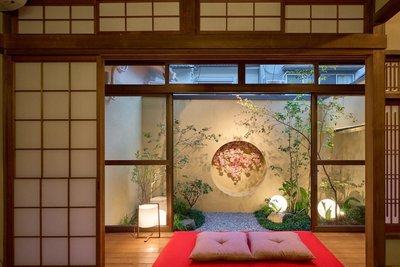
KONJAKUSO Osaka Tengachaya "NIHONCHA" Tea & Relax
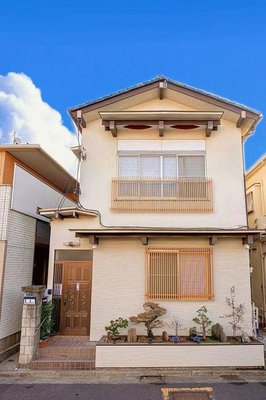
Tokyo Star House-Shinkoiwa
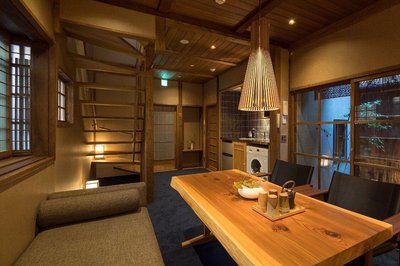
Bonbori an Machiya House
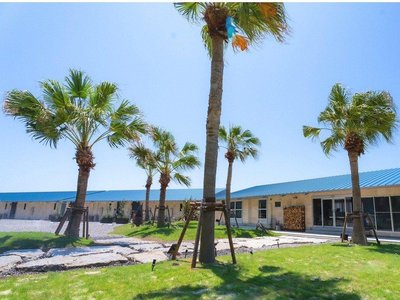
Glamping&Resort Wood Design Park Noma
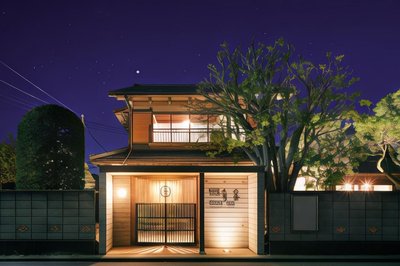
Machi-Jyu
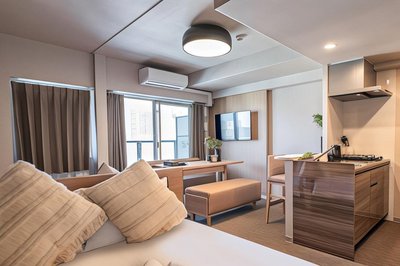
Apartment Hotel 11 Shinsaibashi III
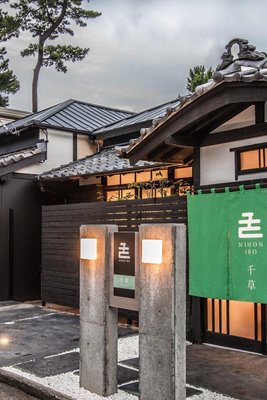
Nihon Iro
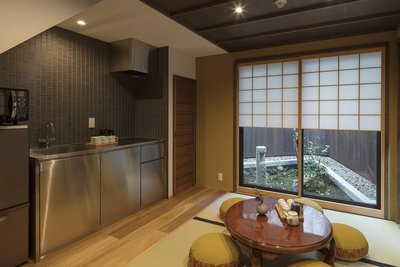
The Machiya Villa Sanjo Shirakawa Koji
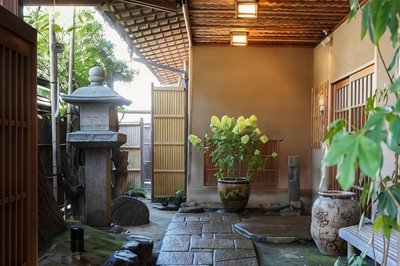
Ryokan Asadaya
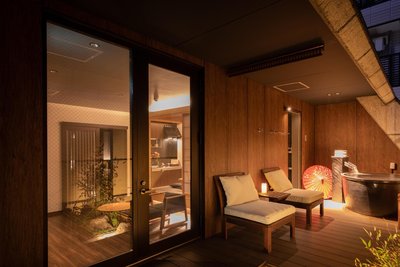
Konjaku-So Dotonbori
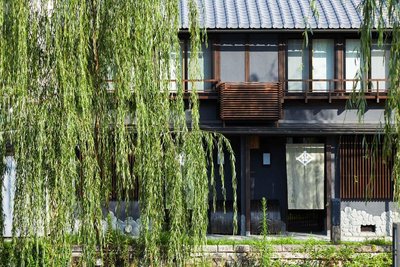
Gion Shirakawa No Yado

Kitashirakawa Natural Radium Onsen
Frequently Asked Questions about Traveling to Achi
Questions You Might Need to Know About Traveling to Achi
In Achi Village, the top eco-conscious stay is Achi Nature House, a certified sustainable lodge built from reclaimed local timber. It features solar-powered lighting, rainwater harvesting, and composting toilets. Guests enjoy organic breakfasts made with farm-fresh ingredients from nearby fields. The property is nestled beside the Shinano River, offering serene views and access to forest trails. For a more secluded experience, try Achi Forest Cabin, a minimalist wooden hut with zero-waste practices and a wood-fired sauna. Both properties emphasize low-impact tourism and collaborate with local conservation groups. HopeGoo ahead is essential, especially during peak seasons like autumn foliage and winter snow festivals.
For first-time visitors, the central district of Achi Village—near the Achi Town Hall and Achi Shrine—is the ideal base. This hub offers easy access to restaurants, souvenir shops, public restrooms, and the Achi Tourism Information Center. It’s also close to cultural highlights like the Traditional Rice Cultivation Festival and the local craft workshop. Most guesthouses and small inns cluster here, making it convenient for exploring on foot. Public buses connect to key spots like the Shinano River Gorge and Mount Hida Viewpoint. While quieter areas exist, the central zone balances accessibility with authentic village charm, perfect for travelers wanting to immerse in daily life without sacrificing comfort.
Achi Village offers immersive cultural experiences rooted in rural heritage. Visitors can participate in the Annual Rice Planting Ceremony, where locals wear traditional kimonos and perform ritualistic planting, honoring agricultural roots. At the Achi Craft Workshop, guests learn bamboo weaving and pottery using locally sourced materials. There’s also a tea ceremony experience led by elder artisans, featuring hand-grown green tea. During winter, join the Snowfire Gathering, a bonfire night where villagers share folk tales and serve steaming miso stew. These activities emphasize community, sustainability, and the spirit of ichigo ichie—treasuring each moment. Many experiences are available only seasonally, so check schedules at the tourist office.
Achi Village boasts breathtaking natural landscapes. The Shinano River Gorge offers crystal-clear waters perfect for kayaking in summer and frozen mirror-like surfaces in winter. The Achi Observation Deck provides panoramic views of Hida Mountains and Mount Asama, especially stunning at sunrise. The Thousand Cedar Trail (3 km) winds through ancient cedar forests, ideal for forest bathing and photography. Nearby, Shiratori Lake attracts migratory birds; spring brings flocks of white egrets, while autumn sees vibrant waterfowl activity. All major sites are accessible via well-marked paths or short drives. Bring binoculars, hiking gear, and respect nature—these pristine areas thrive due to careful preservation efforts.
Yes, Achi Village is highly family-friendly. The Achi Children’s Nature Park offers interactive outdoor learning: kids can plant vegetables, catch insects, and build mud castles. Safe play zones include wooden slides and sand pits. The Shinano River Waterside Plaza has shallow pools and floating bridges, perfect for supervised water play. Many lodges provide baby cots, high chairs, and kid-sized bathrobes. Seasonal events like strawberry picking and sheep feeding engage children with hands-on fun. Free shuttle buses run between main attractions, easing travel with strollers. Families are encouraged to book cottages with kitchens to prepare meals together. Always check weather conditions before heading out—some trails may close in snow.
Must-try dishes in Achi Village include Shinano River trout, grilled over charcoal or served as sushi—its fresh, delicate flavor comes from the pure mountain streams. Another highlight is Achi Miso Stew, slow-cooked with homegrown soybeans, pork, and seasonal vegetables. Highland tofu is creamy and rich, often enjoyed in hot pots or cold salads. Local cafes serve seasonal menus: spring fern tempura, autumn matsutake rice. Don’t miss Achi Farm Coffee House, which serves house-made jams and whole-grain bread with local honey. Visit the Achi Market to buy fresh produce, pickled vegetables, and handmade preserves. These flavors reflect the region’s deep connection to land and tradition.
From Nagano Station, take the Nagano Electric Railway to Omachi Station, then transfer to the Achi Village Community Bus (approx. 40 minutes). Buses run infrequently—check timetables online or at the station. Alternatively, rent a car via Nagano Airport Shuttle or use a private taxi service, which takes about 1 hour via National Route 192. Driving offers flexibility and scenic views through farmland and mountains. Note that some mountain roads may close in winter due to snow. Consider using the Nagano Prefecture Pass or JR Pass to save on transportation costs. Parking is available at most lodges and visitor centers.
Achi Village celebrates distinct seasonal events: Cherry Blossom Viewing along the Shinano River in spring draws crowds with pink blooms reflecting on the water. Summer brings Firefly Night Walks, where thousands of glowflies light up the riverbanks under lantern-lit trails. Autumn transforms the landscape into a fiery tapestry—Kanji Mountain Trails become prime spots for fall foliage photography. Winter hosts the Snow Lantern Festival, where snow sculptures and paper lanterns illuminate the village at night. Year-round activities include wild mushroom foraging, herbal walks, and traditional sake brewing. Events vary by season—consult the official tourism website for exact dates and HopeGoo details.
Yes, Achi Village offers excellent hiking opportunities. The Shinano River Upstream Trail (5 km) follows a gentle path past waterfalls and rock formations—ideal for beginners. For intermediate hikers, the Achi Circular Mountain Trail (8 km) circles the village’s foothills with panoramic views of the Hida Range. Adventurers can tackle the Omachi-to-Achi Cross-Country Route (15 km), passing through old forest paths and historic watchtowers. All trails are clearly marked with signs and rest stops. Carry water, snacks, and layered clothing—weather changes quickly. Check trail status at the Achi Tourism Office before setting out. Guided hikes are available during peak seasons, led by local naturalists.
Nighttime in Achi Village is magical. Join the Stargazing Night Event at the open-field observatory, where telescopes reveal galaxies and shooting stars—perfect for astronomy lovers. During winter, attend the Snowfire Night Gathering, a communal bonfire celebration with traditional music and warm miso soup. The Lantern Walk Along the Shinano River lets visitors stroll with handmade paper lanterns, creating a glowing ribbon across the dark bank. Some guesthouses host meditation sessions with ambient nature sounds and soft lighting. Due to low light pollution, nights are exceptionally dark—bring a flashlight and warm layers. Book these experiences in advance, as spaces are limited.
Achi Overview
City Summary
Achi Village in Nagano Prefecture is renowned as "Japan's Best Starry Sky Village" due to its exceptionally clear night skies free from light pollution. Situated at 1,000m altitude, this mountainous area features seasonal forests, Fujimidai Highlands, and preserved thatched-roof houses. Its hot springs and astronomical observation activities make it an ideal retreat from urban life.
Must-See Attractions
Must-visit spots include Fujimidai Highland's 360-degree observatory (skiing in winter/hiking in summer). Join the "Japan's Best Starry Night Tour" for galaxy viewing. Explore ancient shrines like Namiashi Shrine and Achi Shrine, or relax at Hirugami Onsen's alkaline hot springs.
Food Guide
Try local mountain vegetable dishes and Shinshu soba noodles. Specialties include "sanzokuyaki" (fried chicken) with apple juice, "gobei mochi" (miso rice cakes), and "nozawana" pickles. Winter-exclusive "Himi udon" features noodles chilled in ice water. "Starry Sky Cafe" serves constellation-themed wagashi.
Transportation Guide
From Tokyo: Take JR Tokaido Shinkansen to Iida Station (2hrs), then JR Iida Line to Achi Station (40min). Village buses operate infrequently (advance HopeGoo recommended for Fujimidai access). Winter drivers require snow tires. Free daytime bicycle rentals available.
Best Time to Visit
Best seasons: April-October for cherry blossoms (April), Star Festival (July-August), and autumn leaves (October). Winter (December-March) offers snowscapes but some road closures. Avoid Golden Week and Obon holidays.
Travel Tips
- Use only red-light torches during stargazing
- Tattooed visitors cannot enter public onsens (book private baths)
- Bring jackets even in summer for temperature drops
- Check sparse bus schedules in advance
- Separate trash into burnable/non-burnable/bottles
- Obtain permission before photographing private properties
- Carry cash as some restaurants don't accept cards
- Follow shrine etiquette (two bows, two claps, one bow)
Useful Information
Language: Japanese; basic English at tourist facilities. Internet: Free Wi-Fi at village office/ryokans; unstable in mountains. Payment: Credit cards accepted only at major establishments (ATMs at 7-11). Medical: Nearest hospital in Iida City (40min drive); first-aid kits at lodgings. Voltage: 100V, Type A plugs (same as US flat pins). Emergency: Police 110, Ambulance 119. Astrophotography: Free night shooting permit required from village office.









