Hotels in Acquasparta
Discover your perfect stay in Acquasparta.
Acquasparta(Italy) Travel 2026: Cheap Flights, Hotels & Top Attractions
Popular Landmarks in Acquasparta
Discover the most iconic attractions in Acquasparta
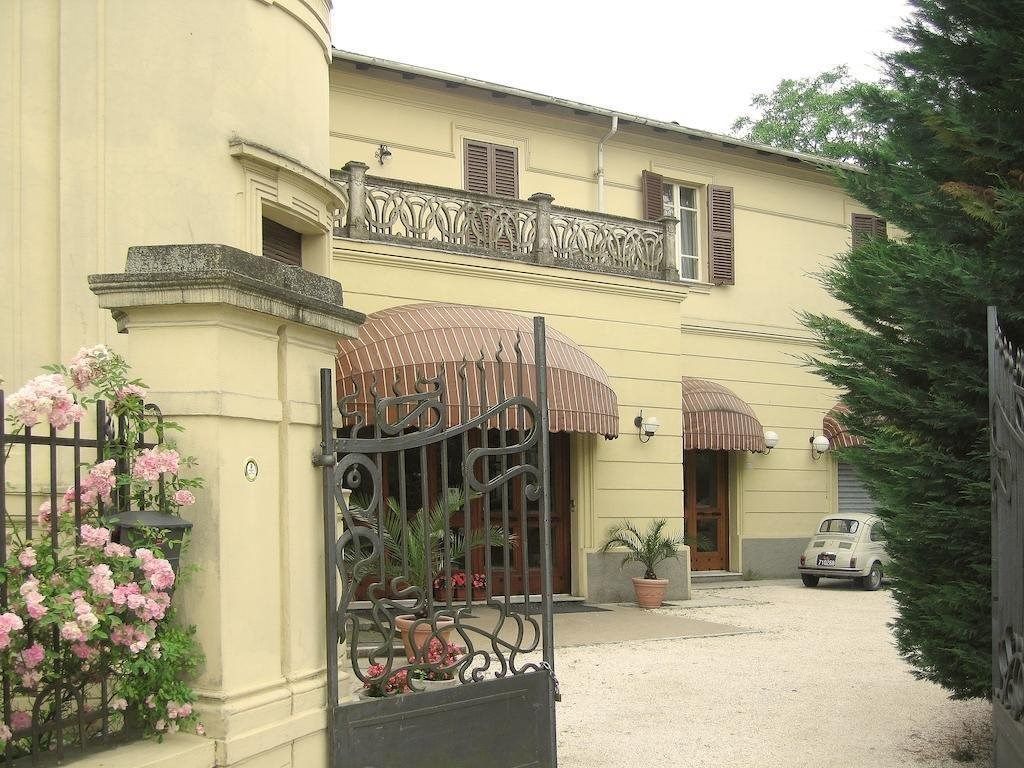
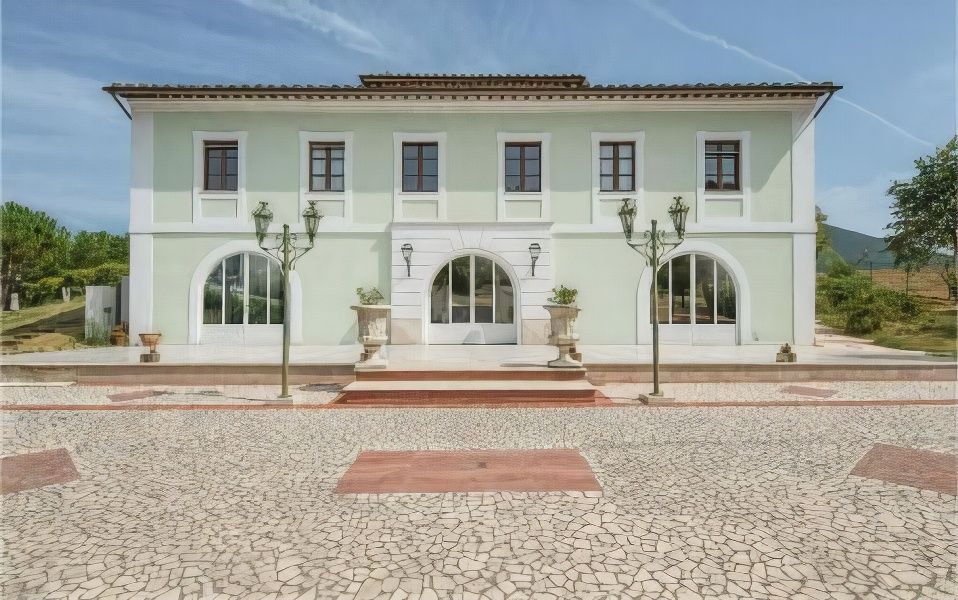
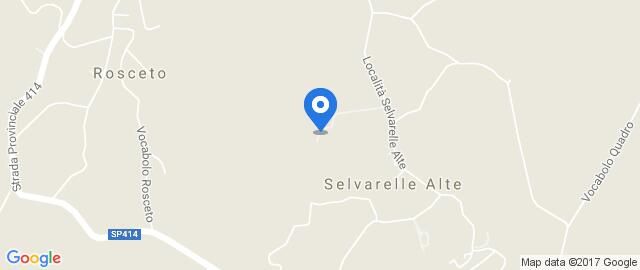
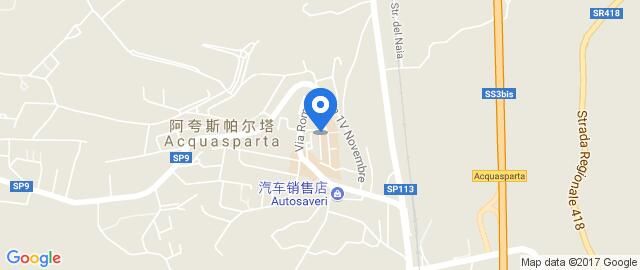
Recommended Hotels in Acquasparta
Find the perfect place to stay in Acquasparta
Frequently Asked Questions about Traveling to Acquasparta
Questions You Might Need to Know About Traveling to Acquasparta
Acquasparta Overview
City Summary
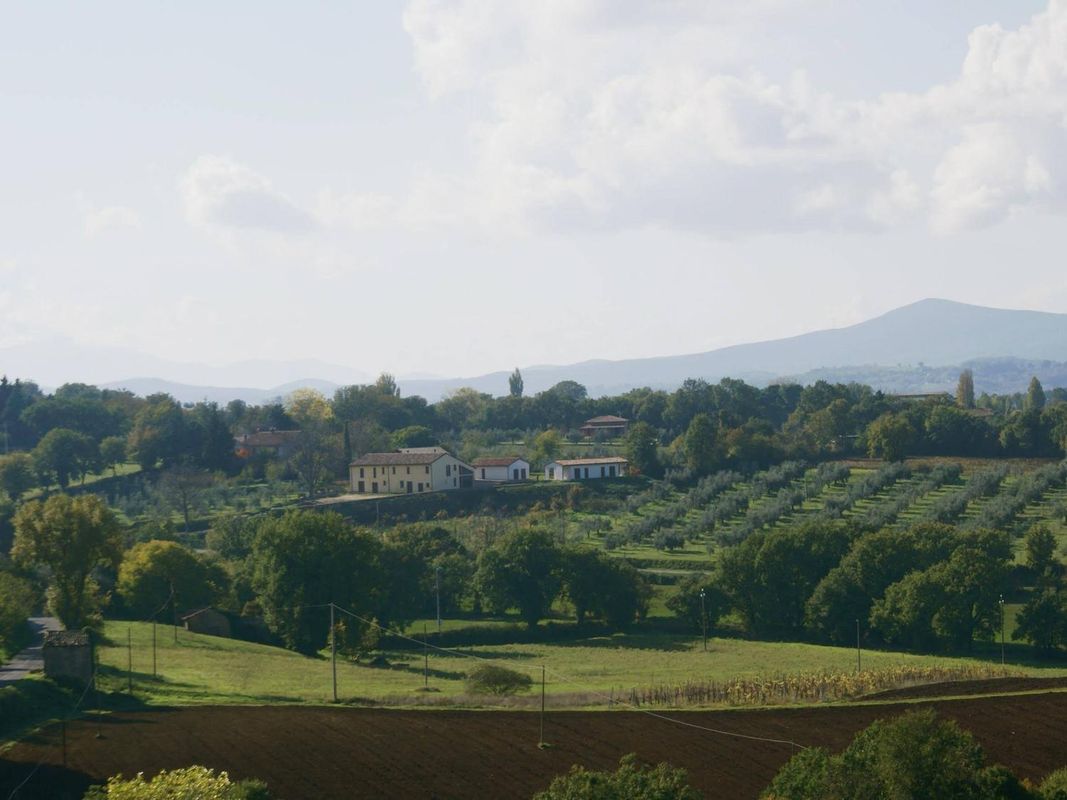
Acquasparta, a medieval hill town in Italy's Umbria region, is famed for its thermal springs and Renaissance architecture. Once the domain of Federico Cesi, patron of Galileo Galilei in the 17th century, it boasts a rich scientific heritage. The town's well-preserved stone streets, ancient churches, and Palazzo Cesi exude Tuscan-Umbrian charm, surrounded by olive groves and vineyards—a perfect retreat for tranquility and cultural immersion.
Must-See Attractions
Palazzo Cesi, now a cultural center housing scientific manuscripts, is a must-see. Admire 14th-century frescoes at Chiesa di Santa Cecilia. Nearby thermal baths (e.g., Terme di Acquasparta) offer sulfur-rich spa experiences. Hike through Parco del Monte Luco for panoramic Umbrian countryside views. Don't miss the Medieval Festival in September, featuring historical reenactments and artisan workshops.
Food Guide
Umbrian mountain cuisine shines here with black truffles and game. Try Strangozzi al Tartufo (handmade truffle pasta) and Cinghiale alla Cacciatora (hunter-style wild boar). Street vendors sell Crescia al Formaggio (cheese flatbread)—pair it with local Sagrantino wine. For dessert, Torcolo di San Costanzo (raisin ring cake) is a Perugian classic.
Transportation Guide
No airport in Acquasparta; the nearest is Perugia San Francesco Airport (1-hour drive). From Rome/Florence, take trains to Terni Station, then a 30-minute bus. The town is walkable (wear non-slip shoes for cobblestones). Driving is convenient but note ZTL traffic restrictions in the old town. Taxis/tour shuttles are needed for thermal sites.
Best Time to Visit
Visit April-June or September-October for mild weather (15-25°C) and fewer crowds. July-August can exceed 30°C with limited spa access. Winter (December-February) offers Christmas markets and misty medieval ambiance but fewer tourists.
Travel Tips
- Observe siesta hours (shops close 13:00-16:00)
- Cover shoulders/knees for church visits
- Book thermal baths in advance; bring swim caps
- Carry small euros for cash-only vendors
- Drive cautiously on winding mountain roads
- Confirm visits to olive oil/wine producers by phone
- Drone photography banned in historic centers
- Strict recycling—follow bin labels
Useful Information
Italian is primary; basic English spoken in tourist spots. 4G coverage exists but may weaken in old buildings. Dial 112 (general emergency) or 118 (medical). Cards accepted at restaurants, but markets are cash-only. Pharmacies (green cross signs) have Sunday rotations. Tap water is safe; avoid drinking thermal sulfur water. Voltage is 230V (Type L plugs). Only basic clinics are available—for serious cases, go to Terni's Ospedale Santa Maria (30-minute drive).