Hotels in Aga
Discover your perfect stay in Aga.
Aga(Japan) Travel 2026: Cheap Flights, Hotels & Top Attractions
Popular Landmarks in Aga
Discover the most iconic attractions in Aga
Recommended Hotels in Aga
Find the perfect place to stay in Aga
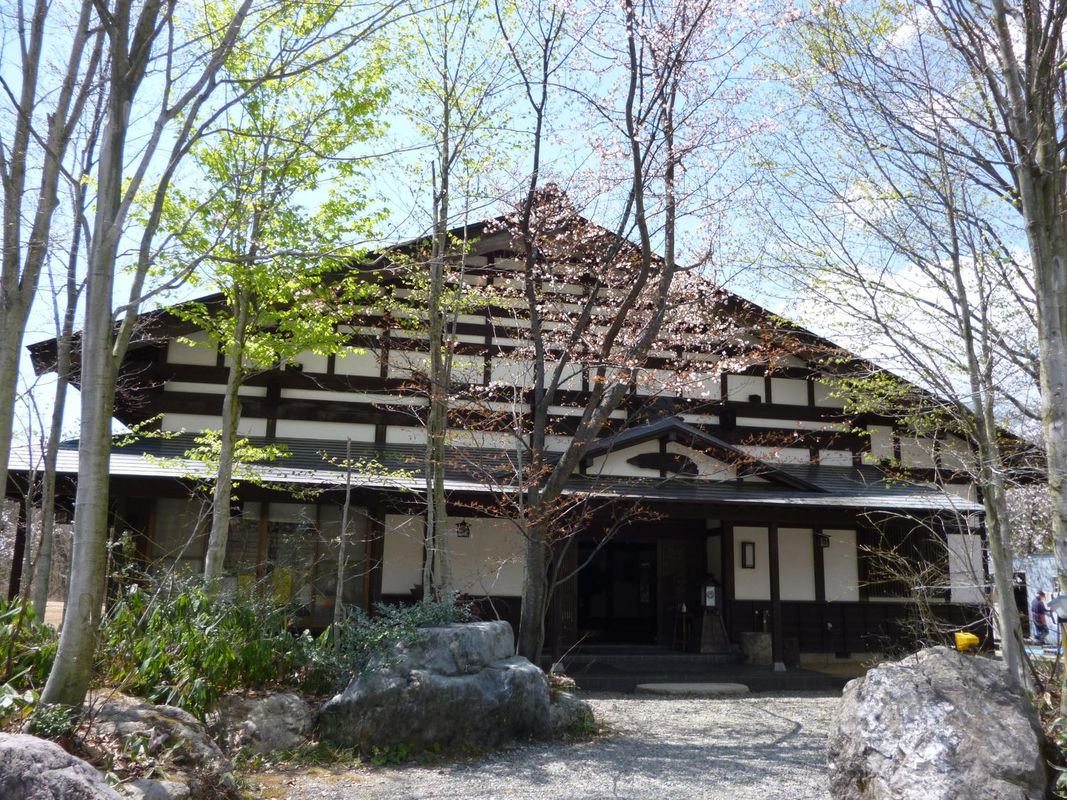
Bunanoyado Koase
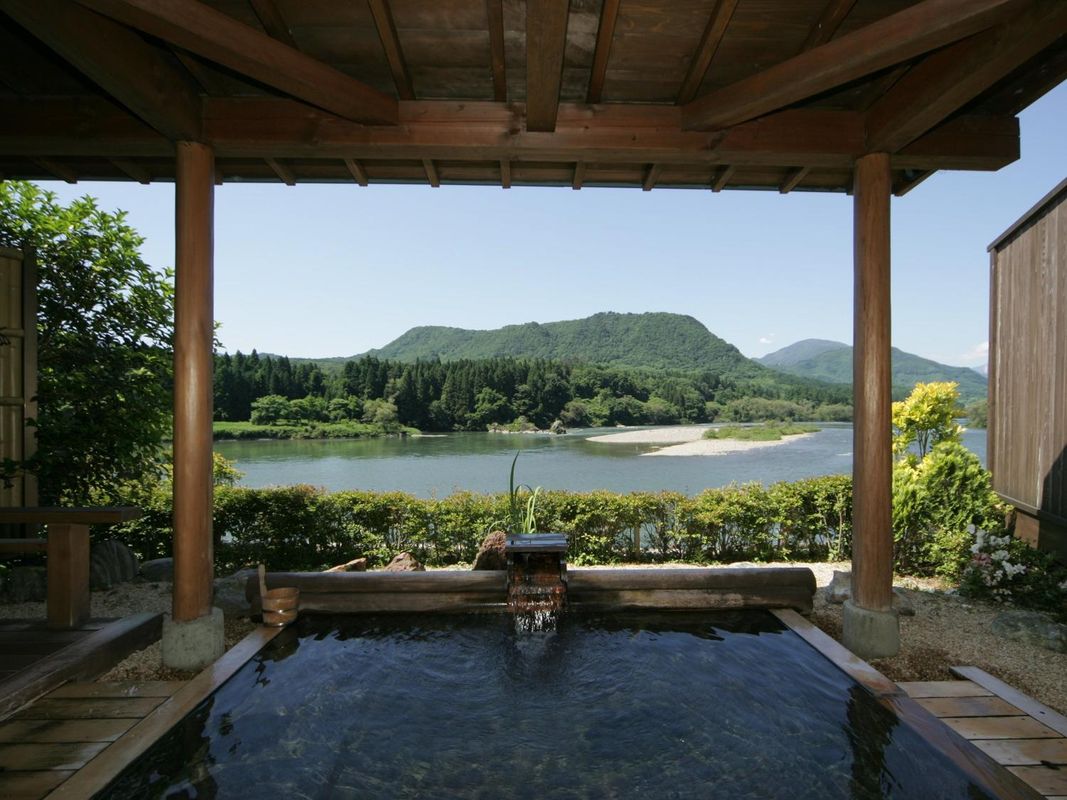
Fukusen
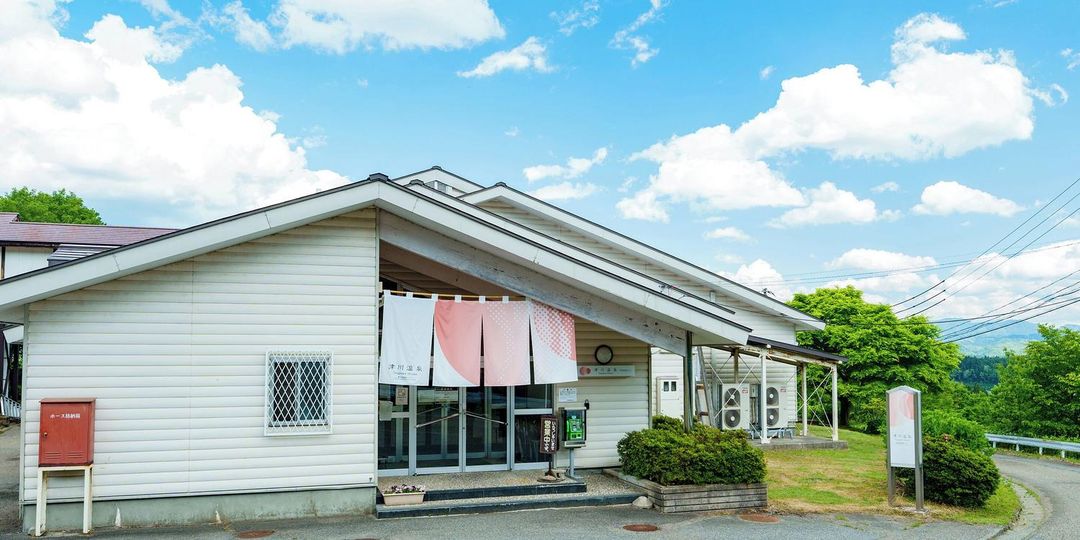
Kiyokawa High-land Recreation Center
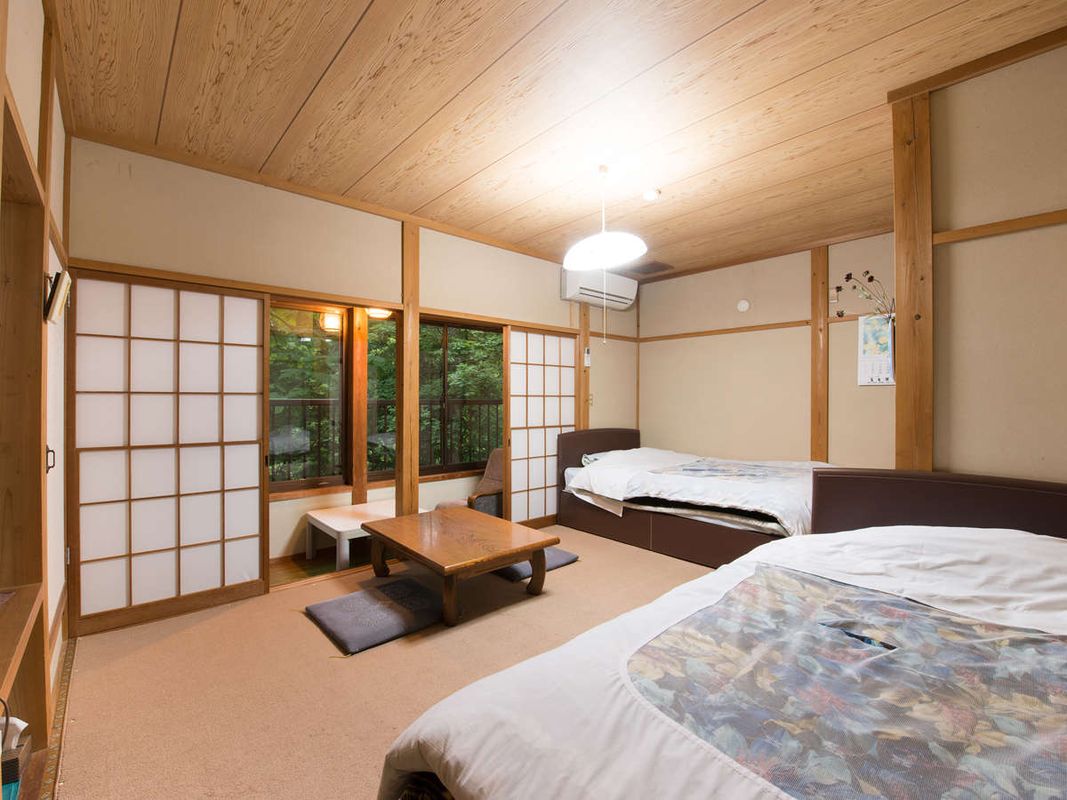
Uragozusanso
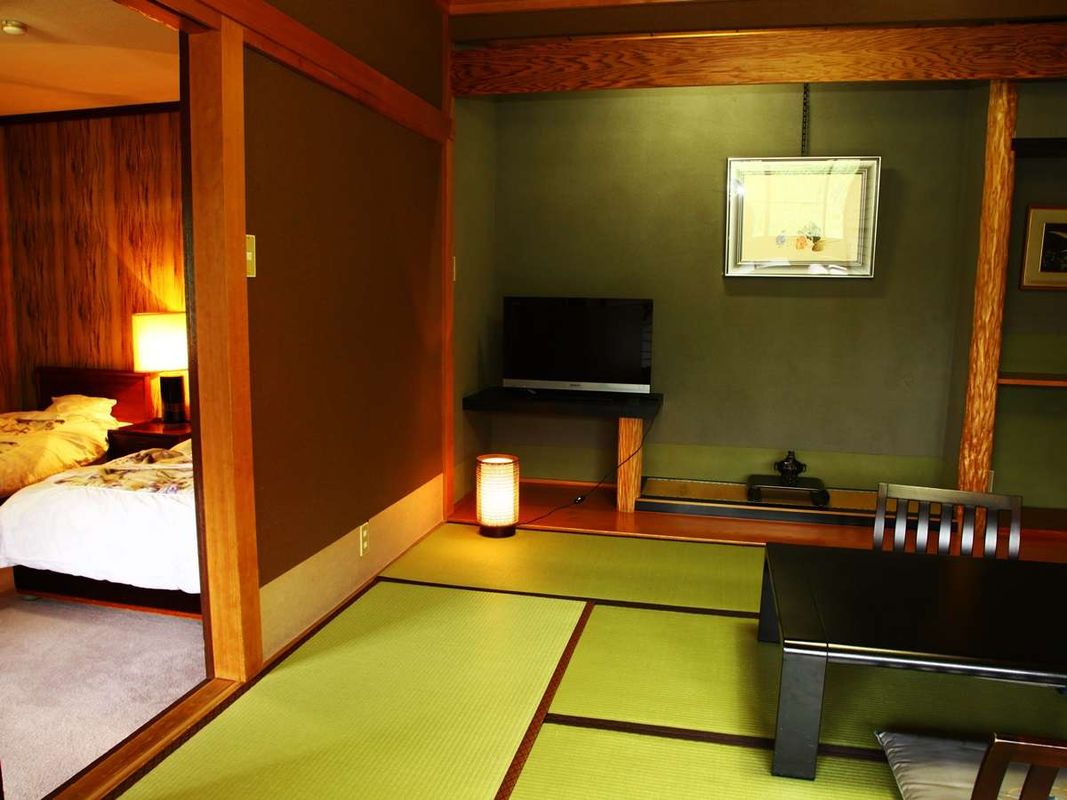
Hotel Tsunogami
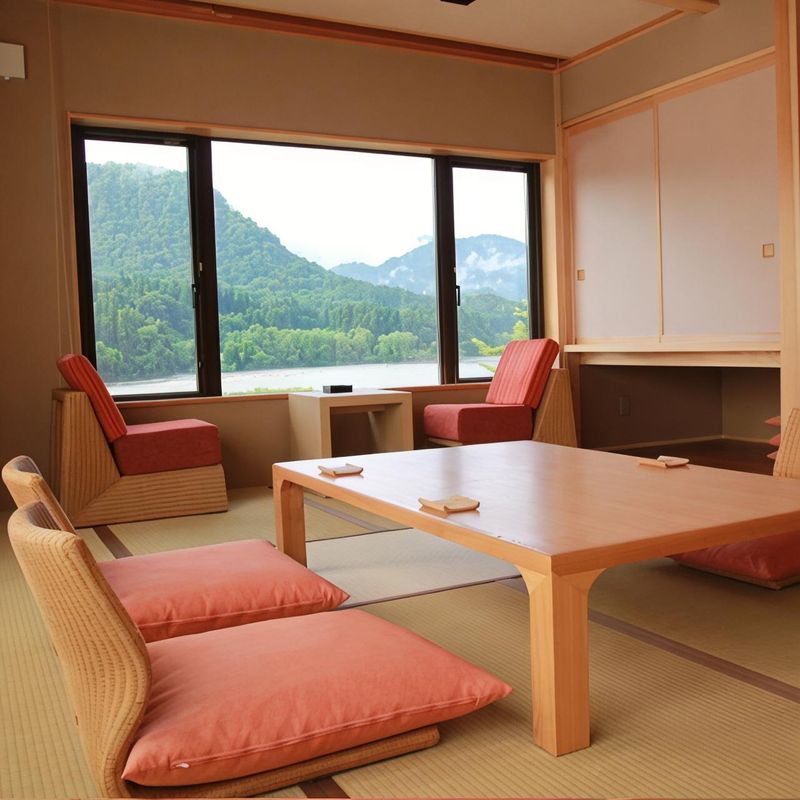
Furusawaya
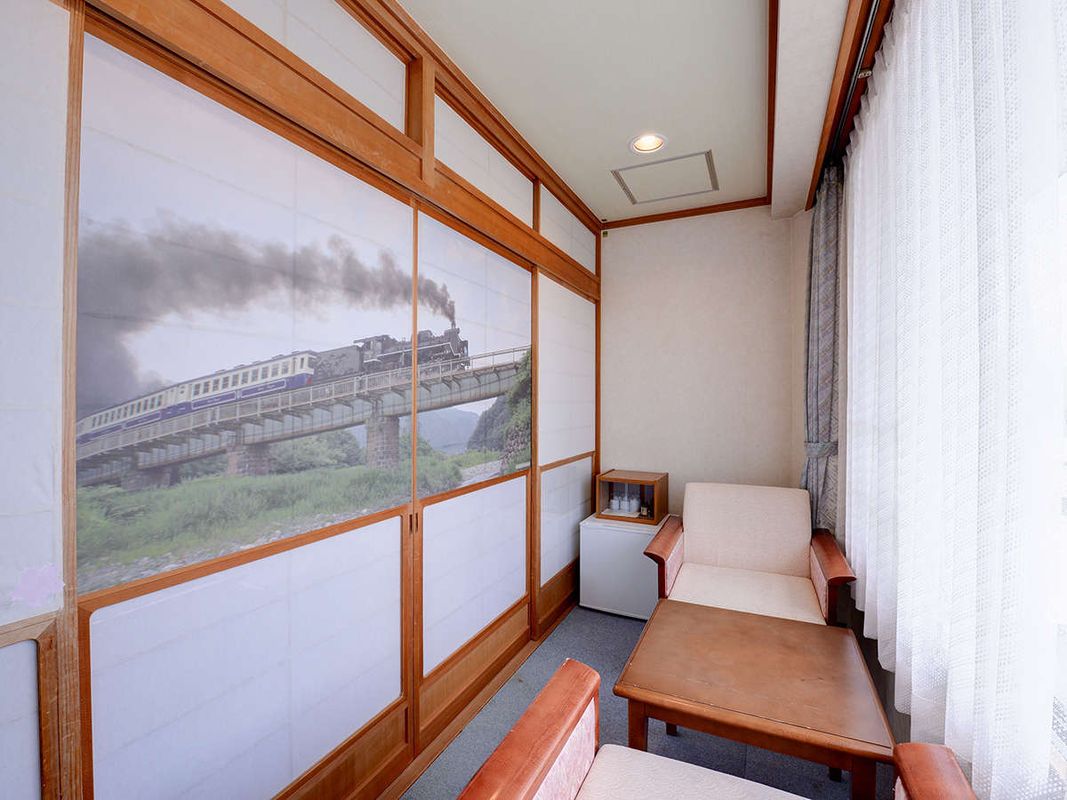
Shinmikawa Onsen Hotel Mikawa
Best Hotels in Aga
Discover curated hotel collections in Aga
Hakone Gora Byakudan

Hotel New Akao
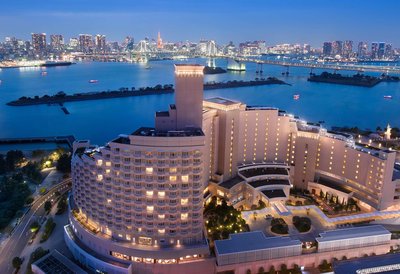
Hilton Tokyo Odaiba
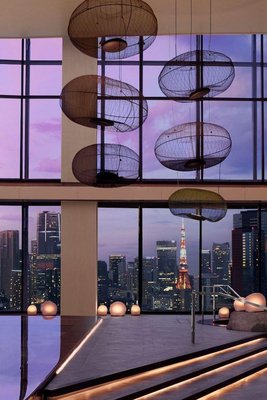
JW Marriott Hotel Tokyo
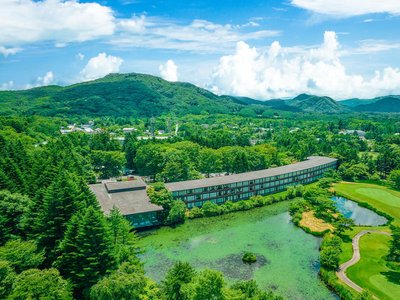
The Prince Karuizawa

The Kukuna
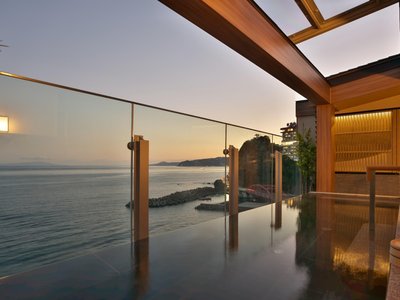
Hotel New Sagamiya
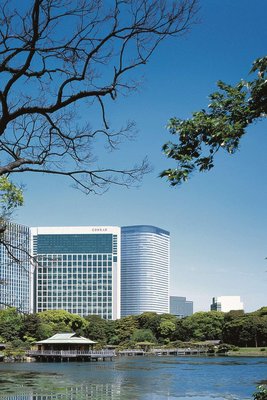
Conrad Tokyo
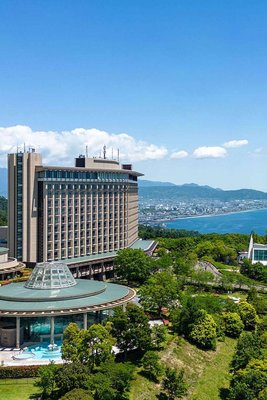
Hilton Odawara Resort & Spa
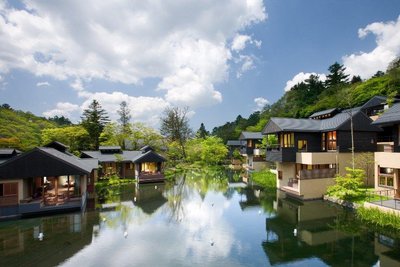
Hoshinoya Karuizawa
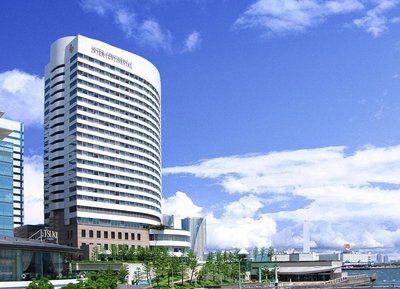
InterContinental Tokyo Bay
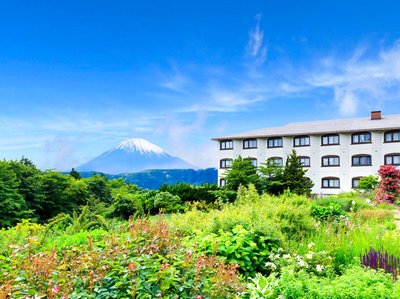
Hotel Green Plaza Hakone
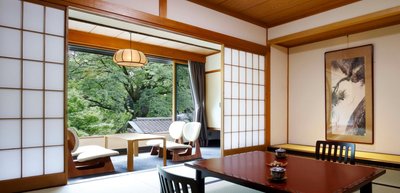
Yoshiike Ryokan
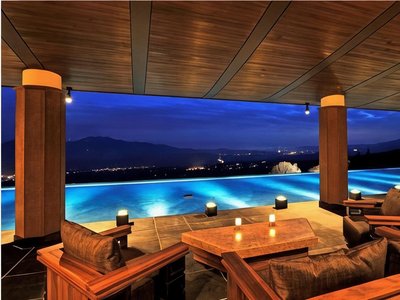
Akakura Kanko Hotel
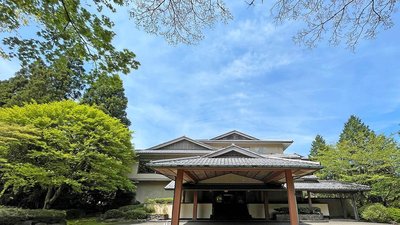
Ryuguden
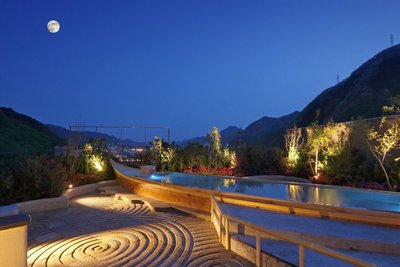
Asaya
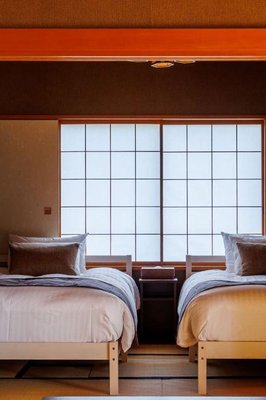
Sado Resort Hotel Azuma
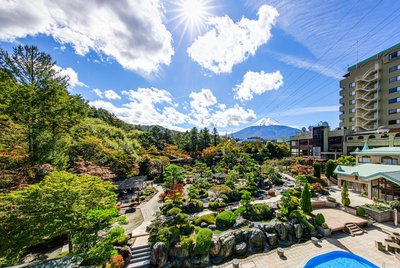
Kaneyamaen

Syukaen Yunohanazen

Komatsu-Kan Kofu-Tei

Bellustar Tokyo, A Pan Pacific Hotel
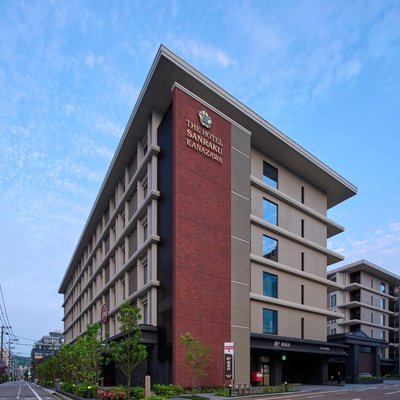
The Hotel Sanraku Kanazawa 21th December 2022 Open
JW Marriott Hotel Tokyo

Andaz Tokyo Toranomon Hills- A Concept by Hyatt

The Okura Tokyo

The Lively Azabujuban Tokyo

Kimpton Shinjuku Tokyo

HOTEL K5

The Prince Gallery Tokyo Kioicho, a Luxury Collection Hotel

Muji Hotel Ginza
Bellustar Tokyo, A Pan Pacific Hotel

Bvlgari Hotel Tokyo
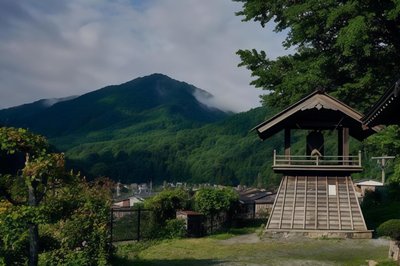
Byaku Narai
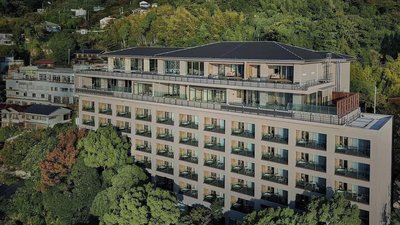
Atami Izusan Karaku

The Tokyo Edition, Ginza

Janu Tokyo
JW Marriott Hotel Tokyo
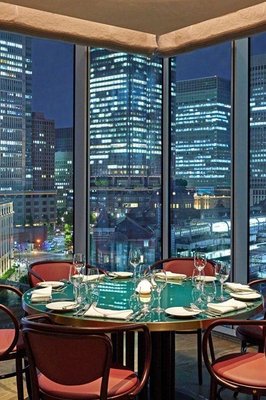
Four Seasons Hotel Tokyo at Marunouchi

Mandarin Oriental, Tokyo
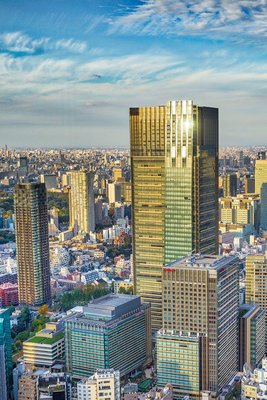
The Ritz-Carlton, Tokyo
Andaz Tokyo Toranomon Hills- A Concept by Hyatt
Hoshinoya Karuizawa
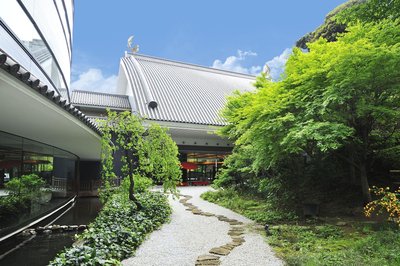
Hotel Gajoen Tokyo
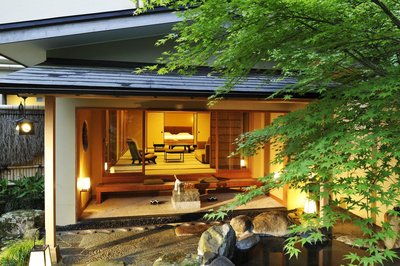
Gora Kadan
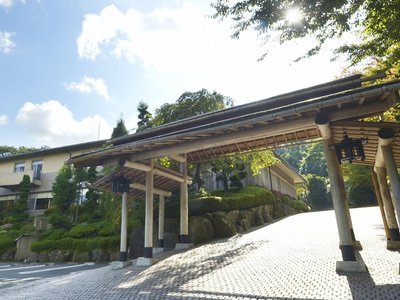
Gora Hanaougi
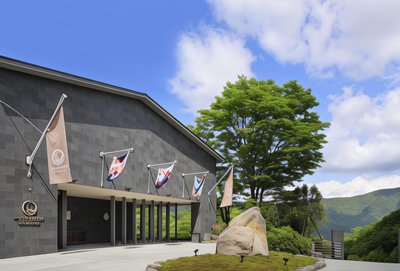
The Hiramatsu Hotels & Resorts Sengokuhara Hakone

Aman Tokyo

Hotel New Otani Tokyo, Executive House Zen
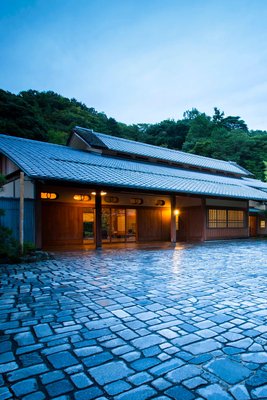
Sanyo-so
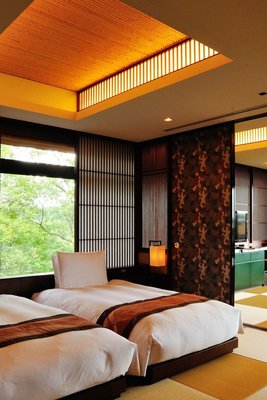
Chikusenso Onsen

Hotel Barrière Fouquet's New York

The Plaza - A Fairmont Managed Hotel

The Ritz-Carlton New York, Central Park

Four Seasons Hotel New York

The St. Regis New York

Park Hyatt New York

Mandarin Oriental New York

Times Square Edition New York

Loews Regency New York Hotel

Lowell Hotel

New York Edition

Baccarat Hotel New York

Equinox Hotel New York

Four Seasons Hotel New York Downtown

The Langham, New York, Fifth Avenue

The Carlyle, A Rosewood Hotel

The Chatwal, in the Unbound Collection by Hyatt

The Mark New York

Trump International Hotel & Tower® New York
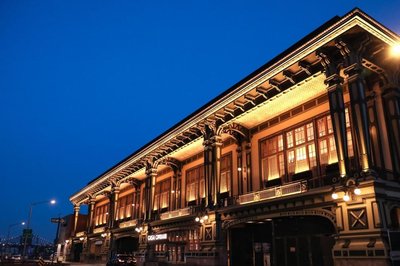
Casa Cipriani New York
Frequently Asked Questions about Traveling to Aga
Questions You Might Need to Know About Traveling to Aga
In Aga Town, the top boutique stay with authentic local charm is Mura no Yado Aga, a beautifully restored wooden farmhouse that blends traditional Edo-era architecture with modern comfort. Guests can enjoy handmade pottery in their rooms, participate in seasonal rice-planting ceremonies, and dine on locally sourced kome (rice) dishes. Located near the Agano River, it offers serene views of paddies and mountains. Another gem is Agasenma Hotel, famed for its private onsen baths overlooking rice fields and its partnership with local artisans who create custom ceramics for guests. Both properties emphasize sustainability and community connection, making them ideal for travelers seeking deep cultural immersion in Niigata’s rural heartland.
The best area for peaceful, nature-focused stays in Aga Town is the Aga Onsen District and the surrounding Agano River Valley. This region features low-density housing, abundant greenery, and minimal light pollution, perfect for stargazing and forest bathing. Accommodations like Agasenma Hotel and Mura no Yado Aga offer direct access to walking trails along the river, where you can spot native birds and wildflowers. The area is also home to several organic farms and seasonal festivals centered around rice cultivation. With no major roads nearby, this district provides an authentic escape into Niigata’s tranquil countryside, ideal for digital detox and mindful travel.
Visitors to Aga Town can experience authentic rural Japanese life through the Rice Planting Festival held annually in early summer, where guests join locals in traditional paddy field work using bamboo tools. They’ll also learn about the significance of kome (rice) through storytelling sessions at the Aga Town Museum. Another highlight is the handmade pottery workshop at Mura no Yado Aga, where artisans teach guests how to shape clay using techniques passed down for generations. These immersive activities foster a deep appreciation for sustainable farming, craftsmanship, and the values of harmony with nature—core principles of Aga’s identity.
Yes, Aga Town offers several family-friendly accommodations designed for a relaxed, educational stay. Mura no Yado Aga features a dedicated children’s garden with interactive farm animals, insect observation zones, and a small greenhouse where kids can grow vegetables. The hotel also provides baby cots, high chairs, and kid-sized yukata for free. Nearby, the Aga Town Children’s Nature Park has a natural play area, picnic spots, and guided nature walks. Many lodgings host weekend events like “Family Rice Harvest Adventure,” combining fun with learning about agriculture. With spacious rooms and safe outdoor spaces, these options make Aga an ideal destination for multi-generational families.
The hot springs in Aga Town are renowned for their mild alkaline carbonated mineral water, which is gentle on the skin and excellent for relieving stress and improving circulation. The most celebrated onsen is at Agasenma Hotel, whose open-air baths overlook vast rice paddies and distant mountains—especially magical during autumn when the leaves turn golden. Some facilities offer forest therapy baths, where guests soak with herbal sachets and guided mindfulness sessions. Due to the town’s remote location, the onsen areas remain uncrowded and peaceful, offering a rare chance to unwind in a pristine natural setting while connecting with the rhythms of rural Japan.
Tourists visiting Aga Town must try Aga White Rice Sushi, made with locally grown premium Koshihikari rice; Agano River Fresh Fish Hot Pot, featuring day-caught ayu and trout; and handcrafted soba noodles served with seasonal vegetable dips. At the Central Market, visitors can sample Aga Five-Flavor Pickles—a regional specialty made with daikon, cucumber, and eggplant. Don’t miss the Aga Rice Wine, brewed from local rice and available at small family-run sake shops. These dishes reflect the town’s agricultural roots and commitment to quality, showcasing how simple, fresh ingredients can create deeply satisfying meals rooted in tradition.
Absolutely, Aga Town is a paradise for photographers seeking serene, authentic landscapes. Key spots include the dawn mist over the Agano River, especially in spring and autumn; the changing seasons in the rice paddies—emerald in summer, gold in fall, snow-covered in winter; and the wooden eaves and lanterns of Mura no Yado Aga’s old village street, illuminated by soft evening light. The old tea house alley and stone footbridges provide rich textures and historical ambiance. During the Rice Planting Festival, photo opportunities abound with farmers in traditional gear working the fields. Early mornings and late afternoons offer the best lighting, making Aga ideal for both landscape and documentary photography.
Travelers can reach Aga Town from Tokyo Station via JR Shinkansen to Niigata Station (about 2.5 hours), then transfer to a Nagano Bus or Niigata Transportation Bus bound for Aga (approx. 40 minutes). Alternatively, fly into Niigata Airport and rent a car for a scenic drive along National Route 117, passing through lush farmland and mountain villages. Buses run daily, but it’s recommended to book tickets in advance, especially during peak seasons. While Aga lacks train stations within the town, the well-connected bus network ensures easy access to key attractions, making it feasible for independent travelers to explore this hidden gem of Niigata Prefecture.
Couples in Aga Town can enjoy intimate, nature-inspired experiences such as soaking in a private onsen bath at Agasenma Hotel, surrounded by rice fields and starlit skies. Strolling hand-in-hand along the Agano River Night Path, lit only by paper lanterns, creates a dreamy atmosphere. The hotel also offers a **
The climate in Aga Town significantly influences accommodation choices due to its four distinct seasons. In winter, cold temperatures and heavy snowfall make heated rooms and proper insulation essential—lodges like Agasenma Hotel offer underfloor heating and thick thermal windows. Summer brings humidity and heat, so rooms with cross-ventilation, fans, or air conditioning are preferred. Spring and autumn are ideal for visiting, with mild weather perfect for outdoor activities. For optimal comfort, choose rooms facing south for sunlight in winter or shaded east-facing ones in summer. Many properties also provide humidifiers, dehumidifiers, and extra blankets upon request, ensuring year-round comfort despite seasonal extremes.
Aga Overview
City Summary
Agatsuma Town is located in the northern part of Niigata Prefecture, Japan, known for its serene natural landscapes and traditional culture. It is a famous hot spring destination and an excellent place to experience rural Japan.
Must-See Attractions
Key attractions in Agatsuma include the Agano River and Kaneyama Hot Springs. Visitors can enjoy river rafting on the Agano River or relax in the traditional Japanese hot springs. The town's traditional architecture and farmland scenery are also worth exploring.
Food Guide
Agatsuma's local cuisine is unique, featuring dishes like salmon and mountain vegetables. The ingredients are fresh, offering a taste of nature.
Transportation Guide
Transportation in Agatsuma relies mainly on buses and taxis, with limited public transport options. It is advisable to plan ahead. Buses and trains from Niigata City can take you to Agatsuma. Renting a car is also a good option for more flexibility.
Best Time to Visit
The best times to visit are spring and autumn, when the weather is pleasant. Summer is ideal for water activities, while winter is perfect for hot springs.
Travel Tips
- Respect local customs: Follow etiquette in hot spring areas.
- Book accommodation early: Hot spring inns may be full during peak seasons.
- Carry cash: Electronic payment options are limited.
- Be prepared for weather changes: Mountain weather can be unpredictable.
- Try local specialties: Don't miss the regional cuisine.
Useful Information
Japanese is the primary language in Agatsuma. Network coverage is good, but signal may be weak in remote areas. Most businesses accept cash, with limited credit card usage. Medical facilities are available at local clinics.









