Hotels in Aichi
Discover your perfect stay in Aichi.
Aichi(Japan) Travel 2026: Cheap Flights, Hotels & Top Attractions
Popular Landmarks in Aichi
Discover the most iconic attractions in Aichi
Recommended Hotels in Aichi
Find the perfect place to stay in Aichi
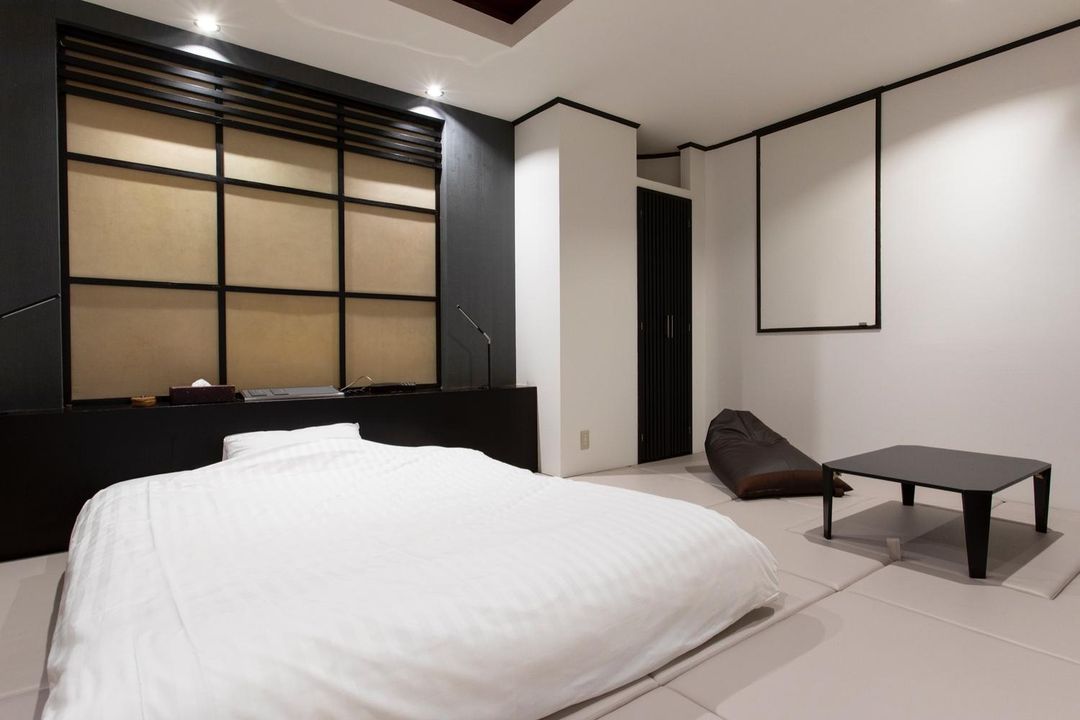
The Manga Hotel Togo

Hotel Valentine Togo - Adults Only

Hotel ValentineTogo
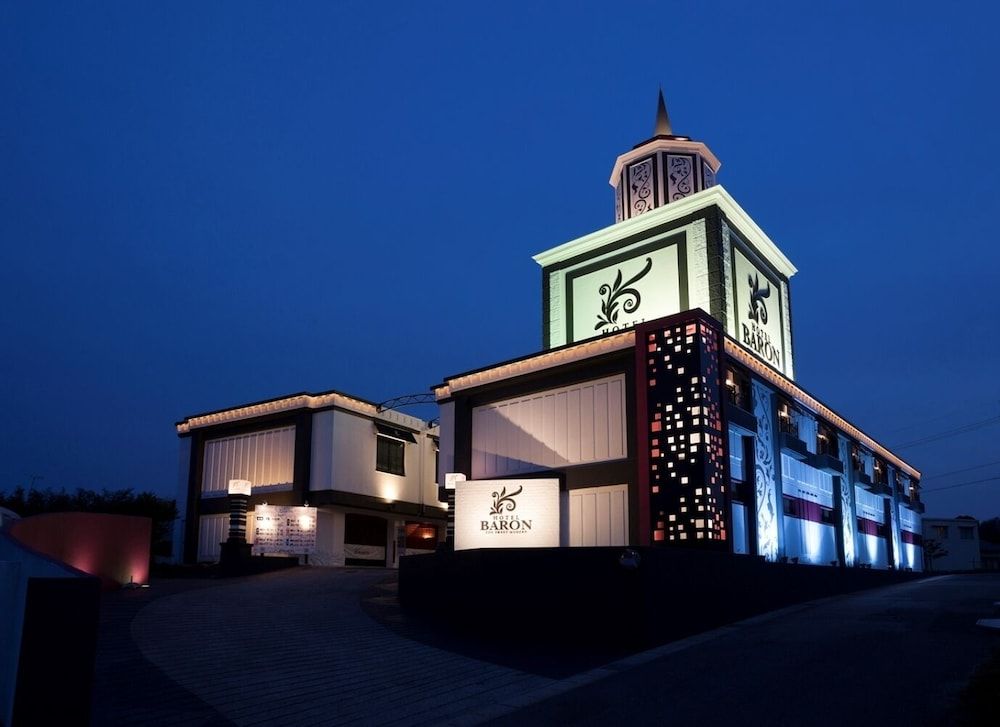
Hotel Baron -The Sweet Modern - Adults Only
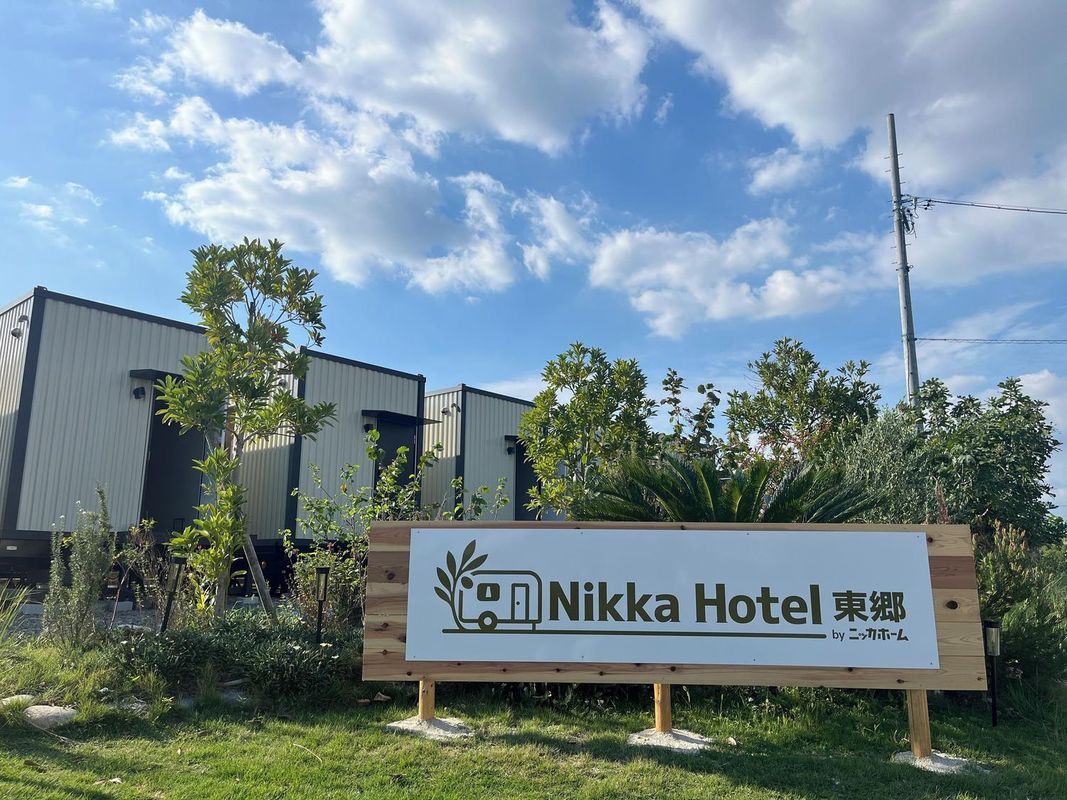
NikkaHotel togo
Best Hotels in Aichi
Discover curated hotel collections in Aichi
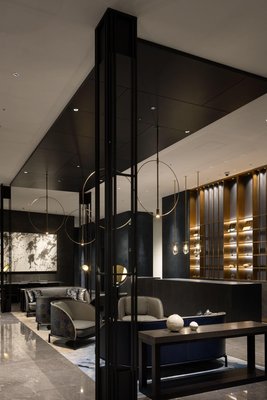
Bellustar Tokyo, A Pan Pacific Hotel

Bvlgari Hotel Tokyo
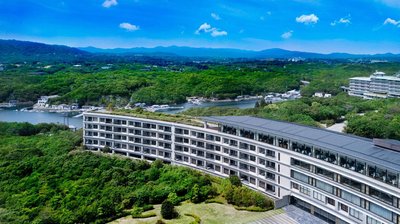
Shima Kanko Hotel the Bay Suites
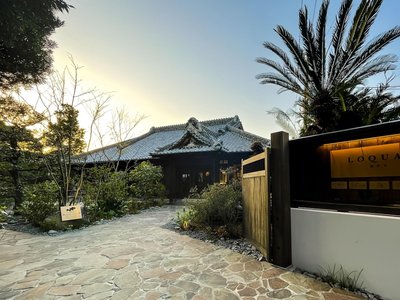
Loquat Nishiizu
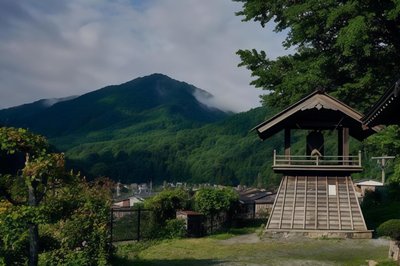
Byaku Narai
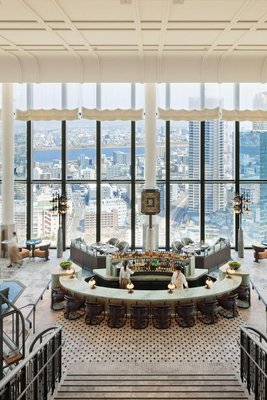
Waldorf Astoria Osaka
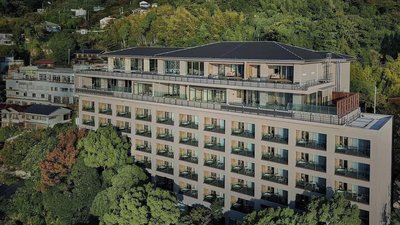
Atami Izusan Karaku
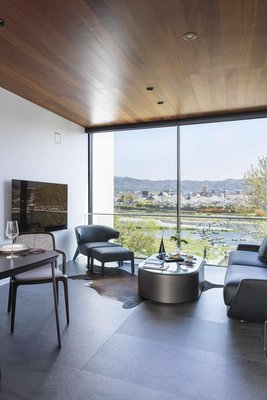
Kamo Residences by Reflections
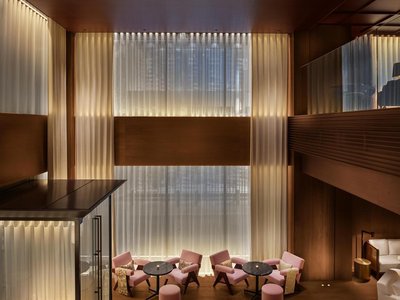
The Tokyo Edition, Ginza

Janu Tokyo
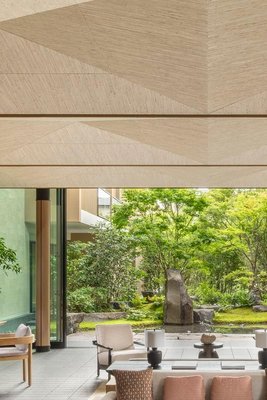
Six Senses Kyoto
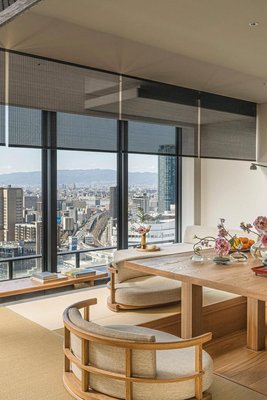
Four Seasons Hotel Osaka

Patina Osaka

The Ritz-Carlton, Osaka
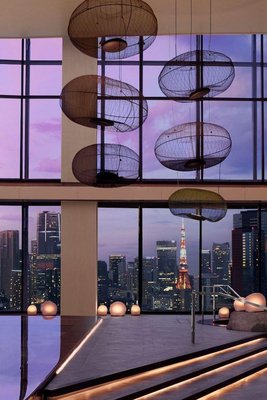
JW Marriott Hotel Tokyo
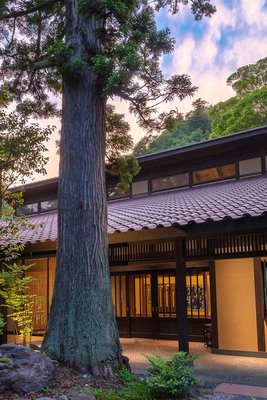
Arimasansoh Goshobessho
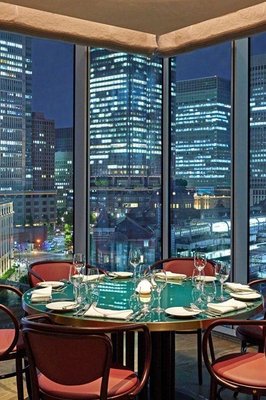
Four Seasons Hotel Tokyo at Marunouchi

Mandarin Oriental, Tokyo
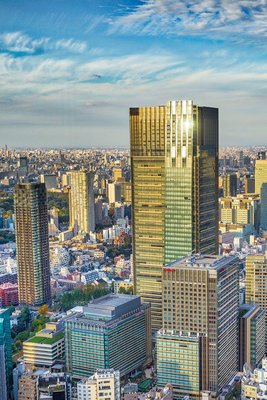
The Ritz-Carlton, Tokyo

Andaz Tokyo Toranomon Hills- A Concept by Hyatt
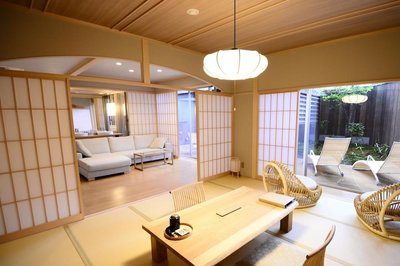
Hakone Gora Byakudan
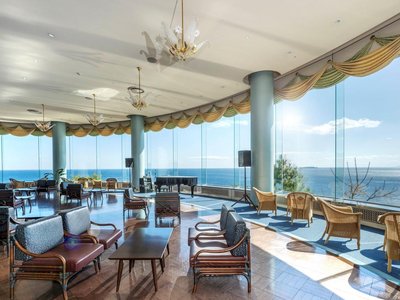
Hotel New Akao

XYZ Private Spa and Seaside Resort
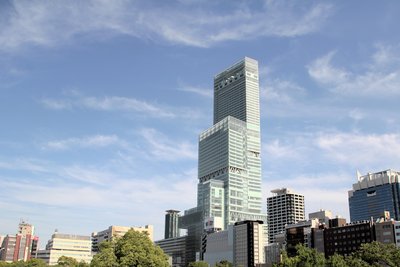
Osaka Marriott Miyako Hotel
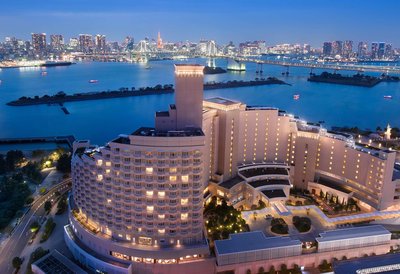
Hilton Tokyo Odaiba
JW Marriott Hotel Tokyo
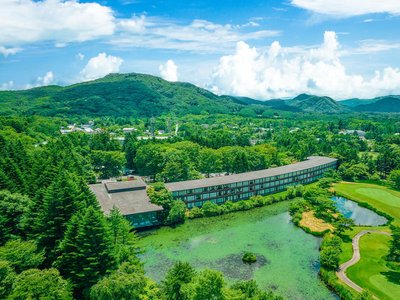
The Prince Karuizawa
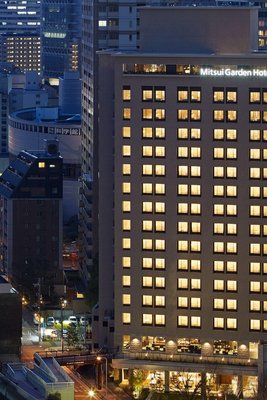
Mitsui Garden Hotel Osaka Premier

Izumigo Hotel Altia Toba
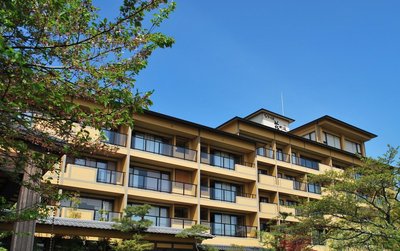
BIWAKO HANAKAIDO
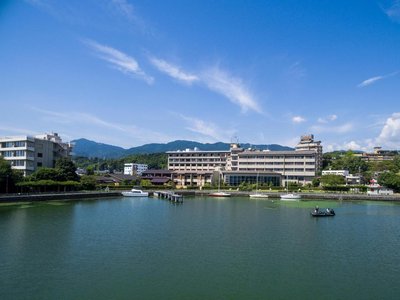
Biwako Ryokusuitei
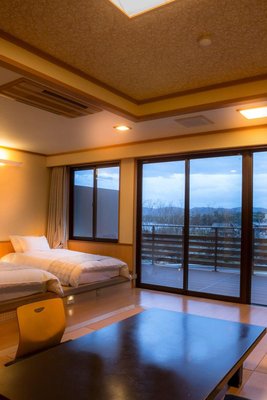
Hotel Kitanoya
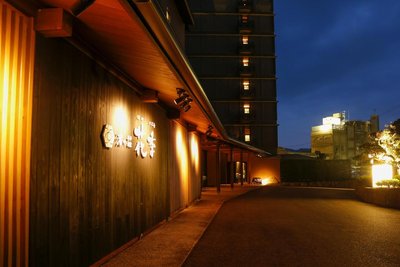
Hanagoyomi
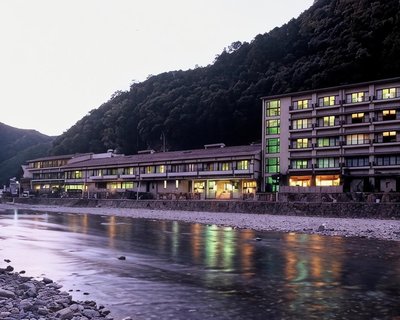
Kawayu Onsen Fujiya
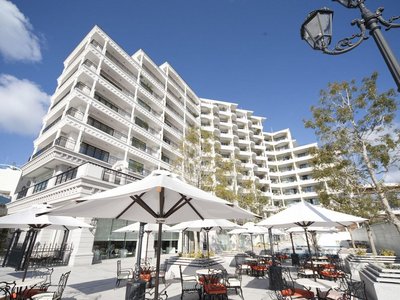
Hotel La Suite Kobe Harborland

The Kukuna
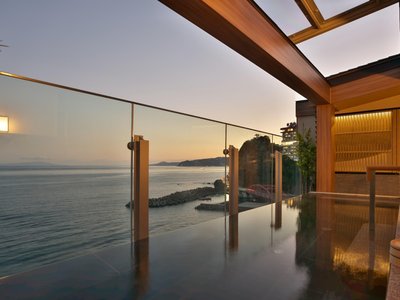
Hotel New Sagamiya
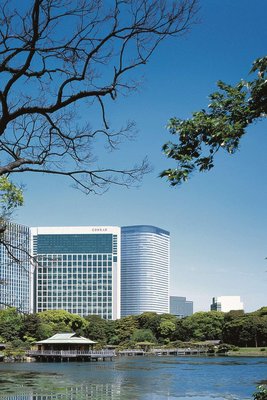
Conrad Tokyo
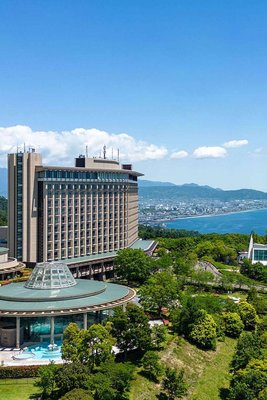
Hilton Odawara Resort & Spa
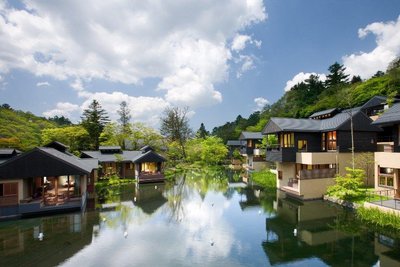
Hoshinoya Karuizawa
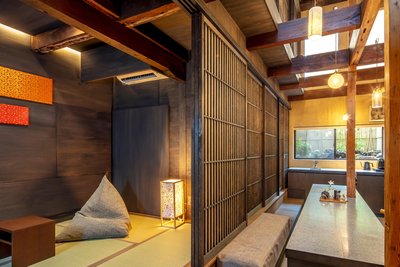
Kyo No Oozora Kihana

Hakuba Gondola Apartments
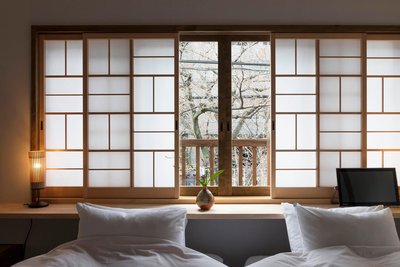
Hanagoromo Machiya House
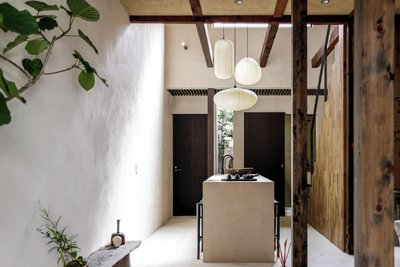
Maana Kiyomizu

glampark Gekkabijin Nagano

MONS GORA

Phoenix Chalets by Hhg
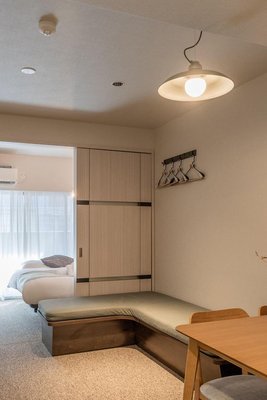
Apartment Hotel 11 Shinsaibashi
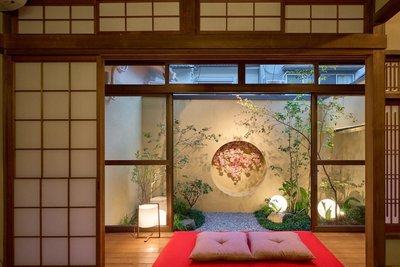
KONJAKUSO Osaka Tengachaya "NIHONCHA" Tea & Relax
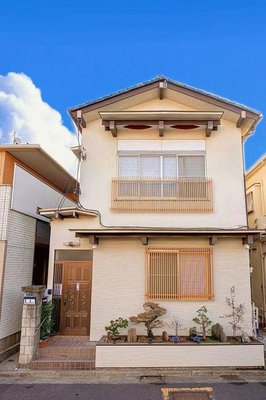
Tokyo Star House-Shinkoiwa
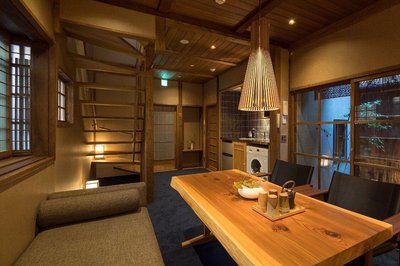
Bonbori an Machiya House
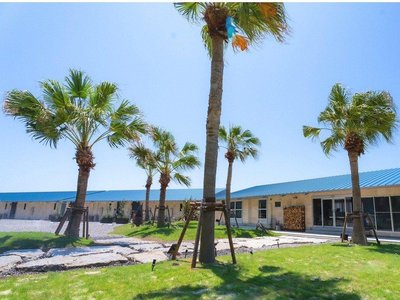
Glamping&Resort Wood Design Park Noma
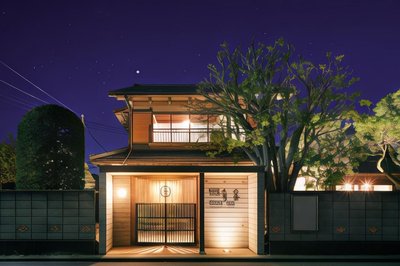
Machi-Jyu
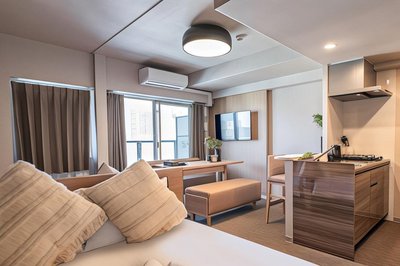
Apartment Hotel 11 Shinsaibashi III
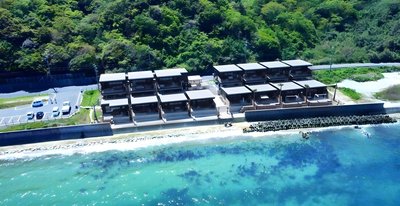
Solavilla Umi Terrace Minamiawaji
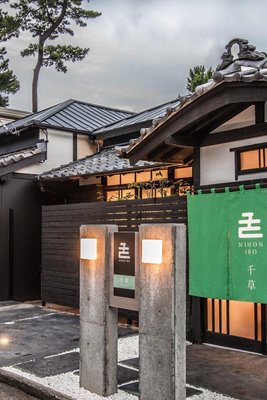
Nihon Iro
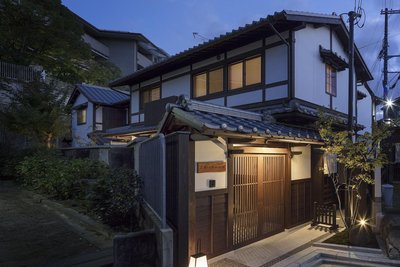
The Machiya Villa Sanjo Shirakawa Koji
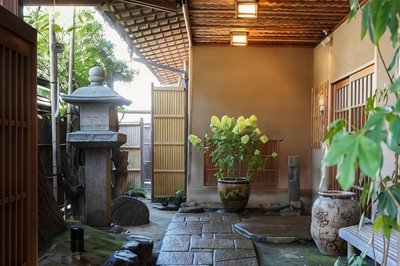
Ryokan Asadaya
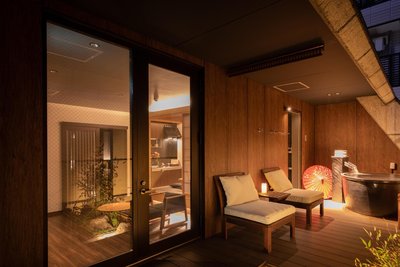
Konjaku-So Dotonbori
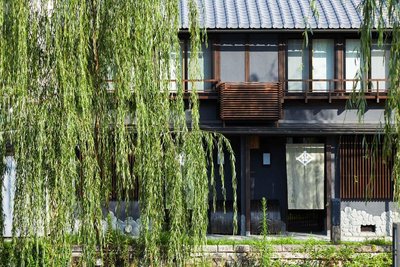
Gion Shirakawa No Yado
Frequently Asked Questions about Traveling to Aichi
Questions You Might Need to Know About Traveling to Aichi
In Higashi-cho, the top family-friendly option is Higashi-cho Onsen Ryokan, a traditional Japanese-style inn nestled along the Kiso River. Each room features private onsen baths with views of lush greenery and seasonal cherry blossoms. The inn offers hands-on experiences like rice planting workshops and citrus picking tours, perfect for children to connect with rural life. Meals include locally sourced dishes such as fresh kawahagi eel hot pot and bamboo-steamed rice, crafted from ingredients grown in nearby farms. Located just 40 minutes by bus from Nagoya Station, it’s easily accessible for travelers. Special family packages during spring festivals include themed activities like sakura viewing parties and craft-making sessions. The serene atmosphere and cultural immersion make it ideal for multi-generational stays.
The central district of Higashi-cho is the prime area for lodging, situated along the scenic Kiso River and close to major attractions. This region hosts boutique ryokans and eco-friendly guesthouses like Kiso River Side Cottage, offering detached cottages with private gardens and outdoor seating. It's within walking distance of the Higashi-cho Historical Museum and the Traditional Craft Market, and provides easy access to nature trails like Narayama Forest Path and Wetland Birdwatching Zone. With reliable bus connections from Nagoya and Toyota, plus ample free parking, this neighborhood balances tranquility with convenience. Staying here ensures seamless exploration of both cultural heritage and natural beauty—perfect for travelers seeking authenticity and flexibility.
Visitors to Higashi-cho can immerse themselves in authentic local traditions through hands-on workshops at Higashi-cho Weaving Studio, where guests learn shibori dyeing and handloom weaving using natural plant-based dyes. These sessions are led by third-generation artisans preserving centuries-old techniques. Another highlight is the annual Mizusato Festival, held in autumn, featuring sake tastings from locally brewed Kiso River Pure Rice Sake, drumming ceremonies, and illuminated lantern parades. For agricultural enthusiasts, the spring rice transplanting experience allows travelers to plant seedlings in flooded paddies, gaining insight into sustainable farming practices. These events reflect Higashi-cho’s deep-rooted connection to land and craftsmanship, fostering meaningful interactions between visitors and residents.
The premier cherry blossom destination in Higashi-cho is the Kiso River Cherry Blossom Trail, a 1.5-kilometer path flanked by over 300 cherry trees—including Yaezakura and Oshima-zakura—blooming from late March to early April. The trail features wooden viewing platforms and evening illumination known as "Sakura Night Lights," creating a magical riverside ambiance. Another must-visit is Higashi-cho Park, home to a century-old cherry grove where visitors can join cherry blossom tea ceremonies with matcha and wagashi. Early morning visits are recommended to avoid crowds. A short walk from the Higashi-cho Town Hall Bus Stop, this spot is accessible via direct shuttle from Nagoya Station. Pack a picnic basket with local bamboo-steamed rice bento for a complete sensory experience.
Must-try dishes in Higashi-cho include Kiso River Eel Hot Pot (Kawahagi Nabe), made with fresh-caught eel simmered in a rich kombu broth with seasonal vegetables. Another highlight is Higashi-cho Tangerine Salad, featuring juicy local Higashi-cho mandarins paired with crisp greens and sesame dressing. Don’t miss Bamboo Steamed Rice (Takegohan), a traditional meal cooked inside bamboo tubes with chicken, mushrooms, and chestnuts, preserving natural flavors. Many ryokans offer cooking classes where guests can learn how to prepare these dishes using farm-fresh ingredients. These culinary experiences showcase the region’s abundant river and farmland resources, embodying the local philosophy of "eating locally, living sustainably."
Yes, Higashi-cho is a hidden gem for photographers. The Kiso River Morning Mist Spot at White Sand Beach Viewing Platform offers stunning long-exposure shots of mist rising over the water, framed by cherry blossoms and distant hills. The Old Town Alleys feature well-preserved Edo-period wooden houses with weathered walls and red lanterns, ideal for capturing golden-hour portraits and street scenes. Nature lovers will appreciate Narayama Wetland Protection Area, a haven for migratory birds like herons, cranes, and mandarin ducks—perfect for wildlife photography with telephoto lenses. Additionally, the annual Cherry Lantern Photography Contest provides guided routes and lighting setups, attracting professionals and hobbyists alike. These locations combine natural beauty with cultural depth, making them unforgettable backdrops.
Higashi-cho’s onsen ryokans stand out for their focus on natural healing and sustainability. At Higashi-cho Onsen Villa, the mineral-rich hot springs originate from deep underground aquifers, high in calcium and magnesium, known to soothe muscles and improve skin health. Each room includes a private open-air bath facing the Kiso River Valley, allowing guests to soak under starlit skies. The resort also offers a signature Forest Bathing + Onsen Wellness Program, combining guided forest walks with therapeutic soaking sessions. Dinner features kaiseki meals made from seasonal local produce—like spring eel, summer bamboo shoots, and winter root vegetables. Some rooms come with handmade thank-you gift boxes containing artisanal paper lanterns and herbal sachets, reflecting thoughtful hospitality and cultural pride.
Absolutely. Higashi-cho is highly accessible for self-drive travelers. From Nagoya City, take the Tōkai Hokuriku Expressway for about 45 minutes, then exit at Higashi-cho Interchange and follow Prefectural Route 17. The town center has multiple free public parking lots, including Higashi-cho Town Hall Parking and Kiso River Riverside Lot, both equipped with security cameras and clear signage. Most attractions are within 5–15 minutes’ drive or bike ride. Use navigation apps with destinations like Higashi-cho Farm Experience Park or Kiso River Cherry Blossom Trail for optimized routing. For eco-friendly exploration, rent bicycles from local shops—dedicated cycling paths run throughout the area. With excellent infrastructure and low traffic, Higashi-cho offers a stress-free, flexible way to explore at your own pace.
Nighttime in Higashi-cho comes alive with enchanting experiences. The Kiso River Lantern Parade features hundreds of handmade paper lanterns lit along the banks each spring and autumn, with optional boat rides for a dreamy, reflective journey. Another highlight is the Stargazing Tea Ceremony at Narayama Observatory, where visitors enjoy telescope-guided astronomy talks and locally inspired star-themed matcha desserts under a clear sky. For music lovers, the Evening Taiko Performance at the ancient shrine features rhythmic drumming by local youth groups, creating an electrifying atmosphere. Many ryokans also offer private onsen + tea ceremony packages, allowing guests to unwind in secluded baths followed by a meditative tea ritual. These evenings deepen the sense of serenity and cultural richness that defines Higashi-cho.
A stay of 2 to 3 days is ideal to fully experience Higashi-cho’s natural beauty, cultural depth, and slow-paced lifestyle. Day one focuses on the Kiso River area: visit the Higashi-cho Historical Museum, stroll the Cherry Blossom Trail, and check into an onsen ryokan for a relaxing evening with local cuisine. Day two includes immersive activities like rice planting, weaving workshops, and attending the Autumn Sake Festival. On day three, explore Narayama Wetlands for birdwatching or wander the old town alleys in search of handmade souvenirs. This balanced itinerary blends adventure, learning, and rest. If time allows, extend your trip to nearby Dogū Castle or Mino-Kamakura, enhancing your regional discovery. Two to three days strikes the perfect balance between depth and relaxation.
Aichi Overview
City Summary
Togo Town, located in the western part of Aichi Prefecture, Japan, is a small town that blends tradition and modernity. Known for its serene rural landscapes, it offers rich historical culture and local charm. The town's leisurely pace and natural scenery make it ideal for travelers seeking an escape from urban noise. Additionally, its abundant hot springs provide a perfect retreat for relaxation.
Must-See Attractions
Key attractions in Togo Town include Togo Shrine and Togo Park. Togo Shrine is a significant cultural heritage site showcasing traditional Japanese architecture. Togo Park is a green space ideal for walks and picnics, with seasonal scenery especially stunning during cherry blossom season. The town's hot spring facilities are also a must-visit for a soothing soak.
Food Guide
Togo Town's cuisine is influenced by Aichi's traditional dishes. Recommended specialties include Miso Katsu (pork cutlet with miso) and Hitsumabushi (Nagoya-style eel rice). Street food favorites like Oden (hot pot) and Karaage (fried chicken) offer authentic local flavors.
Transportation Guide
Transportation in Togo Town relies mainly on buses and taxis. From Nagoya, take the Meitetsu bus, about a 30-minute ride. There is no subway; renting a bicycle or walking is recommended. Taxis are convenient but expensive. Plan routes in advance and use buses combined with walking for optimal travel.
Best Time to Visit
The best times to visit are spring (March-May) and autumn (September-November), with pleasant weather and beautiful scenery. Cherry blossoms bloom in spring, and autumn foliage is vibrant. Avoid Golden Week (late April to early May) due to peak tourist crowds.
Travel Tips
- Respect local culture; follow etiquette at shrines.
- Remove shoes at hot springs; bring a towel.
- Public transport has limited schedules; check timetables.
- Sort garbage properly; follow recycling rules.
- Some restaurants are cash-only; carry yen.
- Note tax-free shopping policies; keep receipts.
Useful Information
The primary language is Japanese, with limited English proficiency; a translation tool is helpful. Most shops accept cash; credit cards are usable at larger facilities. Free Wi-Fi is scarce; consider renting a portable Wi-Fi device. For emergencies, dial 110 (police) or 119 (ambulance). Local pharmacies offer basic medicines, but bring specialized medications if needed.