Hotels in Aiguines
Discover your perfect stay in Aiguines.
Aiguines(France) Travel 2026: Cheap Flights, Hotels & Top Attractions
Popular Landmarks in Aiguines
Discover the most iconic attractions in Aiguines
Recommended Hotels in Aiguines
Find the perfect place to stay in Aiguines
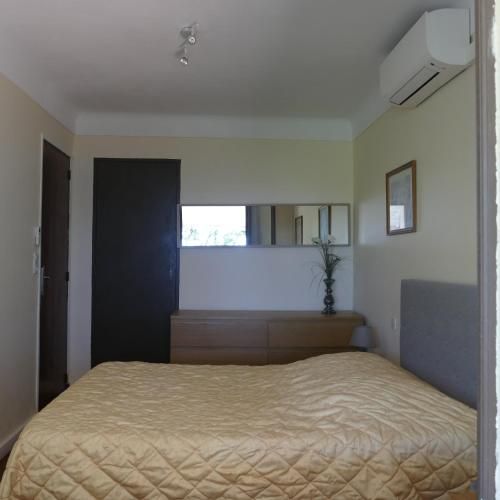
Le Bosquet
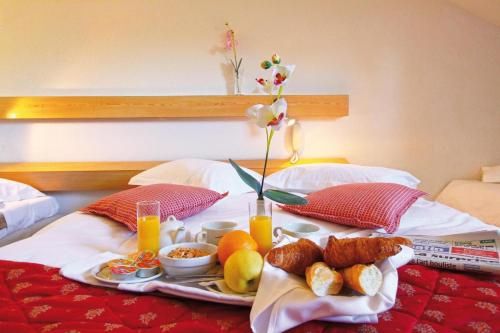
Hotel Grand Canyon du Verdon
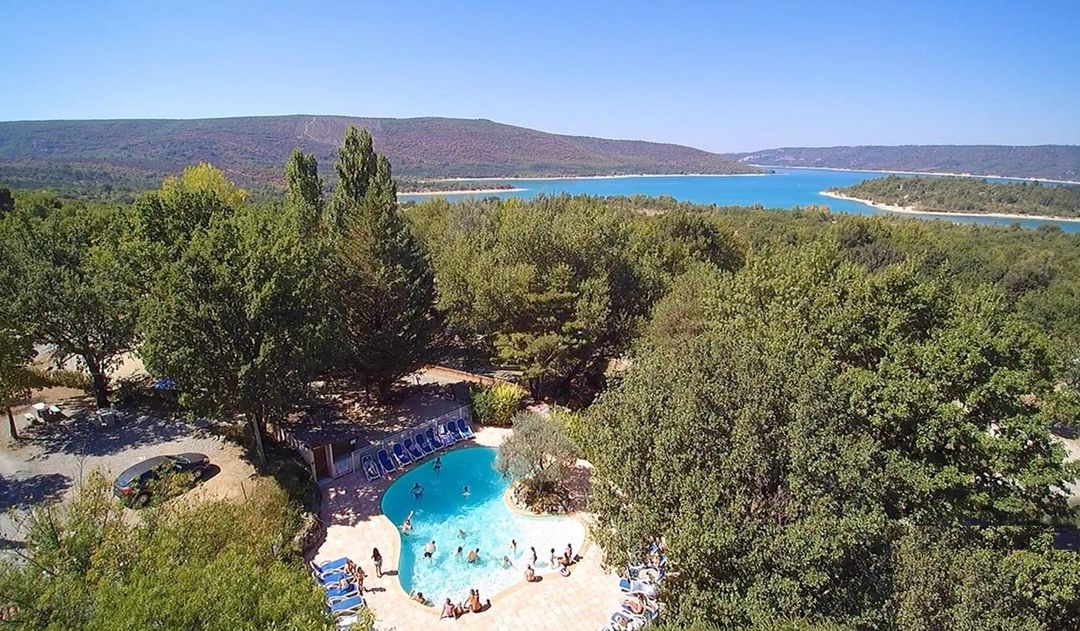
Camping Domaine De Chanteraine
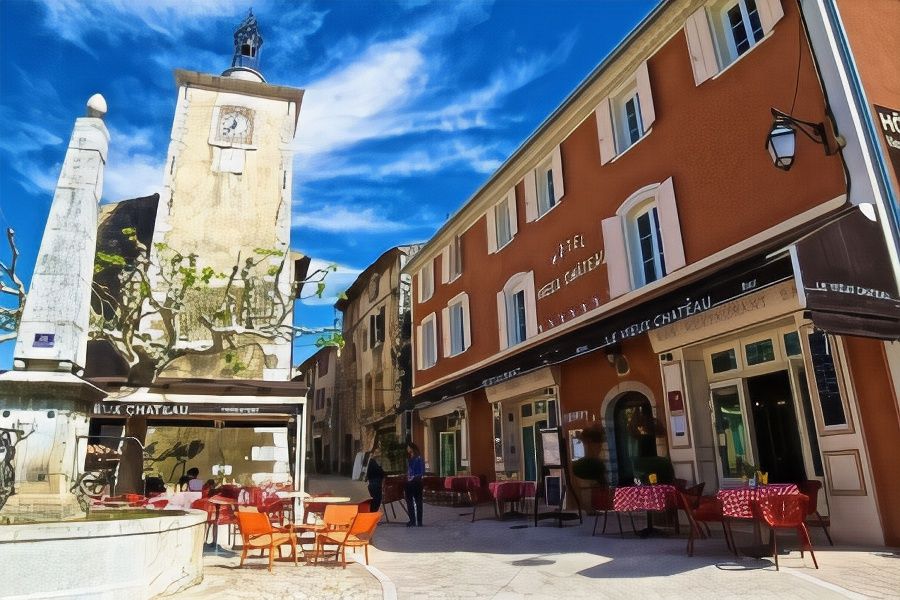
Le Vieux Château
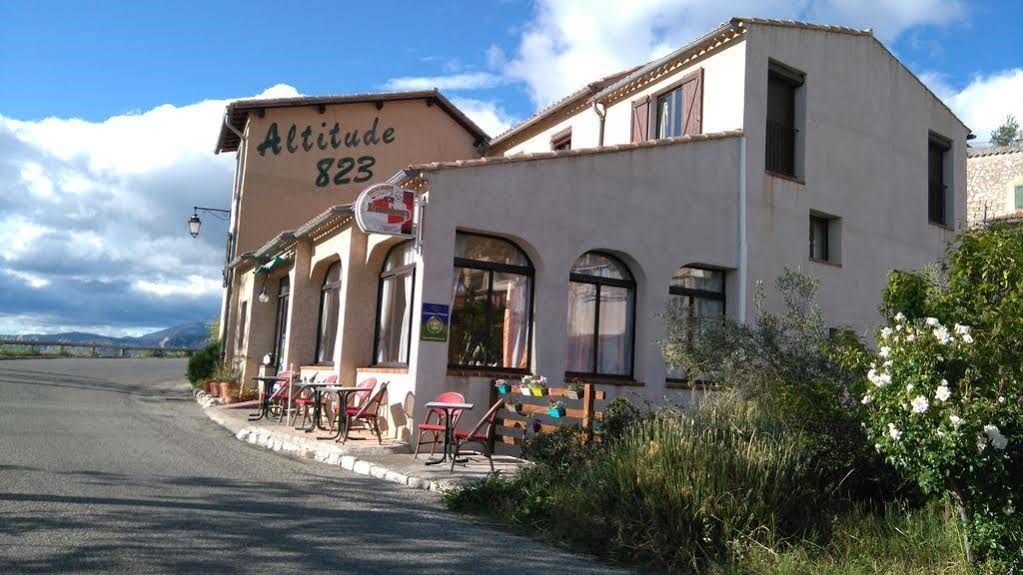
Gabrielle hôtel
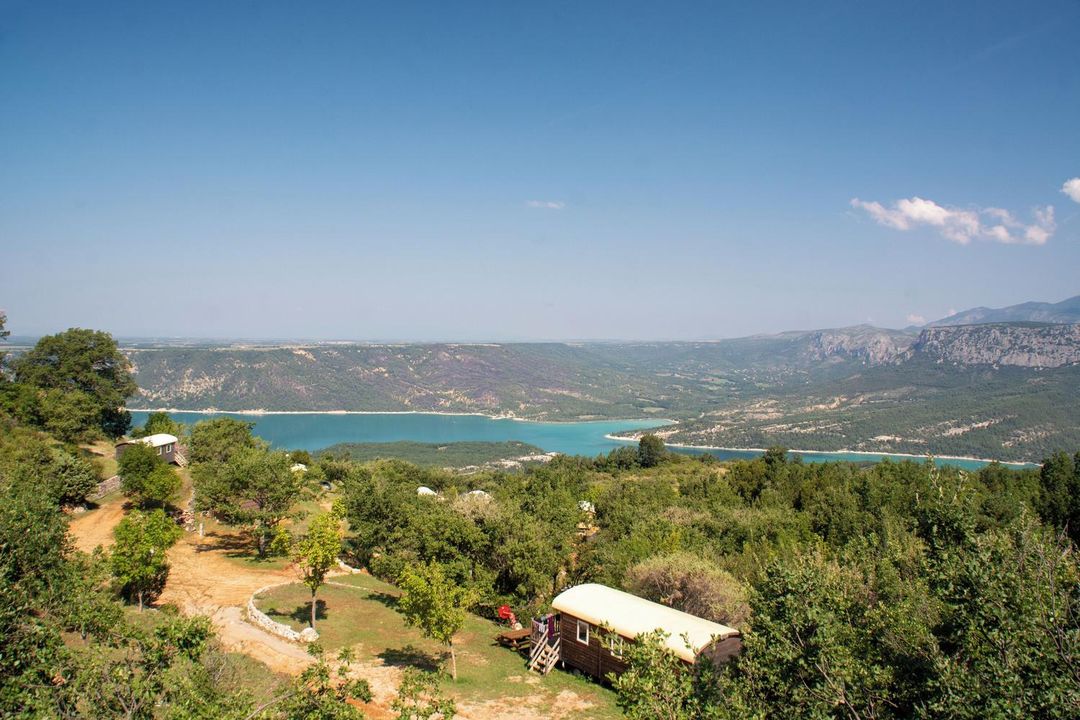
Camping de l'Aigle
Frequently Asked Questions about Traveling to Aiguines
Questions You Might Need to Know About Traveling to Aiguines
In Aigues, the top choice for families is Hotel Le Clos des Oliviers, a charming Provençal-style boutique hotel featuring a private swimming pool, lush gardens, and spacious family rooms. Located just a 5-minute walk from Église Notre-Dame-de-l'Assomption, it offers child-friendly amenities like high chairs, baby cots, and outdoor games.
Another excellent option is Domaine de la Grange, a countryside villa complex with self-catering cottages equipped with kitchens and private terraces. Surrounded by olive groves and offering panoramic views of the Mediterranean, it’s ideal for extended stays. Both properties provide organic breakfasts and organize local activities such as olive harvesting workshops, perfect for engaging kids with regional culture.
The heart of authentic Provence lies in Ancienne Ville, Aigues’ historic old town. Wander through narrow stone alleys lined with centuries-old olive trees, pastel-colored facades, and artisan shops selling handmade soaps and ceramics. The Church of Notre-Dame-de-l'Assomption stands at the center, radiating medieval serenity.
Don’t miss the weekly Marché des Producteurs, where local farmers offer fresh lavender honey, sun-dried tomatoes, and homemade bread. Evening strolls along Rue de la Mairie reveal colorful murals and cozy cafés serving pastis and seasonal dishes—perfect for soaking in the village’s slow-paced, sun-kissed lifestyle.
Visitors to Aigues can take part in several immersive cultural experiences. Join a local olive oil workshop at Mas des Lauriers, where you’ll learn traditional cold-press techniques and taste different varietals straight from the press.
Attend the annual Festival du Sud in August, held at the old castle square, featuring live performances of Provençal folk music, jazz improvisations, and open-air theater. For art lovers, the Artisan Market offers one-on-one sessions with potters, weavers, and perfumers, allowing you to create your own souvenir using time-honored methods.
Yes, Aigues offers several beginner-friendly cycling routes. The Sentier Vert du Val des Baux (12 km) winds through oak forests, lavender fields, and ancient stone bridges, ending in the charming village of Saint-Croix—ideal for a picnic lunch.
For a slightly longer ride, try the Aigues–Cabrières Loop (20 km), which features gentle gradients and shaded paths. Bike rental is available at Vélo Aigues, offering helmets, maps, and GPS-guided tours. The route passes the Roman Aqueduct Ruins, adding historical depth to your ride. Early morning or late afternoon rides are recommended to avoid midday heat.
For tranquility, stay in the Hauts d’Aigues district, located on the eastern hillside overlooking the valley. This secluded area features private villas and countryside guesthouses like La Ferme du Soleil and Mas des Lauriers, all set among olive trees and wild herbs.
These accommodations offer private terraces, serene gardens, and minimal noise—perfect for relaxation. Despite being quiet, they’re just a 10-minute drive from town center. Many also serve farm-to-table breakfasts using ingredients grown on-site, enhancing the sense of peace and connection to nature.
The most photogenic spots in Aigues include the bell tower of Église Notre-Dame-de-l'Assomption, whose red brick silhouette glows warmly in golden hour light. The Roman Aqueduct Ruins, stretching across rolling hills, pair beautifully with blooming lavender fields, especially in June.
The Château d’Aigues ruins atop the hill offer sweeping views of the Mediterranean coastline and the surrounding vineyards—perfect for drone shots. Don’t miss the vibrant blue-and-white mural wall on Rue de la Mairie, a favorite among Instagrammers. Early morning mist adds a dreamy touch to all these scenes.
Must-try dishes in Aigues include Tapenade d’Aigues, a rich blend of black olives, pine nuts, and garlic, served with toasted baguette. Another highlight is Cassoulet Provençal, a hearty stew made with white beans, duck confit, and sausages, slow-cooked to perfection.
Sip on Limonade au Citron, a refreshing lemon syrup soda made from locally harvested lemons. Dine at Le Jardin des Sens or La Table de Pierre, where chefs emphasize seasonal, organic ingredients and traditional recipes. Pair meals with local wines like Clairette de Die or Grenache Blanc for an authentic taste of Provence.
Aigues has a Mediterranean climate: hot, dry summers (32°C average in July/August) with intense sunlight, so plan outdoor activities for early morning or late afternoon. Winter (Dec–Feb) is mild (8–14°C) with occasional rain but ideal for relaxed sightseeing.
The best time to visit is spring (April–June), when lavender blooms and the air is fragrant. Bring sunscreen, wide-brimmed hats, and lightweight clothing. In summer, use hotel pools for cooling off. Evenings are pleasant, making dinner al fresco a delightful experience.
Public transport in Aigues is limited. The main bus line, No. 910, connects Aigues to nearby towns like Saint-Rémy and Saint-Tropez, but service is infrequent—check schedules in advance. For visiting remote sites like the Castle Ruins or nature reserves, renting a car is highly recommended.
The town center is walkable, with most attractions within a 10-minute stroll. Some guesthouses offer shuttle services, and platforms like BlaBlaCar allow affordable carpooling. Without a car, plan ahead carefully to avoid delays.
Aigues has a laid-back, low-key nightlife. After 7 PM, locals gather at Place de la Mairie, where cafés and restaurants spill onto the square, serving pastis, wine, and tapas under string lights.
Small venues like Le Petit Clos host intimate acoustic sets featuring Provençal folk songs and guitar melodies. There are also a few boutique wine bars offering regional vintages like Syrah and Mourvèdre. For lively options, head to Saint-Tropez (30 km away), but many travelers prefer staying in Aigues for its peaceful evening ambiance.
Aiguines Overview
City Summary
Île d'Hyères, part of France's Var department, is a jewel in the Golden Islands (Îles d'Or) archipelago. Known for its pristine nature, medieval fortress ruins, and crystal-clear waters, this island blends tranquility with rich history, appealing to eco-tourists and culture seekers alike.
Must-See Attractions
Visit Port-Cros National Park for untouched ecosystems. The 16th-century Fort de l'Île d'Hyères showcases military architecture, while the island's lighthouse offers panoramic views. Boat rentals for exploring nearby islets are highly recommended.
Food Guide
Savor Mediterranean classics like Bouillabaisse fish stew and Ratatouille, paired with local rosé wine. Beachside tavernas serve grilled seafood platters and olive oil-marinated Anchoyade. Don't miss lavender-infused desserts.
Transportation Guide
Ferries from Toulon or Le Lavandou take 25 minutes. Only walking, cycling, or electric vehicles allowed (rentals available). Book summer tickets early. No metro; taxis require HopeGoo.
Best Time to Visit
May-September (20-28°C) is ideal for beaches, but crowded in July-August. Spring/autumn offer quieter hiking. Some facilities close in winter.
Travel Tips
- Preserve nature: no shell collecting
- Carry cash (limited ATMs)
- Wear grippy shoes for rocky paths
- Book accommodation months ahead
- Respect private property signs
- Carry flashlight after sunset
Useful Information
French is primary language; English understood in tourist areas. Euros preferred, some credit cards accepted. Emergency: 112. Basic medical station available. Strong UV protection advised. Unstable mobile network—download offline maps.