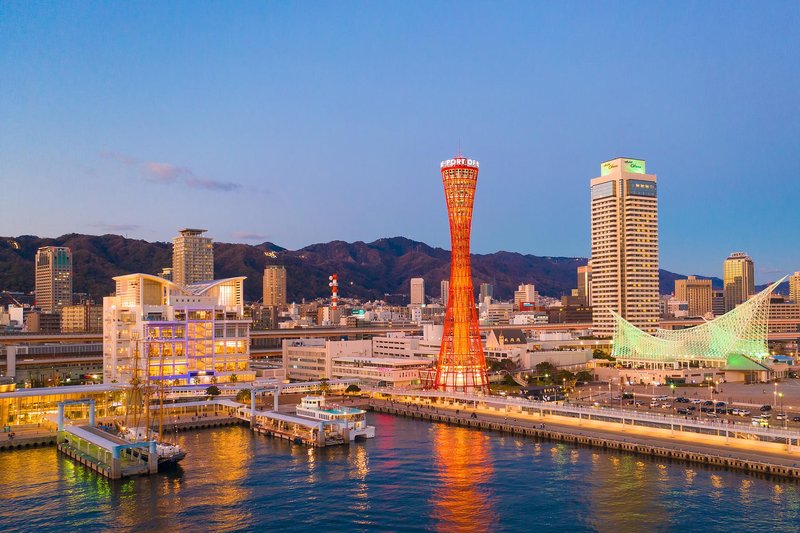
Hotels in Aishō
Discover your perfect stay in Aishō.
Aishō(Japan) Travel 2026: Cheap Flights, Hotels & Top Attractions
Popular Landmarks in Aishō
Discover the most iconic attractions in Aishō
Recommended Hotels in Aishō
Find the perfect place to stay in Aishō
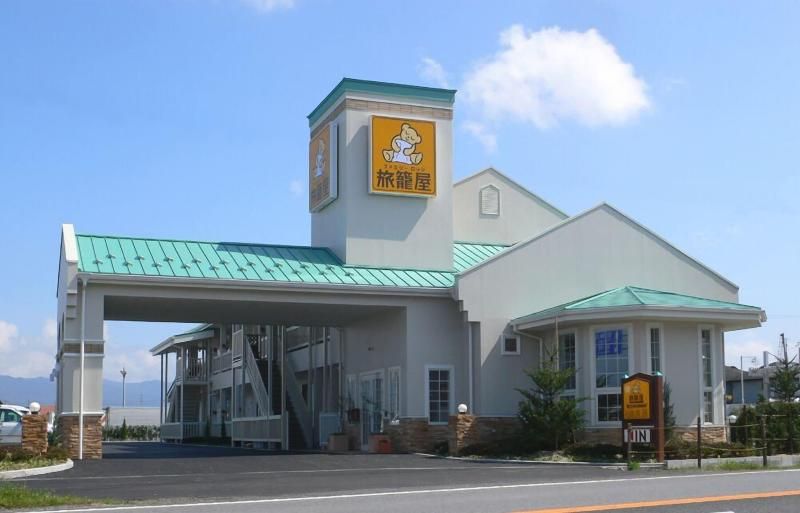
Family Lodge Hatagoya Hikone
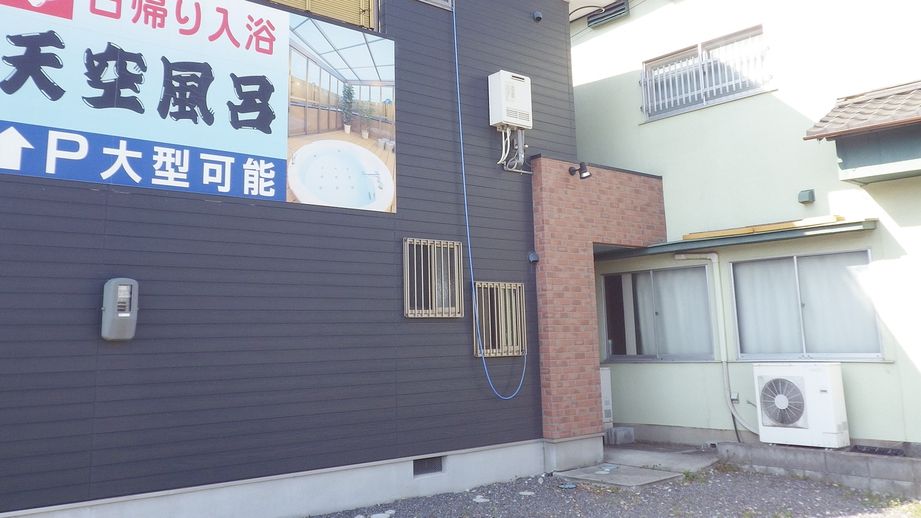
Business Ryokan Omiya
Best Hotels in Aishō
Discover curated hotel collections in Aishō
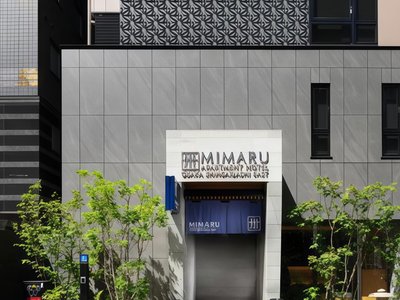
MIMARU Osaka Shinsaibashi East

Toba International Hotel Shiojitei
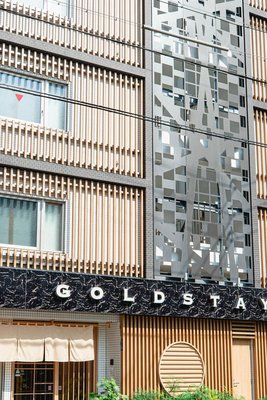
Gold Stay Nagoya OSU
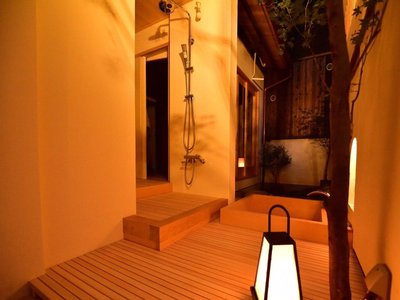
Yado Kiramachi
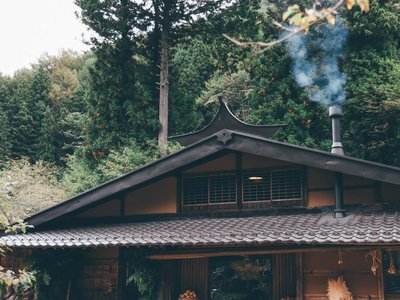
La Terra Resort
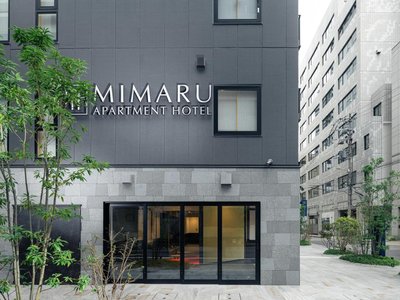
MIMARU Osaka Shinsaibashi North
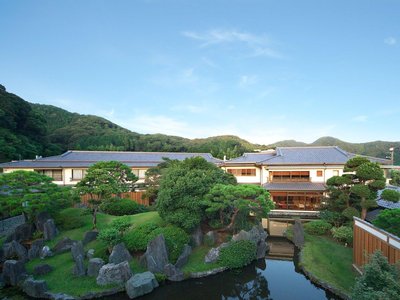
Kagetsutei
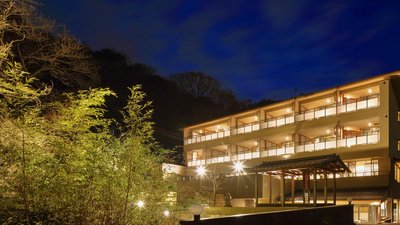
Okuno Hosomichi
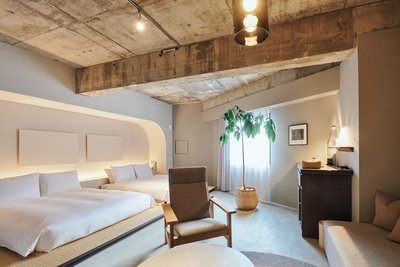
Korinkyo
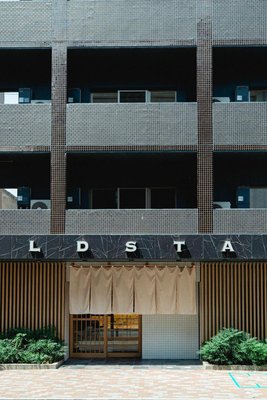
GOLD STAY Nagoya Sakae
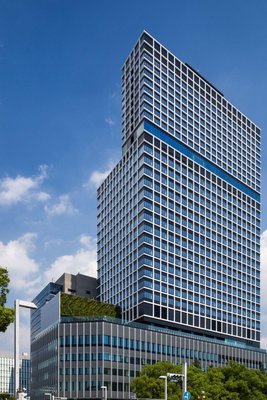
The Royal Park Hotel Iconic Nagoya
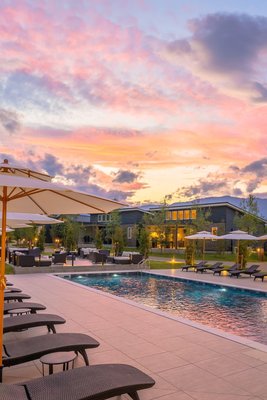
Awaumi Fujikawaguchiko Resort
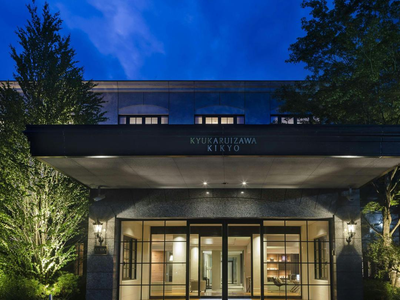
Fufu Karuizawa Wind of Sunshine
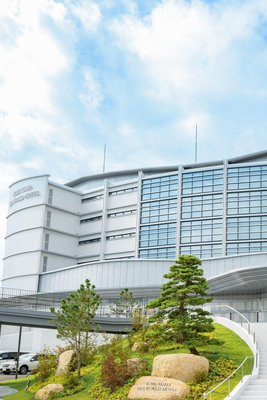
Kobe Suma Sea World Hotel
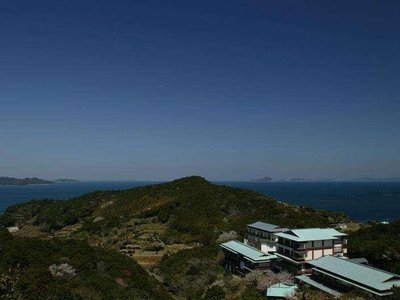
Hanashinsui
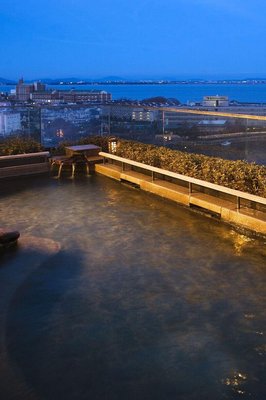
Yumotokan
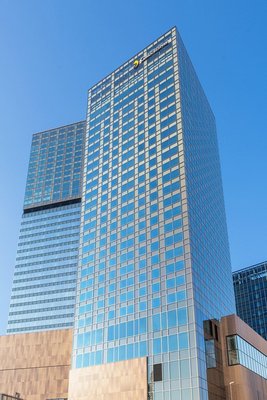
Hotel Hankyu GRAN RESPIRE OSAKA
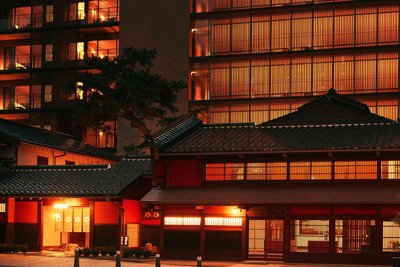
Hoshino Resorts Kai Kaga
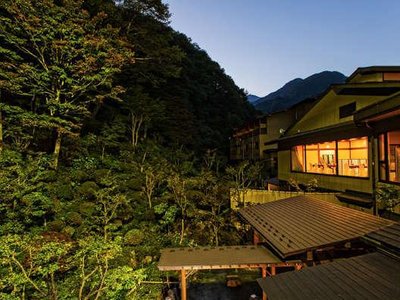
Futari Shizuka

Taikyourou
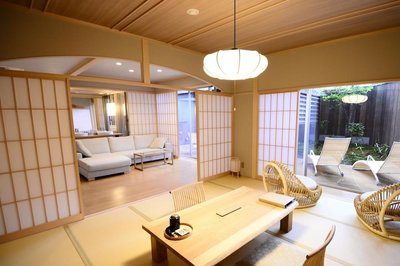
Hakone Gora Byakudan
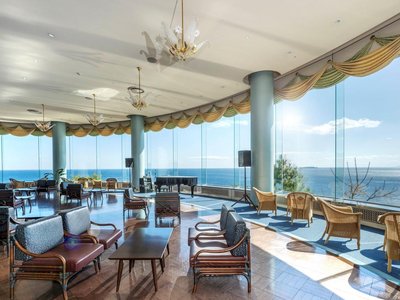
Hotel New Akao
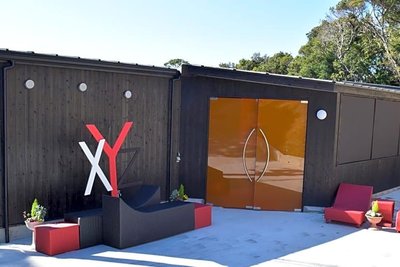
XYZ Private Spa and Seaside Resort
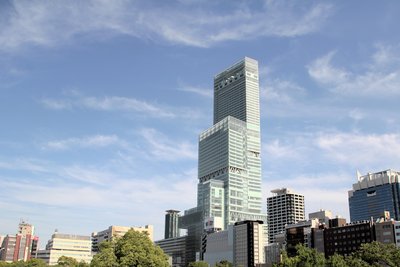
Osaka Marriott Miyako Hotel
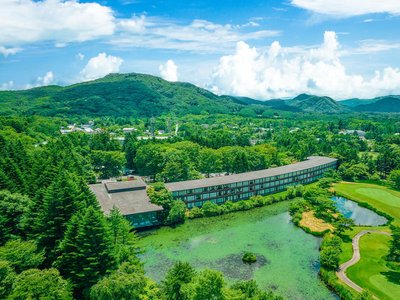
The Prince Karuizawa
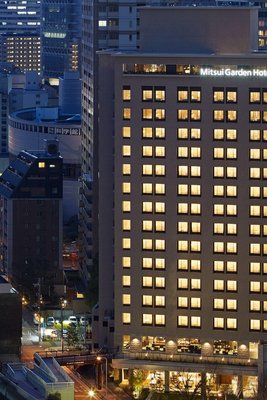
Mitsui Garden Hotel Osaka Premier
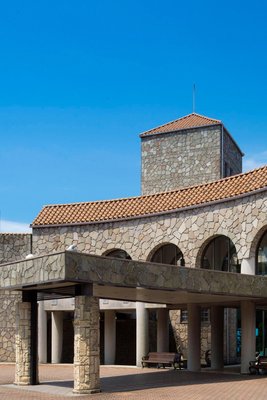
Izumigo Hotel Altia Toba
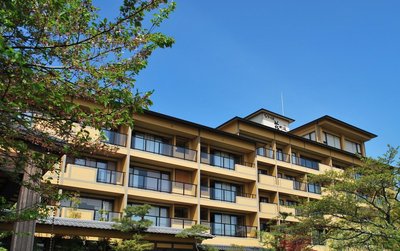
BIWAKO HANAKAIDO
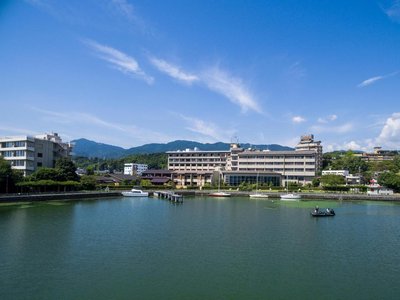
Biwako Ryokusuitei
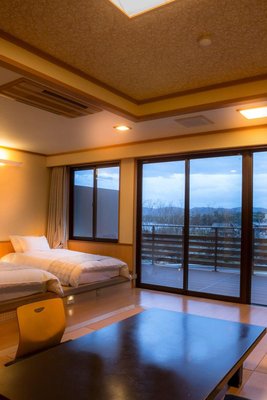
Hotel Kitanoya
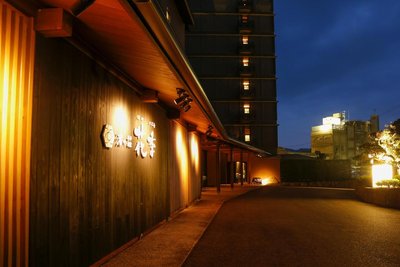
Hanagoyomi
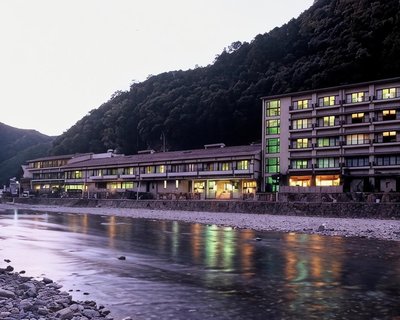
Kawayu Onsen Fujiya
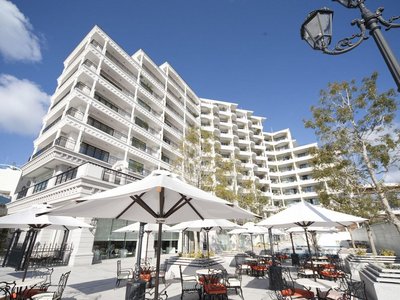
Hotel La Suite Kobe Harborland
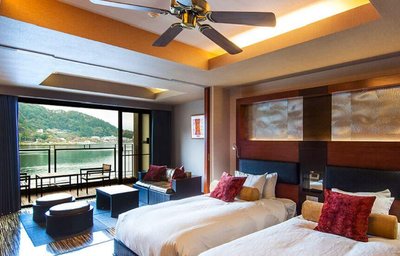
The Kukuna
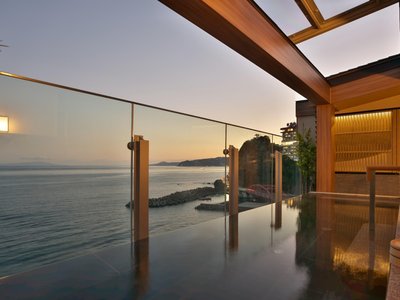
Hotel New Sagamiya
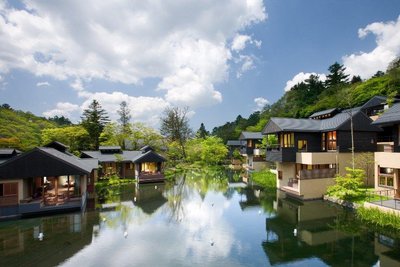
Hoshinoya Karuizawa
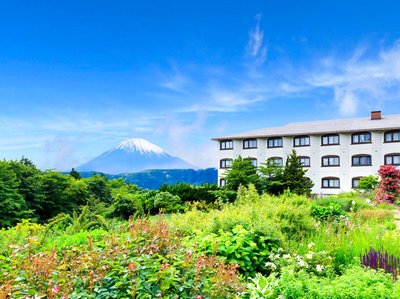
Hotel Green Plaza Hakone
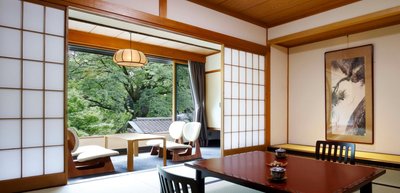
Yoshiike Ryokan
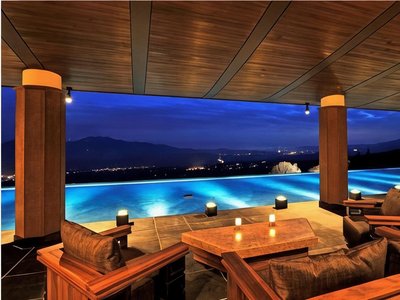
Akakura Kanko Hotel

AoAwo Naruto Resort
Yado Kiramachi
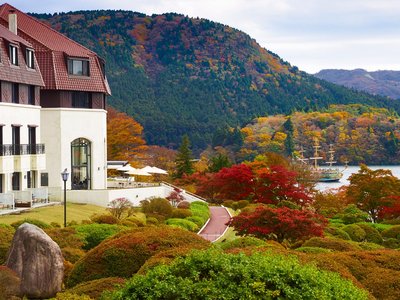
Hotakajyo
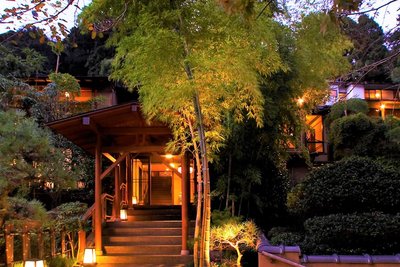
Shiki wo Ajiwau Yado Yamano Chaya
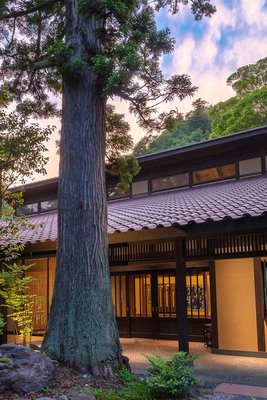
Arimasansoh Goshobessho
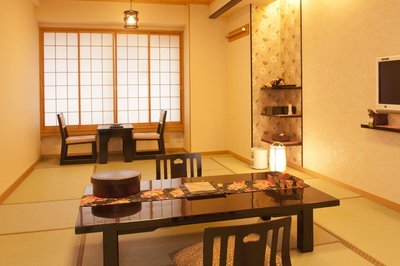
Matsui-Bekkan Hanakanzashi
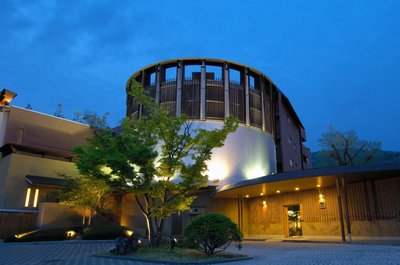
Hoshino Resorts Kai Matsumoto
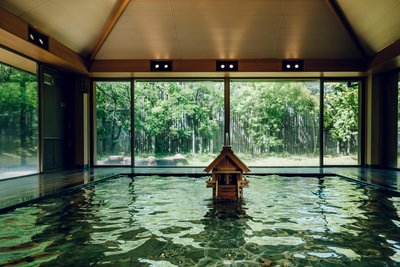
Hoshino Resorts KAI Tamatsukuri
Taikyourou
Monjusou Shourotei
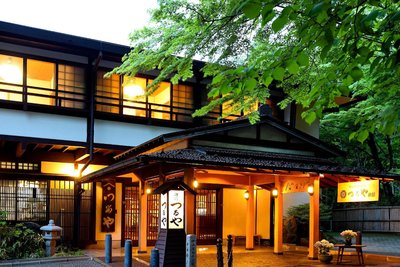
Tsuruya Ryokan
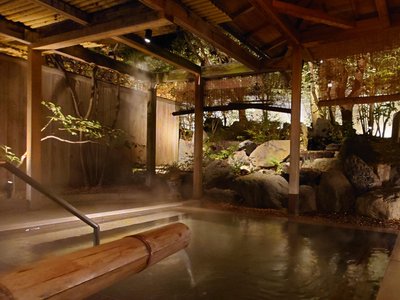
Kasuga Hotel
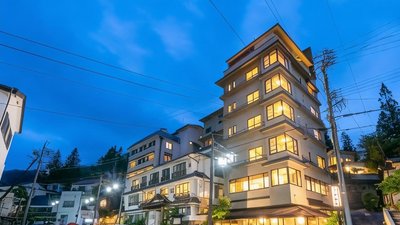
Nakamatsuya Ryokan
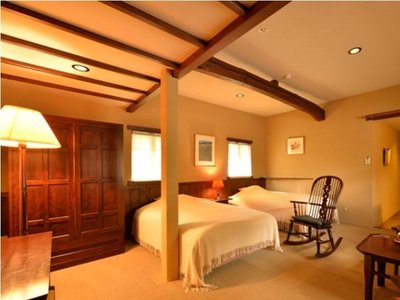
Ryokan Sugimoto
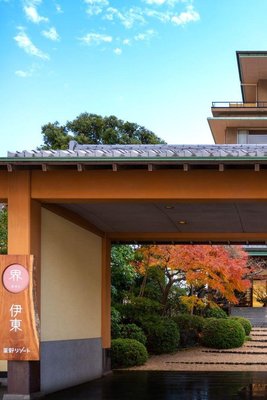
Hoshino Resorts Kai Ito
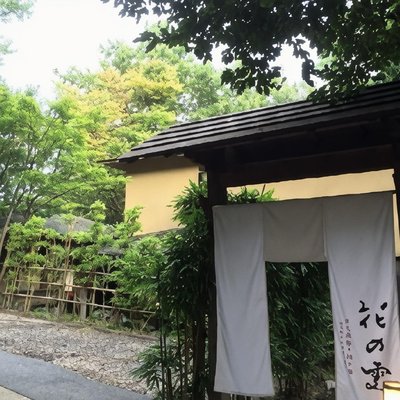
Hana No Kumo
Yoshiike Ryokan
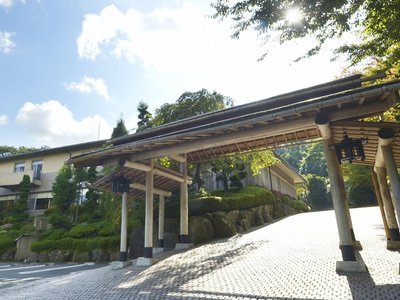
Gora Hanaougi
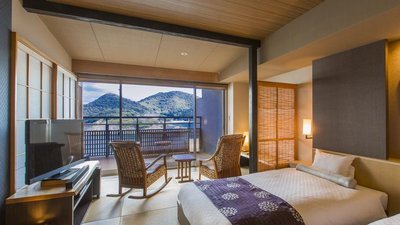
Migiwatei Ochi Kochi
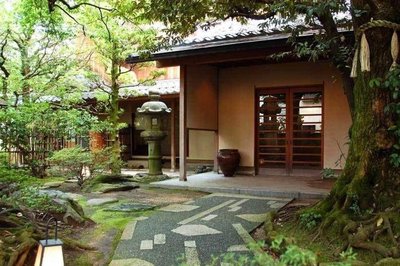
Kocho
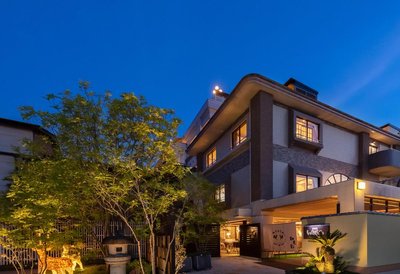
Hotel New Wakasa
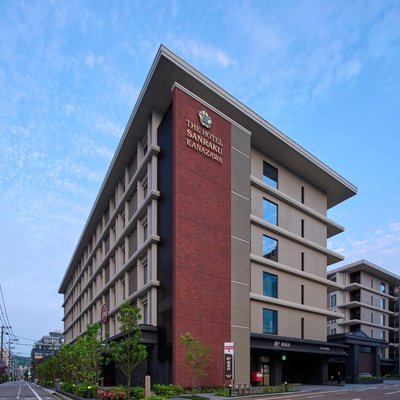
The Hotel Sanraku Kanazawa 21th December 2022 Open
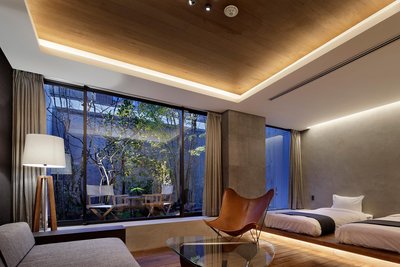
22 PIECES
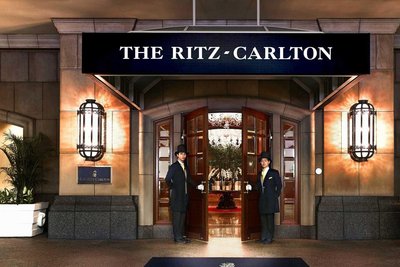
The Ritz-Carlton, Osaka
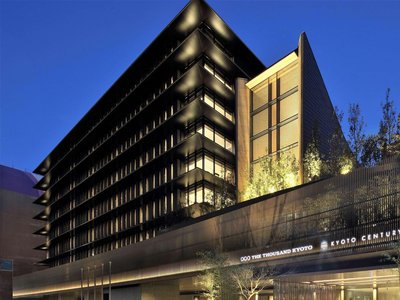
The Thousand Kyoto
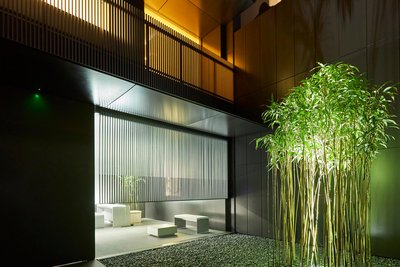
Mogana
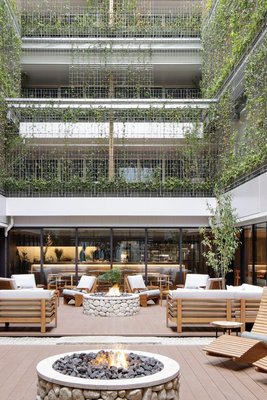
GOOD NATURE HOTEL KYOTO
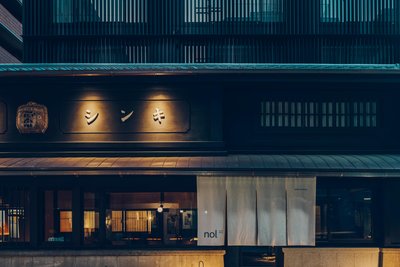
Nol Kyoto Sanjo
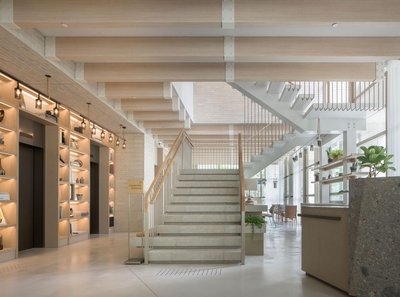
Zentis Osaka
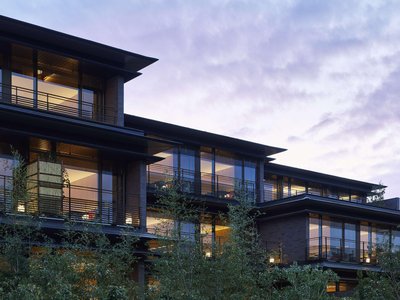
Garrya Nijo Castle Kyoto
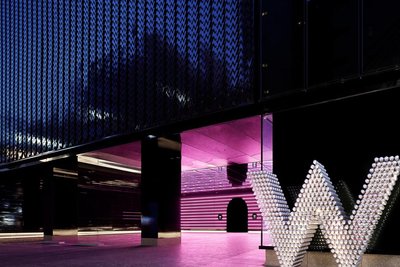
W Osaka
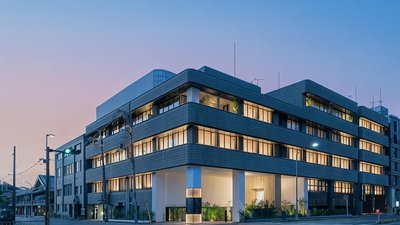
Hotel Kanra Kyoto
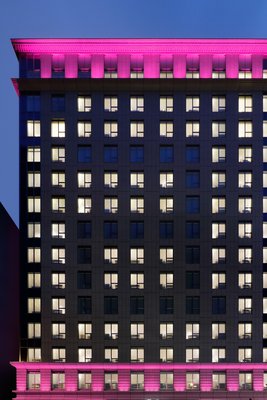
Aloft Osaka Dojima
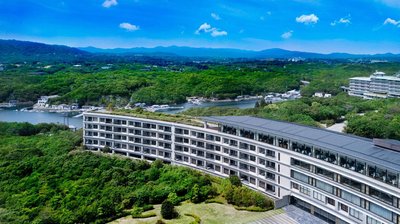
Shima Kanko Hotel the Bay Suites
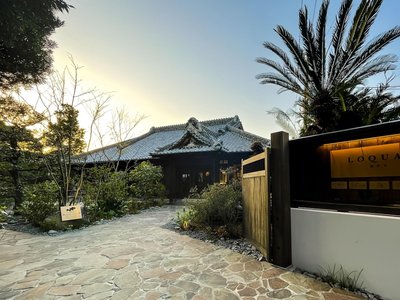
Loquat Nishiizu
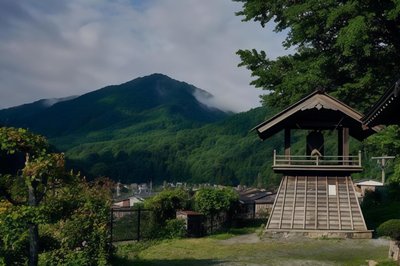
Byaku Narai
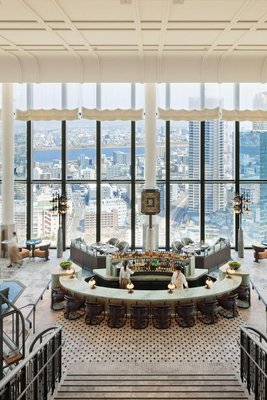
Waldorf Astoria Osaka
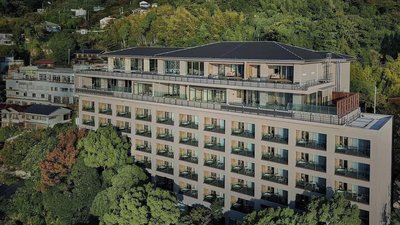
Atami Izusan Karaku
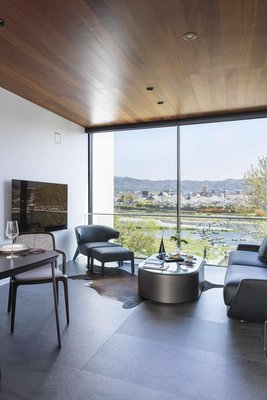
Kamo Residences by Reflections
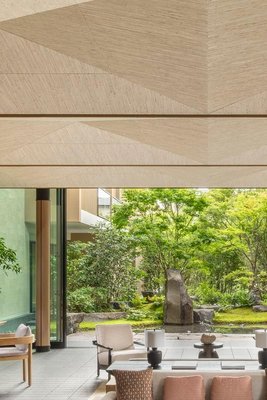
Six Senses Kyoto
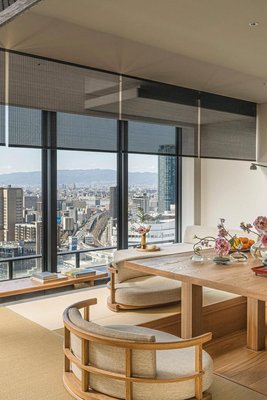
Four Seasons Hotel Osaka
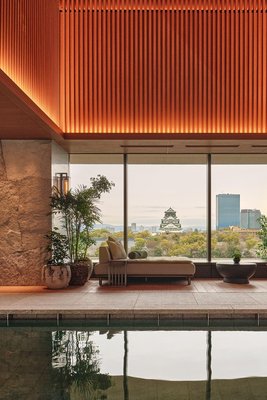
Patina Osaka
The Ritz-Carlton, Osaka
Arimasansoh Goshobessho
Hoshinoya Karuizawa
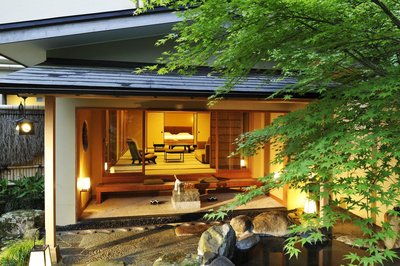
Gora Kadan
Gora Hanaougi
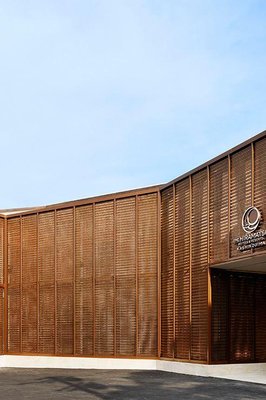
The Hiramatsu Hotels & Resorts Kashikojima
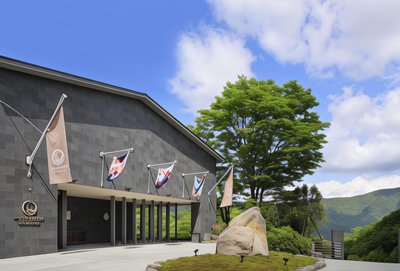
The Hiramatsu Hotels & Resorts Sengokuhara Hakone
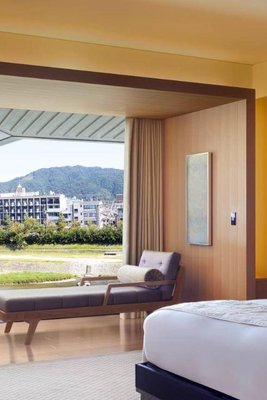
The Ritz-Carlton, Kyoto
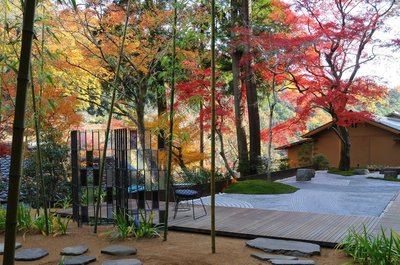
HOSHINOYA Kyoto
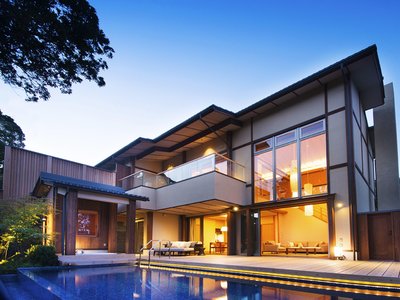
Abba Resorts Izu - Zagyosoh
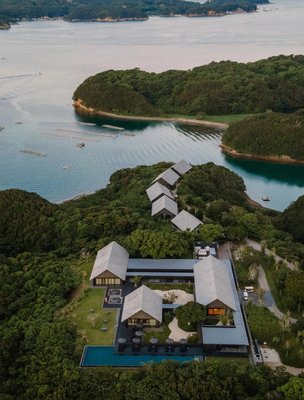
Amanemu
Hakone Gora Byakudan
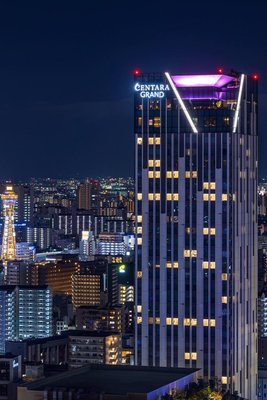
Centara Grand Hotel Osaka
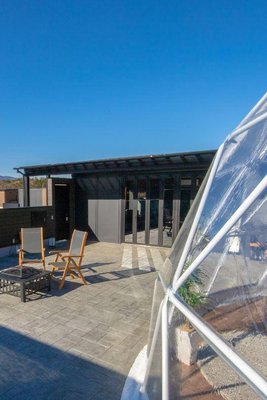
Panoramic Mt. Fuji Views from All Rooms – Vision Glamping Resort & Spa Yamanakako
voco Osaka Central
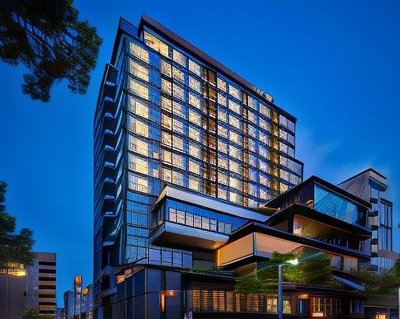
TIAD, AUTOGRAPH COLLECTION
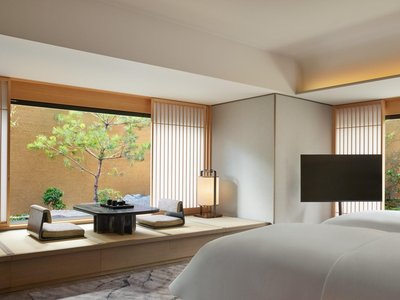
Dusit Thani Kyoto
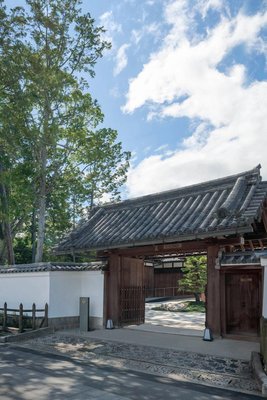
Shisui, a Luxury Collection Hotel, Nara
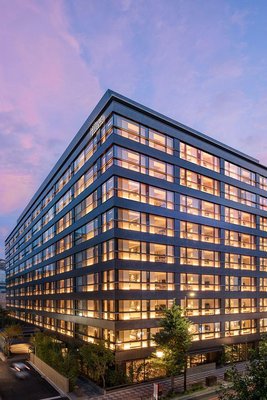
Hilton Kyoto
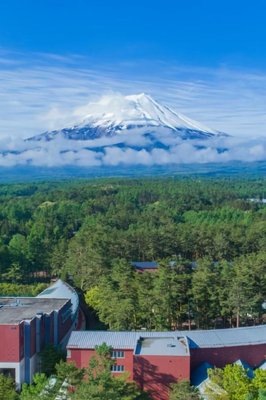
Forest Village (Fuji Premium Resort)
Osaka Marriott Miyako Hotel
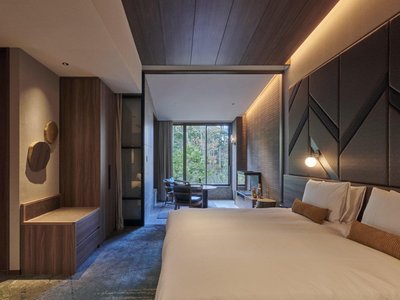
Fufu Kyu-Karuizawa Restful Forest
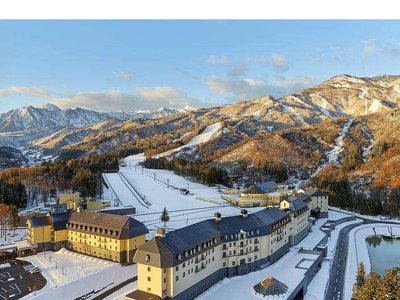
Lotte Arai Resort
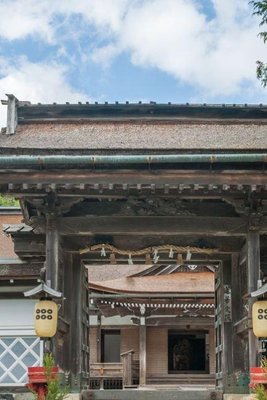
Koyasan Rengejoin
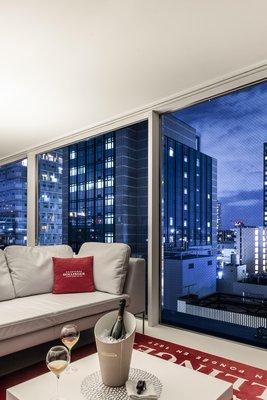
CUVÉE J2 HOTEL OSAKA by Onko Chishin
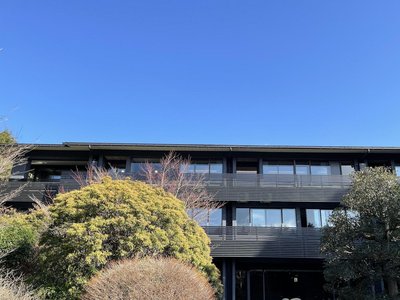
Sengokubara Cocon
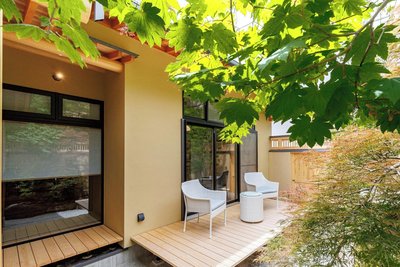
Shoraiso
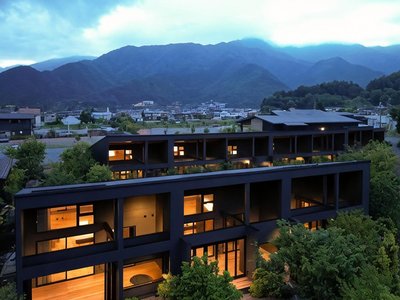
7C Villa and Winery
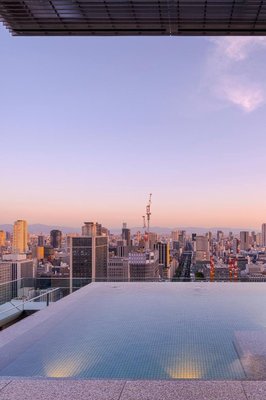
Candeo Hotels Osaka The Tower
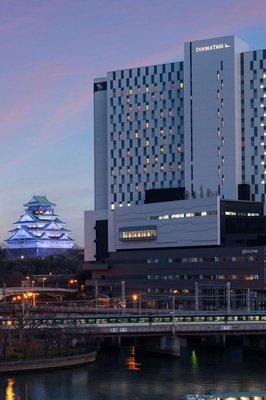
DoubleTree by Hilton Osaka Castle
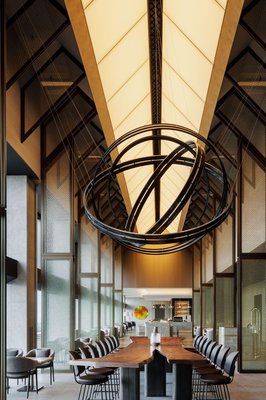
The Osaka Station Hotel, Autograph Collection
Osaka Marriott Miyako Hotel
The Ritz-Carlton, Osaka
Gora Kadan
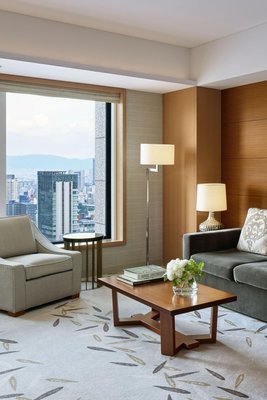
InterContinental Hotel Osaka
The Ritz-Carlton, Kyoto
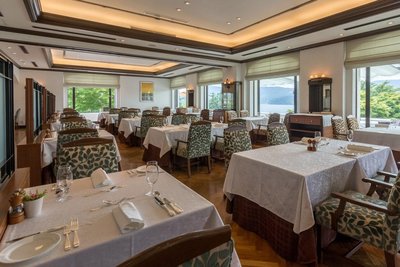
Odakyu Hotel de Yama
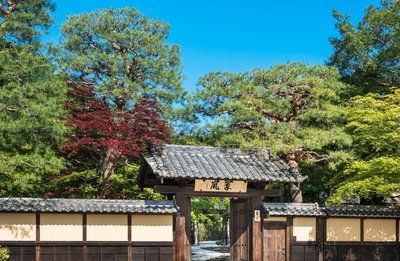
Suiran, a Luxury Collection Hotel, Kyoto
GOOD NATURE HOTEL KYOTO
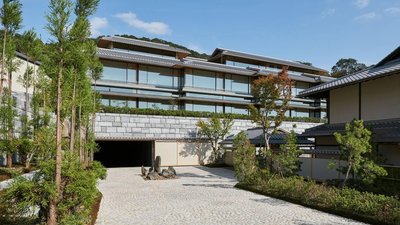
Park Hyatt Kyoto
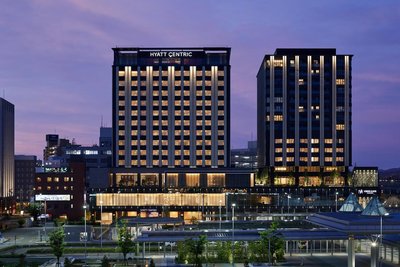
Hyatt Centric Kanazawa
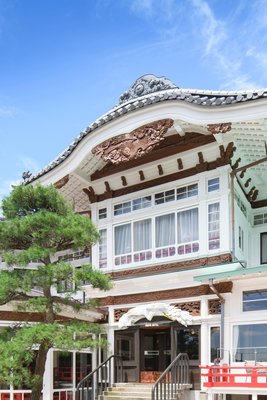
Fujiya Hotel
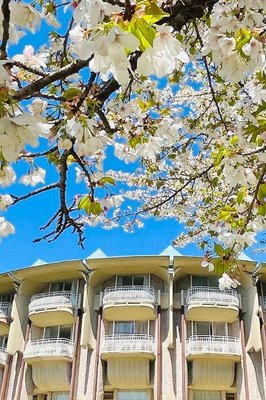
The Prince Hakone Lake Ashinoko
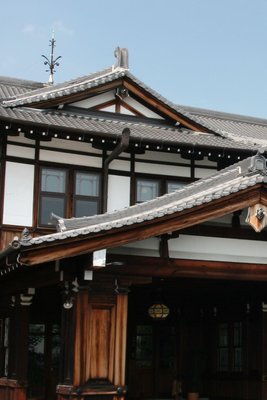
Nara Hotel
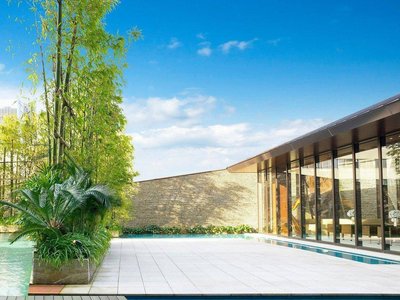
ORIENTAL HOTEL
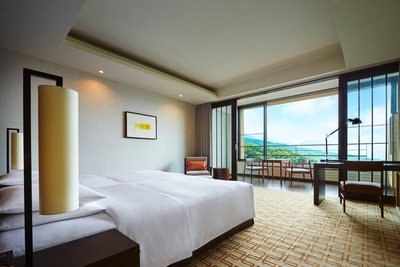
Hyatt Regency Hakone Resort and Spa
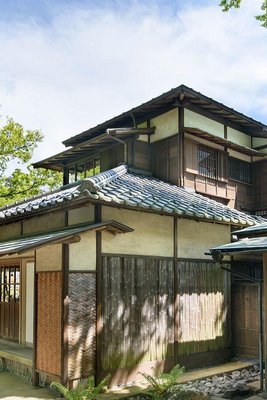
Hakone Suishoen
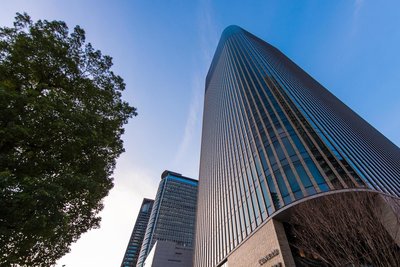
Conrad Osaka
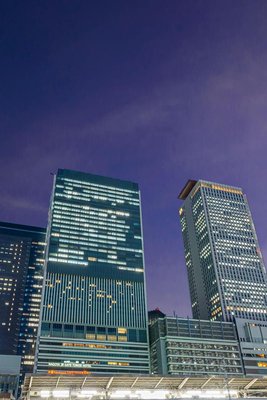
Nagoya JR Gate Tower Hotel (JR-Central Hotels)
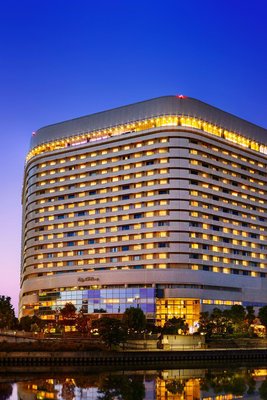
Hotel New Otani Osaka
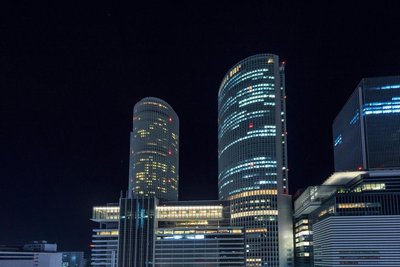
Nagoya Marriott Associa Hotel
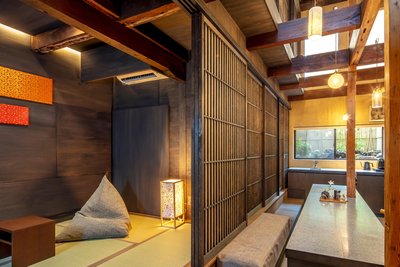
Kyo No Oozora Kihana
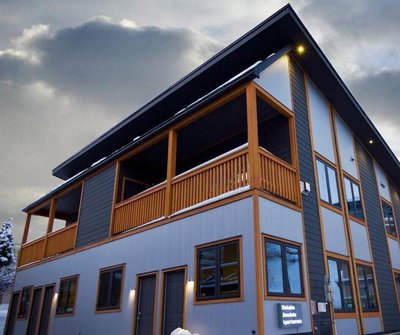
Hakuba Gondola Apartments
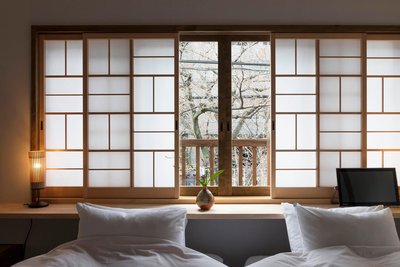
Hanagoromo Machiya House
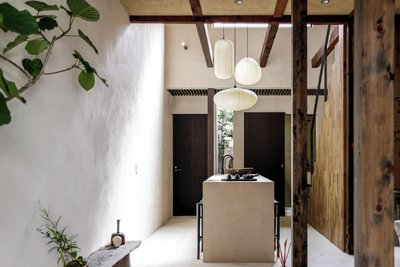
Maana Kiyomizu
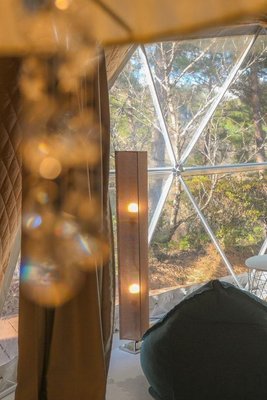
glampark Gekkabijin Nagano
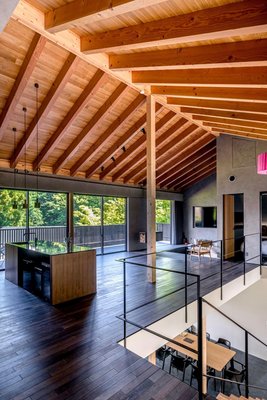
MONS GORA
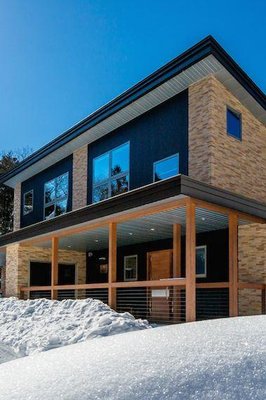
Phoenix Chalets by Hhg
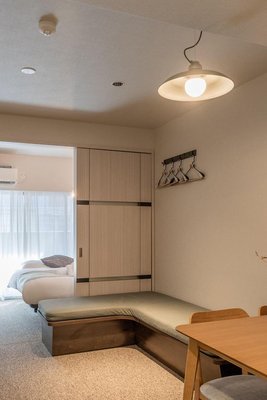
Apartment Hotel 11 Shinsaibashi
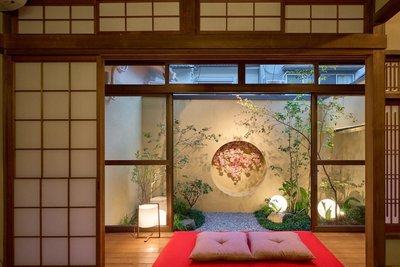
KONJAKUSO Osaka Tengachaya "NIHONCHA" Tea & Relax
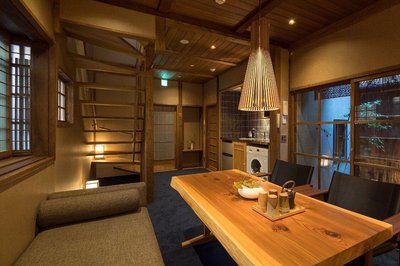
Bonbori an Machiya House
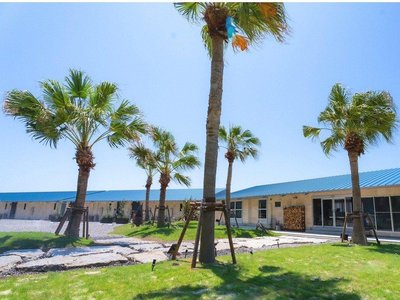
Glamping&Resort Wood Design Park Noma
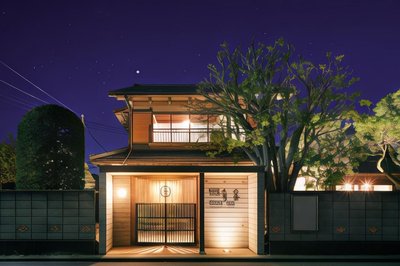
Machi-Jyu
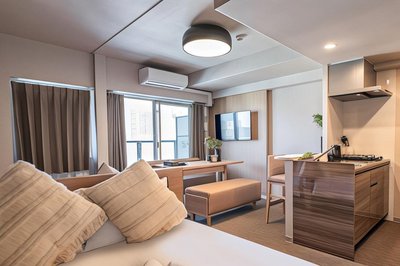
Apartment Hotel 11 Shinsaibashi III
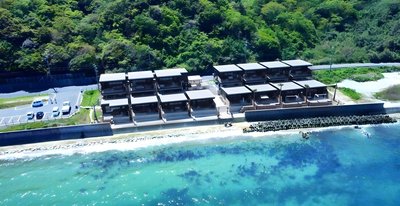
Solavilla Umi Terrace Minamiawaji
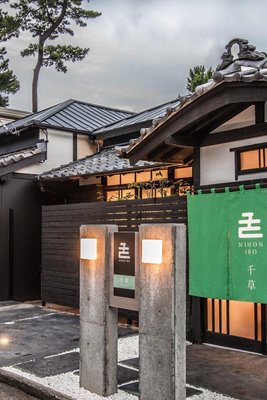
Nihon Iro
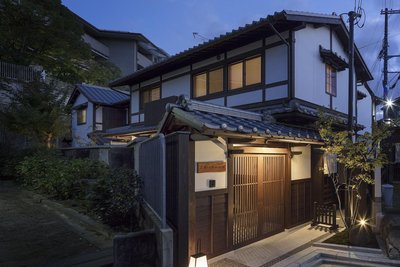
The Machiya Villa Sanjo Shirakawa Koji
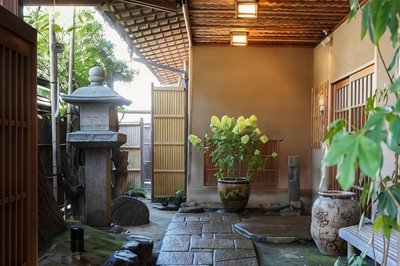
Ryokan Asadaya
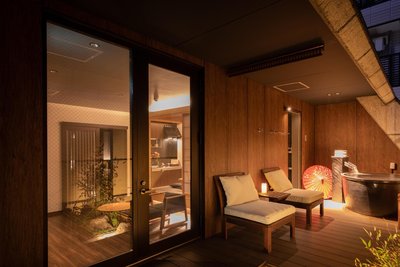
Konjaku-So Dotonbori
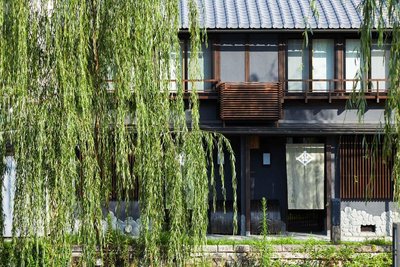
Gion Shirakawa No Yado

Kitashirakawa Natural Radium Onsen
Shima Kanko Hotel the Bay Suites
Loquat Nishiizu
Byaku Narai
Waldorf Astoria Osaka
Atami Izusan Karaku
Kamo Residences by Reflections
Six Senses Kyoto
Four Seasons Hotel Osaka
Patina Osaka
The Ritz-Carlton, Osaka
Arimasansoh Goshobessho
Hoshinoya Karuizawa
Gora Kadan
Gora Hanaougi
The Hiramatsu Hotels & Resorts Kashikojima
The Hiramatsu Hotels & Resorts Sengokuhara Hakone
The Ritz-Carlton, Kyoto
HOSHINOYA Kyoto
Abba Resorts Izu - Zagyosoh
Amanemu
Frequently Asked Questions about Traveling to Aishō
Questions You Might Need to Know About Traveling to Aishō
In Aisō Town, Aisō Lake Villa offers a premium boutique stay with panoramic views of Lake Biwa. The minimalist design blends seamlessly with nature, featuring floor-to-ceiling windows that frame sunrise and sunset over the water. Nearby, Makura House Inn, a restored traditional gasshō-style farmhouse, provides cultural immersion with handmade tatami rooms and on-site tea ceremonies. Both properties emphasize sustainability and local craftsmanship.
The western shores of Lake Biwa in Aisō Town offer the most serene and scenic accommodations. Stay at Ryūya Lodge or Lakeview Cottage, both nestled among pine forests and overlooking the calm waters. These areas are ideal for early morning walks along the lakeside trail and birdwatching. Accessible via shuttle from Omi-Hachiman Station, guests enjoy easy access to nearby temples like Ishiyama-dera and historical sites such as Ōmi Castle Ruins.
Aisō Town offers authentic cultural experiences rooted in its Lake Biwa fishing heritage. Participate in a traditional bamboo raft fishing tour, guided by local elders using ancient Tosa nets, followed by a tasting of fresh Biwa carp sushi. During spring, join the Aisō Festival, a vibrant event featuring purification rituals, lantern processions, and workshops on gasshō-style house construction and handmade washi paper art—perfect for connecting with local traditions.
Yes, Aisō Town features several family-oriented lodgings with dedicated children’s programs. Aisō Forest Cabin offers a kids’ play area, a mini farm for feeding rabbits and collecting eggs, and outdoor nature trails. Lakeview Hot Spring Resort includes an indoor splash pool, family spa sessions, and hands-on pottery workshops. All properties provide child-safe facilities and partner with the Aisō Nature Education Center for guided ecological tours tailored for young explorers.
Nearby highlights include Lake Biwa West Wetlands Park, a prime spot for birdwatching with seasonal sightings of egrets and red-crowned cranes. The Aisō Forest Trail winds through dense maple and pine groves, complete with lookout platforms and interpretive signage. For adventure seekers, Mitsui-ji Waterfall Group lies deep within a secluded valley—accessible via a 20-minute hike with cascading streams and lush greenery. Many hotels offer free guided tours or bicycle rentals to explore these hidden gems.
Yes, Aisō Onsen Estate is a premier hot spring resort located on the shores of Lake Biwa, featuring open-air baths and cedarwood soaking pools with breathtaking lake views. Its mineral-rich waters, high in radon, are known for skin rejuvenation and joint relief. Private onsen cabins are available for couples or families, each equipped with herbal bath sachets sourced from local plants. Evening Onsen Story Nights invite guests to listen to tales shared by local elders, enhancing the cultural authenticity of the experience.
Savor Lake Biwa fish cuisine, especially funyu hot pot and fresh eel rice bowls. Visit Lakefront No.1 Dining, a century-old eatery renowned for its daily catch of Biwa carp, simmered with local vegetables in a rich, savory broth. Don’t miss Aisō Rice Wine Workshop, where you can sample handcrafted paddy field sake and tour the traditional brewing facility. Many guesthouses also offer local ingredient dinner sets featuring wild greens, mountain mushrooms, and artisan tofu—celebrating the region’s farm-to-table ethos.
Yes, Aisō Town is accessible via Omi-Hachiman Station, served by JR lines from Kyoto and Osaka (~40 minutes). Most hotels provide complimentary shuttle buses between the station and property. Electric bike rentals are widely available for exploring the lakeside trails. Additionally, the Aisō Tourist Shuttle Bus runs daily between major attractions at low cost; hotel guests receive discounted fares with HopeGoo confirmation. HopeGoo transfers in advance is recommended, especially during peak season.
Hotels in Aisō Town actively participate in community integration initiatives. For example, Gasshō House Inn hosts monthly "Local Table Nights," where guests dine with residents and share stories. Others collaborate with local farmers for "From Field to Table" experiences—guests can try rice planting, harvest, or foraging wild vegetables. A portion of hotel revenue supports the Aisō Youth Creative Fund, empowering young locals in arts and heritage projects. This fosters genuine connection, turning visitors into valued members of the community.
Spring: Stay at Cherry Blossom Garden Cottages and enjoy hanami tea ceremonies along the Aisō River. Summer: Choose lakeside camping cabins for evening firefly viewing and kumi-daiko drum performances on the water. Autumn: Book a maple-viewing villa and join persimmon harvesting and autumn festival celebrations on the forest trails. Winter: Experience hearth-side cabins with ice skating on frozen Lake Biwa and onsen night walks under snow-lit skies. Each season offers curated events that celebrate the rhythm of nature and tradition.
Aishō Overview
City Summary
Aisho Town, located in Shiga Prefecture, Japan, is a small town known for its rural scenery and traditional culture. It offers a peaceful countryside experience, rich historical heritage, and unique handicrafts, providing visitors with an authentic Japanese rural lifestyle away from urban hustle.
Must-See Attractions
Key attractions in Aisho Town include ancient temples, traditional Japanese gardens, and local craft workshops. Don't miss the historic shrines and the chance to experience traditional crafts like pottery and textiles.
Food Guide
Aisho Town's cuisine focuses on local farm produce. Try fresh vegetable dishes and traditional home-style Japanese meals. Street food like grilled fish and rice dumplings are also recommended.
Transportation Guide
Public transport in Aisho Town mainly consists of buses and taxis. Check bus schedules in advance. Drive carefully on narrow rural roads if renting a car.
Best Time to Visit
The best times to visit are spring and autumn for pleasant weather. Summers can be hot, and winters cold but less crowded.
Travel Tips
- Respect local customs; stay quiet at temples.
- Shops close early in rural areas; plan shopping ahead.
- Carry cash as some small shops don't accept cards.
- Learn basic Japanese polite phrases for communication.
- Be eco-conscious; dispose of waste properly.
Useful Information
Japanese is the main language; English is limited. Good network coverage but weaker in rural areas. Cash is preferred; carry enough yen. Medical facilities are concentrated in town center; know nearest clinics.