Hotels in Aizumi
Discover your perfect stay in Aizumi.
Aizumi(Japan) Travel 2026: Cheap Flights, Hotels & Top Attractions
Popular Landmarks in Aizumi
Discover the most iconic attractions in Aizumi
Best Hotels in Aizumi
Discover curated hotel collections in Aizumi
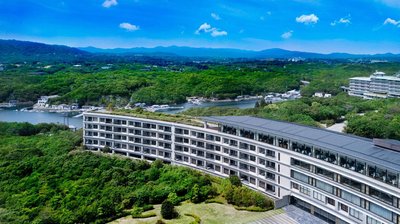
Shima Kanko Hotel the Bay Suites
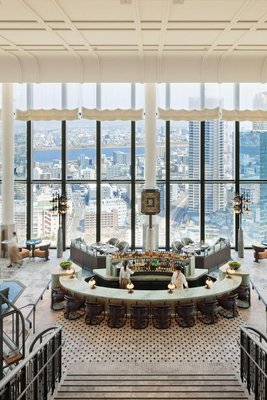
Waldorf Astoria Osaka
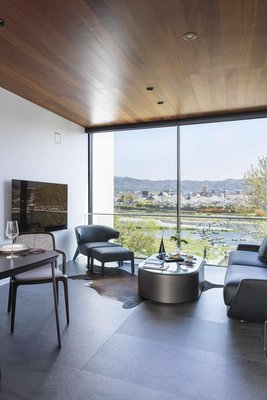
Kamo Residences by Reflections
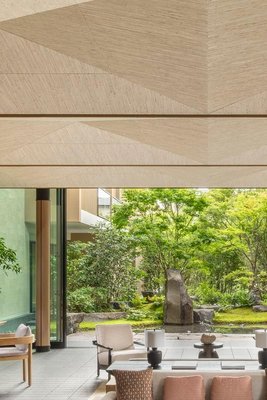
Six Senses Kyoto
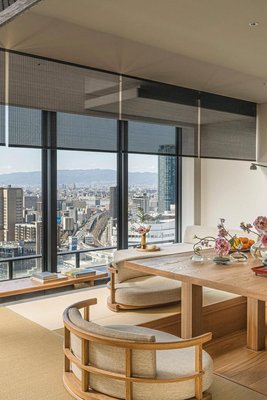
Four Seasons Hotel Osaka
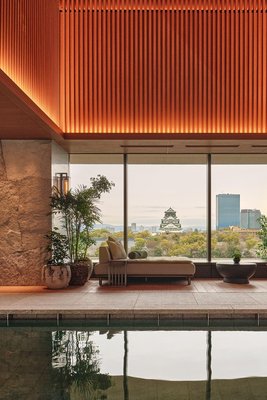
Patina Osaka

The Ritz-Carlton, Osaka
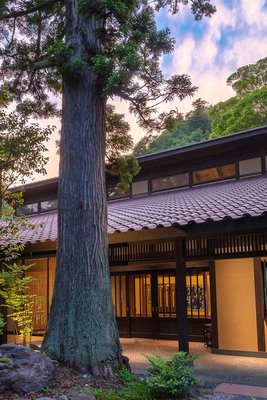
Arimasansoh Goshobessho
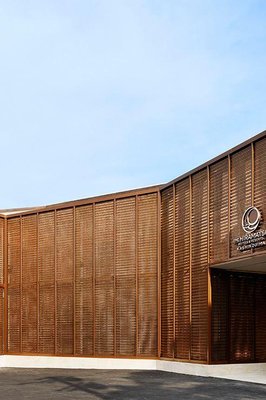
The Hiramatsu Hotels & Resorts Kashikojima
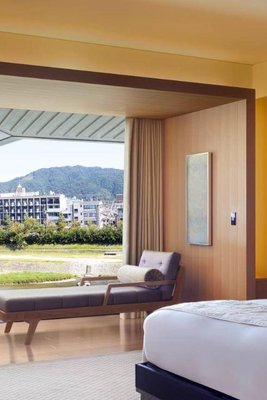
The Ritz-Carlton, Kyoto
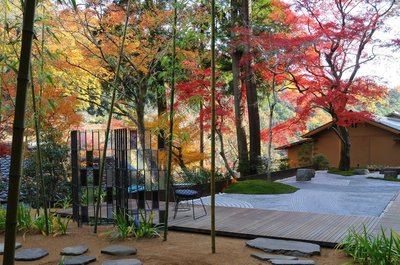
HOSHINOYA Kyoto
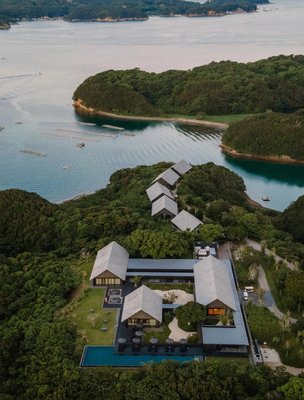
Amanemu
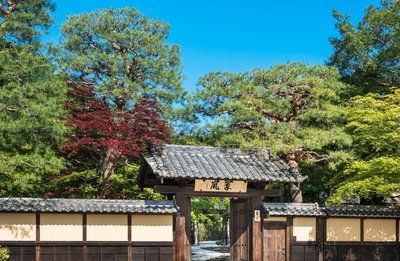
Suiran, a Luxury Collection Hotel, Kyoto
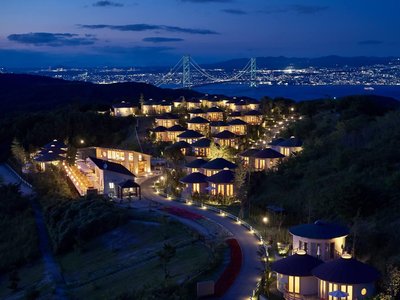
Grand Chariot Hokutoshichisei 135°
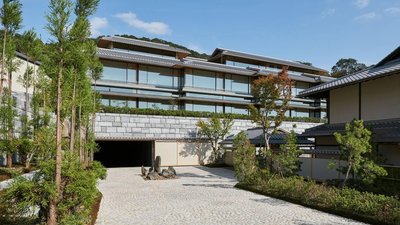
Park Hyatt Kyoto

SETOUCHI RETREAT by Onko Chishin
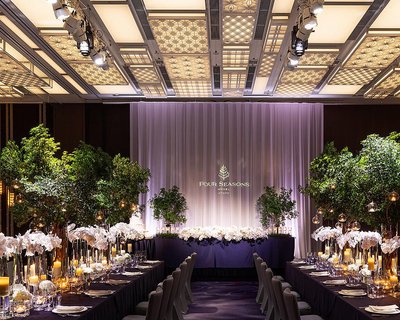
Four Seasons Hotel Kyoto
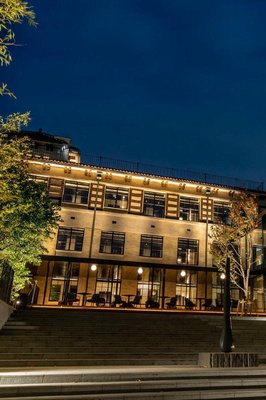
The Hotel Seiryu Kyoto Kiyomizu - a Member of the Leading Hotels of the World-
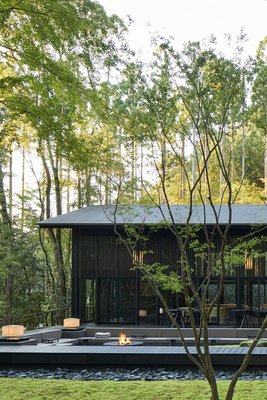
Aman Kyoto
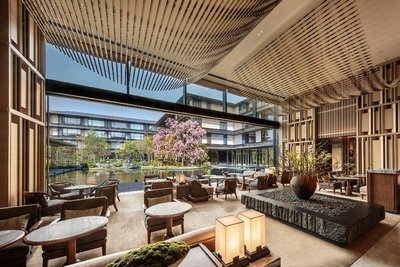
Hotel the Mitsui Kyoto, a Luxury Collection Hotel & Spa
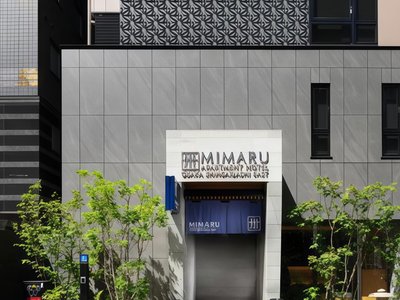
MIMARU Osaka Shinsaibashi East

Toba International Hotel Shiojitei
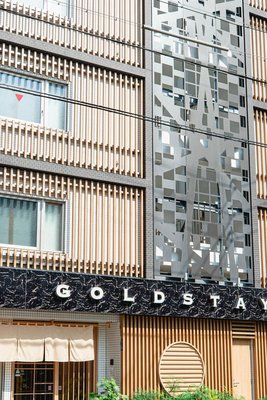
Gold Stay Nagoya OSU
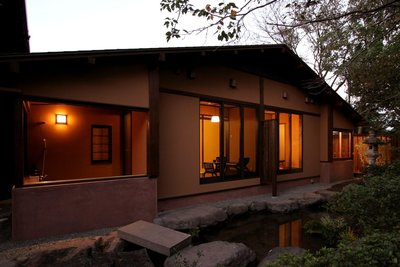
SEKIYA RESORT Bettei Haruki
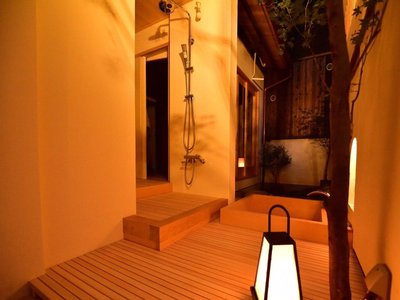
Yado Kiramachi
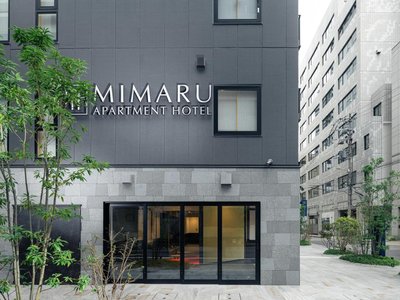
MIMARU Osaka Shinsaibashi North
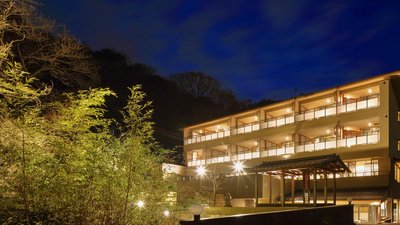
Okuno Hosomichi
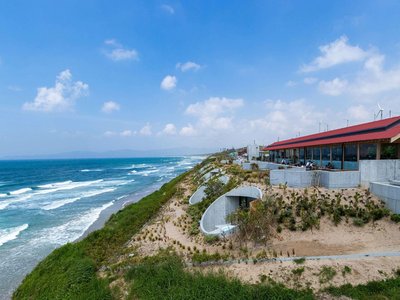
Izumo Hotel the Cliff

GOLD STAY Nagoya Sakae
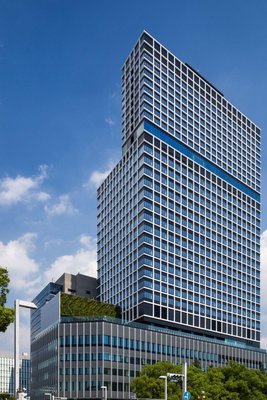
The Royal Park Hotel Iconic Nagoya
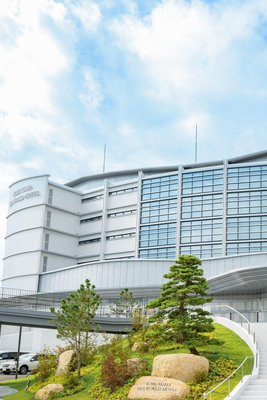
Kobe Suma Sea World Hotel
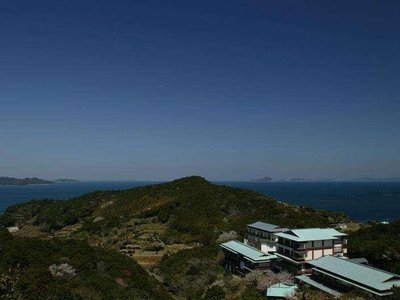
Hanashinsui
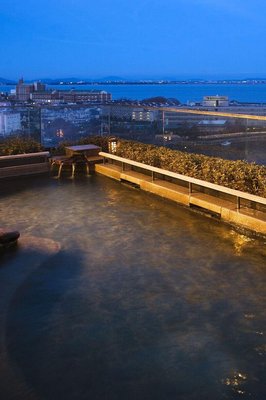
Yumotokan
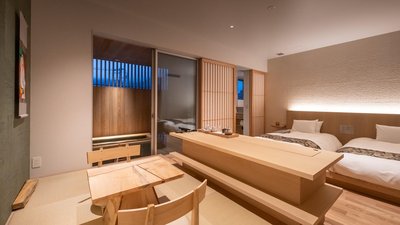
Japanese Auberge Kararako
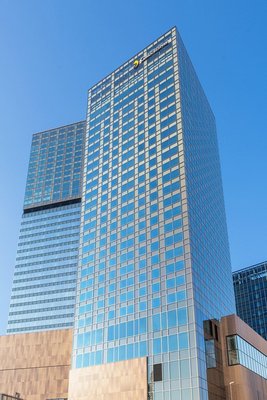
Hotel Hankyu GRAN RESPIRE OSAKA
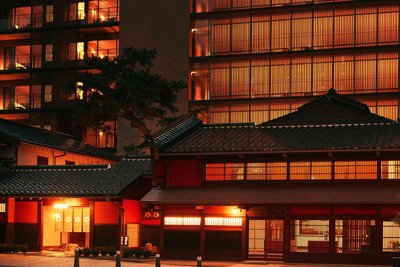
Hoshino Resorts Kai Kaga
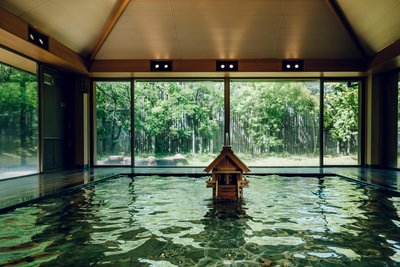
Hoshino Resorts KAI Tamatsukuri

Taikyourou
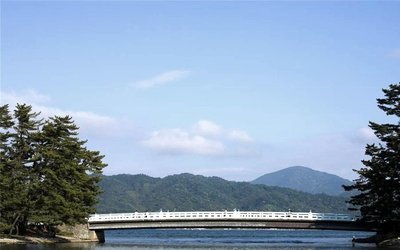
Monjusou Shourotei
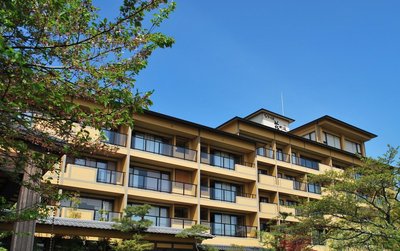
BIWAKO HANAKAIDO
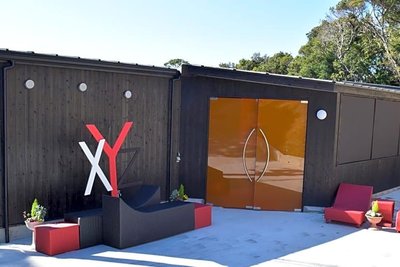
XYZ Private Spa and Seaside Resort
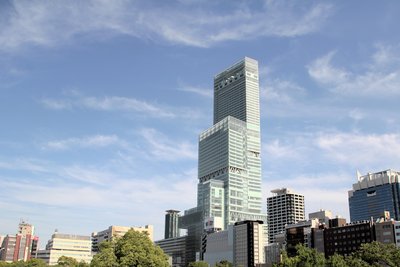
Osaka Marriott Miyako Hotel
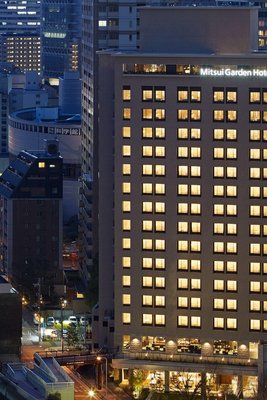
Mitsui Garden Hotel Osaka Premier
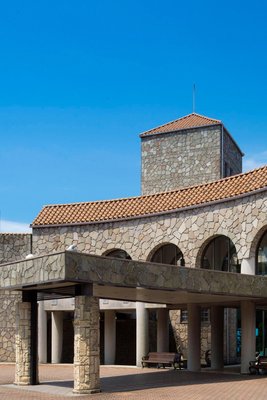
Izumigo Hotel Altia Toba
BIWAKO HANAKAIDO
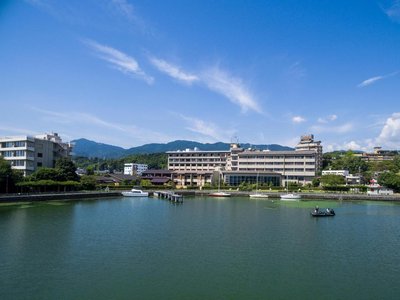
Biwako Ryokusuitei
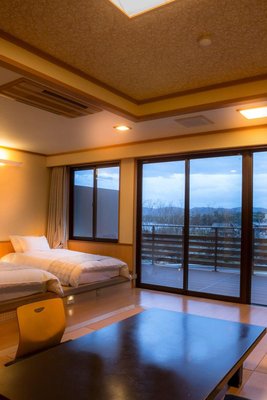
Hotel Kitanoya
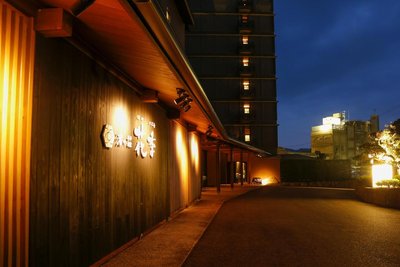
Hanagoyomi
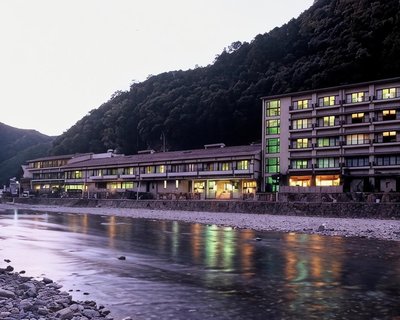
Kawayu Onsen Fujiya
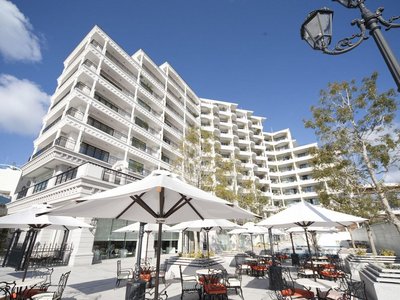
Hotel La Suite Kobe Harborland

AoAwo Naruto Resort
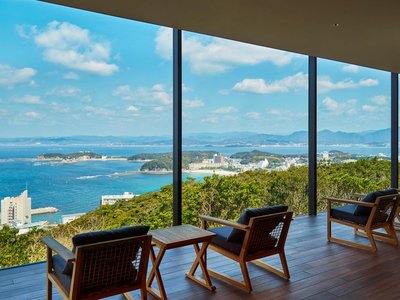
Infinito Hotel and Spa
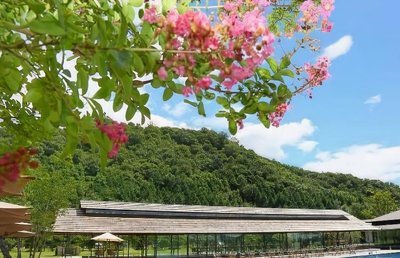
Bella Vista Spa and Marina Onomichi
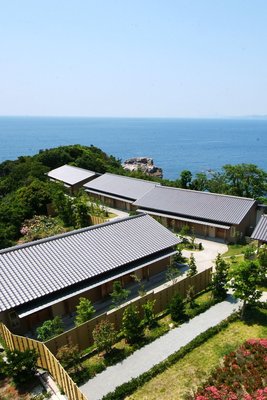
Hamachidorinoyu Kaisyu
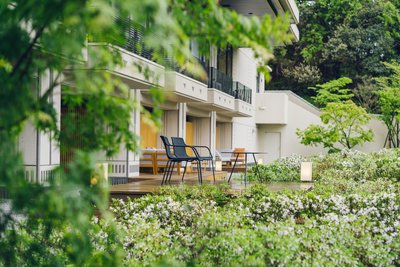
Hoshino Resorts Kai Enshu
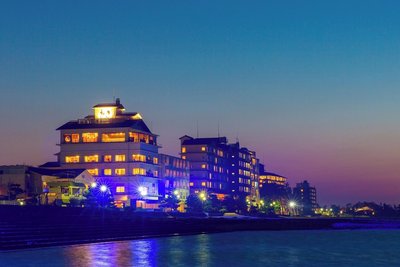
Kaike Shogetsu
The Ritz-Carlton, Kyoto
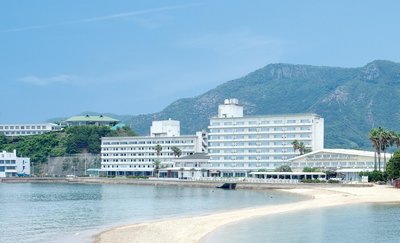
Shodoshima International Hotel
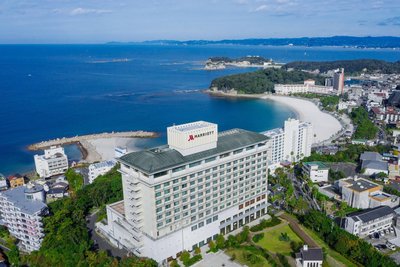
Nanki-Shirahama Marriott Hotel
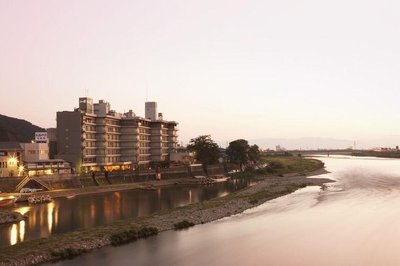
Juhachiro

22 PIECES
The Ritz-Carlton, Osaka

The Thousand Kyoto
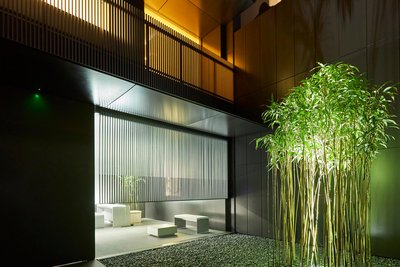
Mogana
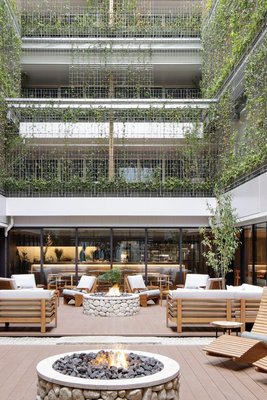
GOOD NATURE HOTEL KYOTO
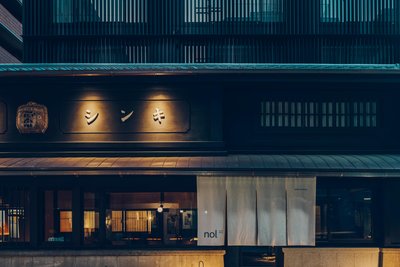
Nol Kyoto Sanjo
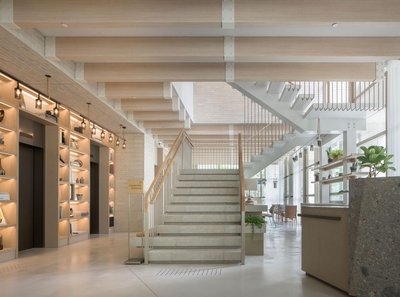
Zentis Osaka

Garrya Nijo Castle Kyoto
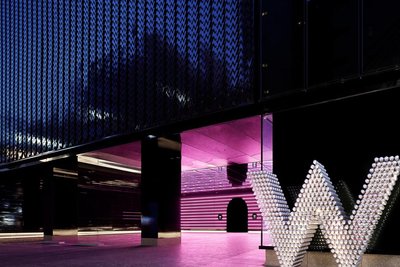
W Osaka
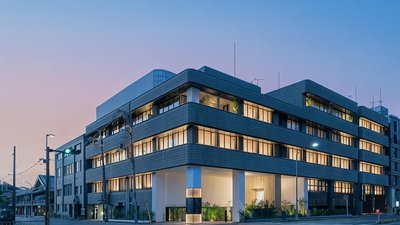
Hotel Kanra Kyoto

Aloft Osaka Dojima
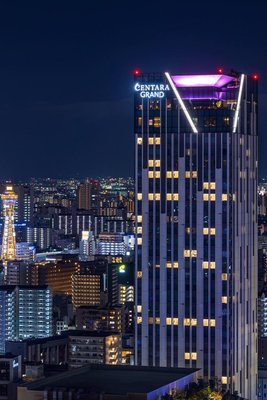
Centara Grand Hotel Osaka
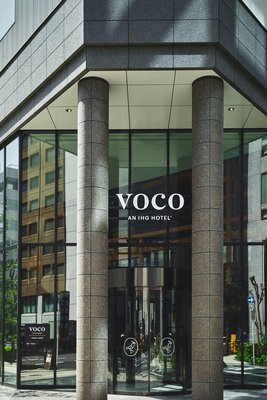
voco Osaka Central

TIAD, AUTOGRAPH COLLECTION
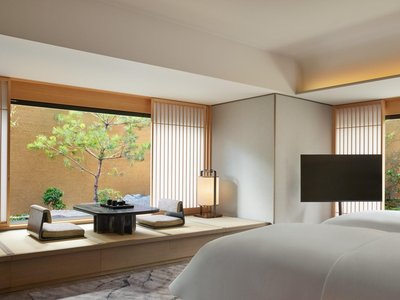
Dusit Thani Kyoto
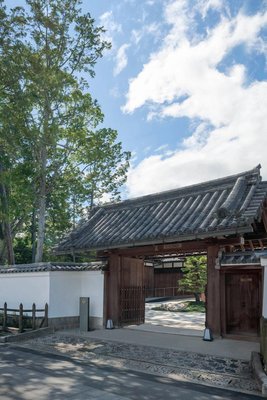
Shisui, a Luxury Collection Hotel, Nara

Hilton Kyoto
Osaka Marriott Miyako Hotel
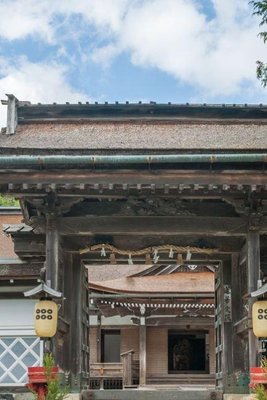
Koyasan Rengejoin
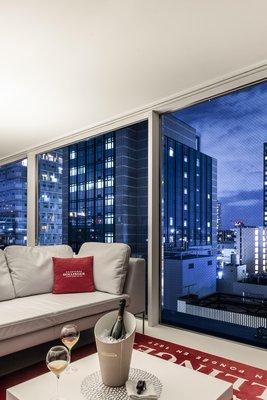
CUVÉE J2 HOTEL OSAKA by Onko Chishin
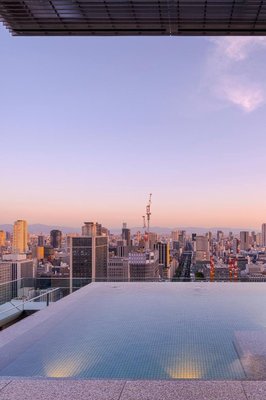
Candeo Hotels Osaka The Tower
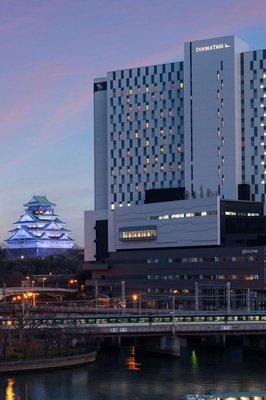
DoubleTree by Hilton Osaka Castle
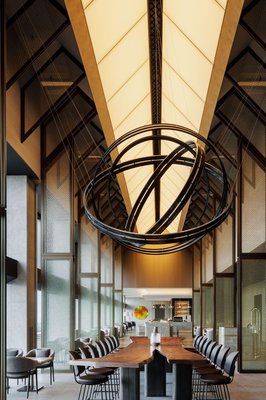
The Osaka Station Hotel, Autograph Collection
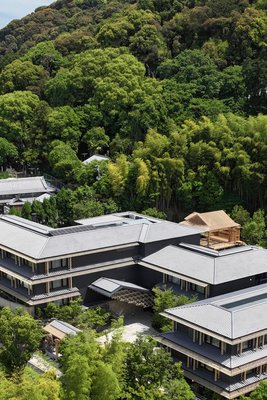
Banyan Tree Higashiyama Kyoto
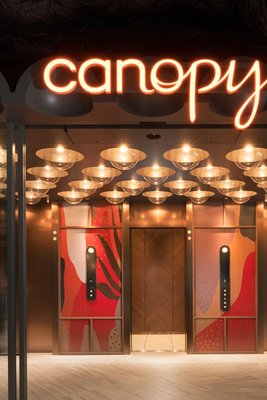
Canopy by Hilton Osaka Umeda
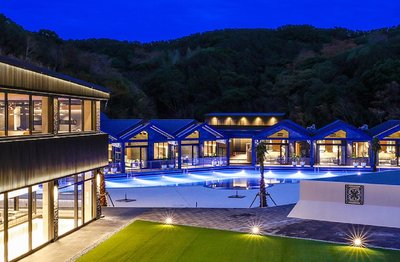
FIVE SPRING RESORT THE SHIRAHAMA
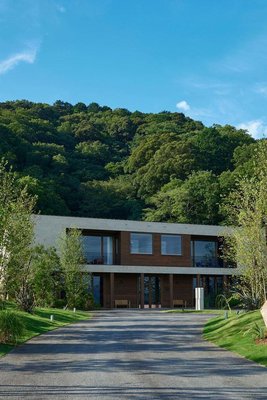
HACIENDA VISON
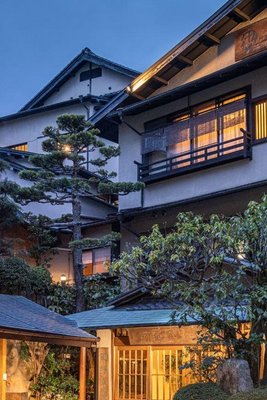
Arima Onsen Tocen Goshobo
Hotel La Suite Kobe Harborland

Hilton Osaka Hotel
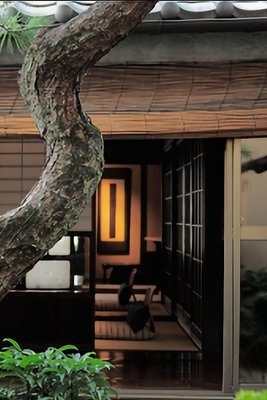
Shimayado Mari
Osaka Marriott Miyako Hotel
The Ritz-Carlton, Osaka
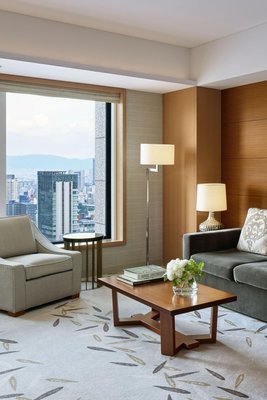
InterContinental Hotel Osaka
The Ritz-Carlton, Kyoto
Suiran, a Luxury Collection Hotel, Kyoto
GOOD NATURE HOTEL KYOTO
Park Hyatt Kyoto
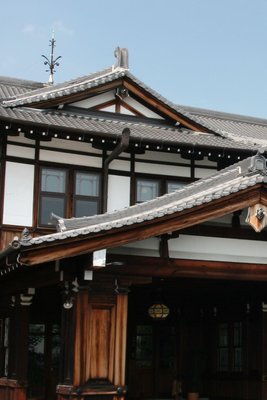
Nara Hotel
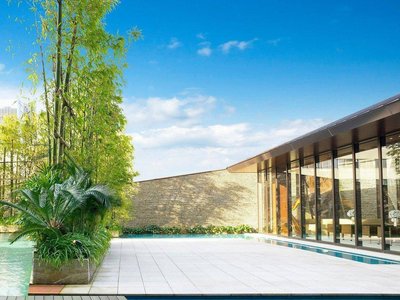
ORIENTAL HOTEL
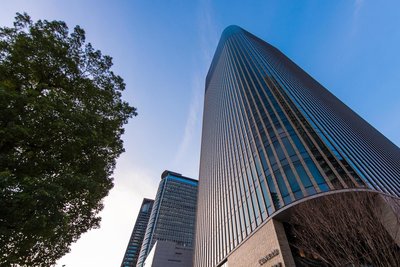
Conrad Osaka
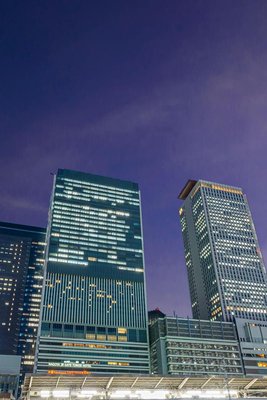
Nagoya JR Gate Tower Hotel (JR-Central Hotels)
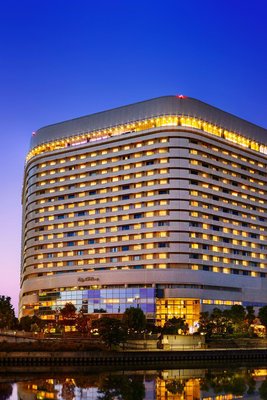
Hotel New Otani Osaka
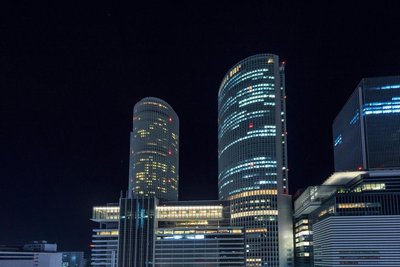
Nagoya Marriott Associa Hotel
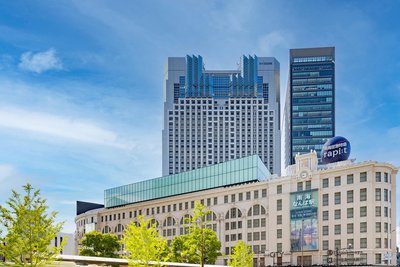
Swissotel Nankai Osaka
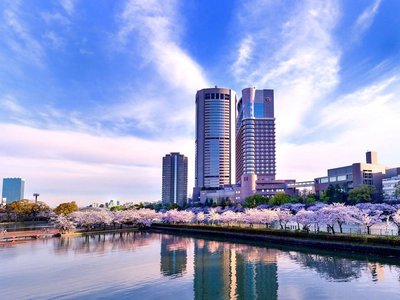
Imperial Hotel Osaka
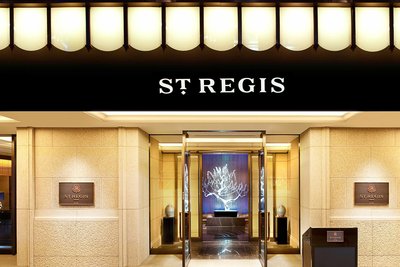
The St. Regis Osaka
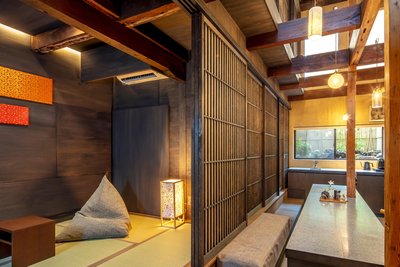
Kyo No Oozora Kihana
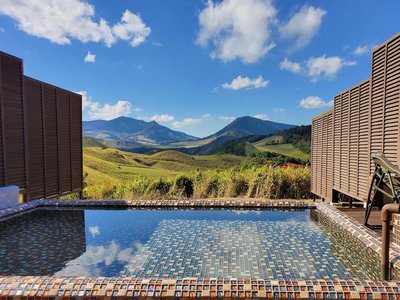
Grand Verde Resort
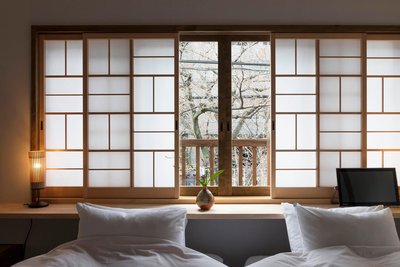
Hanagoromo Machiya House
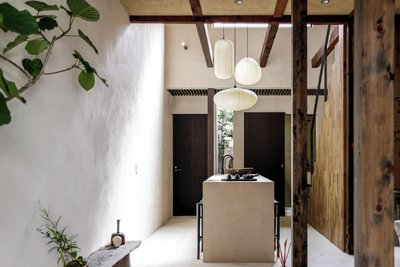
Maana Kiyomizu
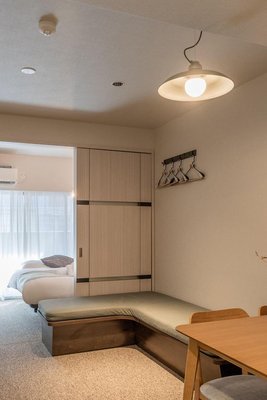
Apartment Hotel 11 Shinsaibashi
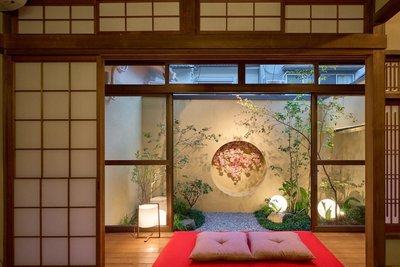
KONJAKUSO Osaka Tengachaya "NIHONCHA" Tea & Relax
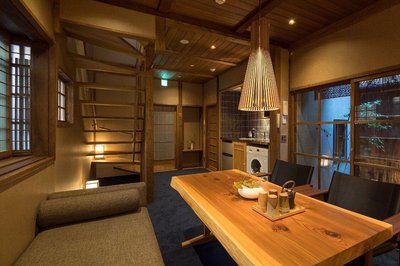
Bonbori an Machiya House
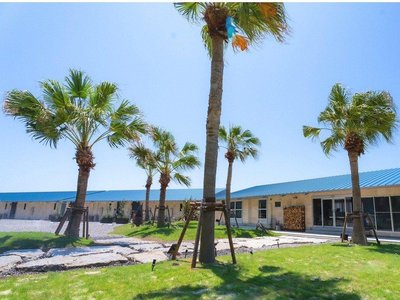
Glamping&Resort Wood Design Park Noma
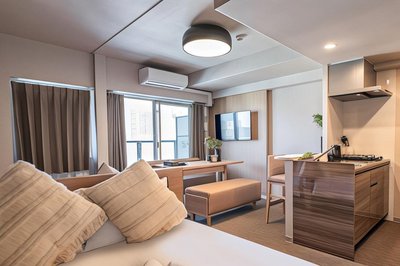
Apartment Hotel 11 Shinsaibashi III
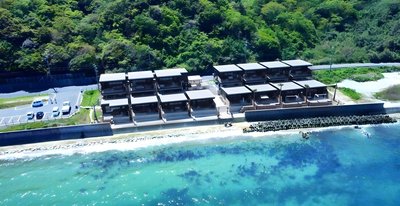
Solavilla Umi Terrace Minamiawaji
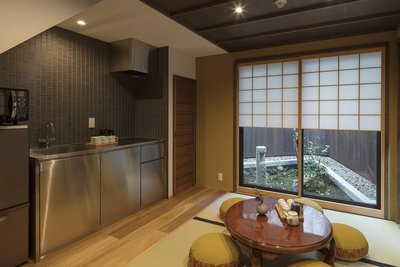
The Machiya Villa Sanjo Shirakawa Koji
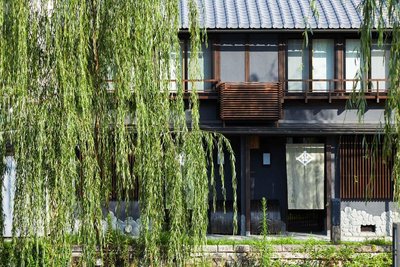
Gion Shirakawa No Yado

Kitashirakawa Natural Radium Onsen
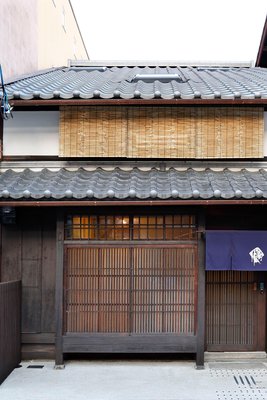
Kyo No Ondokoro Kamanza Nijo #2
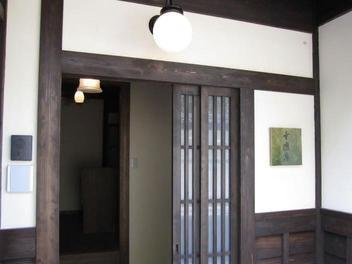
Gion Koyu an Machiya House
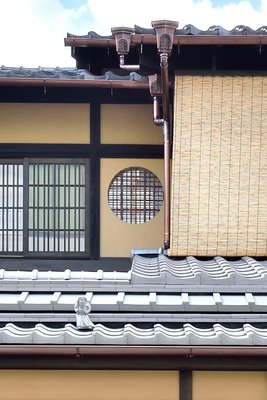
Kyo No Ondokoro Gokomachi Ebisugawa #3
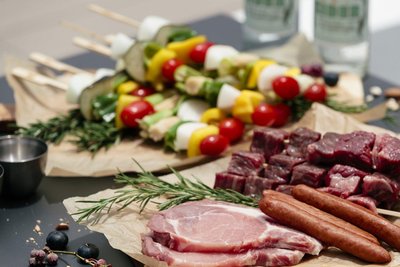
Sana Mane - Glamp Domes
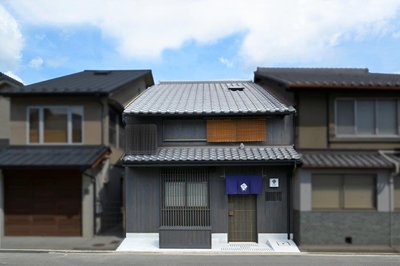
Kyo No Ondokoro Goshonishi #6
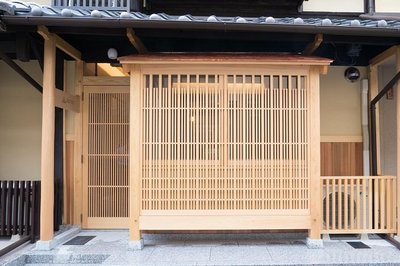
Kyomachiya Suite Rikyu
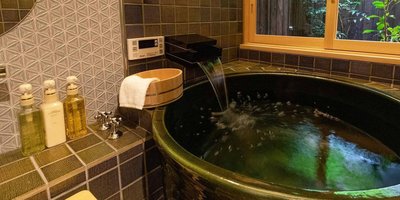
Kyoisuke

Hotel Barrière Fouquet's New York
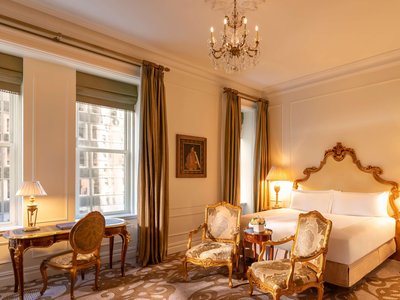
The Plaza - A Fairmont Managed Hotel
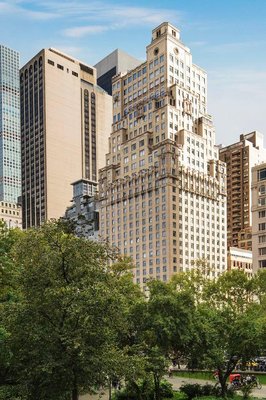
The Ritz-Carlton New York, Central Park

Four Seasons Hotel New York

The St. Regis New York
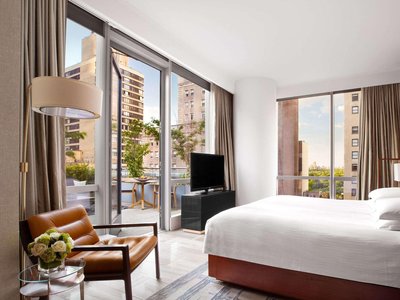
Park Hyatt New York
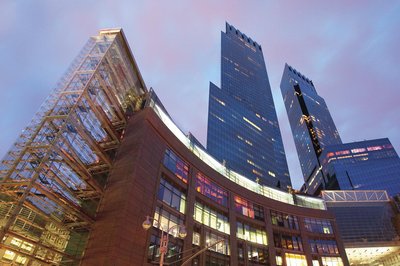
Mandarin Oriental New York
Times Square Edition New York

Loews Regency New York Hotel

Lowell Hotel
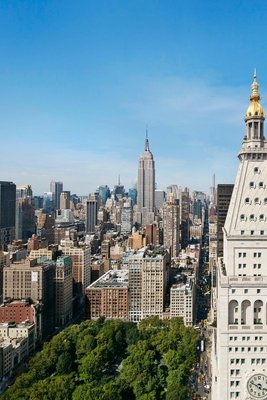
New York Edition
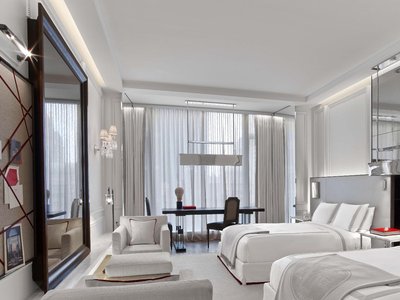
Baccarat Hotel New York

Equinox Hotel New York

Four Seasons Hotel New York Downtown
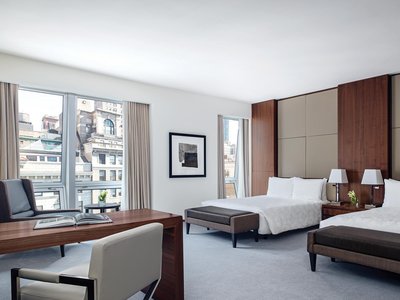
The Langham, New York, Fifth Avenue

The Carlyle, A Rosewood Hotel

The Chatwal, in the Unbound Collection by Hyatt
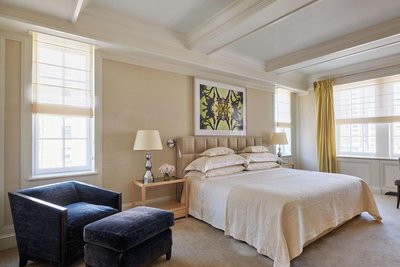
The Mark New York
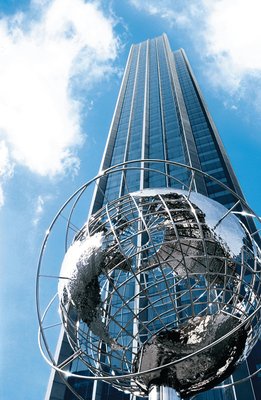
Trump International Hotel & Tower® New York
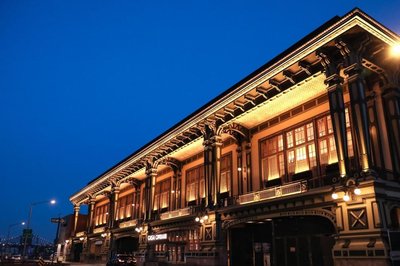
Casa Cipriani New York
Frequently Asked Questions about Traveling to Aizumi
Questions You Might Need to Know About Traveling to Aizumi
In Awa Town, the top boutique stay is Koganeya Ryokan, a traditional Japanese inn with modern amenities. Nestled beside the Awa River, it offers tatami rooms with private onsen baths and views of cherry blossoms in spring. The owners provide personalized experiences like kabuki-style dance workshops and local citrus tea tastings using fresh Awa mandarins. Each room features handcrafted furniture from nearby villages, reflecting the town’s artisan heritage. Guests can also join seasonal events such as rice planting ceremonies or evening poetry readings under lantern light. This intimate, eco-conscious retreat blends tradition with contemporary comfort for an authentic rural Japan experience.
The central district of Awa Town is the most convenient and charming area to stay. Located just steps from Awa Station and the Awa River, it’s surrounded by local shops, family-run restaurants, and historic wooden houses from the Showa era. From here, you can easily walk to Owase Shrine, one of the town’s oldest religious sites, and explore the Awa Dance Museum, which showcases the origins of Japan’s famous Awa Odori festival. The area also hosts weekend farmers’ markets and evening street performances, offering immersive cultural moments. With its peaceful riverside ambiance and low-key charm, this district strikes the perfect balance between accessibility and authenticity.
Visitors to Awa Town can participate in rare cultural experiences such as Awa Odori dance lessons led by local performers, learning the energetic moves that define this national festival. Another highlight is the bamboo weaving workshop, where artisans teach how to craft baskets and decorative items using locally harvested bamboo. For nature lovers, the rice paddy planting ceremony offers hands-on insight into traditional farming life. Evening programs include storytelling nights with elders sharing folktales and legends of the region. These activities foster deep connections with local traditions, allowing travelers to become part of Awa’s living culture rather than just observers.
While Awa Town isn’t known for large-scale onsens, Awa Onsen Ryokan stands out as a hidden gem. This small, family-run inn features natural sulfur-rich hot springs with therapeutic benefits, set in a serene forested setting. Rooms include private outdoor baths overlooking the river, perfect for stargazing at night. The inn serves meals made from locally sourced ingredients, including fresh mandarin oranges, wild mountain vegetables, and Tokushima rice. Special seasonal events like nighttime purification rituals and haiku writing sessions enhance the spiritual atmosphere. It’s an ideal choice for those seeking quiet rejuvenation and a deeper connection with nature.
For families, Shiki no Niwa Family Guesthouse is highly recommended. This spacious, homely accommodation offers three separate rooms, a fenced backyard with play equipment, and a barbecue area. Children can enjoy hands-on activities like bread-making workshops and nature scavenger hunts along the Awa River trail. The staff organizes nightly story circles, where elders share traditional tales passed down through generations. Nearby, the Awa River Playground and farm-to-table picnic zones offer safe, engaging spaces for kids. With its warm community vibe and emphasis on intergenerational bonding, this guesthouse creates lasting memories for all ages.
Guests at Awa Town lodgings can enjoy unique dining experiences centered around local citrus fruits, especially Awa mandarins. At Koganeya Ryokan, guests are treated to multi-course dinners featuring dishes like mandarin-glazed sea bream, citrus-infused tofu, and mandarin sorbet. After dinner, they may participate in a citrus soap-making workshop, turning leftover peels into aromatic soaps. Seasonal highlights include visits to farmers' markets where guests can buy freshly harvested sweet potatoes, bitter melons, and wild honey. These culinary adventures not only delight the palate but also deepen understanding of sustainable local food systems.
The best times to visit Awa Town are spring (March–May) and autumn (October–November). Spring brings blooming cherry trees along the Awa River, creating a dreamy backdrop with the red torii gates of Owase Shrine. Autumn offers stunning foliage in the hillsides and golden rice fields, ideal for photography and leisurely walks. Additionally, the Awa Odori Festival in August draws crowds nationwide, though Awa Town hosts smaller parades and open rehearsals. Staying during these periods allows visitors to enjoy festivals, seasonal harvests, and pleasant weather—perfect for exploring the town’s scenic trails and cultural gems.
Key historical landmarks in Awa Town include Owase Shrine, a centuries-old Shinto shrine dedicated to Kuninokami, whose vermilion torii and stone lanterns reflect Edo-period craftsmanship. Nearby, the Awa Kofun Cluster consists of several keyhole-shaped burial mounds, hinting at ancient political significance in the region. The former Town Hall Building, now the Awa Town Historical Museum, displays artifacts related to rice cultivation, textile production, and the evolution of Awa Odori. These sites collectively tell the story of Awa’s transition from a rural outpost to a cultural heartland of Tokushima Prefecture.
Awa Town is renowned for its pristine natural landscapes centered around the Awa River, which flows gently through the town, offering clear waters perfect for wading and firefly viewing (late June to early July). In autumn, the ginkgo-lined avenue and maple valley create breathtaking vistas. Hiking trails lead to Kenzan Hill, where panoramic views stretch across the Tokushima Plain and distant mountains. The surrounding forests are home to native wildlife, including deer and owls. These natural elements, combined with the town’s low-impact development, make Awa a sanctuary for nature lovers and seekers of quiet beauty.
Awa Town offers authentic art and craft experiences such as pottery making with local clay at Awa Ceramics Studio, where guests shape their own pieces under expert guidance. Another standout is the washi paper dyeing workshop, using plant-based dyes gathered from the riverbanks to color handmade washi. Monthly exhibitions at the Old Post Office Art Space showcase works by local artists inspired by rural life and seasonal change. These workshops emphasize sustainability, creativity, and community, allowing visitors to take home meaningful souvenirs while supporting local artisans and preserving traditional techniques.
Aizumi Overview
City Summary
Aizumi-cho in Tokushima Prefecture is a tranquil town renowned for its traditional indigo dyeing (Aizome) heritage. The town's charm lies in its well-preserved Edo-period streetscapes and unique Awa indigo craftsmanship, offering visitors an immersive experience in slow living and artisanal traditions.
Must-See Attractions
Visit the Aizumi Folk Museum to explore indigo dyeing history. The Old Yoshida Residence (National Important Cultural Property) showcases merchant architecture from the Edo era. Join indigo dyeing workshops to create your own textile art. Nearby Yoshino River features cycling paths and cherry blossom spots.
Food Guide
Try Tokushima Ramen with rich pork broth and thick noodles. Awaodori Chicken is a local specialty, best enjoyed grilled or as oyakodon. Street vendors sell Naruto Kintoki sweet potatoes and Wasambon sugar wagashi.
Transportation Guide
Take JR Mugi Line from Tokushima City to Aizumi Station (20 mins). Explore on foot or rent bicycles (available near station). Taxis require phone HopeGoo (089-123-4567). Limited bus service - check schedules in advance.
Best Time to Visit
Best in April (cherry blossoms) and November (autumn foliage), 15-22°C. Avoid August Obon holiday (local travel peak). Some dye studios close in summer.
Travel Tips
- Book workshops early; some are Japanese-only
- Carry cash - rural shops rarely accept cards
- Wear dark old clothes for dyeing activities
- Practice strict trash recycling (take trash to hotels)
- No eating/loud talking in temples
- Many onsens prohibit tattooed guests
Useful Information
Language: Basic English works at stations/hotels; translation apps help. Internet: Prepaid SIMs at 7-11/LAWSON (passport required). Payment: Post office ATMs accept international cards; carry ¥50,000 cash. Emergencies: Aizumi Municipal Hospital (089-XXX-XXXX) has English-speaking doctors. Pharmacies (e.g. "Aizumi Pharmacy") open until 8pm. Dial 119 and request "English speaker". Power: 100V, Type A plugs.