Hotels in Aizumisato
Discover your perfect stay in Aizumisato.
Aizumisato(Japan) Travel 2026: Cheap Flights, Hotels & Top Attractions
Popular Landmarks in Aizumisato
Discover the most iconic attractions in Aizumisato
Recommended Hotels in Aizumisato
Find the perfect place to stay in Aizumisato
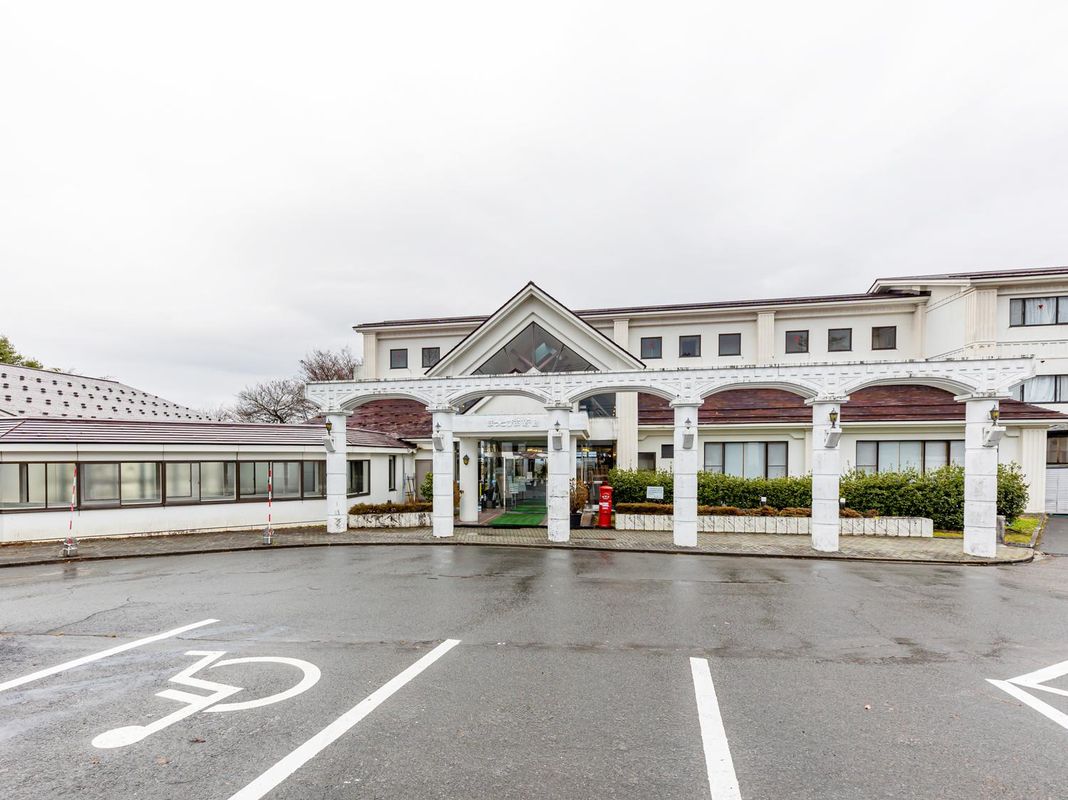
Niitsuru Onsen Nda
Best Hotels in Aizumisato
Discover curated hotel collections in Aizumisato
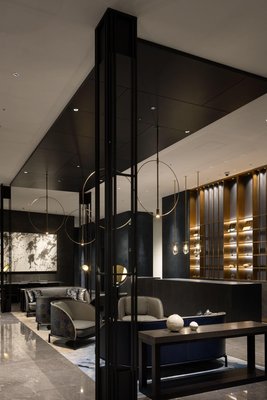
Bellustar Tokyo, A Pan Pacific Hotel
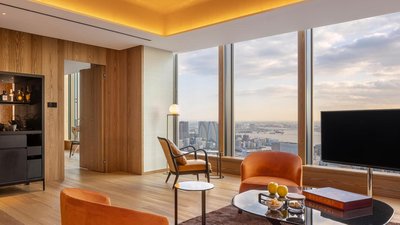
Bvlgari Hotel Tokyo
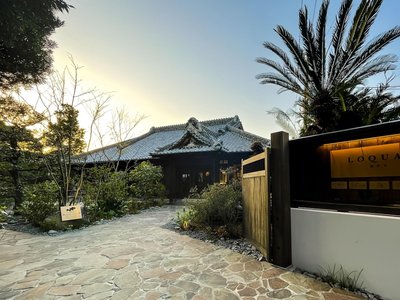
Loquat Nishiizu
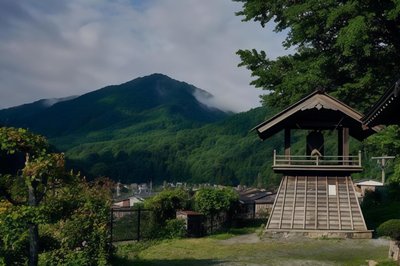
Byaku Narai
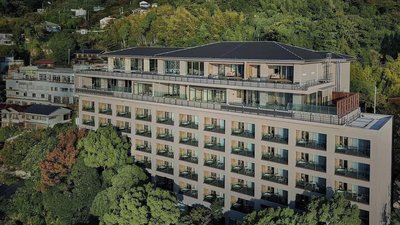
Atami Izusan Karaku
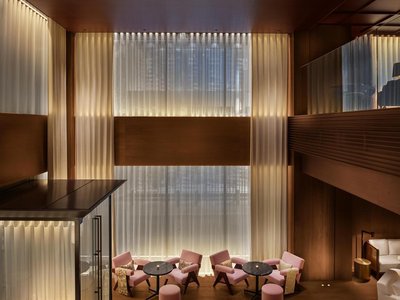
The Tokyo Edition, Ginza
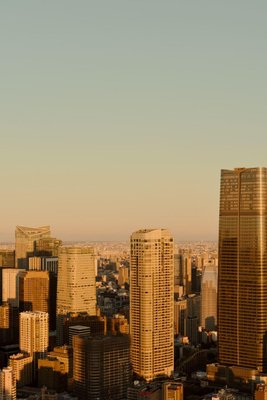
Janu Tokyo
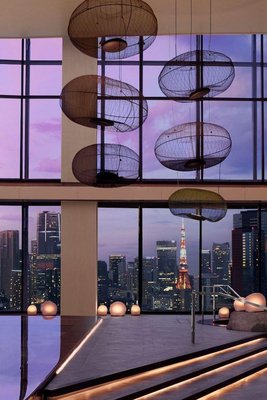
JW Marriott Hotel Tokyo
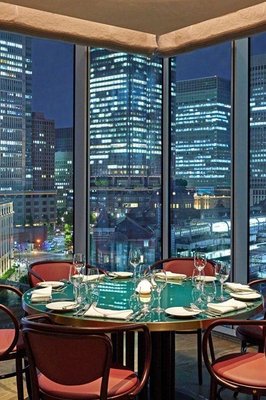
Four Seasons Hotel Tokyo at Marunouchi

Mandarin Oriental, Tokyo
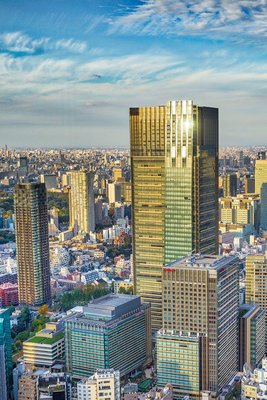
The Ritz-Carlton, Tokyo
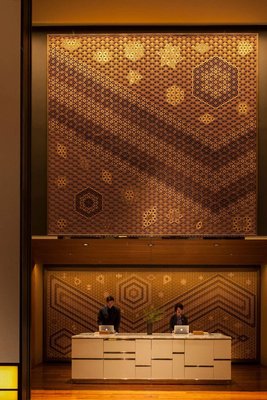
Andaz Tokyo Toranomon Hills- A Concept by Hyatt
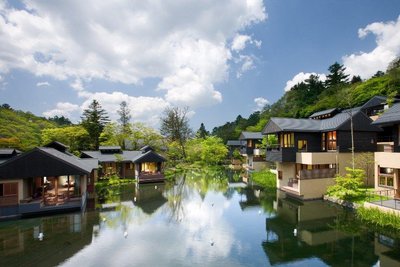
Hoshinoya Karuizawa
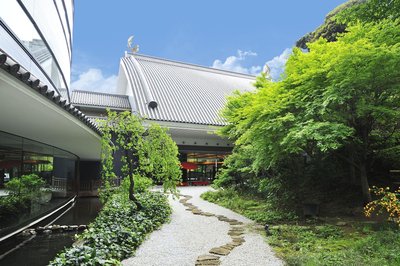
Hotel Gajoen Tokyo
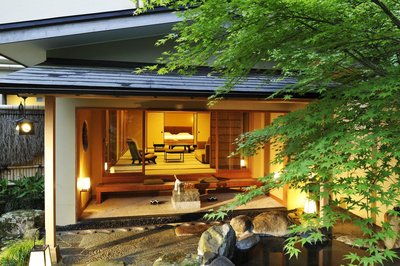
Gora Kadan
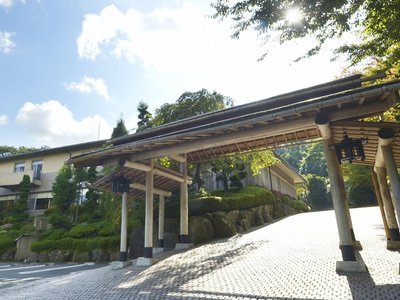
Gora Hanaougi
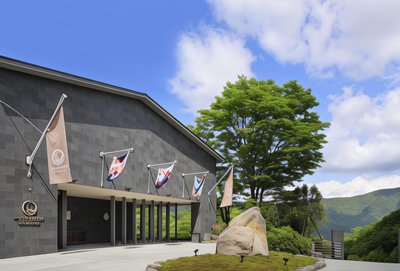
The Hiramatsu Hotels & Resorts Sengokuhara Hakone
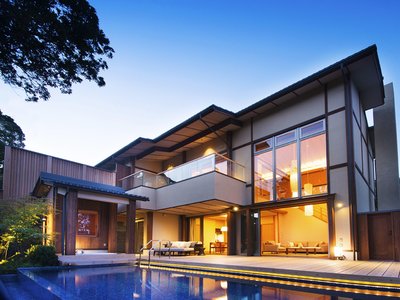
Abba Resorts Izu - Zagyosoh
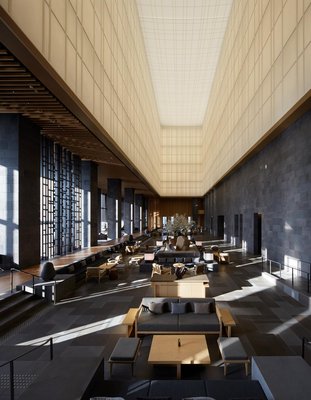
Aman Tokyo
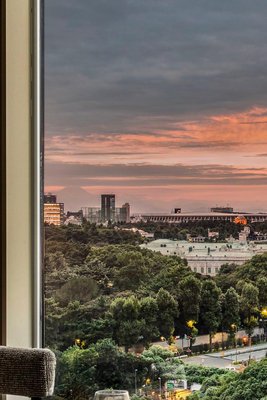
Hotel New Otani Tokyo, Executive House Zen
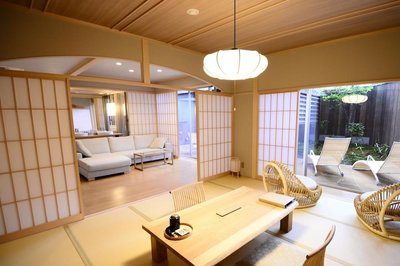
Hakone Gora Byakudan
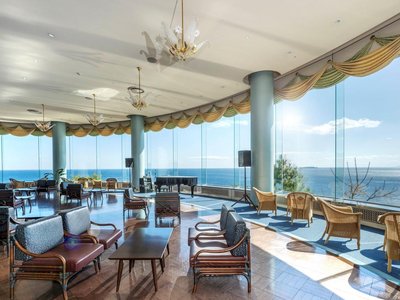
Hotel New Akao
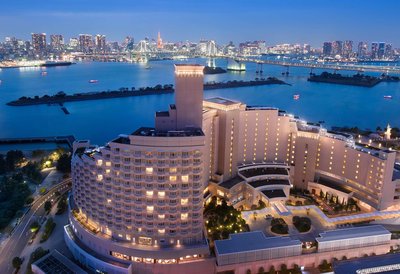
Hilton Tokyo Odaiba
JW Marriott Hotel Tokyo
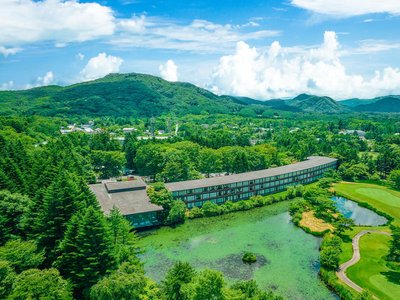
The Prince Karuizawa
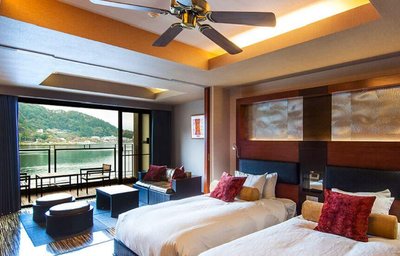
The Kukuna
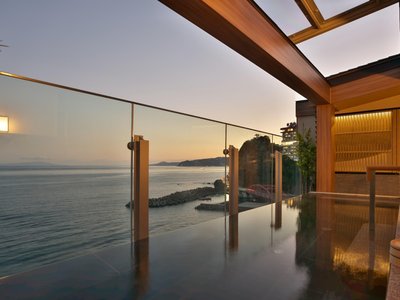
Hotel New Sagamiya
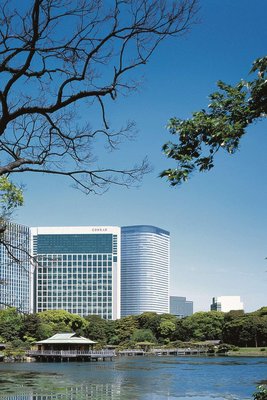
Conrad Tokyo
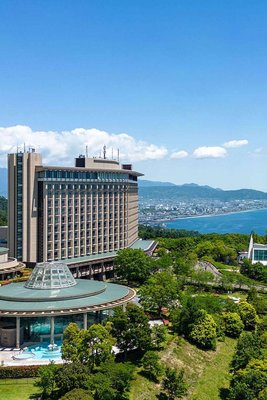
Hilton Odawara Resort & Spa
Hoshinoya Karuizawa
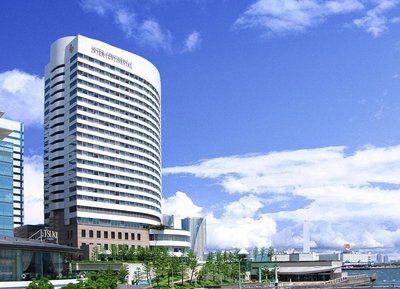
InterContinental Tokyo Bay
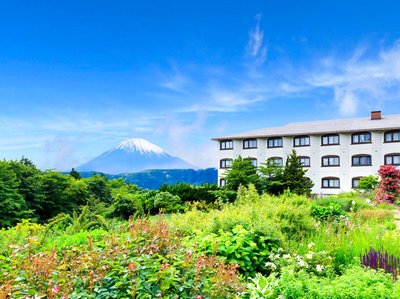
Hotel Green Plaza Hakone
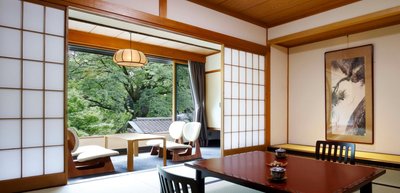
Yoshiike Ryokan
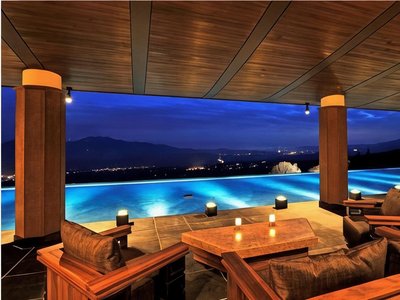
Akakura Kanko Hotel
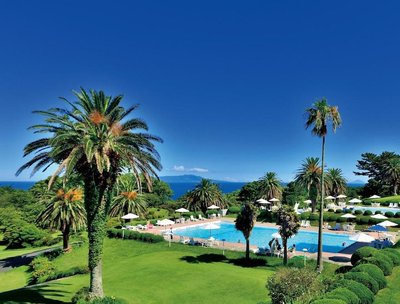
Kawana Hotel
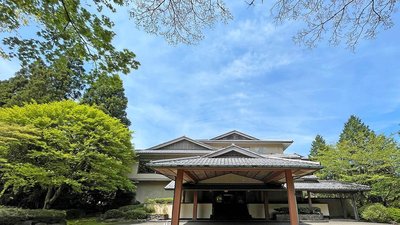
Ryuguden
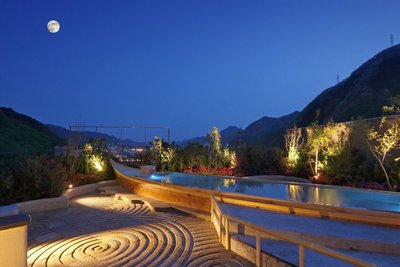
Asaya
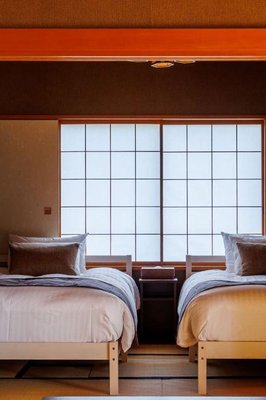
Sado Resort Hotel Azuma
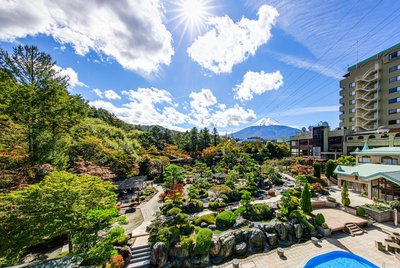
Kaneyamaen
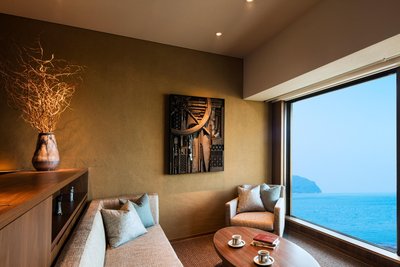
Hoshino Resorts Kai Anjin
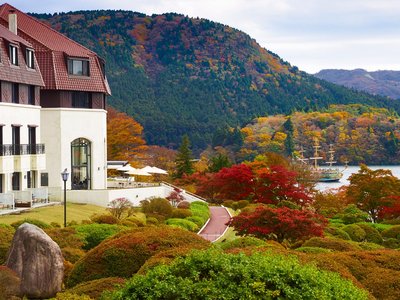
Hotakajyo
Auberge Suzukane

Onyado Nono Asakusa Bettei Hot Spring
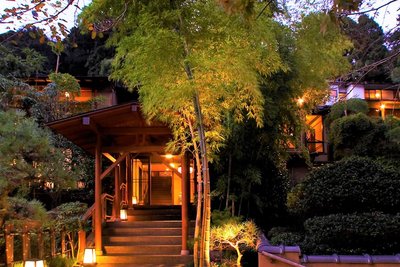
Shiki wo Ajiwau Yado Yamano Chaya
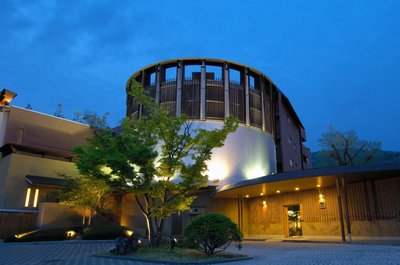
Hoshino Resorts Kai Matsumoto
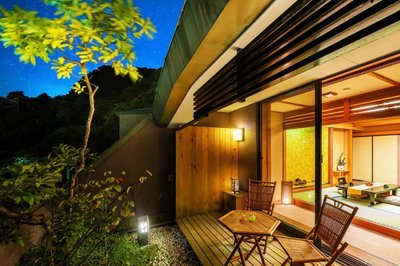
Konjakutei
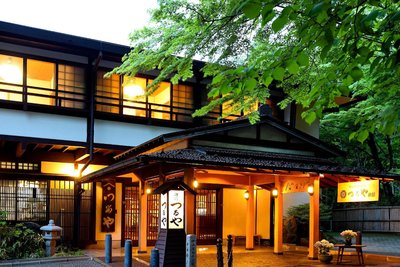
Tsuruya Ryokan
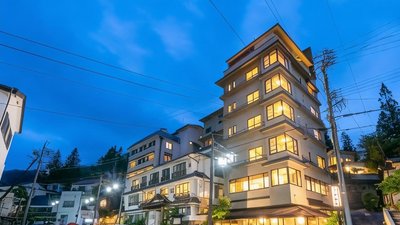
Nakamatsuya Ryokan
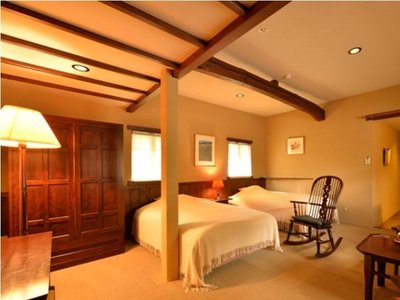
Ryokan Sugimoto
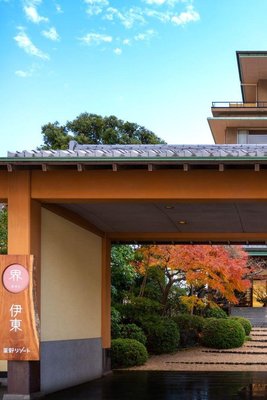
Hoshino Resorts Kai Ito
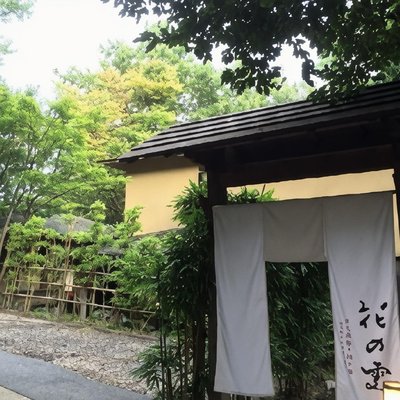
Hana No Kumo
Yoshiike Ryokan
Hotel Gajoen Tokyo
Gora Hanaougi
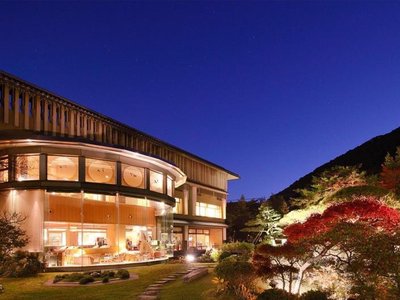
Shikisai Ichiriki
Sado Resort Hotel Azuma
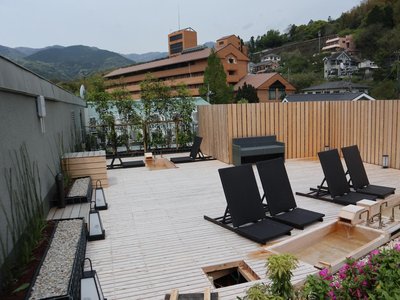
Fukiya Ryokan
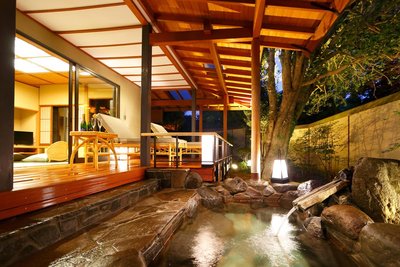
Yoshiharu Ryokan – Izu Nagaoka Onsen
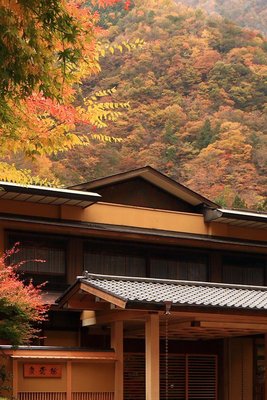
Nishiyama Onsen Keiunkan
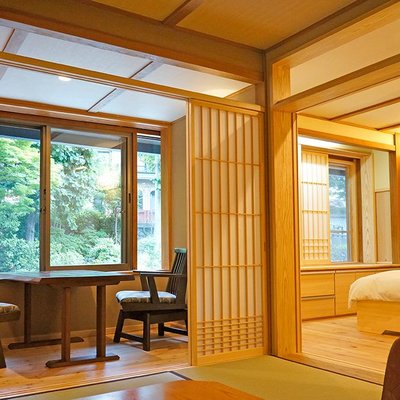
Sumiyosiya Ryokan
Bellustar Tokyo, A Pan Pacific Hotel
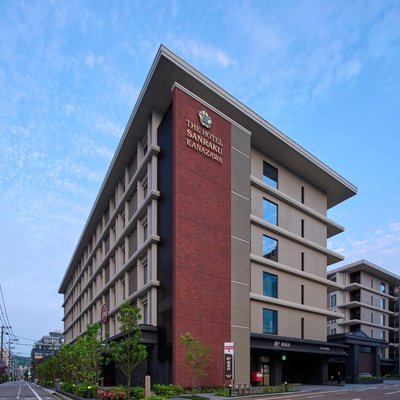
The Hotel Sanraku Kanazawa 21th December 2022 Open
JW Marriott Hotel Tokyo
Andaz Tokyo Toranomon Hills- A Concept by Hyatt
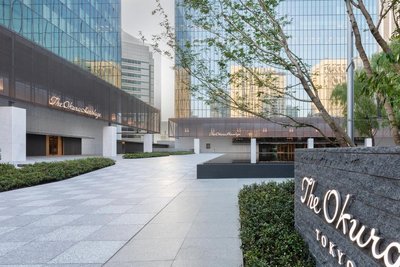
The Okura Tokyo
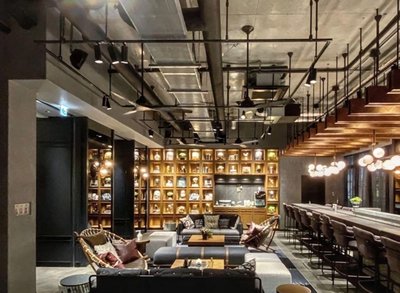
The Lively Azabujuban Tokyo
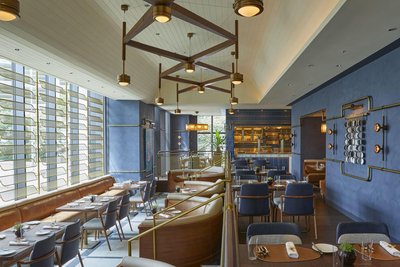
Kimpton Shinjuku Tokyo

HOTEL K5
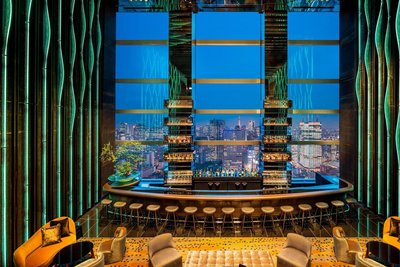
The Prince Gallery Tokyo Kioicho, a Luxury Collection Hotel
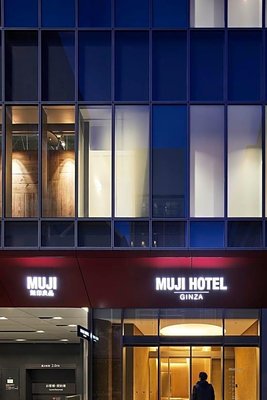
Muji Hotel Ginza
Hakone Gora Byakudan
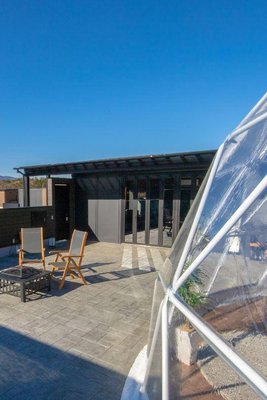
Panoramic Mt. Fuji Views from All Rooms – Vision Glamping Resort & Spa Yamanakako
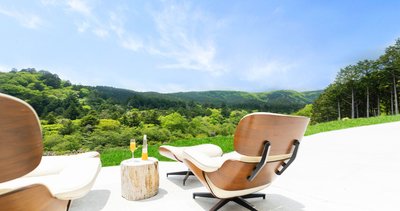
Shelter Garden Nikko
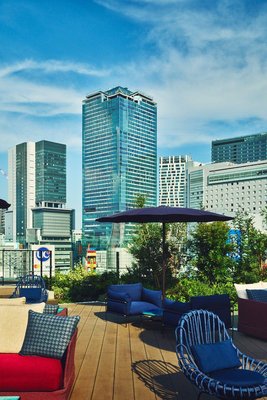
Hotel Indigo Tokyo Shibuya
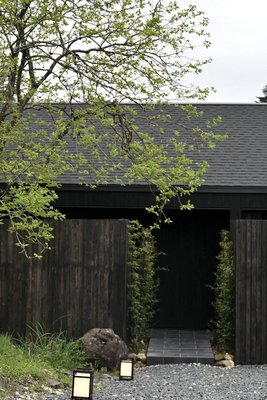
THE LAKOTAN
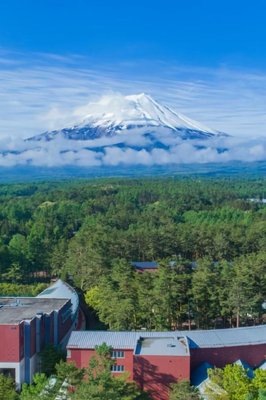
Forest Village (Fuji Premium Resort)

Hotel Toranomon Hills
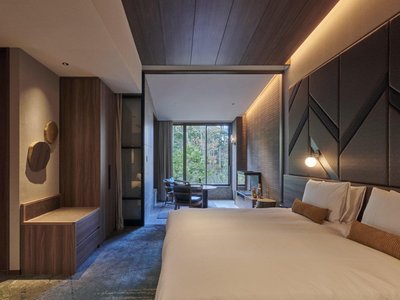
Fufu Kyu-Karuizawa Restful Forest
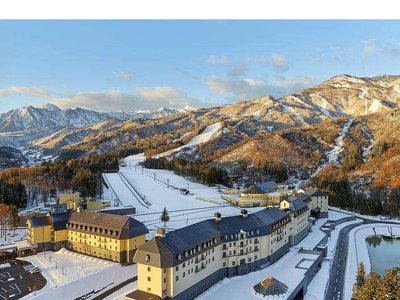
Lotte Arai Resort
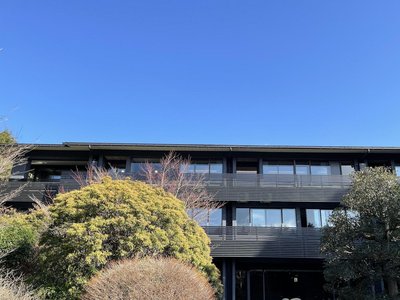
Sengokubara Cocon
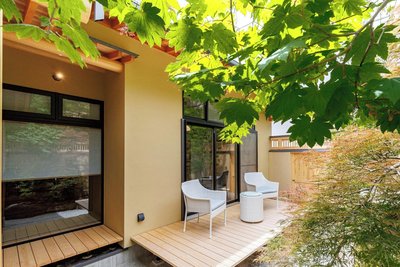
Shoraiso
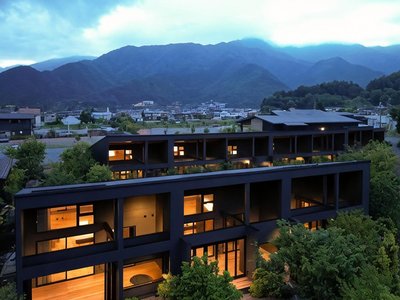
7C Villa and Winery
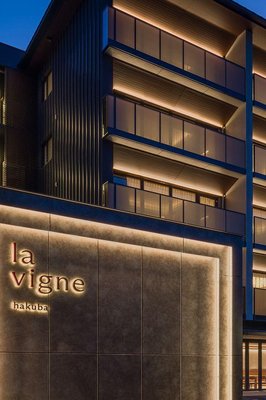
Hotel la Vigne Hakuba by Onko Chishin
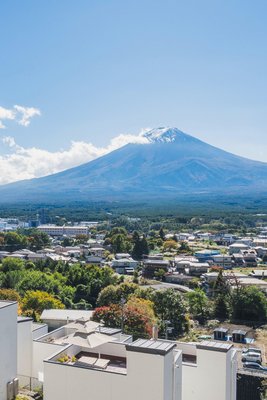
THE TOKI FujiKawaguchiko
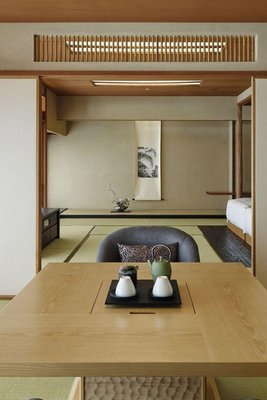
Takanawa Hanakohro (in Grand Prince Hotel Takanawa)
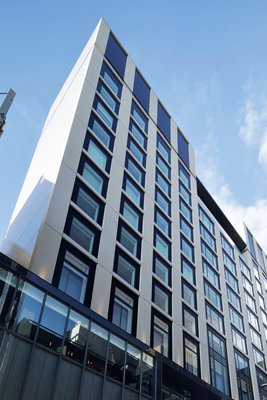
Hyatt Centric Ginza Tokyo
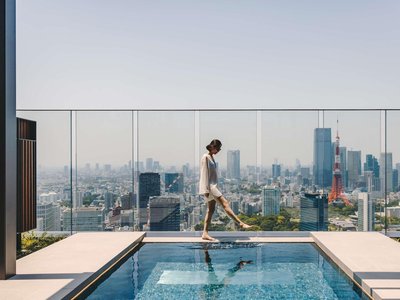
Fairmont Tokyo
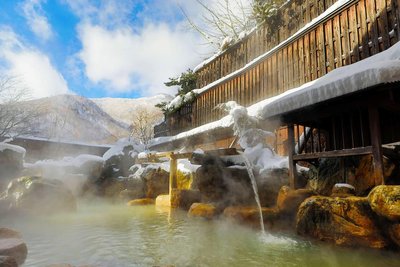
Miyamaouanbekkan yumegurinoyado hirayukan
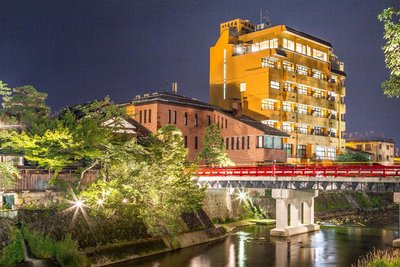
HONJIN HIRANOYA BEKKAN
The Prince Karuizawa
Bvlgari Hotel Tokyo
Four Seasons Hotel Tokyo at Marunouchi
Mandarin Oriental, Tokyo
The Ritz-Carlton, Tokyo
Andaz Tokyo Toranomon Hills- A Concept by Hyatt
Gora Kadan

Hotel New Otani Tokyo the Main
Aman Tokyo
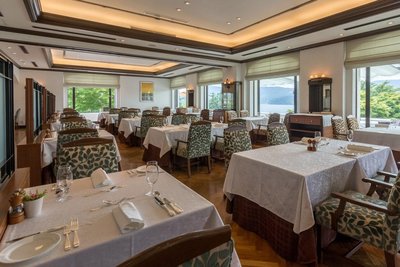
Odakyu Hotel de Yama
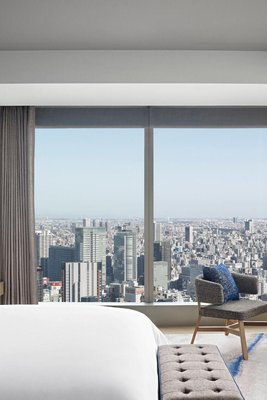
Four Seasons Hotel Tokyo at Otemachi
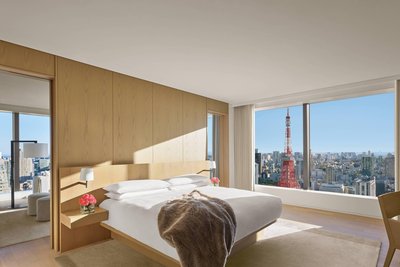
The Tokyo Edition, Toranomon

Hyatt Centric Kanazawa
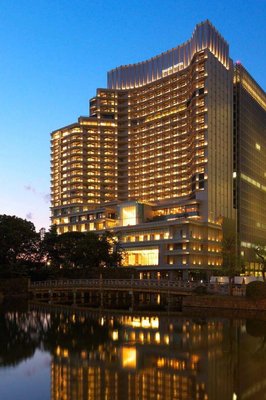
Palace Hotel Tokyo
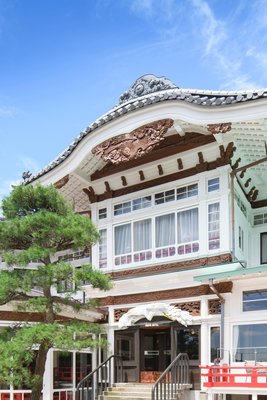
Fujiya Hotel
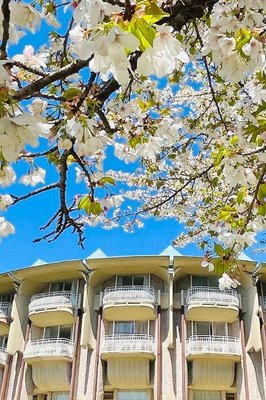
The Prince Hakone Lake Ashinoko
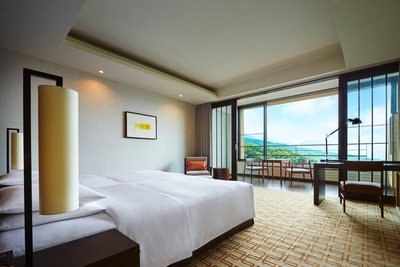
Hyatt Regency Hakone Resort and Spa
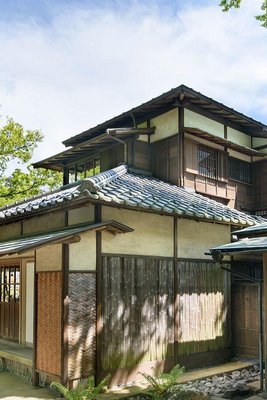
Hakone Suishoen
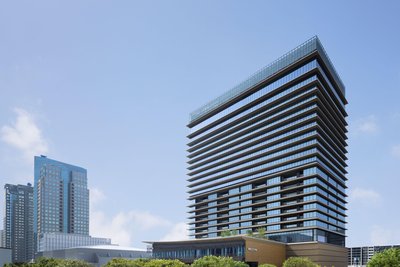
The Westin Yokohama
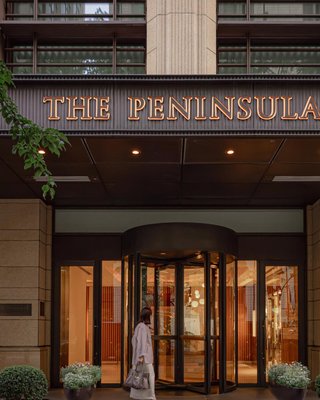
The Peninsula Tokyo

Imperial Hotel, Tokyo

Rakuten STAY VILLA Nasu
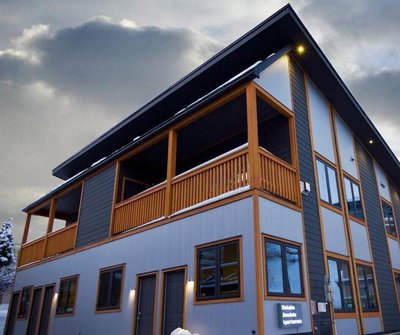
Hakuba Gondola Apartments
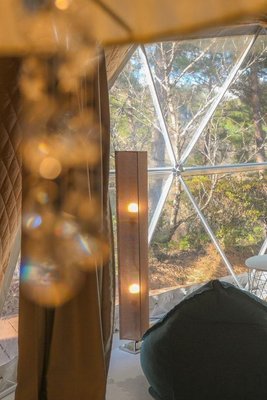
glampark Gekkabijin Nagano
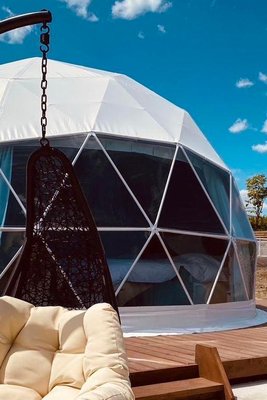
chillout glamping zao
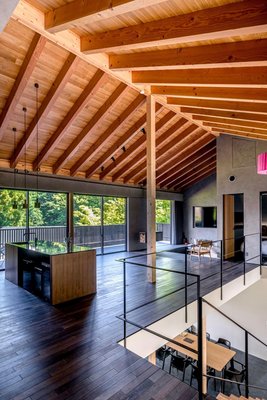
MONS GORA

Phoenix Chalets by Hhg
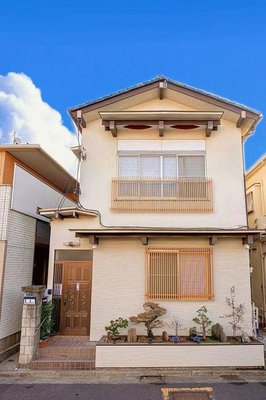
Tokyo Star House-Shinkoiwa
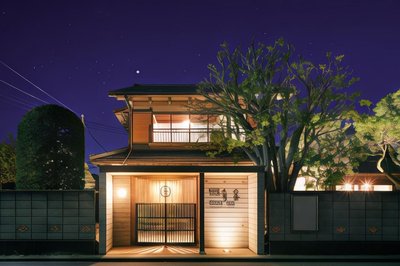
Machi-Jyu
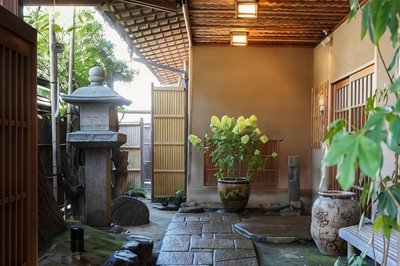
Ryokan Asadaya
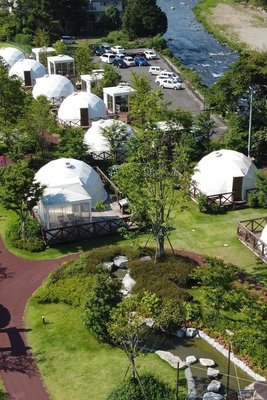
Ufufu Village
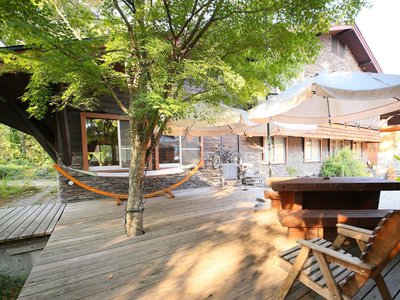
Kunugi Relaxation with 4 Modern Rooms
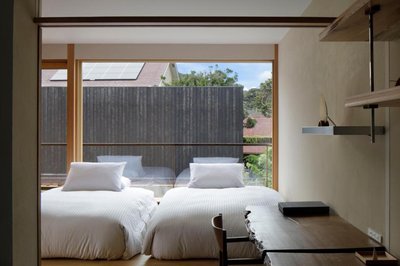
Modern Ryokan Kishi-ke
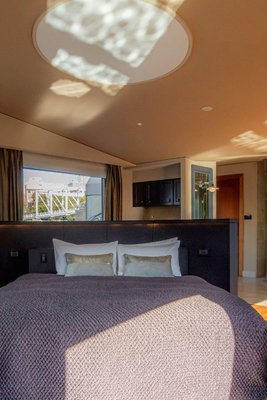
Petals Tokyo - Floating Hotel
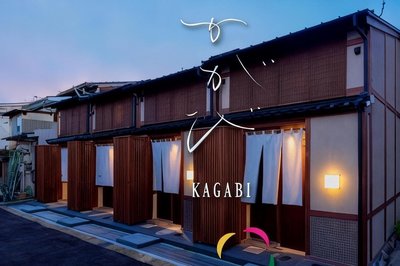
Kagabi Machiya House
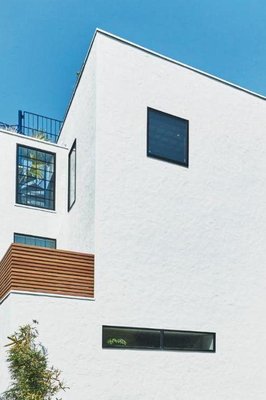
The Flow Kamakura
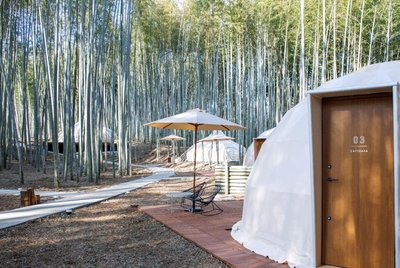
THE BAMBOO FOREST
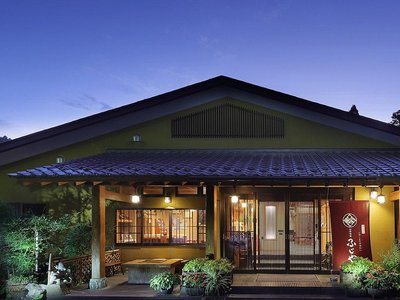
Shikimitei Fujiya
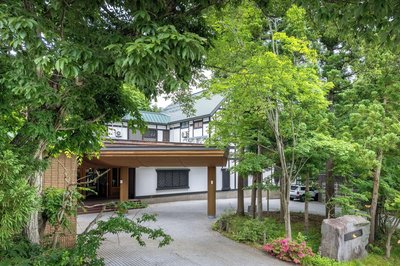
Forest Resort Yamanote Hotel
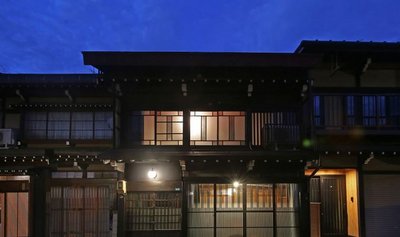
Iori Stay Hida
Bellustar Tokyo, A Pan Pacific Hotel

Hotel Barrière Fouquet's New York
Bvlgari Hotel Tokyo
Loquat Nishiizu
Byaku Narai
Atami Izusan Karaku
The Tokyo Edition, Ginza
Janu Tokyo
JW Marriott Hotel Tokyo
Four Seasons Hotel Tokyo at Marunouchi
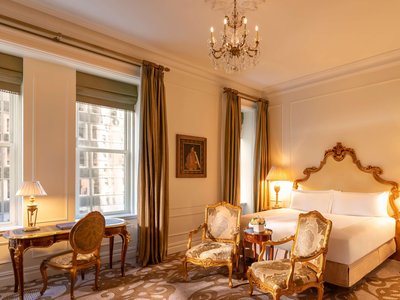
The Plaza - A Fairmont Managed Hotel
Mandarin Oriental, Tokyo
The Ritz-Carlton, Tokyo
Andaz Tokyo Toranomon Hills- A Concept by Hyatt
Hoshinoya Karuizawa
Hotel Gajoen Tokyo
Gora Kadan
Gora Hanaougi
The Hiramatsu Hotels & Resorts Sengokuhara Hakone
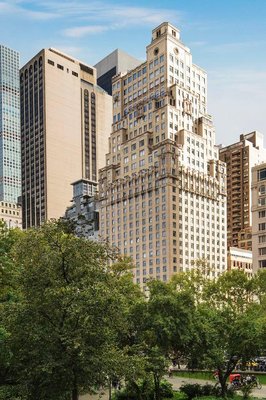
The Ritz-Carlton New York, Central Park
Frequently Asked Questions about Traveling to Aizumisato
Questions You Might Need to Know About Traveling to Aizumisato
In Aizu-Mirai Town, the top boutique stay is Aizu-Mirai Minka Lodge, a beautifully restored traditional Japanese thatched-roof farmhouse blending rustic charm with modern comfort. Each room features handcrafted wooden beams, shoji screens, and tatami flooring, offering serene views of surrounding mountains and seasonal landscapes. The hosts provide authentic Aizu-style meals, including duck hot pot and fermented rice dumplings, often paired with local sake.
Guests can join hands-on workshops like natural dyeing or wood carving, guided by local artisans. At night, enjoy an open-air onsen overlooking the stars, surrounded by quiet countryside. This intimate, eco-conscious retreat offers a deep connection to rural Japan’s heritage—perfect for travelers seeking tranquility and cultural immersion.
The best time to visit Aizu-Mirai Town for cherry blossoms is from late March to early April, when the Yamabuki Cherry Trees along the Aizu River bloom in full pink glory. The riverbanks become a dreamy tunnel of petals, especially stunning at sunrise or during evening illumination events.
During this period, the town hosts the Aizu Flower Festival, featuring traditional dance performances, local food stalls, and illuminated pathways. Spring also brings fresh mountain vegetables and warm herbal teas at roadside cafes. Avoid late April if possible, as crowds peak and blooms fade quickly. Early spring visits ensure peaceful walks, vibrant colors, and optimal photo opportunities amid nature’s gentle awakening.
Aizu-Mirai Town offers several one-of-a-kind cultural experiences. Attend the Aizu Fire Festival (Hinomaru Matsuri), where hundreds of paper lanterns float down the Aizu River at night, symbolizing remembrance and hope. Visitors wear traditional Aizu yukata and stroll through historic alleyways filled with lantern light.
Participate in a hand-dyeing workshop using natural plant pigments, creating your own indigo fabric or scarf. Explore the Aizu History Museum, housing artifacts from the Edo-era Aizu Domain, including samurai armor and farming tools.
Additionally, join a local storytelling night at a preserved farmhouse, where elders share tales of war, folklore, and village life over steaming green tea. These immersive activities offer profound insight into the town’s resilient spirit and enduring traditions.
Yes, Aizu-Mirai Town has excellent family-friendly options. Visit the Aizu Nature Education Center, featuring interactive exhibits and a child-safe forest trail where kids can spot squirrels, birds, and wildflowers. Guided scavenger hunts make learning fun.
Nearby, Aizu Mirai Farm Experience Park lets families feed goats, collect eggs, and try milking cows. Kids enjoy the mini train ride and grassy hill for flying kites. The farm’s restaurant serves fresh, locally sourced meals like apple pancakes and homemade cheese.
For a relaxed outing, head to Okubo Mountain Park, with wide open lawns perfect for picnics, playgrounds, and panoramic views of the valley. It’s ideal for a peaceful afternoon with nature, making it a favorite among families seeking low-key, meaningful adventures.
Must-try dishes in Aizu-Mirai Town include:
-
Aizu Duck Hot Pot (Duck Nabe): Slow-cooked with local free-range duck, kombu, and dried bonito, delivering rich, umami-packed broth.
-
Fermented Rice Dumplings (Aizu Inzukimochi): Tangy, chewy balls made from naturally fermented rice, often filled with salted egg yolk or black sugar.
-
Aizu Apple Pie: Made with crisp, sweet Aizu Fuji Apples, baked in flaky homemade pastry—best enjoyed warm with a cup of matcha tea.
These specialties are available at the Aizu-Mirai Market, local restaurants, and guesthouse dinners. Some eateries offer food tour packages with stories behind ingredients and preparation methods, turning meals into cultural journeys.
Aizu-Mirai Town is accessible primarily by bus or car. The nearest train station is Aizu-Kogen Station, served by limited JR services from Fukushima and Koriyama. Buses run hourly from Fukushima City (approx. 1 hour 40 minutes), with transfers at Aizuwakamatsu Station.
Driving is recommended for flexibility—take the Tohoku Expressway to the Aizu-Mirai Exit, then follow scenic rural roads. Parking is available at main attractions but limited in narrow streets; use designated lots only.
For elderly or disabled visitors, the town offers free reservation-based shuttle service upon request, operating daily. Advance HopeGoo (at least 2 days ahead) is required. Public restrooms and wheelchair-accessible paths are available at major sites, ensuring inclusive access for all travelers.
The top onsen ryokan in Aizu-Mirai Town is Aizu Yamazato Onsen Inn, a centuries-old establishment renowned for its natural sulfur-rich hot springs. The mineral-rich waters soothe skin and joints, ideal for relaxation after exploring the region.
Each room features traditional tatami mats and private outdoor onsen, opening directly onto mountain views. Guests enjoy a multi-course kaiseki dinner featuring Aizu duck, wild mushrooms, and fermented rice dishes, followed by morning tea and wagashi.
The inn also offers private meditation sessions and guided forest walks. For a more secluded stay, book the Mountain Villa Suite, complete with a private garden and indoor/outdoor bath. A true sanctuary of serenity and tradition.
Nighttime in Aizu-Mirai Town is magical. Experience the Fire Festival Night Walk, where paper lanterns float down the Aizu River, casting soft golden reflections—perfect for photography.
Join the Stargazing Sessions at Okubo Mountain Overlook, equipped with telescopes and expert guides who identify constellations and meteor showers, especially vivid in autumn.
Some ryokans host Night Listening Experiences, where guests lie on futons beneath open skies, listening to crickets, wind, and distant streams—a meditative way to connect with nature.
Additionally, participate in a Traditional Storytelling Evening at a historic farmhouse, where elders recount legends of the Aizu Domain over warm tea and sweets. These quiet, soulful moments define the town’s nocturnal charm.
Aizu-Mirai Town is a photographer’s paradise. Key spots include:
-
Cherry Blossom Tunnel along Aizu River (March–April): Capture soft-focus shots of pink petals arching above the water, especially at golden hour.
-
Traditional Thatched-Roof Villages: Timeless scenes of Aizu minka houses with aged thatch roofs and moss-covered walls—ideal for portrait and architectural photography.
-
Okubo Mountain Viewpoint (Sunset): Frame the entire valley bathed in amber light, with smoke curling from chimneys below.
-
Floating Lanterns at Night: Use long exposure to capture the glowing ripples of the Fire Festival on the river surface.
Many locals offer photo-guided tours through the town’s hidden corners. Bring a tripod, polarizing filter, and lens kit for maximum creativity—this is a place where every frame tells a story.
Must-buy souvenirs in Aizu-Mirai Town include:
-
Hand-dyed Indigo Fabrics from Aizu Shibori Workshop—scarves, tote bags, and wall hangings made with natural plant dyes.
-
Fresh Aizu Apples & Dried Mountain Vegetables from the Aizu-Mirai Market, packed in eco-friendly packaging.
-
Wood Carvings by local artisans—small animals, pens, and decorative boxes crafted with precision and care.
-
Aizu Onsen Salt Soap, made with mineral-rich spring water and citrus oil—great for skincare.
All items carry the Locally Made certification. Most shops accept cash and mobile payments. Purchasing supports small producers and helps preserve traditional craftsmanship—making each gift a meaningful keepsake.
Aizumisato Overview
City Summary
Aizumisato Town, located in western Fukushima Prefecture, Japan, is a small town rich in traditional culture and natural beauty. Known for its historic Aizu lacquerware and sake brewing, it offers a blend of cultural heritage and serene rural landscapes. Key attractions include traditional craft experiences, onsen retreats, and stunning seasonal scenery, making it an ideal escape from urban hustle.
Must-See Attractions
Must-see spots include the Aizumisato Town History and Folk Museum, showcasing local history and lacquerware; traditional sake breweries where visitors can tour production facilities and sample local sake; and Takase River Gorge, picturesque in spring, summer, and autumn. For cultural immersion, try a lacquerware workshop to create unique souvenirs.
Food Guide
Aizumisato is famed for its local sake and regional cuisine. Must-try dishes include Aizu chicken dishes, soy sauce dumplings, and pickles paired with local sake. Street stalls offer grilled rice sticks and Aizu soba noodles, both bursting with unique flavors.
Transportation Guide
Public transport relies on buses and taxis, with no subway system. Buses from Fukushima or Aizuwakamatsu cities take 1-2 hours—check schedules in advance. Renting a car is more flexible, but note that attractions are spread out (GPS recommended). Winter driving requires snow tires, and some mountain roads may close.
Best Time to Visit
The best times to visit are spring (April-May) and autumn (September-November), with mild weather and fewer crowds. Summer offers cool retreats, while winter features snowscapes and onsens, though some transport may be disrupted.
Travel Tips
- Book sake brewery tours in advance; some are Japanese-only.
- Reserve lacquerware workshops at least 1 week ahead.
- Winter drivers must equip snow tires; some routes close.
- Respect local customs (e.g., remove shoes in temples).
- Cash is primary; rural shops may not accept cards.
- Follow onsen etiquette; tattoos may restrict entry to some baths.
Useful Information
Japanese is the main language; English is limited—download a translation app. Mobile coverage is good but spotty in remote areas. Cash dominates payments, though some hotels/restaurants take cards. For emergencies, dial 119; clinics are available, but serious cases require Aizuwakamatsu hospitals. Post offices and ATMs cluster in the town center, with limited weekend services.









