Hotels in Aki District
Discover your perfect stay in Aki District.
Aki District(Japan) Travel 2026: Cheap Flights, Hotels & Top Attractions
Popular Landmarks in Aki District
Discover the most iconic attractions in Aki District
Recommended Hotels in Aki District
Find the perfect place to stay in Aki District
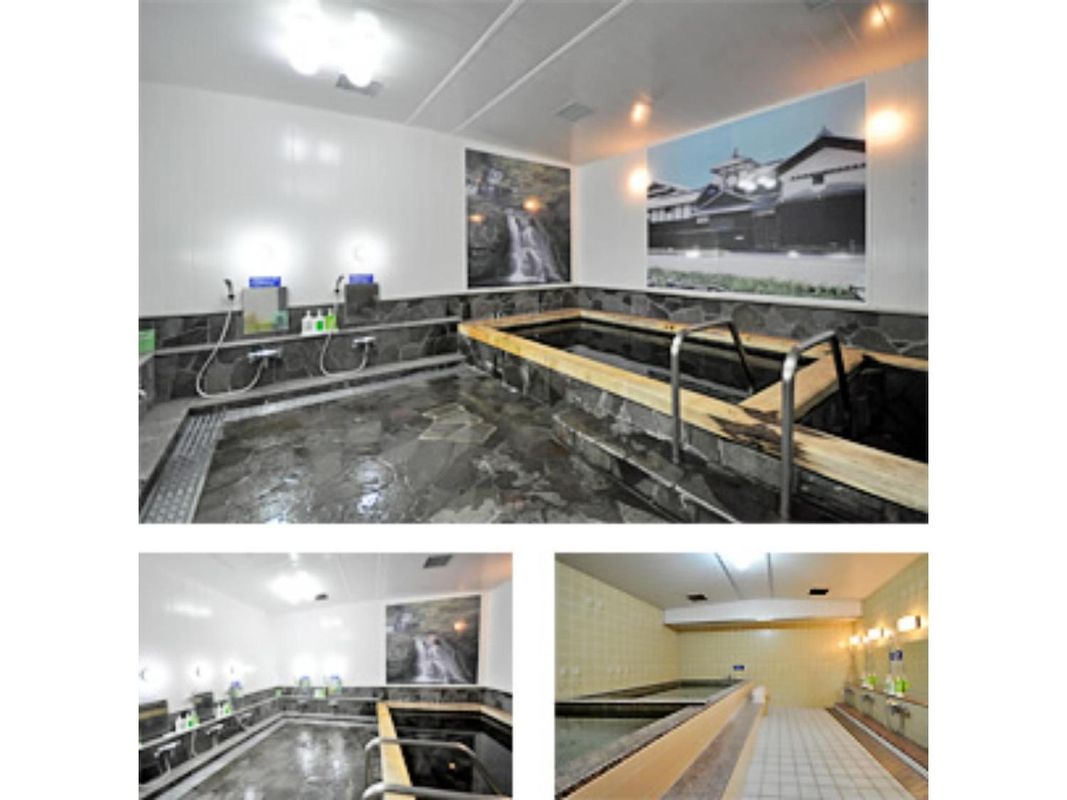
Hotel Tamai

Seigetsu Ryokan
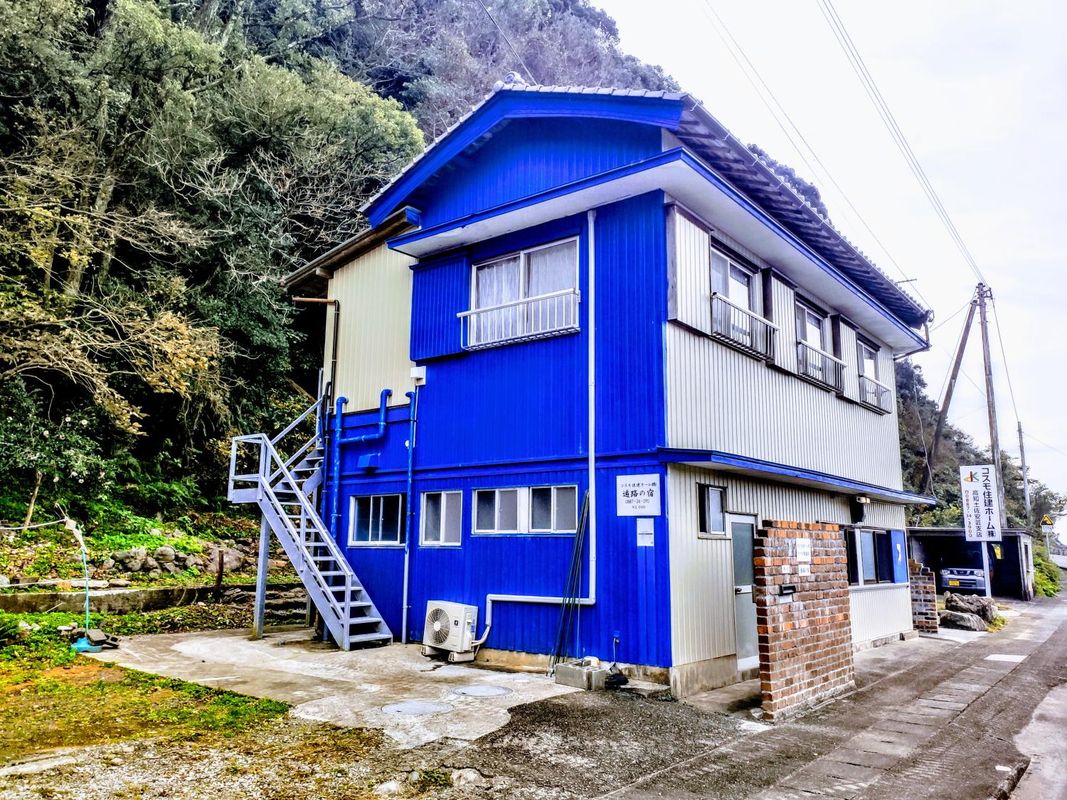
Guesthouse Cosmo
Best Hotels in Aki District
Discover curated hotel collections in Aki District

Shima Kanko Hotel the Bay Suites
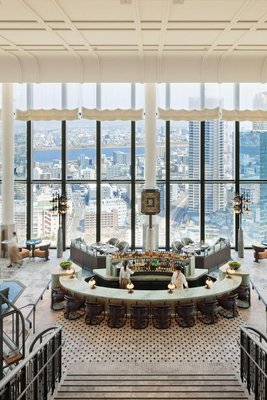
Waldorf Astoria Osaka

Kamo Residences by Reflections

Six Senses Kyoto
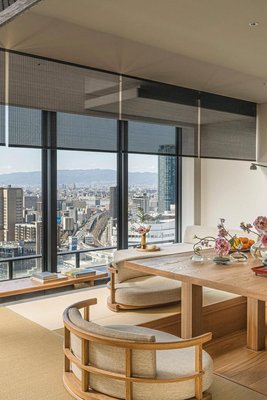
Four Seasons Hotel Osaka

Patina Osaka

The Ritz-Carlton, Osaka
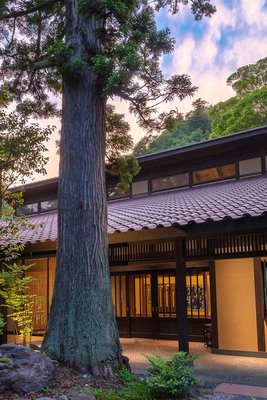
Arimasansoh Goshobessho

The Hiramatsu Hotels & Resorts Kashikojima

The Ritz-Carlton, Kyoto
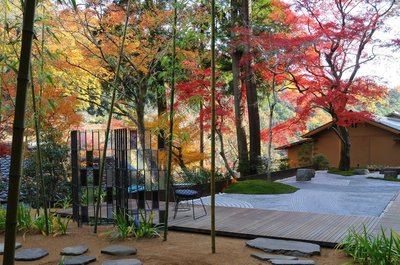
HOSHINOYA Kyoto

Amanemu
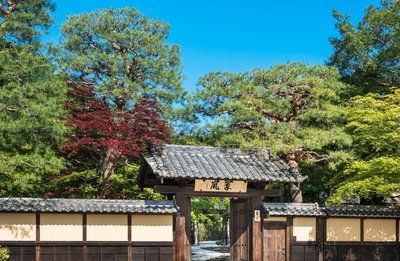
Suiran, a Luxury Collection Hotel, Kyoto

Grand Chariot Hokutoshichisei 135°

Park Hyatt Kyoto

SETOUCHI RETREAT by Onko Chishin

Four Seasons Hotel Kyoto

The Hotel Seiryu Kyoto Kiyomizu - a Member of the Leading Hotels of the World-

Aman Kyoto

Hotel the Mitsui Kyoto, a Luxury Collection Hotel & Spa

Kyo No Oozora Kihana

Grand Verde Resort

Hanagoromo Machiya House

Maana Kiyomizu

Apartment Hotel 11 Shinsaibashi

KONJAKUSO Osaka Tengachaya "NIHONCHA" Tea & Relax
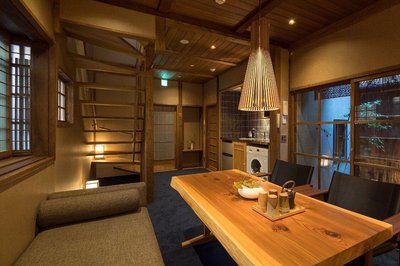
Bonbori an Machiya House

Glamping&Resort Wood Design Park Noma

Apartment Hotel 11 Shinsaibashi III
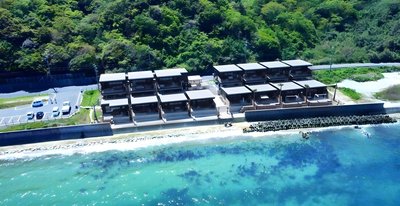
Solavilla Umi Terrace Minamiawaji
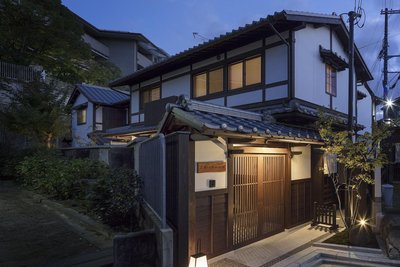
The Machiya Villa Sanjo Shirakawa Koji

Konjaku-So Dotonbori
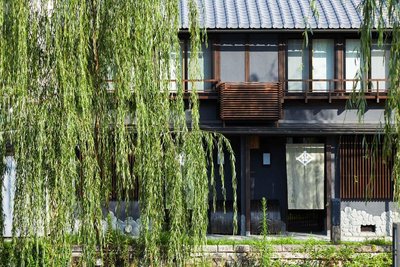
Gion Shirakawa No Yado

Kitashirakawa Natural Radium Onsen
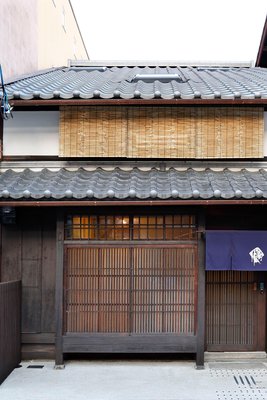
Kyo No Ondokoro Kamanza Nijo #2
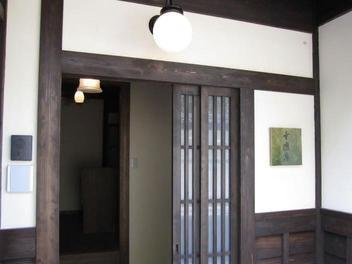
Gion Koyu an Machiya House
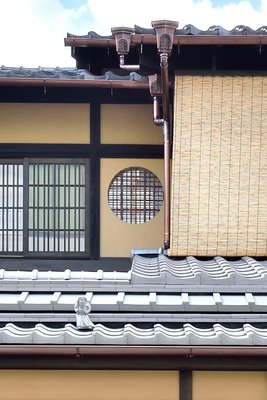
Kyo No Ondokoro Gokomachi Ebisugawa #3

Sana Mane - Glamp Domes
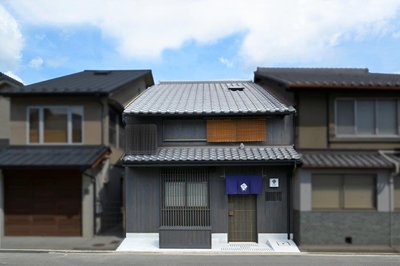
Kyo No Ondokoro Goshonishi #6
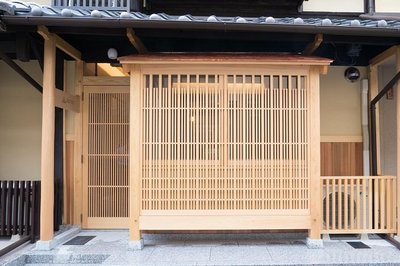
Kyomachiya Suite Rikyu

Hotel Barrière Fouquet's New York

The Plaza - A Fairmont Managed Hotel

The Ritz-Carlton New York, Central Park

Four Seasons Hotel New York

The St. Regis New York

Park Hyatt New York

Mandarin Oriental New York

Times Square Edition New York

Loews Regency New York Hotel

Lowell Hotel

New York Edition

Baccarat Hotel New York

Equinox Hotel New York

Four Seasons Hotel New York Downtown

The Langham, New York, Fifth Avenue

The Carlyle, A Rosewood Hotel

The Chatwal, in the Unbound Collection by Hyatt

The Mark New York

Trump International Hotel & Tower® New York

Casa Cipriani New York
Frequently Asked Questions about Traveling to Aki District
Questions You Might Need to Know About Traveling to Aki District
In Aki District, the top choice for families is Yamano Mori Ryokan, a traditional-style guesthouse nestled in the forest near the Oigawa River. This cozy inn offers spacious tatami rooms, a garden with a children’s play area, and daily farm-to-table breakfasts using local ingredients. Families can enjoy hands-on experiences like rice planting or bamboo crafting workshops. Located just 40 minutes from Kōchi City, it’s ideal for escaping urban life while immersing in rural Japanese culture and nature. Facilities include wheelchair access and child-safe outdoor spaces.
The best area for lodging in Aki District is Aki Town Center, located along the Aki River and near Aki Market. This vibrant hub offers easy access to local history sites such as the Old Town Hall and Aki Shrine, plus convenient transport links. The town features charming small inns with wooden architecture and traditional décor, many of which use locally sourced materials. Staying here allows guests to explore nearby natural attractions like the Oigawa River and Narazé Waterfall on foot, making it perfect for cultural and eco-tourism seekers.
In Aki District, visitors can participate in the annual Aki Shrine Spring Festival, featuring traditional dances and rituals. Another highlight is the bamboo rafting tour on the Oigawa River, where you glide through lush greenery and serene waters. You can also visit local craft studios to learn how to make pottery using clay from the Shikoku region. During autumn, don’t miss the Aki Food Festival, celebrating regional specialties like citrus fruits, pickled vegetables, and handmade fermented dishes—offering an authentic taste of local heritage.
Must-try dishes in Aki District include steamed carp and river fish sushi, made from fresh catch of the Shikoku's pure rivers. Another local favorite is Aki Rice Balls, crafted from high-quality Kōchi-grown rice and served with pickled vegetables and nori. Don’t miss the mountain tea served at roadside teahouses, brewed from wild mountain leaves for a refreshing, earthy flavor. These delicacies are widely available at Aki Market and many guesthouses offering home-cooked meals, giving travelers a true taste of the region’s culinary soul.
Hiking enthusiasts will love the trail from Aki River Bridge to Narazé Waterfall, a scenic 3-kilometer route along the Shikoku River tributaries, passing through dense forests and crystal-clear streams. Another popular path winds through the ancient bamboo groves upstream of the Oigawa River, creating a peaceful, shaded canopy perfect for morning walks. For a greater challenge, hike up Ōmine Mountain to enjoy panoramic views of the Aki Basin and distant Seto Inland Sea. All trails are well-marked with rest stops and safety signage, ideal for both beginners and experienced trekkers.
Yes, several accommodations in Aki District provide complimentary guided tours. Yamano Mori Ryokan, for example, offers personalized walks led by local residents, visiting historical sites like the Old Town Hall, Aki Shrine, and Bamboo Art Museum, sharing stories of community life. Some inns also arrange “Local Farmer for a Day” programs, allowing guests to join harvests, pickle vegetables, and learn about sustainable farming practices. These immersive experiences deepen cultural understanding and enhance the authenticity of your stay.
Transportation in Aki District is surprisingly convenient despite its rural setting. Buses from Kōchi Station run regularly to Aki Town Center, taking about 40 minutes, and accept Suica cards. The Aki Tourist Information Center offers free bicycle rentals, enabling easy exploration of nearby attractions like the Oigawa River, Narazé Waterfall, and Aki Shrine. Many guesthouses also provide shuttle services upon request—ideal for those without a car. With clear signage and friendly locals, getting around is straightforward and stress-free.
Aki District hosts vibrant seasonal events throughout the year: spring brings the Aki Cherry Blossom Festival, held along the Aki River with lantern displays and folk performances; summer features the Oigawa Night Rafting Festival, where illuminated bamboo rafts drift under starlight; autumn celebrates the Shikoku Harvest Festival, showcasing local produce and traditional music; winter lights up the hills with the Yamano Mori Lantern Festival, where handmade paper lanterns illuminate forest paths. These events beautifully blend nature, tradition, and community spirit.
Absolutely. Many inns and guesthouses in Aki District cater to long-term visitors. Yamano Mori Ryokan offers extended-stay packages with daily cleaning, laundry service, and flexible check-in/check-out times. Rooms range from private suites to shared cottages, ideal for families or remote workers. The peaceful environment supports focus and relaxation, while locals often share tips on nearby shops, clinics, and cultural workshops. Guests can even join community activities, making long stays feel like living in a real village.
The natural beauty of Aki District lies in its pristine Shikoku River tributaries and untouched old-growth forests. The waterways remain crystal clear, home to rare freshwater fish and abundant mosses. During rainy seasons, the Oigawa River forms dramatic cascades known as the Narazé Falls, surrounded by mist and verdant foliage. Spring sees golden rapeseed fields bloom across the valley, while autumn transforms the hills into a tapestry of red and orange maple leaves. This harmonious blend of clean air, biodiversity, and quiet landscapes defines the district’s unique charm—the essence of rural Shikoku.
Aki District Overview
City Summary
Aki District, located in the eastern part of Kochi Prefecture, Japan, is a rural area renowned for its natural beauty and historical culture. It is characterized by clear rivers, dense forests, and traditional Japanese countryside life. The main attractions of Aki District lie in its undeveloped natural landscapes, such as the Aki River and surrounding mountains, as well as well-preserved Edo-period architecture. It is also an ideal place to experience traditional Japanese agricultural culture.
Must-See Attractions
Key attractions in Aki District include the Aki River, where visitors can enjoy fishing and boating; the Aki Castle Ruins, a historic site showcasing the region's Sengoku period history; and the Aki Town Historical and Folk Museum, which houses extensive exhibits on local culture and history. Additionally, the rural scenery and traditional farm experiences are must-try activities.
Food Guide
The cuisine in Aki District features fresh agricultural products and seafood. Recommended dishes include Tosa Akaushi, a high-quality beef specific to Kochi Prefecture; bonito sashimi, made from fresh bonito and served with soy sauce and ginger; and Aki River sweetfish, which has a unique flavor when grilled. Street snacks like Aki's rice dumplings are also worth trying.
Transportation Guide
Transportation in Aki District primarily relies on buses and taxis. From Kochi City, visitors can take a bus to Aki District, with a travel time of about 1.5 hours. There is no subway system, but the bus network covers major attractions. It is advisable to check bus schedules in advance, as services are infrequent. Renting a car is another good option for exploring the surrounding natural landscapes more flexibly.
Best Time to Visit
The best times to visit are spring (March to May) and autumn (September to November), when the weather is mild and ideal for outdoor activities. Summers are hot and humid, while winters are colder. The cherry blossoms in spring and autumn foliage are particularly beautiful, and the area is less crowded, making it perfect for travelers seeking tranquility.
Travel Tips
- Respect local customs: Aki District is a traditional rural area, so be mindful of etiquette, especially when visiting shrines and temples.
- Carry cash: Many small shops and restaurants do not accept credit cards, so it's advisable to have enough yen on hand.
- Wear comfortable shoes: Most attractions in Aki District involve natural landscapes and are best explored on foot.
- Book accommodation in advance: Rural areas have limited lodging options, so plan ahead.
- Prepare for mosquitoes: Summer brings many insects, so bring repellent.
- Learn basic Japanese: English is not widely spoken, so knowing some simple Japanese phrases will be helpful.
Useful Information
Language-wise, the primary language spoken in Aki District is Japanese, and English is not commonly understood. Learning some basic Japanese phrases is recommended. Internet coverage is generally good, but signal strength may be weak in remote areas. Payment methods are mostly cash-based, though credit cards are accepted at larger stores and hotels. Small businesses may only take cash. For medical emergencies, Aki District has small clinics, but serious cases require travel to hospitals in Kochi City. Travel insurance is recommended to cover unexpected situations.