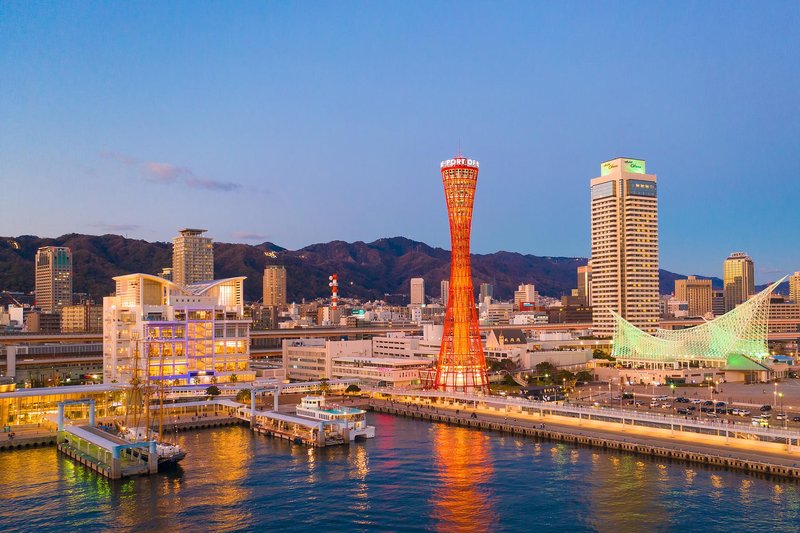
Hotels in Akita City
Discover your perfect stay in Akita City.
Akita City(Japan) Travel 2026: Cheap Flights, Hotels & Top Attractions
Popular Landmarks in Akita City
Discover the most iconic attractions in Akita City
Recommended Hotels in Akita City
Find the perfect place to stay in Akita City
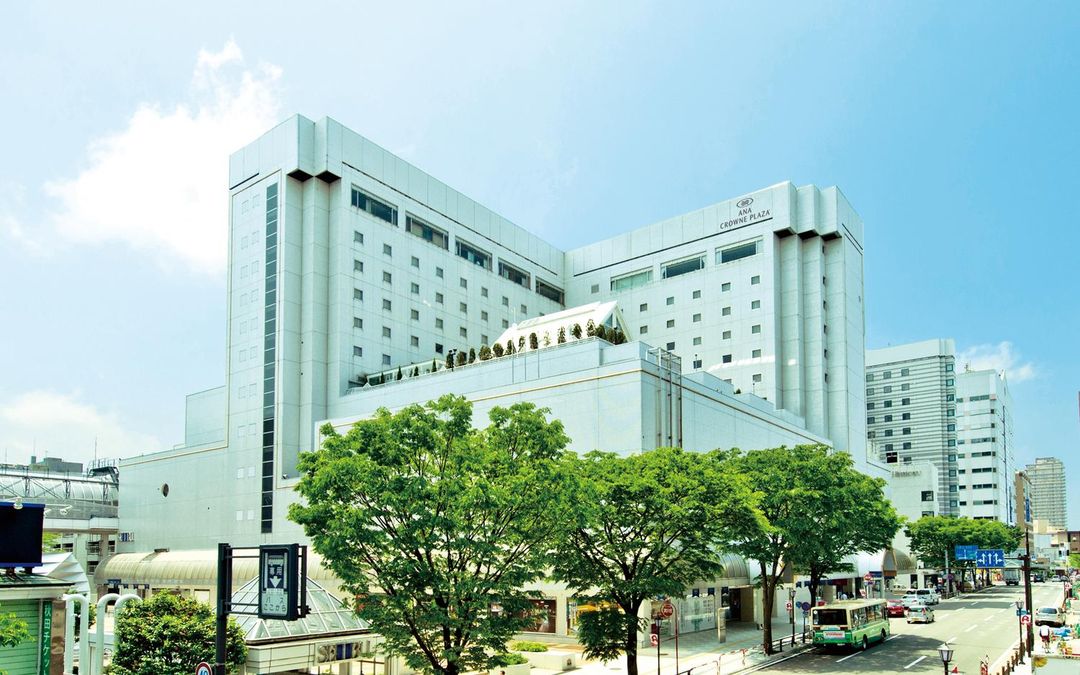
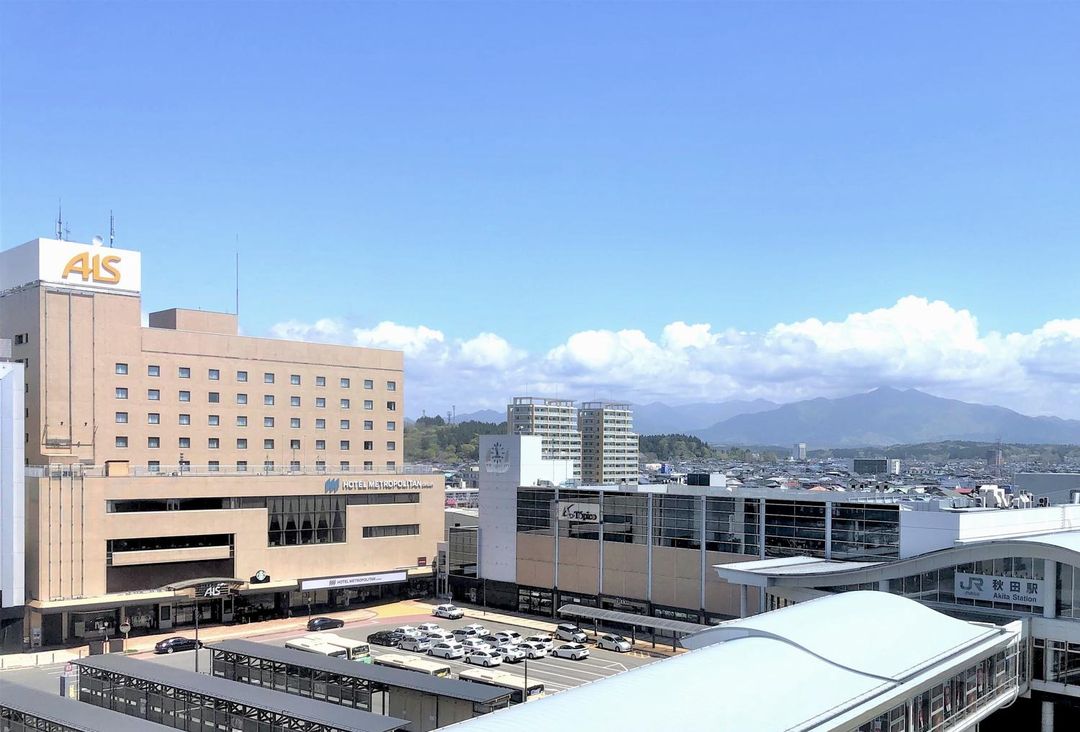
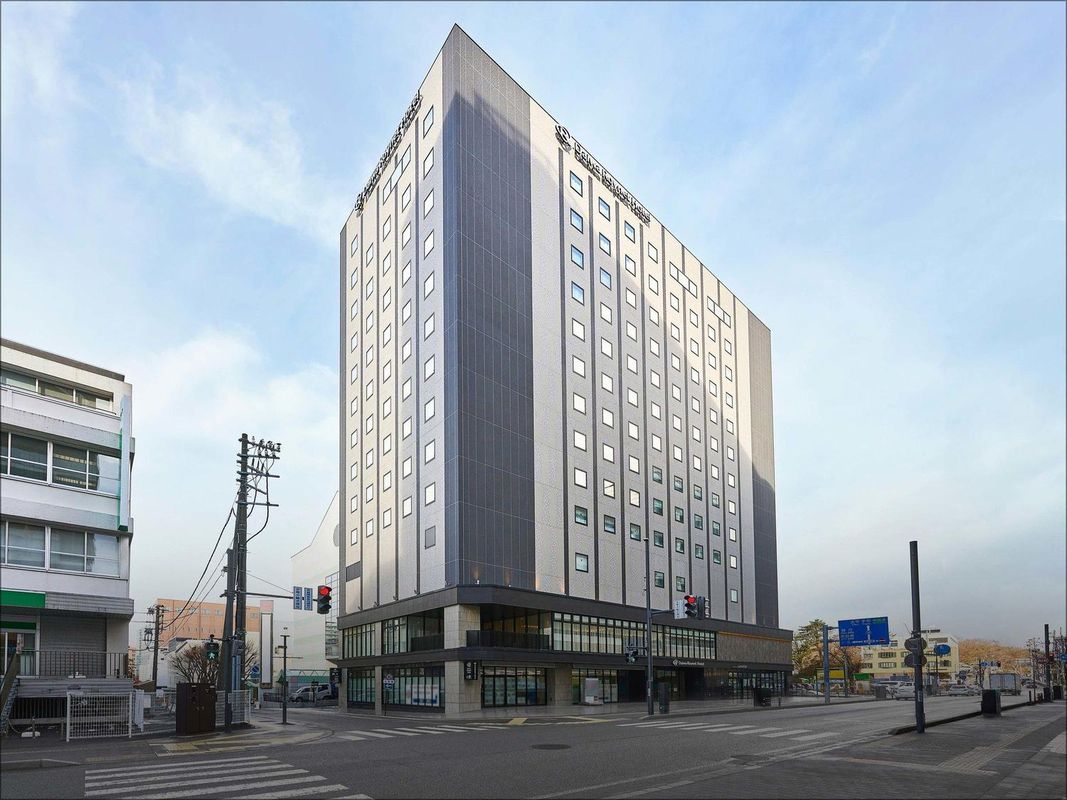
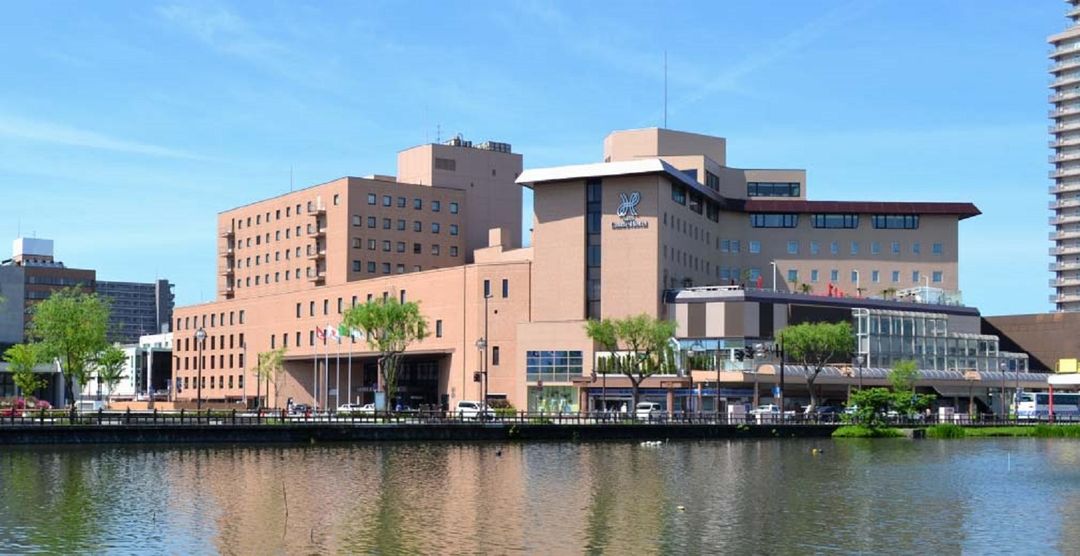
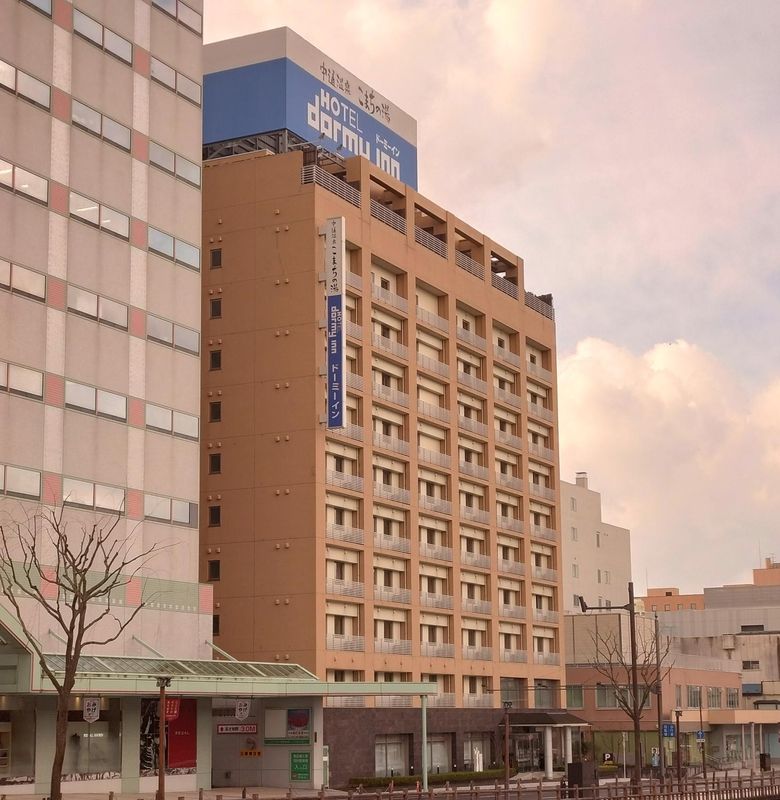
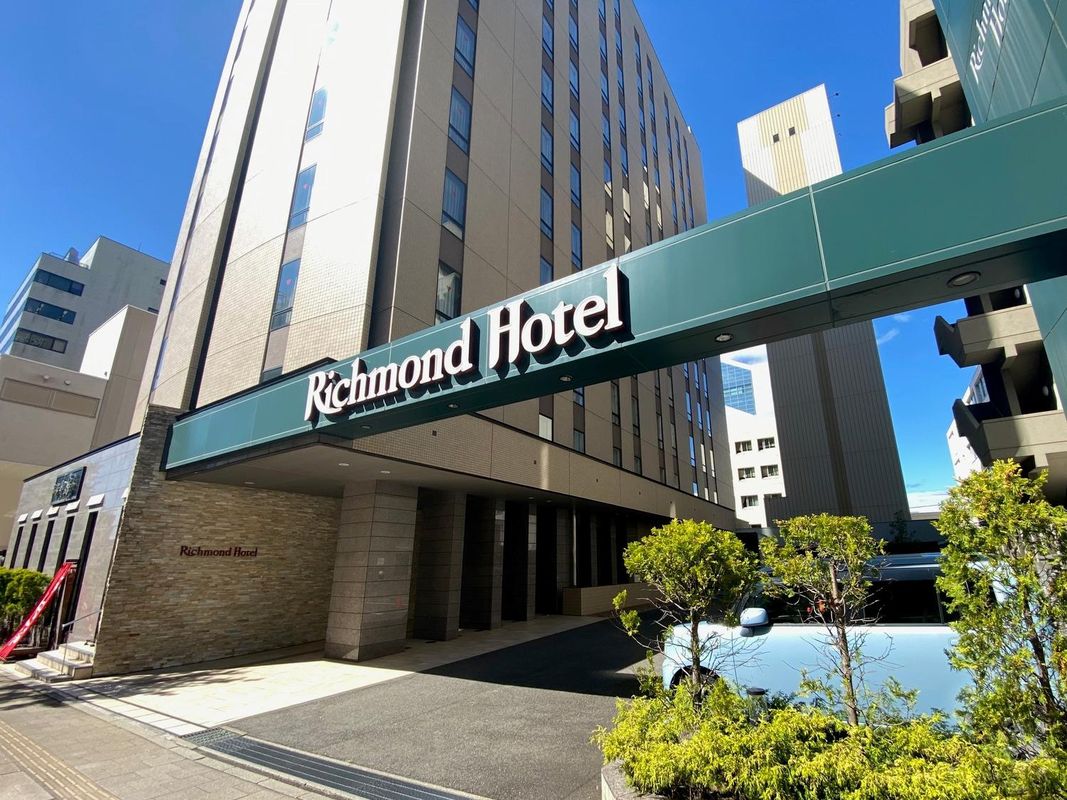
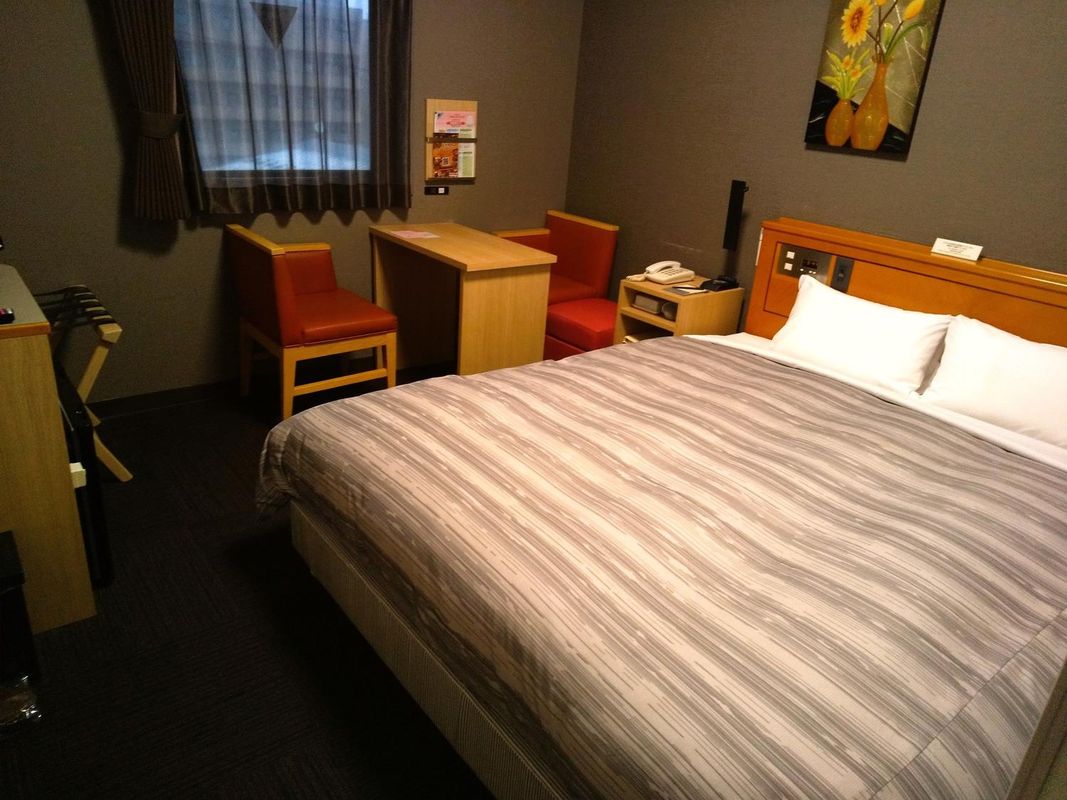
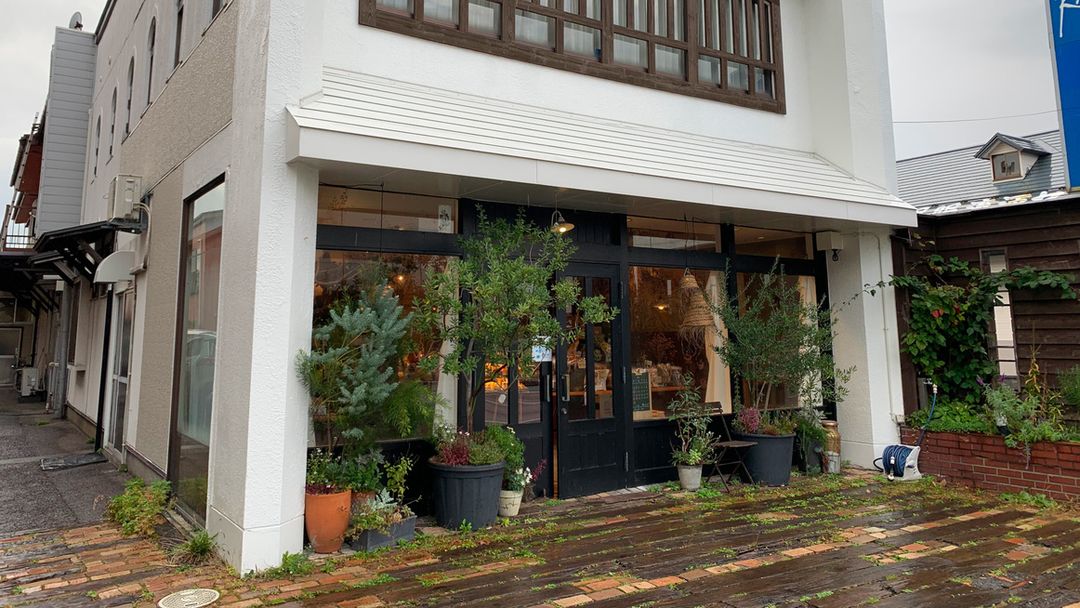
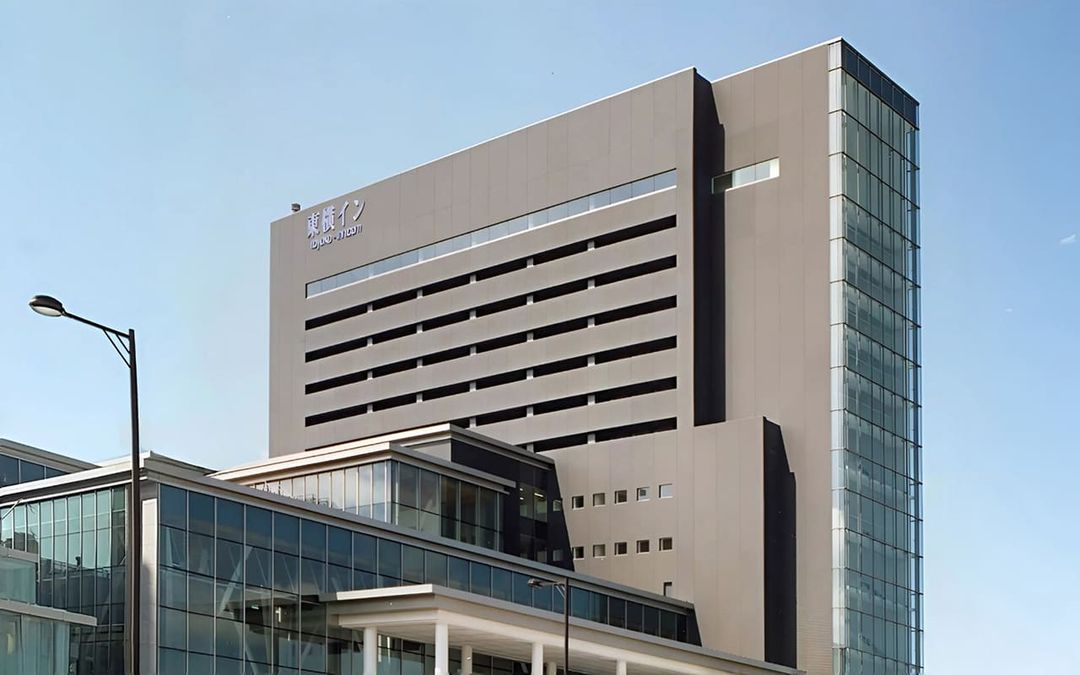
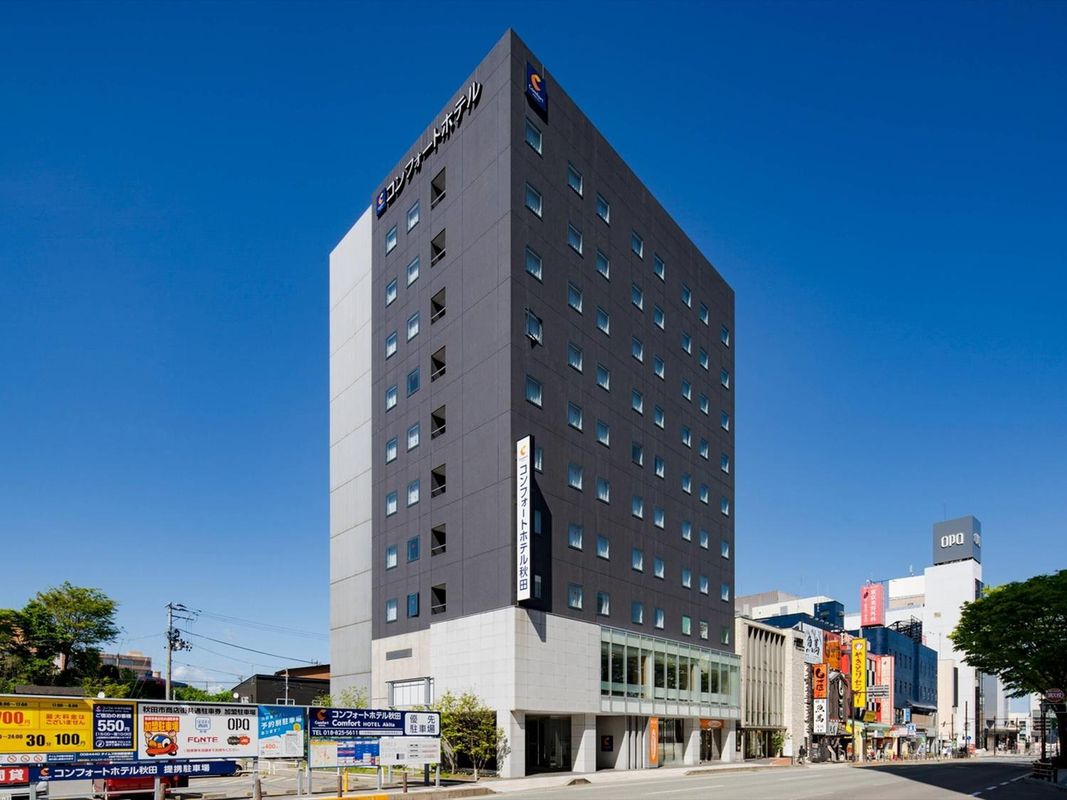
Best Hotels in Akita City
Discover curated hotel collections in Akita City

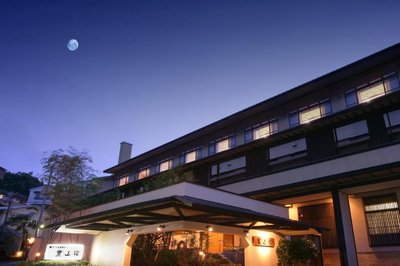
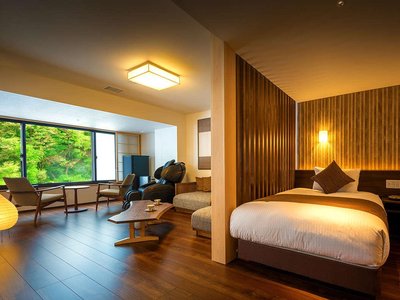
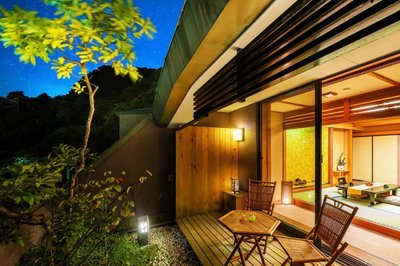
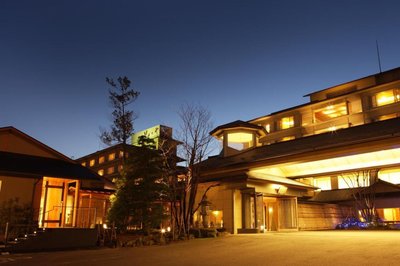
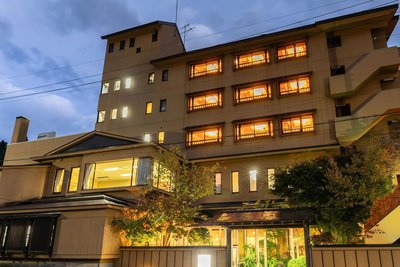
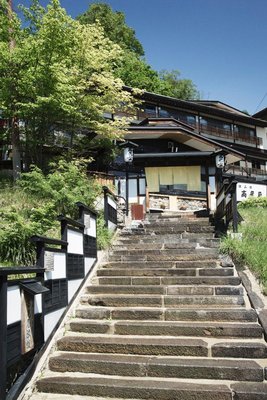
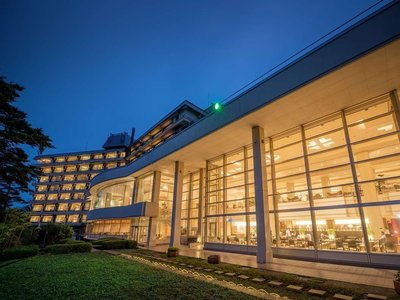
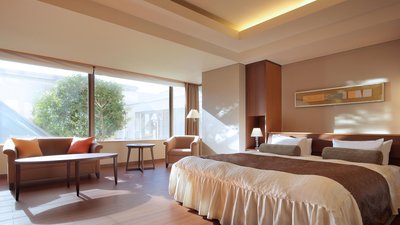





Frequently Asked Questions about Traveling to Akita City
Questions You Might Need to Know About Traveling to Akita City
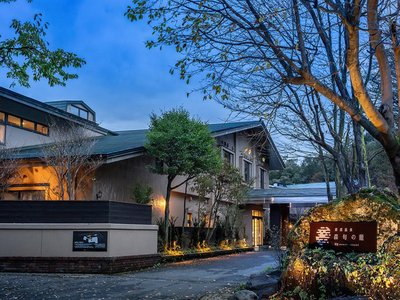
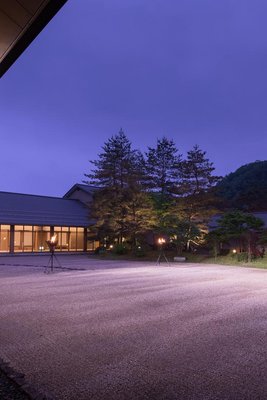
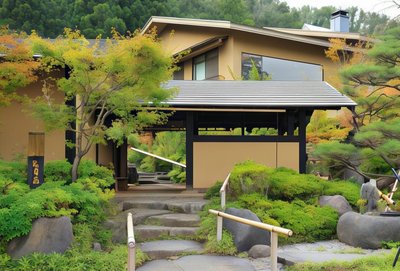
For an authentic cultural stay, choose "Kura no Yado", a traditional ryokan near Akita Museum of History, where guests can participate in kamaboko (fish cake) making workshops and enjoy Akita Kōdō tea ceremonies. The inn features preserved Edo-era wooden beams and tatami rooms with views of a serene garden. Guests receive complimentary access to Akita Kenmin Park and can attend seasonal festivals like the Akita Kanto Festival. Each room includes a handcrafted lacquerware set, reflecting local craftsmanship. This immersive stay offers deep insight into northern Japanese heritage.
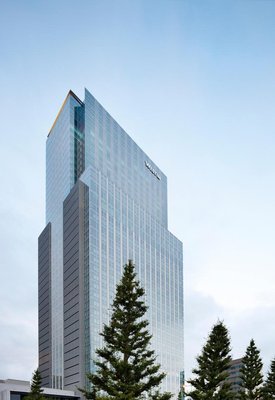
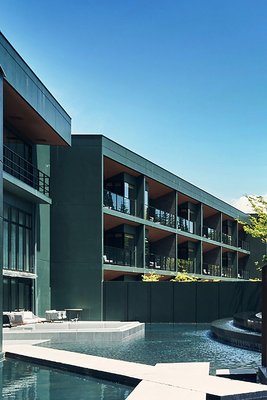
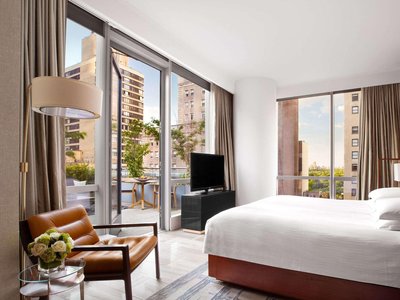
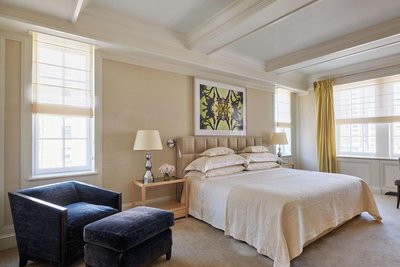
The Central District of Akita City is perfect for families, located just minutes from Akita City Library, Akita Citizens Hall, and Ouken Park. Stay at Mandarin Oriental Akita, which offers family suites, a kids' playroom, and 24/7 childcare services. The hotel features an outdoor onsen with panoramic views and provides free rental of traditional kites and fishing kits. Nearby attractions include the Akita Prefectural Art Museum and Akita Railway Line, making it easy to explore while ensuring comfort and safety for children.
Must-try winter experiences in Akita City include the Oshiro Festival, held in January at Ouken Park, featuring massive snow sculptures, ice lantern displays, and a snow marathon. Stay at New Otani Hotel Akita, which offers ski equipment rentals and onsen sessions using sake lees for warmth. Guests can also enjoy local winter dishes like miso-nabe hot pot and herring sushi. The city’s snowy landscapes and festive atmosphere make it a magical destination for winter travelers seeking authentic Tohoku traditions.
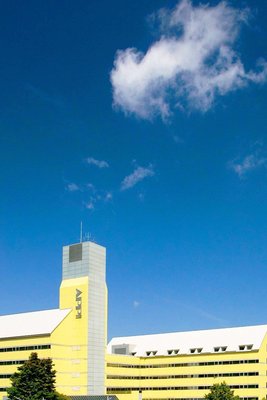
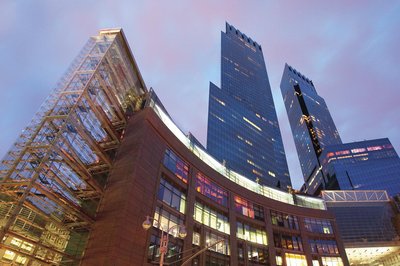
Hyatt Regency Akita is ideally located near top attractions such as Akita Shrine, Akita City Hall, and the Tokyo Telecom Tower. The hotel boasts a sky garden and a Japanese-style dining restaurant serving local specialties like Akita Koshihikari rice and wagyu beef. Rooms feature smart voice controls and a dedicated app for HopeGoo tours to the Kanto Festival or lacquerware workshops. Its central location makes it the perfect base for exploring the historic heart of Akita City.
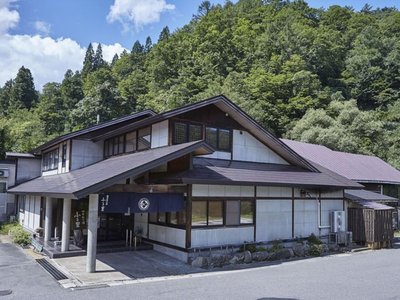
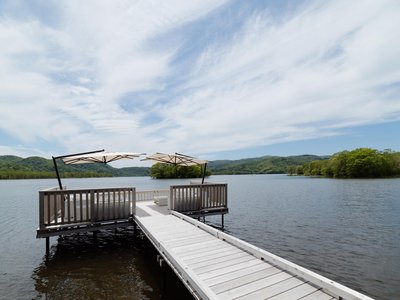
Stay at "Mori no Oto", a secluded farmhouse inn by Tazawa Lake, transformed from a former farmstead. Here, guests join early morning fishing excursions using traditional bamboo traps and learn bamboo basket weaving. At night, relax in an open-air onsen surrounded by forest, stargazing under clear skies. The owner, a local potter, hosts daily ceramic workshops and gifts each guest a handmade teacup. This intimate retreat offers a rare glimpse into rural Akita life and sustainable living.
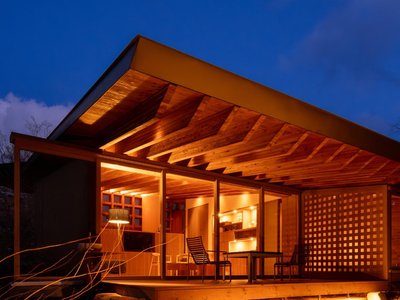
Yes, "Hikari no Ie", a design-focused guesthouse in Nankyo District, is perfect for photographers. Its façade uses light-permeable glass and wooden lattice panels, creating dynamic light patterns throughout the day. Each room has a floor-to-ceiling window and adjustable blackout curtains, ideal for capturing cityscapes and sunrise. The inn hosts monthly photography exhibitions like "Moments of the Kanto Festival" and offers free camera rentals with guidance from resident photographers. It’s a haven for creative exploration of Akita’s urban and natural beauty.
Start at Mandarin Oriental Akita, visit Akita Shrine and Akita City Museum in the morning, then lunch at Nishi-chō Soba Restaurant for miso ramen. Afternoon activities include a guided tour of Ouken Park’s snow sculpture exhibition and a kanto festival workshop. Return to the hotel for dinner at the sky garden restaurant, enjoying wagyu steak with city views. On Day 2, take a short trip to Tazawa Lake, stay at Mori no Oto, enjoy lakefront hiking and pottery class, then return to the city for a relaxing evening, completing a rich cultural journey.
Most premium hotels in Akita City provide English and Japanese service, with some like Hyatt Regency Akita offering Chinese-speaking staff. Front desks are equipped with multilingual brochures and digital translation devices. Many inns, such as Mori no Oto, provide trilingual information cards and on-site translation apps. Additionally, hotels support real-time mobile translation and offer local guide apps to help international guests understand regional dialects and cultural etiquette seamlessly.
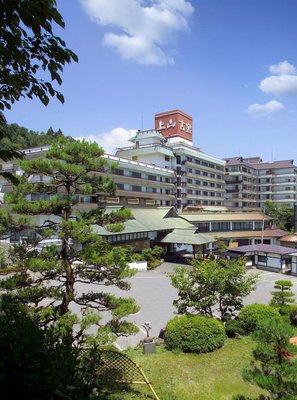
Shiratori no Yu, a renowned onsen resort near Tazawa Lake, features geothermal waters sourced from underground springs rich in minerals. The resort offers outdoor baths with forest and lake views, along with forest bathing areas. Guests enjoy treatments like sake lees body scrubs and herbal face masks, paired with local sake drinks. Dinner includes Akita kama-koro (fish cake) and mountain vegetable tempura. This tranquil setting blends natural healing with authentic Tohoku wellness traditions, making it a standout destination.
Yes, Mandarin Oriental Akita and New Otani Hotel Akita offer senior-friendly rooms with non-slip flooring, grab bars, and emergency call systems. All facilities are wheelchair-accessible, including low-floor shuttle buses. The hotels host daily tai chi classes, health seminars, and serve soothing regional meals like kudzu root porridge and kombu soup. Medical assistance can be arranged via hotel coordination with Akita City Hospital, ensuring elderly travelers feel safe and well-cared for throughout their stay.
Akita City Overview
City Summary
Akita City, located in Akita Prefecture in the Tohoku region of Japan, is a city rich in traditional culture and natural beauty. Known for Akita dogs, Kanto Festival, and hot springs, it offers a unique blend of historical heritage and local traditions. With four distinct seasons, Akita's winter scenery is particularly breathtaking, making it an ideal destination to experience Japan's natural and cultural wonders.
Must-See Attractions
Top attractions in Akita include Senshu Park (famous for cherry blossoms), Akita Museum of Art (showcasing local artworks), and Akita City Market (for a taste of local life). Don't miss the annual Kanto Festival in August, one of Japan's three major lantern festivals, where the night-time lantern displays are mesmerizing. The Akita Dog Museum is also a must-visit to learn about this iconic Japanese breed.
Food Guide
Akita's culinary highlights include Inaniwa udon (smooth and chewy noodles) and Kiritanpo hot pot (a local specialty). Street food favorites are grilled kiritanpo and pickled vegetables. Akita is also renowned for its sake, particularly Akita sake, brewed from locally grown premium rice.
Transportation Guide
Public transport in Akita is primarily bus-based, covering major attractions. JR Akita Station is the main hub, with Shinkansen connections to cities like Tokyo. Walking or renting a bike is recommended for the city center, while taxis (more expensive) may be needed for some sites. Note that bus schedules may adjust during heavy snowfall in winter.
Best Time to Visit
The best times to visit are spring (April-May) for cherry blossoms and autumn (September-November) for fall foliage. Summer (August) offers the Kanto Festival but can be hot. Winter (December-February) has stunning snowscapes but may disrupt travel plans.
Travel Tips
- Pack warm clothing in winter as snow may affect transport.
- Follow crowd rules at the Kanto Festival and avoid touching lanterns.
- Feeding dogs is prohibited at the Akita Dog Museum.
- Some restaurants require reservations, especially in peak seasons.
- Wash before entering hot springs and follow etiquette.
- Carry cash as some shops don't accept cards.
Useful Information
English proficiency is limited in Akita, so learning basic Japanese or using a translation app is helpful. Mobile coverage is good; consider a local SIM or pocket WiFi. Cash is preferred, though credit cards work at major stores. Dial 110 (police) or 119 (ambulance) in emergencies. Drugstores and convenience stores are widespread, but medical facilities may be scarce in remote areas.