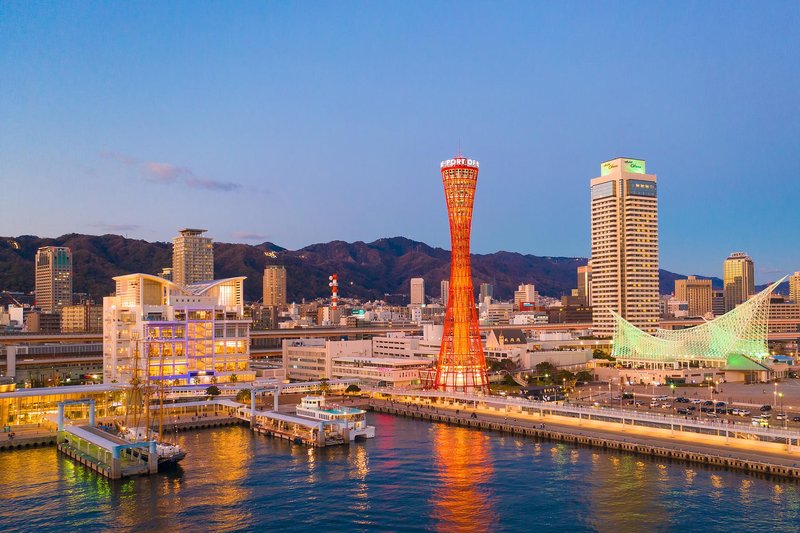
Hotels in Akita City
Discover your perfect stay in Akita City.
Akita City(Japan) Travel 2026: Cheap Flights, Hotels & Top Attractions
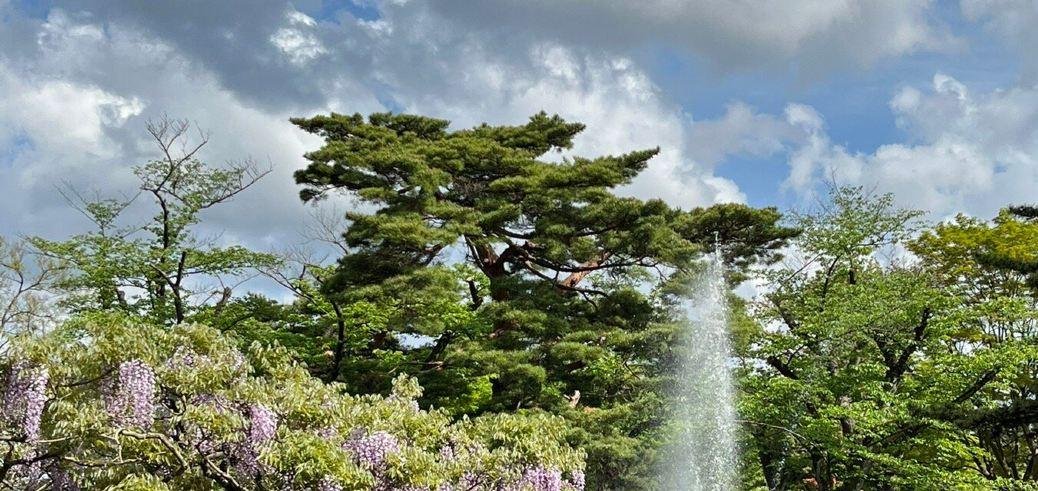
Popular Landmarks in Akita City
Discover the most iconic attractions in Akita City
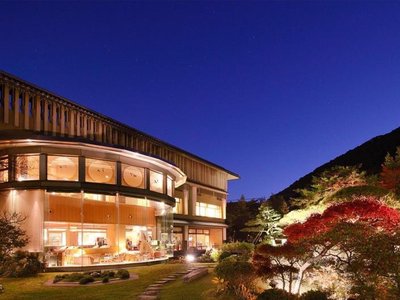
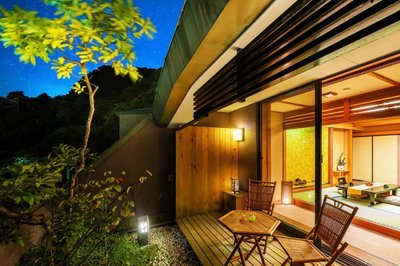
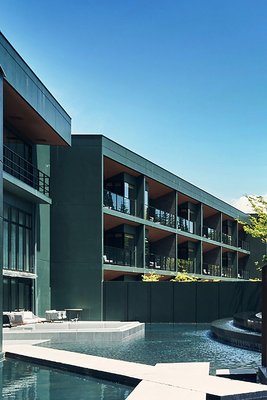
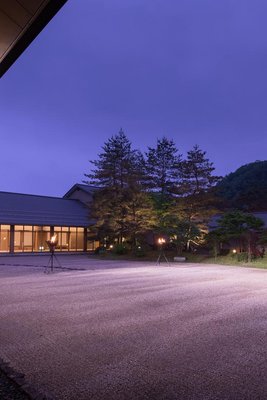
Recommended Hotels in Akita City
Find the perfect place to stay in Akita City
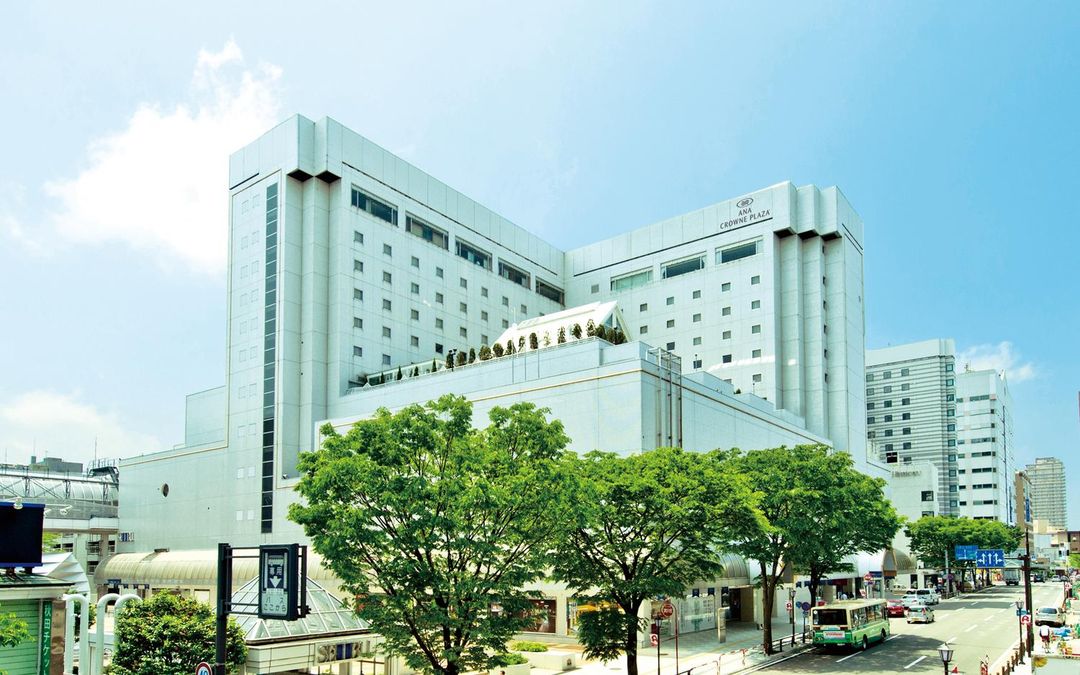
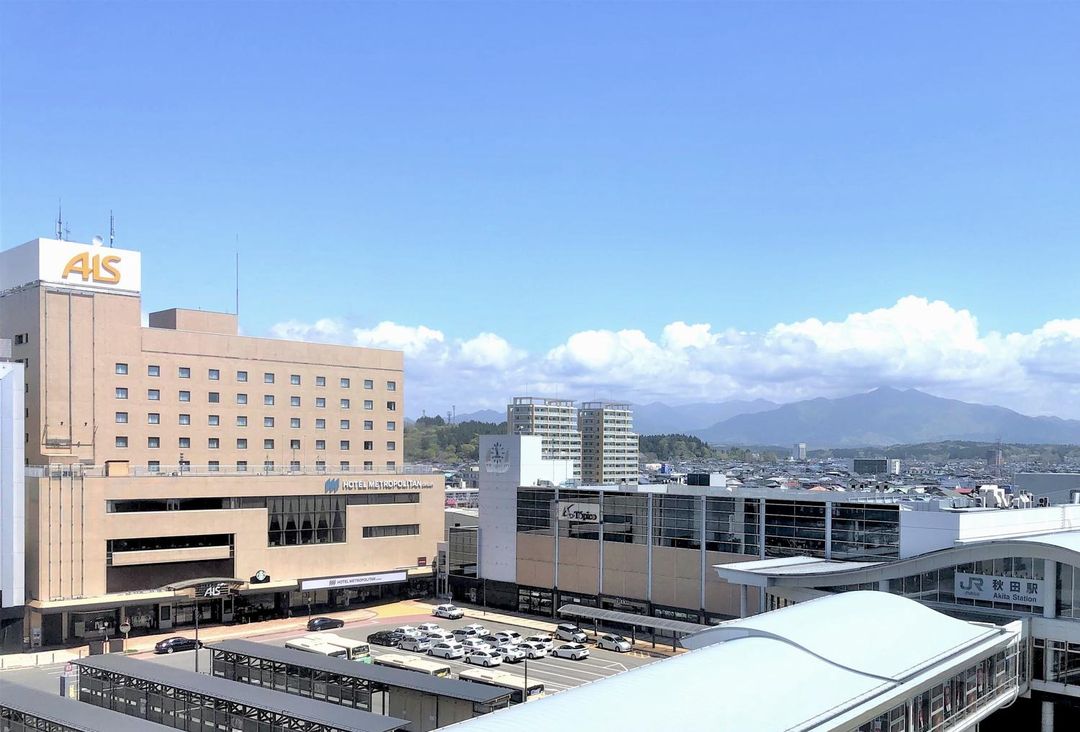
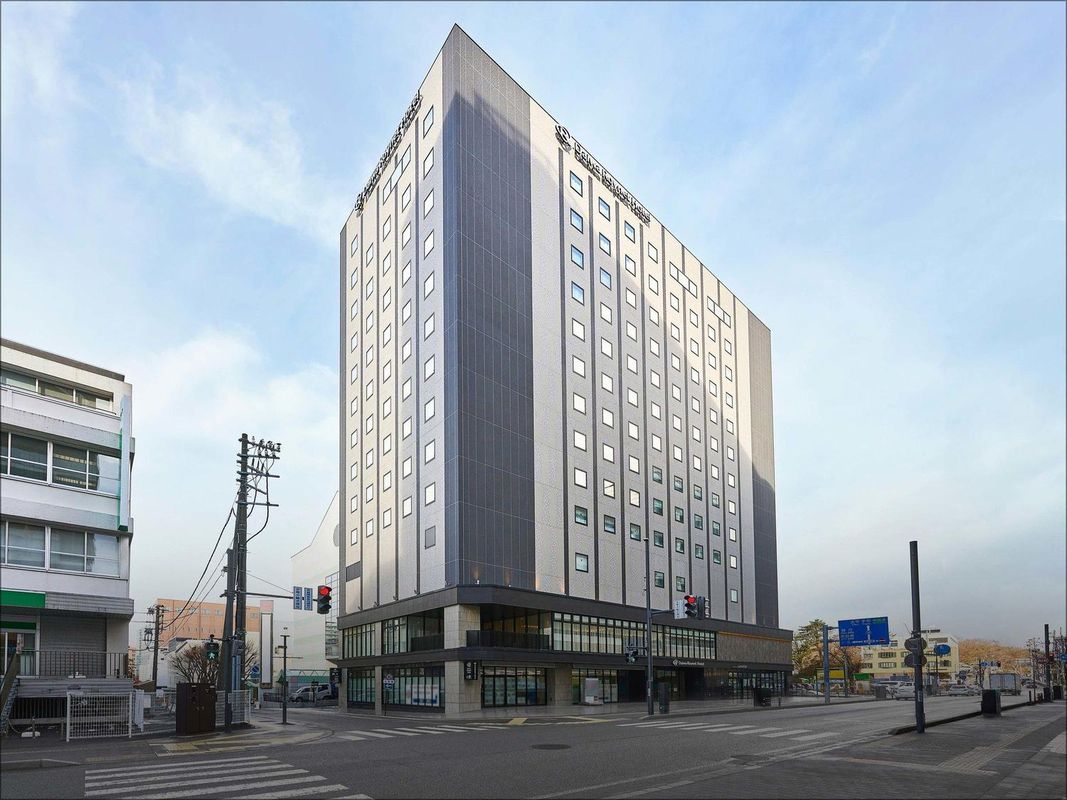
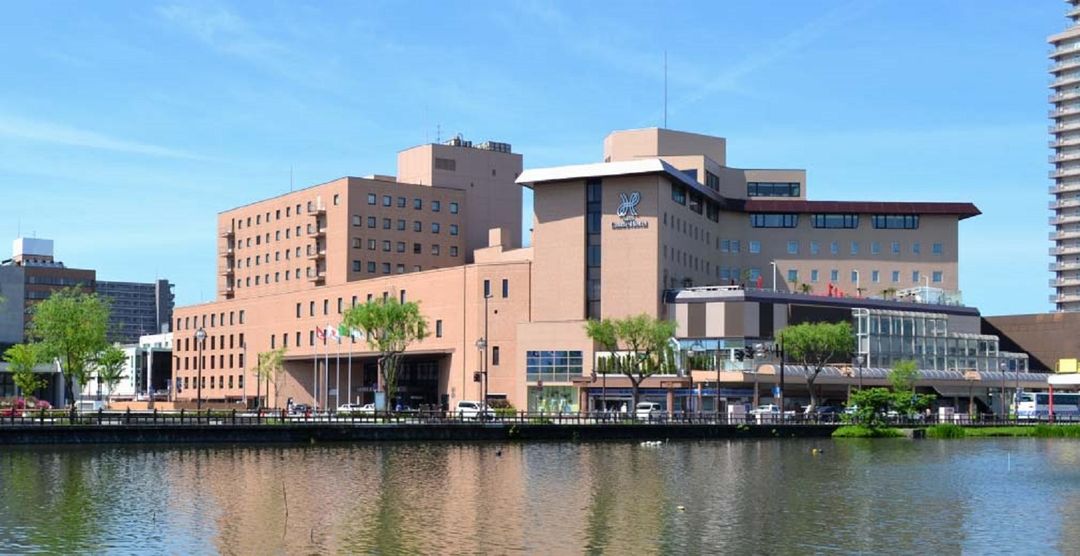
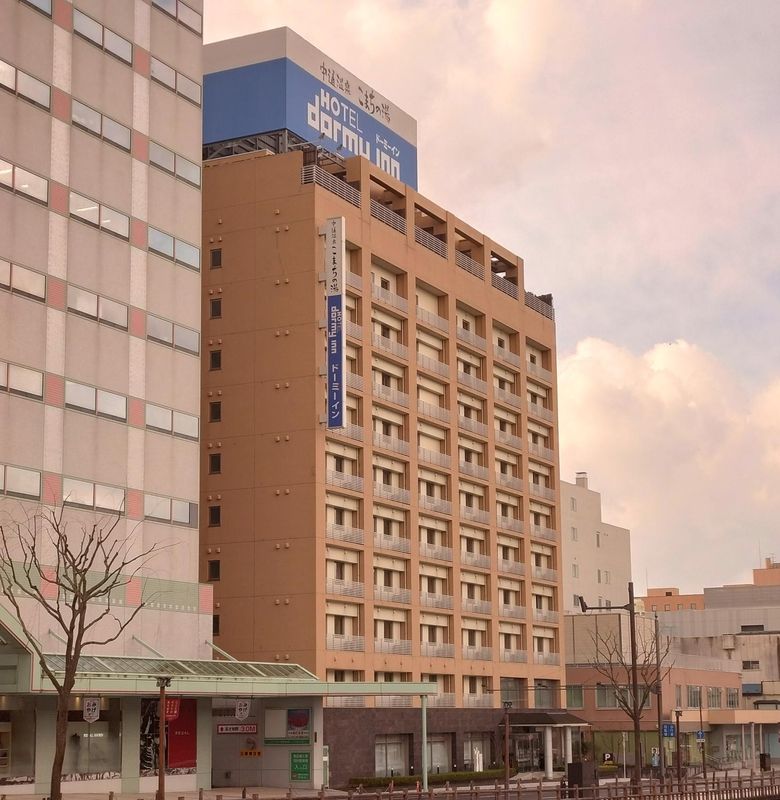
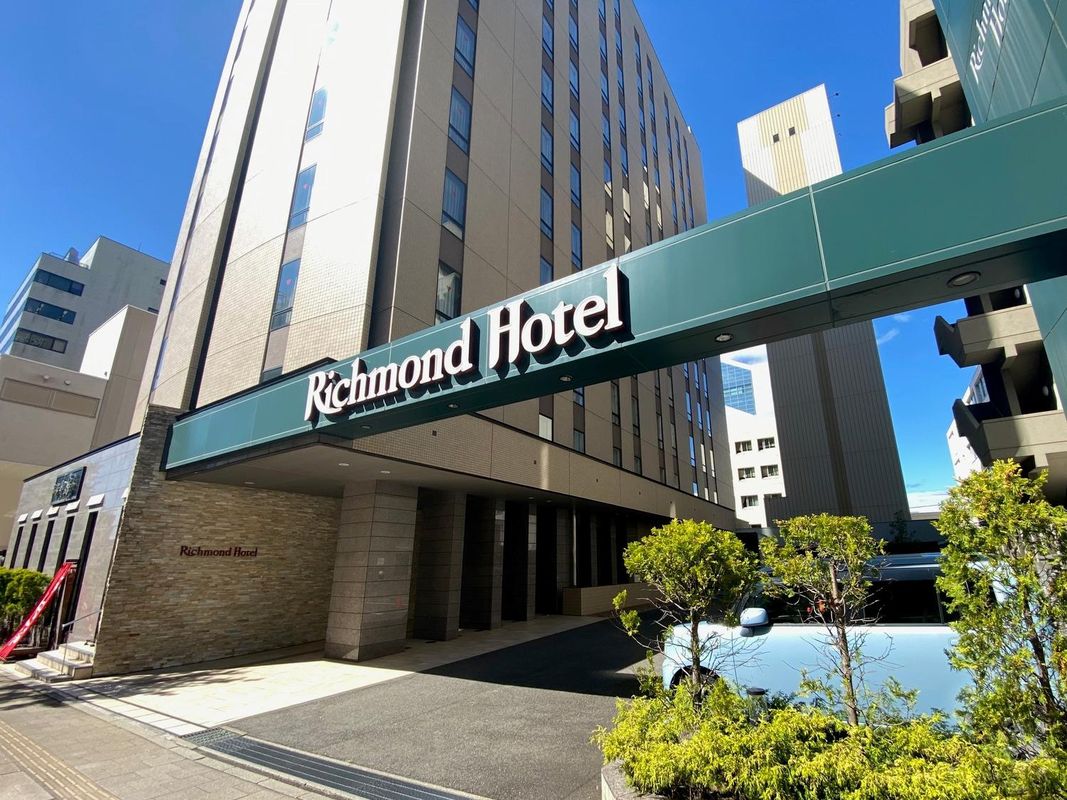
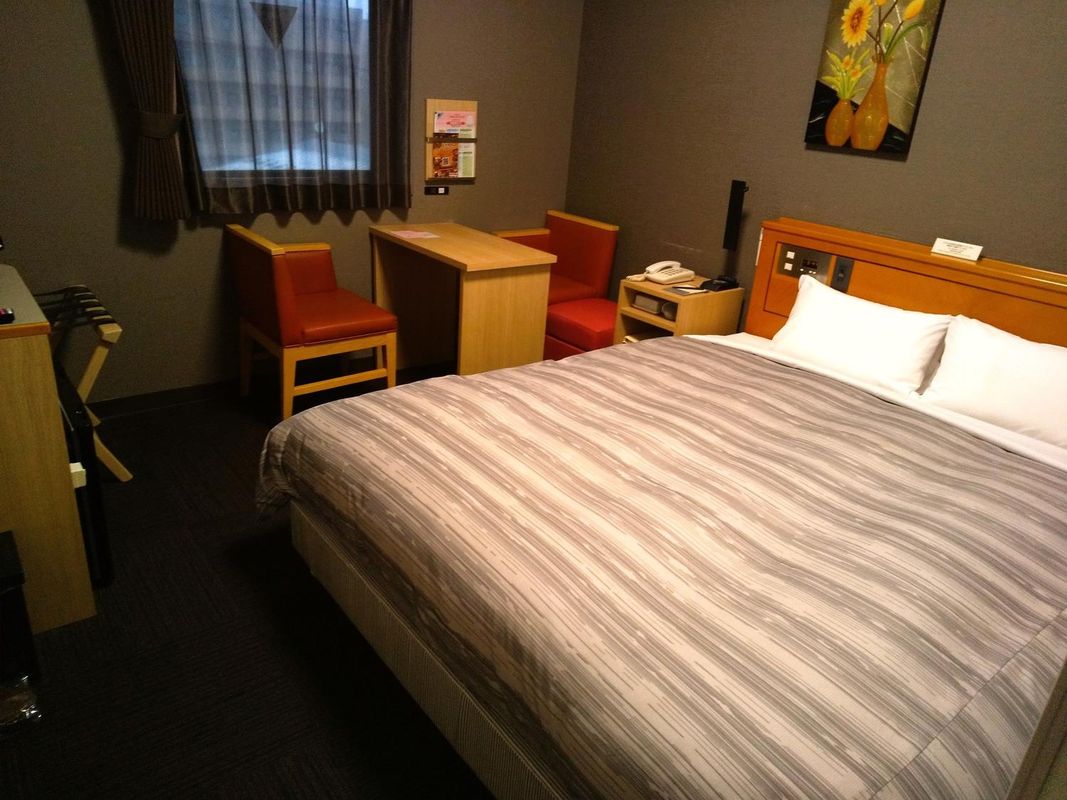
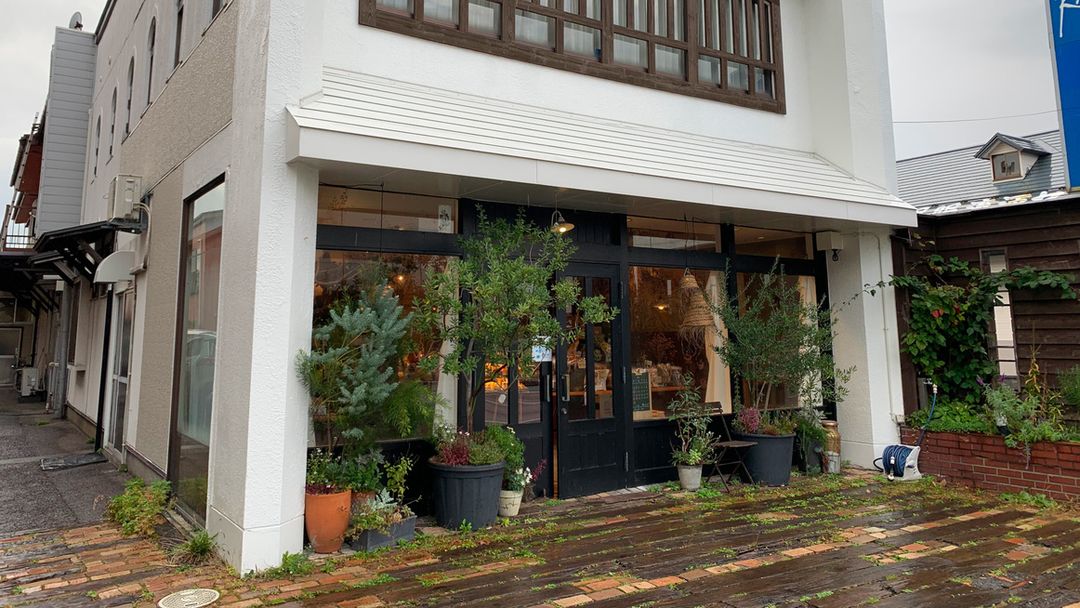
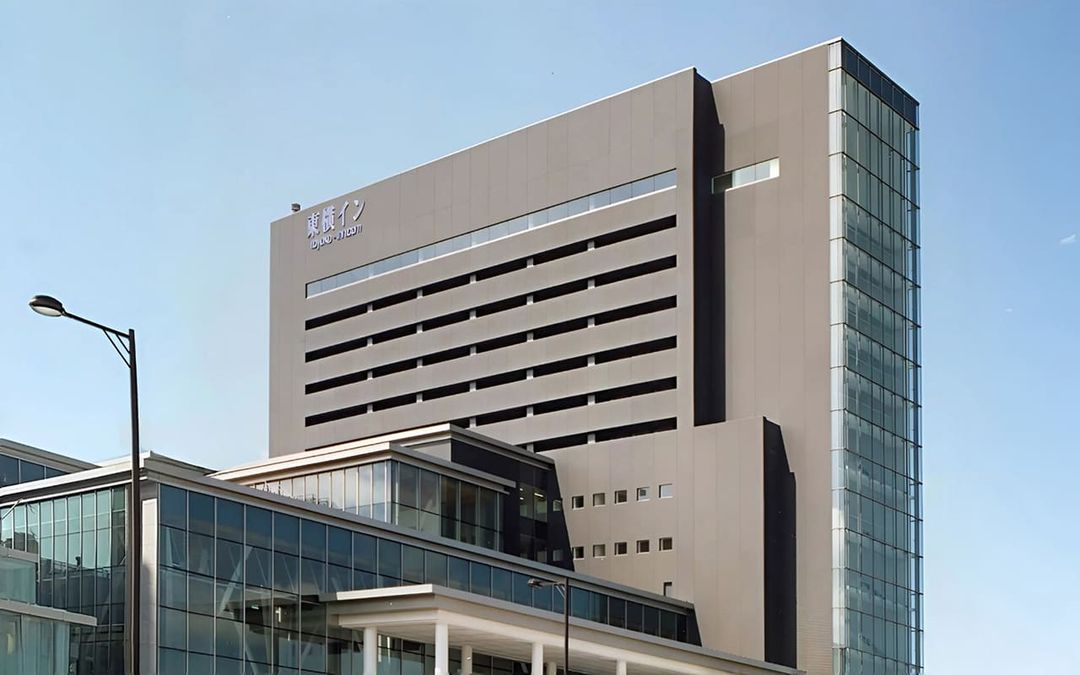
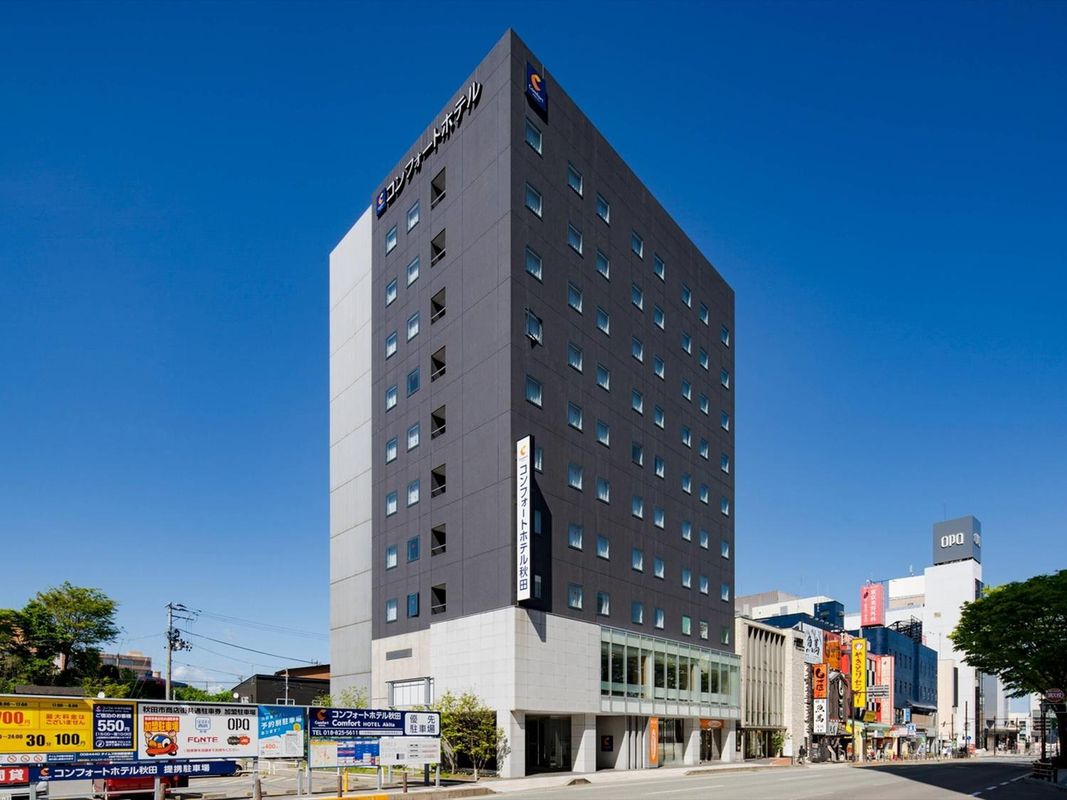
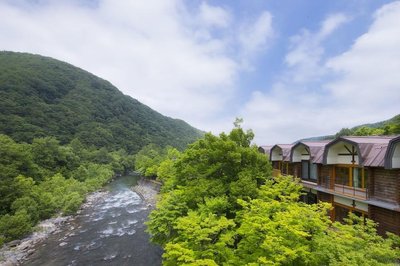
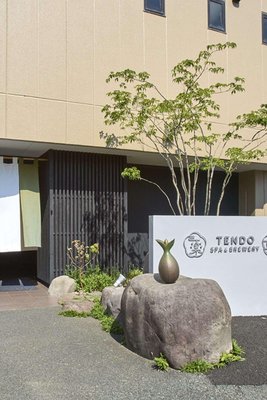
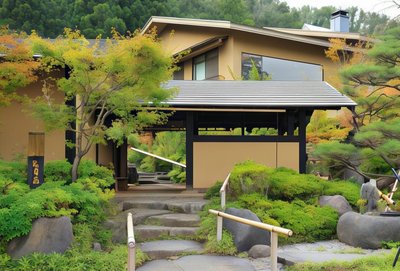
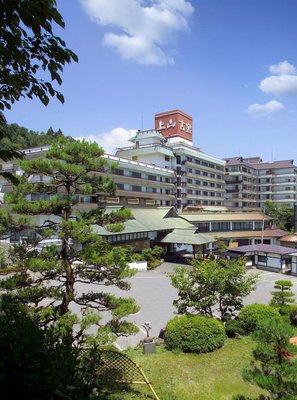
Best Hotels in Akita City
Discover curated hotel collections in Akita City
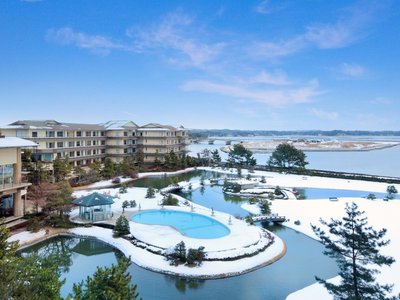

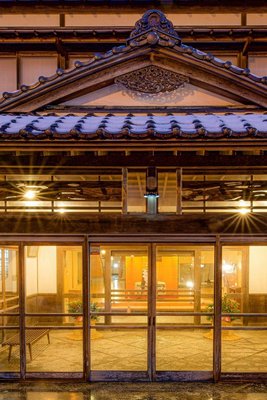
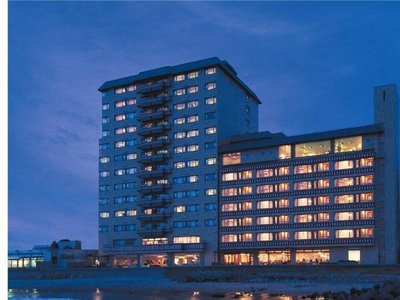
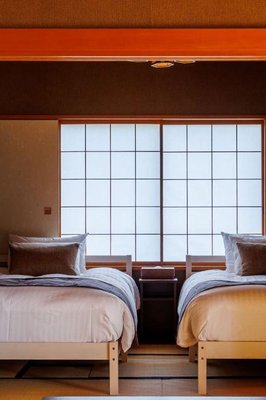














Frequently Asked Questions about Traveling to Akita City
Questions You Might Need to Know About Traveling to Akita City
Akita City Overview
City Summary
Akita City, located in Akita Prefecture in the Tohoku region of Japan, is a city rich in traditional culture and natural beauty. Known for Akita dogs, Kanto Festival, and hot springs, it offers a unique blend of historical heritage and local traditions. With four distinct seasons, Akita's winter scenery is particularly breathtaking, making it an ideal destination to experience Japan's natural and cultural wonders.
Must-See Attractions
Top attractions in Akita include Senshu Park (famous for cherry blossoms), Akita Museum of Art (showcasing local artworks), and Akita City Market (for a taste of local life). Don't miss the annual Kanto Festival in August, one of Japan's three major lantern festivals, where the night-time lantern displays are mesmerizing. The Akita Dog Museum is also a must-visit to learn about this iconic Japanese breed.
Food Guide
Akita's culinary highlights include Inaniwa udon (smooth and chewy noodles) and Kiritanpo hot pot (a local specialty). Street food favorites are grilled kiritanpo and pickled vegetables. Akita is also renowned for its sake, particularly Akita sake, brewed from locally grown premium rice.
Transportation Guide
Public transport in Akita is primarily bus-based, covering major attractions. JR Akita Station is the main hub, with Shinkansen connections to cities like Tokyo. Walking or renting a bike is recommended for the city center, while taxis (more expensive) may be needed for some sites. Note that bus schedules may adjust during heavy snowfall in winter.
Best Time to Visit
The best times to visit are spring (April-May) for cherry blossoms and autumn (September-November) for fall foliage. Summer (August) offers the Kanto Festival but can be hot. Winter (December-February) has stunning snowscapes but may disrupt travel plans.
Travel Tips
- Pack warm clothing in winter as snow may affect transport.
- Follow crowd rules at the Kanto Festival and avoid touching lanterns.
- Feeding dogs is prohibited at the Akita Dog Museum.
- Some restaurants require reservations, especially in peak seasons.
- Wash before entering hot springs and follow etiquette.
- Carry cash as some shops don't accept cards.
Useful Information
English proficiency is limited in Akita, so learning basic Japanese or using a translation app is helpful. Mobile coverage is good; consider a local SIM or pocket WiFi. Cash is preferred, though credit cards work at major stores. Dial 110 (police) or 119 (ambulance) in emergencies. Drugstores and convenience stores are widespread, but medical facilities may be scarce in remote areas.