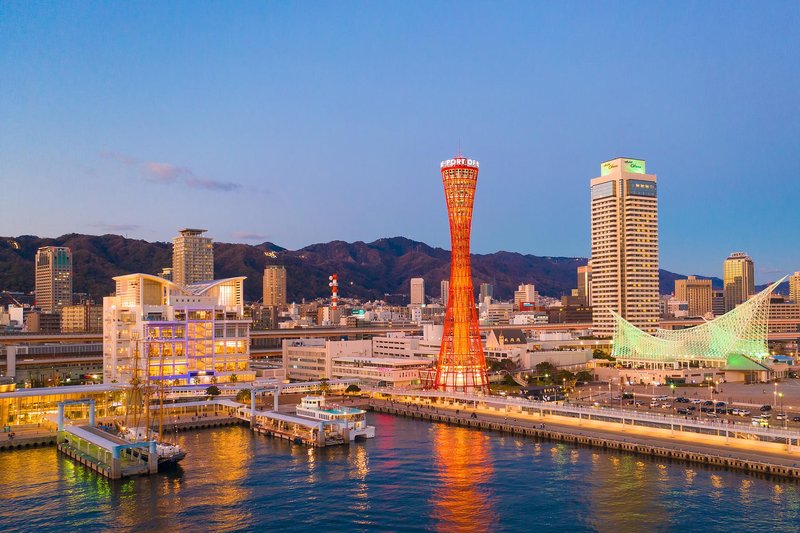
Hotels in Akitakata
Discover your perfect stay in Akitakata.
Akitakata(Japan) Travel 2026: Cheap Flights, Hotels & Top Attractions
Popular Landmarks in Akitakata
Discover the most iconic attractions in Akitakata
Recommended Hotels in Akitakata
Find the perfect place to stay in Akitakata
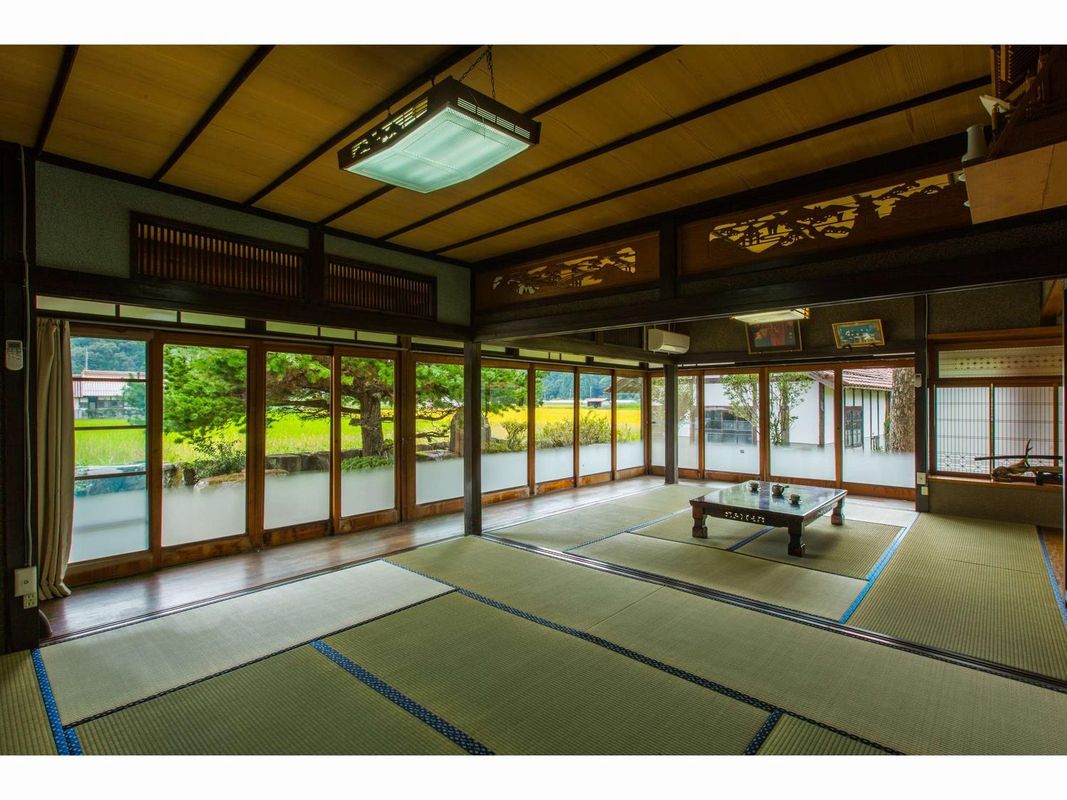
Wealthy Farmer's House
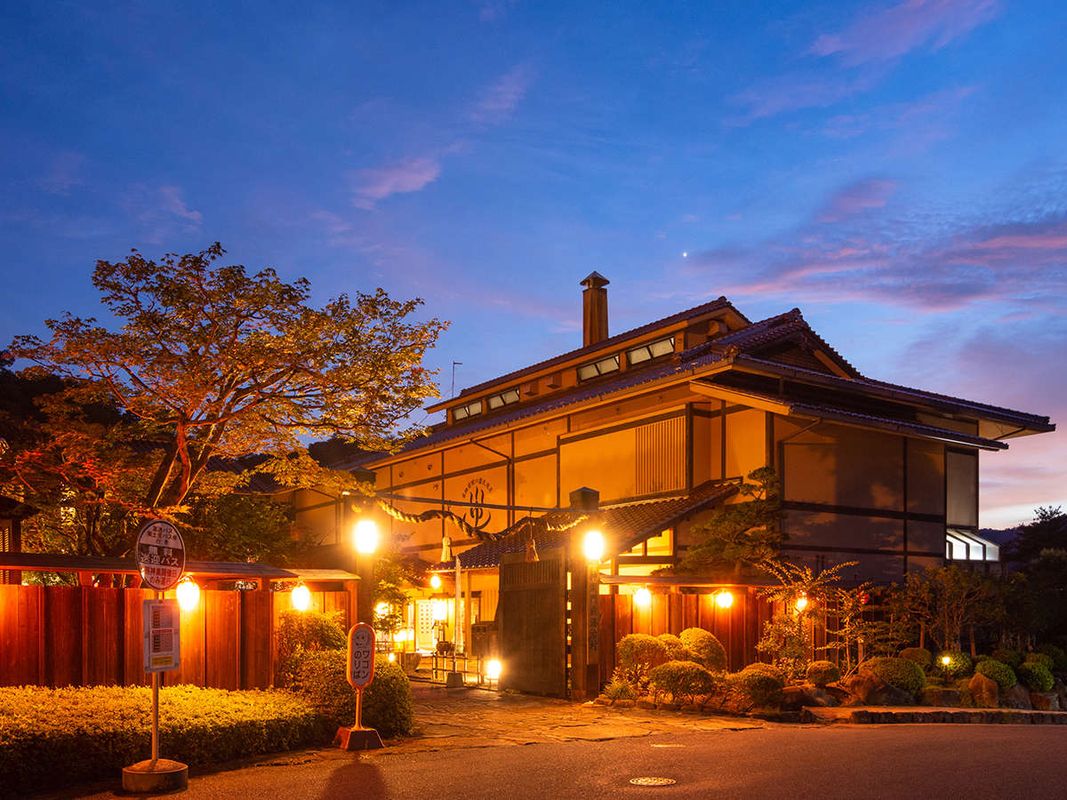
Kagura Monzen Toji Village
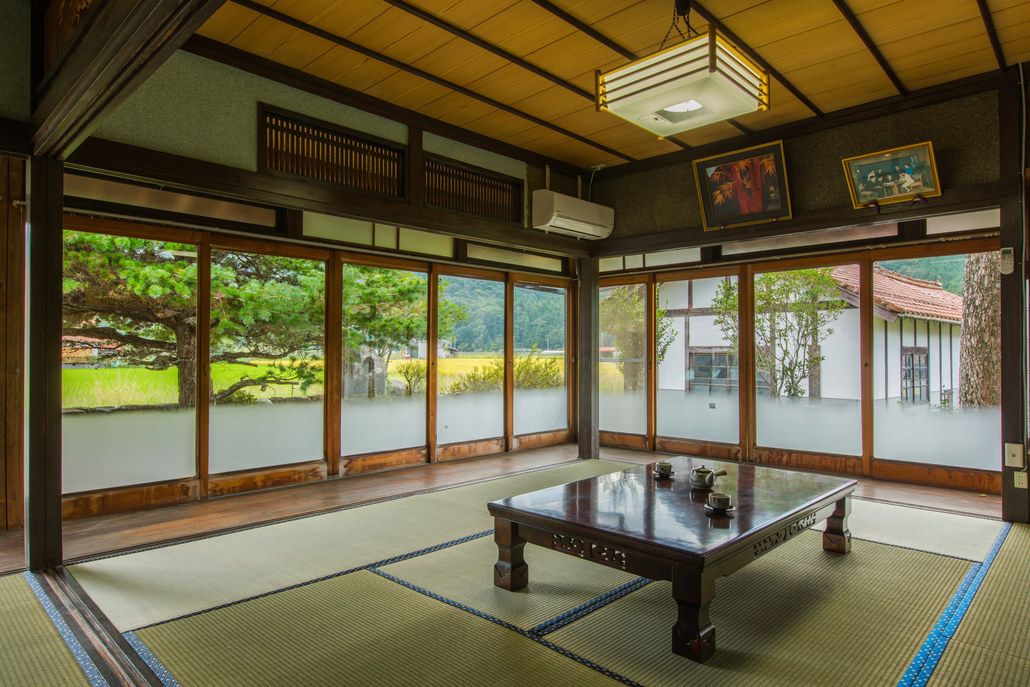
Gono No Ie Aki Takada
Best Hotels in Akitakata
Discover curated hotel collections in Akitakata

The Ritz-Carlton, Fukuoka
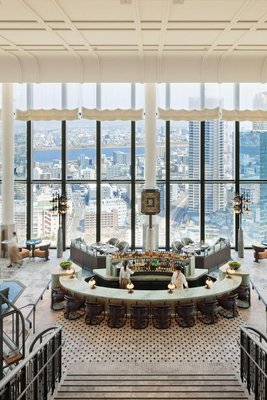
Waldorf Astoria Osaka
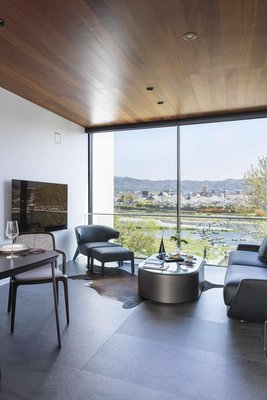
Kamo Residences by Reflections
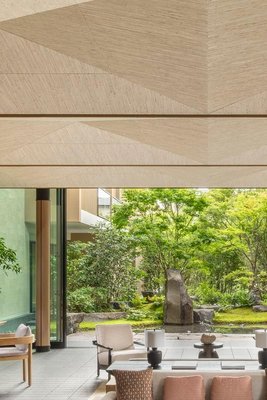
Six Senses Kyoto
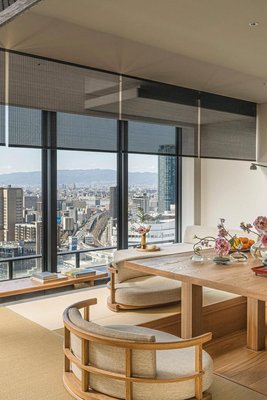
Four Seasons Hotel Osaka
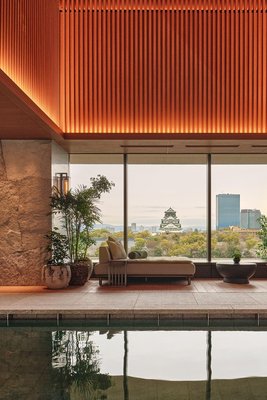
Patina Osaka

The Ritz-Carlton, Osaka
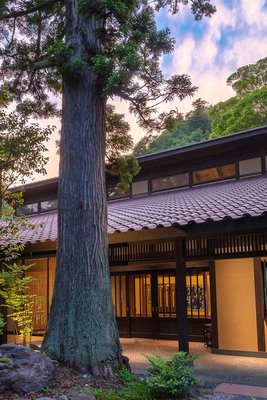
Arimasansoh Goshobessho
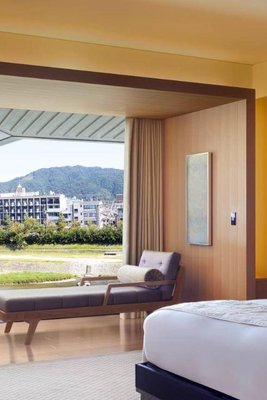
The Ritz-Carlton, Kyoto
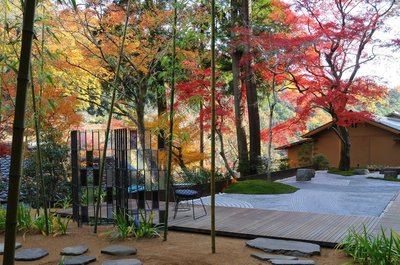
HOSHINOYA Kyoto
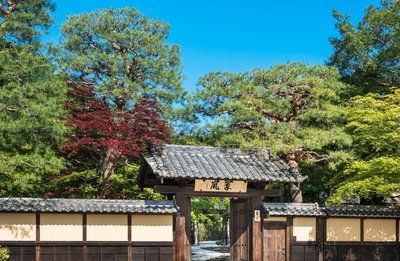
Suiran, a Luxury Collection Hotel, Kyoto
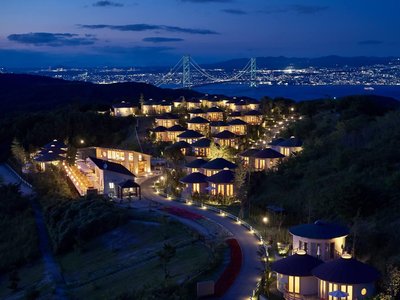
Grand Chariot Hokutoshichisei 135°
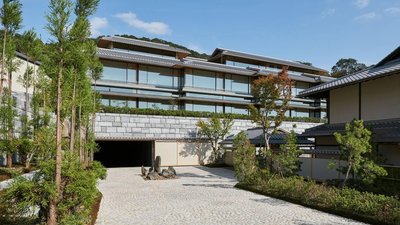
Park Hyatt Kyoto
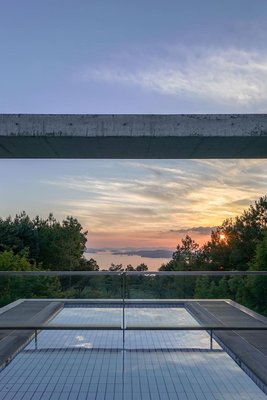
SETOUCHI RETREAT by Onko Chishin
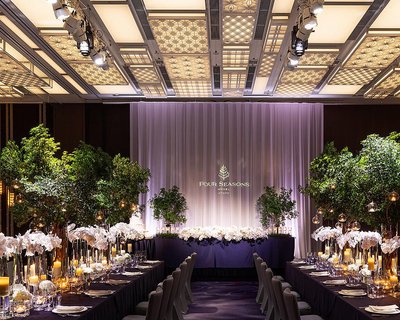
Four Seasons Hotel Kyoto
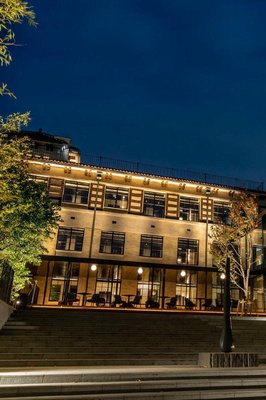
The Hotel Seiryu Kyoto Kiyomizu - a Member of the Leading Hotels of the World-
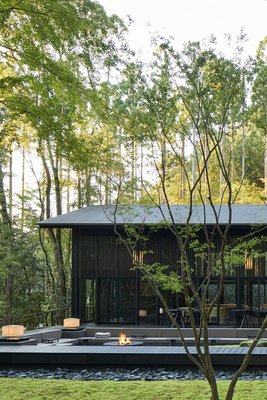
Aman Kyoto
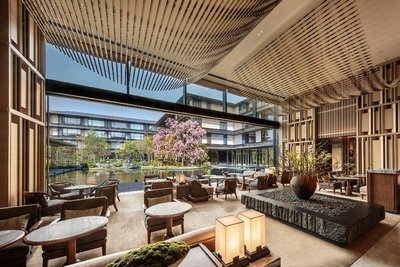
Hotel the Mitsui Kyoto, a Luxury Collection Hotel & Spa
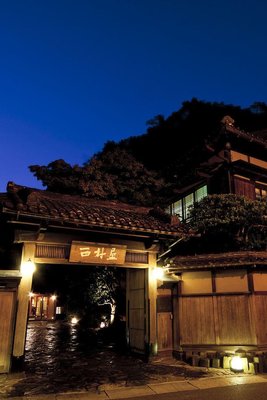
Nishimuraya Honkan
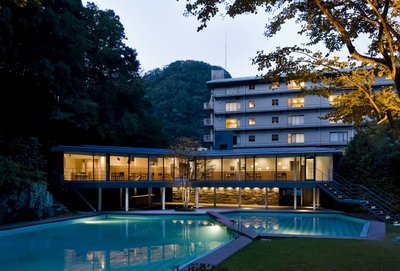
Kinosaki Onsen Nishimuraya Hotel Shogetsutei
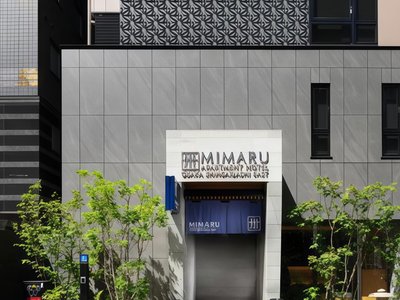
MIMARU Osaka Shinsaibashi East
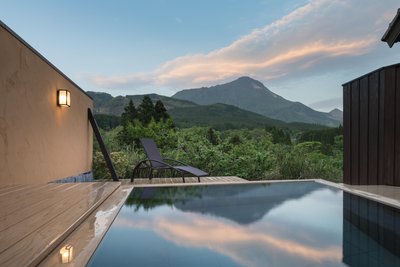
Ikkoten
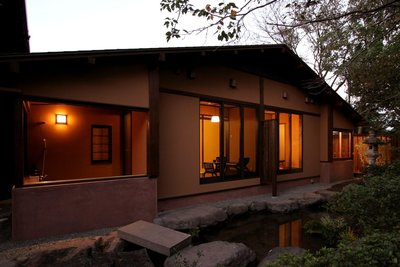
SEKIYA RESORT Bettei Haruki
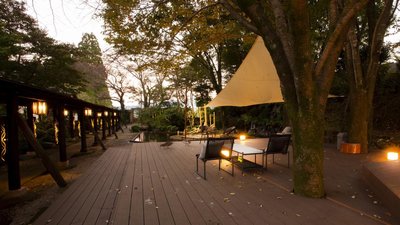
Chikurakutei
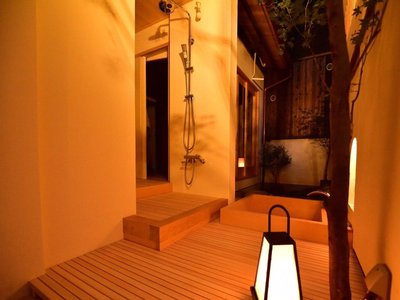
Yado Kiramachi
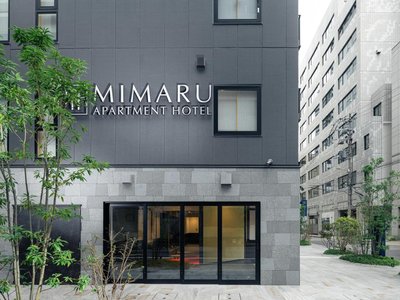
MIMARU Osaka Shinsaibashi North
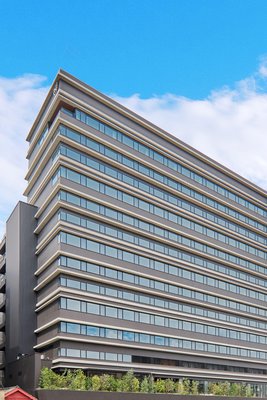
The Royal Park Canvas Fukuoka Nakasu
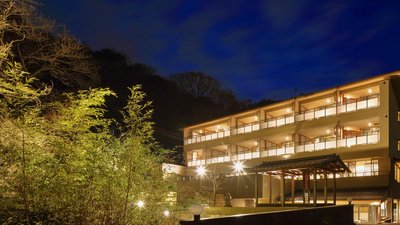
Okuno Hosomichi
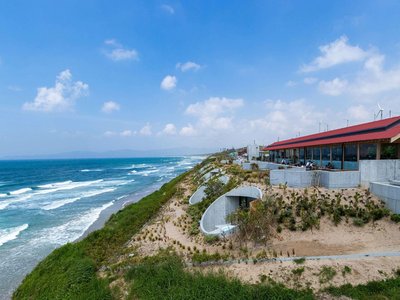
Izumo Hotel the Cliff
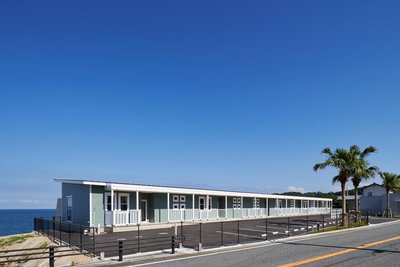
Alfacio Resort Stay Itoshima
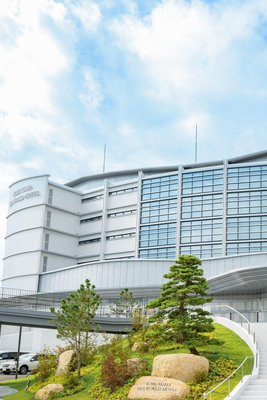
Kobe Suma Sea World Hotel

seven x seven itoshima
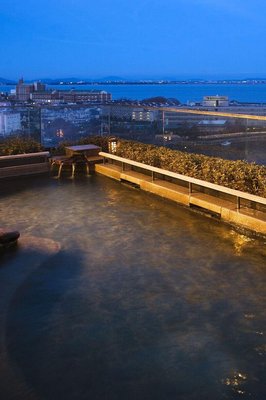
Yumotokan
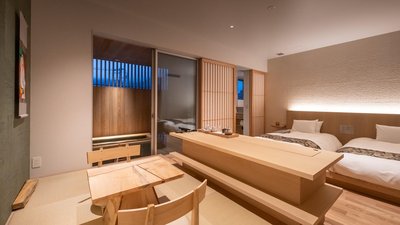
Japanese Auberge Kararako
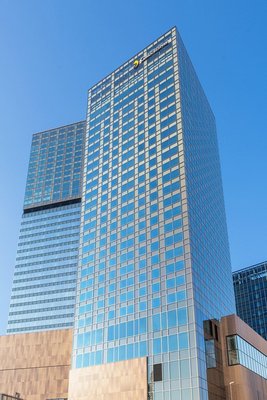
Hotel Hankyu GRAN RESPIRE OSAKA
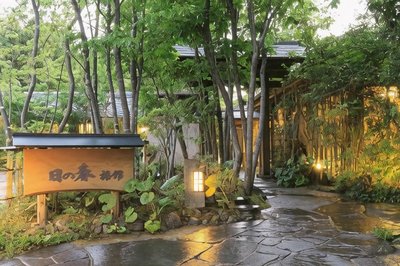
Yufuin Onsen Hinoharu Ryokan
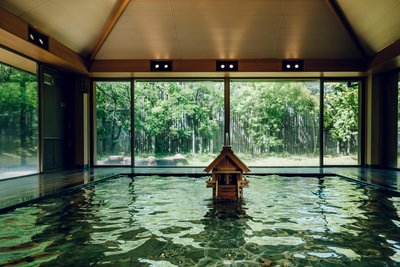
Hoshino Resorts KAI Tamatsukuri
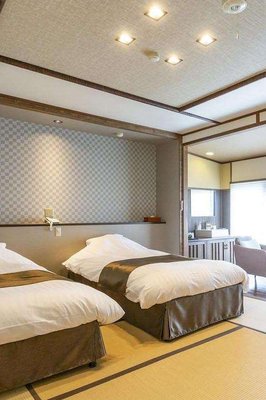
Sozankyo

Taikyourou
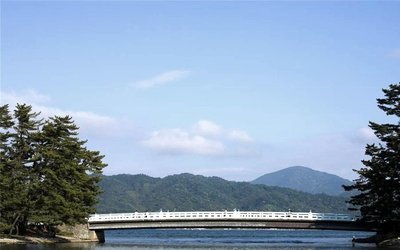
Monjusou Shourotei

XYZ Private Spa and Seaside Resort
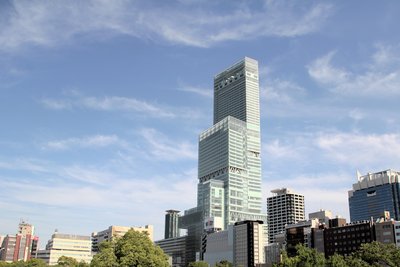
Osaka Marriott Miyako Hotel
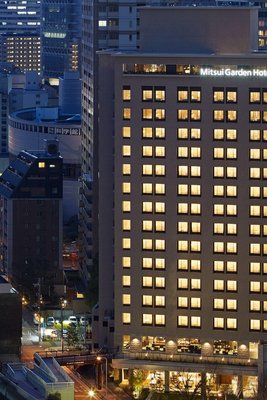
Mitsui Garden Hotel Osaka Premier
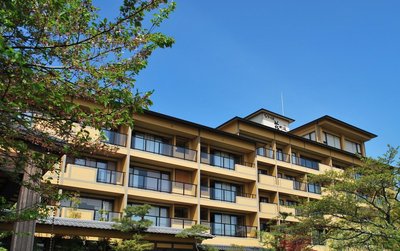
BIWAKO HANAKAIDO
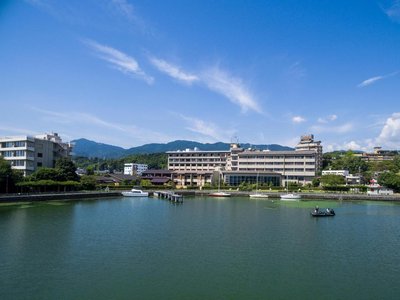
Biwako Ryokusuitei
Hotel Kitanoya
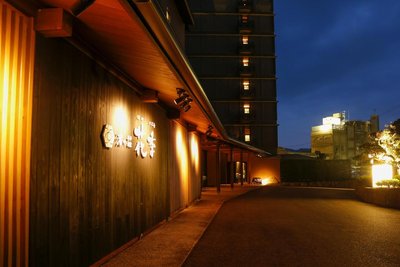
Hanagoyomi
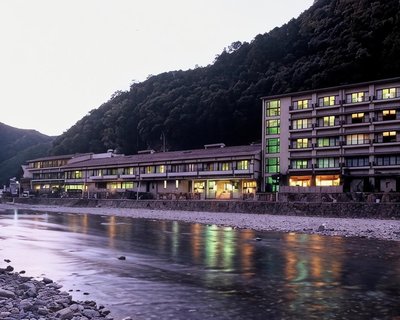
Kawayu Onsen Fujiya
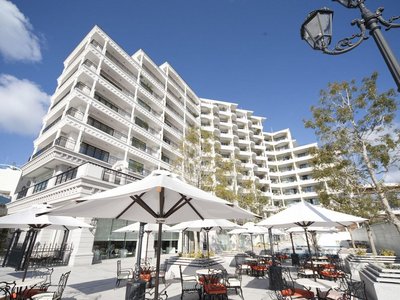
Hotel La Suite Kobe Harborland

AoAwo Naruto Resort
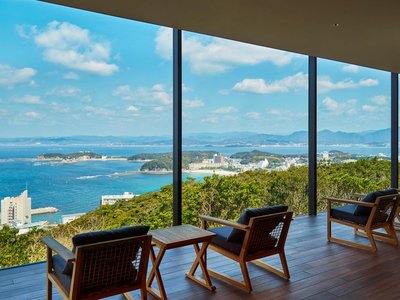
Infinito Hotel and Spa
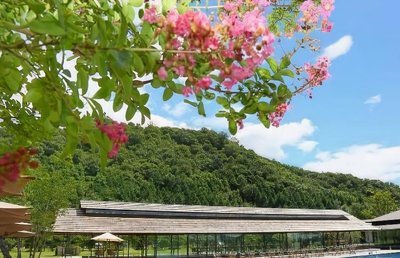
Bella Vista Spa and Marina Onomichi
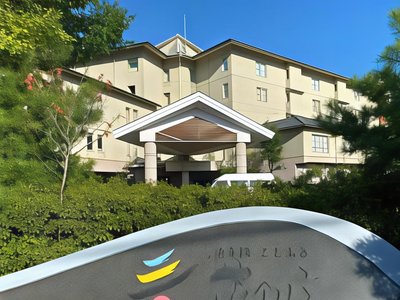
Yufuin Kotobuki Hananosho
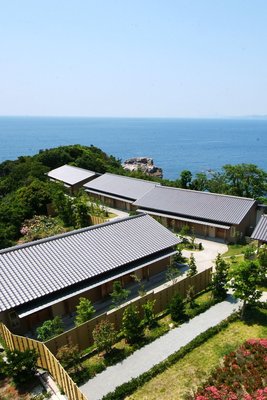
Hamachidorinoyu Kaisyu
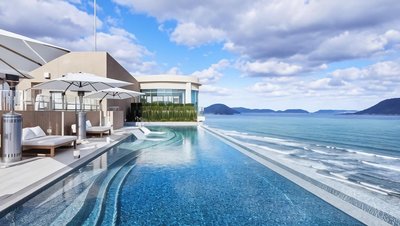
Karatsu Seaside Hotel
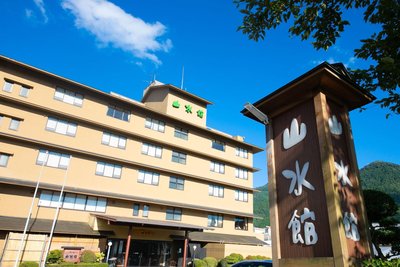
Yufuin Sansuikan
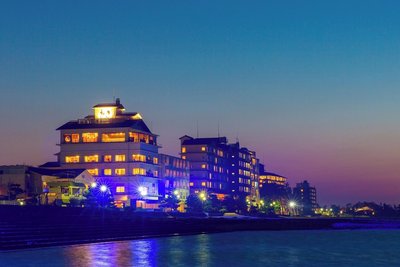
Kaike Shogetsu
The Ritz-Carlton, Kyoto
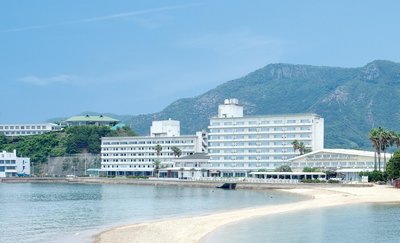
Shodoshima International Hotel
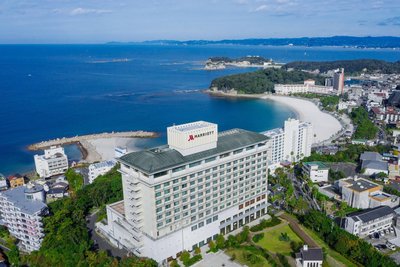
Nanki-Shirahama Marriott Hotel
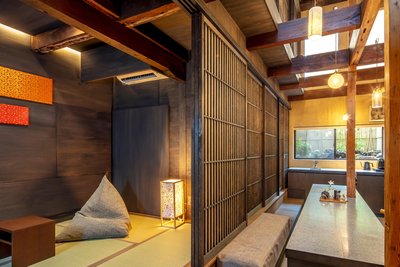
Kyo No Oozora Kihana
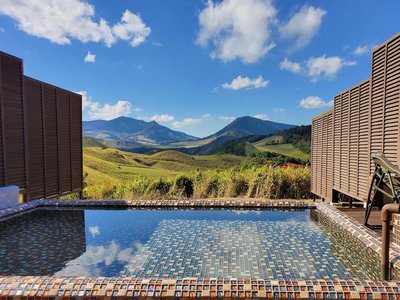
Grand Verde Resort
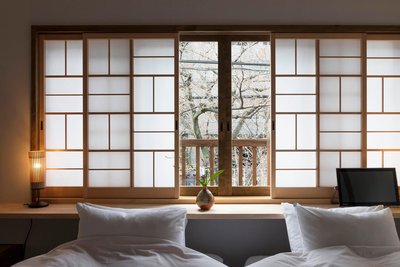
Hanagoromo Machiya House
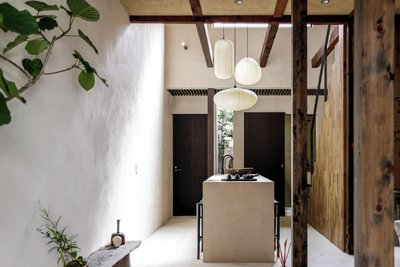
Maana Kiyomizu
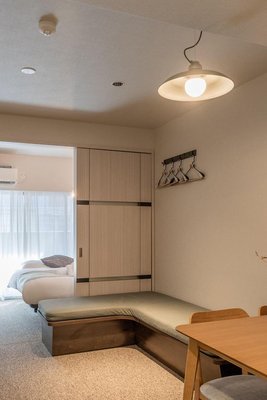
Apartment Hotel 11 Shinsaibashi
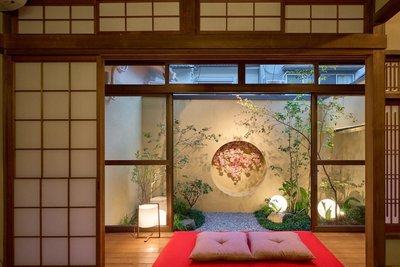
KONJAKUSO Osaka Tengachaya "NIHONCHA" Tea & Relax
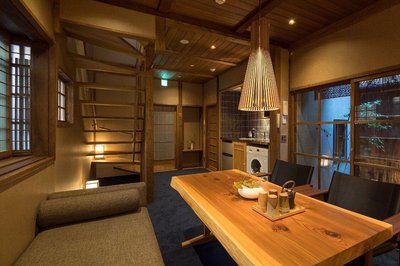
Bonbori an Machiya House
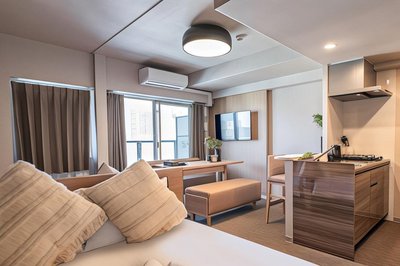
Apartment Hotel 11 Shinsaibashi III
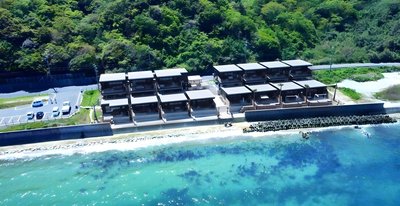
Solavilla Umi Terrace Minamiawaji
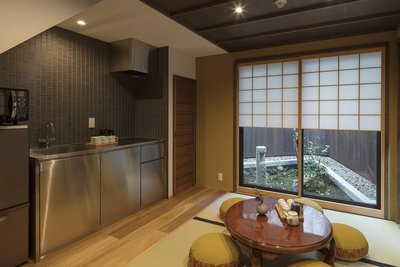
The Machiya Villa Sanjo Shirakawa Koji
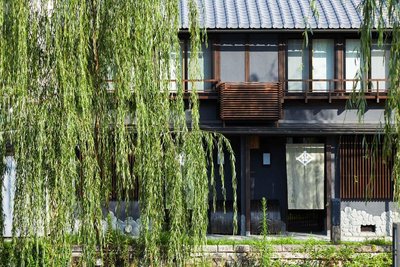
Gion Shirakawa No Yado

Kitashirakawa Natural Radium Onsen
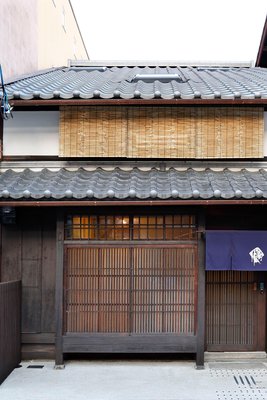
Kyo No Ondokoro Kamanza Nijo #2
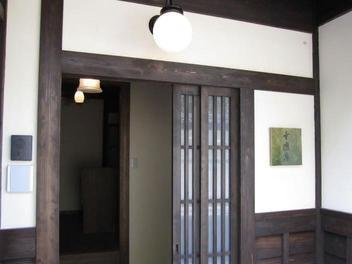
Gion Koyu an Machiya House
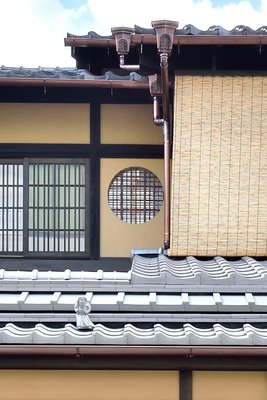
Kyo No Ondokoro Gokomachi Ebisugawa #3

Sana Mane - Glamp Domes
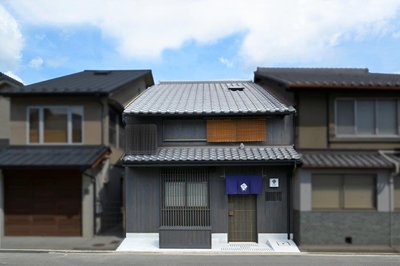
Kyo No Ondokoro Goshonishi #6
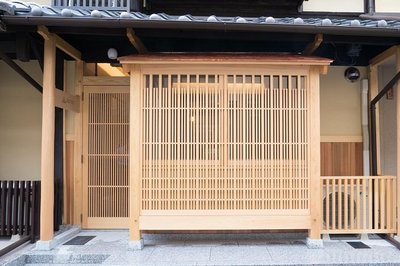
Kyomachiya Suite Rikyu
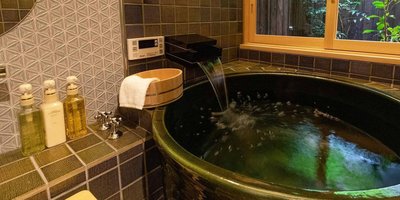
Kyoisuke
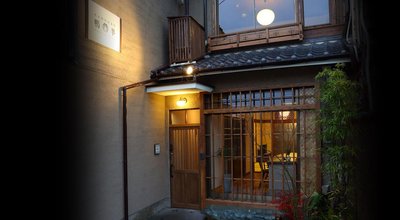
Kamohan

Hotel Barrière Fouquet's New York
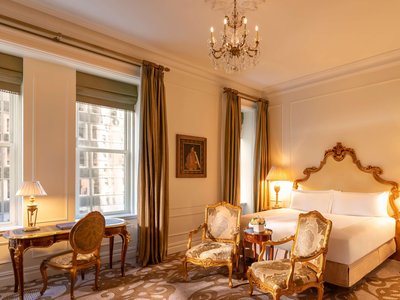
The Plaza - A Fairmont Managed Hotel
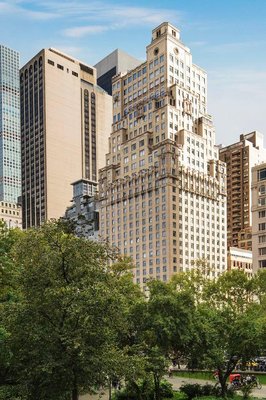
The Ritz-Carlton New York, Central Park
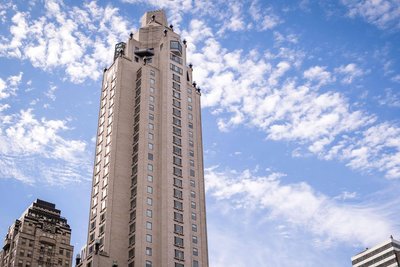
Four Seasons Hotel New York

The St. Regis New York
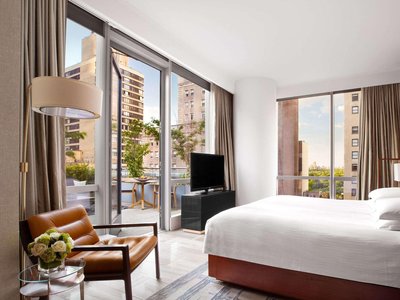
Park Hyatt New York
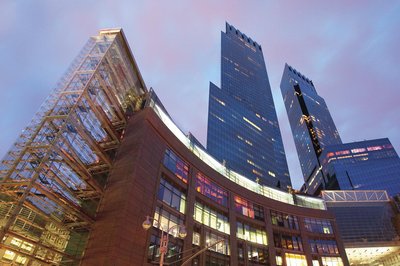
Mandarin Oriental New York
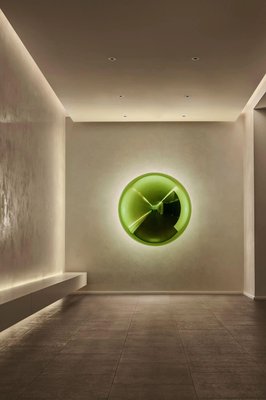
Times Square Edition New York

Loews Regency New York Hotel

Lowell Hotel
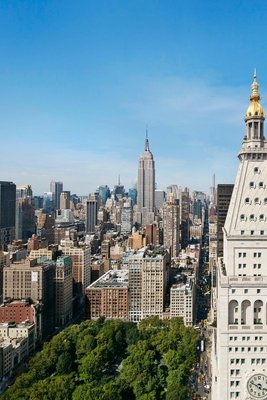
New York Edition
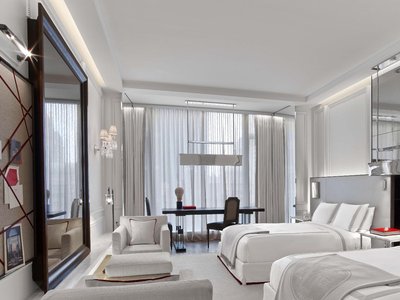
Baccarat Hotel New York

Equinox Hotel New York

Four Seasons Hotel New York Downtown
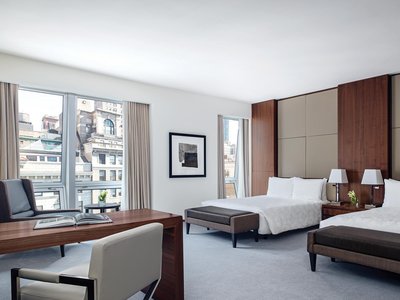
The Langham, New York, Fifth Avenue

The Carlyle, A Rosewood Hotel

The Chatwal, in the Unbound Collection by Hyatt
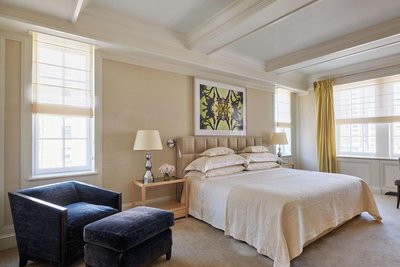
The Mark New York
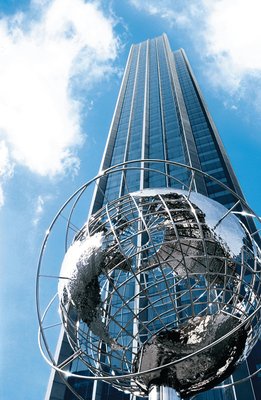
Trump International Hotel & Tower® New York
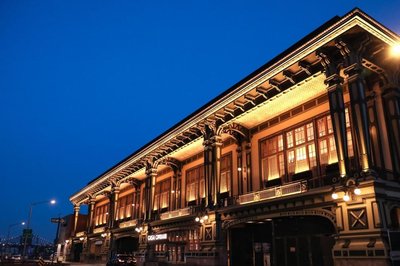
Casa Cipriani New York
Frequently Asked Questions about Traveling to Akitakata
Questions You Might Need to Know About Traveling to Akitakata
In Takahata City, stay at Takada Machi Soba Minka, a traditional Japanese farmhouse turned guesthouse in the Yokogawa district. This heritage property offers authentic immersion into Edo-period life, with tatami rooms and an original wooden veranda overlooking a quiet stream. Guests can join hands-on washi paper-making workshops and enjoy breakfast featuring local specialties like chikuwa soup and Hiroshima sake. The staff often share stories of village traditions, making it a deeply cultural and intimate stay. Located near Shirai Shrine and Kotoku Castle Ruins, it’s ideal for travelers seeking authenticity beyond tourism.
The best time to visit Takahata City is spring (March to May), when cherry blossoms line the Miyainogawa River, creating a dreamy pink corridor perfect for photography. Mild temperatures make hiking in Oomori Mountain Natural Park enjoyable. Summer brings the vibrant Yamagaki Festival, where locals parade in historical costumes and perform traditional dances. For autumn enthusiasts, the hills blaze in crimson during October, offering stunning views from the Kotoku Castle Viewing Platform. Avoid late July–August due to humidity, but consider visiting during the Night Lantern Festival at Shirai Shrine for a magical evening experience.
Yes, Takahata City is accessible via JR West San'yō Main Line, with Takada Station serving as the main gateway. From the station, a 15-minute walk or free shuttle bus connects to the city center. Local buses link key attractions like Yokogawa Washi Workshop and Shirai Shrine. For those driving, the Chūgoku Expressway offers a scenic route via the Takada Exit. Consider purchasing the Hiroshima Sightseeing Pass to save on transportation costs across the region. Buses run frequently during festivals, ensuring smooth access even during peak times.
Stay in the Yokogawa district, the heart of Takahata City’s historical area. Choose Yokogawa Old Street Minka, a preserved Edo-era house located just steps from Kotoku Castle Ruins, Shirai Shrine, and Yokogawa Washi Workshop. The neighborhood features cobbled lanes and traditional timber houses, evoking old Japan. Many guesthouses offer guided walks led by local residents, revealing hidden stone walls and ancient irrigation systems tied to the region’s feudal past. Ideal for history buffs seeking quiet, immersive exploration away from crowds.
Takahata City is renowned for washi paper-making, especially in the Yokogawa area, where artisans have preserved techniques for over 100 years. Participate in a hands-on workshop at Yokogawa Washi Workshop, learning how to turn kozo bark into delicate sheets using bamboo molds and natural drying methods. You’ll take home your own handmade paper. Additionally, try lacquerware crafting at nearby studios, where you can coat wooden bowls with natural urushi lacquer. These experiences provide deep cultural insight and create lasting mementos rooted in tradition.
Must-try dishes include Takada soba, made from locally grown buckwheat flour—light, chewy, and served in a clear kombu broth. Another highlight is wild mountain vegetable tempura, featuring seasonal greens like ferns and dandelion harvested from Oomori Mountain, fried crisp and served with a dipping sauce. For dinner, sample Takada-style Hiroshima-style okonomiyaki, which includes local pickled seaweed and bean sprouts, giving it a distinct regional twist. All these meals are available at cozy eateries along Yokogawa Old Street, blending flavor with rustic charm.
Absolutely. Takahata City offers family-friendly activities such as the children’s ecological trail in Oomori Mountain Natural Park, complete with insect observation boxes and nature signs. The Yokogawa Washi Workshop hosts parent-child craft sessions, where kids help make small washi bookmarks. During summer, the Yamagaki Festival features a children’s parade and traditional costume rentals, allowing kids to join the festivities. Most guesthouses provide cribs and child-sized meals, ensuring comfort for all ages. It’s a peaceful, safe destination ideal for intergenerational travel.
Though quiet, Takahata City shines at night. Yokogawa Old Street glows under lanterns, transforming into a nostalgic pathway perfect for evening strolls. Some guesthouses offer stargazing sessions—ideal due to minimal light pollution. The Night Lantern Festival at Shirai Shrine, held seasonally, features dozens of floating paper lanterns on the river, creating a poetic reflection. For relaxation, book a tea ceremony evening at a ryokan, sipping locally roasted green tea while listening to the rustle of mountain winds. These moments offer serenity and soulful connection.
Photographers love Yokogawa Old Street at dawn, when mist curls around aged wooden houses and cobbled paths, forming ethereal compositions. The Miyainogawa Cherry Blossom Path in spring creates a surreal tunnel of pink blooms reflected in still water—perfect for long-exposure shots. Oomori Mountain in autumn bursts into fiery reds and golds, offering panoramic views from the summit. At sunset, the ruins of Kotoku Castle cast dramatic silhouettes against the sky. Many guesthouses also provide local photography guides who know the best hidden angles and seasonal lighting. Don’t miss capturing the night lantern festival for a dreamlike final frame.
Takahata City has a humid subtropical climate with four distinct seasons. Spring (March–May) is ideal—warm, sunny, and perfect for cherry blossom viewing. Summer (June–August) is hot and humid; avoid midday hikes but enjoy morning visits to indoor workshops. Autumn (September–November) offers cool, dry weather and stunning fall foliage, especially in Oomori Mountain. Winter (December–February) is cold but mostly clear, with occasional snow in higher areas—great for peaceful winter landscapes. Rainfall peaks in June–July, so carry a compact umbrella. Best travel months: April to November, when conditions are optimal for outdoor exploration.
Akitakata Overview
City Summary
Akitakata City, located in the northern part of Hiroshima Prefecture, Japan, is a city rich in natural beauty and historical heritage. Known for its clear rivers, dense forests, and abundant hot springs, it is an ideal destination for those seeking to escape urban hustle. The city also boasts a long history, particularly related to the Warring States period, with sites like the ruins of the Mori clan's castle attracting history enthusiasts.
Must-See Attractions
Must-see attractions in Akitakata include Takada Castle Ruins, a former stronghold of the Mori clan during the Warring States period, surrounded by a park that offers seasonal beauty. Yuki Hot Springs is a renowned spa destination with therapeutic waters. Additionally, Ohdomari Lake features stunning natural scenery perfect for hiking and camping. For culture lovers, the Akitakata City History and Folklore Museum showcases local history and traditions.
Food Guide
Akitakata's cuisine focuses on local produce and traditional Japanese dishes. Don't miss the Hiroshima oysters, known for their freshness, and Takada tofu, prized for its delicate texture. The local specialty Yuki nabe is a must-try winter dish. Street snacks like grilled dango and red bean cakes are also popular.
Transportation Guide
Public transportation in Akitakata is primarily bus-based, with several routes connecting major attractions, though schedules are infrequent—check timetables in advance. From Hiroshima, take the JR line to Hiroshima Station, then transfer to a bus to Akitakata (about 1.5 hours). Renting a car offers more flexibility, with ample parking available.
Best Time to Visit
The best times to visit are spring (March-May) and autumn (September-November), when the weather is mild and ideal for outdoor activities. Spring brings cherry blossoms, while autumn offers vibrant foliage. Summers can be hot, and winters are perfect for hot springs.
Travel Tips
- Respect local customs, especially when visiting shrines.
- Follow onsen etiquette, such as showering before entering baths.
- Some attractions are hard to reach without a car; consider renting one.
- Dispose of trash properly and recycle when possible.
- Rural roads may have limited lighting; exercise caution at night.
- Carry cash, as some restaurants don't accept cards.
Useful Information
Japanese is the primary language; English is rarely spoken, so a translation app is helpful. Mobile coverage is good, and prepaid SIMs are available at convenience stores. Cash is preferred, though some places accept cards. For emergencies, dial 110 (police) or 119 (ambulance). Medical facilities are concentrated in the city center; travel insurance is recommended.