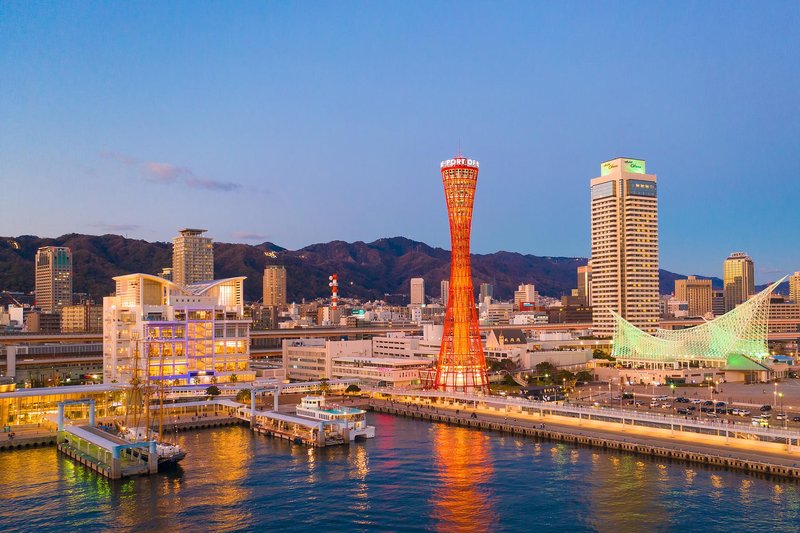
Hotels in Akitakata
Discover your perfect stay in Akitakata.
Akitakata(Japan) Travel 2026: Cheap Flights, Hotels & Top Attractions
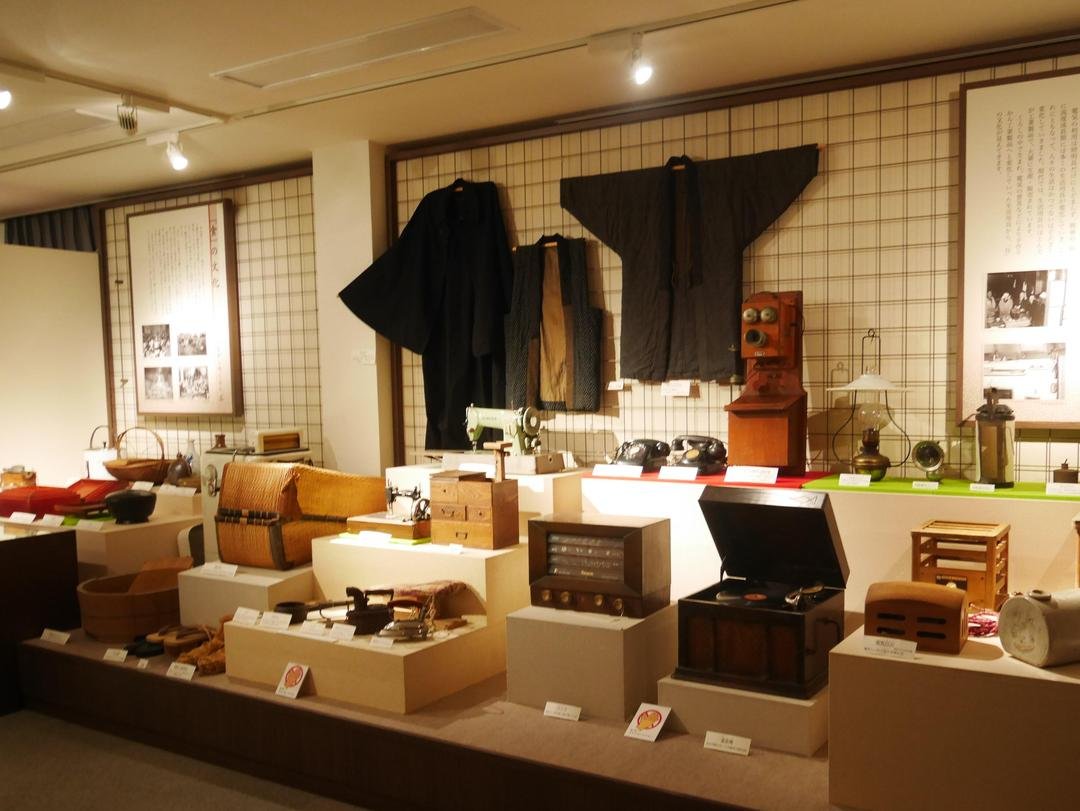
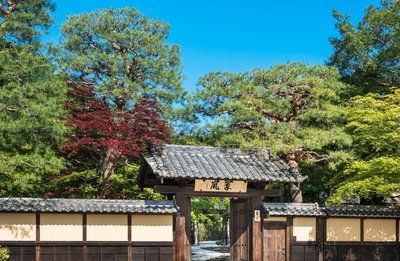
Popular Landmarks in Akitakata
Discover the most iconic attractions in Akitakata
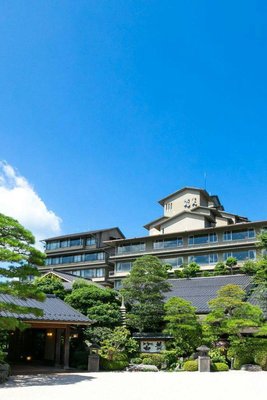
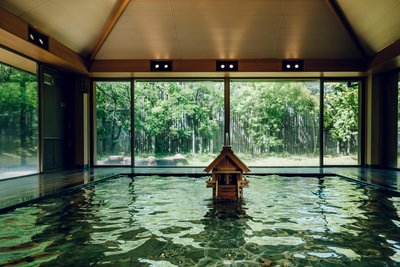
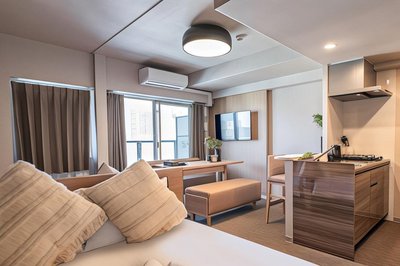
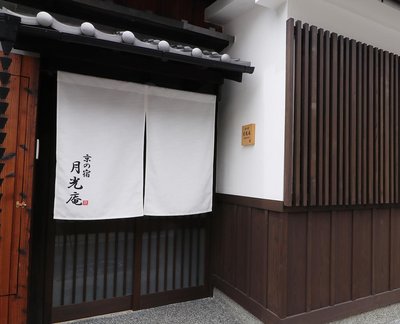
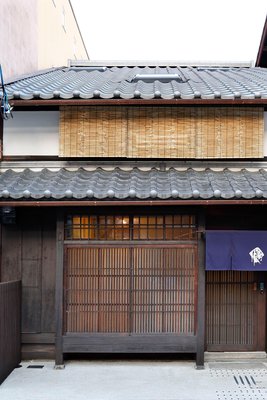
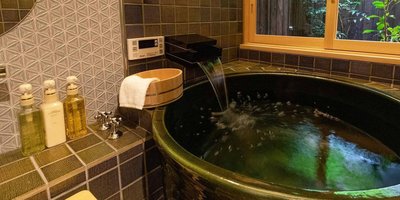
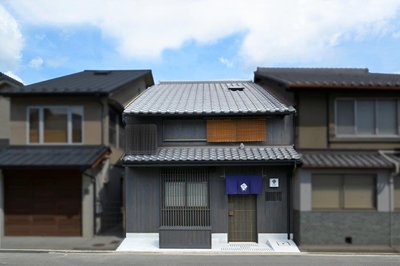
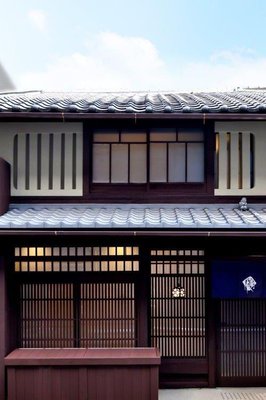
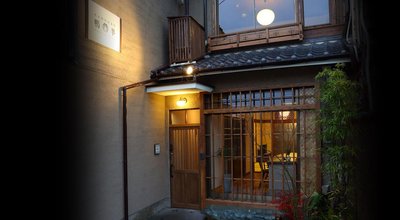
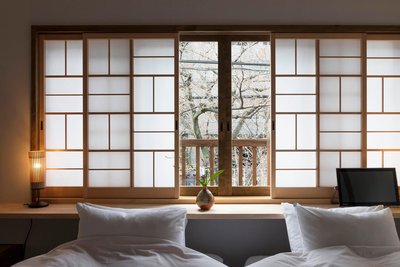
Recommended Hotels in Akitakata
Find the perfect place to stay in Akitakata
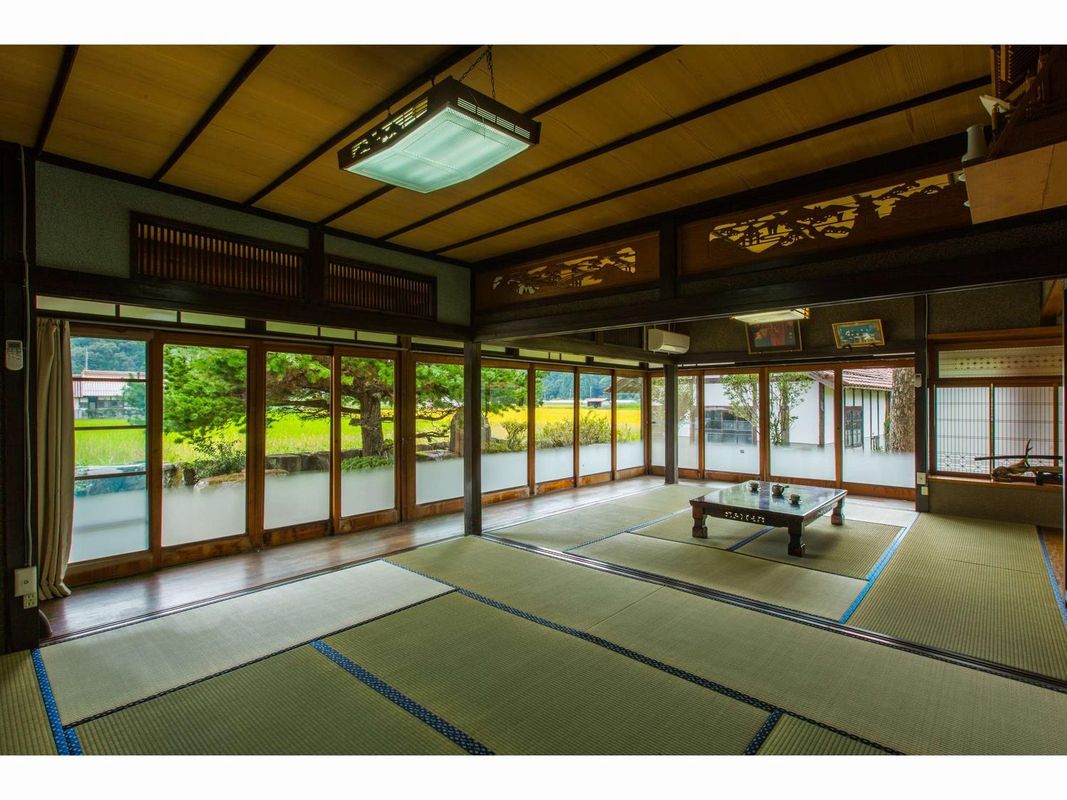
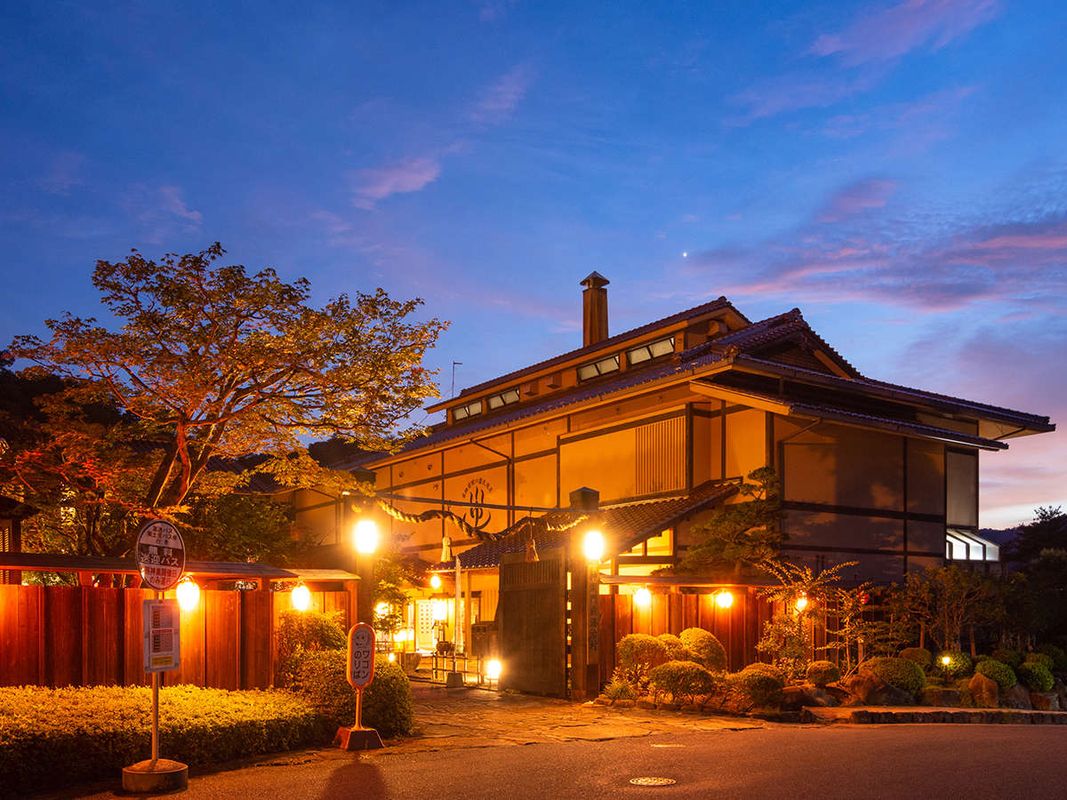
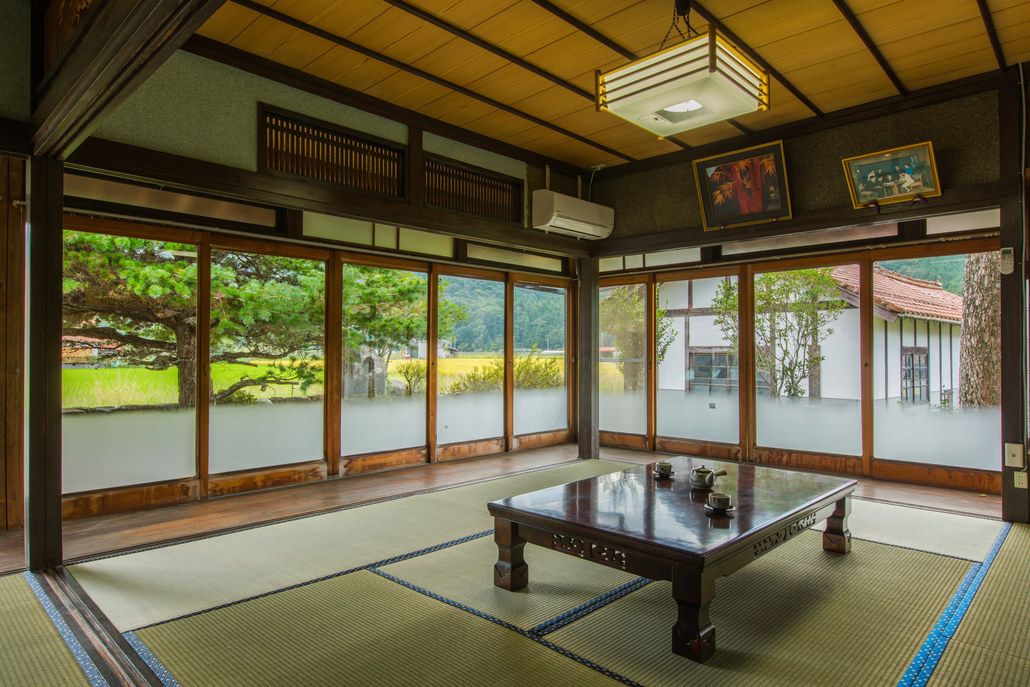
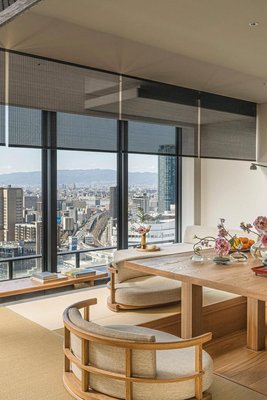
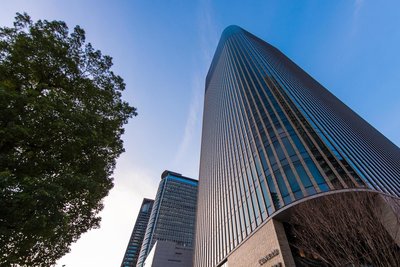
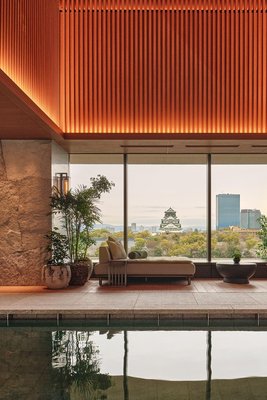
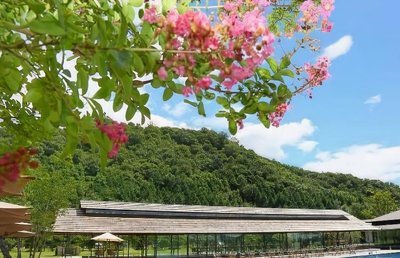
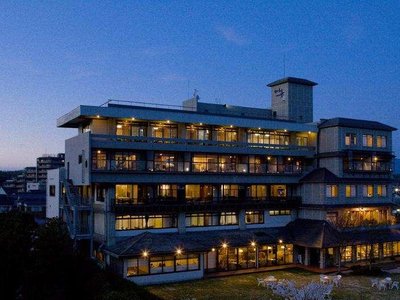
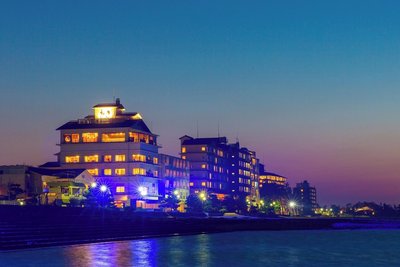
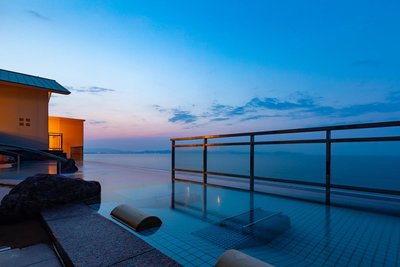
Best Hotels in Akitakata
Discover curated hotel collections in Akitakata
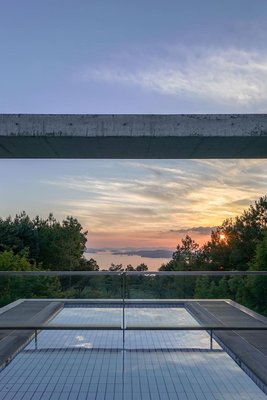
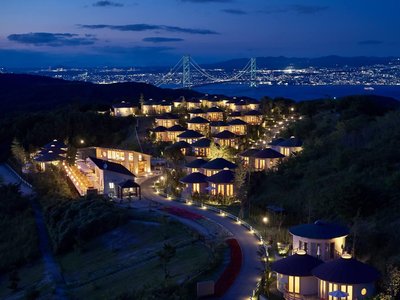
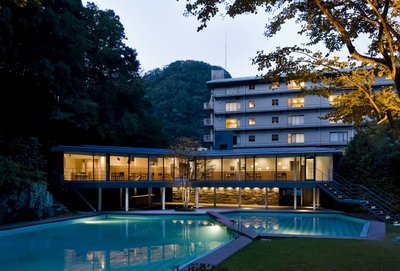


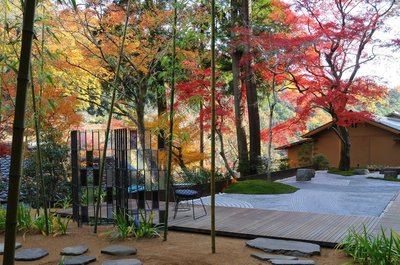
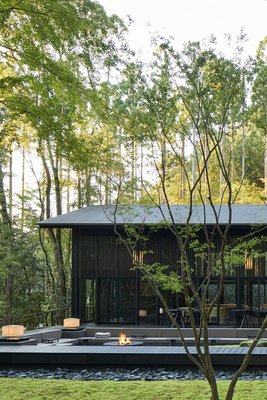
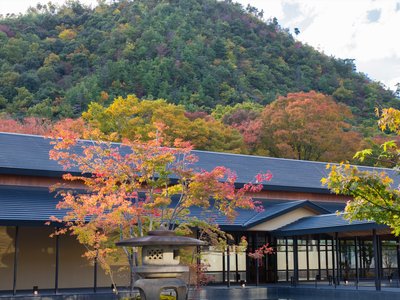
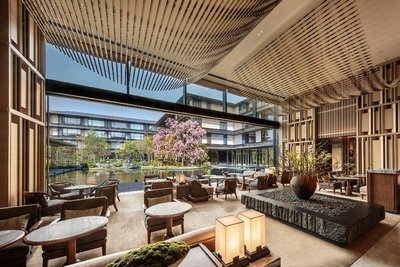
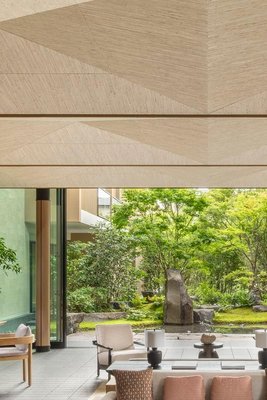
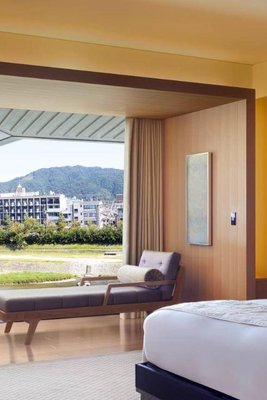
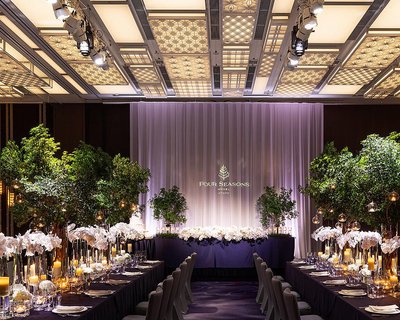
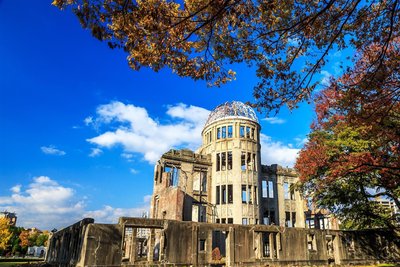
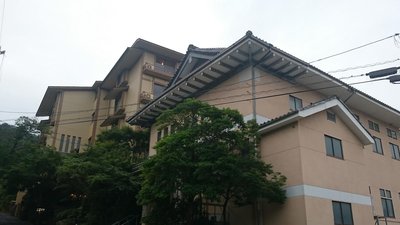
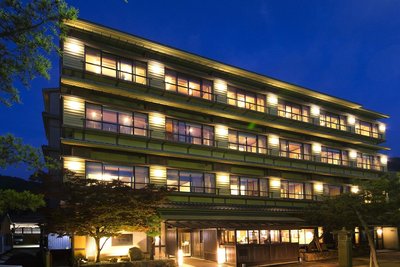
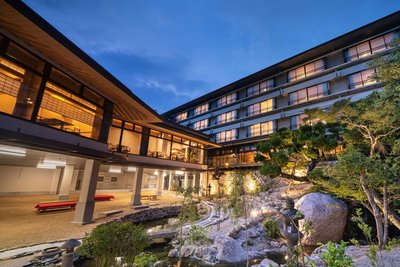
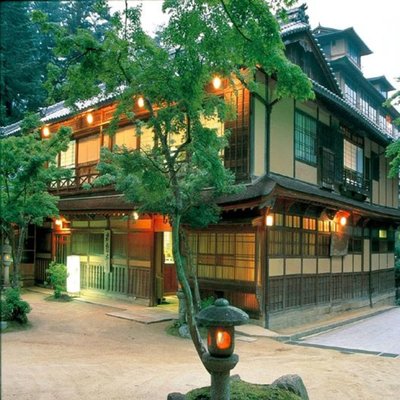
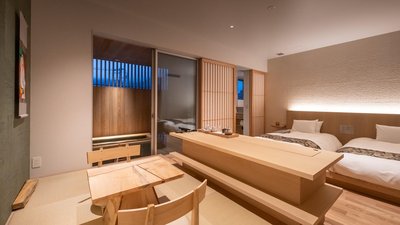
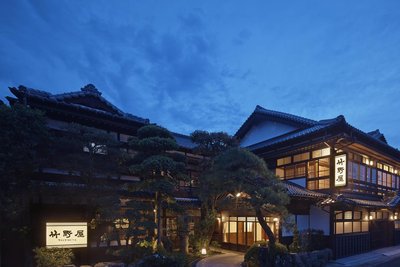
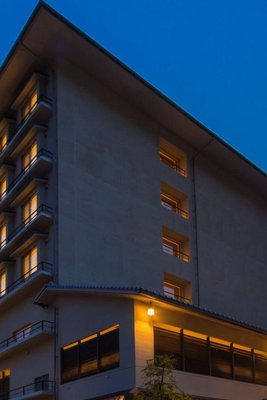
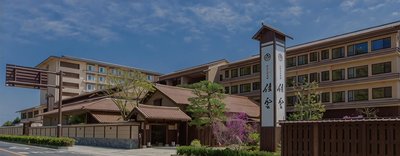

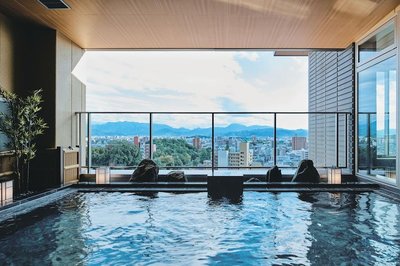
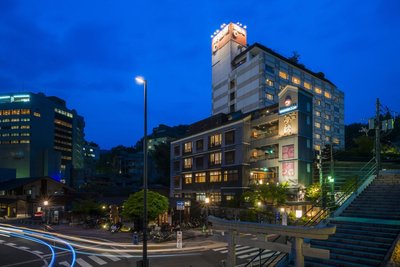
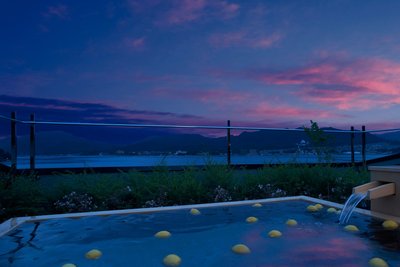
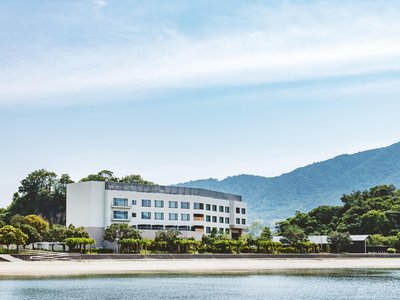
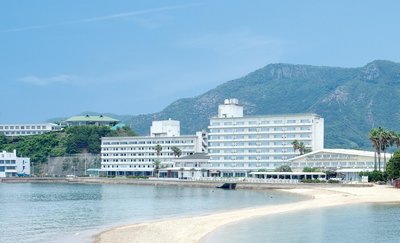
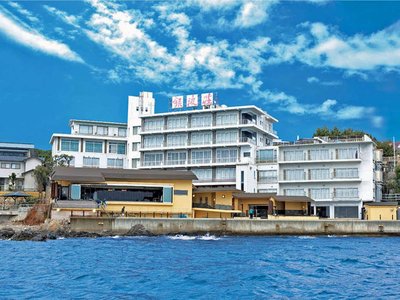

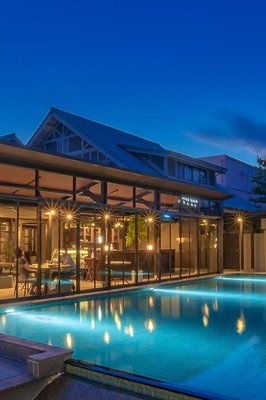
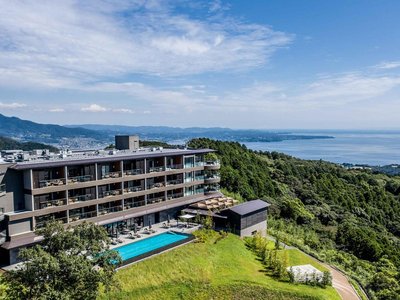
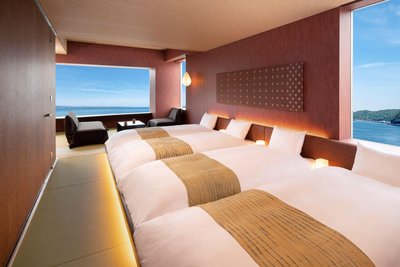
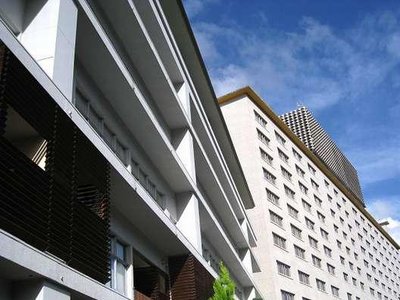
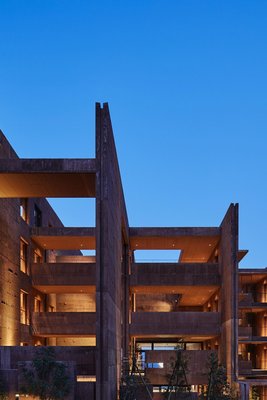
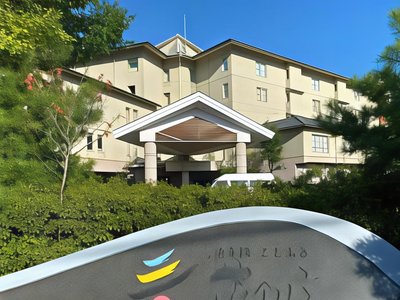

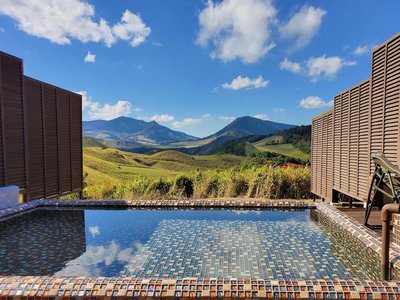
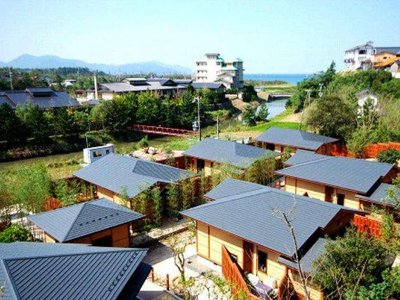
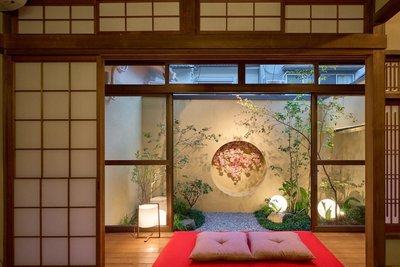
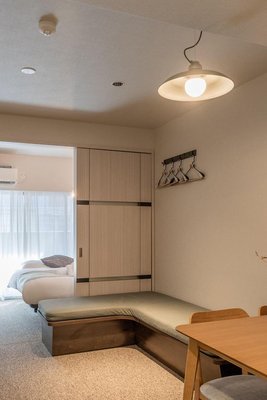





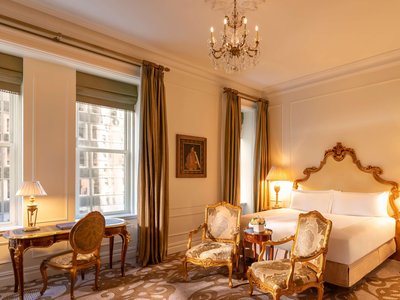
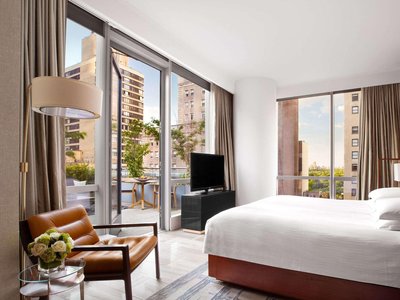






Frequently Asked Questions about Traveling to Akitakata
Questions You Might Need to Know About Traveling to Akitakata
Akitakata Overview
City Summary
Akitakata City, located in the northern part of Hiroshima Prefecture, Japan, is a city rich in natural beauty and historical heritage. Known for its clear rivers, dense forests, and abundant hot springs, it is an ideal destination for those seeking to escape urban hustle. The city also boasts a long history, particularly related to the Warring States period, with sites like the ruins of the Mori clan's castle attracting history enthusiasts.
Must-See Attractions
Must-see attractions in Akitakata include Takada Castle Ruins, a former stronghold of the Mori clan during the Warring States period, surrounded by a park that offers seasonal beauty. Yuki Hot Springs is a renowned spa destination with therapeutic waters. Additionally, Ohdomari Lake features stunning natural scenery perfect for hiking and camping. For culture lovers, the Akitakata City History and Folklore Museum showcases local history and traditions.
Food Guide
Akitakata's cuisine focuses on local produce and traditional Japanese dishes. Don't miss the Hiroshima oysters, known for their freshness, and Takada tofu, prized for its delicate texture. The local specialty Yuki nabe is a must-try winter dish. Street snacks like grilled dango and red bean cakes are also popular.
Transportation Guide
Public transportation in Akitakata is primarily bus-based, with several routes connecting major attractions, though schedules are infrequent—check timetables in advance. From Hiroshima, take the JR line to Hiroshima Station, then transfer to a bus to Akitakata (about 1.5 hours). Renting a car offers more flexibility, with ample parking available.
Best Time to Visit
The best times to visit are spring (March-May) and autumn (September-November), when the weather is mild and ideal for outdoor activities. Spring brings cherry blossoms, while autumn offers vibrant foliage. Summers can be hot, and winters are perfect for hot springs.
Travel Tips
- Respect local customs, especially when visiting shrines.
- Follow onsen etiquette, such as showering before entering baths.
- Some attractions are hard to reach without a car; consider renting one.
- Dispose of trash properly and recycle when possible.
- Rural roads may have limited lighting; exercise caution at night.
- Carry cash, as some restaurants don't accept cards.
Useful Information
Japanese is the primary language; English is rarely spoken, so a translation app is helpful. Mobile coverage is good, and prepaid SIMs are available at convenience stores. Cash is preferred, though some places accept cards. For emergencies, dial 110 (police) or 119 (ambulance). Medical facilities are concentrated in the city center; travel insurance is recommended.