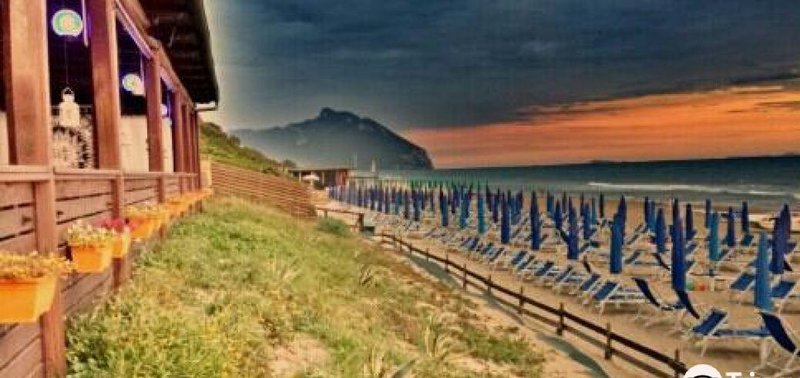
Hotels in Albino
Discover your perfect stay in Albino.
Albino(Italy) Travel 2026: Cheap Flights, Hotels & Top Attractions
Popular Landmarks in Albino
Discover the most iconic attractions in Albino
Recommended Hotels in Albino
Find the perfect place to stay in Albino
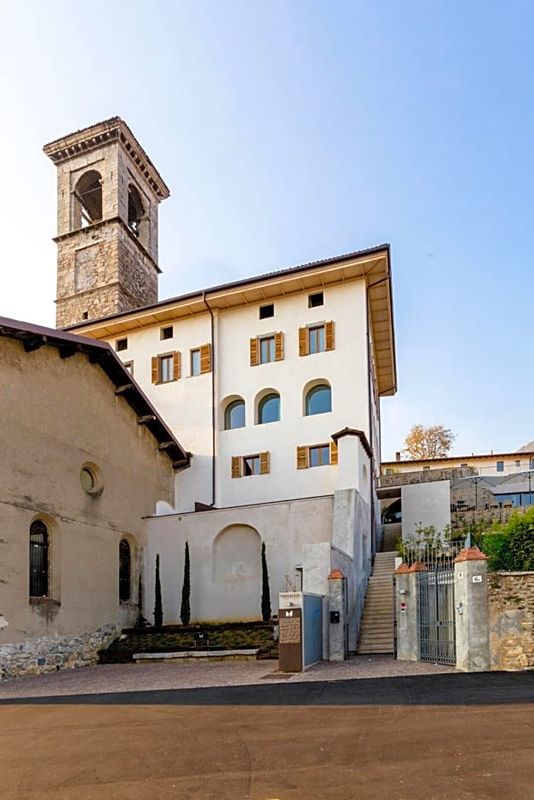
La Ripa Boutique Hotel
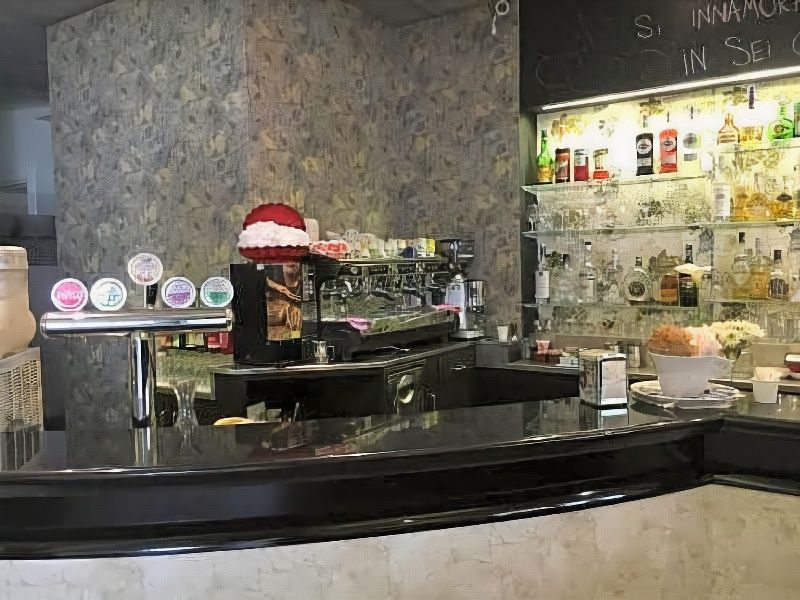
Albergo Valle d'Oro
Best Hotels in Albino
Discover curated hotel collections in Albino
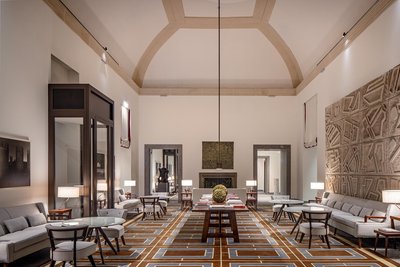
Portrait Milano - Lungarno Collection
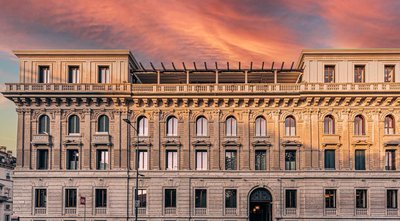
Casa Cipriani Milano
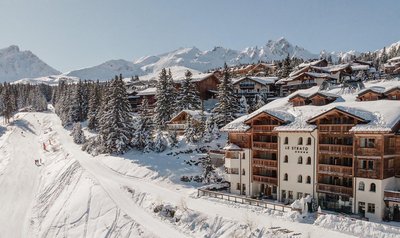
Le Strato
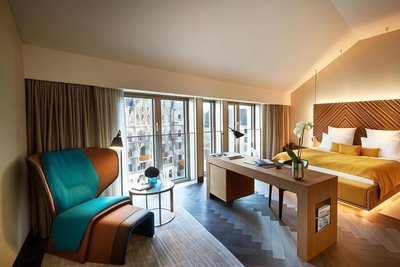
BEYOND by Geisel
The Glamore Milano Duomo
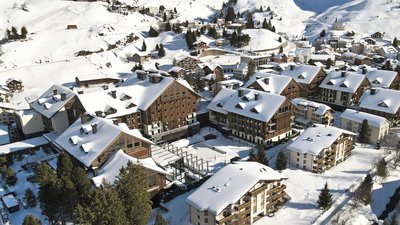
The Chedi Andermatt, Switzerland
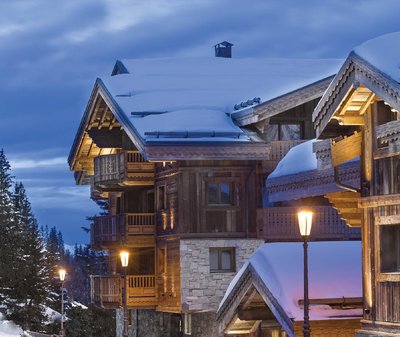
Six Senses Residences Courchevel
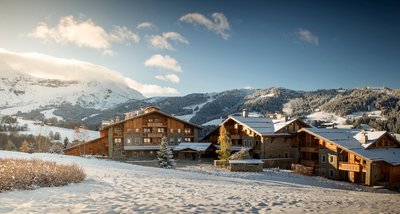
Four Seasons Hotel Megeve
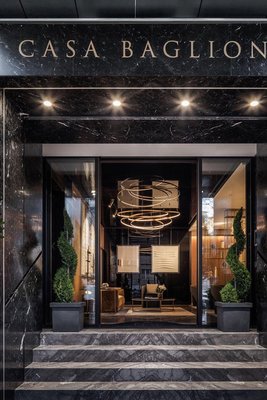
Casa Baglioni Milan - the Leading Hotels of the World
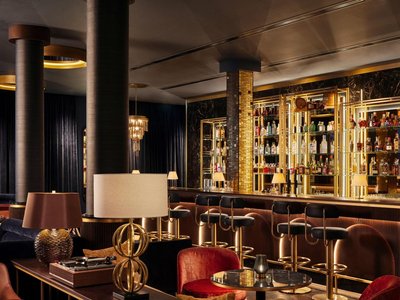
Rosewood Munich
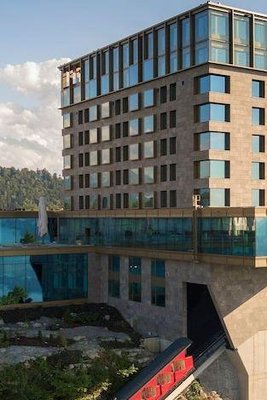
Burgenstock Hotel & Alpine Spa
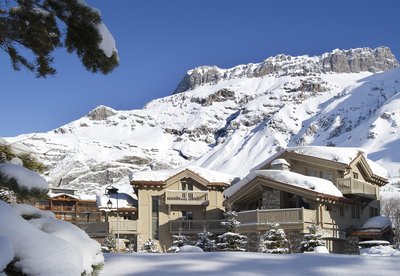
Hotel le K2 Altitude
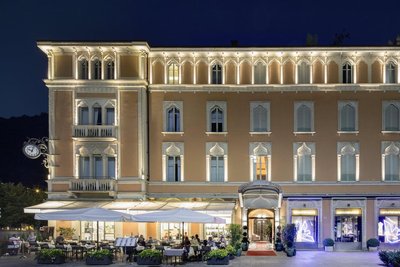
Vista Lago di Como
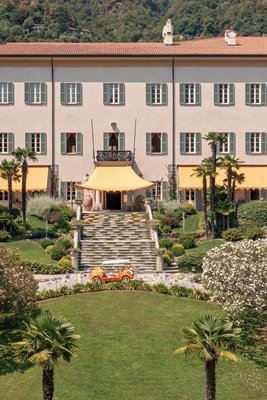
Passalacqua
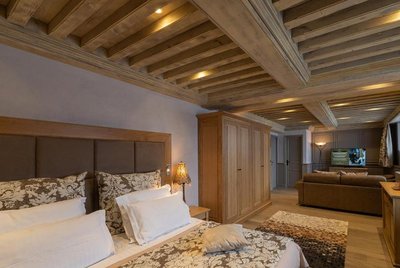
Le Lana
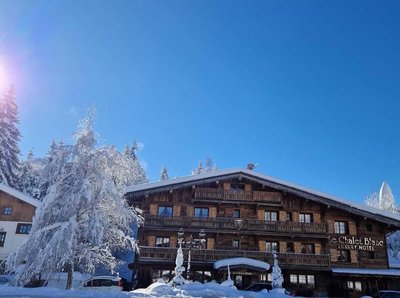
Le Chalet Blanc
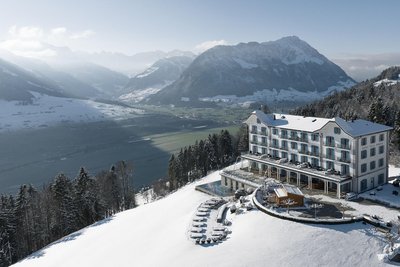
Hotel Villa Honegg
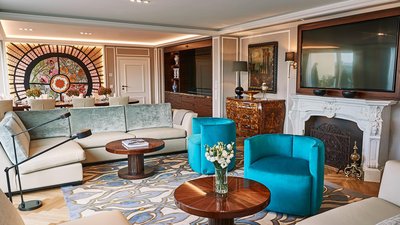
Hotel Vier Jahreszeiten Kempinski Munich
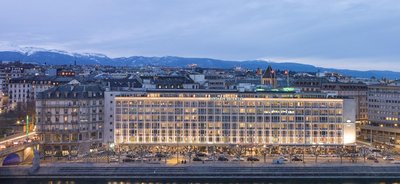
Mandarin Oriental, Geneva
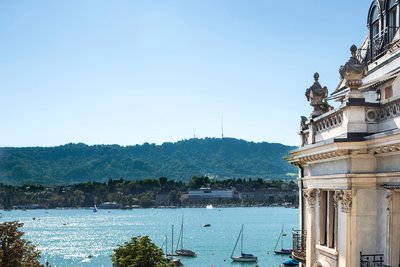
La Réserve Eden au Lac Zurich
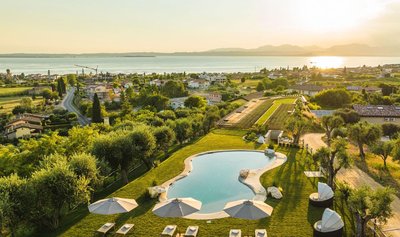
Privilegium Lazise
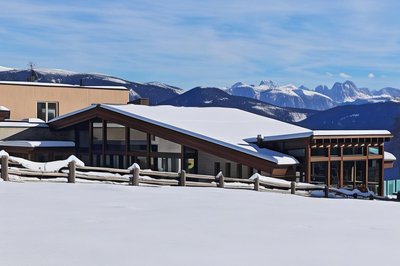
Terra - the Magic Place
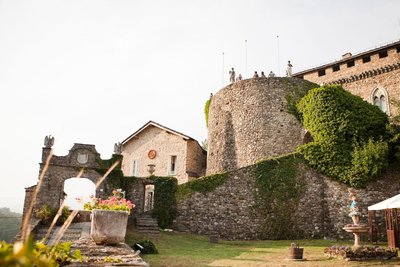
Castello di Compiano Hotel Relais Museum
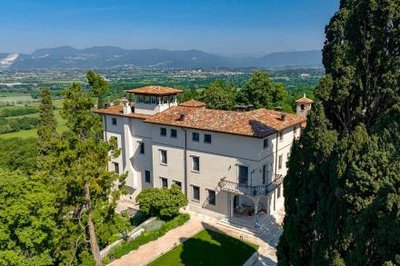
Eremus Relais
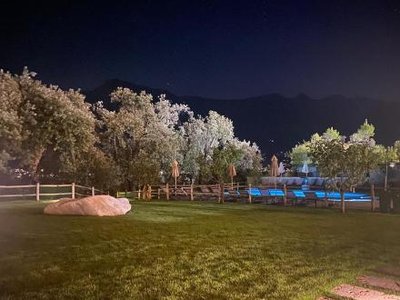
Sibenbras Natural Aparthotel
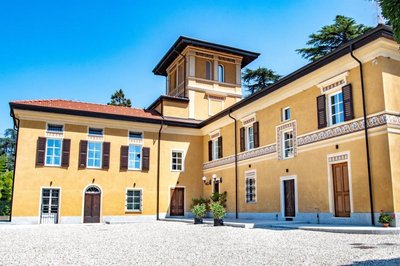
Capriccio Art Hotel
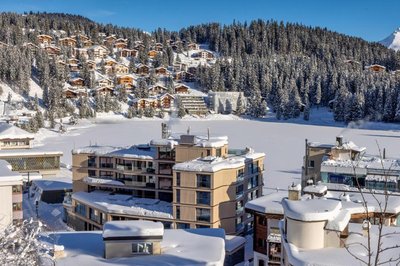
Postresidenz am See
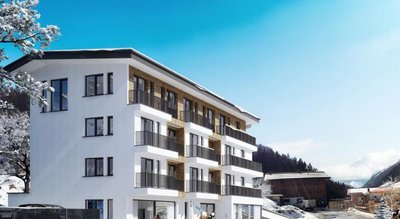
The Ischgl Lodge

Alagna Mountain Resort & SPA
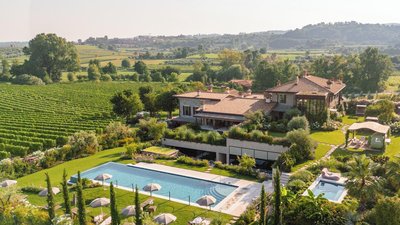
Conti Thun Wine Resort
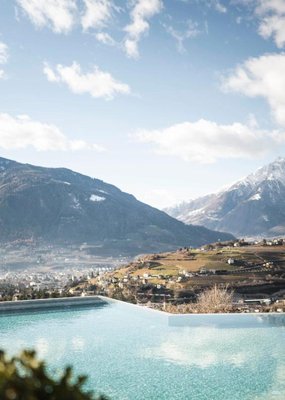
Schenna Resort
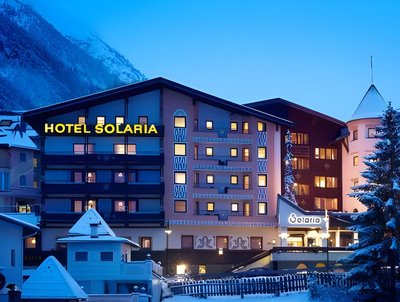
Hotel Solaria Ischgl - 4 Superior
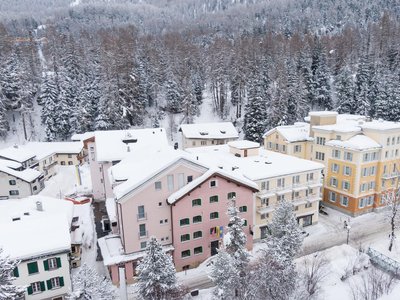
Hotel Post Sils Maria
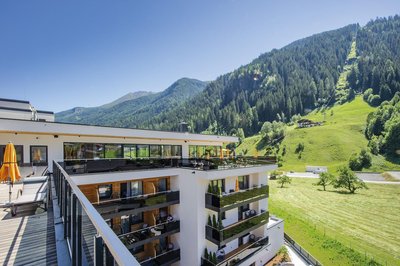
Active Nature Resort DAS SeeMOUNT
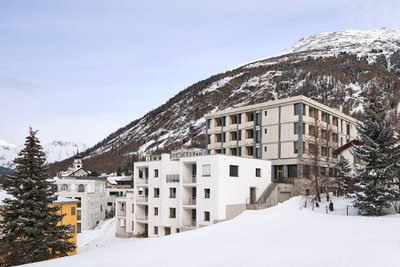
Hotel Maistra 160
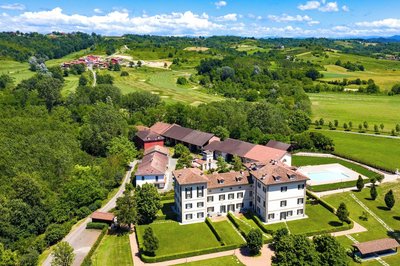
Villa Raggi
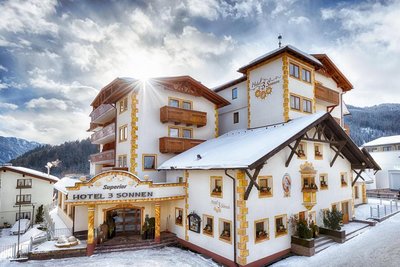
Hotel DreiSonnen
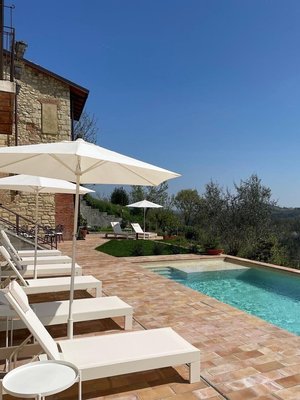
Relais Dal Cavaliere
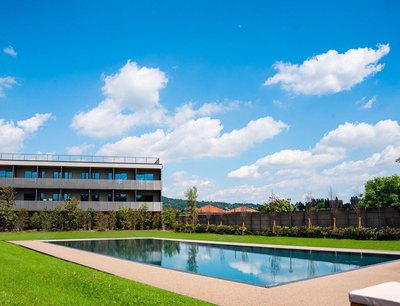
Como Hills Hotel

Mohe Boutique Hotel
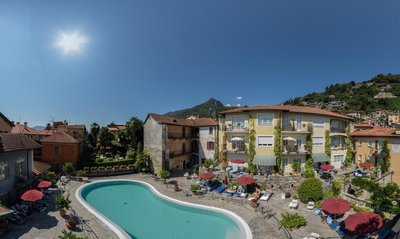
Hotel Cannero
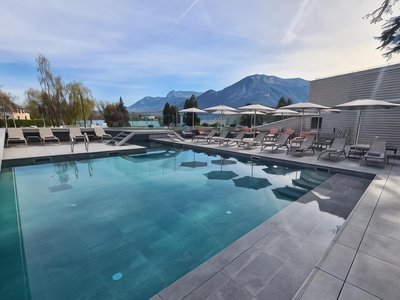
Le Pélican
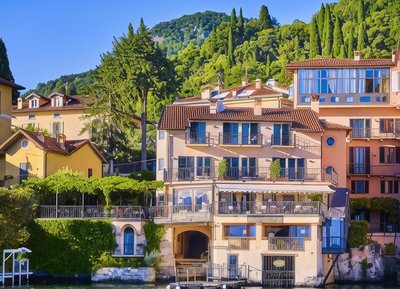
Casa du Lac, by R Collection Hotels
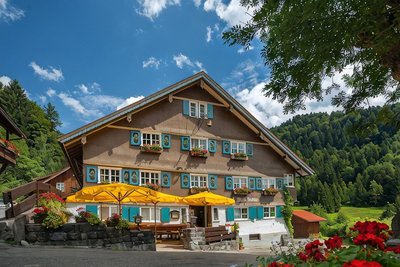
Hotel Bad Rain Mit Oberstaufen PlusGolf
Sibenbras Natural Aparthotel
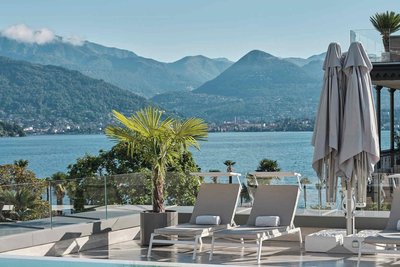
Boutique Hotel Stresa
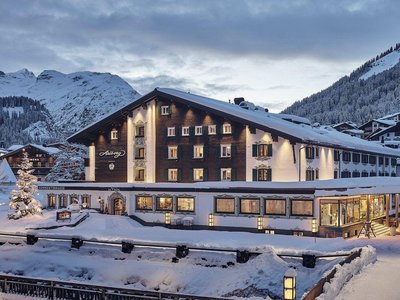
Hotel Arlberg Lech
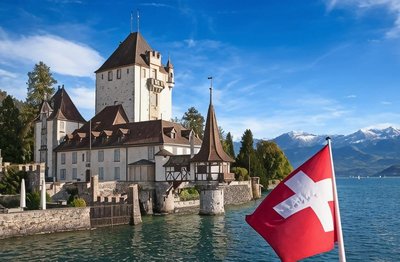
Hapimag Ferienwohnungen Interlaken
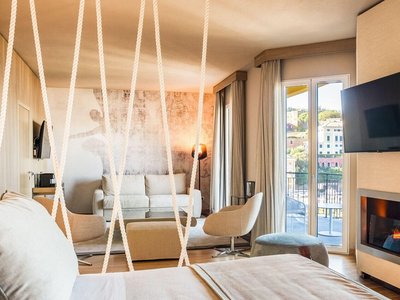
Miramare Suites
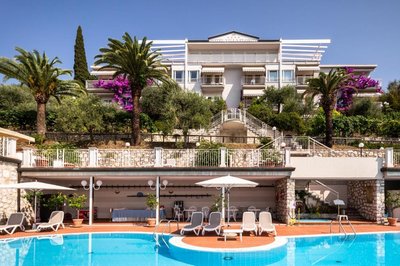
Hotel Villa Florida & Suite Apartments
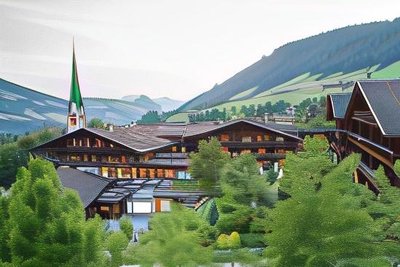
Der Böglerhof - Pure Nature Spa Resort
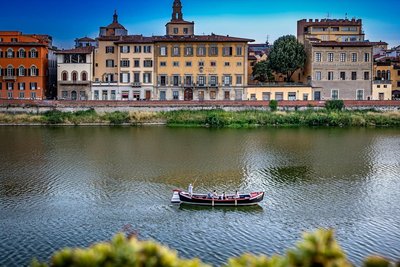
Il Rivalta
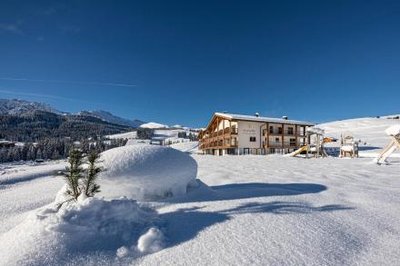
Brunelle Seiser Alm Lodge
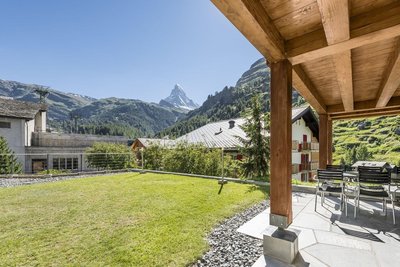
Ari Resort Apartments
Burgenstock Hotel & Alpine Spa
Vista Lago di Como
Passalacqua
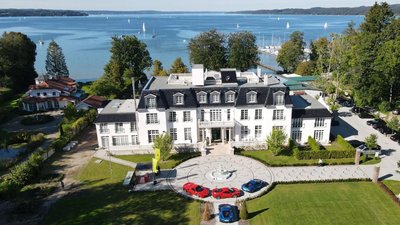
The Starnbergsee Hideaway
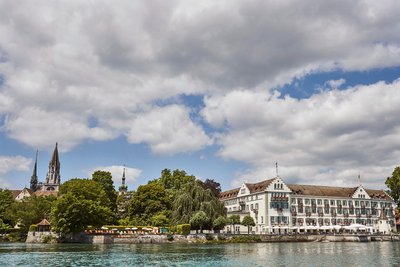
Steigenberger Inselhotel
Hotel Villa Honegg
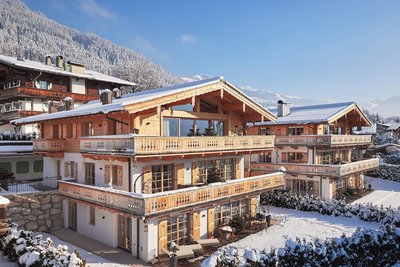
Tennerhof Luxury Chalets
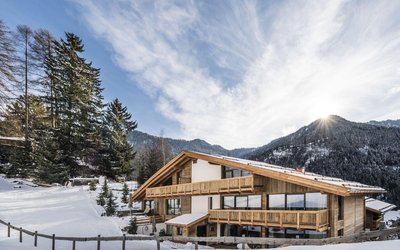
Hotel Montchalet
Castello di Compiano Hotel Relais Museum
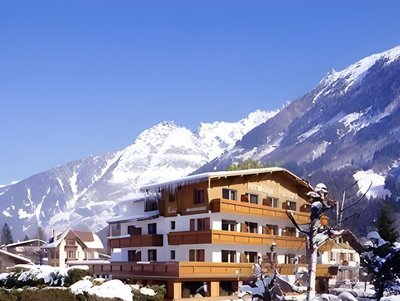
Chalet Hôtel Hermitage Chamonix
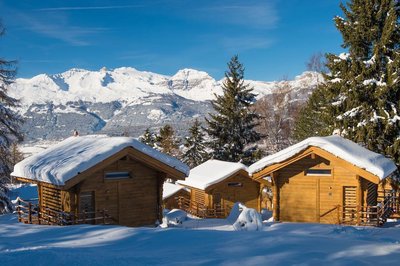
Les Mazots de la Source & Spa
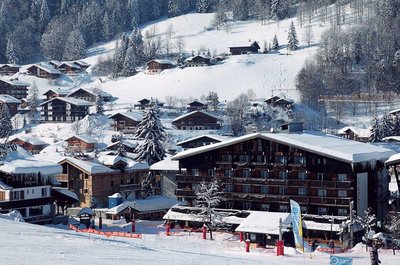
Chalet-Hôtel la Marmotte, la Tapiaz & Spa, the Originals Relais
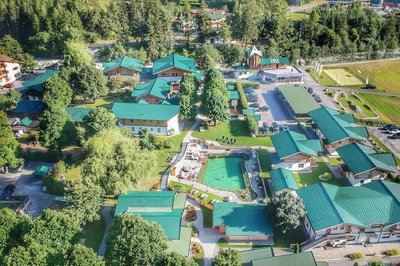
Feelfree Nature Resort
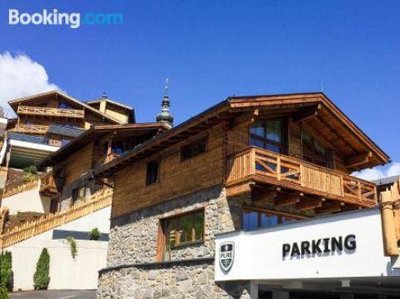
Pur Suites & Chalets
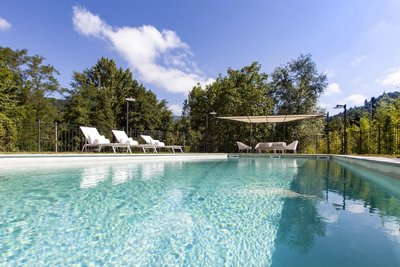
Castello di Pontebosio Luxury Resort
Passalacqua
Le Chalet Blanc
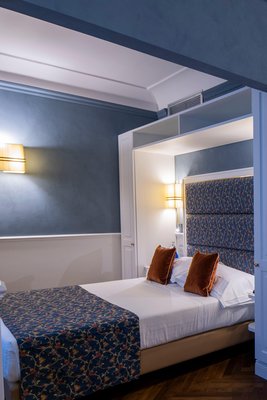
Rivoli Boutique Hotel
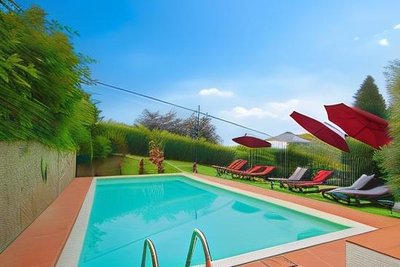
Hotel Villa Sermolli
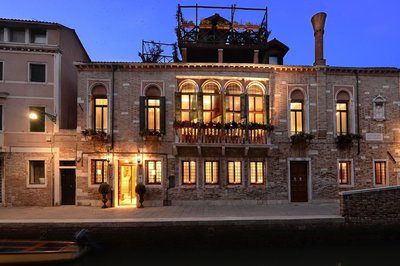
Palazzetto Madonna
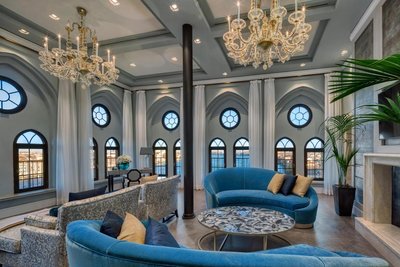
Hilton Molino Stucky Venice
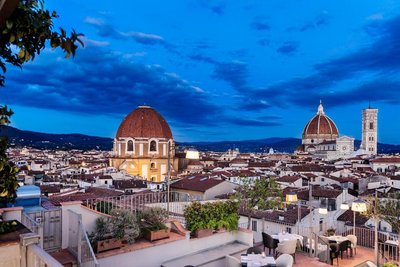
Grand Hotel Baglioni
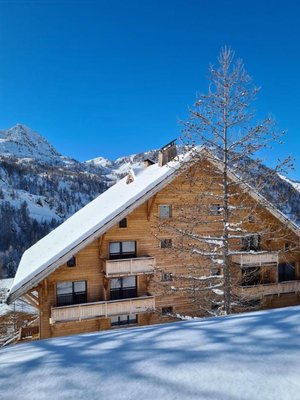
Chalet Marano Restaurant & Spa
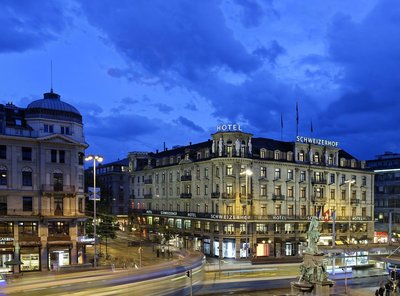
Hotel Schweizerhof Zürich
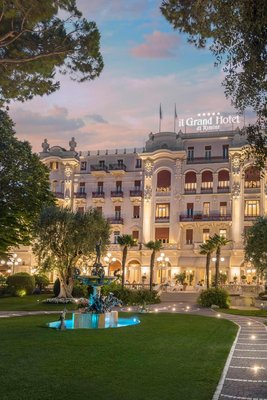
Grand Hotel Rimini

Palazzetto Pisani Grand Canal
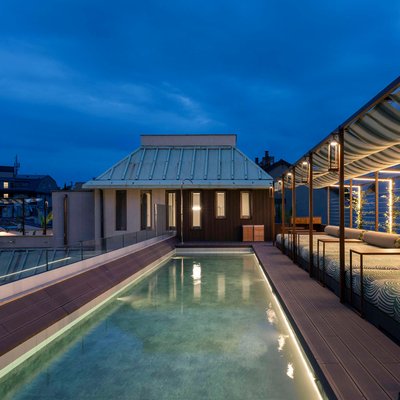
Radisson Collection Hotel Santa Sofia Milan
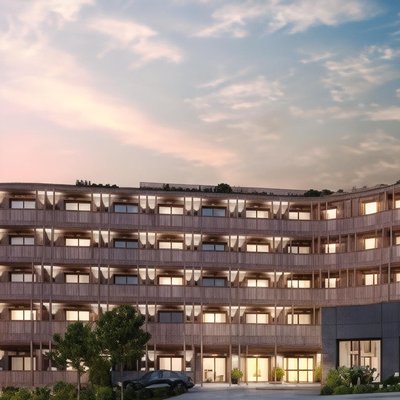
Caro & Selig, Tegernsee, Autograph Collection
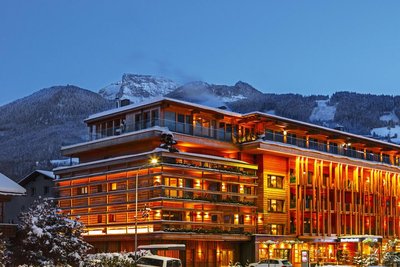
Small Luxury Hotel of the World - DasPosthotel
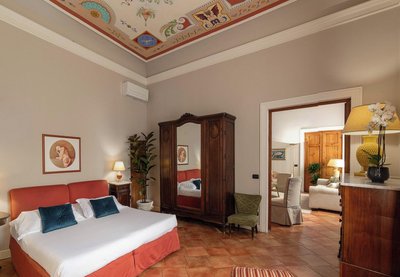
Palazzo Alfani - Residenza d'Epoca
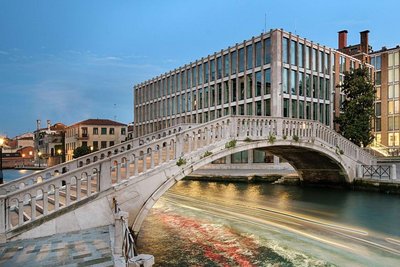
Avani Rio Novo Venice Hotel
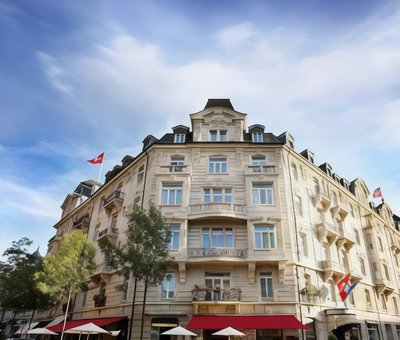
Small Luxury Hotel Ambassador Zurich
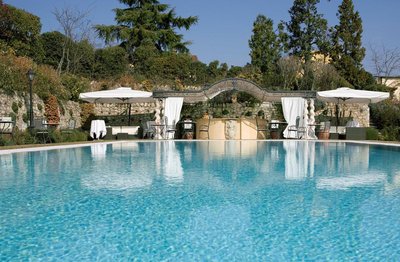
Byblos Art Hotel Villa Amista
La Réserve Eden au Lac Zurich
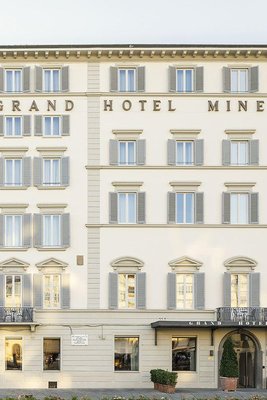
Grand Hotel Minerva
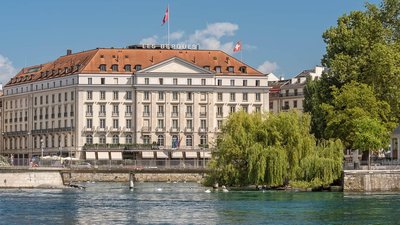
Four Seasons Hotel des Bergues Geneva
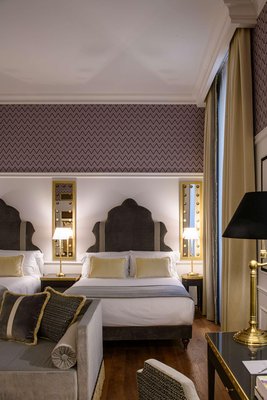
Il Tornabuoni Unbound
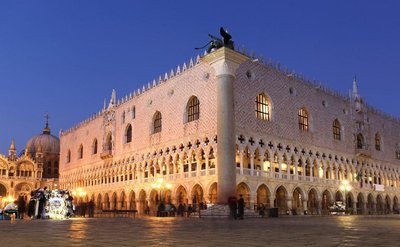
Ai Mori d'Oriente
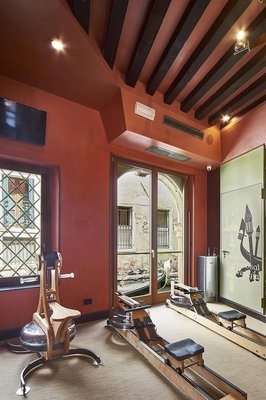
Hotel Saturnia & International
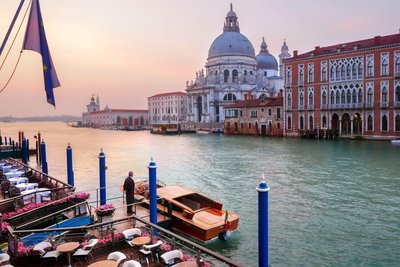
The Gritti Palace, a Luxury Collection Hotel, Venice
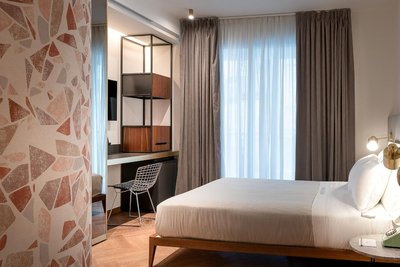
The Box Riccione - Adults Only
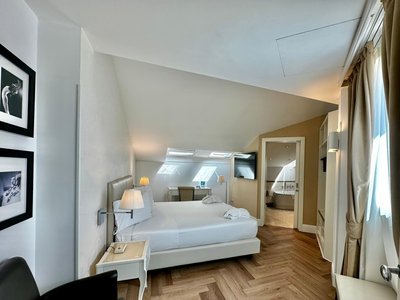
Maison Milano | UNA Esperienze
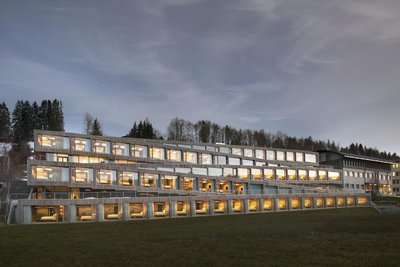
Hôtel des Horlogers
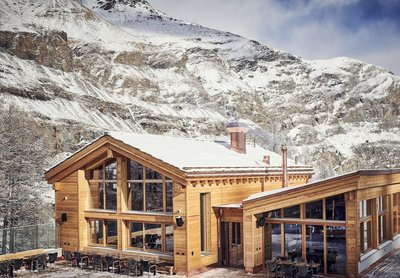
Matthiol Boutique Hotel
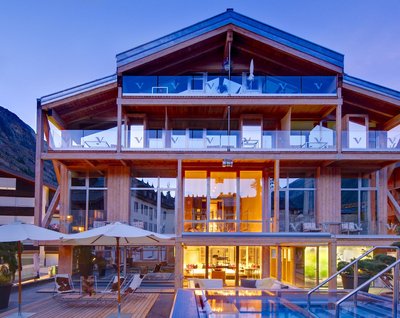
Backstage Boutique Spa Hotel
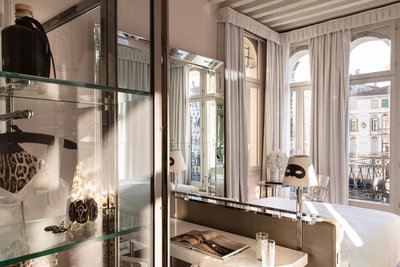
Palazzina Grassi
Casa Baglioni Milan - the Leading Hotels of the World
Hotel Vier Jahreszeiten Kempinski Munich
Grand Hotel Baglioni
Four Seasons Hotel des Bergues Geneva
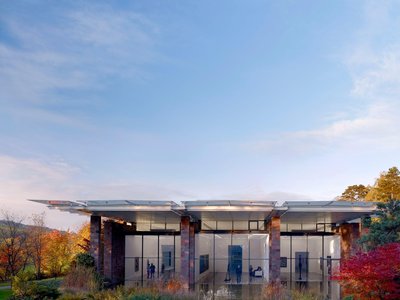
Grand Hotel les Trois Rois
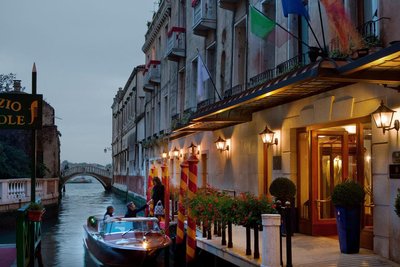
Baglioni Hotel Luna
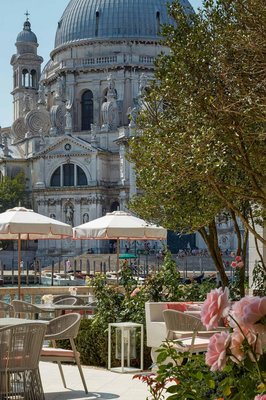
The St. Regis Venice
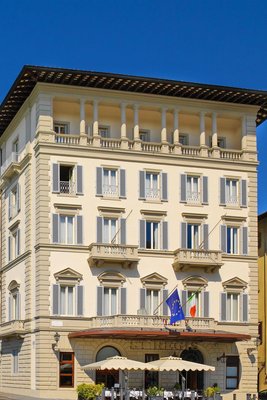
The St. Regis Florence
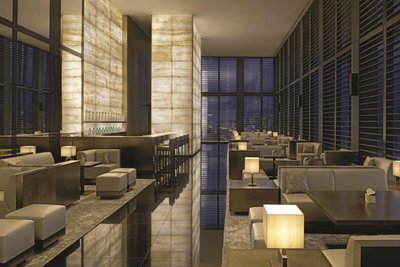
Armani Hotel Milano
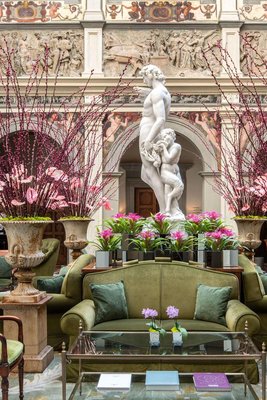
Four Seasons Hotel Firenze
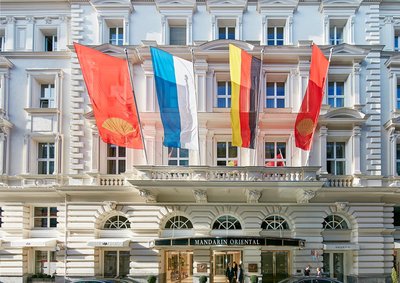
Mandarin Oriental, Munich
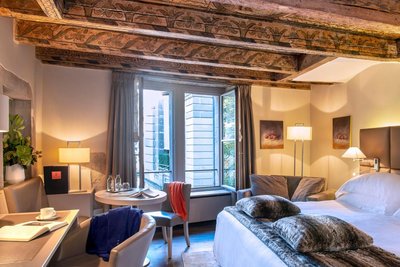
Hôtel les Armures
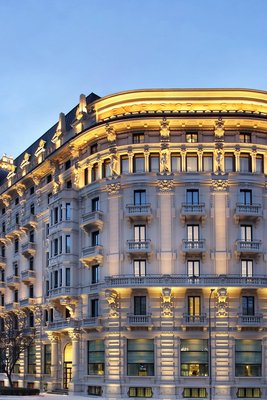
Excelsior Hotel Gallia, a Luxury Collection Hotel, Milan
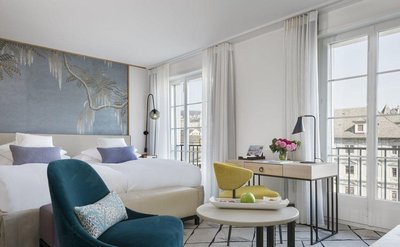
Storchen Zürich
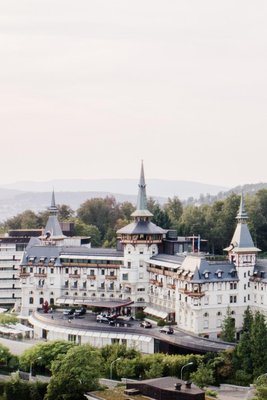
The Dolder Grand
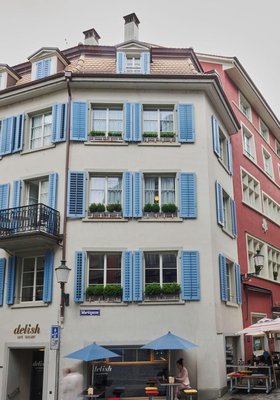
Marktgasse Hotel
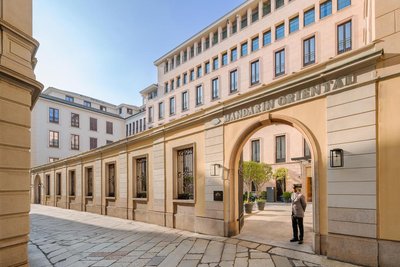
Mandarin Oriental, Milan
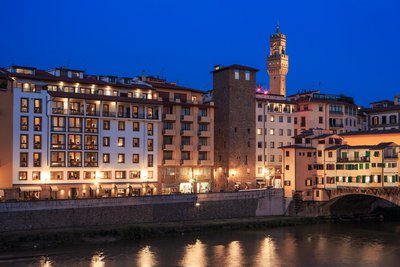
Portrait Firenze - Lungarno Collection
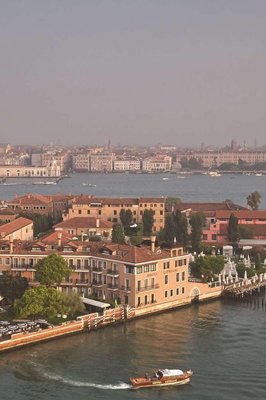
Hotel Cipriani, A Belmond Hotel, Venice
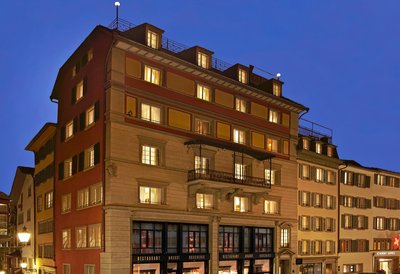
Widder Hotel - Zurichs Luxury Hideaway
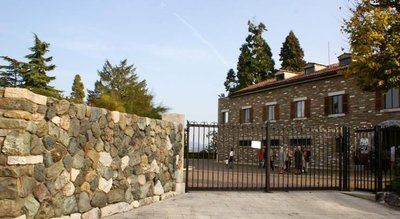
Villa Ottolenghi Wedekind
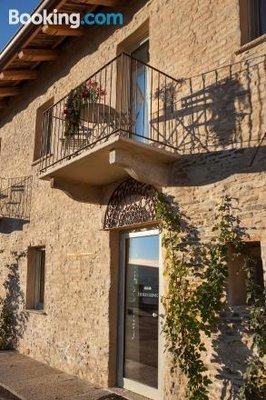
Borgese Camere e Suites
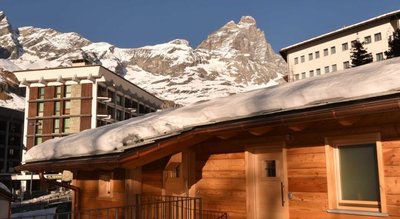
Il Cuore Del Cervino
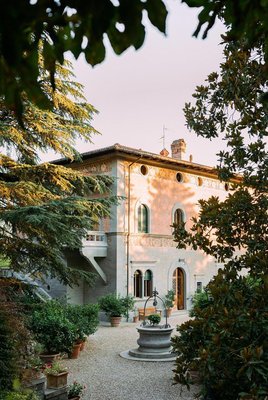
Villa la Commenda Concordia
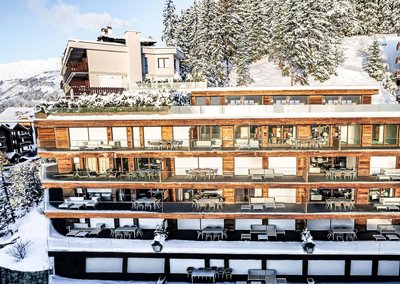
Sport Club Residences & Spa
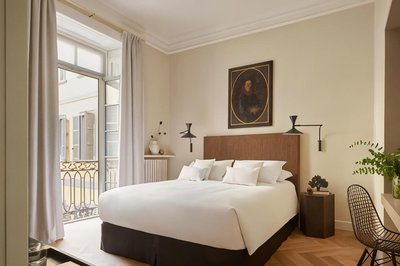
Crossing Manzoni
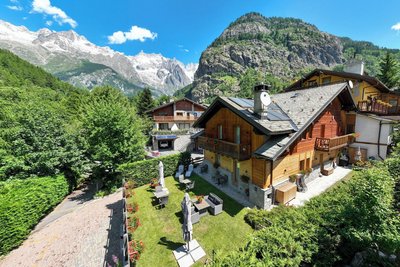
L'Abri des Amis
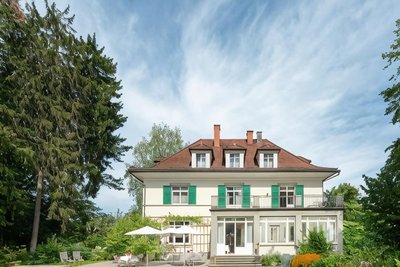
Signau House & Garden
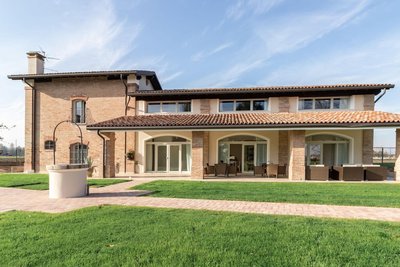
Monteborre
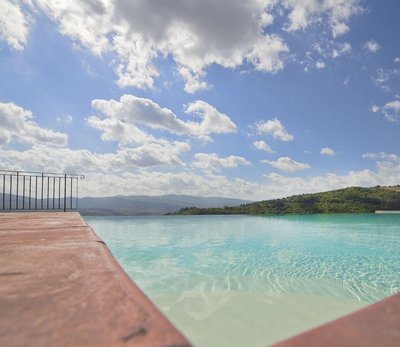
Castello Vicchiomaggio
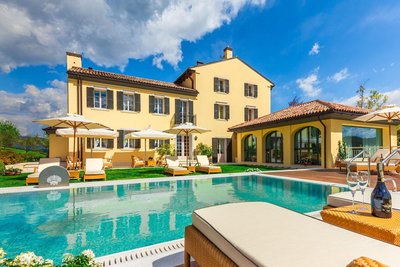
Romantik Relais d'Arfanta
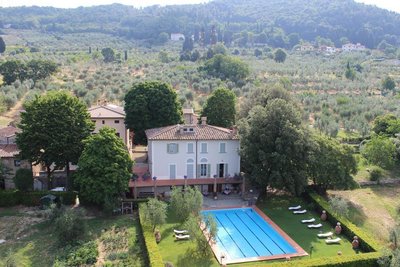
Borgo I Vicelli
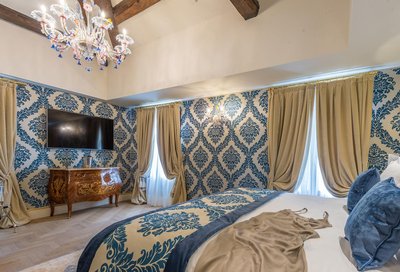
Ai Patrizi di Venezia
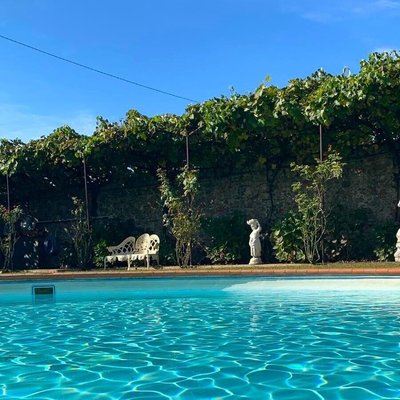
Villa la Preziosa
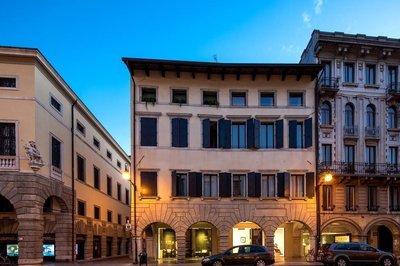
Mercatovecchio Luxury Suites
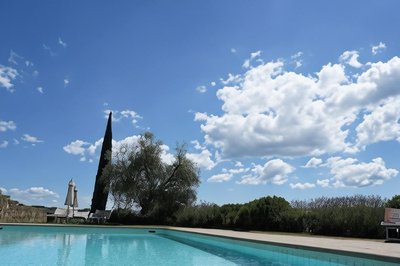
Wine Resort Dievole
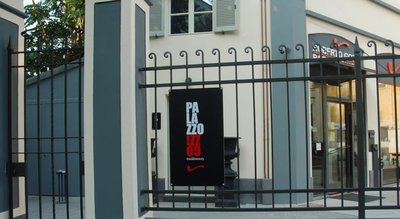
Palazzo Gozzi Bed & Beauty
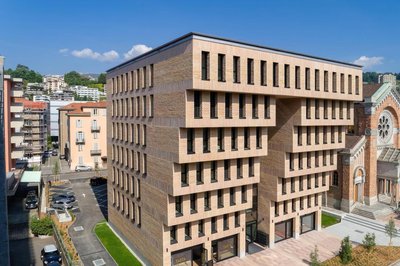
Swiss Hotel Apartments - Lugano
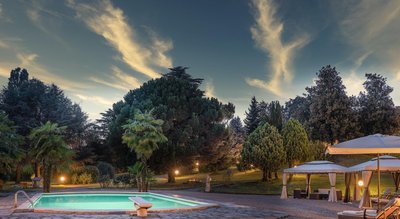
Palazzo Cavagna Sangiuliani
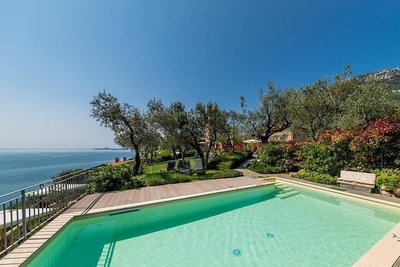
San Giorgio Resort
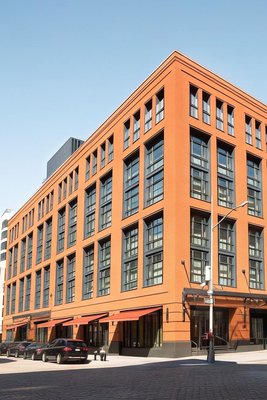
Hotel Barrière Fouquet's New York
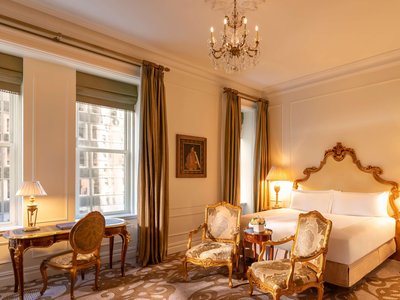
The Plaza - A Fairmont Managed Hotel
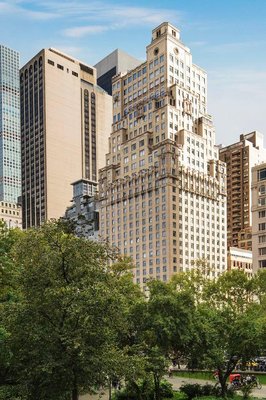
The Ritz-Carlton New York, Central Park
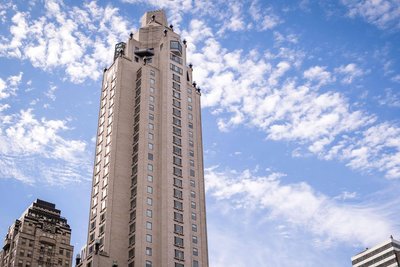
Four Seasons Hotel New York
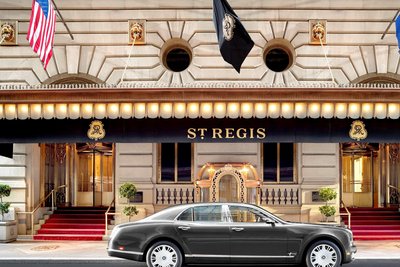
The St. Regis New York
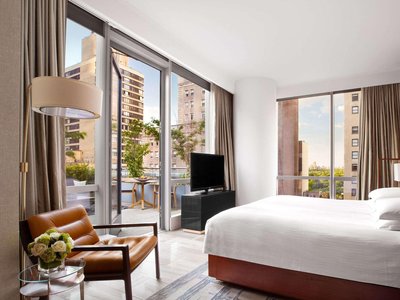
Park Hyatt New York
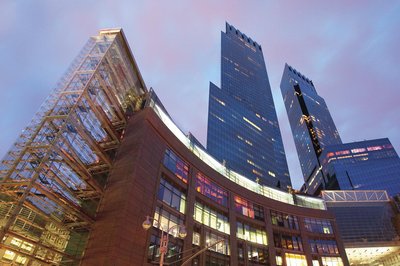
Mandarin Oriental New York
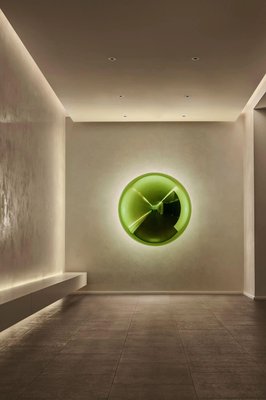
Times Square Edition New York
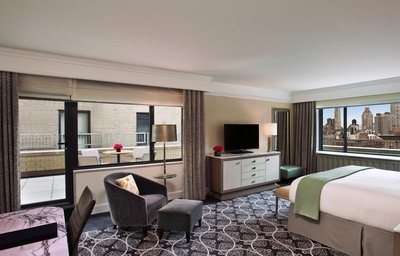
Loews Regency New York Hotel
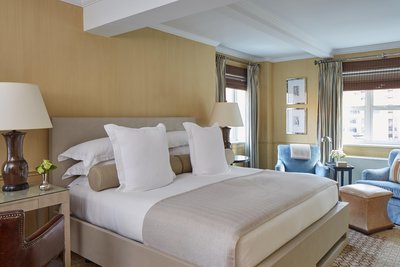
Lowell Hotel
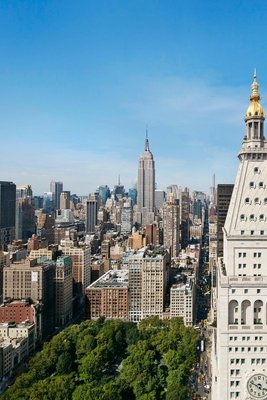
New York Edition
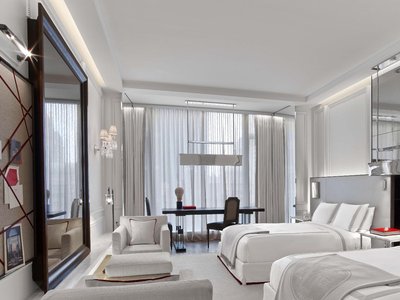
Baccarat Hotel New York
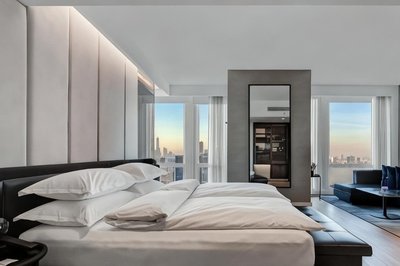
Equinox Hotel New York
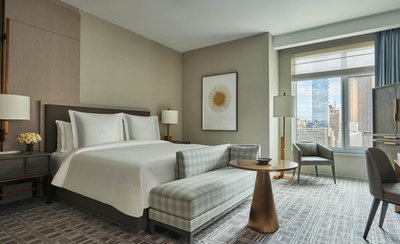
Four Seasons Hotel New York Downtown
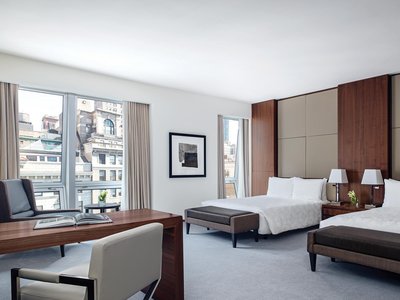
The Langham, New York, Fifth Avenue
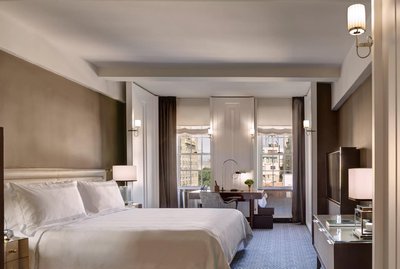
The Carlyle, A Rosewood Hotel

The Chatwal, in the Unbound Collection by Hyatt
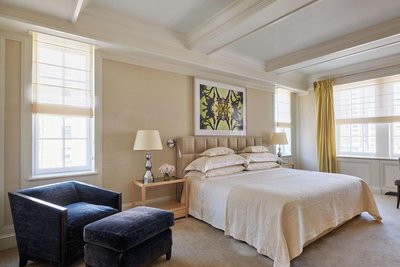
The Mark New York
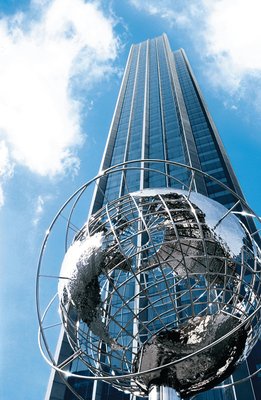
Trump International Hotel & Tower® New York
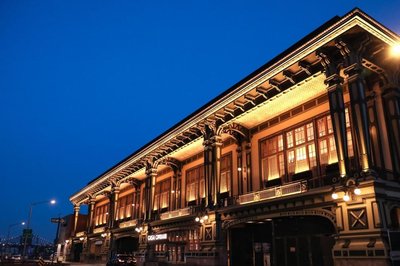
Casa Cipriani New York
Frequently Asked Questions about Traveling to Albino
Questions You Might Need to Know About Traveling to Albino
In Albino, the standout choice is Hotel Albergo del Sole, a historic boutique hotel nestled in the heart of town near the Church of Santa Maria Assunta. Renowned for its authentic Lombard Renaissance architecture and warm hospitality, it features handcrafted wooden beams, artisanal tiles, and river-view rooms. The hotel offers free bike rentals to explore nearby Valley Trails, making it ideal for travelers seeking an immersive local experience with comfort and charm.
The historic center of Albino is the most convenient area for staying, offering easy access to key attractions like the Town Hall Square and Church of Santa Maria Assunta. This district boasts a vibrant local atmosphere with cozy cafes and family-run restaurants. For nature lovers, the Adige Riverfront district provides quieter streets and scenic views. Opt for a room with a balcony or terrace to enjoy morning sunlight and tranquil riverside ambiance.
Visitors to Albino must attend the annual Festa della Madonna celebration, held every summer, featuring traditional costumes, processions, live music, and craft markets. Explore the Ancient Roman Ruins Museum to uncover over 2,000 years of history. Stroll through the cobbled alleys of the Old Town, where street performers and local artisans bring life to the medieval streetscape, offering a genuine taste of Lombard heritage.
Try Osteria Vecchia Corte, a century-old eatery famous for its authentic Lombard stew (Cassoeula) made with locally sourced ingredients. Another must-visit is Pasticceria Riva, renowned for handmade tiramisu and almond cakes. For a home-style meal, dine at Trattoria da Luigi, where the owner prepares daily-changing menus featuring seasonal game meats and fresh pasta—perfect for experiencing true Italian culinary tradition.
Yes, Albino is highly family-friendly. The Parco dei Bambini di Palazzo Borgo offers safe play equipment and interactive water features. Families can enjoy scenic walks along the Adige River Trail, spotting birds and wildflowers. Local workshops teach kids to make pottery and paint. Many hotels provide cribs and child-friendly meals, ensuring a relaxed and enjoyable stay for all ages.
Albino is well-connected by rail: a 30-minute train ride from Milan Central Station arrives at Albino Railway Station, just a 10-minute walk from downtown. The town has no car restrictions, and pedestrian and cycling paths are extensive. Renting an electric bike is ideal for exploring surrounding countryside trails. Multiple bus lines link Albino to nearby towns like Brescia and Como, perfect for day trips.
Couples can book a rooftop suite at Hotel Albergo del Sole with panoramic river views and private terraces—ideal for candlelit dinners. Stroll hand-in-hand along the Adige Riverbank at dusk, listening to the gentle flow and distant church bells. Book a private guided tour to discover hidden Renaissance frescoes and ancient bell towers. Experience the unique **
Albino's highlight is the weekend Craft Market in the Old Town, where local artisans sell handmade ceramics, wool textiles, and custom leather goods. Don’t miss Via Roma Street’s independent boutiques like Bottega del Legno, specializing in artisanal wooden furniture and decor. Take home authentic souvenirs such as Albino Extra Virgin Olive Oil or house-made jams—both produced in nearby farms, with minimalist packaging that captures the region’s rustic elegance.
Albino lies within the scenic Adige River Valley, surrounded by rolling hills and orchards. In spring, cherry and tulip blooms carpet the riverbanks—perfect for photography. Summer brings lavender fields and wildflower meadows, attracting butterflies and bees. Hike the Monte San Giacomo Trail for breathtaking views of the town and distant peaks. Early mornings and golden hours offer ideal lighting for peaceful walks and quiet reflection, showcasing the serene beauty of the Lombardy countryside.
Albino enjoys a Mediterranean climate with distinct seasons. Spring (April–June) offers mild temperatures—ideal for outdoor sightseeing. Summer (July–August) is warm but occasionally rainy; pack a light raincoat. Autumn (September–November) brings crisp air and stunning foliage, perfect for hiking. Winter (December–March) is cool with frequent mist, though snow is rare. Spring and autumn are optimal travel times—pleasant weather, fewer crowds, and rich opportunities for cultural and natural immersion.
Albino Overview
City Summary
Albino, a charming town in Lombardy, Italy, is renowned for its medieval architecture and natural landscapes. The well-preserved historic center with cobblestone streets and ancient churches exudes a rich historical atmosphere. It's also a paradise for outdoor enthusiasts, offering hiking and climbing in the surrounding mountains.
Must-See Attractions
Must-see attractions include the Church of San Giuliano, a Romanesque building with exquisite frescoes. Albino Castle showcases unique medieval military architecture. The Seriana Valley is perfect for hiking and cycling, with picturesque scenery.
Food Guide
Albino's traditional cuisine is heavily influenced by Lombard culinary culture. Don't miss polenta with game and local cheeses. Small trattorias serve handmade pasta paired with regional wines for a distinctive flavor.
Transportation Guide
Public transport in Albino relies mainly on buses connecting nearby towns. Driving offers more flexibility, but note the narrow mountain roads. Most town attractions are within walking distance—comfortable shoes are recommended.
Best Time to Visit
The best times to visit are spring and autumn, with mild weather and fewer tourists. Summers are warm but busy for mountain activities. Winters can be cold, with some sites possibly closed.
Travel Tips
- Respect dress codes at religious sites.
- Mountain weather changes quickly; pack a windproof jacket.
- Many shops close for long lunch breaks; plan shopping accordingly.
- Learning basic Italian greetings is appreciated.
- Drivers should confirm parking availability in advance.
- Some restaurants require reservations, especially on weekends.
Useful Information
Italian is the main language, though English is understood in tourist areas. The euro is the official currency; credit cards are widely accepted, but small shops may prefer cash. Medical facilities are adequate, but travel insurance is advised for mountain activities. WiFi is available in hotels and cafés, though signal strength may vary.