Hotels in Alcobaca
Discover your perfect stay in Alcobaca.
Alcobaca(Portugal) Travel 2026: Cheap Flights, Hotels & Top Attractions
Popular Landmarks in Alcobaca
Discover the most iconic attractions in Alcobaca
Recommended Hotels in Alcobaca
Find the perfect place to stay in Alcobaca
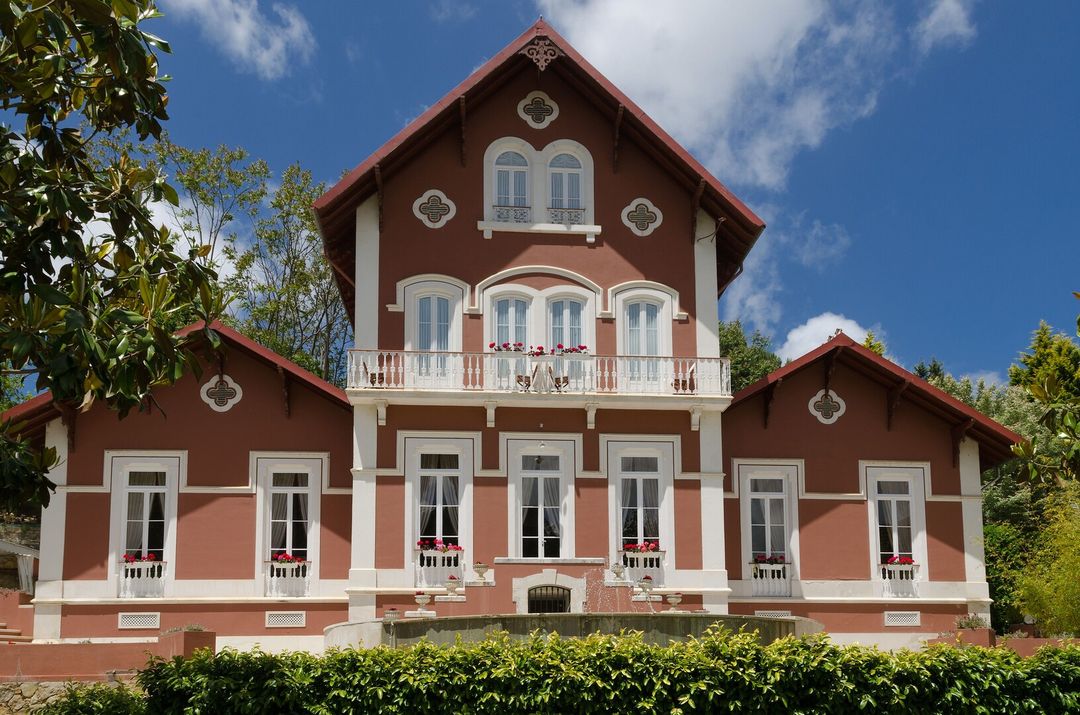
Challet Fonte Nova
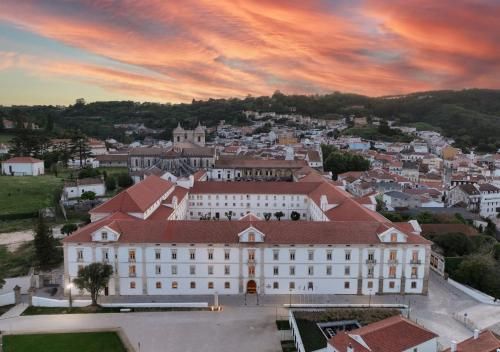
Montebelo Mosteiro de Alcobaça Historic Hotel
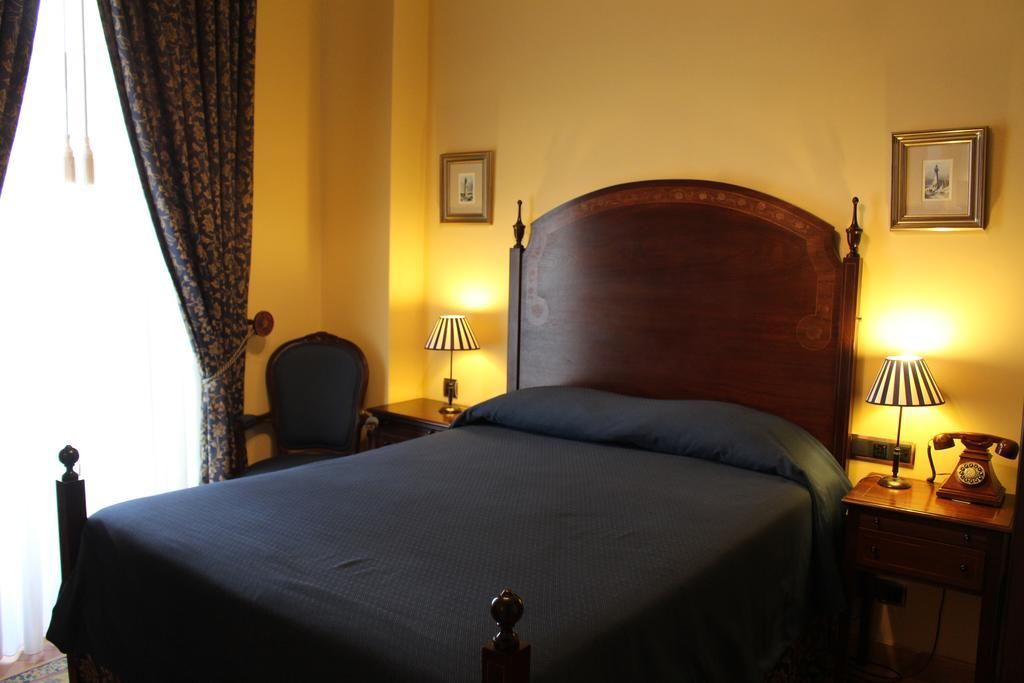
Hotel Palace do Capitao
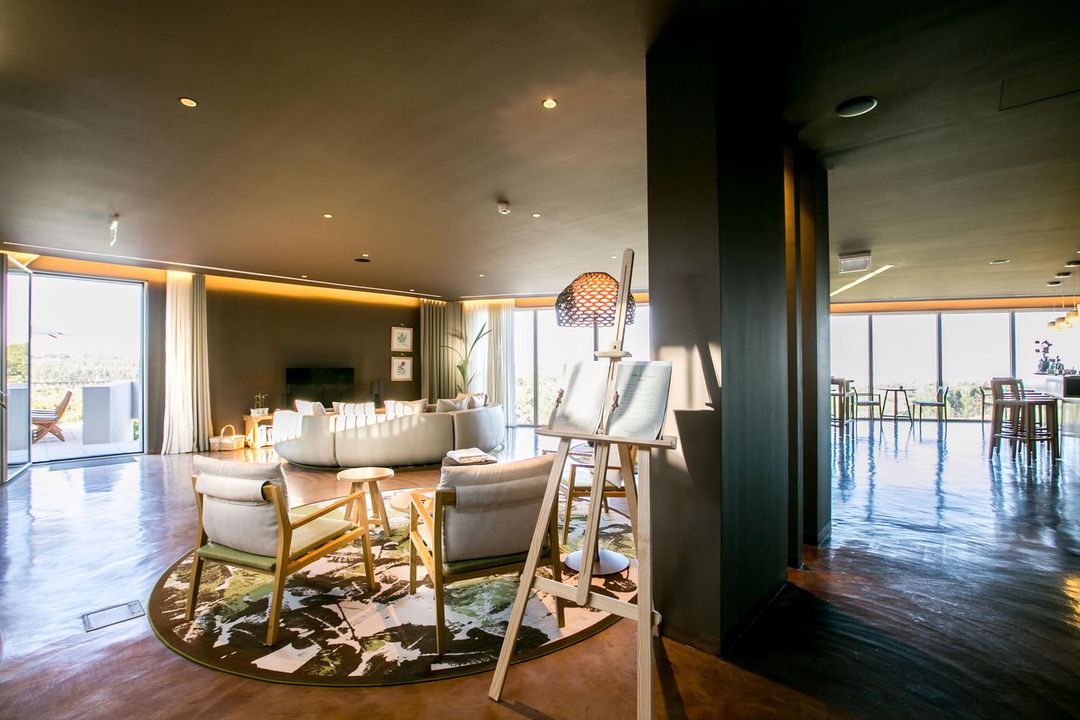
Vale d'Azenha Hotel Rural & Residences
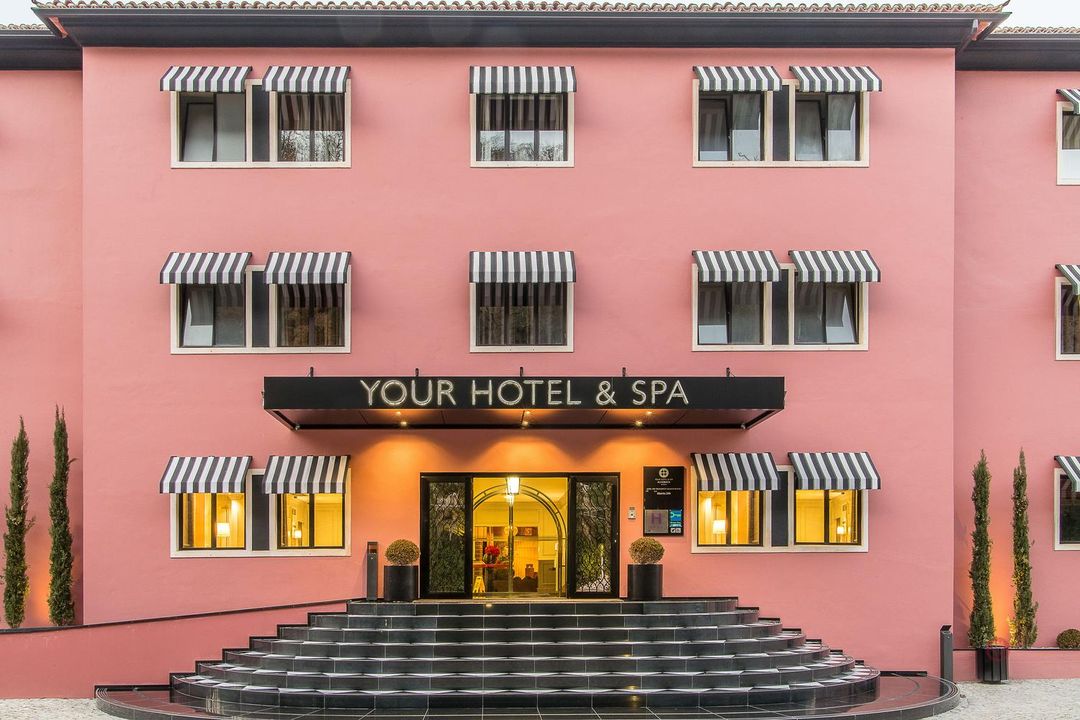
Your Hotel & Spa Alcobaça
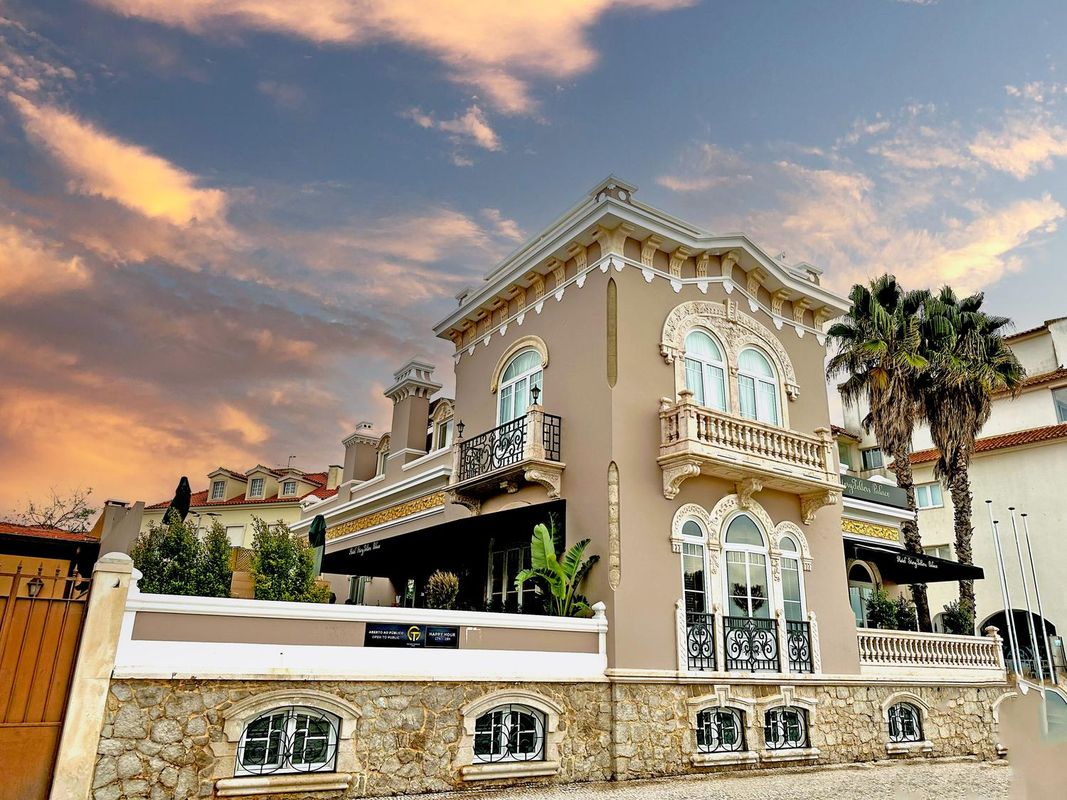
Storytellers Palace
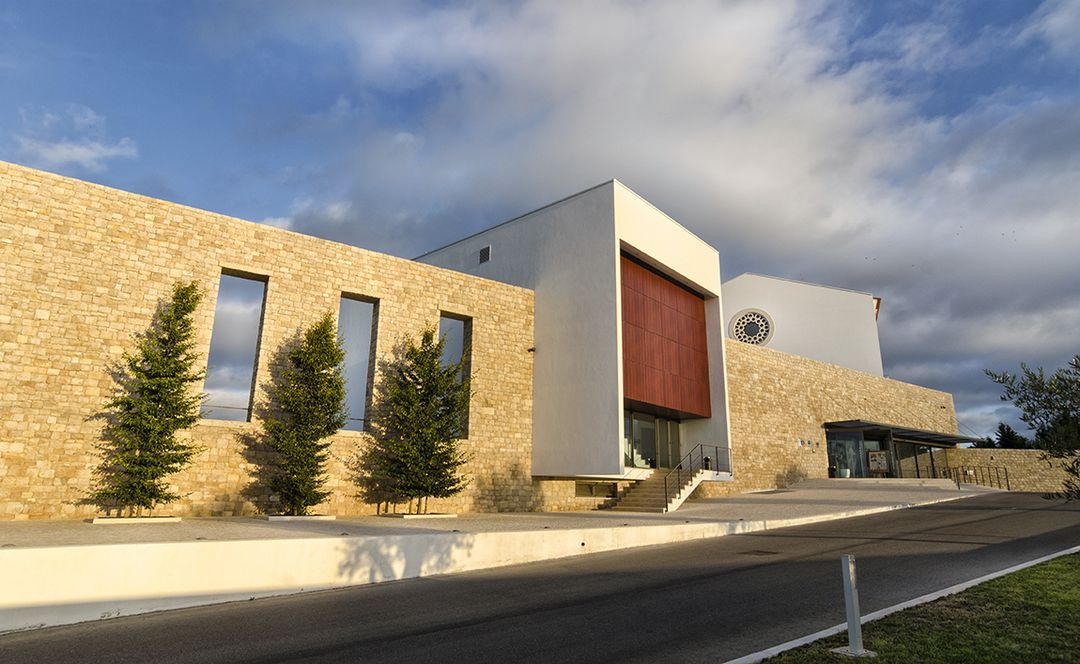
Real Abadia, Congress & Spa Hotel
Best Hotels in Alcobaca
Discover curated hotel collections in Alcobaca
Martinhal Lisbon Oriente
Montebelo Mosteiro de Alcobaça Historic Hotel
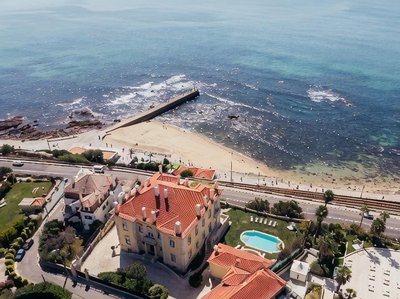
Estoril Vintage Hotel
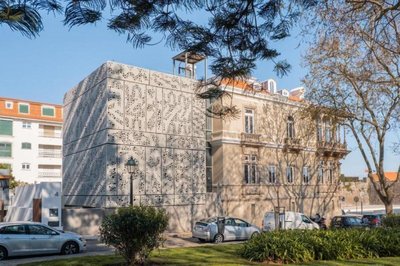
Artsy Cascais
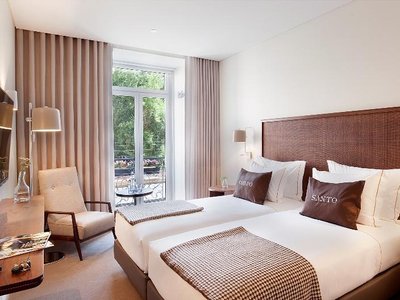
Corpo Santo Lisbon Historical Hotel
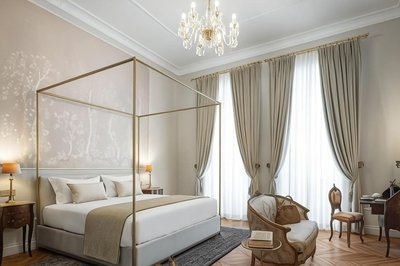
MS Collection Aveiro - Palacete Valdemouro
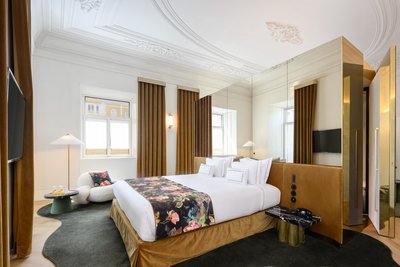
Montebelo Vista Alegre Lisboa Chiado Hotel
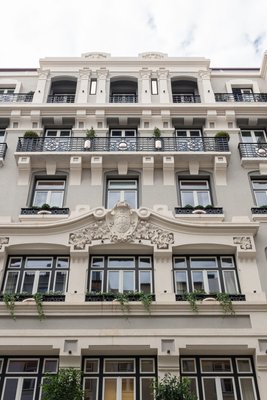
Art Legacy Hotel
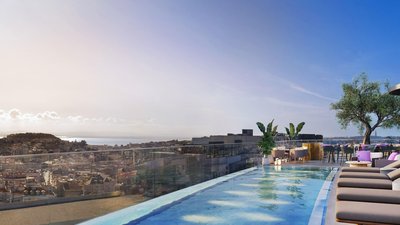
ME Lisbon

Áurea Museum by Eurostars Hotel Company
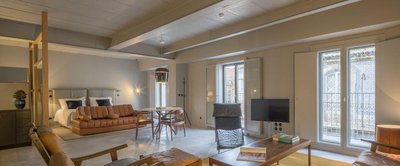
Raw Culture Art & Lofts Bairro Alto
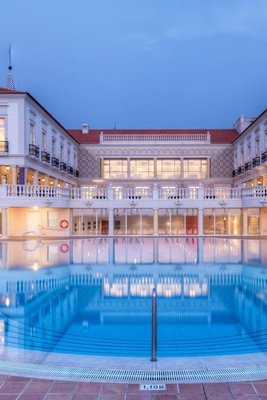
Praia d'El Rey Marriott Golf & Beach Resort
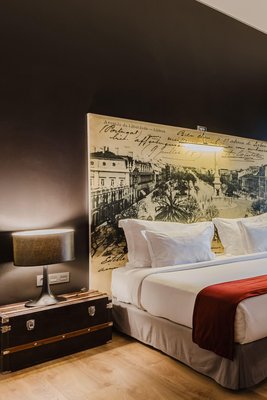
138 Liberdade Hotel
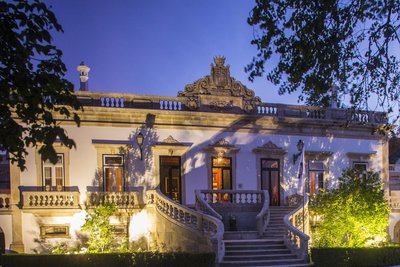
Hotel Quinta Das Lagrimas - Small Luxury Hotels
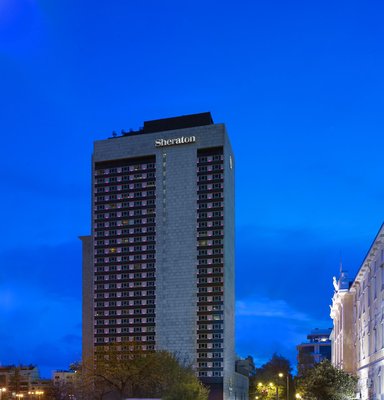
Sheraton Lisboa Hotel & Spa
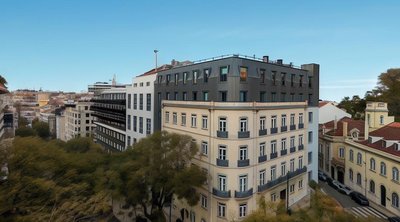
The Vintage Hotel & Spa – Lisbon

Dom Pedro Lisboa Hotel, a member of Radisson Individuals
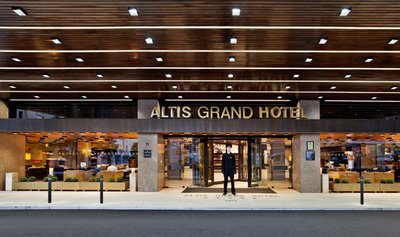
Altis Grand Hotel

Altis Belem Hotel & Spa, a Member of Design Hotels
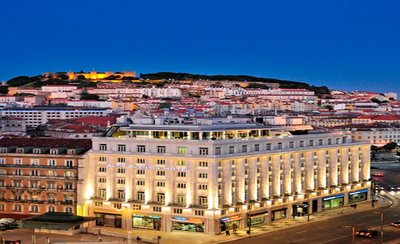
Altis Avenida Hotel
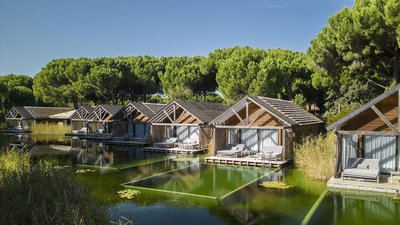
Sublime Comporta Country Retreat & Spa
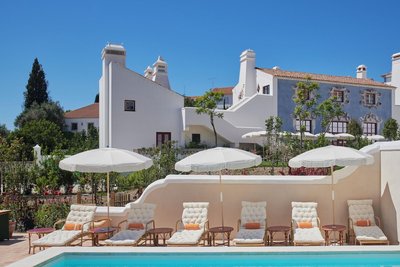
Vermelho Melides - Relais & Châteaux
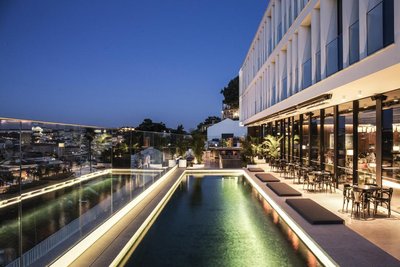
Memmo Príncipe Real - Design Hotels
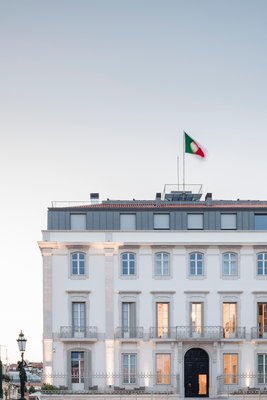
Verride Palácio Santa Catarina
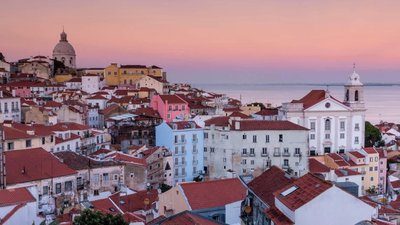
Four Seasons Hotel Ritz Lisbon
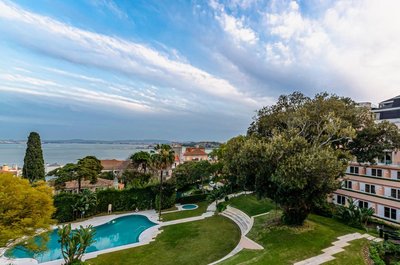
Olissippo Lapa Palace – The Leading Hotels of the World
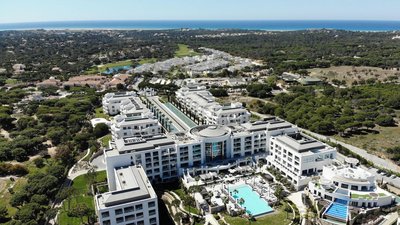
Conrad Algarve
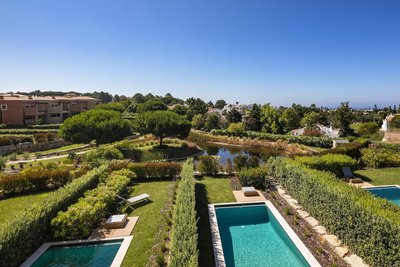
Vale de Milho Village
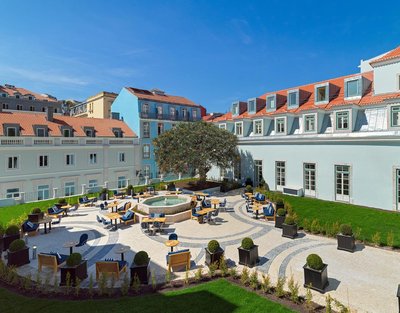
The One Palácio da Anunciada
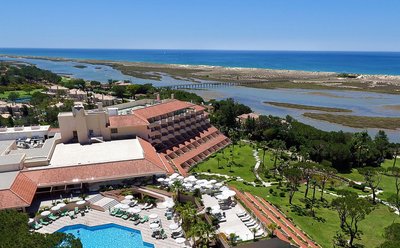
Hotel Quinta do Lago
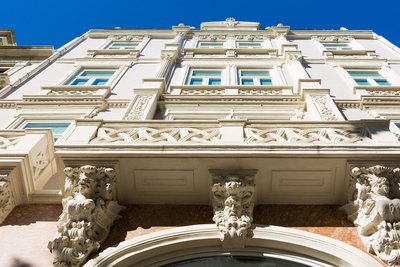
Hotel Valverde Lisboa - Relais & Chateaux
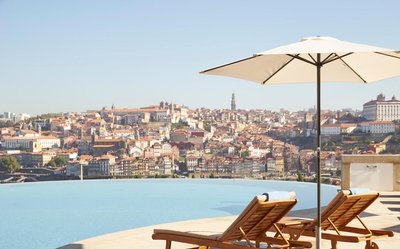
The Yeatman
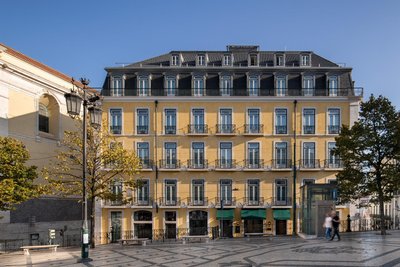
Bairro Alto Hotel
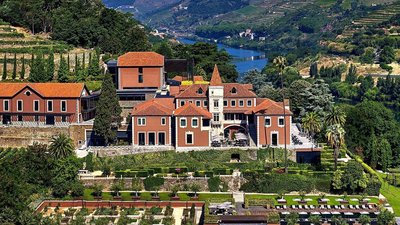
Six Senses Douro Valley
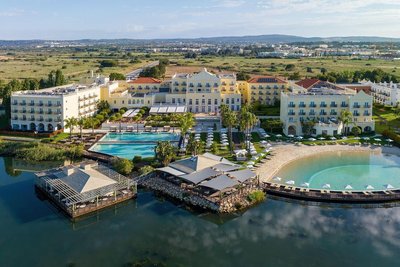
Domes Lake Algarve, Autograph Collection
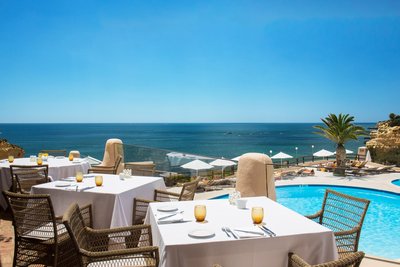
Vilalara Grand Hotel Algarve
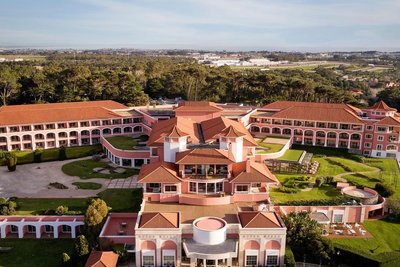
Penha Longa Resort
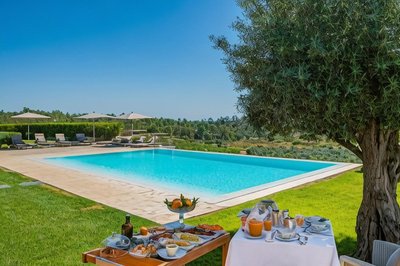
Herdade da Malhadinha Nova - Relais & Châteaux
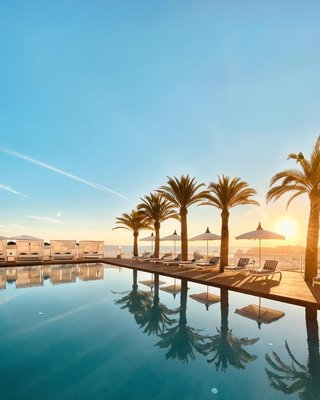
Bela Vista Hotel & Spa - Relais & Chateaux
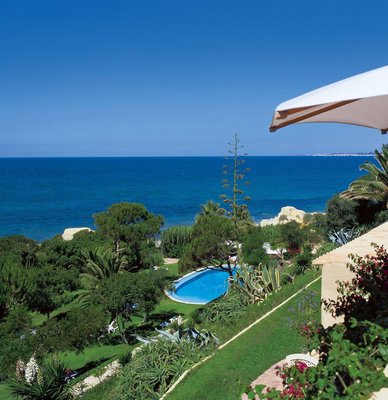
Vila Joya
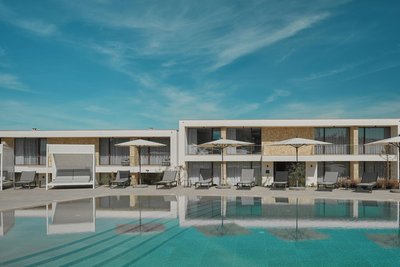
West Cliffs Ocean and Golf Resort
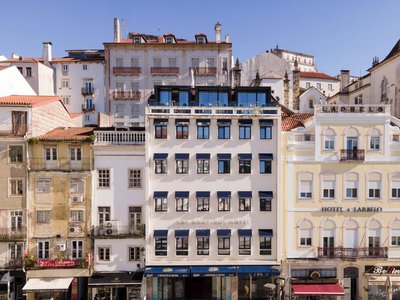
CBR Boutique Hotel - Coimbra
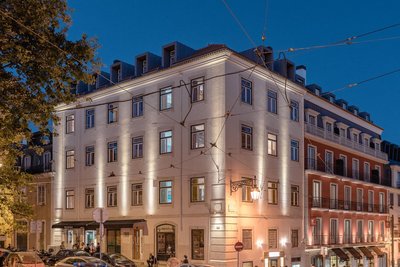
Chiado Arty Flats
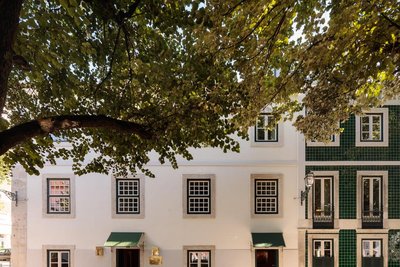
Hotel Das Amoreiras - Small Luxury Hotels of the World
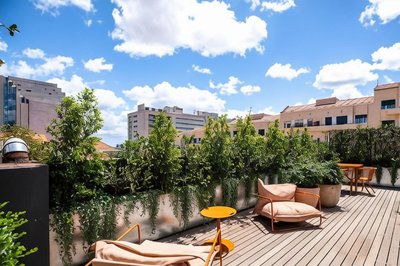
Sublime Lisboa
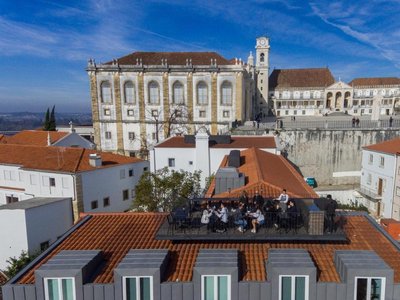
Sapientia Boutique Hotel
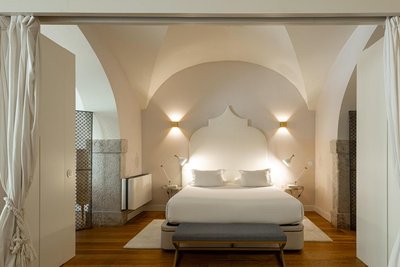
Almaria - Da Corte Apartments | Chiado
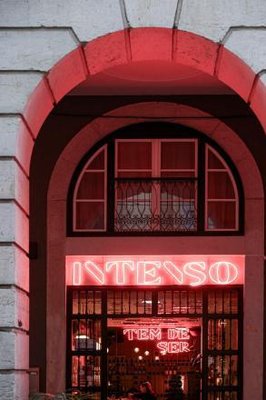
Look Living, Lisbon Design Apartments
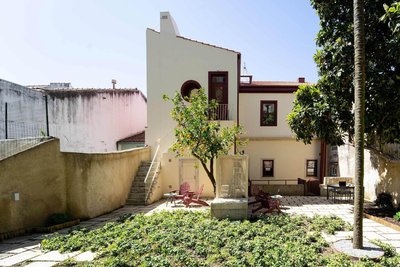
Entre Ruas Apartments
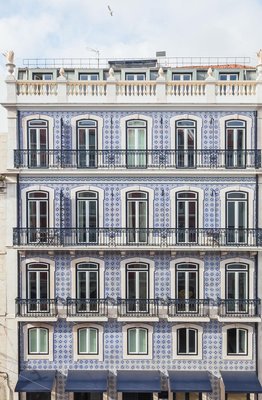
Almaria - Ex Libris Apartments | Chiado
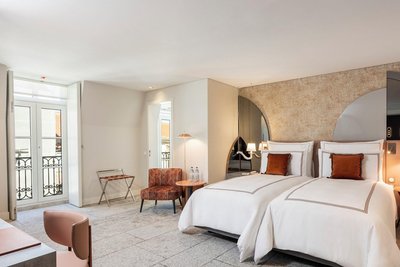
Convent Square Lisbon, Vignette Collection
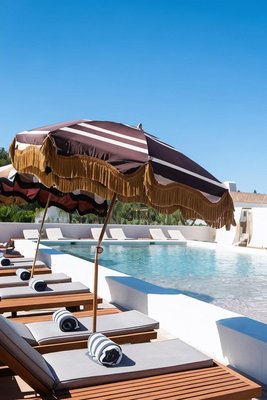
Independente Comporta
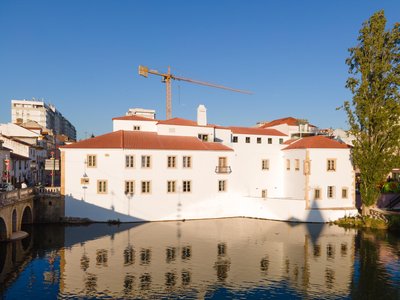
Vila Gale Collection Tomar
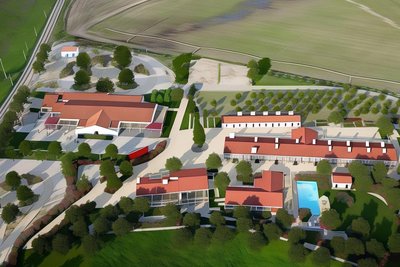
Sorraia Hotel Rural
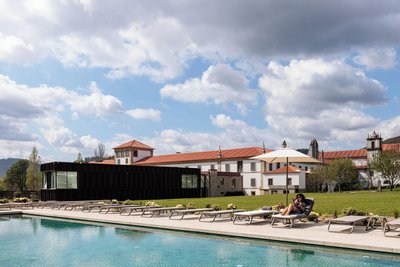
MS Collection Arouca Mosteiro de Arouca
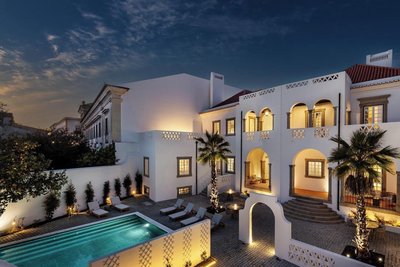
CICIOSO boutique hotel
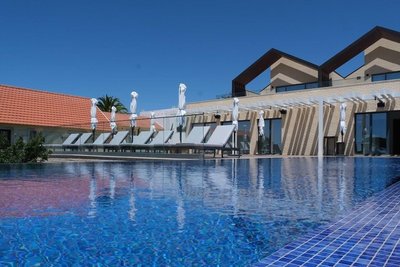
QUINTA DA MAQUIA
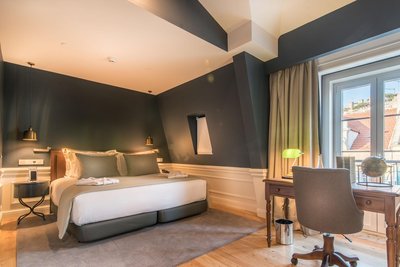
Hotel da Baixa
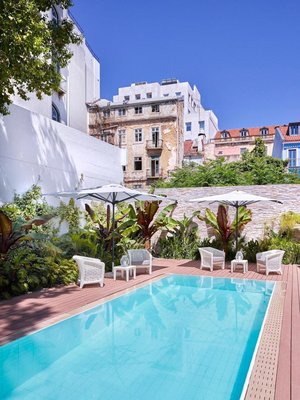
Hapimag Resort Lisbon
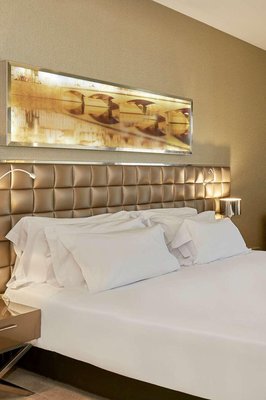
NH Coimbra Dona Ines
Estoril Vintage Hotel
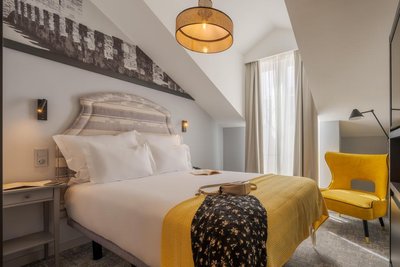
Pousada Alfama
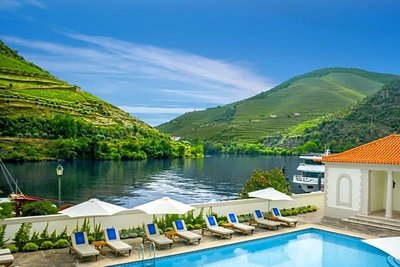
The Vintage House - Douro
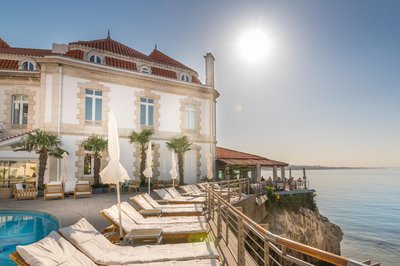
The Albatroz Hotel
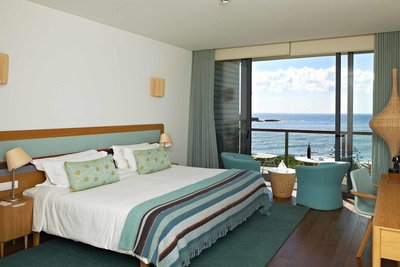
Martinhal Sagres Beach Family Resort Hotel
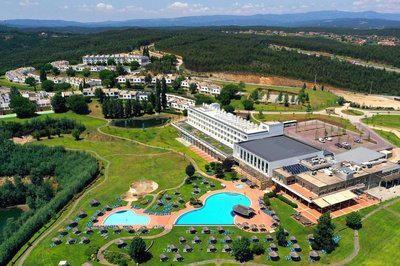
Montebelo Aguieira Lake Resort & Spa
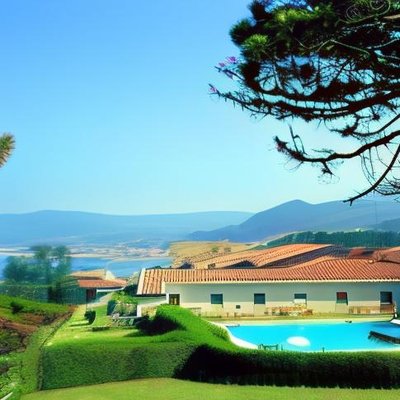
Parador de Baiona
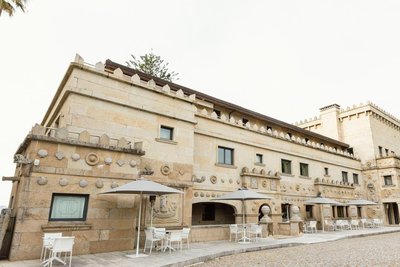
Pazo Los Escudos Hotel Spa & Resort
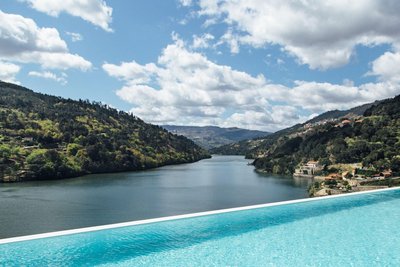
Douro Royal Valley Hotel & Spa
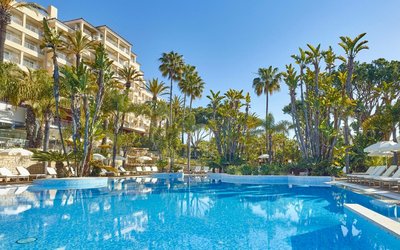
Ria Park Hotel & Spa
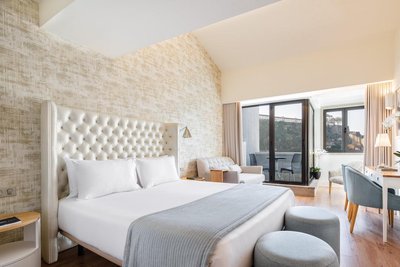
Eurostars Porto Douro
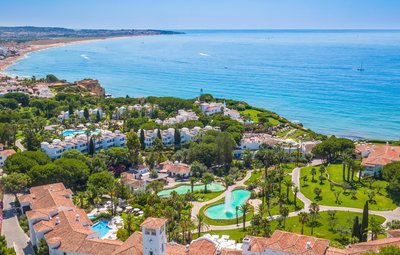
Vila Vita Parc
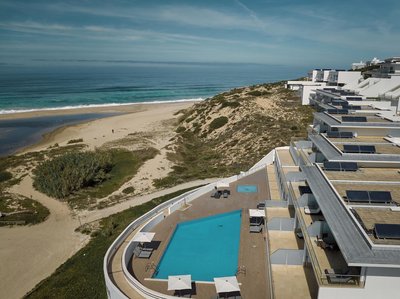
The Beachfront - Praia d'El Rey Golf & Beach Resort
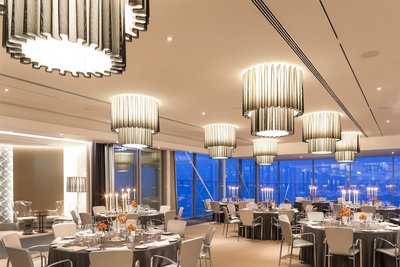
MYRIAD by SANA Hotels
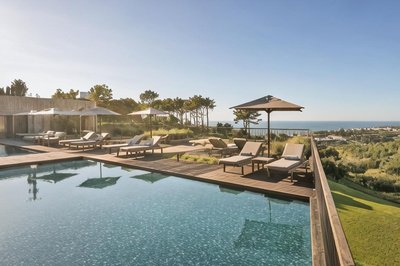
Immerso Hotel, a Member of Design Hotels
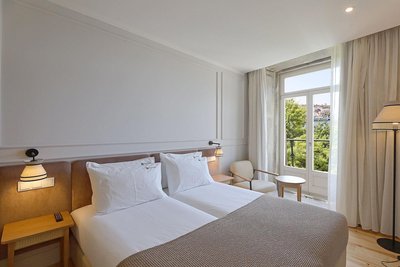
Memoria Porto FLH Hotels
Corpo Santo Lisbon Historical Hotel
Raw Culture Art & Lofts Bairro Alto
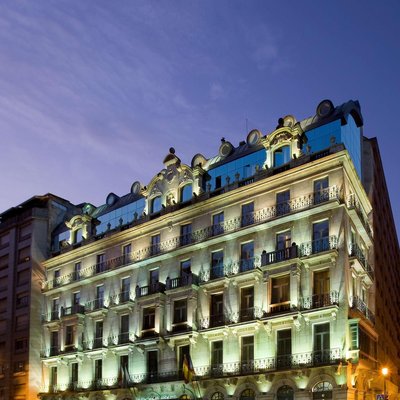
NH Collection Vigo
The Vintage Hotel & Spa – Lisbon
Dom Pedro Lisboa Hotel, a member of Radisson Individuals
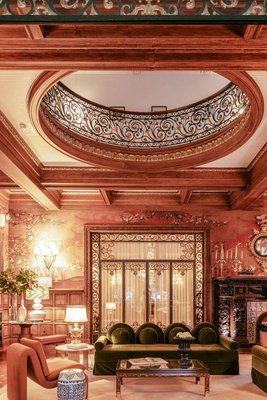
Small Luxury Hotels of the World - Hospes Infante Sagres Porto
Altis Belem Hotel & Spa, a Member of Design Hotels
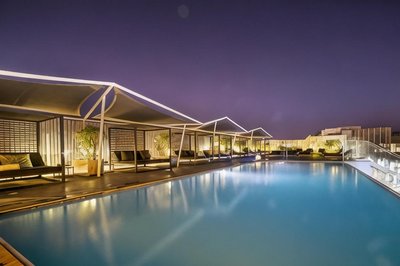
EPIC SANA Lisboa Hotel
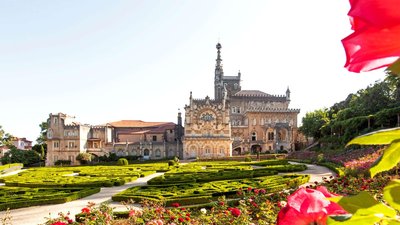
Palace Hotel do Bussaco
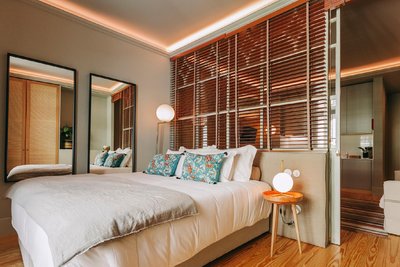
Torel 1884 Suites & Apartments
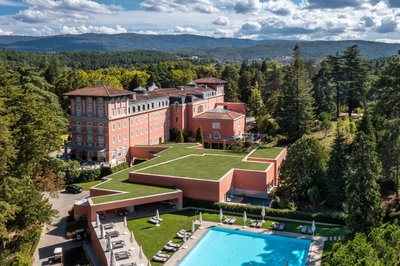
Vidago Palace
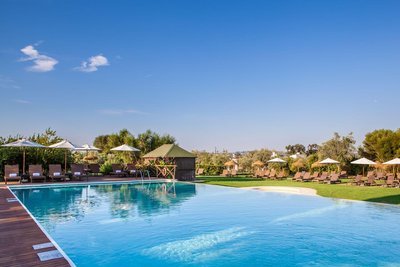
Convento do Espinheiro, Historic Hotel & Spa
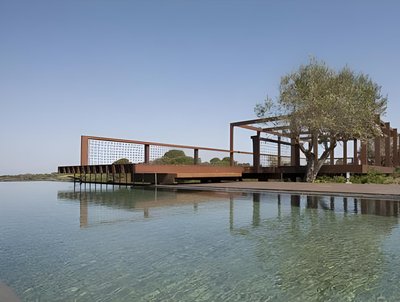
Wecamp Reserva Alecrim
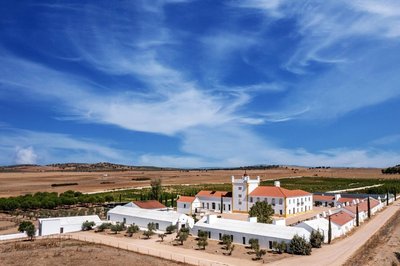
Torre de Palma Wine Hotel, Monforte, a Member of Design Hotels
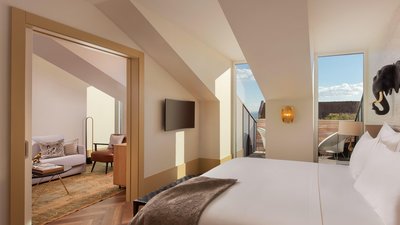
The Ivens, Autograph Collection
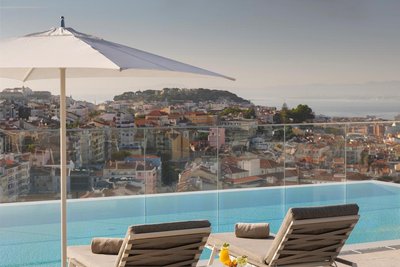
EPIC SANA Marquês Hotel
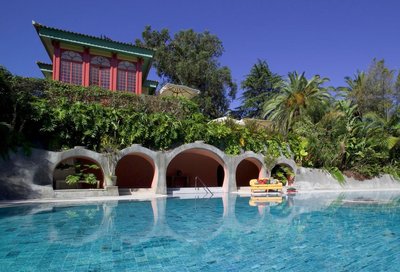
Pestana Palace Lisboa Hotel & National Monument - the Leading Hotels of the World
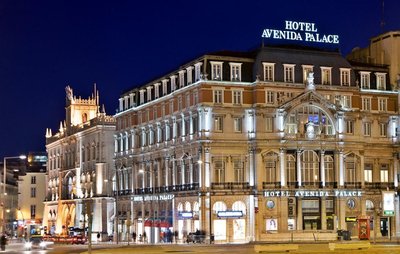
Hotel Avenida Palace
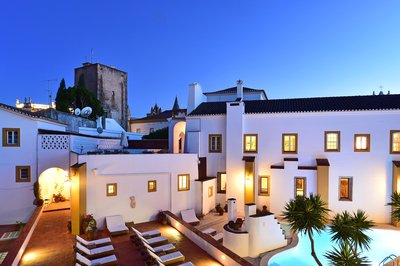
Pousada Convento de Evora – Historic Hotel
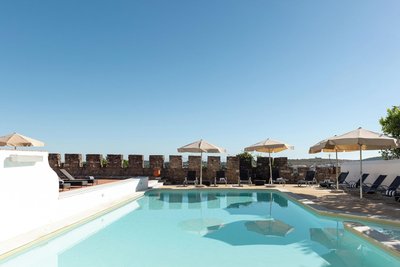
Pousada Castelo de Estremoz – Historic Hotel
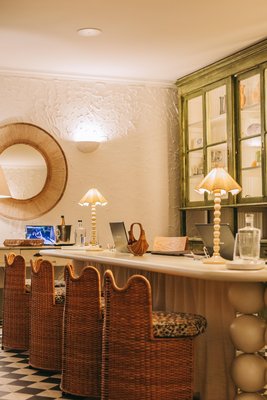
Torel Saboaria
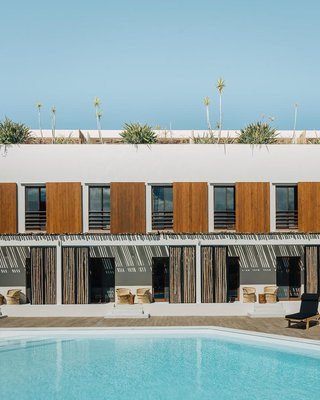
AlmaLusa Comporta
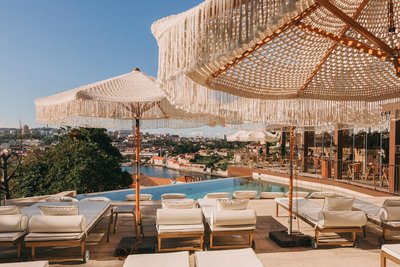
Torel Avantgarde
Memmo Príncipe Real - Design Hotels
Corpo Santo Lisbon Historical Hotel
Hotel da Baixa
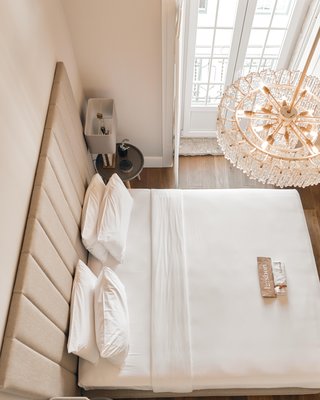
Dare Lisbon House
The One Palácio da Anunciada
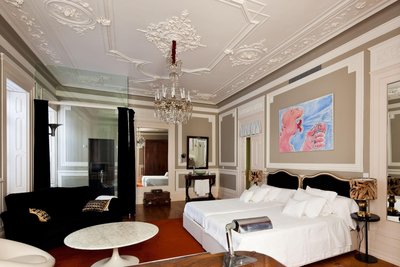
Palacete Chafariz Del Rei - by Unlock Hotels
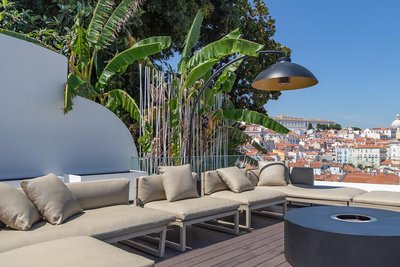
Memmo Alfama - Design Hotels
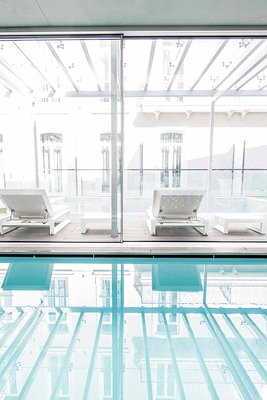
BessaHotel Liberdade
Hotel Valverde Lisboa - Relais & Chateaux
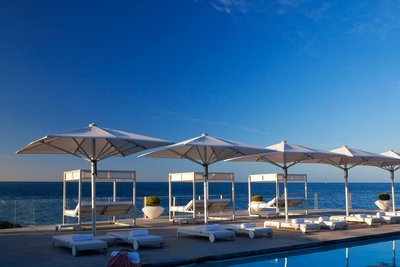
Farol Hotel
The Albatroz Hotel
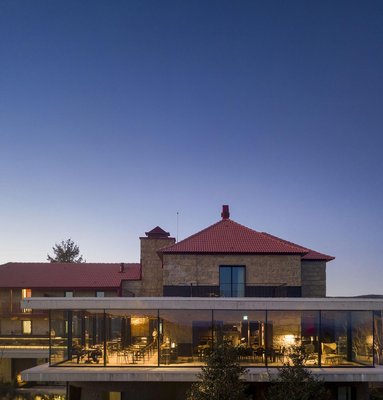
Casa de São Lourenço - Burel Panorama Hotel - Member of Design Hotels
Torel 1884 Suites & Apartments
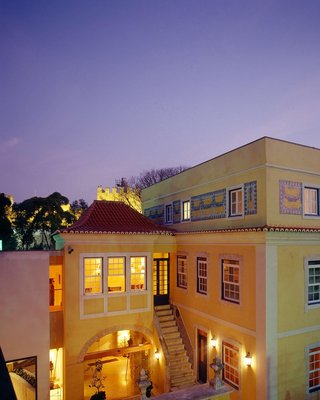
Solar do Castelo - Lisbon Heritage Collection - Alfama
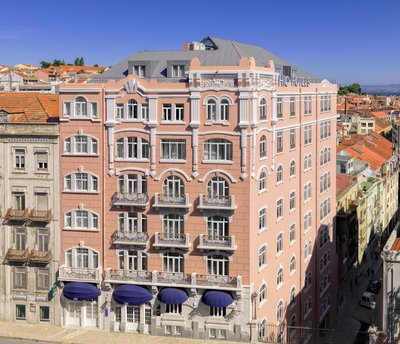
H10 Duque de Loule
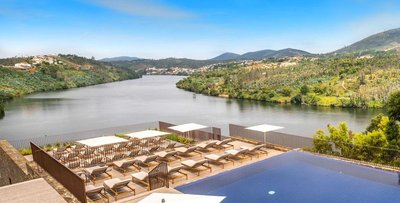
Octant Douro
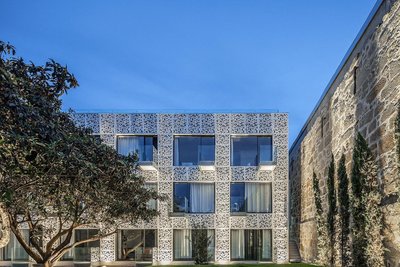
Caléway Hotel
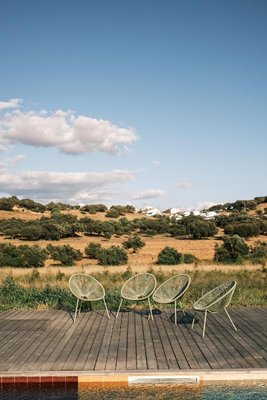
Viva! Farmhouse
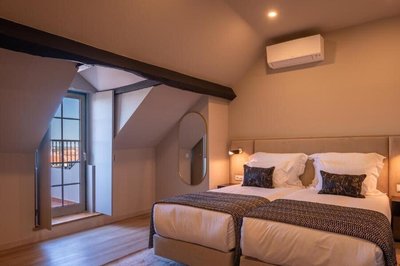
Lilases Boutique House & Garden
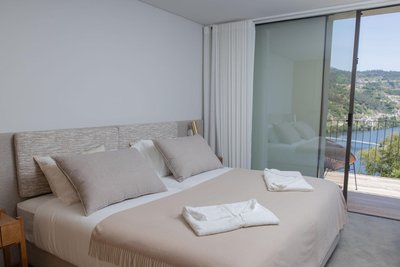
Quinta Alto Do Rio
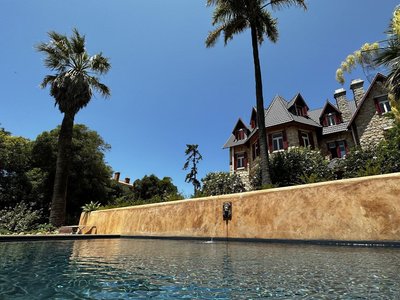
Chalet Ficalho
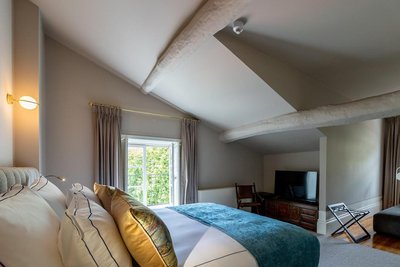
Maison Bleue by Vila Foz
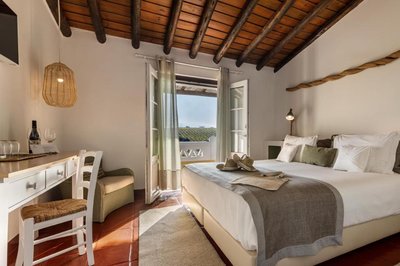
Herdade Do Sobroso Wine & Luxury Boutique Hotel
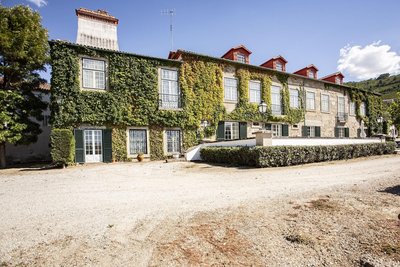
Casa Do Cimo
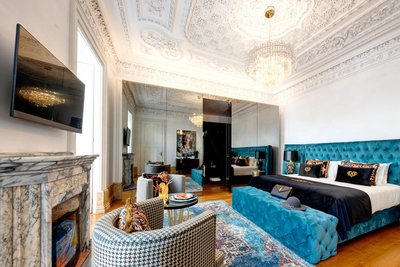
1877 Estrela Palace
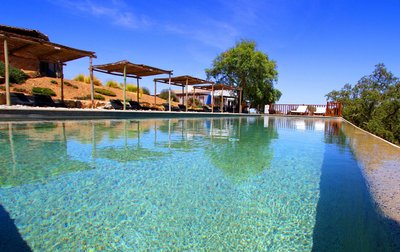
Monte Gois Country House e Spa
Frequently Asked Questions about Traveling to Alcobaca
Questions You Might Need to Know About Traveling to Alcobaca
In Alcobaça, the top-rated hotel is Hotel Convento de Alcobaça, a luxurious boutique property housed in a restored 12th-century Benedictine convent. Its architecture blends Gothic and Manueline styles, with original stone walls, stained-glass windows, and tranquil cloisters. Guests enjoy private guided tours of the UNESCO World Heritage site, including the Royal Chapel and royal tombs. Nearby, Pousada de Alcobaça offers elegant rooms with garden views and easy access to the town’s historic center. Both properties emphasize cultural immersion, making them ideal for travelers seeking authenticity and tranquility in this quiet Portuguese gem.
For those interested in local cuisine, Casa da Vila and Adega do Frei are recommended restaurants serving traditional dishes like Tripas à Moda de Alcobaça and honey almond cakes. HopeGoo ahead is advised due to high demand and limited availability.
The historic center of Alcobaça is the best area for accommodation, offering direct access to the Alcobaça Monastery, a UNESCO World Heritage Site. Walking distance to local markets, cafes, and shops, this district provides a peaceful yet vibrant atmosphere. Stay at family-run guesthouses like Casa do Ribeiro or Solar dos Pombos, which feature traditional Portuguese décor and warm hospitality. The area is also well-connected via regional buses to Leiria and Lisbon, and just 15 minutes from the Atlantic coast. Choosing this location ensures a seamless blend of history, culture, and convenience for exploring both the town and surrounding landscapes.
Must-do cultural experiences in Alcobaça include the night-time guided tour of the Monastery, led by expert historians who reveal secrets behind the Royal Tombs, the Cloister, and the Church of Our Lady. Another highlight is the Alcobaça Music Festival, held annually in summer at the monastery square, featuring classical and contemporary performances in a breathtaking setting. Visitors can also join a traditional pastry workshop to learn how to make Pastel de Tentativas, a symbolic almond cake once baked by monks using local honey and almonds. These immersive activities transform passive sightseeing into meaningful cultural engagement.
The Alcobaça Monastery is a UNESCO World Heritage Site and one of Portugal’s finest examples of Gothic architecture. Its uniqueness lies in its intact medieval complex: soaring 30-meter-high nave, ancient cloisters, and the Royal Tombs, where Portugal’s first king, Afonso I, and his descendants rest. Built with limestone and granite, the façade features intricate carvings, including the famous rose window and angelic columns. The site also houses Europe’s oldest monastic library, preserving 14th-century manuscripts and illuminated texts. Guided audio tours offer deep insights into its role as a strategic border fortress and spiritual heart of early Portugal, symbolizing national identity and religious devotion.
Near Alcobaça, families should visit Cabo Carvoeiro Natural Reserve, a scenic coastal area with walking trails, sea caves, and panoramic viewpoints—perfect for kids to explore safely. The Alcobaça Agricultural Museum (Museu Agrícola de Alcobaça) showcases 19th-century rural life with working farm equipment, looms, and a traditional kitchen, where children can try milking cows or planting crops. Nearby, Lagoa das Furnas offers picnic areas, playgrounds, and calm waters ideal for swimming. All attractions are within a 15-minute drive from town, with clear signage and family-oriented facilities, making them ideal for a relaxed, educational day out.
Visitors to Alcobaça must try Pastel de Tentativas, a delicate almond cake made with local honey and ground almonds, originally crafted by monks. Another must-try is Bolo de Ló, a soft steamed sponge cake often enjoyed with coffee. For savory dishes, sample Tripas à Moda de Alcobaça, a rich stew of tripe, beans, and spices slow-cooked over hours. Pair it with Alcobaça Wine, a regional red known for its depth and earthy notes. Local eateries like Adega do Frei and Pastelaria Santa Cruz serve authentic meals, while weekend markets offer fresh pastries and artisanal products—ideal for sampling on the go.
The best time to visit Alcobaça is during spring (April–June) and autumn (September–October). Temperatures range from 18–25°C, with sunny days and minimal rainfall, perfect for exploring the monastery and coastal paths. Spring brings blooming lavender fields and olive groves; autumn hosts harvest festivals like the Festa do Vinho, where visitors can taste new wine and participate in grape pressing. Avoid peak summer (July–August) due to heat and crowds, and winter months (November–March) when rain is frequent. These shoulder seasons offer pleasant weather, fewer tourists, and optimal conditions for photography and historical exploration.
The most convenient way to reach Alcobaça is by CP Rail from Lisbon or Leiria, with trains arriving at Alcobaça Station—just a short walk from the monastery. Within the town, everything is pedestrian-friendly, with key sights within a 500-meter radius. For exploring nearby areas, rent bicycles from Alcobaça Bike Rent or use personal vehicles—EN10 Highway runs through town, linking Lisbon and Porto. International travelers can take a bus or taxi from Lisbon Airport (LIS), about 1 hour away. Public transport is limited outside peak hours, so planning ahead is essential for smooth travel, especially during off-seasons.
In Alcobaça, shop for authentic souvenirs at the Mercado Artesanal de Alcobaça, where local artisans sell handcrafted ceramics, woven baskets, and textiles inspired by monastery frescoes. Convento Boutique offers curated gifts like vintage bookmarks, scented candles, and essential oils based on monastic traditions—perfect for keepsakes. For food lovers, Pastelaria Santa Cruz sells freshly baked Pastel de Tentativas and honey cookies. Some guesthouses also stock local goods such as olive oil, wine, and vanilla sauce. These purchases support local craftsmanship and provide meaningful mementos of your visit.
Yes, Alcobaça is highly suitable for solo travelers. The town is small, safe, and welcoming, with cozy cafés and quiet bookshops ideal for reading or journaling. The Monastery offers peaceful corners perfect for reflection, while weekly Friday evening concerts attract visitors from across Portugal, creating natural opportunities to meet fellow travelers. Many guesthouses, like Casa da Terra, offer private single rooms with Wi-Fi and secure access. With all major sites within walking distance, solo explorers enjoy freedom and comfort without needing complex transit plans. The low-key pace fosters a sense of calm and connection—ideal for introspective journeys.
Alcobaca Overview
City Summary
Alcobaça, a historic city in Portugal's Leiria District, is globally renowned for its UNESCO-listed monastery. The Alcobaça Monastery (Mosteiro de Santa Maria de Alcobaça), a 12th-century Cistercian masterpiece, epitomizes pure Gothic architecture and symbolizes Portugal's nationhood. The town exudes medieval charm with cobblestone alleys and whitewashed houses, famous for cherry liqueur (Ginja) and traditional pottery.
Must-See Attractions
The Alcobaça Monastery is a must-see, housing the ornate tombs of tragic lovers King Pedro I and Inês de Castro. Marvel at the innovative monastic kitchen and Cloister of Silence, while the Kings' Hall depicts the monastery's history through azulejos tiles. Stroll along Alcobaça River Park and visit the Pottery Museum (Museu do Barro). Don't miss the lively Saturday market for local crafts and produce.
Food Guide
Indulge in convent desserts like Pudim Abade de Priscos (monk-invented egg pudding). Local specialties include suckling pig (Leitão da Bairrada) and seafood stew (Caldeirada). Street vendors sell chocolate cups filled with Ginja liqueur, best paired with almond cake (Bolo de Amêndoa). Cafés serve Ginja de Alcobaça, a cherry liqueur traditionally drunk with dark chocolate.
Transportation Guide
From Lisbon, take Rede Expressos bus (2 hours) or train to Valado station (taxi transfer required, 15 mins). Most attractions are walkable; taxis are affordable (€5-8 within town). Note ZTL restrictions for drivers - use peripheral parking. Regional buses to Batalha Monastery run infrequently (30-min ride, check schedules).
Best Time to Visit
May-September offers warm weather (20-28°C), though July-August sees crowds during festivals. Spring (March-April) brings cherry blossoms, while autumn (October-November) features wine harvest events. Avoid winter rains (December-February) when some sites reduce hours.
Travel Tips
- Monastery requires modest dress (covered shoulders/knees)
- Most restaurants close 14:00-19:00 for siesta
- Carry cash for markets (small euro bills preferred)
- Wear anti-slip shoes for cobblestone streets
- Dinner typically starts after 20:00 locally
- Monastery photography permit costs €5
- Sunday closures common; supermarkets open mornings only
- Dial 112 for emergencies; pharmacies have English speakers
Useful Information
Portuguese is main language, with limited English in tourist areas. Free Wi-Fi (network "Alcobaça_WiFi") covers downtown. Credit cards accepted at hotels/restaurants, but markets are cash-only. Voltage is 230V (Type F plugs). Post office (CTT) at Town Hall Square sells commemorative stamps. Pharmacies display green cross signs with on-duty schedules. For emergencies, Centro de Saúde de Alcobaça provides basic care; serious cases transfer to Leiria or Lisbon hospitals.