Hotels in Amphawa
Discover your perfect stay in Amphawa.
Amphawa(Thailand) Travel 2026: Cheap Flights, Hotels & Top Attractions
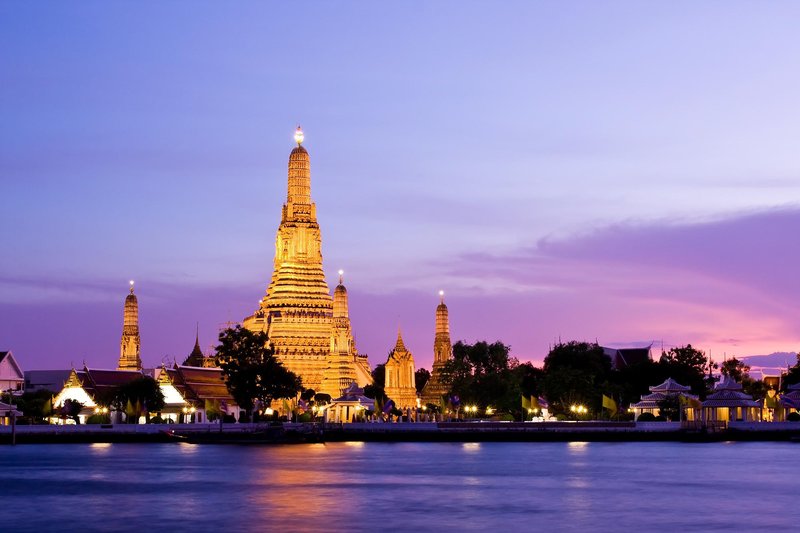
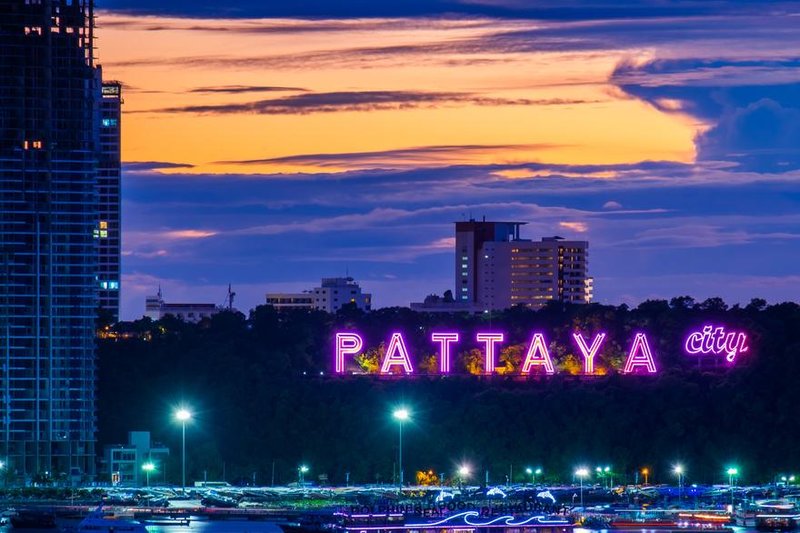
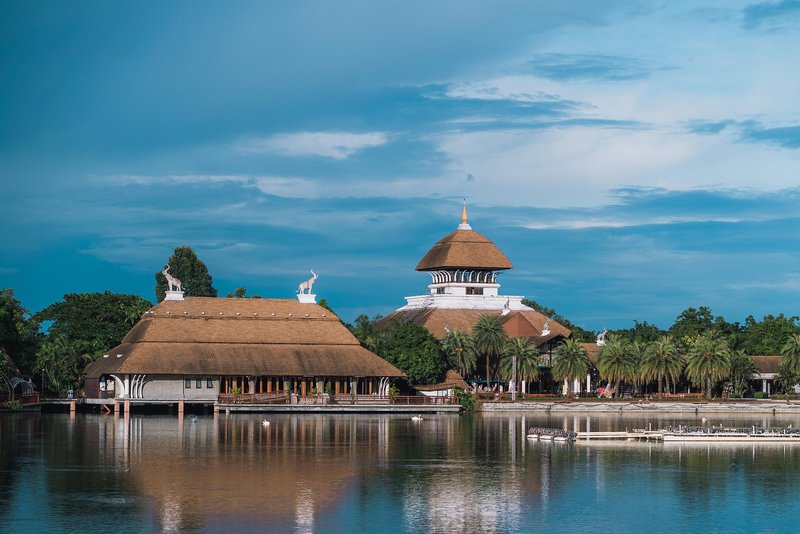
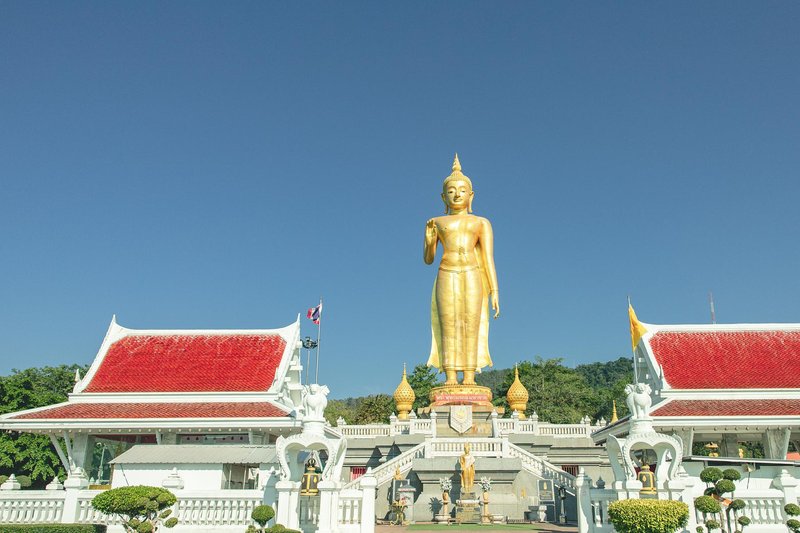
Popular Landmarks in Amphawa
Discover the most iconic attractions in Amphawa
Recommended Hotels in Amphawa
Find the perfect place to stay in Amphawa
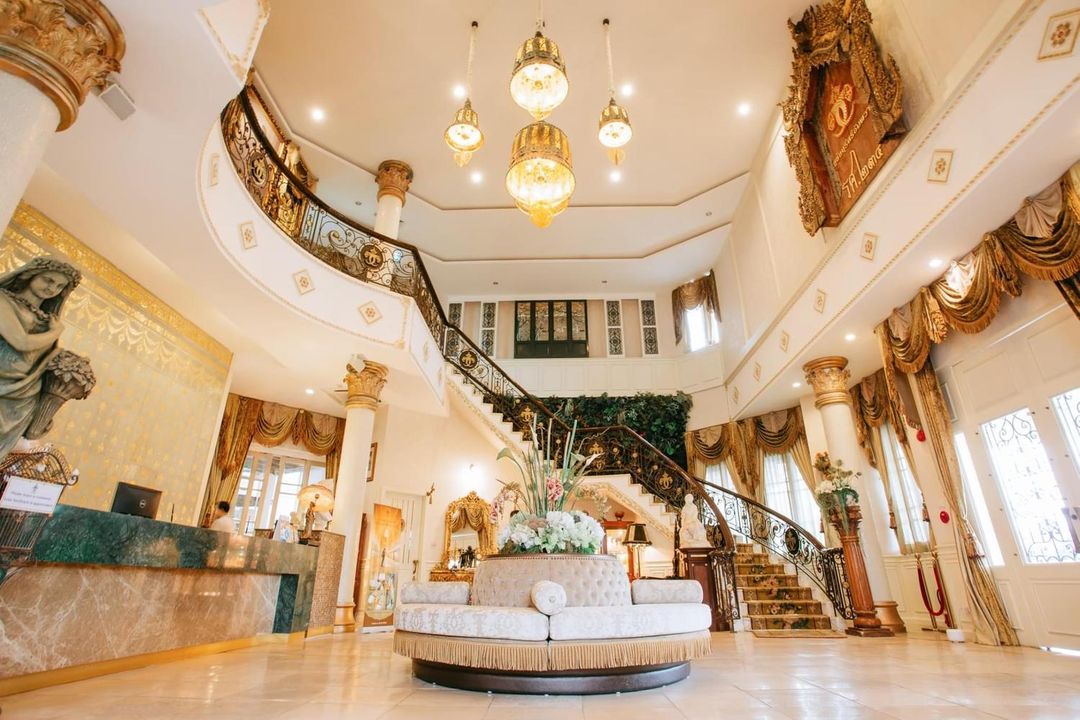
Chuchaiburi Sri Amphawa
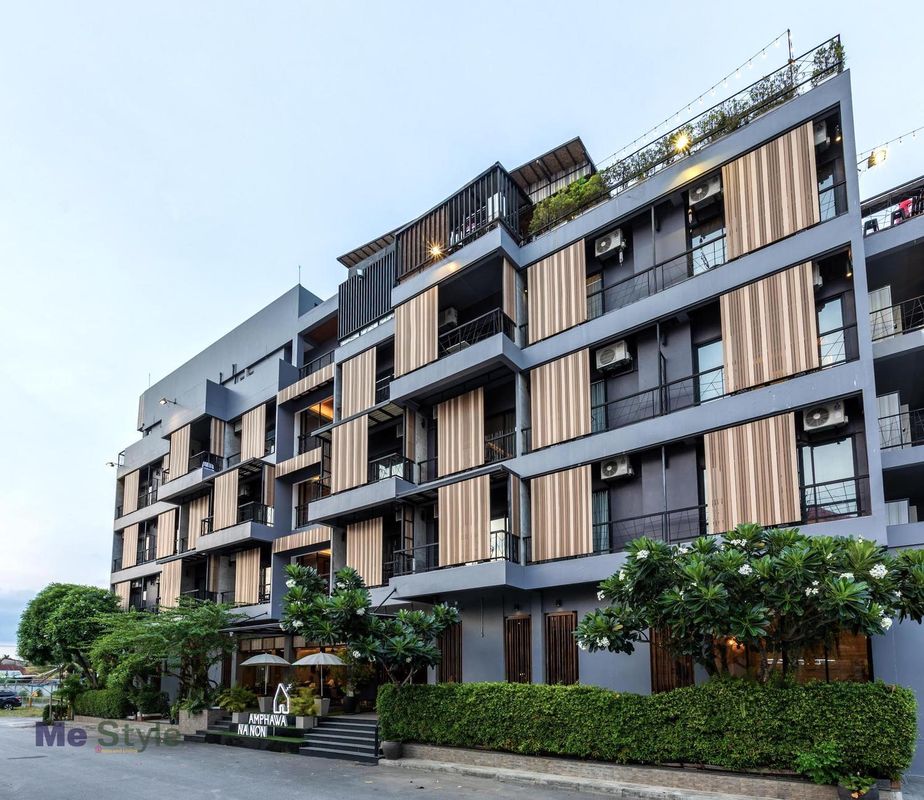
Amphawa Nanon Hotel
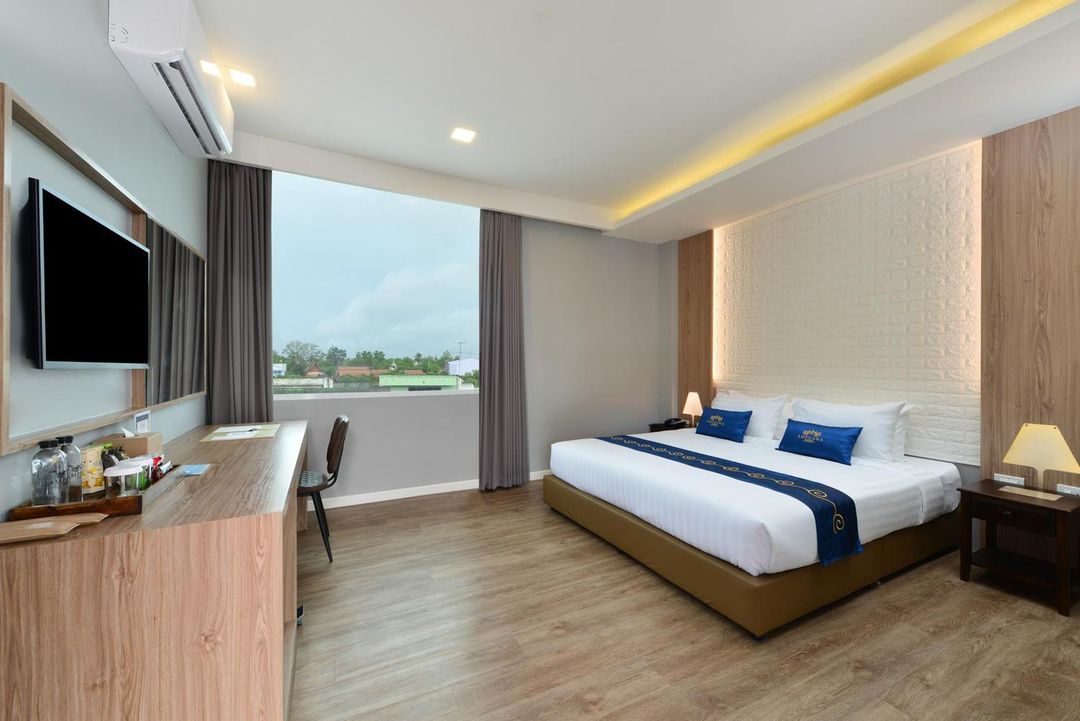
Amphawa Riverfront Hotel
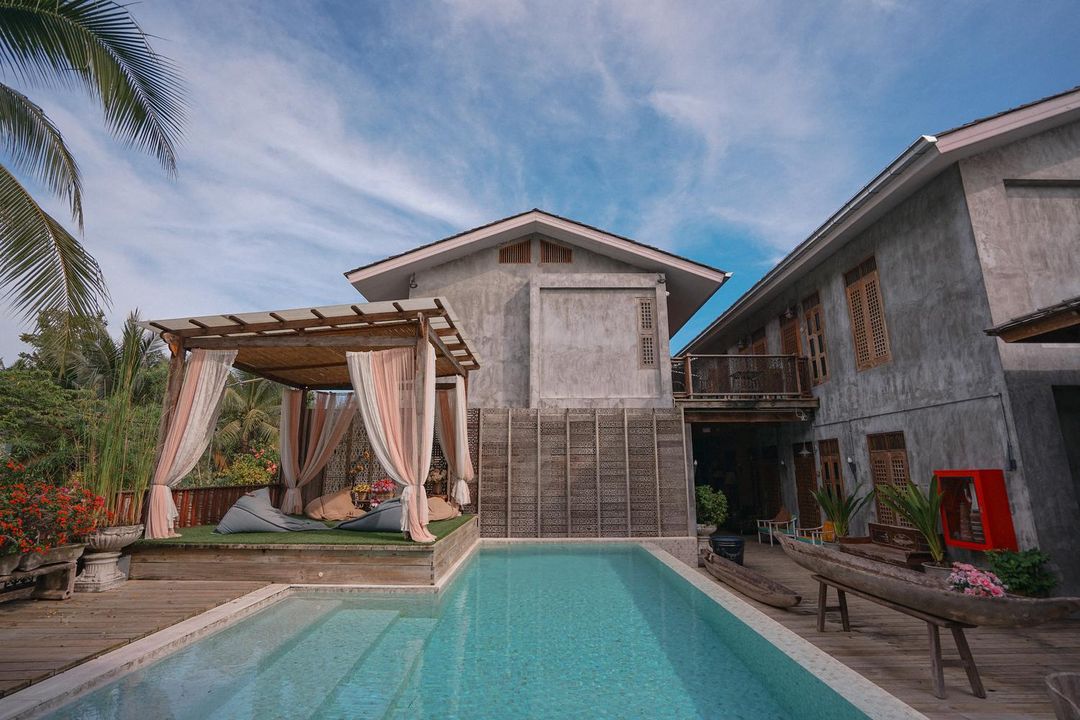
House of Passion Amphawa
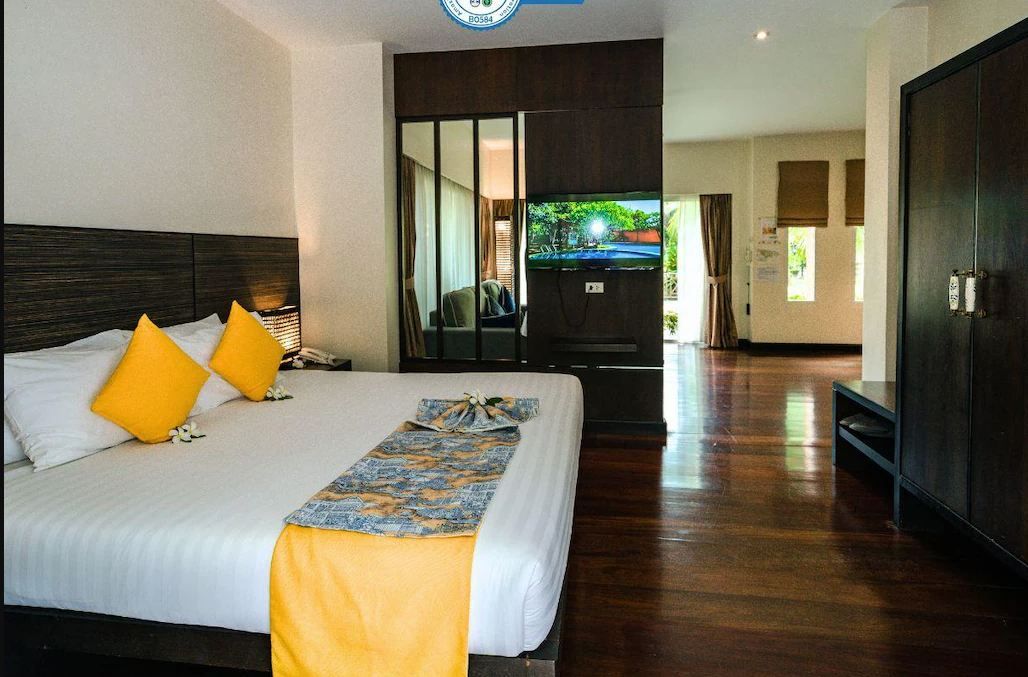
Baan Amphawa Resort & Spa
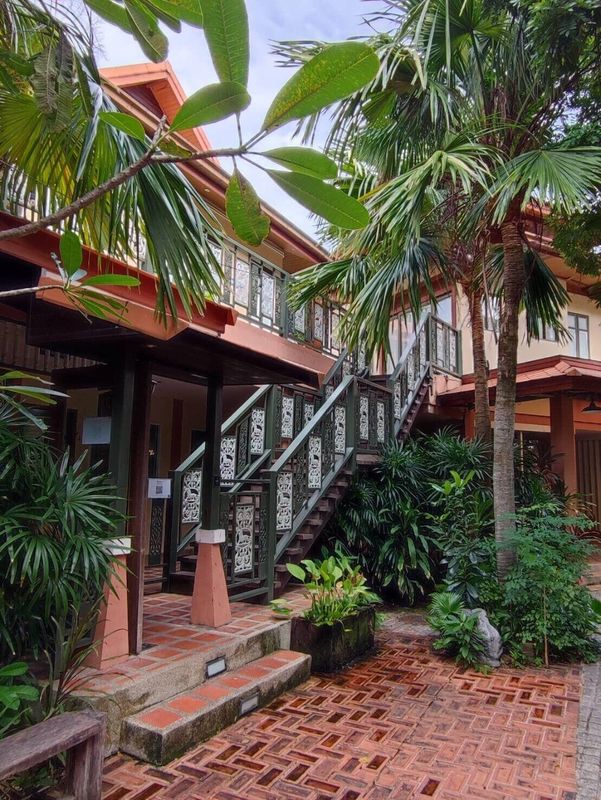
Chuchai Buri Sri Amphawa
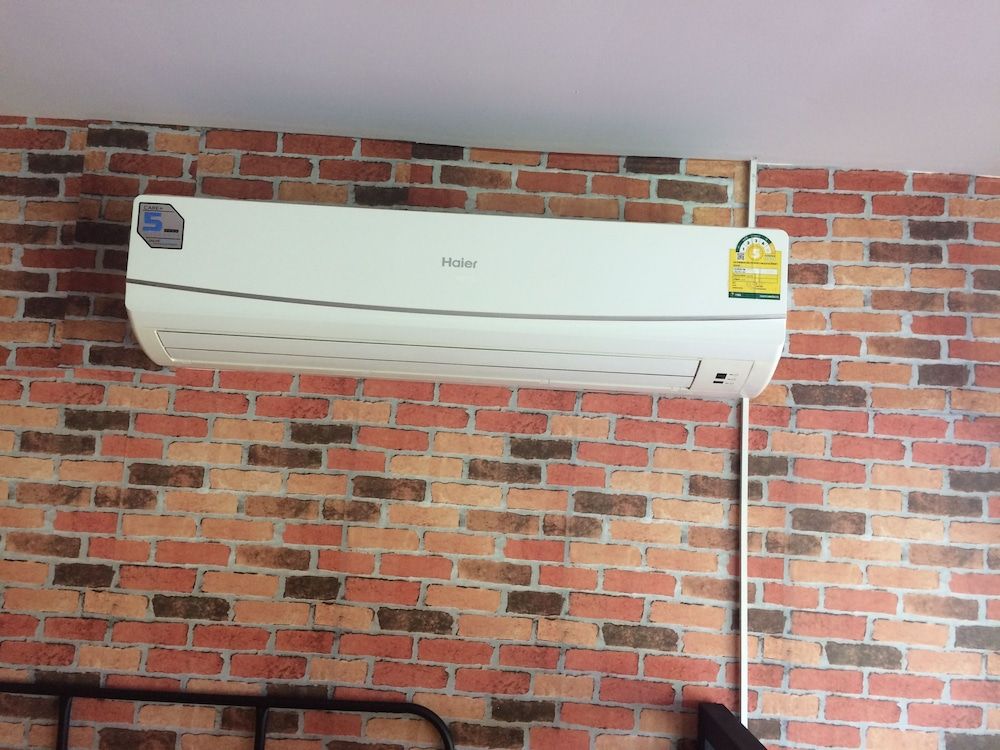
Saeng Tai Amphawa
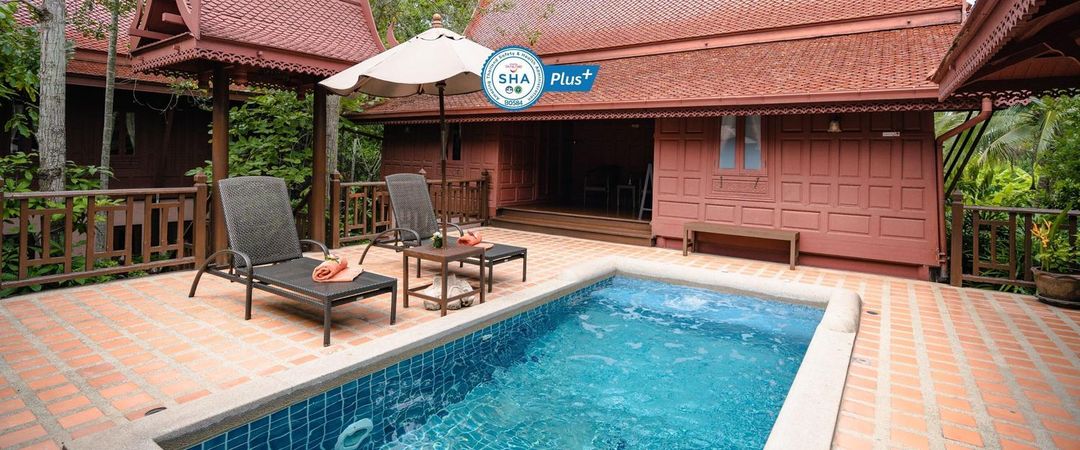
Baan Amphawa Resort & Spa
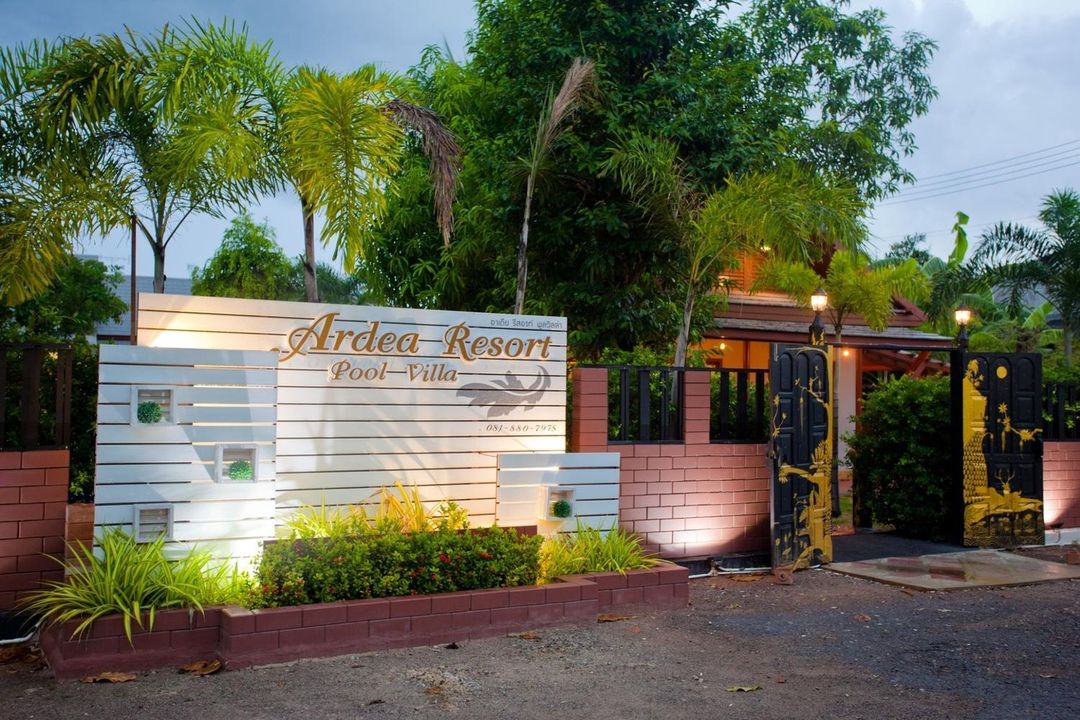
Ardea Resort Pool Villa
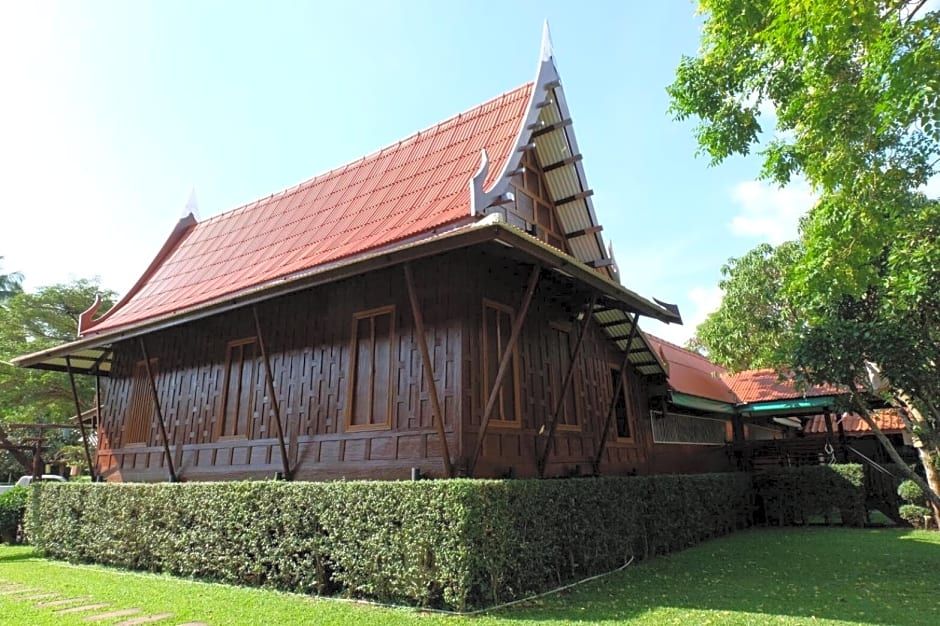
Baan Kornnara Resort
Best Hotels in Amphawa
Discover curated hotel collections in Amphawa
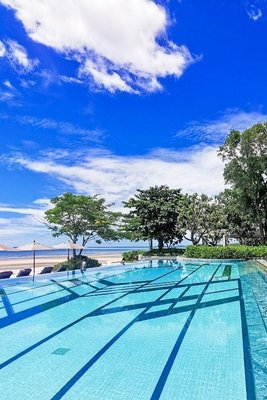
Baba Beach Club Hua Hin Luxury Pool Villa by Sri Panwa
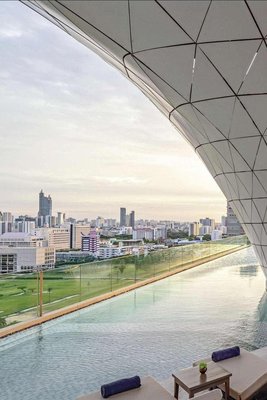
Waldorf Astoria Bangkok
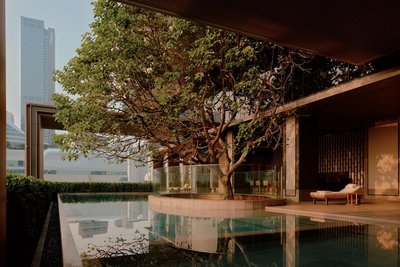
Aman Nai Lert Bangkok
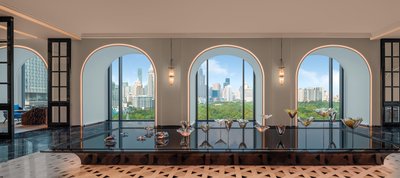
The Ritz-Carlton, Bangkok

Te Mata Glamping
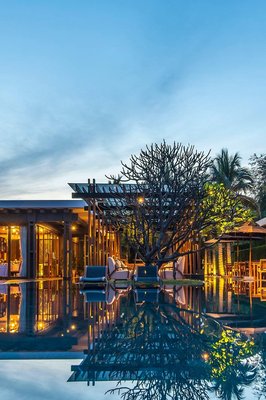
V Villas Hua Hin, MGallery Hotel Collection
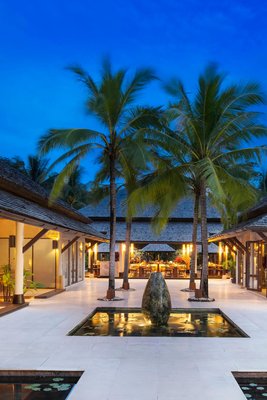
Sheraton Hua Hin Pranburi Villas
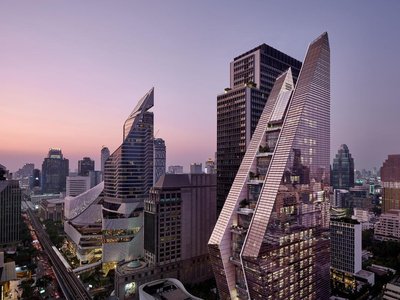
Rosewood Bangkok
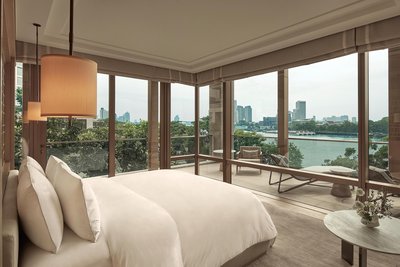
Capella Bangkok
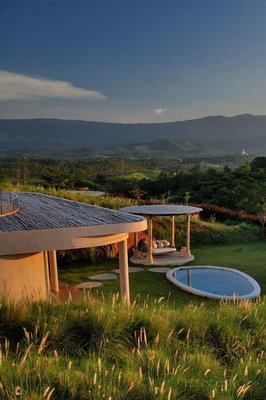
Sala Khaoyai
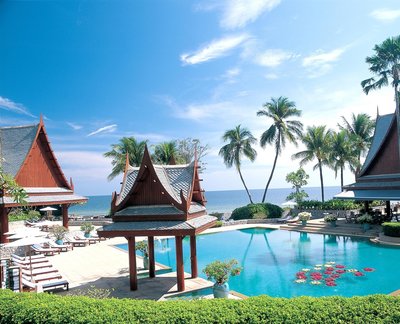
Chiva-Som International Health Resort
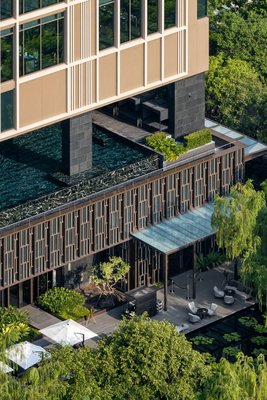
Kimpton Maa-Lai Bangkok
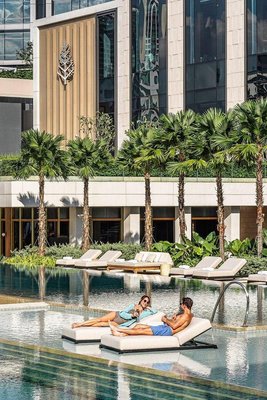
Four Seasons Hotel Bangkok at Chao Phraya River
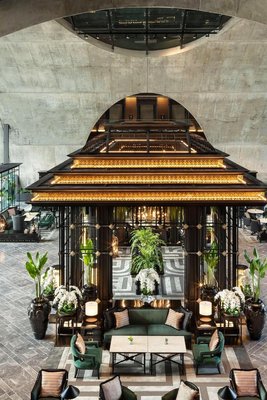
Sindhorn Kempinski Hotel Bangkok
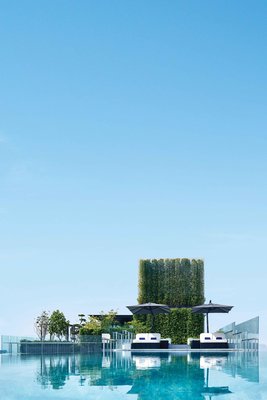
137 Pillars Suites Bangkok
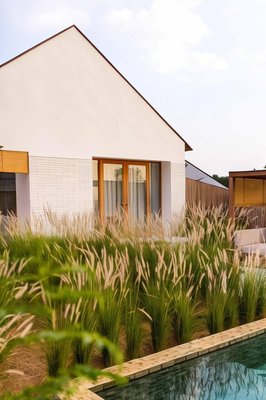
Roukh Kiri Khaoyai, The Centara Collection
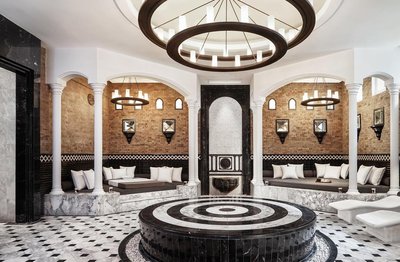
The Siam
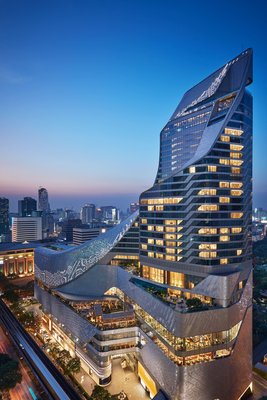
Park Hyatt Bangkok
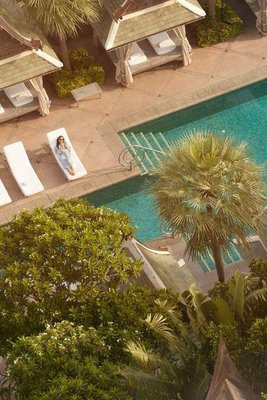
The Peninsula Bangkok
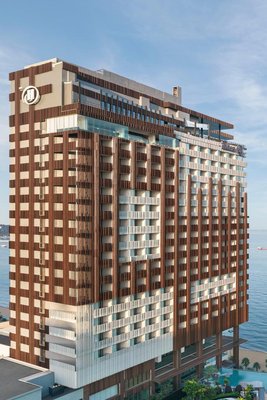
Hilton Pattaya
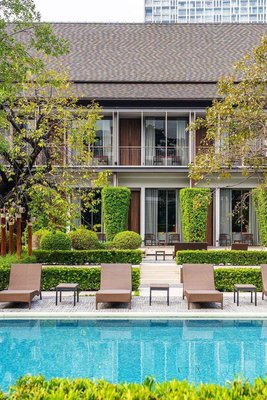
Villa Deva Resort & Hotel Bangkok
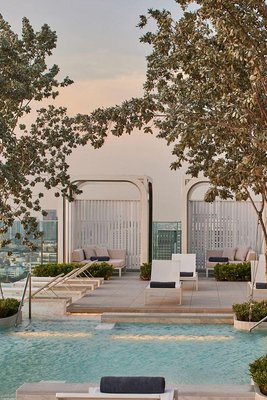
Eastin Grand Hotel Phayathai
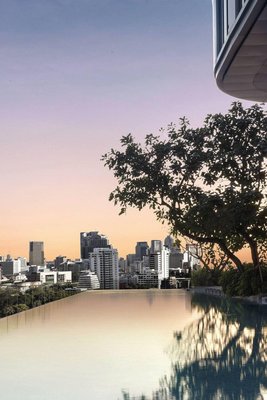
SO/ Bangkok
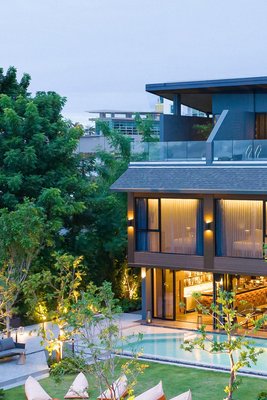
Ten Six Hundred, Chao Phraya, Bangkok by Preference
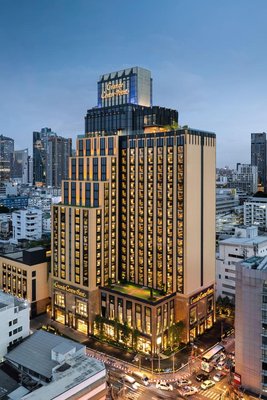
Grande Centre Point Surawong
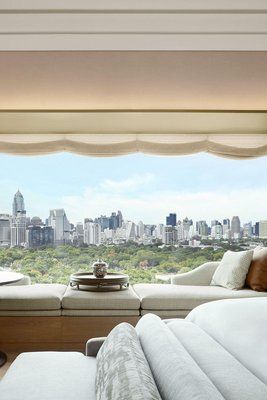
Dusit Thani Bangkok
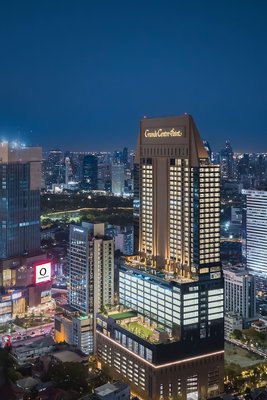
Grande Centre Point Lumphini Bangkok
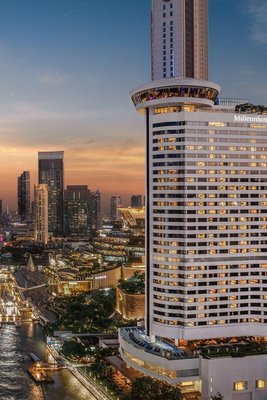
Millennium Hilton Bangkok
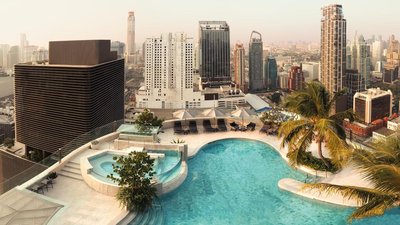
InterContinental Bangkok
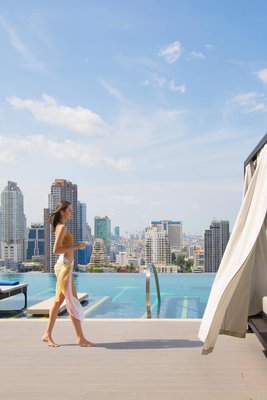
Bangkok Marriott Hotel the Surawongse
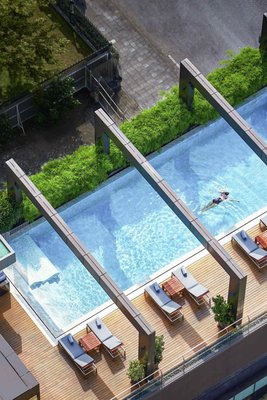
VIE Hotel Bangkok, MGallery Hotel Collection
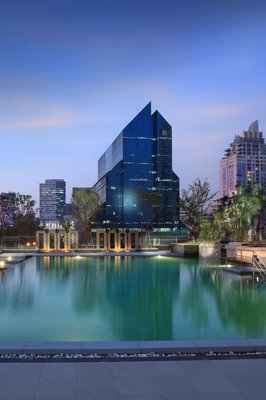
Sathorn Vista, Bangkok - Marriott Executive Apartments
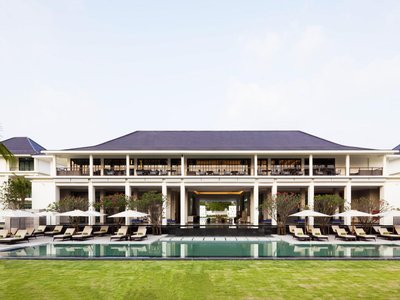
U Sathorn Bangkok
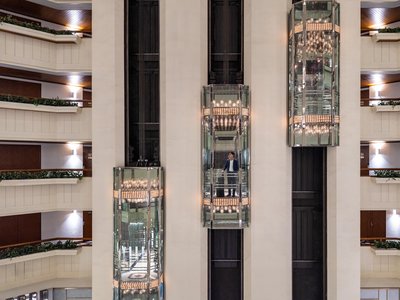
Crowne Plaza Bangkok Lumpini Park
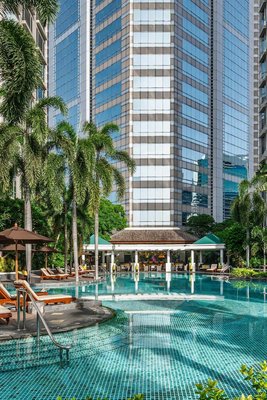
Conrad Bangkok Residences
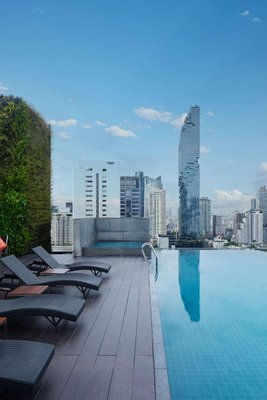
Amara Bangkok Hotel
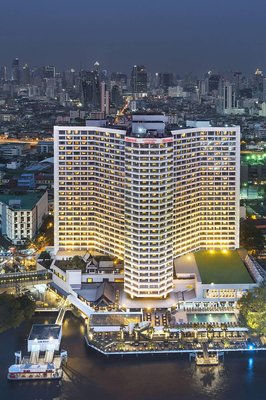
Royal Orchid Sheraton Riverside Hotel Bangkok
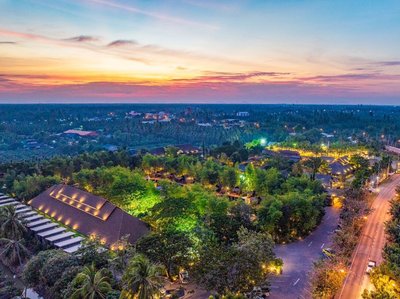
Khum Damnoen Resort
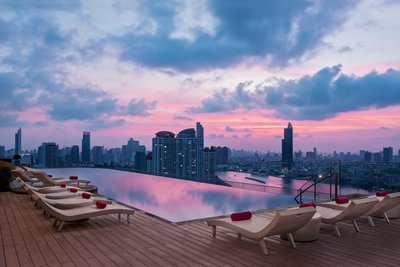
Avani Plus Riverside Bangkok Hotel
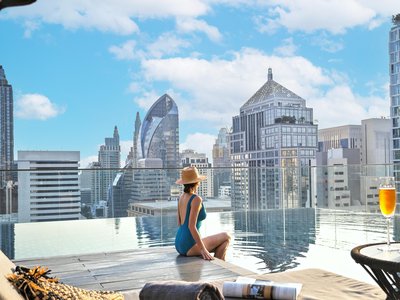
Sindhorn Midtown Hotel Bangkok, Vignette Collection by IHG
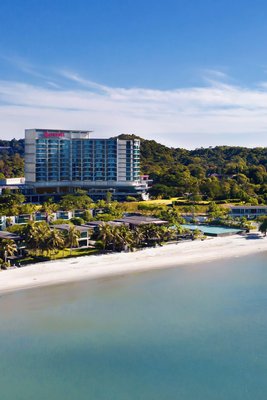
Rayong Marriott Resort & Spa
Grande Centre Point Lumphini Bangkok
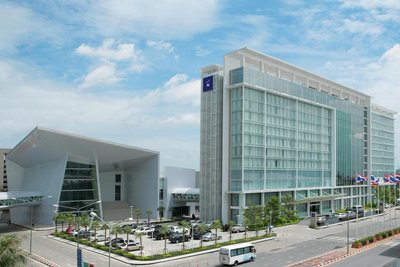
Novotel Bangkok Impact
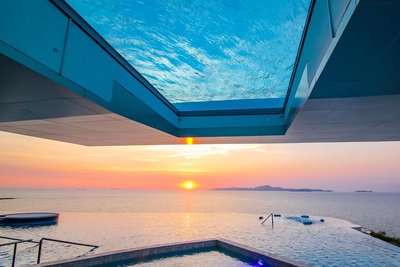
Royal Cliff Beach Hotel Pattaya
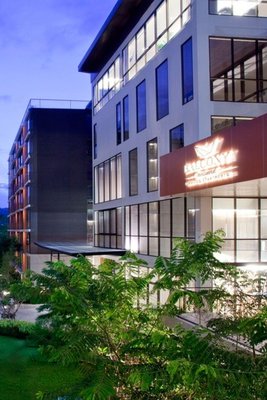
Balcony Courtyard Sriracha Hotel & Serviced Apartments
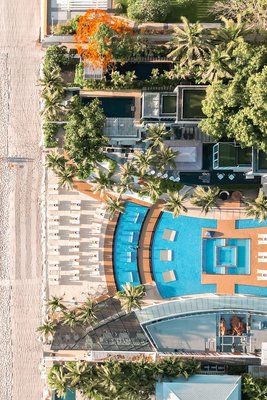
InterContinental Hua Hin Resort
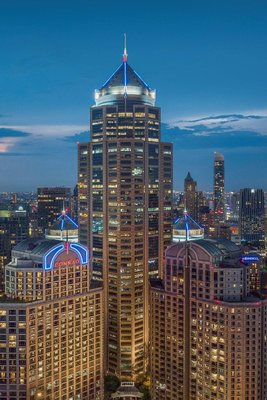
Conrad Bangkok
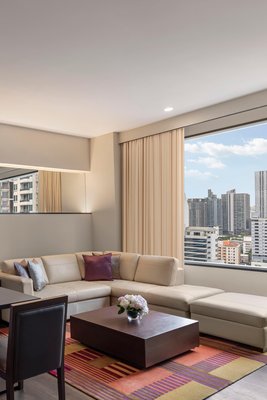
Marriott Executive Apartments Sukhumvit Park, Bangkok
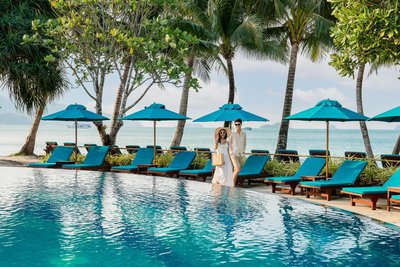
Koh Chang Paradise Resort & Spa
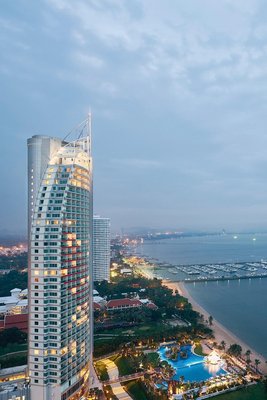
Mövenpick Siam Hotel Na Jomtien Pattaya
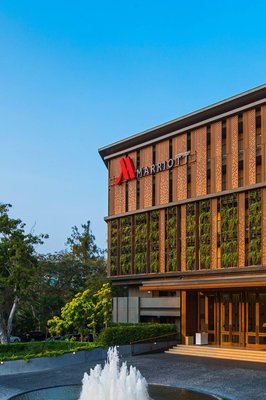
Hua Hin Marriott Resort and Spa
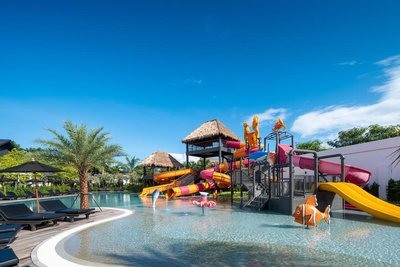
The Splash Koh Chang
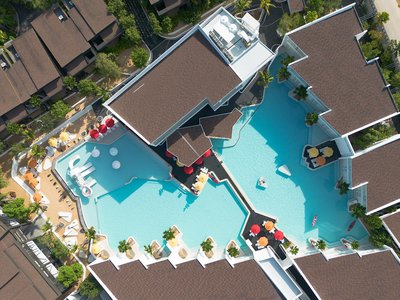
The Gems Mining Pool Villas Pattaya
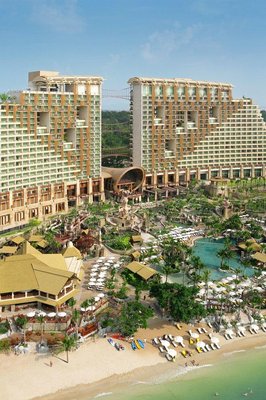
Centara Grand Mirage Beach Resort Pattaya
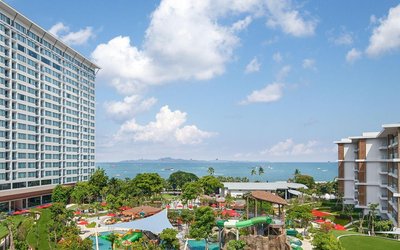
Amari Pattaya
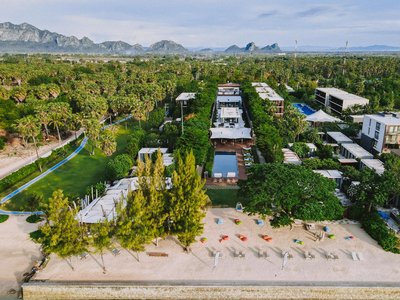
SO/ Sofitel Hua Hin

KC Grande Resort Koh Chang
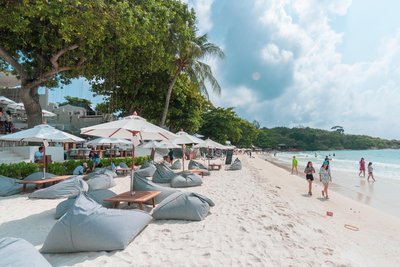
Sai Kaew Beach Resort
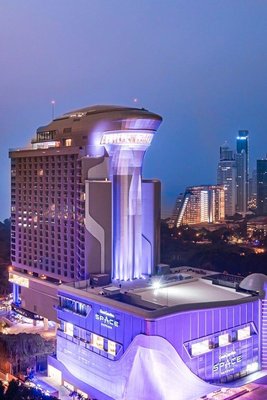
Grande Centre Point Space Pattaya
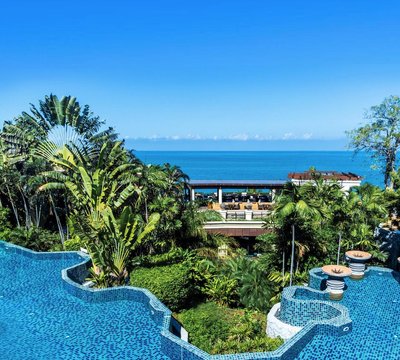
InterContinental Pattaya Resort
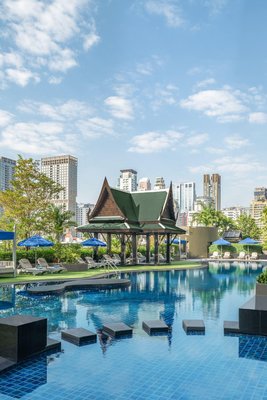
The Athenee Hotel, a Luxury Collection Hotel, Bangkok
Sindhorn Kempinski Hotel Bangkok
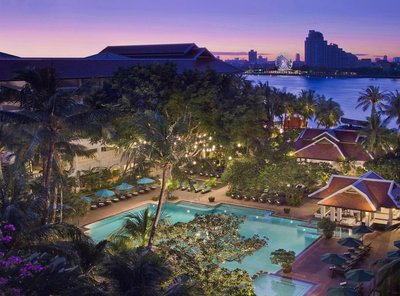
Anantara Riverside Bangkok Resort
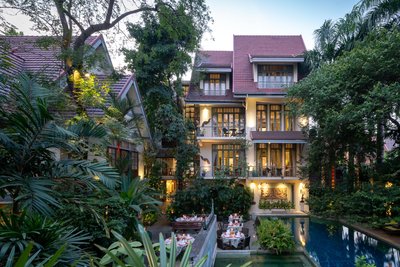
Ariyasom Villa
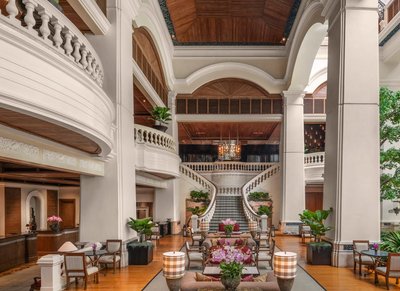
Grand Hyatt Erawan Bangkok
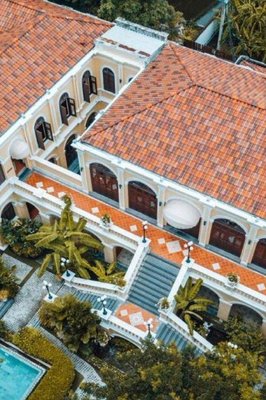
Praya Palazzo
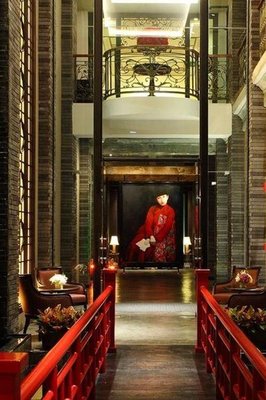
Shanghai Mansion Bangkok
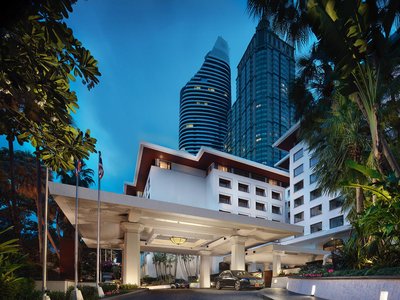
Anantara Siam Bangkok Hotel
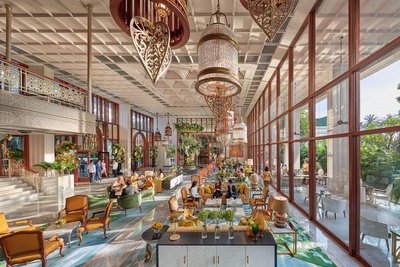
Mandarin Oriental Bangkok
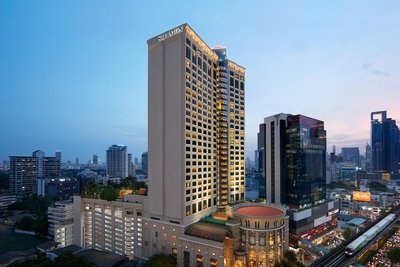
Sheraton Grande Sukhumvit, a Luxury Collection Hotel, Bangkok
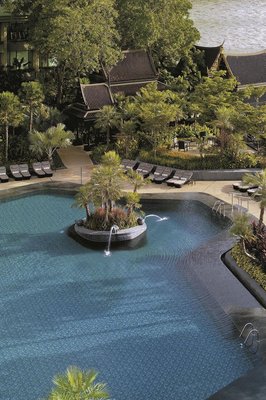
Shangri-La Bangkok
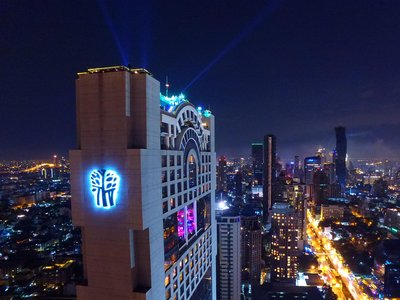
Banyan Tree Bangkok
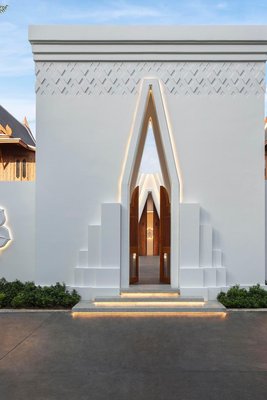
The Sukhothai Bangkok
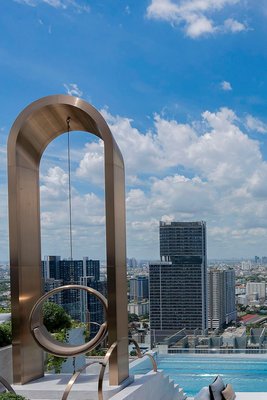
INNSiDE by Meliá Bangkok Sukhumvit
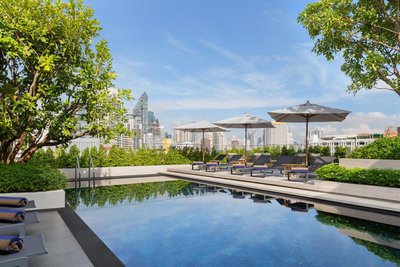
Madi Paidi Bangkok, Autograph Collection (Marriott international)
SO/ Bangkok
Waldorf Astoria Bangkok
The Ritz-Carlton, Bangkok
V Villas Hua Hin, MGallery Hotel Collection
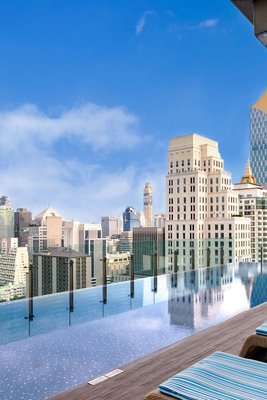
Hotel Indigo Bangkok Wireless Road
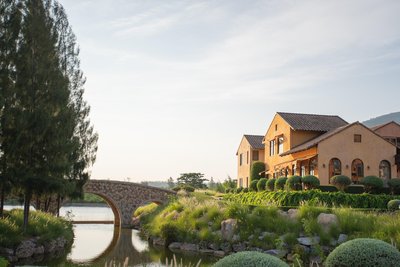
Toscana Hotel la Casetta
The Athenee Hotel, a Luxury Collection Hotel, Bangkok
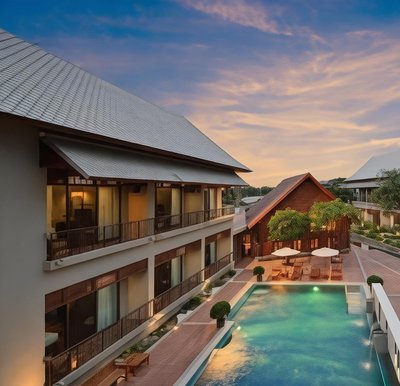
Plakan Resort
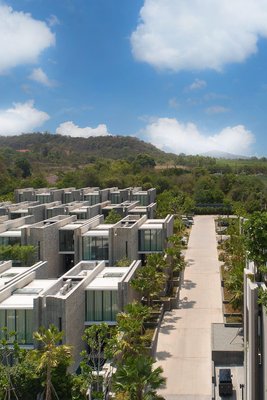
Oceanphere Pattaya Villa by Elite Suites
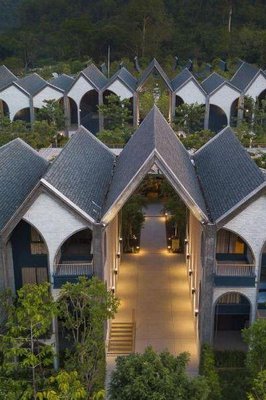
Hotel Labaris Khao Yai
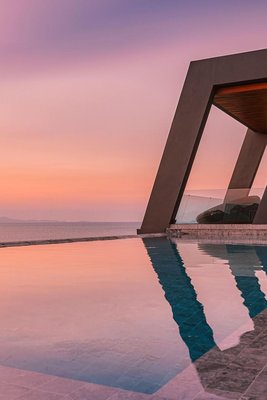
MASON
Rosewood Bangkok
Capella Bangkok
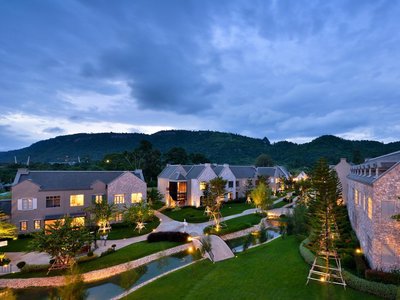
Thames Valley Khao Yai
Sala Khaoyai
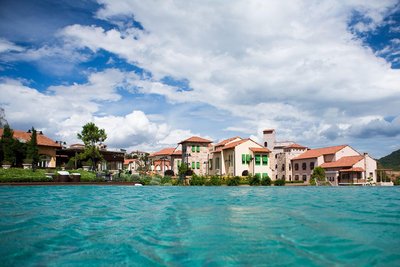
Toscana Town Square Suites
Kimpton Maa-Lai Bangkok
Four Seasons Hotel Bangkok at Chao Phraya River
INNSiDE by Meliá Bangkok Sukhumvit
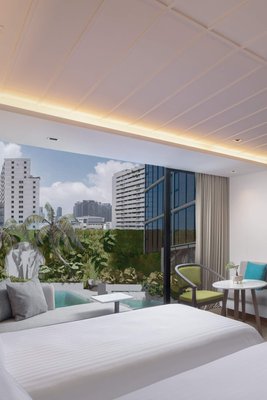
Nysa Hotel Bangkok Sukhumvit 11
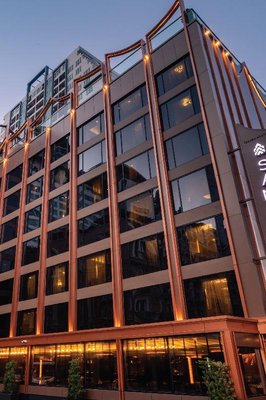
Samala Hotel Bangkok
Aman Nai Lert Bangkok
The Ritz-Carlton, Bangkok
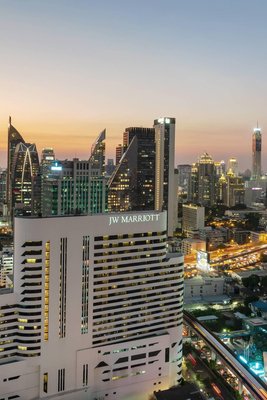
JW Marriott Hotel Bangkok
VIE Hotel Bangkok, MGallery Hotel Collection
InterContinental Hua Hin Resort
The Athenee Hotel, a Luxury Collection Hotel, Bangkok
Royal Orchid Sheraton Riverside Hotel Bangkok
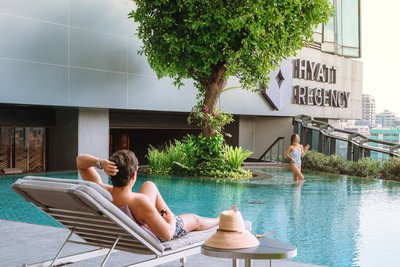
Hyatt Regency Bangkok Sukhumvit
Rosewood Bangkok
Capella Bangkok
Sindhorn Kempinski Hotel Bangkok
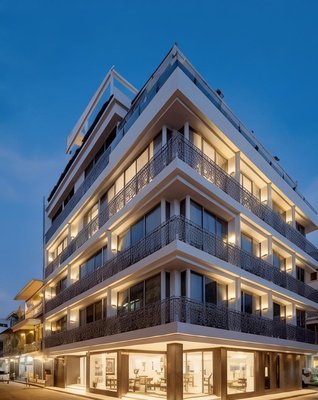
Riva Arun Bangkok
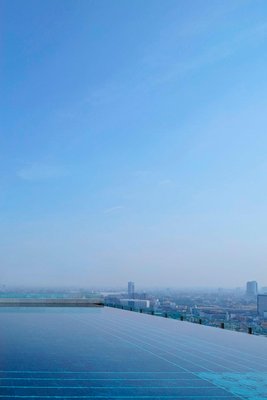
137 Pillars Residences Bangkok
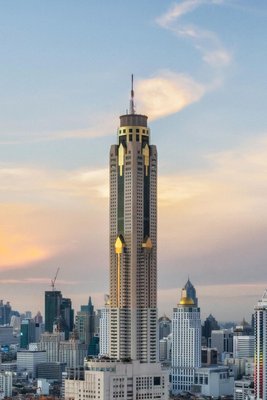
Baiyoke Sky Hotel Bangkok
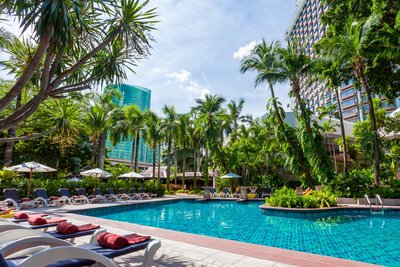
Centara Grand at Central Plaza Ladprao Bangkok
Grand Hyatt Erawan Bangkok
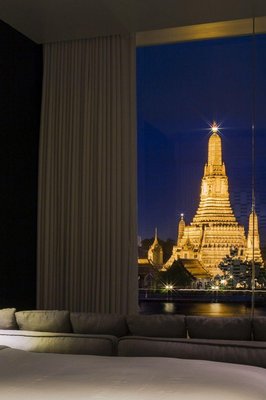
Sala Rattanakosin Bangkok

Villa Panalai
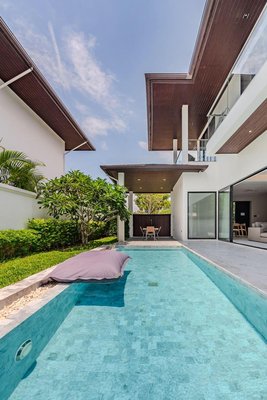
Argo Pattaya Resort and Villas
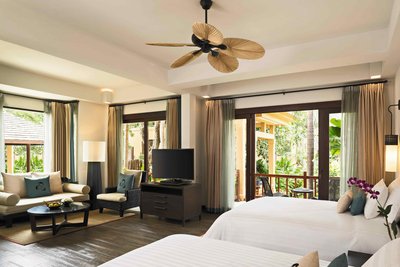
Mövenpick Asara Resort & Spa Hua Hin
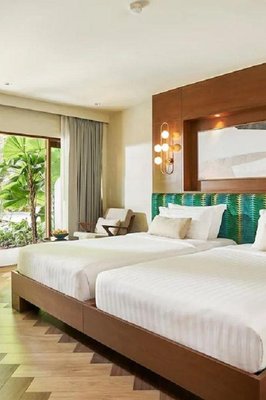
Sea Sand Sun Resort and Villas
V Villas Hua Hin, MGallery Hotel Collection
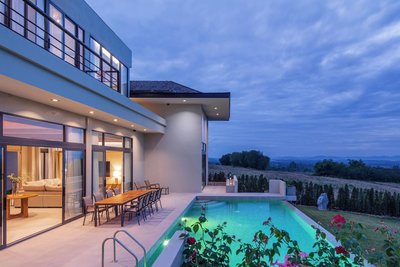
The Private Pool Villas at Civilai Hill Khao Yai
Sheraton Hua Hin Pranburi Villas
Oceanphere Pattaya Villa by Elite Suites
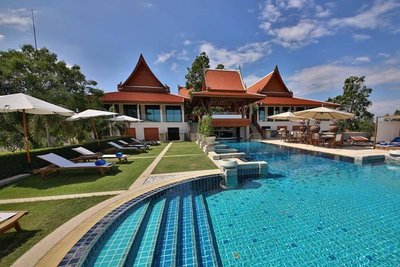
Baan Souchada Resort & Spa
MASON
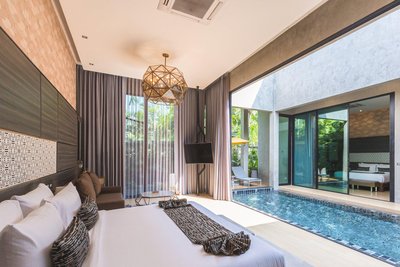
La Miniera Pool Villas Pattaya - Small Luxury Hotels of the World
The Siam
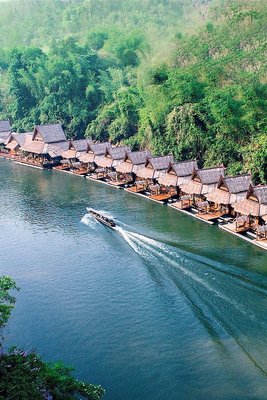
The Float House River Kwai
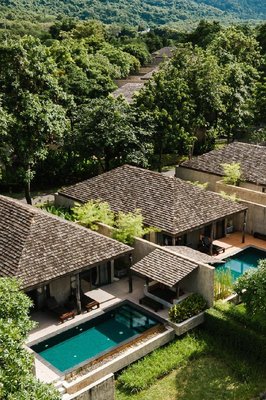
MUTHI MAYA Forest Pool Villa Resort
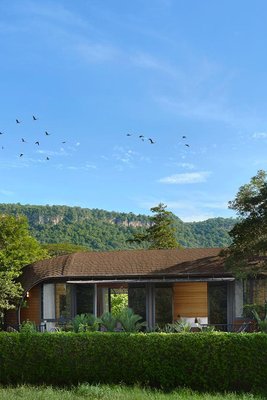
The Hidden Village, Khao Yai
Baba Beach Club Hua Hin Luxury Pool Villa by Sri Panwa
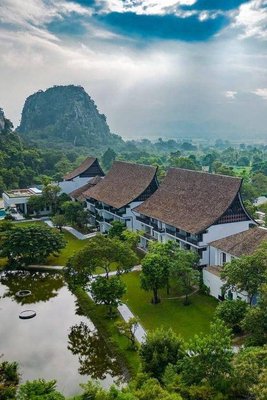
The Soul Resort
The Ritz-Carlton, Bangkok
Millennium Hilton Bangkok
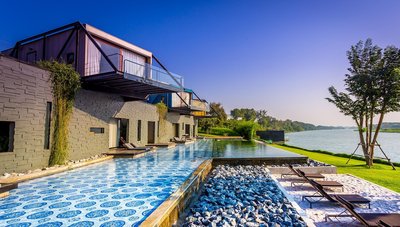
The Xcape Hotel River Kwai
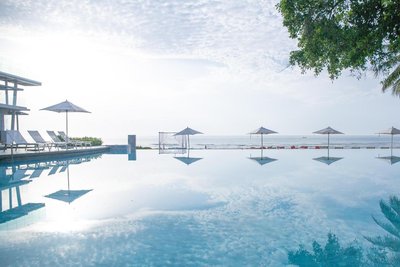
Veranda Resort & Villas Hua Hin Cha Am
Mövenpick Asara Resort & Spa Hua Hin
Royal Cliff Beach Hotel Pattaya
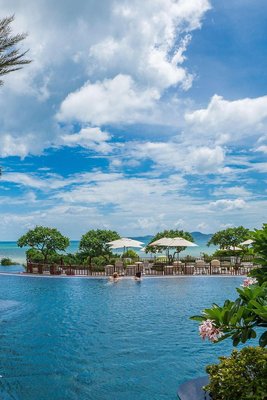
Royal Cliff Grand Hotel Pattaya
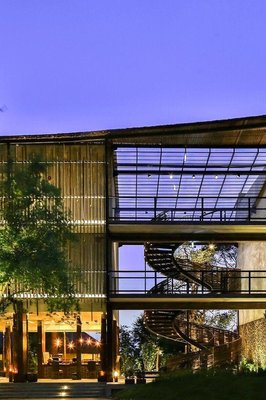
U Pattaya
InterContinental Hua Hin Resort

Aleenta Hua Hin - Pranburi
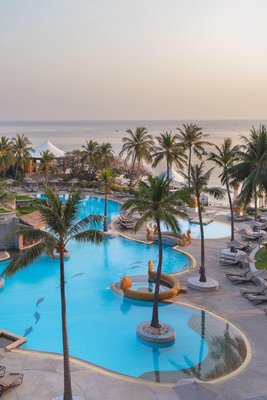
Hilton Hua Hin Resort & Spa
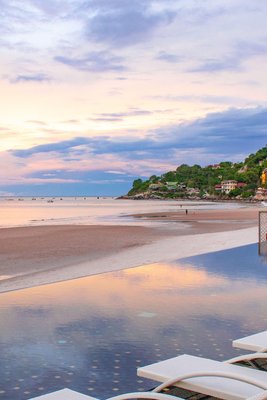
The Yana Villas Hua Hin
Royal Orchid Sheraton Riverside Hotel Bangkok
Sala Ayutthaya
Oceanphere Pattaya Villa by Elite Suites

Na Tree Tara Riverside Resort Amphawa Damnoensaduak
Mövenpick Siam Hotel Na Jomtien Pattaya
Capella Bangkok
Frequently Asked Questions about Traveling to Amphawa
Questions You Might Need to Know About Traveling to Amphawa
In Amphawa, the top boutique hotel with river views is Amphawa Riverside Bungalow, a charming Thai wooden-style retreat nestled along the Chao Phraya River. Each room features a private balcony overlooking the water, perfect for morning coffee or evening stargazing. The property blends traditional craftsmanship with modern comfort, offering eco-friendly amenities and a tranquil garden setting.
Another standout is Baan Suan Khai, a small-scale homestay where local families welcome guests into their homes. Guests enjoy authentic Thai hospitality, homemade meals, and guided tours to nearby temples and floating markets. Both properties are ideal for travelers seeking serenity, cultural immersion, and unforgettable riverfront experiences in this peaceful southern Thai village.
For first-time visitors, the best area to stay in Amphawa is along the Chao Phraya Riverfront near the Floating Market. This zone offers easy access to key attractions, including the night market, Wat Amphawa Temple, and scenic boat rides. Most accommodations here are family-run guesthouses or boutique bungalows with traditional Thai architecture, spacious courtyards, and free bicycles for exploring.
The area is safe, quiet at night, and filled with locals who warmly welcome tourists. Staying here allows you to experience the authentic rhythm of rural Thai life—waking up to birdsong, enjoying fresh seafood for breakfast, and walking to the market just steps away. It’s also ideal for those interested in photography, culture, and slow travel.
Amphawa Floating Night Market stands out due to its unique riverside setup: hundreds of wooden boats line the Chao Phraya River, each laden with food, drinks, and handmade crafts, creating a magical lantern-lit scene after sunset. Unlike land-based markets, the mobility of the stalls gives it a dynamic, ever-changing atmosphere.
Must-try foods include grilled fish balls, coconut sticky rice, and Amphawa-style curry crab, all prepared by local fishermen’s families using time-honored recipes. Visitors can also participate in Thai lantern-making workshops, enjoy live traditional Thai music, and even take part in short language lessons. The market is not just a culinary destination—it’s a living cultural showcase of Southern Thai heritage.
In Amphawa, tourists should try visiting Wat Amphawa Temple, a historic Buddhist temple housing a 6-meter-tall bronze Buddha statue. During the annual Lantern Festival (in March), thousands of lotus-shaped lanterns are lit across the temple grounds—a breathtaking spiritual and visual spectacle.
Additionally, join a traditional Thai cooking class taught by local women, where you’ll learn to prepare dishes like som tam (papaya salad) and green curry using fresh, local ingredients. You can also visit a bamboo weaving workshop to craft your own small basket, supporting sustainable local crafts. These hands-on activities offer deep insights into Southern Thai culture and community life.
While Amphawa is accessible via public transport from Bangkok (e.g., Airport Link to Bang Pa-in, then taxi), driving is highly recommended for flexibility and exploration. The road from Bangkok to Amphawa is well-maintained, but narrow rural lanes require caution—especially during rainy season.
However, the best way to explore the area is by renting a bicycle. The flat, scenic routes along the Chao Phraya River are perfect for cycling, allowing you to reach hidden villages, floating markets, and serene temples at your own pace. Many guesthouses offer free bike rentals, and no driver’s license is needed. Just avoid riding during heavy rain or flooding, which can occur between June and October.
Yes, Amphawa offers many family-friendly activities. Visit Amphawa Eco Farm, where kids can feed goats, pick tropical fruits, and even try planting rice seedlings in real paddy fields—an educational and fun experience.
At the Floating Market, families can join kids’ cooking workshops to make Thai desserts like mango sticky rice or build their own paper kites, which they can fly along the riverbank. Some guesthouses provide children’s beds, toys, and outdoor play areas. Evenings often feature light shows and magic performances for all ages. With low crowds, clean air, and warm locals, Amphawa is an ideal destination for stress-free family travel.
Amphawa has a tropical climate with three seasons: hot (March–May), rainy (June–October), and cool (November–February). During the hot season, choose rooms with strong airflow, ceiling fans, and shaded balconies—ideal for staying cool.
In the rainy season, opt for higher-floor rooms or elevated wooden bungalows to avoid dampness and flooding. Many guesthouses now offer moisture-proof mats and drying racks. The cool season (Nov–Feb) is the peak travel time, so book early. Choose accommodations with good ventilation and mosquito nets, especially if traveling with children. Always check if the property provides dehumidifiers or electric dryers for clothes.
Must-try dishes in Amphawa include grilled river fish, freshly caught from the Chao Phraya River and cooked over charcoal, served with spicy tamarind sauce. Another highlight is Amphawa curry crab, made with coconut milk, lemongrass, and red chili, rich and aromatic.
Don’t miss coconut sticky rice, a sweet treat with creamy coconut filling and red beans, often sold by street vendors. Other favorites include Thai-style lemon chicken, fried bananas, and mango sticky rice—all made with locally sourced ingredients. At the floating market, every bite tells a story of tradition, sustainability, and local pride.
Couples will love the romantic riverboat dinner at dusk, where a private boat glides along the Chao Phraya River, surrounded by glowing lanterns and soft music. Enjoy a customized meal of grilled seafood and Thai rose tea on a private deck.
Stroll hand-in-hand through the floating market under the stars, shop for handmade souvenirs, and light a shared lantern at Wat Amphawa Temple. Some luxury guesthouses offer private rooftop hot tubs with panoramic river views, complete with candlelight and ambient music. For intimacy, book a couple’s Thai massage in a secluded garden pavilion. These experiences blend nature, culture, and connection—perfect for making lasting memories.
The best time to visit Amphawa is during the cool season (November to February), when temperatures range from 25–30°C, humidity is low, and skies are clear. This period is ideal for outdoor activities, river cruises, and exploring the floating market without discomfort.
The Lantern Festival in March is another major highlight, drawing visitors from across Thailand. However, expect higher prices and crowded accommodations. The rainy season (June–October) brings lush greenery and fewer tourists, but frequent rains and occasional flooding may disrupt plans. Avoid May if possible, as it’s the hottest month. Plan ahead—book stays at least one month in advance during peak season.
Amphawa Overview
City Summary
Amphawa in Thailand's Samut Songkhram Province is a serene riverside town famed for its weekend floating market. The well-preserved traditional Thai teakwood houses along the canals and ancient temples showcase central Thai cultural heritage. Its core appeal lies in the authentic, uncommercialized atmosphere offering a genuine Thai slow-living experience.
Must-See Attractions
Top attraction is the Amphawa Floating Market (Fri-Sun) with hundreds of vendor boats selling handicrafts. Wat Bang Kung features a Buddha statue entirely embraced by banyan roots, listed among Thailand's Seven Wonders. Join evening firefly tours along Mae Klong River tributaries. Cultural workshops include Thai dessert making and traditional massage classes.
Food Guide
Must-try boat noodles (Kuay Teow Reua) and coconut-banana pancakes. Market highlights are grilled river prawns and som tam (papaya salad). Seek out Khao Lam (bamboo sticky rice) and Kanom Krok (coconut custards). Local cafes serve Thai iced tea with pandan leaf cakes, embodying unique culinary aesthetics.
Transportation Guide
From Bangkok, take minivans (1.5hrs) or trains (plus tuk-tuk transfer). Explore by walking or bicycle rental (~50THB/day). Longtail boats (30-50THB/ride) operate on canals. Note: traffic restrictions around market after 15:00 on weekends. Last return minivan departs at 20:00.
Best Time to Visit
Ideal during November-February (28°C, low rainfall). Avoid April's Songkran crowds. July-October rains may affect firefly sightings. For lively markets visit Fri evening-Sun noon; weekdays offer tranquil charm.
Travel Tips
- Temple dress code: covered shoulders/knees
- Carry small bills (20-100THB notes) for markets
- No flash photography on firefly tours
- Floating vendors accept cash only (exact amount preferred)
- Avoid photographing monks' faces directly
- Riverside homestays often lack elevators - pack light
- Negotiate tuk-tuk fares beforehand (~50THB/person)
- Limited trash bins - bring reusable bags
Useful Information
Language: Basic English works; Thai greetings like "Sawadika" are appreciated. Internet: dtac tourist SIMs (299THB/8-day unlimited) at 7-11. Payment: 95% cash-only; 2 ATMs in town. Health: Samut Songkhram Hospital (+66 34 711 234) is 3km away; bring mosquito repellent. Voltage: 220V, Type A/B sockets. Emergency: Tourist Police 1155, Ambulance 1669. Most shops close 14:00-17:00 on weekdays.