Hotels in Amtsberg
Discover your perfect stay in Amtsberg.
Amtsberg(Germany) Travel 2026: Cheap Flights, Hotels & Top Attractions

Popular Landmarks in Amtsberg
Discover the most iconic attractions in Amtsberg
Recommended Hotels in Amtsberg
Find the perfect place to stay in Amtsberg
Frequently Asked Questions about Traveling to Amtsberg
Questions You Might Need to Know About Traveling to Amtsberg
Amtsberg Overview
City Summary
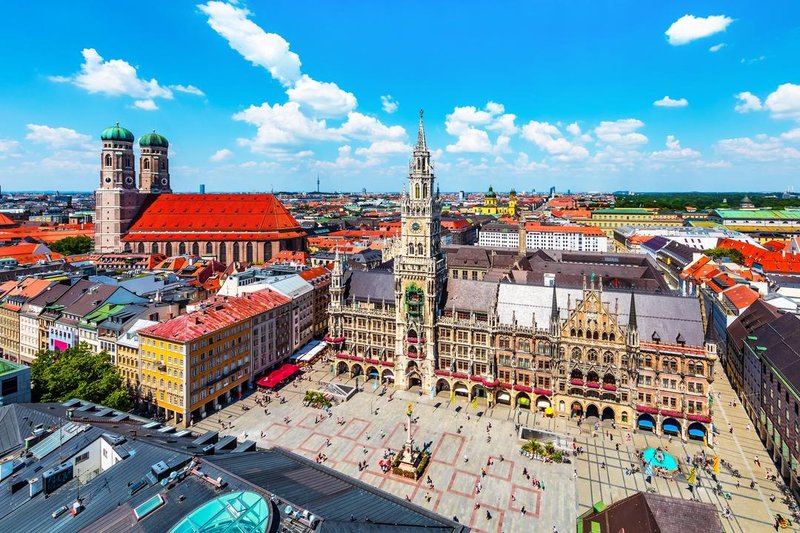
Amtsberg is a charming small town in Saxony, Germany, renowned for its Baroque architecture and mining history. Surrounded by lush hills, the town boasts rich cultural heritage and traditional crafts, particularly wood carving and porcelain making. The main attraction is its well-preserved old town, where visitors can stroll along cobblestone streets, admiring colorful houses and historic churches.
Must-See Attractions
Must-see attractions in Amtsberg include St. Mary's Church, a stunning Baroque building with lavish interiors. The Mining Museum showcases the region's rich mining history, offering insights into local traditions. The Old Town Square, surrounded by beautiful historic buildings and open-air cafes, is the perfect spot to relax and soak in the local atmosphere.
Food Guide
Amtsberg's culinary scene is deeply influenced by Saxon traditions. Street food like currywurst and potato pancakes are widely available. Don't miss the local specialty Saxon sauerbraten, a hearty dish of slow-cooked pork, sauerkraut, and potatoes. For dessert, try the German cheesecake, known for its dense texture and unique flavor.
Transportation Guide
Public transport in Amtsberg primarily consists of buses, covering major attractions and surrounding areas. A day ticket is a cost-effective option. Taxis are available but expensive. Walking is recommended for exploring the old town due to its compact layout and narrow streets. Drivers should note parking restrictions in the old town and use suburban parking lots.
Best Time to Visit
The best time to visit is May to September, when the weather is mild and ideal for outdoor activities. Summer sees more tourists but offers vibrant festivals. Winter, though cold, features charming Christmas markets.
Travel Tips
- Safety: Amtsberg is generally safe, but keep an eye on belongings in crowded areas.
- Etiquette: Maintain silence in churches to avoid disturbing worshippers.
- Tipping: A 5-10% tip is customary in restaurants.
- Language: While English is understood in tourist areas, learning basic German greetings is appreciated.
- Cash: Some small shops only accept cash, so carry some euros.
- Festivals: Check local event calendars for festivals like Christmas markets or miner parades to enhance your trip.
Useful Information
Language: German is the official language; English is widely understood in tourist areas. Internet: Free Wi-Fi is available in cafes and hotels; local prepaid SIM cards are an option. Payment: Credit cards are accepted in larger establishments, but cash is preferred in small shops and markets. Emergencies: EU citizens can use the European Health Insurance Card; others should have travel insurance. Emergency number: 112. Voltage: 230V, using Type C/F plugs. Drinking water: Tap water is safe and eco-friendly.