Hotels in Anamizu
Discover your perfect stay in Anamizu.
Anamizu(Japan) Travel 2026: Cheap Flights, Hotels & Top Attractions
Popular Landmarks in Anamizu
Discover the most iconic attractions in Anamizu
Recommended Hotels in Anamizu
Find the perfect place to stay in Anamizu

Castle Manai
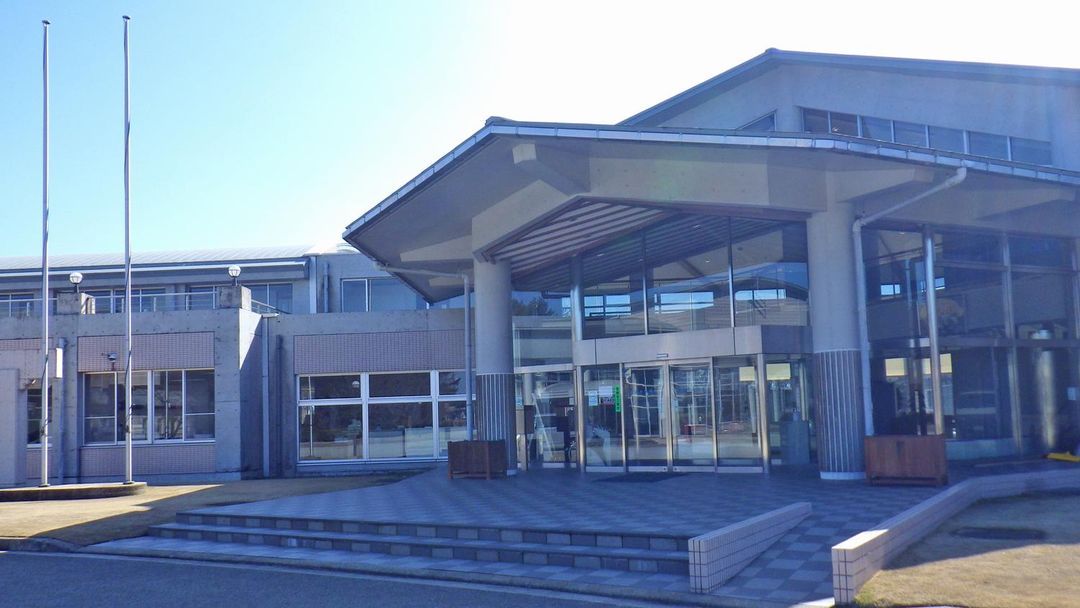
Noto Fureai Bunka Center
Best Hotels in Anamizu
Discover curated hotel collections in Anamizu
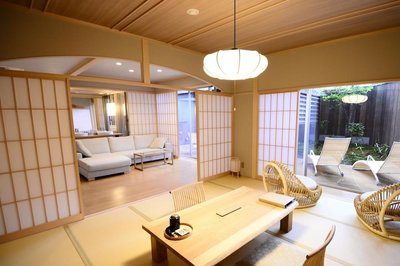
Hakone Gora Byakudan
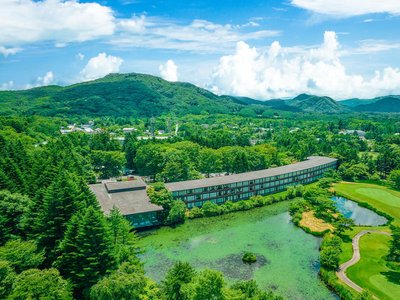
The Prince Karuizawa
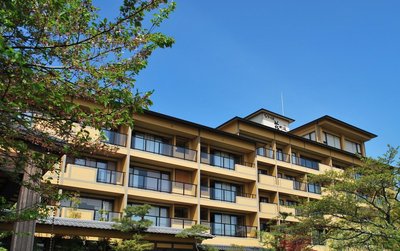
BIWAKO HANAKAIDO
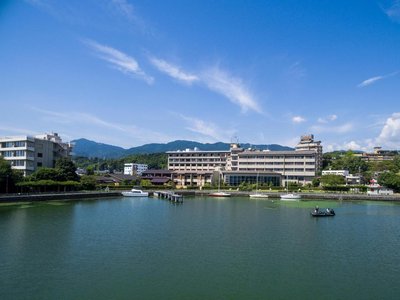
Biwako Ryokusuitei
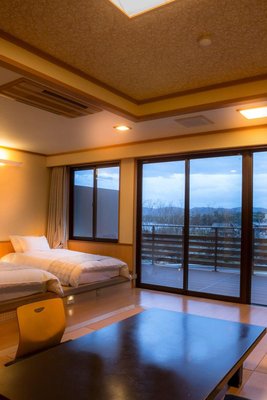
Hotel Kitanoya
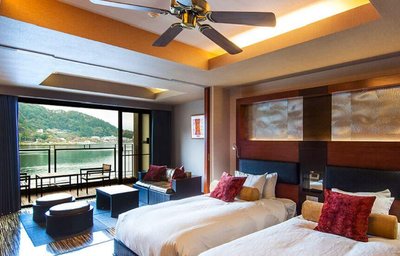
The Kukuna
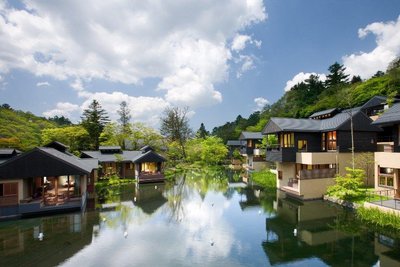
Hoshinoya Karuizawa
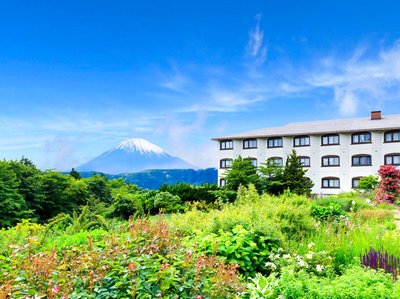
Hotel Green Plaza Hakone
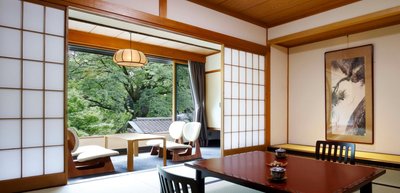
Yoshiike Ryokan
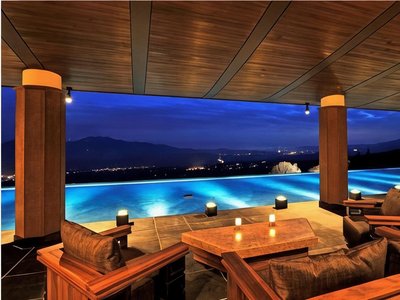
Akakura Kanko Hotel
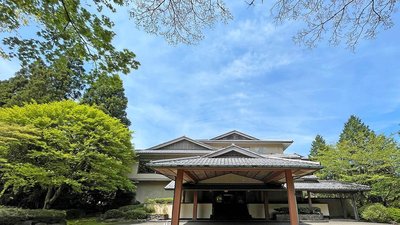
Ryuguden
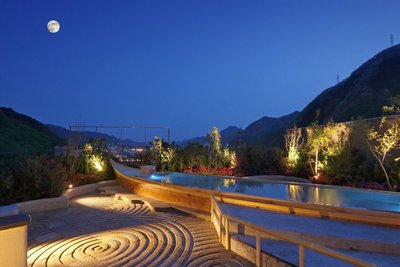
Asaya
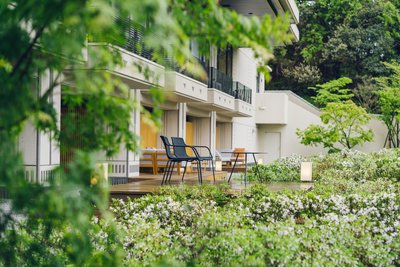
Hoshino Resorts Kai Enshu
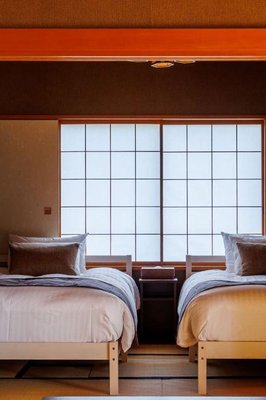
Sado Resort Hotel Azuma
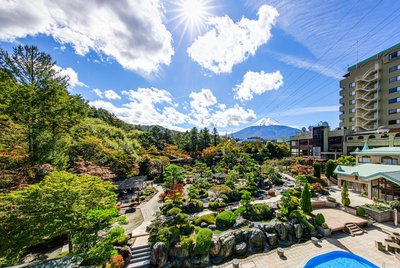
Kaneyamaen
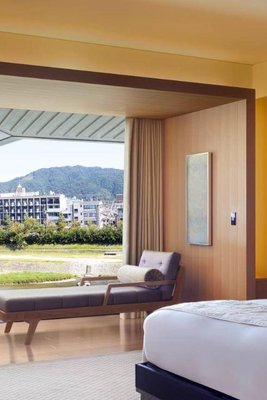
The Ritz-Carlton, Kyoto
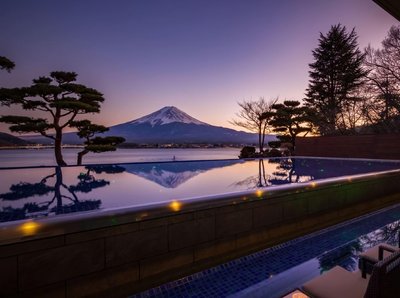
Shuhokaku Kogetsu
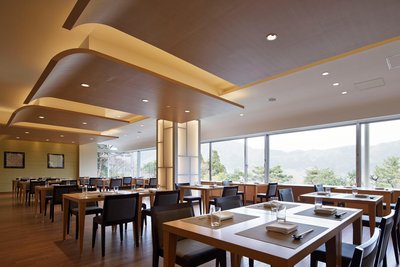
Laforet Hakone Gora Yunosumika
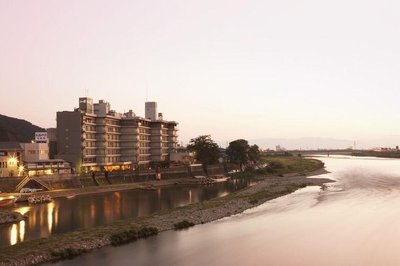
Juhachiro
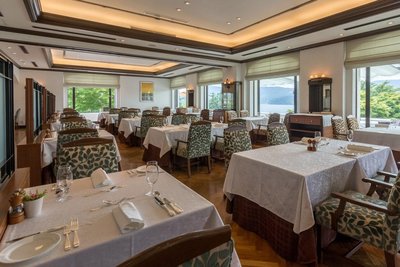
Odakyu Hotel de Yama
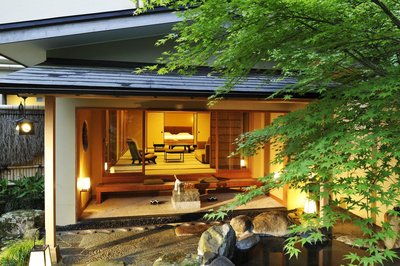
Gora Kadan
The Ritz-Carlton, Kyoto
Odakyu Hotel de Yama
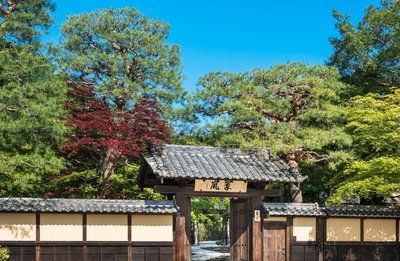
Suiran, a Luxury Collection Hotel, Kyoto
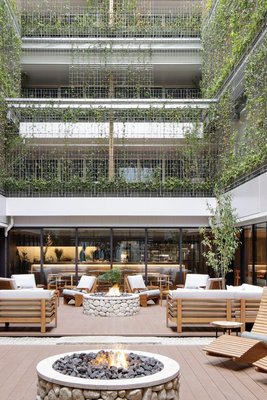
GOOD NATURE HOTEL KYOTO
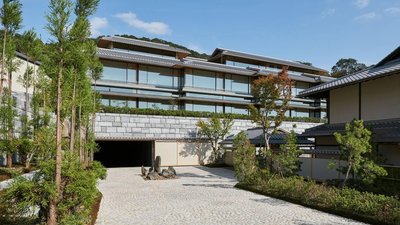
Park Hyatt Kyoto

Hyatt Centric Kanazawa
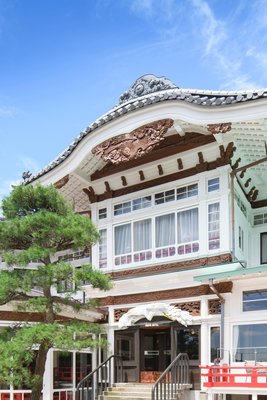
Fujiya Hotel
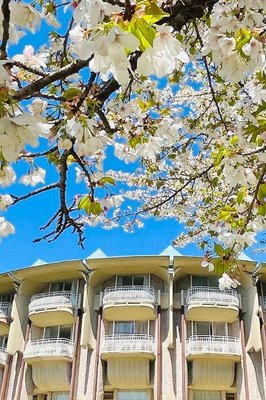
The Prince Hakone Lake Ashinoko
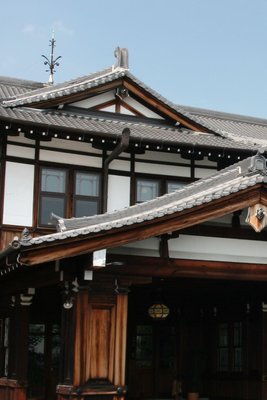
Nara Hotel
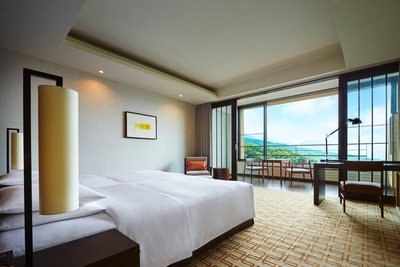
Hyatt Regency Hakone Resort and Spa
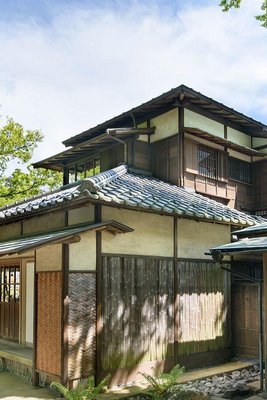
Hakone Suishoen
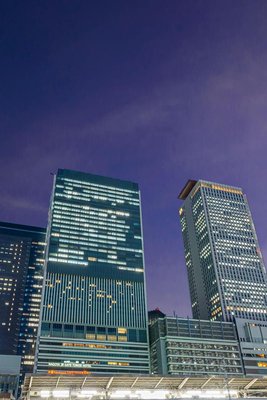
Nagoya JR Gate Tower Hotel (JR-Central Hotels)
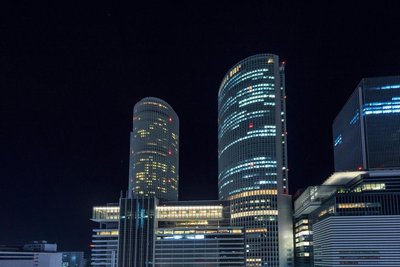
Nagoya Marriott Associa Hotel
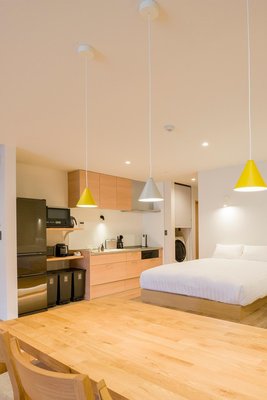
Rakuten STAY VILLA Nasu
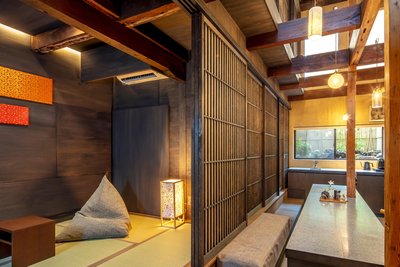
Kyo No Oozora Kihana
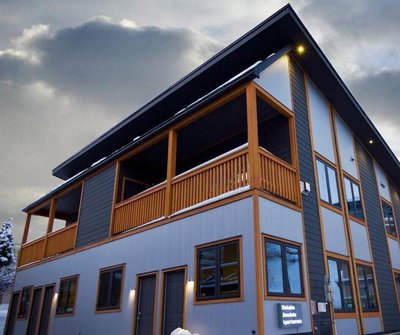
Hakuba Gondola Apartments
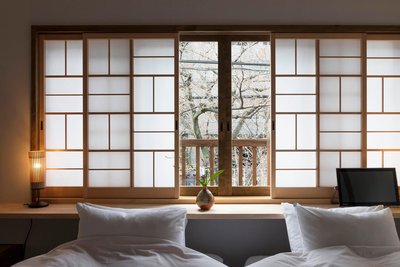
Hanagoromo Machiya House
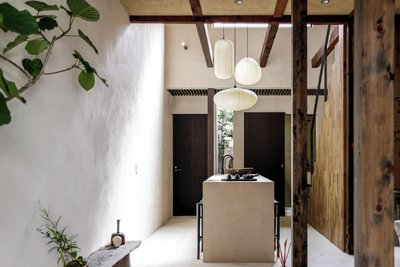
Maana Kiyomizu
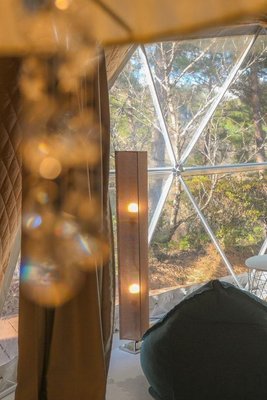
glampark Gekkabijin Nagano
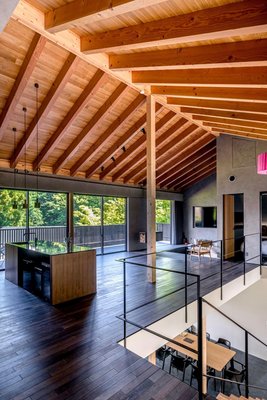
MONS GORA
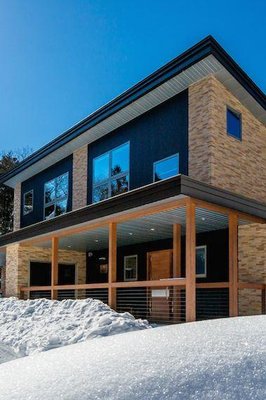
Phoenix Chalets by Hhg
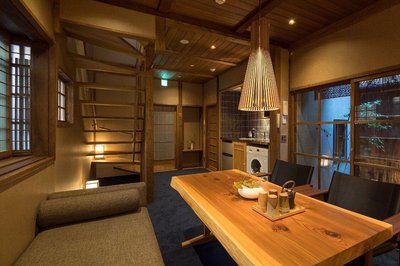
Bonbori an Machiya House
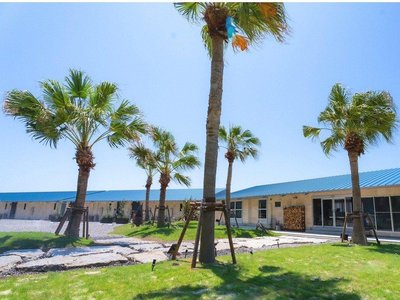
Glamping&Resort Wood Design Park Noma
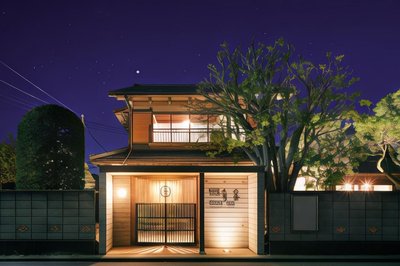
Machi-Jyu
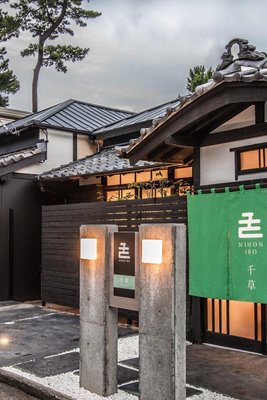
Nihon Iro
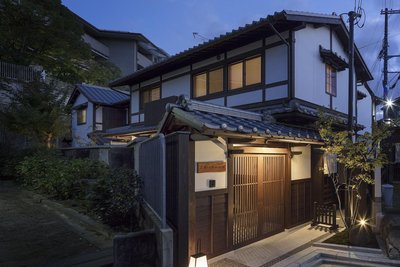
The Machiya Villa Sanjo Shirakawa Koji
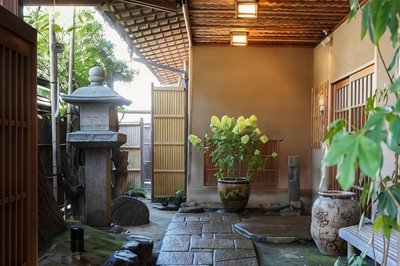
Ryokan Asadaya
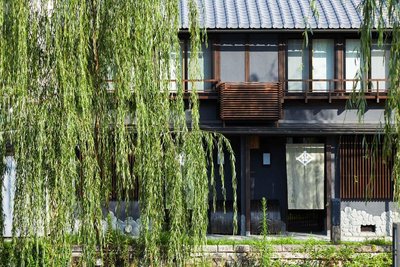
Gion Shirakawa No Yado

Kitashirakawa Natural Radium Onsen
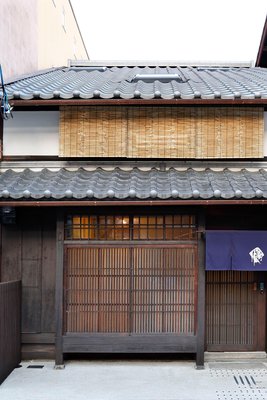
Kyo No Ondokoro Kamanza Nijo #2
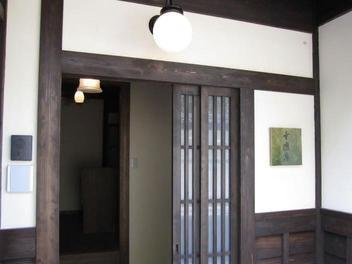
Gion Koyu an Machiya House
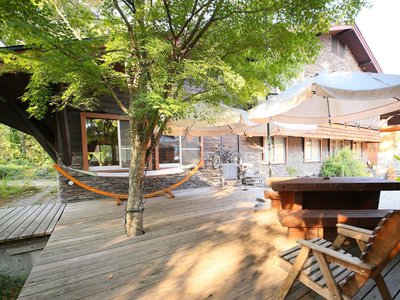
Kunugi Relaxation with 4 Modern Rooms
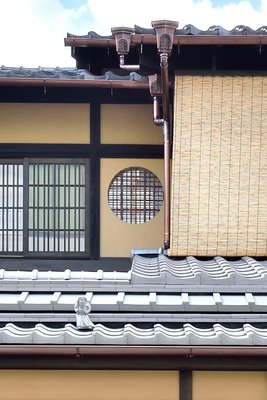
Kyo No Ondokoro Gokomachi Ebisugawa #3
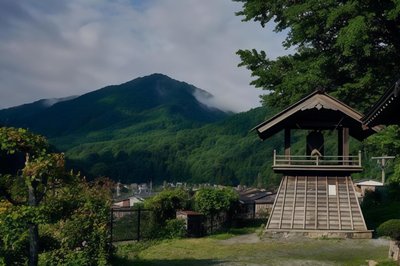
Byaku Narai
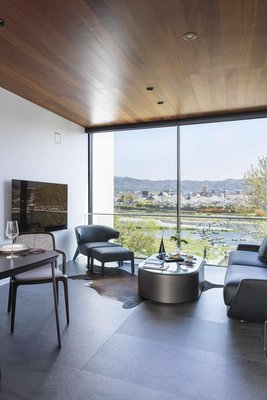
Kamo Residences by Reflections
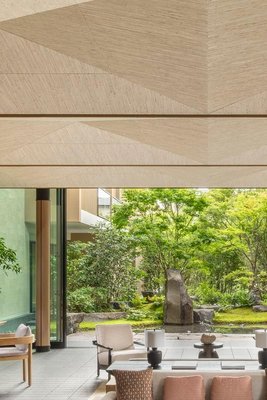
Six Senses Kyoto
Hoshinoya Karuizawa
Gora Kadan
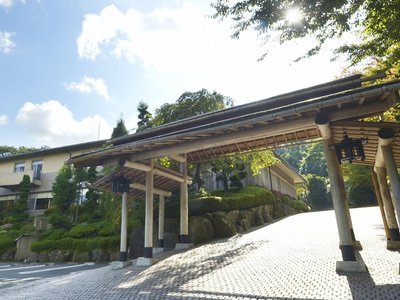
Gora Hanaougi
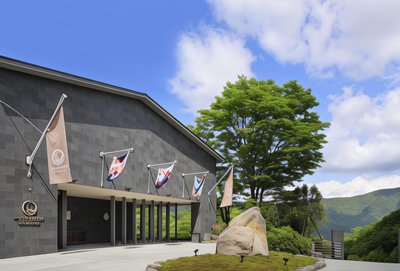
The Hiramatsu Hotels & Resorts Sengokuhara Hakone
The Ritz-Carlton, Kyoto
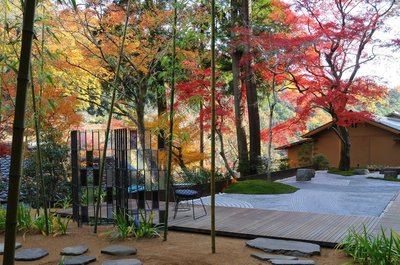
HOSHINOYA Kyoto
Suiran, a Luxury Collection Hotel, Kyoto
Park Hyatt Kyoto
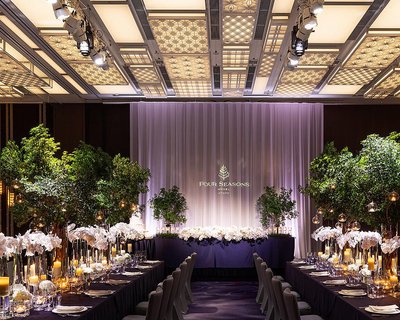
Four Seasons Hotel Kyoto
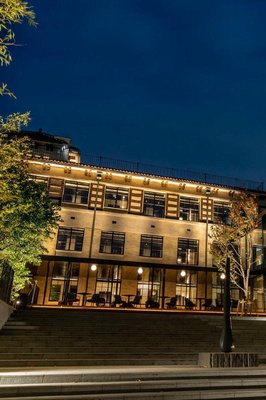
The Hotel Seiryu Kyoto Kiyomizu - a Member of the Leading Hotels of the World-
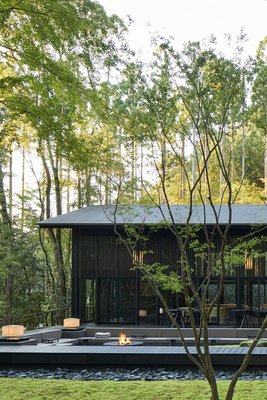
Aman Kyoto
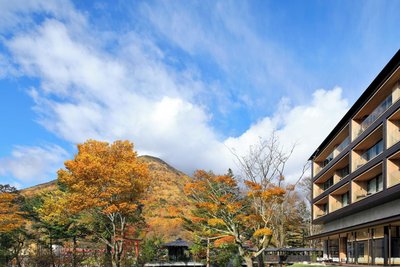
The Ritz-Carlton, Nikko
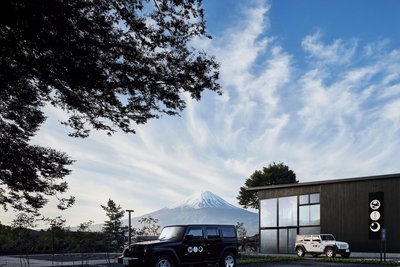
HOSHINOYA Fuji
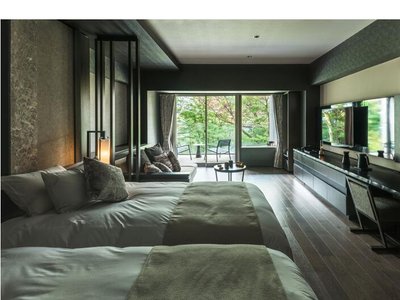
Hakone Gora Karaku
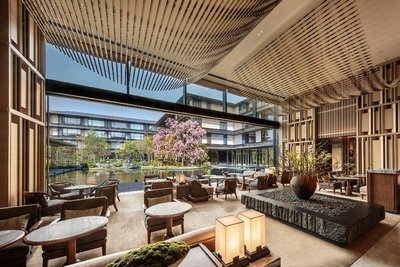
Hotel the Mitsui Kyoto, a Luxury Collection Hotel & Spa
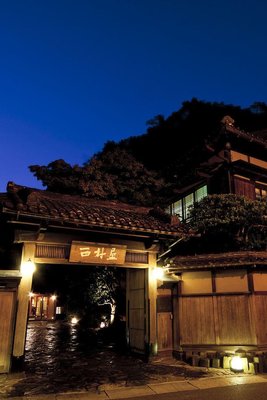
Nishimuraya Honkan
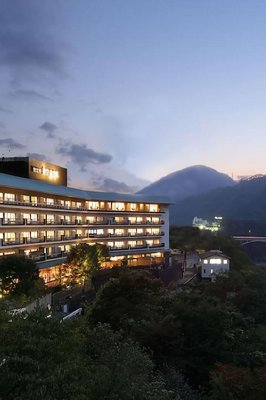
Kanaya Hotel Kinugawa
Frequently Asked Questions about Traveling to Anamizu
Questions You Might Need to Know About Traveling to Anamizu
In Nukata Town, the top choice is Nukata Town Cottage, a restored traditional farmhouse offering authentic Kaga-style architecture and modern comfort. Each room features handcrafted woodwork and shoji screens, with views of the Tekegawa River. Guests enjoy access to the nearby Nukata Onsen, where natural sulfur springs soothe tired muscles. The inn also hosts seasonal workshops like Kaga lacquerware making, letting travelers craft their own souvenirs. Perfect for those seeking quiet immersion in rural Hokuriku culture.
The town center near Tekegawa River is the most convenient and scenic area for staying in Nukata Town. It’s close to Nukata Station, surrounded by preserved Edo-period buildings, and offers peaceful walks along the riverbank. Nearby attractions include Ishikawa Prefectural Natural Park and Tanahara Shrine, ideal for morning strolls or evening relaxation. With easy access to local restaurants serving fresh Tekegawa trout, this district blends tranquility with convenience—perfect for cultural travelers.
Visitors to Nukata Town should try the Kaga Lacquerware Workshop, where you can learn traditional maki-e techniques using local materials. Held at a riverside artisan studio, it’s a hands-on way to create your own piece. During autumn, don’t miss the Lantern Festival on Tekegawa River, where hundreds of handmade lanterns float under the night sky. You can also join a local dialect tour, where residents guide you through Kaga dialect phrases and folktales—offering deep insight into regional identity and heritage.
Wakou Ryokan, a century-old family-run inn, is the premier choice for an authentic onsen experience. Its natural sulfur-rich baths are renowned for skin health, with private outdoor tubs overlooking the Tekegawa River. Each room features tatami mats and wooden beams, while meals highlight Hokuriku cuisine—including grilled mountain vegetables, Kaga-style tofu stew, and fresh Tekegawa trout. Hosts share stories of the family’s legacy, delivering a warm, personal touch that defines true Japanese hospitality.
For families, Green Hill Family Cottage stands out with spacious rooms, a private garden, and a kids’ play area. The home includes a shared kitchen and hosts fun activities like nature scavenger hunts and local cooking classes. Children love the nearby Tekegawa Eco Trail, where they can spot dragonflies and minnows. In spring, the town blooms with cherry blossoms—perfect for family picnics. The inn provides kid-friendly maps and snacks, ensuring a joyful, stress-free stay.
Must-try dishes in Nukata Town include Tekegawa trout sashimi, known for its delicate flavor and crisp texture, served with yuzu vinegar. Another highlight is Kaga-style simmered tofu, made from local soybeans and slow-cooked with mountain herbs. Seasonal specialties include Echigo Koshihikari rice sushi and hearty vegetable miso soup made with dried local greens. Many guesthouses offer farm-to-table dining experiences, where guests eat homemade meals in a farmer’s home—offering genuine taste and connection to Hokuriku’s agricultural roots.
Top photography locations in Nukata Town include the Tekegawa Suspension Bridge, whose reflection glimmers in the calm river at dawn, creating a serene landscape. The red torii gate of Tanahara Shrine, framed by ancient cedars, offers striking contrast against the sky. The bamboo grove outside Nukata Art Museum casts dappled light perfect for artistic shots. For panoramic views, hike the river trail during autumn when maple trees blaze red. Bring a wide-angle lens to capture the harmony between nature and tradition.
Yes, Nukata Town is well-connected via JR Nanao Line from Kanazawa Station, taking just 30 minutes to reach Nukata Station. Buses and local cycling routes link key sights within town. The area is largely pedestrian-friendly, so no car is needed. For drivers, access via Hokuriku Expressway through Shirayama Interchange offers scenic drives. Check the Ishikawa Prefecture Transport Portal for updated schedules. Early HopeGoo is advised during peak seasons like cherry blossom and fall foliage periods.
Spring brings the Cherry Blossom Tea Festival along the Tekegawa River, where guests sip Kaga matcha beneath blooming trees. Summer features the Firefly Festival, with glowing insects dancing above the riverbanks at night. Autumn transforms the valley into a kaleidoscope of red and gold leaves—ideal for hiking and photography. Winter offers a magical snow-dusted onsen experience, where guests soak in warm springs while snowflakes drift down. Each season delivers a distinct sensory journey rooted in Hokuriku’s rhythm of nature.
Book through official channels like the Ishikawa Prefecture Tourism Website or trusted platforms such as StayJapan, which verify host quality and safety. Popular stays like Green Hill Cottage and Wakou Ryokan offer multilingual support and can arrange transfers. Reserve early—especially during spring and autumn festivals. Confirm amenities: free Wi-Fi, parking, breakfast options. Always check guest reviews (aim for 4.7+ stars) to ensure authenticity and comfort. These steps guarantee a seamless, memorable stay in this hidden gem of Hokuriku.
Anamizu Overview
City Summary
Anamizu Town is located on the Noto Peninsula in Ishikawa Prefecture, Japan, known for its pristine rivers, abundant seafood, and historic hot springs. This tranquil town offers a perfect escape from urban life, with traditional crafts like Noto lacquerware and washi paper showcasing its rich cultural heritage.
Must-See Attractions
Key attractions in Anamizu Town include Anamizu Onsen, renowned for its therapeutic waters. The Noto Railway scenic train offers breathtaking views of the peninsula's coastline. Anamizu Fishing Port is ideal for fresh seafood, while Noto Folk Village displays traditional lifestyles and architecture.
Food Guide
Anamizu Town's cuisine centers on seafood, with highlights like Noto beef and Anamizu oysters. Street food such as Noto donburi (seafood rice bowl) and grilled fish cakes are local favorites. Don't miss the sake and plum wine produced in the region.
Transportation Guide
Transport in Anamizu Town relies on the Noto Railway and buses. The train from Kanazawa takes about 2 hours. Buses are infrequent, so check schedules in advance. Renting a car is convenient for exploring, but be cautious of icy roads in winter.
Best Time to Visit
The best times to visit are spring (April-May) and autumn (September-November) for pleasant weather. Summers (June-August) are humid, while winters (December-February) offer snowy landscapes and hot springs.
Travel Tips
- Respect local customs: Follow shrine etiquette, like purifying hands and mouth.
- Cash payments: Many small shops only accept cash.
- Onsen etiquette: Wash before entering, no swimwear allowed.
- Transport reservations: Book scenic train rides in advance.
- Eco-consciousness: Strict recycling rules; adhere to local practices.
- Language: English is limited; learn basic Japanese or use a translation app.
Useful Information
Language: Japanese is primary; English is limited. Internet: Free Wi-Fi in town, but weak in rural areas. Payment: Credit cards accepted at large stores; cash preferred. Emergencies: Anamizu Hospital handles basic care; serious cases go to Kanazawa. Voltage: 100V, two-flat-pin plugs. Emergency numbers: Police 110, ambulance 119.









