Hotels in Ando
Discover your perfect stay in Ando.
Ando(Japan) Travel 2026: Cheap Flights, Hotels & Top Attractions
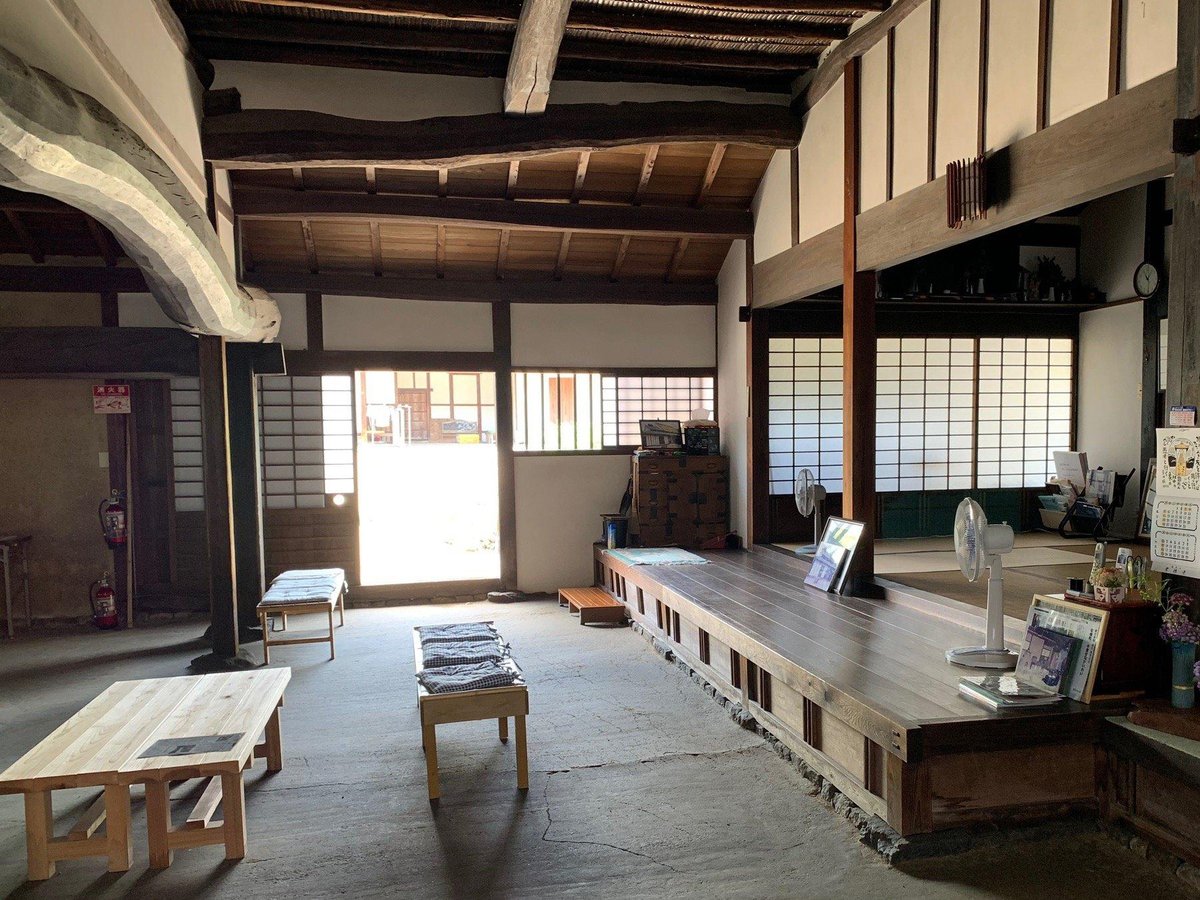
Popular Landmarks in Ando
Discover the most iconic attractions in Ando
Recommended Hotels in Ando
Find the perfect place to stay in Ando
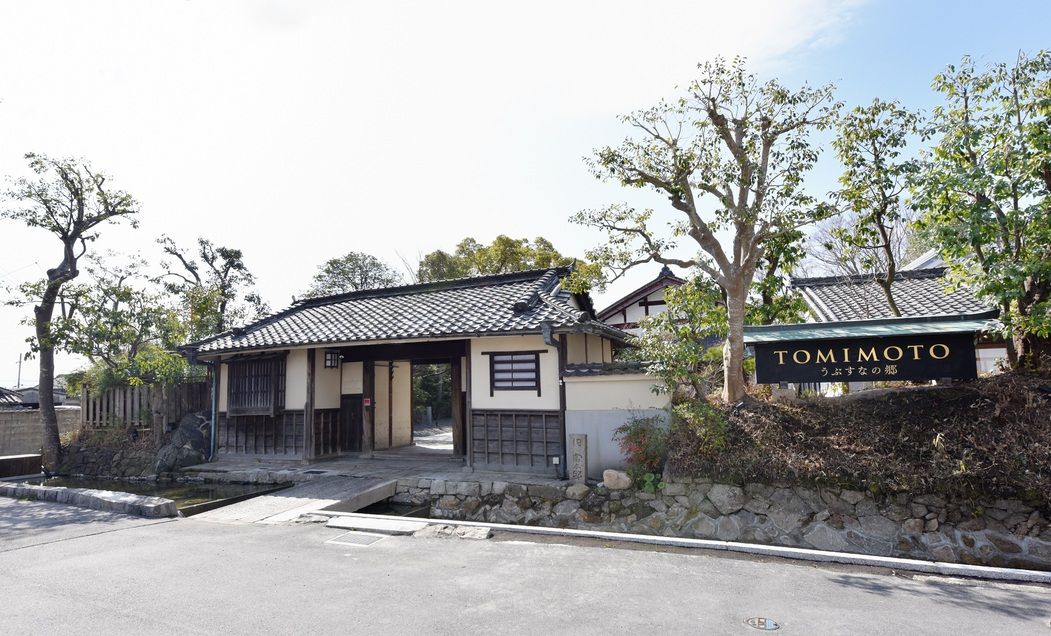
Best Hotels in Ando
Discover curated hotel collections in Ando























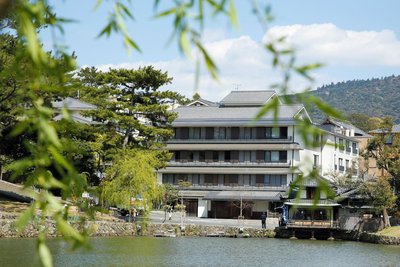





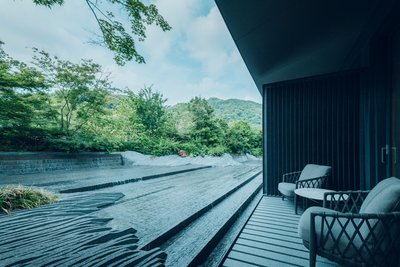
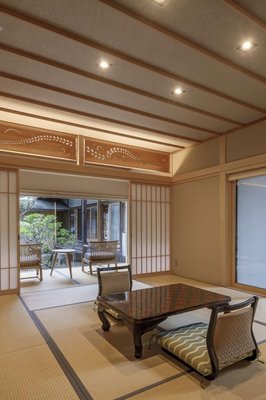
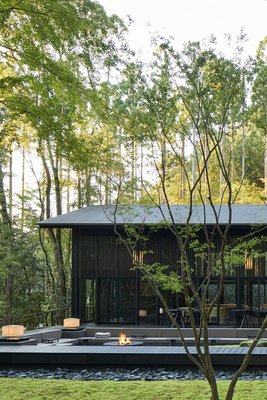

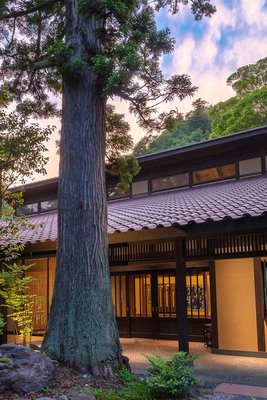
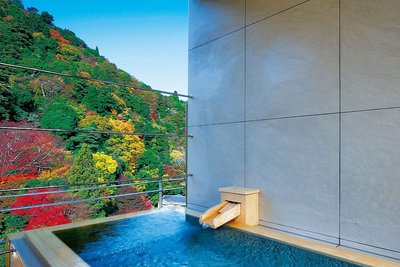


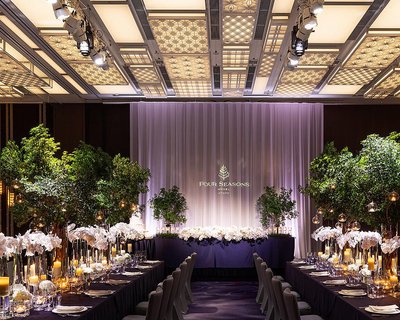
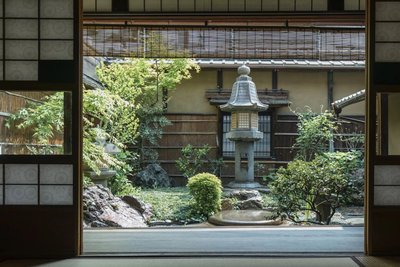






















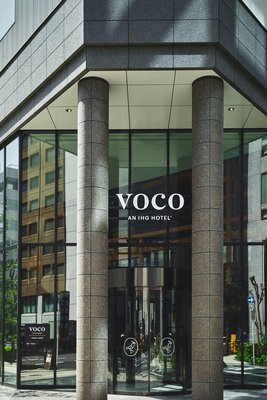




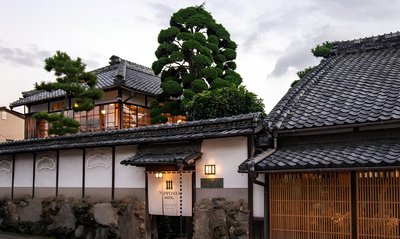

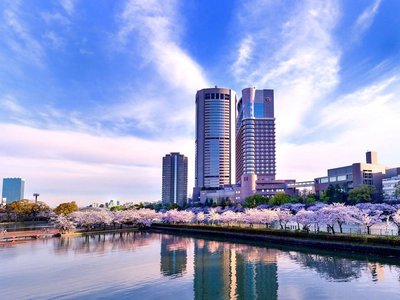

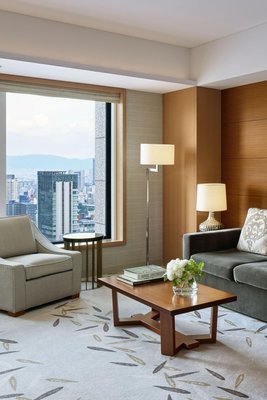




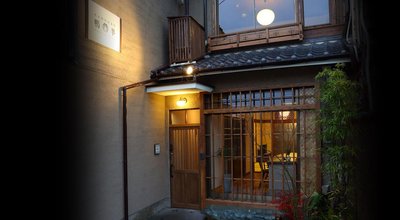
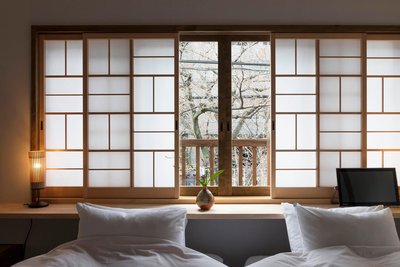
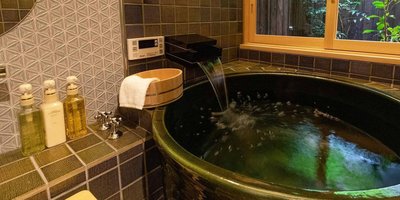
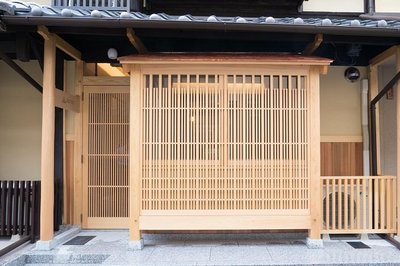
Frequently Asked Questions about Traveling to Ando
Questions You Might Need to Know About Traveling to Ando
Ando Overview
City Summary
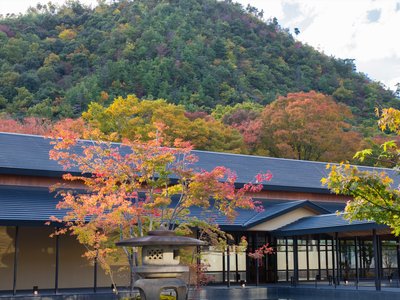
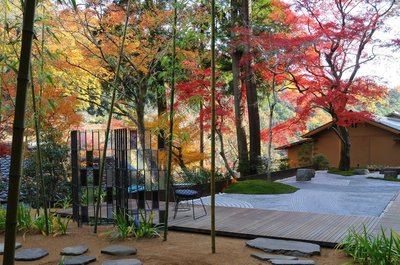
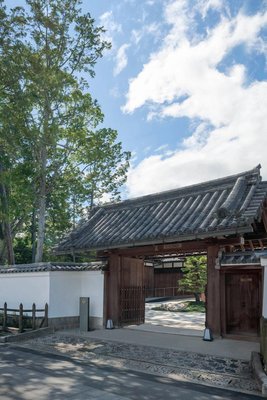
Ando Town, located in Nara Prefecture, Japan, is a small town brimming with traditional Japanese rural charm. Known for its serene pastoral landscapes and rich historical culture, it is an ideal getaway from urban hustle. The town's core appeal lies in its well-preserved traditional architecture and vibrant handicraft culture, especially its famous dyeing techniques, attracting many culture enthusiasts.
Must-See Attractions
In Ando Town, must-see attractions include the Ando Town Historical Folk Museum, showcasing local history and cultural heritage. Additionally, ancient temples and shrines like Ando Shrine offer insights into Japan's traditional religious culture. Visitors can also explore local dyeing workshops to learn about traditional dyeing techniques.
Food Guide
Ando Town's culinary culture focuses on humble local dishes. Recommended are farmhouse meals and traditional Japanese sweets. Street food like grilled rice cakes and soy sauce dumplings are must-tries. Local sake and plum wine are also renowned and worth sampling.
Transportation Guide
Transportation in Ando Town mainly relies on buses and walking. Due to its small size, walking is the most convenient way to explore. From Nara city, take the JR line to a nearby station and transfer to a bus to Ando Town. Check bus schedules in advance to avoid long waits. Renting a car is another good option, with ample parking available.
Best Time to Visit
The best time to visit is spring (March to May) and autumn (September to November), when the weather is pleasant for outdoor activities. Spring offers cherry blossoms, while autumn features vibrant foliage. Summers are hot, and winters are cold with fewer tourists.
Travel Tips
- Etiquette: Follow local customs at shrines and temples, such as removing shoes and staying quiet.
- Safety: Be cautious of narrow roads and passing vehicles when walking.
- Shopping: Support local handicrafts like dyed fabrics as memorable souvenirs.
- Language: Some locals may not speak English; learning basic Japanese phrases is helpful.
- Internet: Wi-Fi coverage is limited; consider a portable Wi-Fi device.
- Payment: Cash is the primary payment method; carry sufficient yen.
Useful Information
Practical Information: Japanese is the main language in Ando Town, with limited English signs; a translation tool is recommended. Internet access is sparse; renting a portable Wi-Fi device is advisable. Cash is the primary payment method, with credit cards accepted at few shops. Emergency facilities are limited; carrying basic medicines is wise. Post offices and ATMs are concentrated in the town center for convenience.