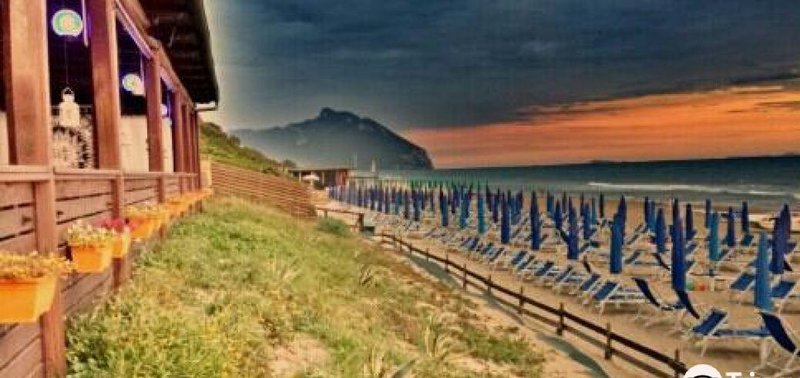
Hotels in Aosta
Discover your perfect stay in Aosta.
Aosta(Italy) Travel 2026: Cheap Flights, Hotels & Top Attractions
Popular Landmarks in Aosta
Discover the most iconic attractions in Aosta
Recommended Hotels in Aosta
Find the perfect place to stay in Aosta
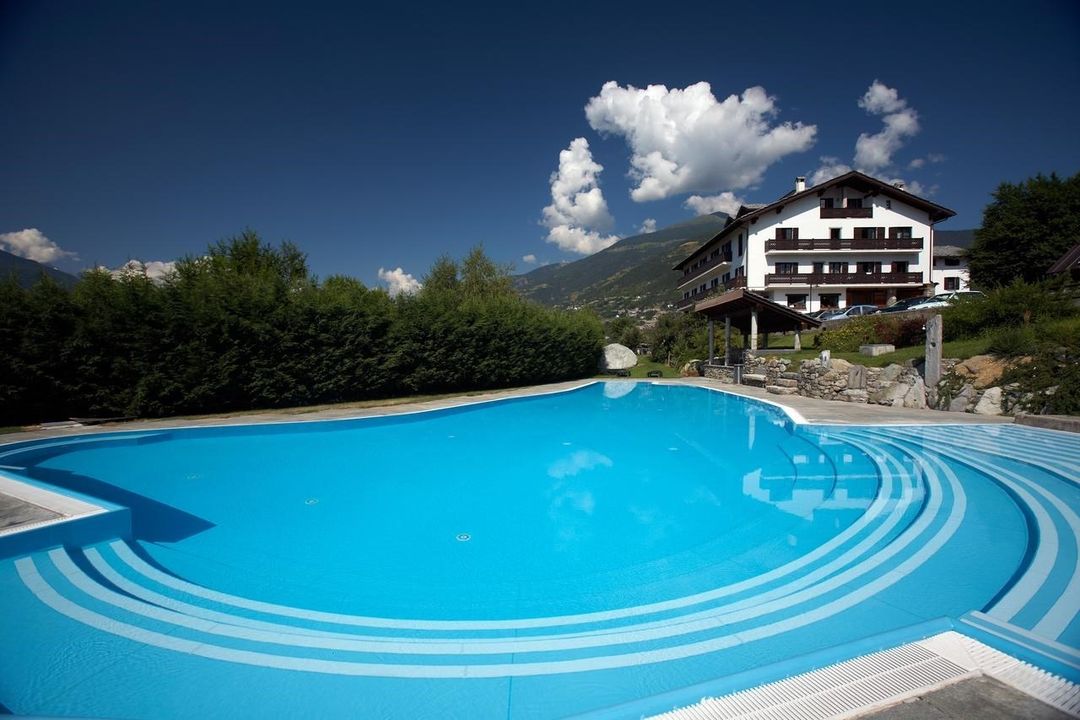
Hotel Milleluci

Hostellerie du Cheval Blanc
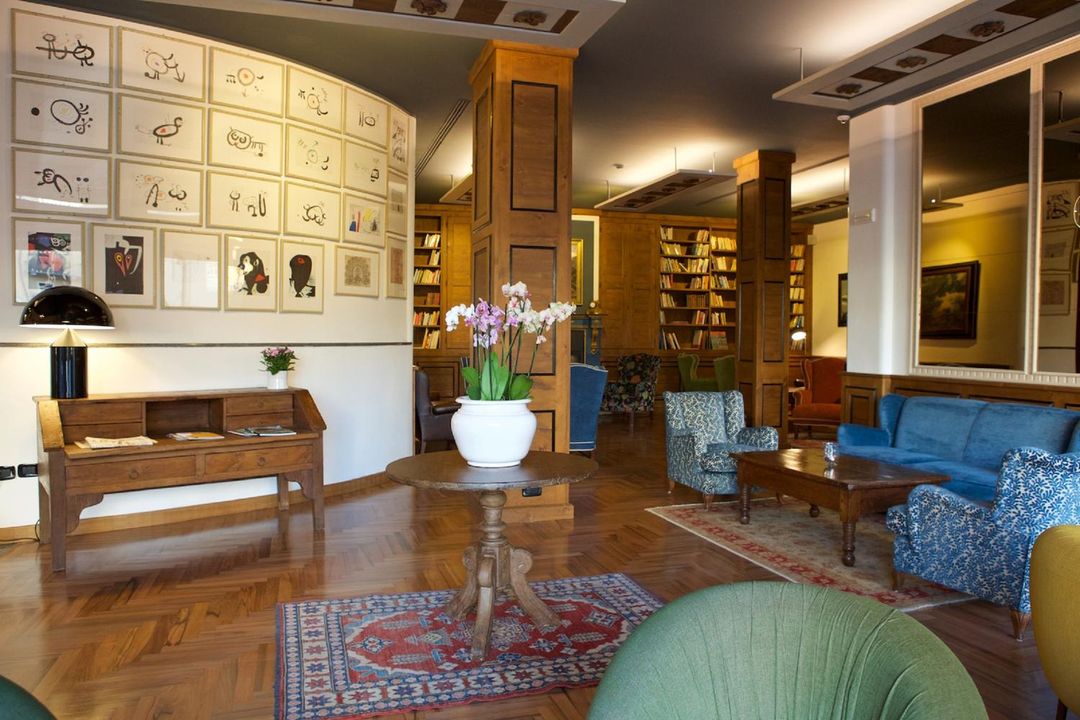
Duca d'Aosta Hotel
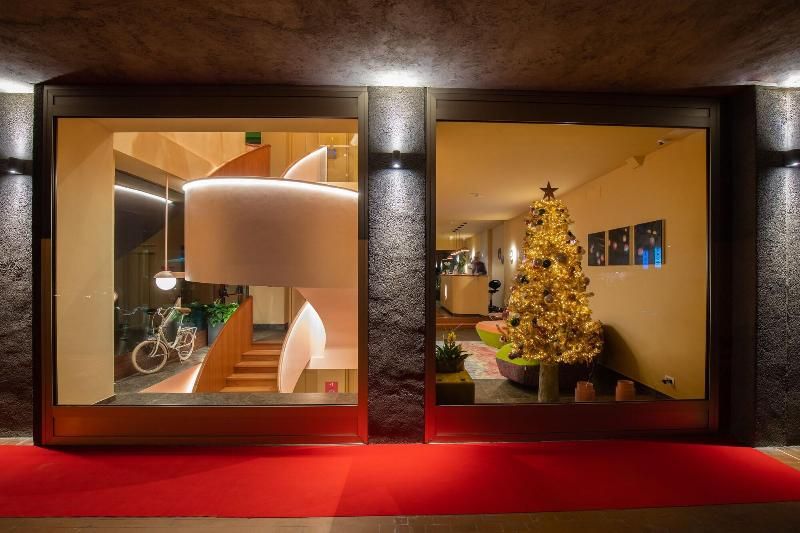
Omama Hotel
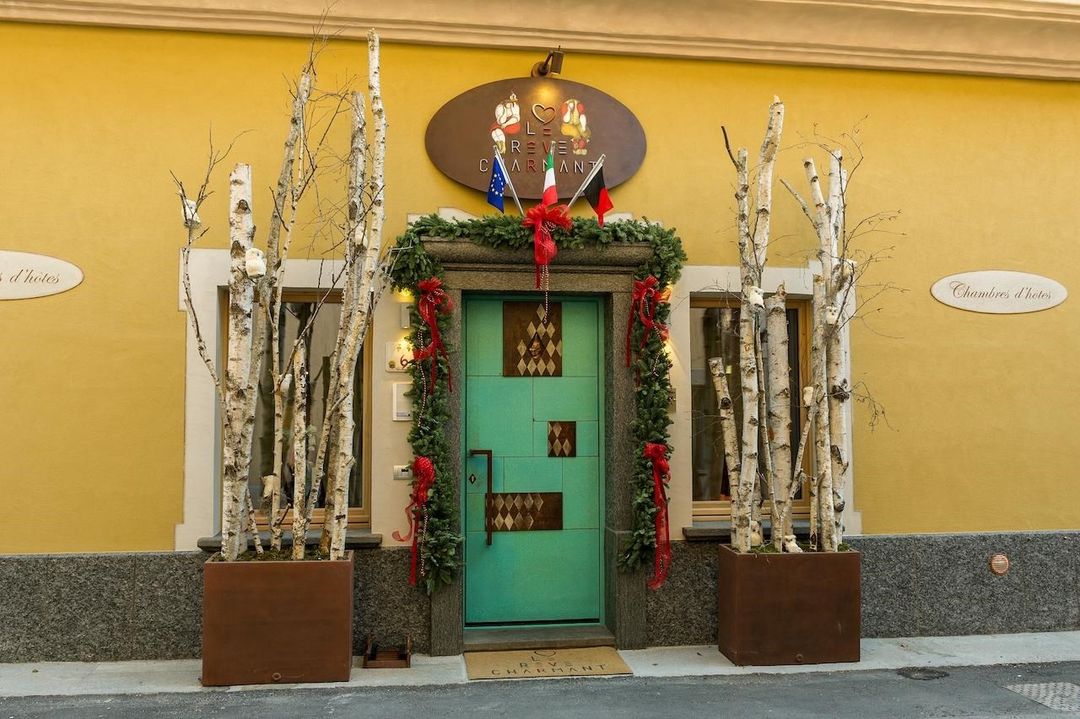
Le Reve Charmant
Best Hotels in Aosta
Discover curated hotel collections in Aosta
Radisson Collection Hotel Santa Sofia Milan
Small Luxury Hotel Ambassador Zurich
La Réserve Eden au Lac Zurich
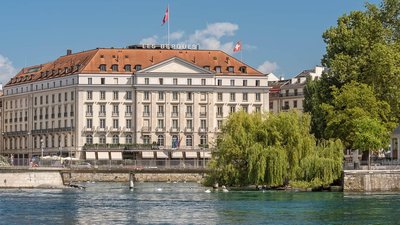
Four Seasons Hotel des Bergues Geneva
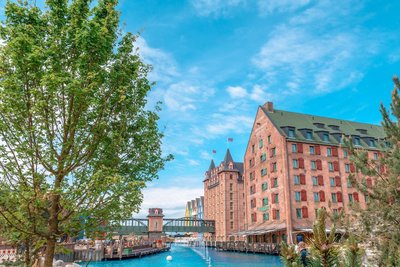
Europa-Park Freizeitpark & Erlebnis-Resort, Hotel Krønasår
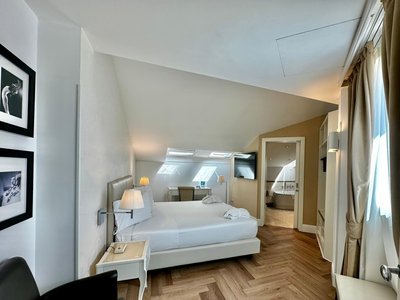
Maison Milano | UNA Esperienze
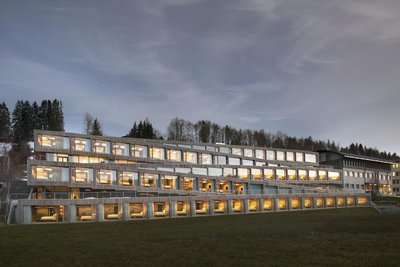
Hôtel des Horlogers
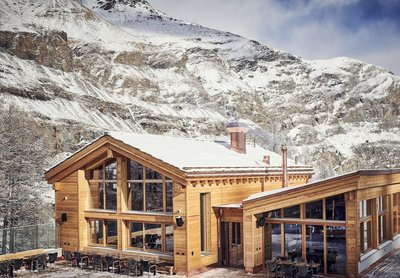
Matthiol Boutique Hotel
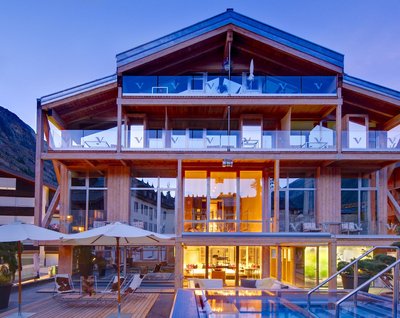
Backstage Boutique Spa Hotel
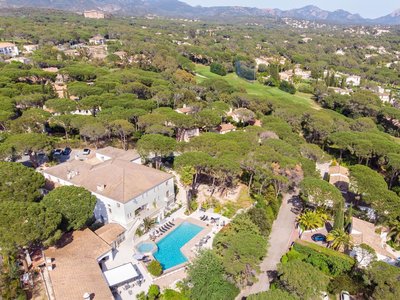
Le Confidentiel Hôtel & Spa
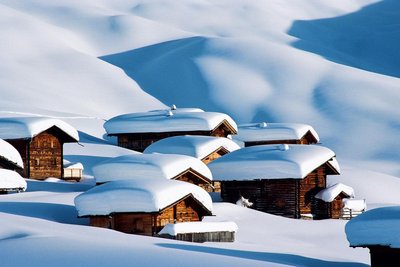
Valsana Hotel Arosa - Small Luxury Hotel
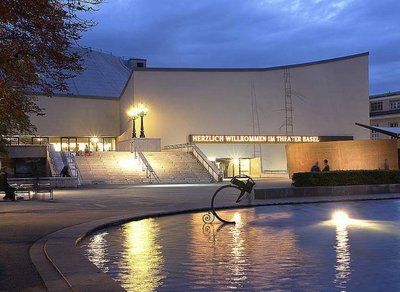
Art House Basel - Member of Design Hotels
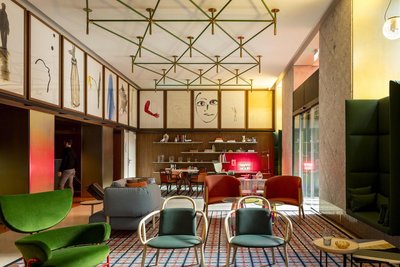
Room Mate Collecton Giulia, Milan
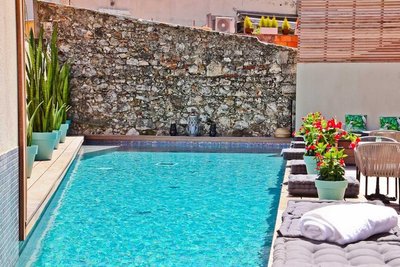
Hôtel la Villa Port d'Antibes & Spa
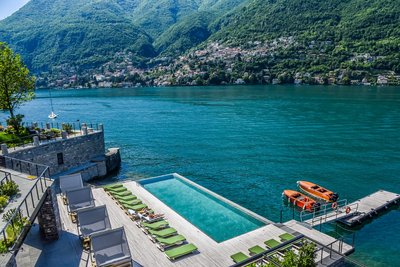
Il Sereno Lago di Como
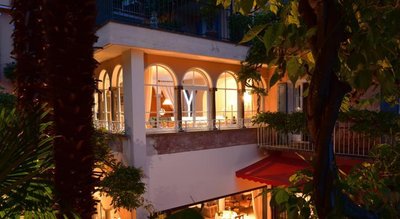
Art Hotel Riposo
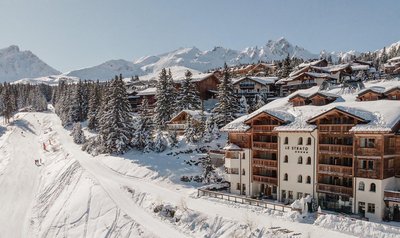
Le Strato
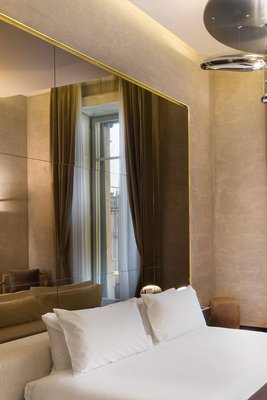
The Glamore Milano Duomo

The Chedi Andermatt, Switzerland
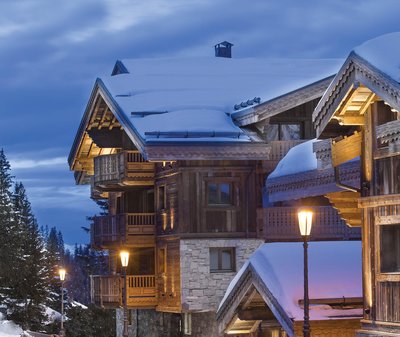
Six Senses Residences Courchevel
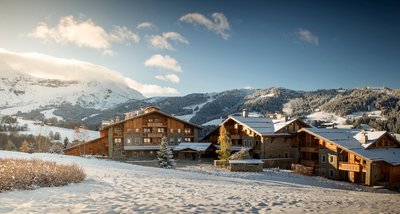
Four Seasons Hotel Megeve
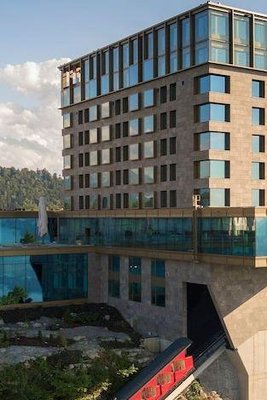
Burgenstock Hotel & Alpine Spa
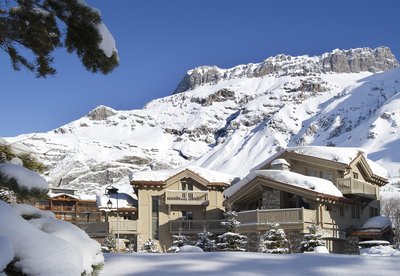
Hotel le K2 Altitude
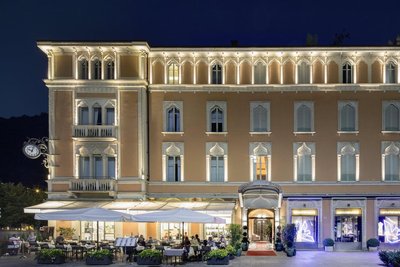
Vista Lago di Como
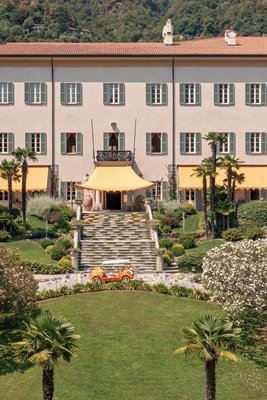
Passalacqua
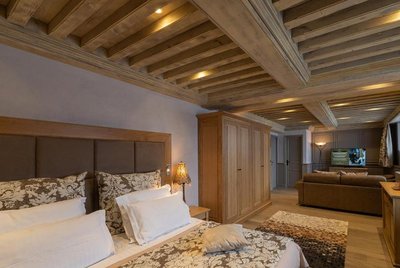
Le Lana
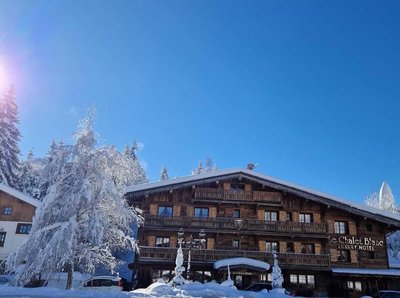
Le Chalet Blanc
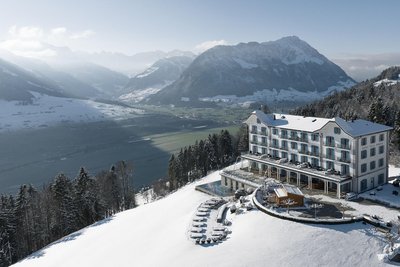
Hotel Villa Honegg
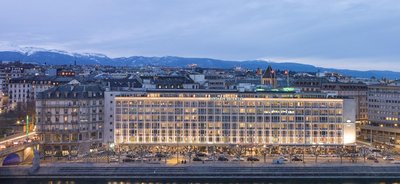
Mandarin Oriental, Geneva
Four Seasons Hotel des Bergues Geneva
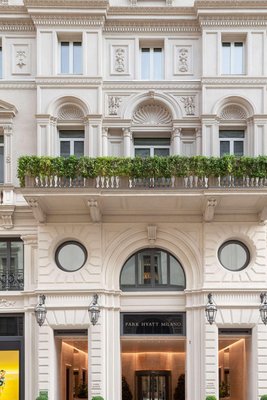
Park Hyatt Milan
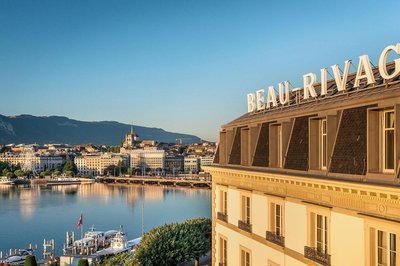
Beau-Rivage Genève
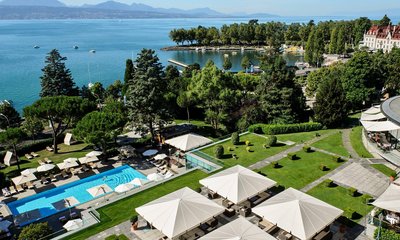
Beau-Rivage Palace
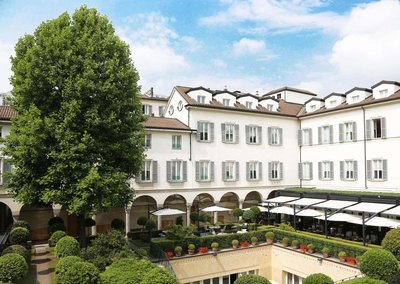
Four Seasons Hotel Milano
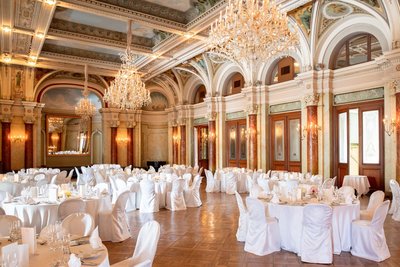
Victoria Jungfrau Grand Hotel and Spa Interlaken
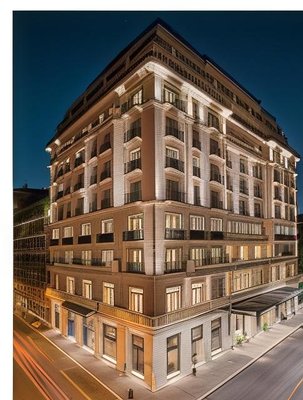
Palazzo Parigi Hotel & Grand Spa - Lhw
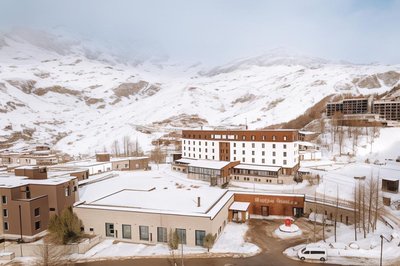
Valtur Cervinia Cristallo Ski Resort
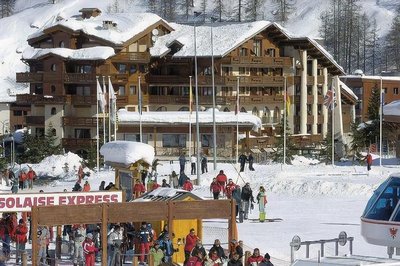
Hôtel Christiania
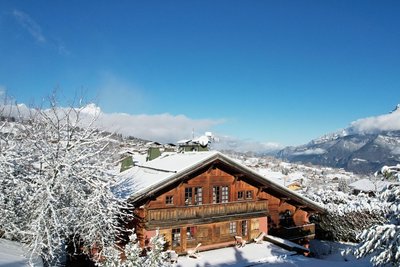
Magic Megève Bois
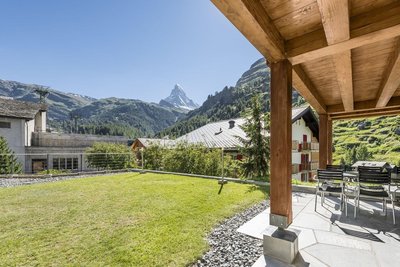
Ari Resort Apartments
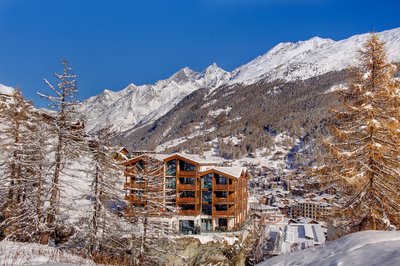
La Vue Luxury Living Apartments
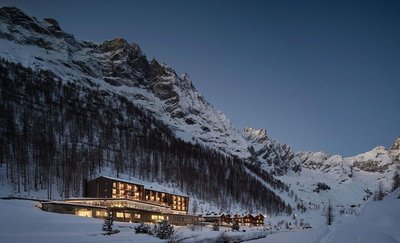
Cervino - VRetreats
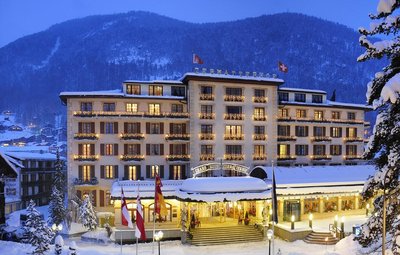
Grand Hotel Zermatterhof
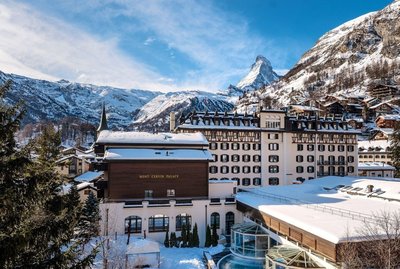
Mont Cervin Palace
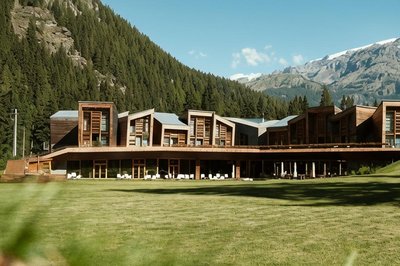
Aethos Monterosa
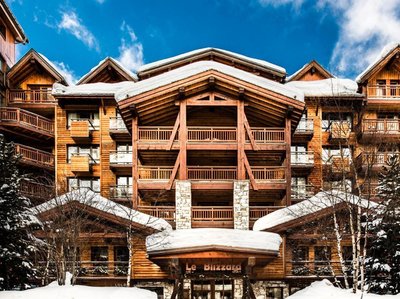
Hôtel le Blizzard
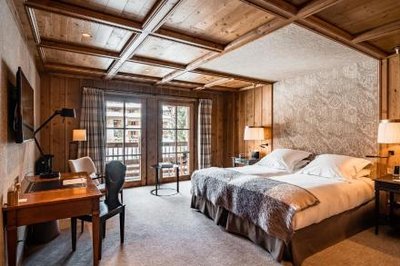
Hôtel la Mourra
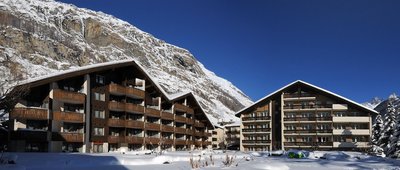
Schweizerhof Zermatt - a Small Luxury Hotel
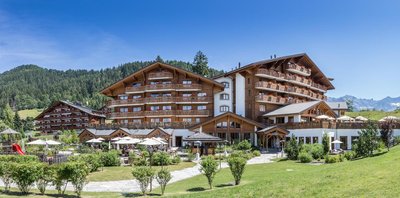
Chalet RoyAlp Hotel and Spa
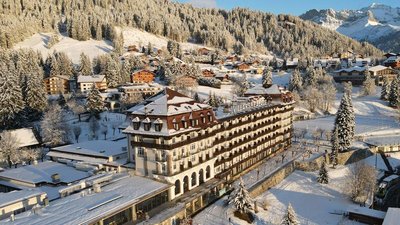
Villars Palace
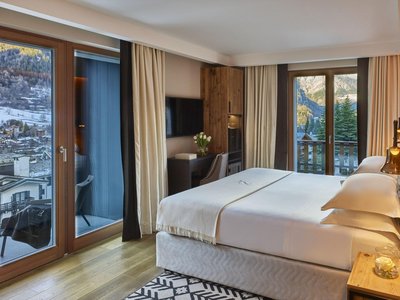
Le Massif Hotel & Lodge Courmayeur the Leading Hotels of the World
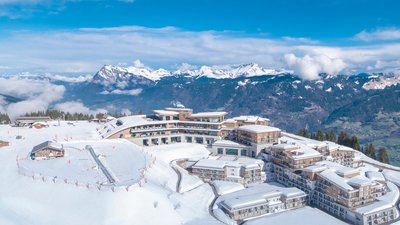
Club Med Grand Massif Samoëns Morillon
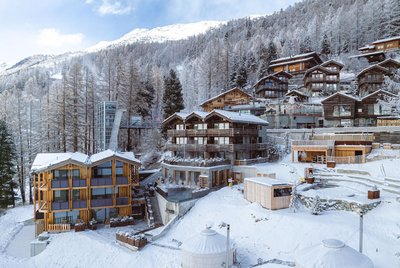
Cervo Mountain Resort
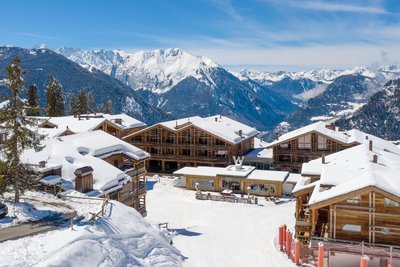
W Verbier
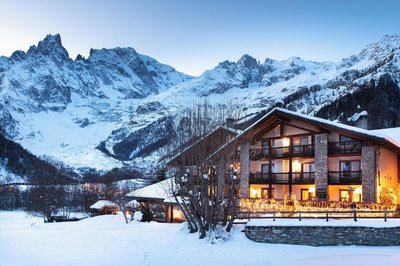
Auberge de La Maison
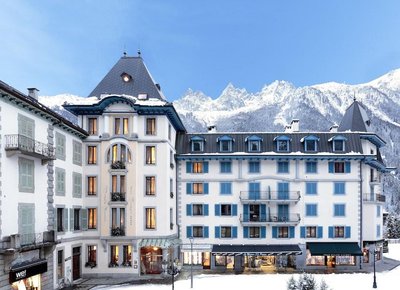
Grand Hôtel des Alpes
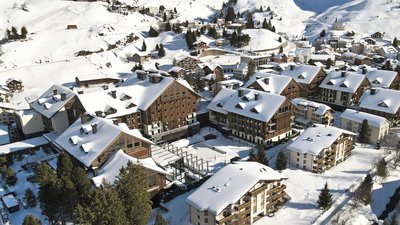
The Chedi Andermatt, Switzerland
Ari Resort Apartments
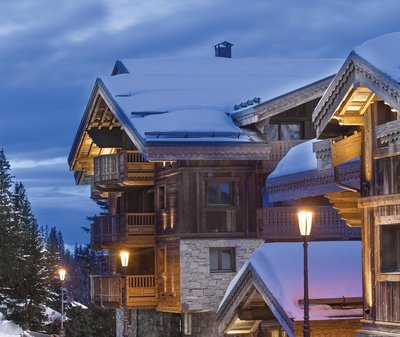
Six Senses Residences Courchevel
Hotel le K2 Altitude
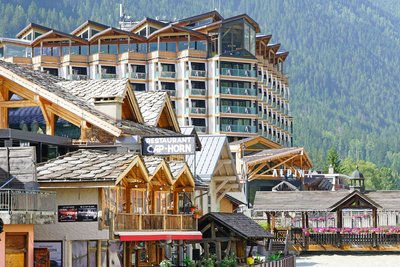
Hotel le Morgane
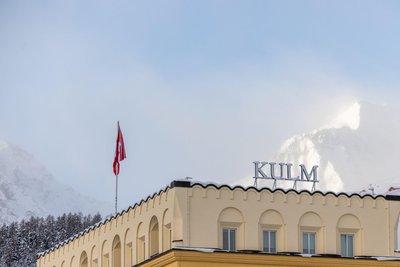
Kulm Hotel St. Moritz
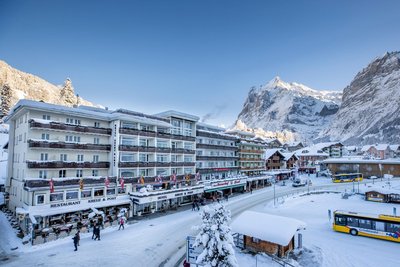
Hotel Kreuz&Post Grindelwald
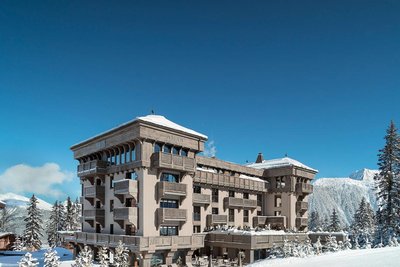
Aman le Mélézin
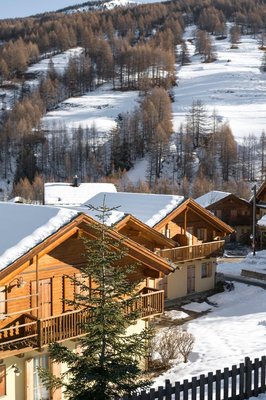
Club Med Pragelato Sestriere
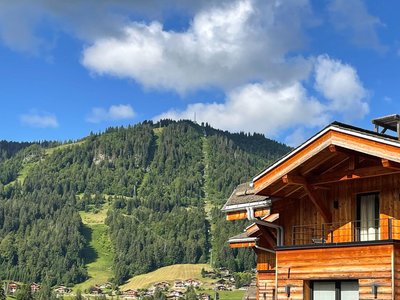
St-Alban Hotel & Spa
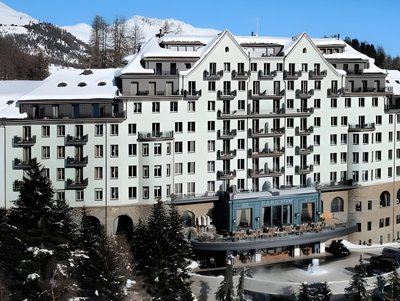
Carlton Hotel St Moritz - the Leading Hotels of the World
Matthiol Boutique Hotel
Club Med Grand Massif Samoëns Morillon
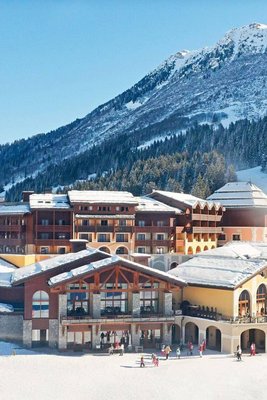
Club Med Valmorel
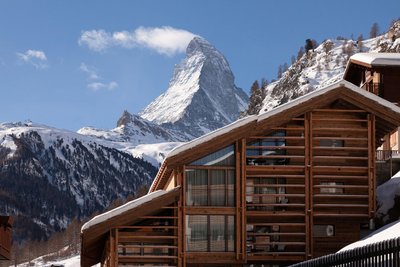
22 Summits Boutique Hotel
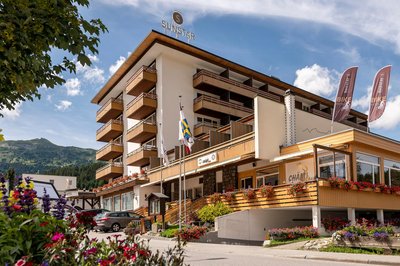
Sunstar Hotel Lenzerheide
Cervo Mountain Resort
W Verbier
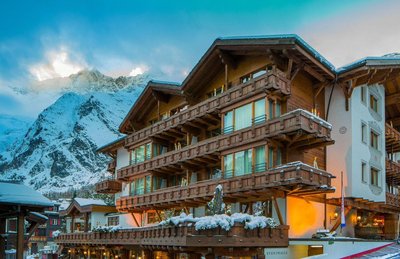
Walliserhof Grand-Hotel & Spa Relais & Châteaux
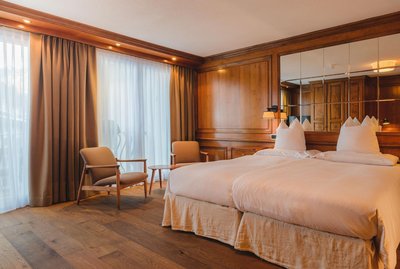
The Rex
Burgenstock Hotel & Alpine Spa
Hotel Villa Honegg
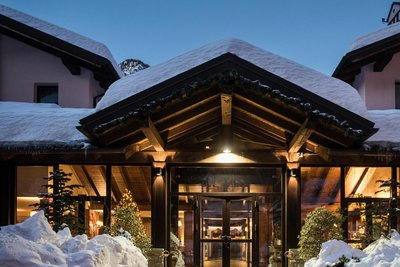
QC Hotel Monte Bianco
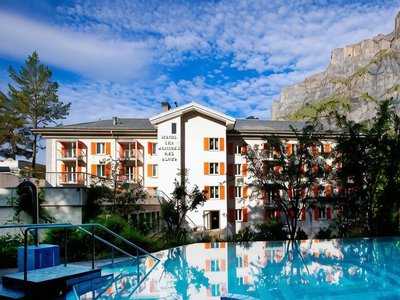
Résidence les Sources des Alpes
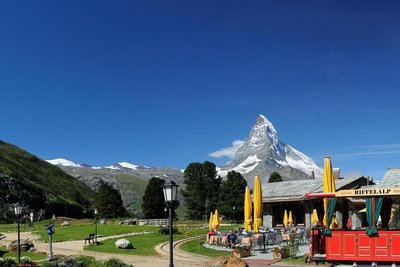
Riffelalp Resort 2222m
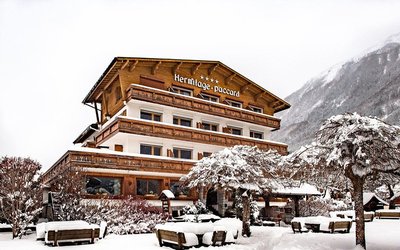
Chalet Hôtel Hermitage Chamonix
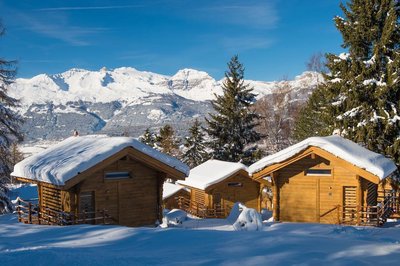
Les Mazots de la Source & Spa
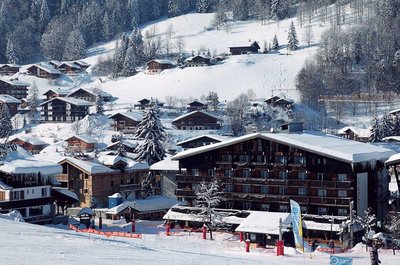
Chalet-Hôtel la Marmotte, la Tapiaz & Spa, the Originals Relais
Le Chalet Blanc
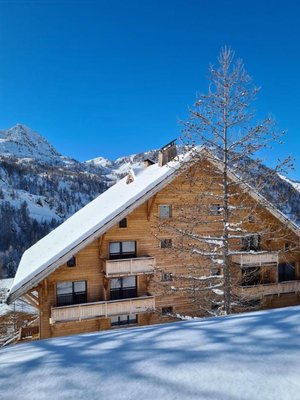
Chalet Marano Restaurant & Spa
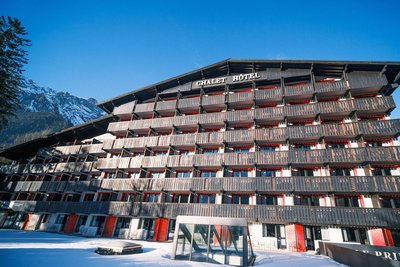
Chalet Hôtel le Prieuré & Spa
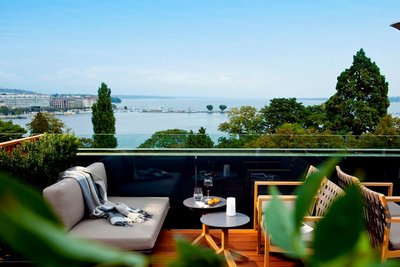
Hôtel Métropole Genève
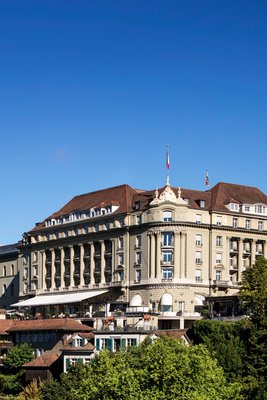
Bellevue Palace
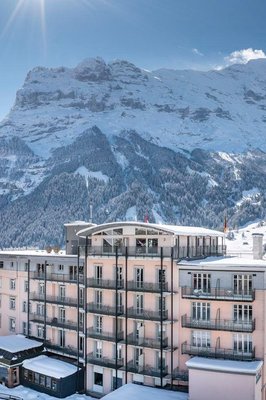
Belvedere Swiss Quality Hotel
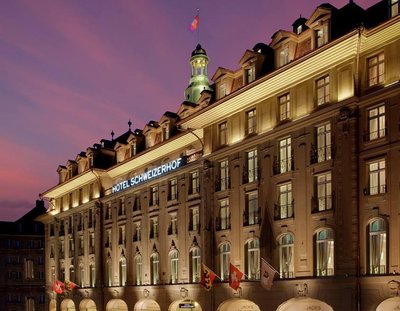
Hotel Schweizerhof Bern & Spa
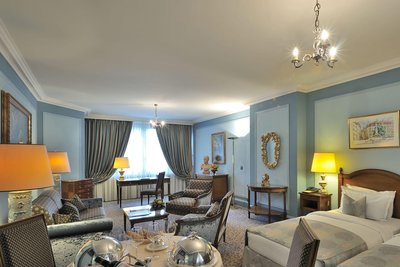
Hôtel de la Cigogne
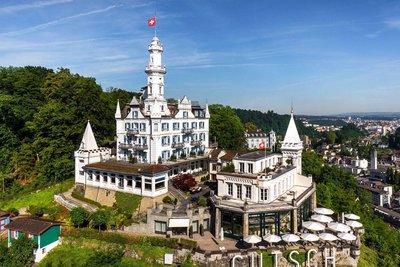
Château Gütsch
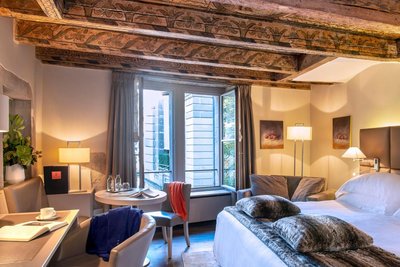
Hôtel les Armures
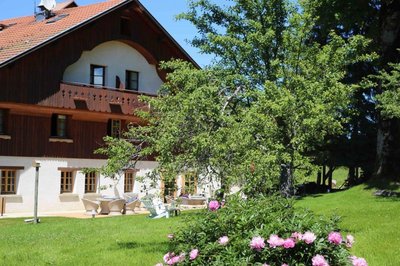
Le Tillau
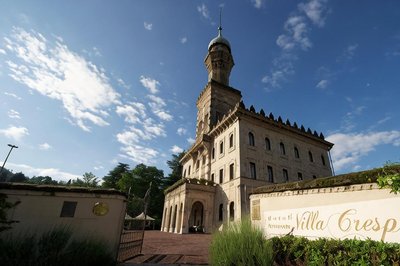
Relais & Chateaux Villa Crespi
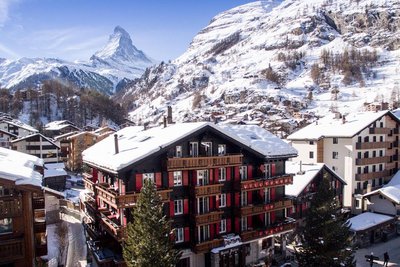
Tradition Julen Hotel
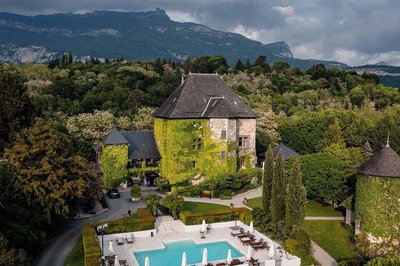
Château de Candie
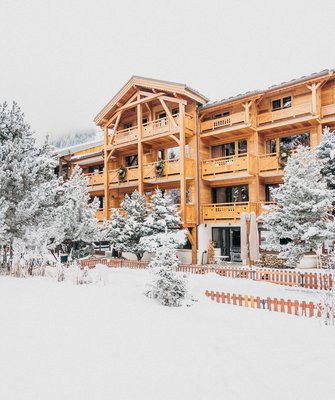
Hôtel Chalet Mounier
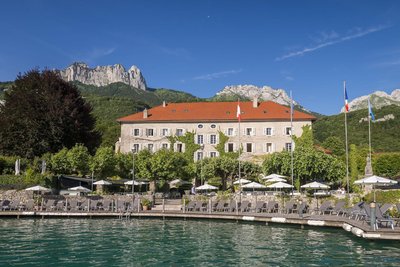
Abbaye de Talloires
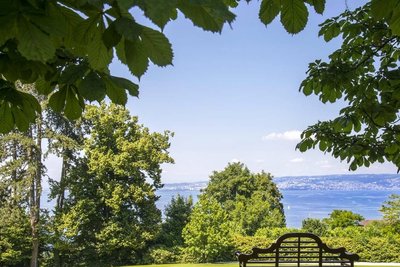
Hôtel Royal
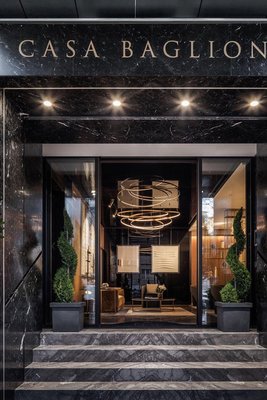
Casa Baglioni Milan - the Leading Hotels of the World
Four Seasons Hotel des Bergues Geneva
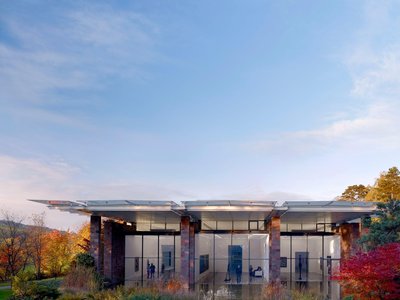
Grand Hotel les Trois Rois
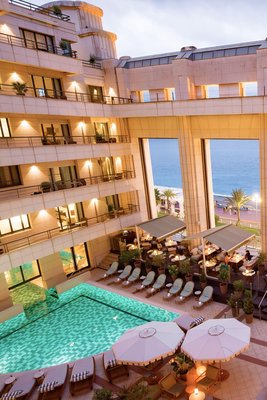
Hyatt Regency Nice Palais de la Méditerranée
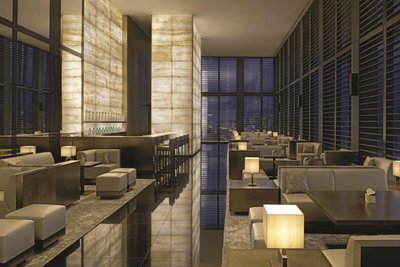
Armani Hotel Milano
Hôtel les Armures
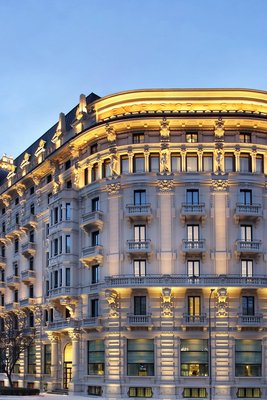
Excelsior Hotel Gallia, a Luxury Collection Hotel, Milan
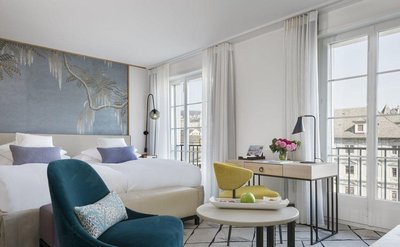
Storchen Zürich
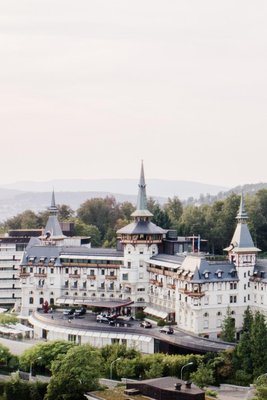
The Dolder Grand
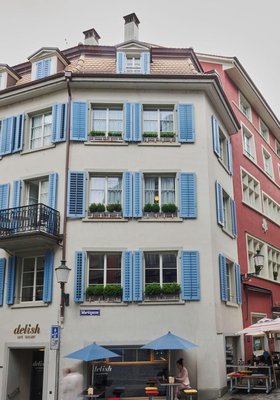
Marktgasse Hotel
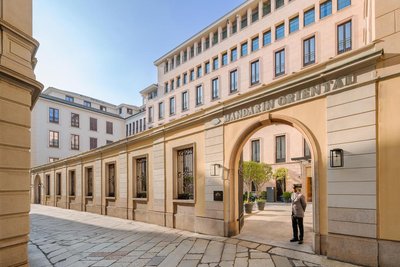
Mandarin Oriental, Milan
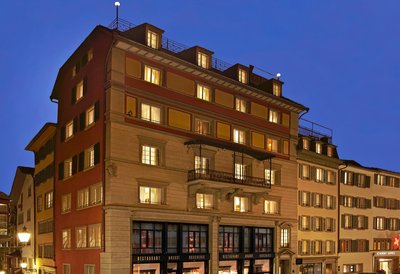
Widder Hotel - Zurichs Luxury Hideaway
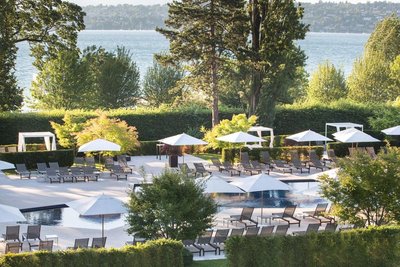
La Réserve Genève Hotel & Spa
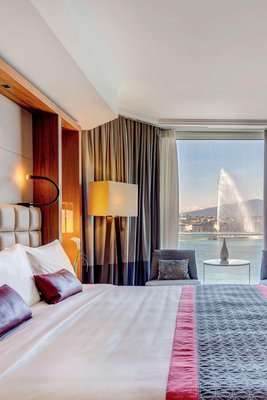
Fairmont Grand Hotel Geneva
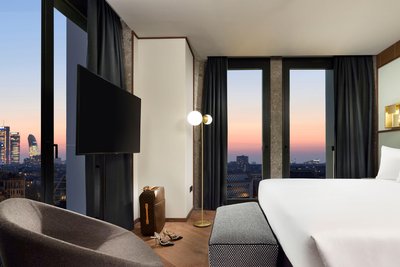
Milano Verticale | UNA Esperienze
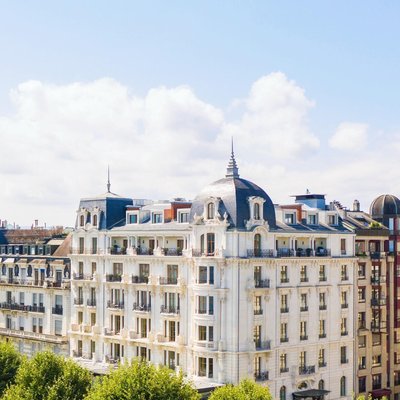
The Woodward - Auberge Resorts Collection
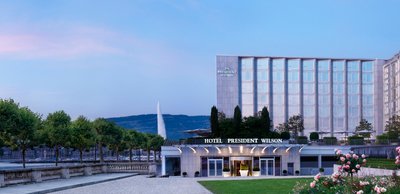
Hotel President Wilson, a Luxury Collection Hotel, Geneva
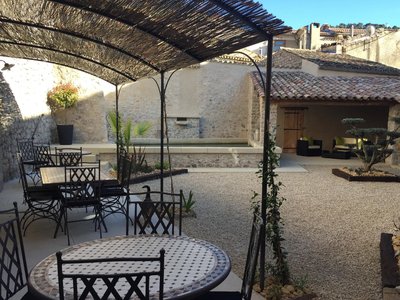
Ancienne Cure
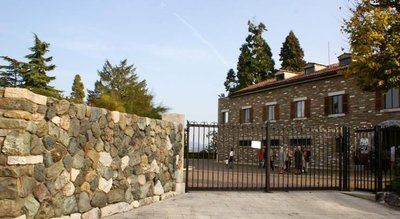
Villa Ottolenghi Wedekind
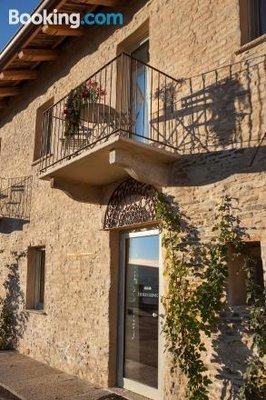
Borgese Camere e Suites
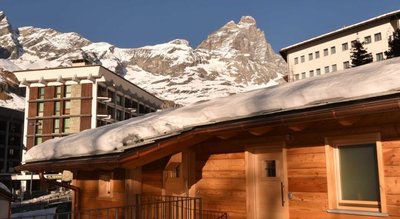
Il Cuore Del Cervino
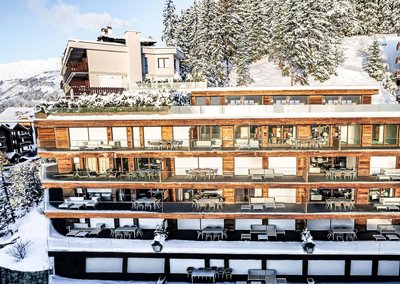
Sport Club Residences & Spa
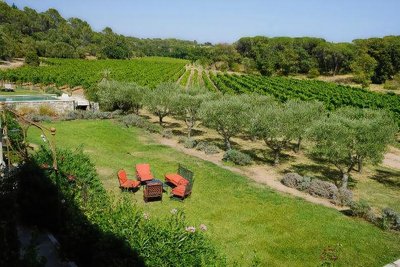
La Bastide du Clos des Roses
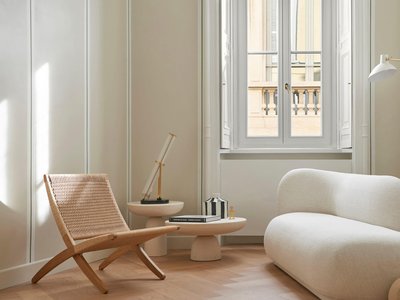
Crossing Manzoni
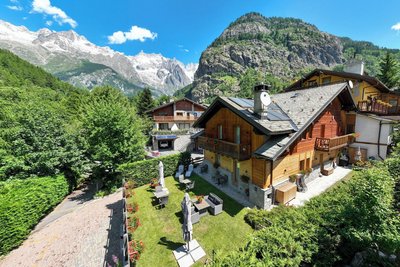
L'Abri des Amis
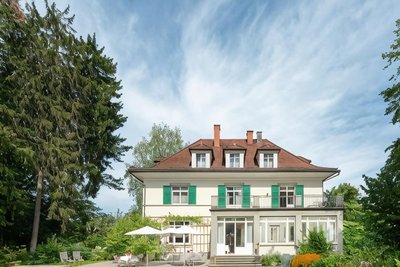
Signau House & Garden
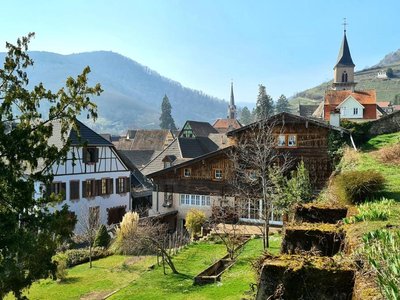
La Grange du Couvent B&B
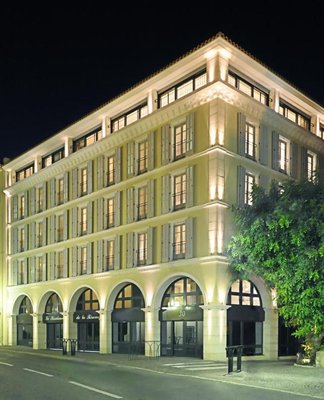
La Résidence de La Réserve
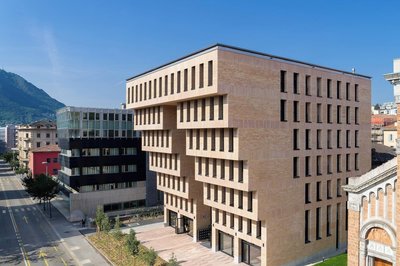
Swiss Hotel Apartments - Lugano
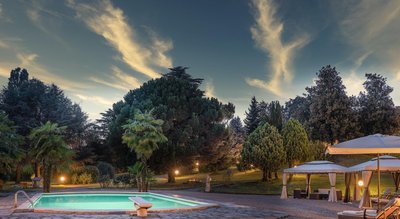
Palazzo Cavagna Sangiuliani
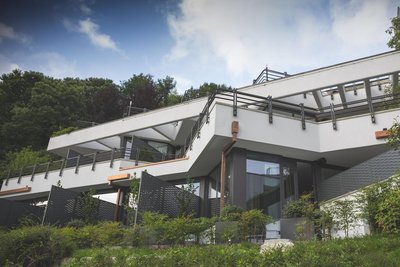
B&B Vista Lago
Frequently Asked Questions about Traveling to Aosta
Questions You Might Need to Know About Traveling to Aosta
In Aosta, the finest choice for historic charm is Hotel de la Paix, located just steps from the Aosta City Walls and nestled within the medieval district. Originally built in the 19th century, the hotel blends original stone architecture with modern comforts, offering rooms with exposed beams and views of the Notre-Dame Cathedral. Another standout is Hotel Albergo del Sole, a family-run mountain retreat near the Valle d'Aosta Natural Park, perfect for nature lovers seeking alpine tranquility. Both properties reflect local heritage and provide authentic cultural immersion.
The Historic Center (Centro Storico) of Aosta is ideal for walking and exploration. This compact, car-free zone features cobblestone streets, ancient Roman ruins, and charming cafés. You’ll find the Roman Archaeological Park, Palazzo Vescovile, and Cathedral Notre-Dame all within a 10-minute walk. The area’s narrow alleys and well-preserved facades create a timeless atmosphere, making it perfect for leisurely strolls, photography, and discovering hidden boutiques selling traditional Valdostan cheeses and cured meats.
Visitors to Aosta must explore the Roman Archaeological Park of Augusta Praetoria, one of Italy’s best-preserved Roman cities, featuring an intact city wall, amphitheater, and thermal baths. Join a guided tour to learn about the region’s unique bilingual French-Italian heritage. Don’t miss the annual Aosta Historical Festival in summer, where locals reenact medieval life through street performances, folk music, and artisan markets—offering deep insight into the valley’s rich cultural identity.
Yes, Aosta is highly suitable for families. The city offers safe, pedestrian-friendly zones and numerous child-friendly attractions. Head to the Valle d'Aosta Natural Park for scenic hiking trails and guided wildlife tours where kids can spot ibex and Alpine marmots. The Museo dei Bambini features interactive exhibits on local legends and mountain ecology, combining fun and learning. Many hotels provide free cribs, family packages, and activities like ski passes or homemade pasta workshops, ensuring memorable experiences for all ages.
Winter in Aosta shines with outdoor adventures. Enjoy skiing at Mont Blanc Ski Resort and Champoluc, both offering slopes for beginners to experts. Don’t miss the weekly Snowlight Show, where illuminated sculptures and projections transform the mountainside into a magical display. Families can also join a snow house building workshop, learning traditional techniques used by Alpine communities. All activities are led by certified guides, ensuring safety and authenticity for all participants.
Must-try dishes in Aosta include Bresaola della Val d’Aosta, a delicately air-dried beef served thin and often paired with Toma cheese and rye bread. Another highlight is Pizzoccheri, a hearty buckwheat pasta dish cooked with potatoes, spinach, and melted cheese—perfect for cold mountain days. Visit the Mercato di Aosta to sample fresh honey wine (Vino Cotto) and handmade charcuterie. These flavors reflect the region’s alpine traditions and are deeply rooted in local agriculture and craftsmanship.
Aosta is highly accessible. The city center is walkable, with no traffic zones and bike lanes. For mountain access, regional buses (ATV) run frequently and offer multilingual services. Travelers can reach Aosta from Turin or Geneva via high-speed train (Trenitalia Frecciarossa) in under 2 hours. The station connects directly to downtown in 10 minutes. Most hotels offer free parking and shuttle services, and electric scooters are available for short urban trips—making travel seamless for both rail and car travelers.
Nightlife in Aosta is relaxed yet vibrant. After 7 PM, cozy cafés and bars like Bar La Piazza come alive, serving local craft beers and amaretto liqueurs. Some restaurants host live folk music nights or wine tastings led by regional winemakers. For a more dynamic scene, visit Le Docks, an arts venue that hosts indie film screenings, DJ sets, and underground music events—blending culture with contemporary energy. Ideal for travelers seeking authentic, low-key evenings with local flair.
Top photo spots in Aosta include the Aosta City Walls at golden hour, when sunlight casts dramatic shadows on ancient stone. The Notre-Dame Cathedral’s Gothic spire and stained-glass windows offer striking compositions. The Roman Archaeological Park’s arches and columns create a cinematic backdrop. Don’t miss Piazza Chanoux, where fountains and century-old oaks frame picturesque urban scenes. Early mornings or late afternoons are best for avoiding crowds and capturing the city’s serene, timeless beauty.
The best times to visit Aosta are winter (December–March) and summer (June–September). Winter draws visitors for skiing and snow festivals, especially around Christmas and New Year. Summer brings ideal hiking weather, wildflower blooms, and outdoor concerts. Spring and autumn are quieter, with fewer tourists and lower prices—perfect for those seeking peace, cultural depth, and affordable stays. Each season offers a distinct experience, from snowy landscapes to lush alpine meadows.
Aosta Overview
City Summary
Aosta, the capital of Italy's Aosta Valley region, sits at the heart of the Alps with remarkable Roman ruins and breathtaking mountain landscapes. Famous for blending medieval architecture with modern ski resorts, it's a year-round destination particularly beloved by skiers in winter.
Must-See Attractions
Top attractions include the Roman Theatre from 25 BC and the perfectly preserved Porta Praetoria. Don't miss the Gothic Sant'Orso Cathedral or world-class skiing in Courmayeur. Stroll through Via Porta Praetoria's medieval arcades at dusk for magical ambiance.
Food Guide
Savor mountain specialties like Fonduta Valdostana cheese fondue and rye bread with local hams. Must-try dessert is Torta di Nocciole hazelnut cake, paired with DOC-labeled regional wines. Look for authentic "prodotti tipici" markings.
Transportation Guide
Explore downtown on foot (all sites within 30-min walk). SKI buses reach resorts (1hr ride). Trains connect to Milan/Turin. Winter driving requires snow tires - chains mandatory on mountain roads December-April.
Best Time to Visit
Prime ski season runs December-March with 2m+ snowpack. May-September ideal for hiking (avoid July-August crowds). Spring/fall bring unpredictable fog - pack layers.
Travel Tips
- Carry windproof gear for abrupt weather changes
- 1-3€ "coperto" table charge applies at restaurants
- Reserve ski gear rentals in advance
- Most museums closed Mondays
- Tipping appreciated but not required
- Off-piste skiing strictly prohibited
Useful Information
Language: Italian dominant, French spoken in mountain villages. Payments: Cards accepted downtown, cash needed in resorts. Internet: Free WiFi at major sites. Emergencies: Mountain sports require specialized insurance; main hospital at Via Xavier de Maistre 10. Acclimate gradually to altitude changes.