Hotels in Aracariguama
Discover your perfect stay in Aracariguama.
Aracariguama(Brazil) Travel 2026: Cheap Flights, Hotels & Top Attractions
Popular Landmarks in Aracariguama
Discover the most iconic attractions in Aracariguama
Recommended Hotels in Aracariguama
Find the perfect place to stay in Aracariguama
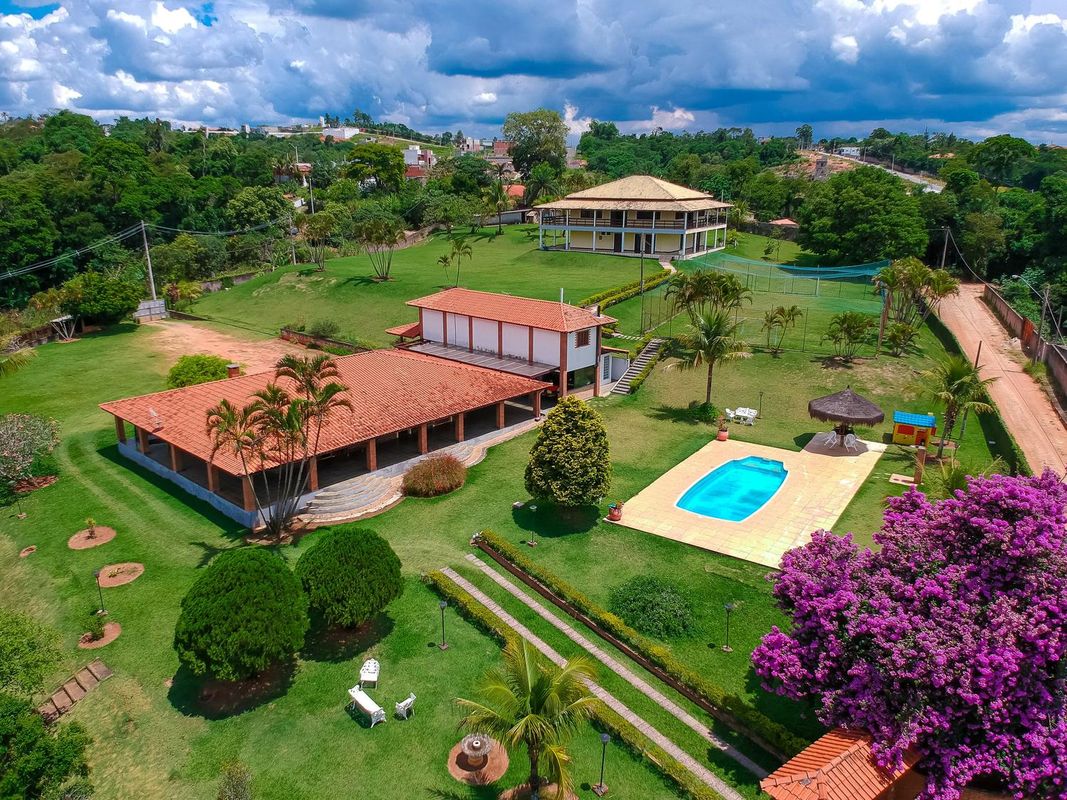
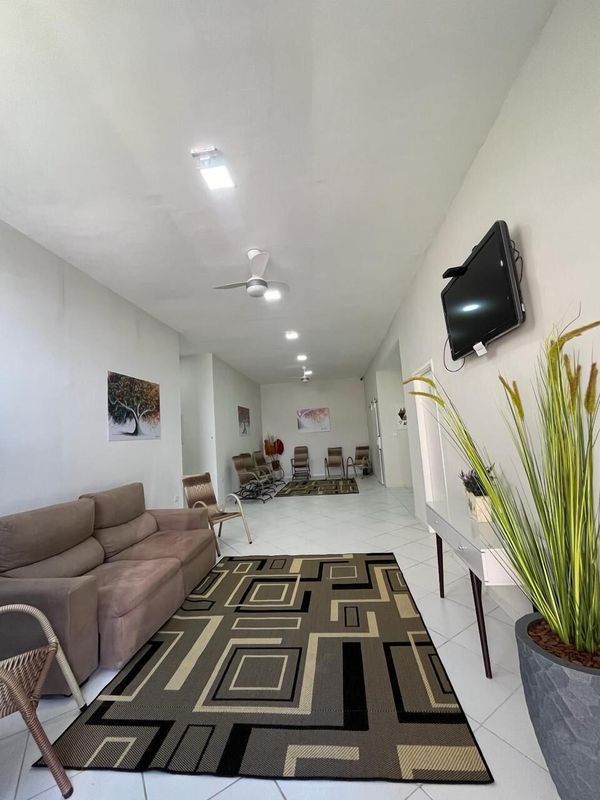

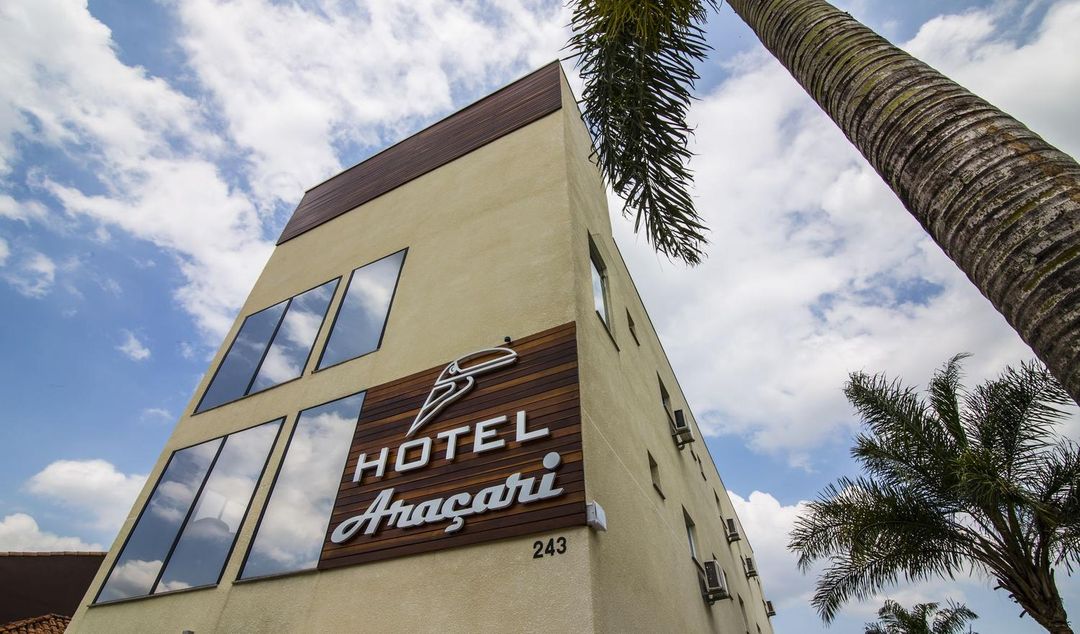
Best Hotels in Aracariguama
Discover curated hotel collections in Aracariguama

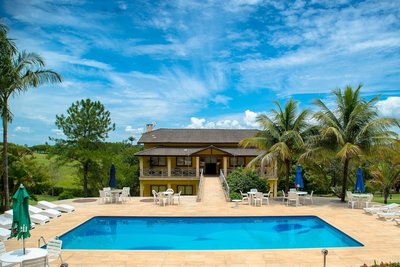

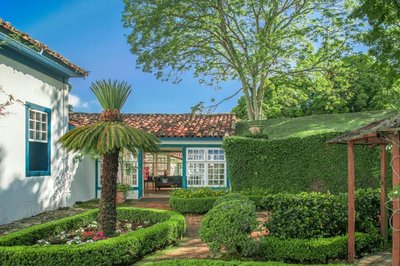
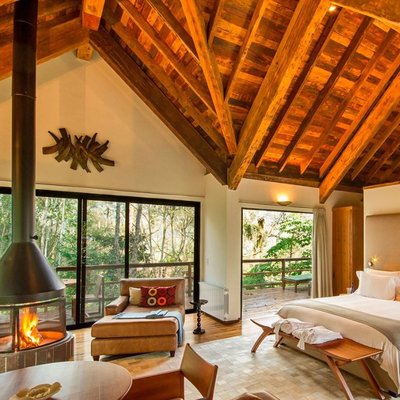
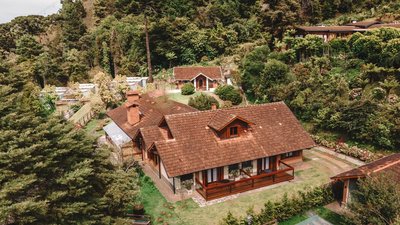
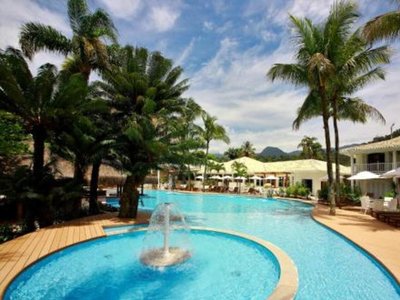
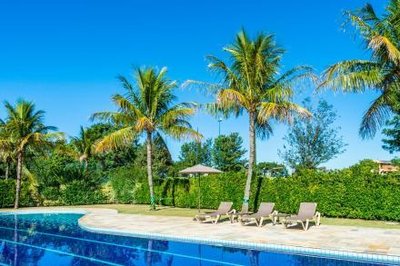
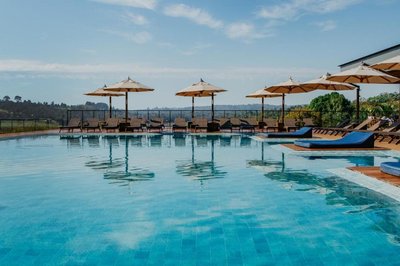
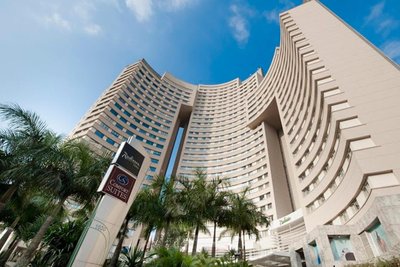




































Frequently Asked Questions about Traveling to Aracariguama
Questions You Might Need to Know About Traveling to Aracariguama
In Alasariquama, the standout choice is Pousada do Sol, a boutique guesthouse nestled on a hillside overlooking lush farmland. This eco-friendly retreat blends traditional Brazilian architecture with modern comforts, using reclaimed wood and handmade ceramics throughout. Guests enjoy panoramic views of the state of São Paulo’s countryside, morning birdwatching, and nightly stargazing. The property hosts cultural workshops—like making cassava bread and learning capoeira rhythms—offering immersive local experiences. Located just 15 minutes from the town center, it balances tranquility with accessibility. Book early, especially during the annual Festa de Nossa Senhora Aparecida festival, when demand surges. Excellent for travelers seeking authenticity and sustainability.
The most peaceful area to stay in Alasariquama is the western hillside district, known for its elevated terrain, fresh air, and minimal traffic. This region hosts several eco-lodges like Casa da Mata and Sítio das Palmeiras, converted from historic farmhouses with original stone walls and tropical gardens. Residents here are welcoming, and the vibe is deeply rooted in rural traditions. You’ll find quiet walking paths leading to a small chapel, artisan cafés, and weekend farmers’ markets. While there’s no metro access, shuttle services run regularly to São Paulo city center (~1 hour). Ideal for nature lovers, families, and those seeking a slow, authentic pace of life away from urban noise.
Must-experience cultural events in Alasariquama include the Festa de Nossa Senhora Aparecida held every May—a vibrant celebration blending Catholic tradition and Afro-Brazilian culture. Expect lively processions, folk dances like Bumba Meu Boi and Capoeira, and craft stalls showcasing handwoven textiles and clay pottery. Visitors can join workshops to make coconut candy or corn tortillas under local guidance. Don’t miss touring the Igreja de São Francisco, whose colonial-era murals reflect centuries of religious artistry. Check the official calendar ahead of time—some activities require pre-registration. This festival offers a rare glimpse into the town’s soul and community spirit.
Yes, Alasariquama is highly family-friendly. With safe, tree-lined streets and open green spaces, children can freely explore. Stay at Pousada Família Verde, a homestay-style lodge offering kid-sized cabins, outdoor grilling areas, and a mini-farm where kids can feed goats and chickens. Nearby, the Lagoa do Cavalo Nature Reserve features child-friendly trails perfect for spotting sloths and macaws. The town also runs a summer “Nature Explorer Camp,” including plant identification, campfire storytelling, and environmental projects. Parents enjoy relaxation while kids engage in hands-on learning. Ideal for multi-generational travel with a focus on connection and nature.
In Alasariquama, must-try dishes include Feijoada com Farofa—a hearty black bean stew with cassava flour—served at family-run eateries. Another highlight is Cuscuz de Milho, a steamed corn cake topped with cream and vanilla, perfect for breakfast. Don’t miss Bolo de Rolo, a rolled sweet filled with peanut butter and condensed milk, available fresh at the Mercado Municipal de Alasariquama. Vendors use ancestral recipes passed down through generations. For a deeper experience, join a “Kitchen Journey” tour—visiting organic farms, grinding beans, and cooking together with local chefs. Cash-only transactions are common, so bring small bills. These meals offer more than flavor—they tell stories of heritage and resilience.
Nighttime in Alasariquama shines at the Plaza Area and Riverside Walkway, where live music begins at 7 PM. Street performers play Samba de Gafieira, inviting spontaneous dancing under string lights. Some lodges host “Stargazing Nights” with telescopes and guided tours of Southern Hemisphere constellations. On Fridays, Bar do Chico hosts “Música ao Vivo no Sítio,” featuring local folk bands and indie artists. For quiet moments, sit by Nossa Senhora Church and listen to evening bells and cicadas. Wear comfortable shoes—many events involve walking or dancing. The atmosphere is intimate, warm, and deeply communal, making it a highlight of any visit.
The most efficient way to reach São Paulo city center from Alasariquama is via the Busão Expresso regional bus service, running 6 times daily with a journey time of about 1 hour 15 minutes. Tickets cost around 35 BRL and can be booked online or at the Estação Rodoviária Alasariquama station. For comfort, opt for Uber Car or private taxi, costing 120–180 BRL, with direct door-to-door service. No train line connects the town, but you can transfer from Jundiaí Station. Avoid traveling on Fridays afternoons or Sundays due to heavy traffic. Many guesthouses offer pickup/drop-off services—check in advance for convenience.
Photographers will love Alasariquama for three key themes: first, morning mist over rice fields and farmhouses, creating ethereal, painterly scenes ideal for wide-angle shots. Second, the Festival of Nossa Senhora Aparecida bursts with color—vibrant costumes, masks, and dynamic dance movements perfect for action photography. Third, capture artisans at work: potters shaping clay, weavers at looms, or bakers kneading dough. Key spots include the old church facade, stone bridge by the river, and the ancient banyan tree at the village entrance. Use a telephoto lens for close-ups of expressions, and a tripod for night sky shots. Some lodges allow professional shoots—just request permission in advance.
Alasariquama has a tropical humid climate with average temperatures of 24°C. The rainy season (November–March) brings frequent showers and thunderstorms, which may cause road flooding and disrupt outdoor activities. Pack waterproof gear and non-slip footwear. The dry season (April–October) offers sunny days and clear skies—ideal for hiking, photography, and wildlife viewing. Temperatures drop slightly at night, so bring a light jacket. UV exposure is high—use sunscreen and wear hats. Mosquitoes are more active during rains, so carry repellent. Avoid planning ecological tours during the wet months for better animal visibility. With smart timing, weather enhances rather than hinders your experience.
For authentic crafts, visit the Mercado Municipal de Alasariquama, where vendors sell handwoven baskets, raw honey, organic spices, and Bahian-style embroidered fabrics made by women’s cooperatives. The Rua dos Artistas street features independent studios showcasing ceramic sculptures, wooden carvings, and original paintings. Consider purchasing locally roasted coffee beans—grown on small farms and lightly roasted for rich, complex flavor. Prices are higher than mass-produced items, but each piece carries cultural significance and supports local artisans. Note: Most vendors accept cash only—bring small bills. These souvenirs aren’t just gifts; they’re tangible memories of community craftsmanship and heritage.
Aracariguama Overview
City Summary
Araçariguama is a tranquil town in São Paulo State, Brazil, renowned for its tropical scenery and agricultural heritage. Vast sugarcane plantations and citrus orchards showcase rustic Brazilian countryside charm. The colonial-era church in town center and handicrafts at weekly farmers' market offer unique cultural immersion.
Must-See Attractions
Visit São Bento Church (Igreja de São Bento), a 16th-century gem blending colonial architecture with religious art. Experience local rhythm at Main Square (Praça da Matriz), where weekend markets sell wooden carvings and lacework. Nearby citrus farms (Fazendas de Laranja) offer fruit-picking activities, while Rio Turvo riverside is perfect for sunset strolls.
Food Guide
Must-try Pirarucu de Casaca, a slow-cooked stew with Amazonian giant fish and coconut milk. Street vendors' Pastel de Feira (fried dumplings) with varied fillings pair perfectly with fresh sugarcane juice (Caldo de Cana). For dessert, savor Doce de Laranja-da-Terra made with local specialty citrus.
Transportation Guide
No rail system; rely on buses:
- Local buses run every 30 mins (cash only, BRL 4)
- Long-distance terminal (rodoviária) offers rides to São Paulo (3hrs) and Ribeirão Preto
- Taxis require hotel HopeGoo (no Uber) Self-driving note: rural roads are mostly unpaved, may close during rainy season (Dec-Mar).
Best Time to Visit
Dry season (May-Sep) is ideal, with 25°C averages and minimal rain. Avoid Jan-Mar floods and June's São João Festival (crowded). Wednesday/Saturday mornings see liveliest markets.
Travel Tips
- Limited night lighting in rural areas; travel in groups after 18:00
- Shoulders/knees must be covered in churches (BRL 2 donation expected)
- Book farm tours 48hrs ahead; mosquito repellent essential
- Cash dominates; Visa/Mastercard only accepted at hotels
- Basic Portuguese phrases enhance interactions
- Drink bottled water; avoid unpeeled raw fruits
Useful Information
Language: 98% locals speak only Portuguese; download offline translation apps. Internet: Free WiFi hotspots downtown (CPF registration required); Claro has best signal. Currency: Only 2 ATMs (Bradesco/Santander); rates 5% lower than São Paulo. Healthcare: Basic clinic (UBS) at Rua São Paulo 178; emergency dial 192. Souvenirs qualify for tax refund (keep Nota Fiscal receipt), but process at São Paulo Airport only.