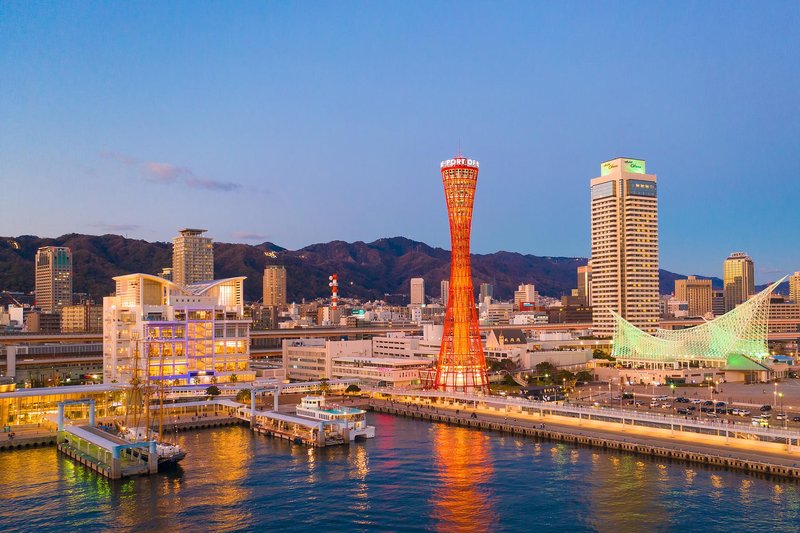
Hotels in Arao
Discover your perfect stay in Arao.
Arao(Japan) Travel 2026: Cheap Flights, Hotels & Top Attractions
Popular Landmarks in Arao
Discover the most iconic attractions in Arao
Recommended Hotels in Arao
Find the perfect place to stay in Arao
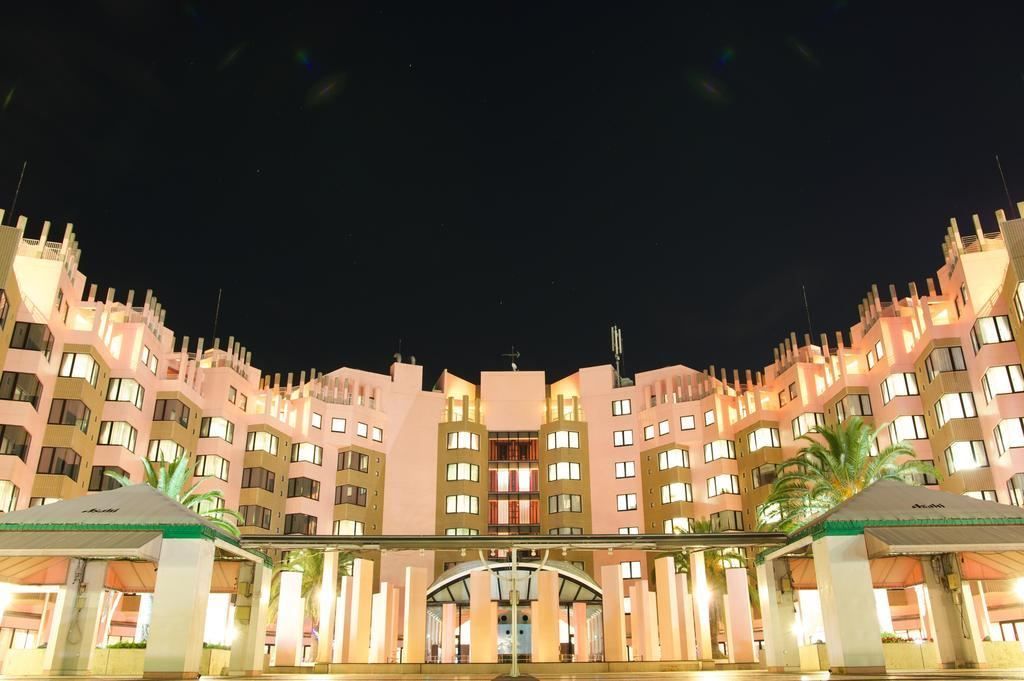
Hotel Verde
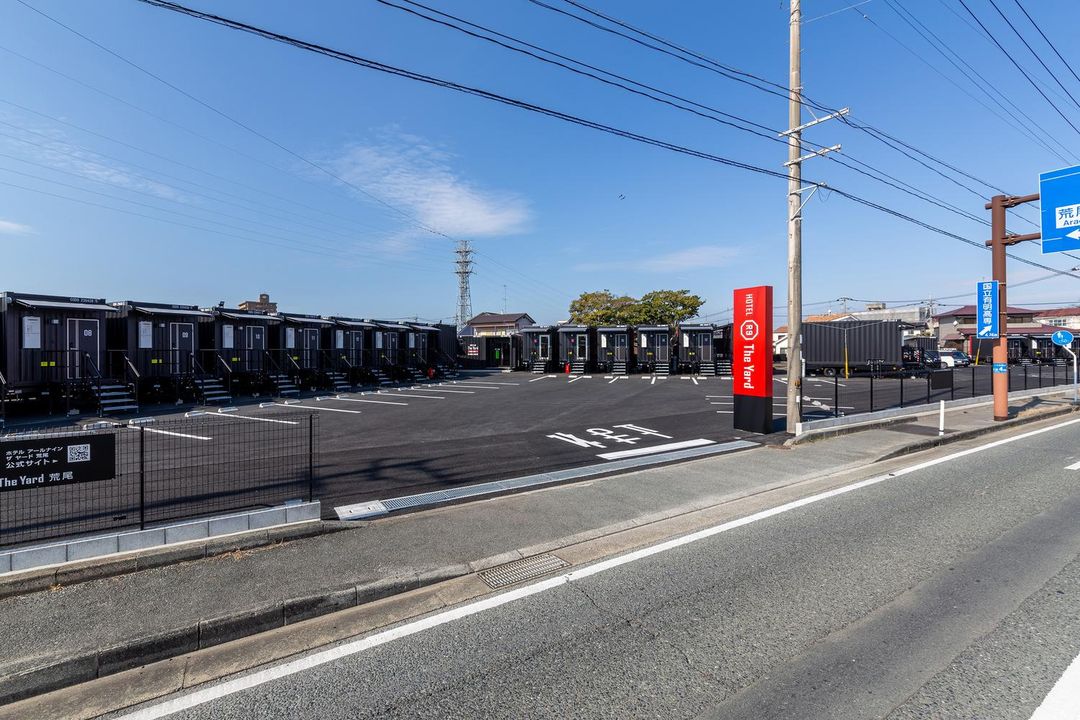
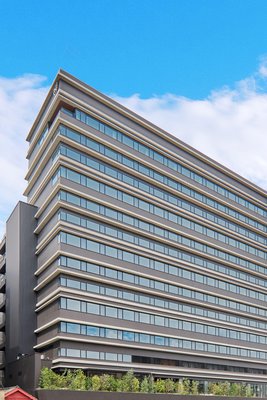
Hotel R9 the Yard Arao
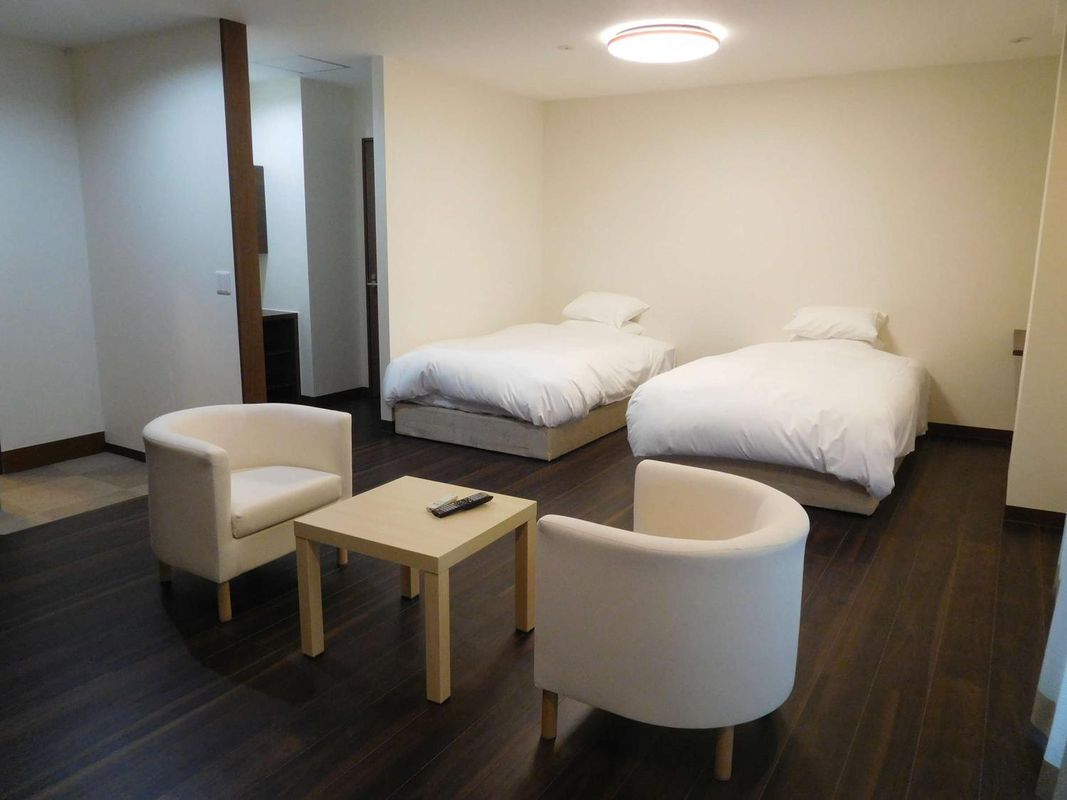
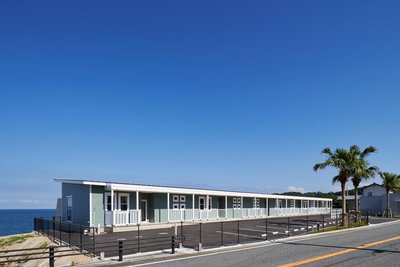
Hotel Blanca
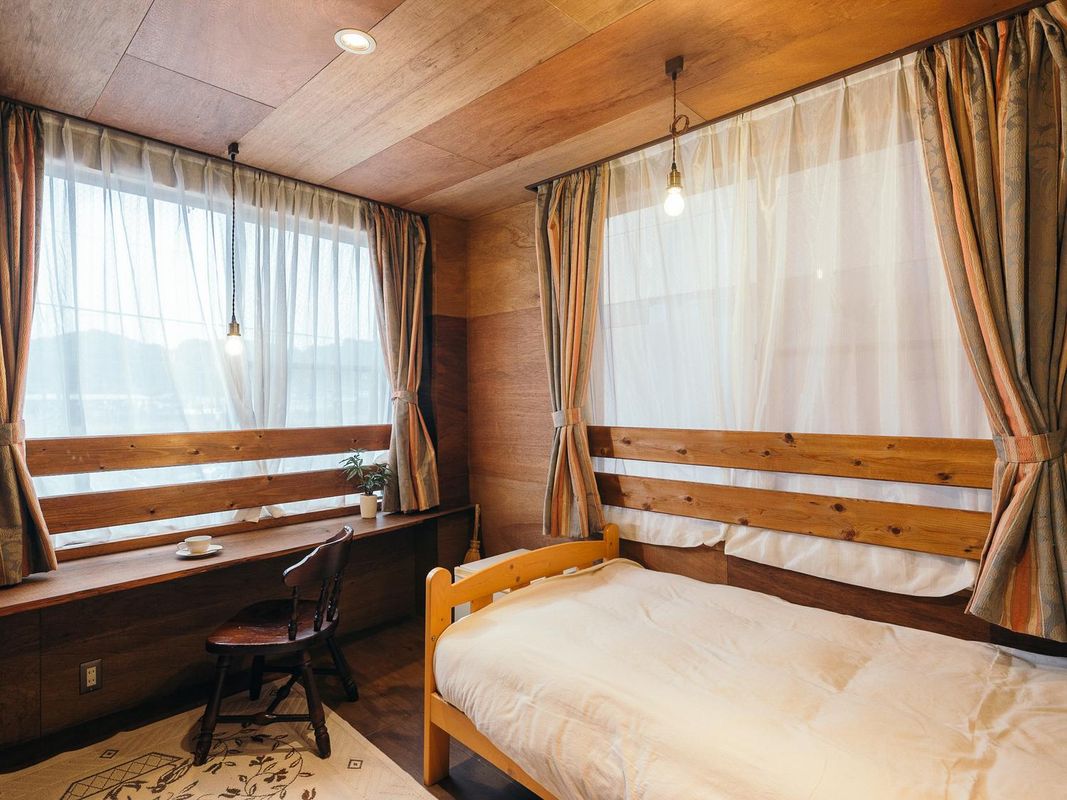
Noasobi Lodge
Best Hotels in Arao
Discover curated hotel collections in Arao
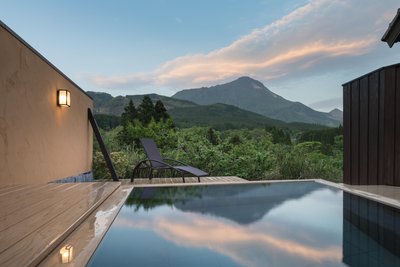
Ikkoten
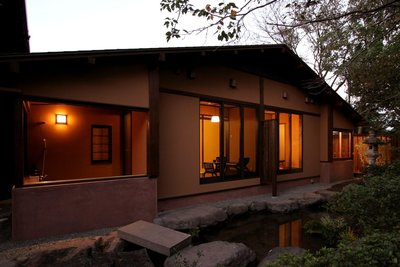
SEKIYA RESORT Bettei Haruki
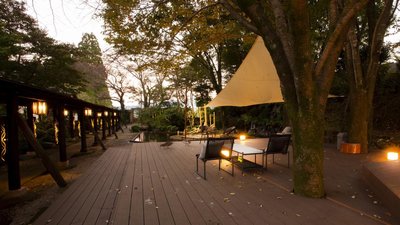
Chikurakutei
The Royal Park Canvas Fukuoka Nakasu
Hoshino Resorts Kai Unzen
Alfacio Resort Stay Itoshima
Ureshino Yadoya
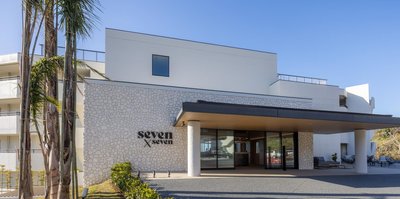
seven x seven itoshima
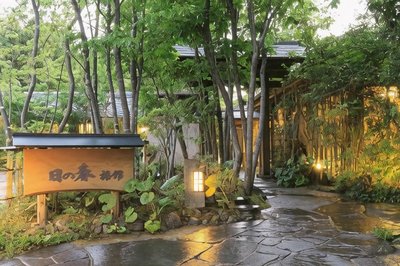
Yufuin Onsen Hinoharu Ryokan
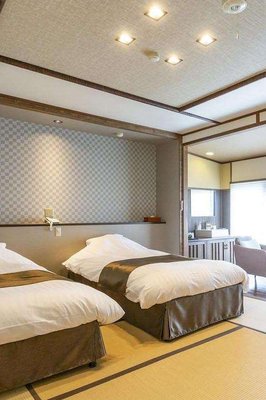
Sozankyo
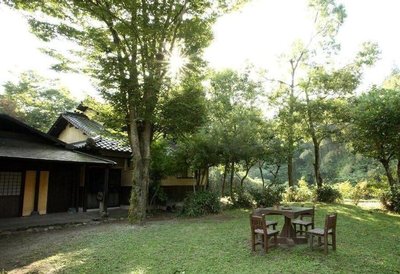
Yamashinobu
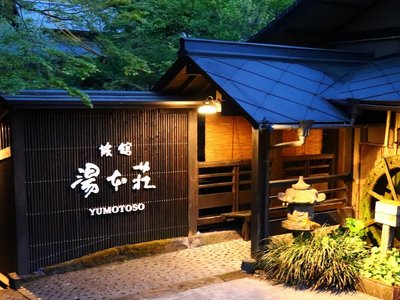
Ryokan Yumotosou
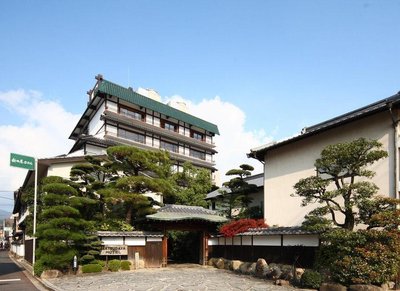
Matsudaya Hotel
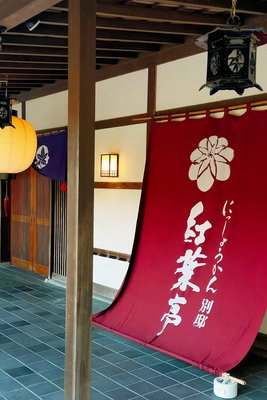
Nisshokan Bettei Koyotei
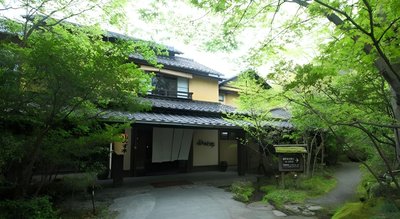
Kurokawaonsen Yamamizuki
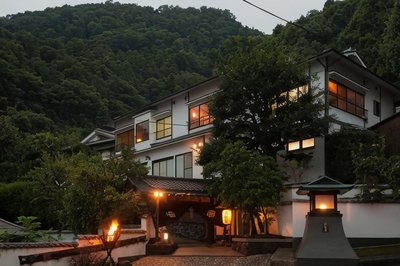
Beppu Showaen
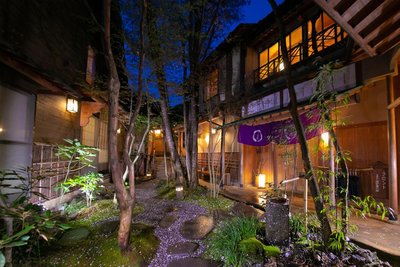
Oyado Ichizen
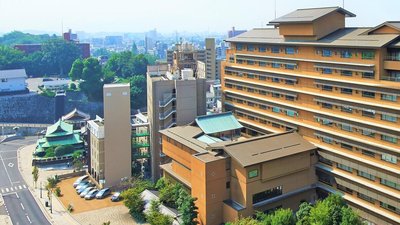
Yamatoya Honten
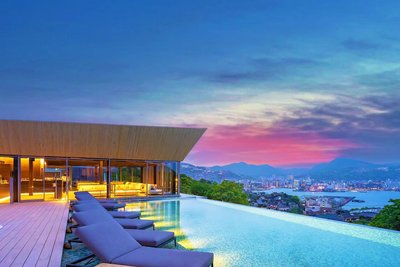
Garden Terrace Nagasaki Hotel & Resort
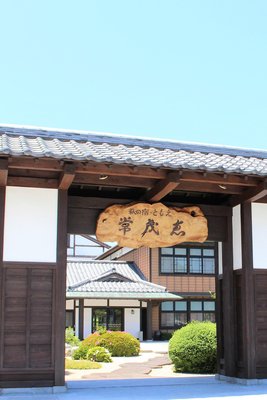
Hagi No Yado Tomoe
Garden Terrace Nagasaki Hotel & Resort
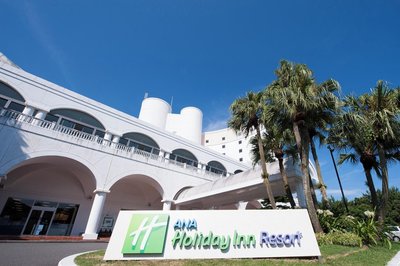
Holiday Inn Resort Miyazaki
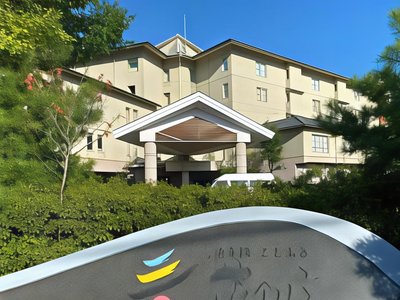
Yufuin Kotobuki Hananosho
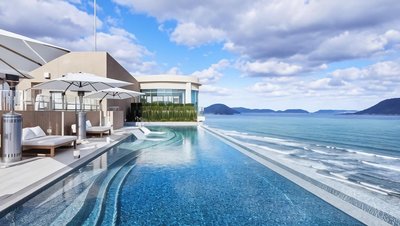
Karatsu Seaside Hotel
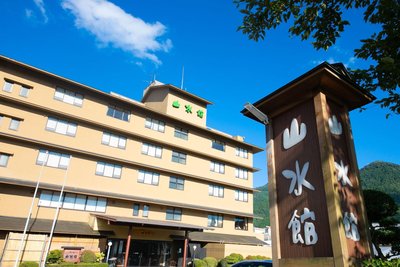
Yufuin Sansuikan
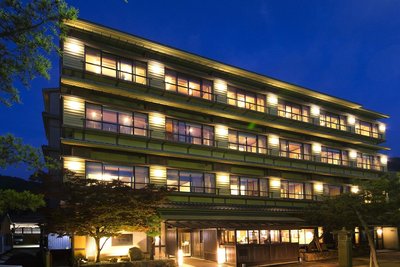
Kinsuikan
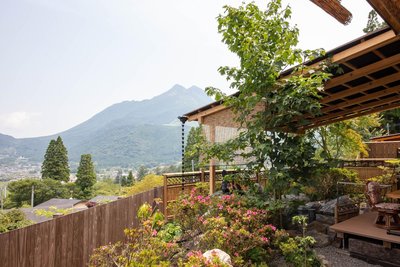
Yufuin-Sanso Waremokou
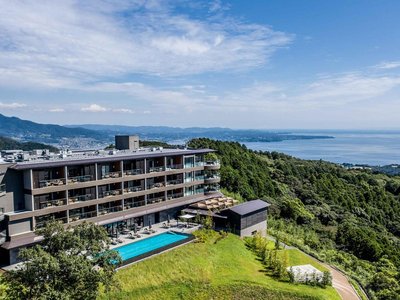
Ana InterContinental Beppu Resort & Spa
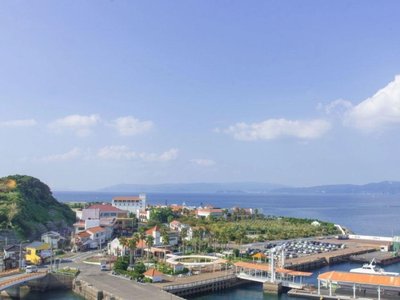
I+Land Nagasaki
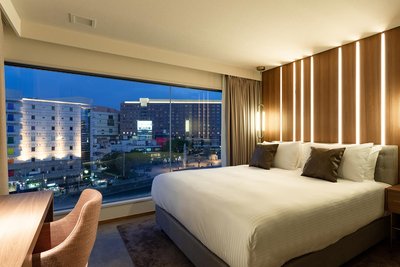
The OneFive Villa Fukuoka
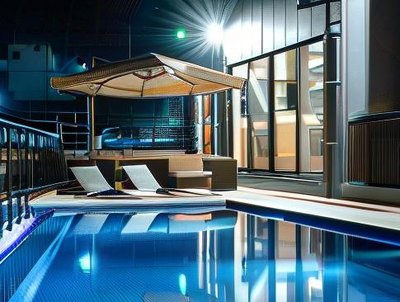
LiVEMAX RESORT MIYAHAMA ONSEN OCEAN
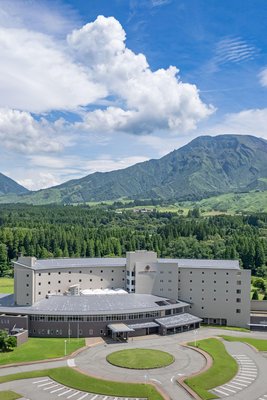
KAMENOI HOTEL ASO
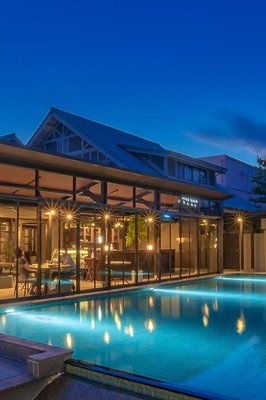
Amane Resort Gahama
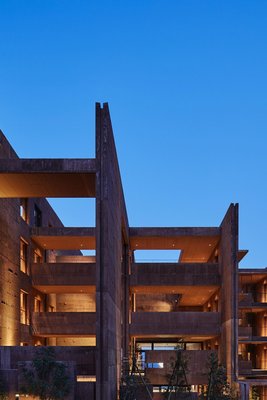
SEKIYA RESORT GALLERIA MIDOBARU
Beppu Suginoi Hotel

Phoenix Seagaia Ocean Tower
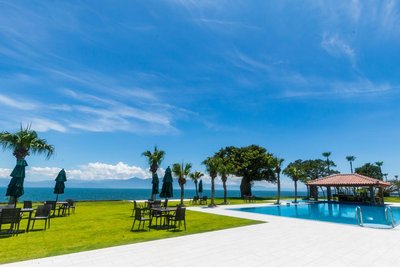
Kagoshima Sunamushi Onsen Ibusuki Hakusuikan
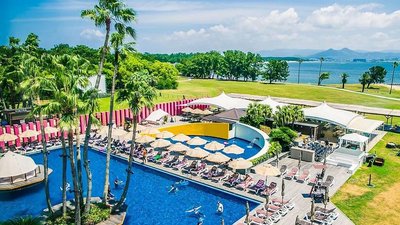
The Luigans Spa and Resort
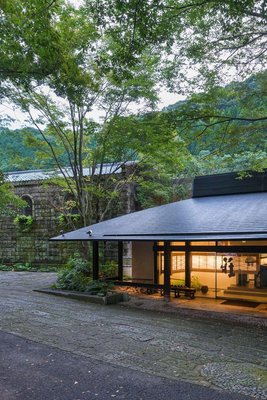
Myoken Ishiharaso

SHIROYAMA HOTEL kagoshima
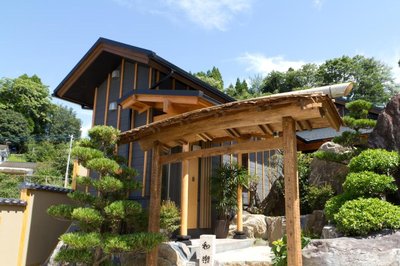
Ryokan Shinsen
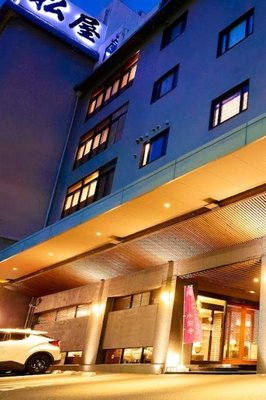
Ryotei Matsuya Honkan Suizenji
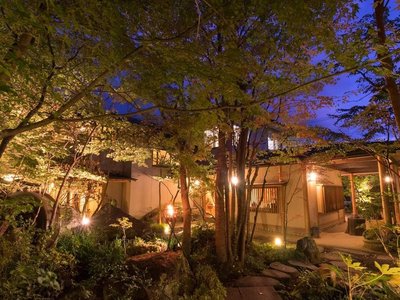
Ryoso Yufuin Yamadaya
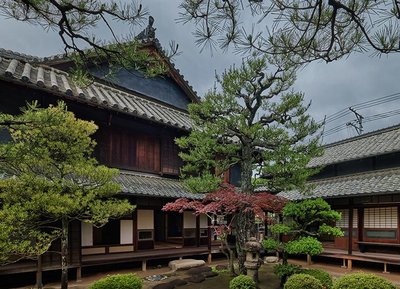
NIPPONIA HOTEL Takehara Saltworks Town
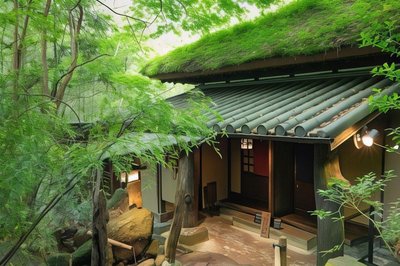
Sanso Tensui
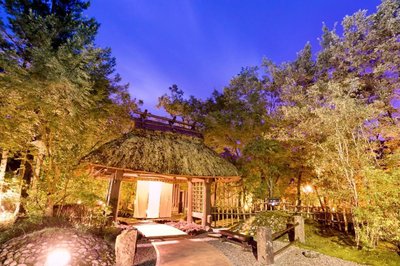
Satonoyu Waraku
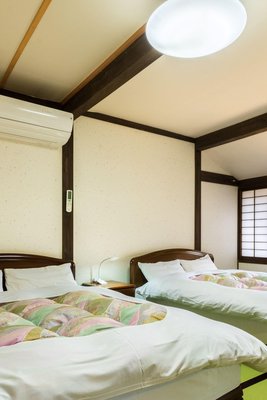
Tobise Onsen Tenga Sanso
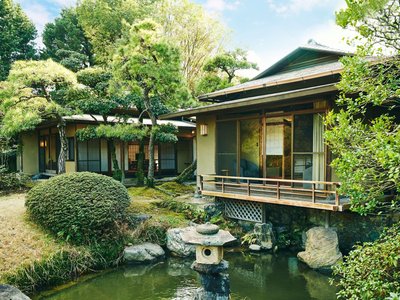
Suisui Garden Ryokan (in the Art Hotel Kokura New Tagawa)
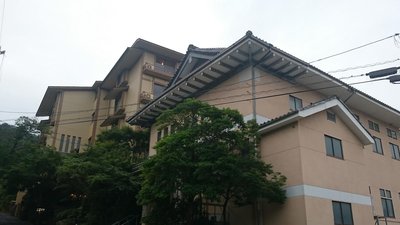
Miyajima Hotel Makoto
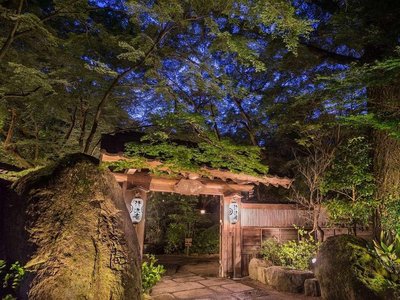
Akizuki Spa Ryokan Seiryuan
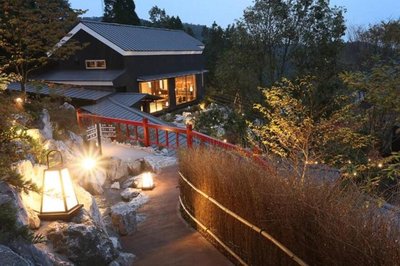
Gekkoju Kurokawa
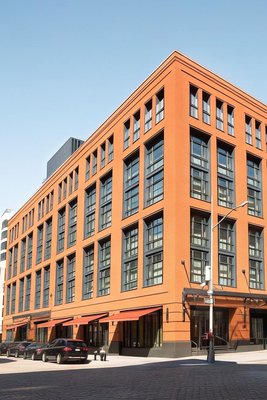
Hotel Barrière Fouquet's New York
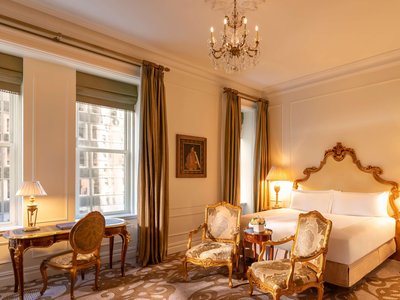
The Plaza - A Fairmont Managed Hotel
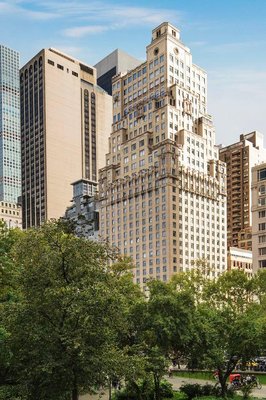
The Ritz-Carlton New York, Central Park
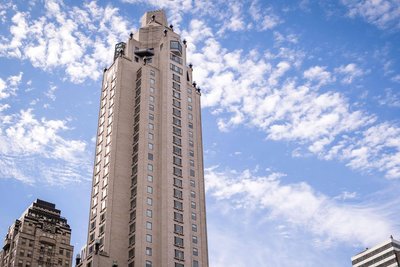
Four Seasons Hotel New York
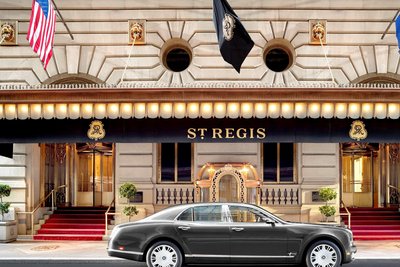
The St. Regis New York
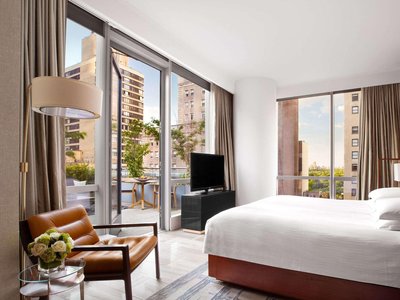
Park Hyatt New York
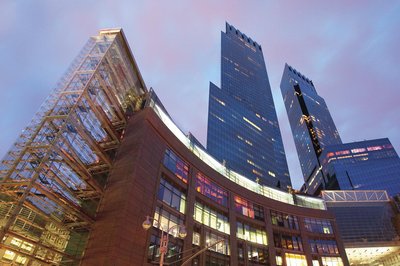
Mandarin Oriental New York
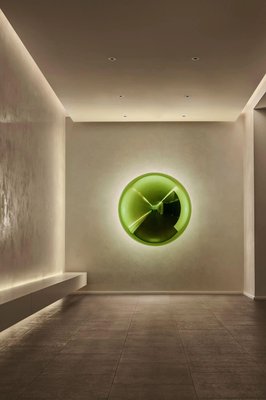
Times Square Edition New York
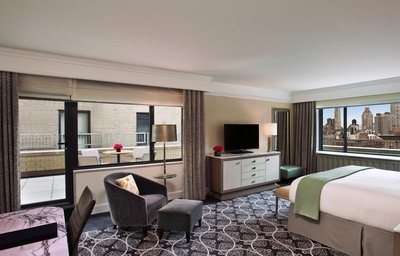
Loews Regency New York Hotel
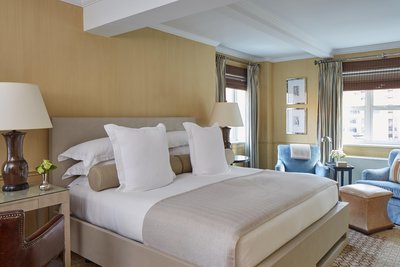
Lowell Hotel
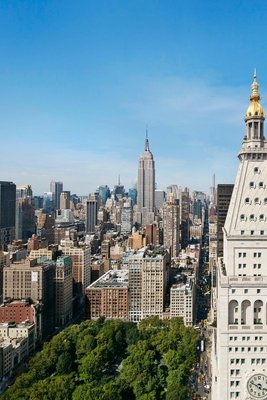
New York Edition
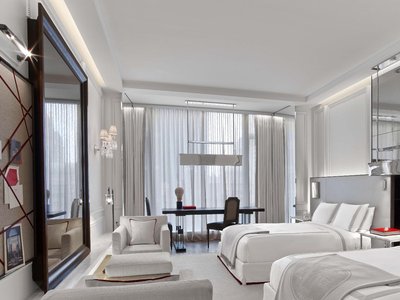
Baccarat Hotel New York
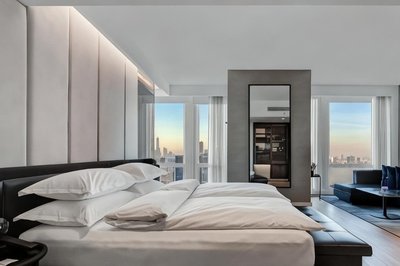
Equinox Hotel New York
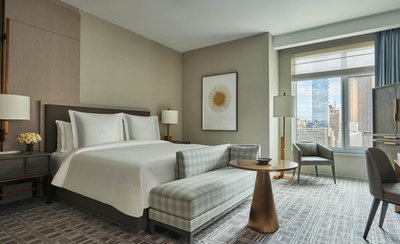
Four Seasons Hotel New York Downtown
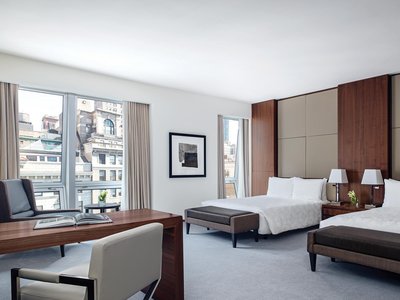
The Langham, New York, Fifth Avenue
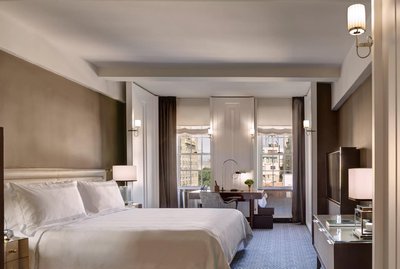
The Carlyle, A Rosewood Hotel

The Chatwal, in the Unbound Collection by Hyatt
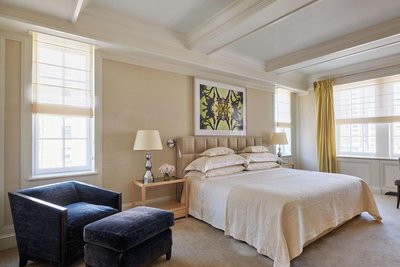
The Mark New York
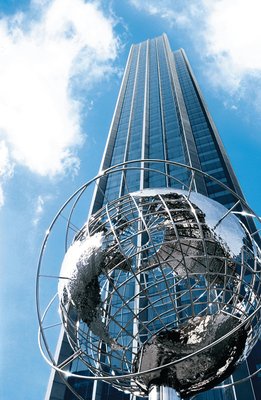
Trump International Hotel & Tower® New York
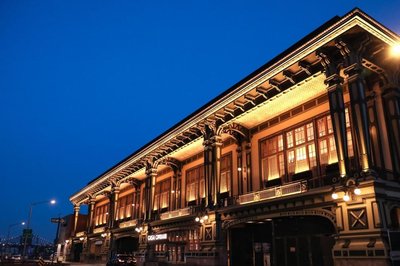
Casa Cipriani New York
Frequently Asked Questions about Traveling to Arao
Questions You Might Need to Know About Traveling to Arao
In Awaji City, the top family-friendly option is Hotel Vista Awaji, located just steps from Shinsaibashi Park and near the Awaji River. This modern hotel offers spacious family rooms, a children’s playroom, and an indoor garden with seasonal plants. Families can enjoy hands-on activities like rice planting workshops at the nearby Awaji Agricultural Park, or take part in evening campfire storytelling sessions led by local elders. The hotel also provides stroller rentals and kid-sized bathrobes, ensuring comfort for all ages. For added convenience, it’s within walking distance of Awaji Station and close to Aso Mountain views, making it ideal for multi-generational travel.
Another excellent choice is Kumamoto Prefectural Museum Stay, a cultural guesthouse offering immersive experiences with traditional Japanese architecture and daily tea ceremonies. It's perfect for families seeking authentic rural life in Kyushu.
The central business district of Awaji City is the most convenient area for hotel stays. Located just minutes from Awaji Station and adjacent to the Awaji River, this zone offers easy access to key landmarks such as Awaji City Hall, Citizen’s Center, and numerous local restaurants. The area also serves as a gateway to major attractions like Mount Aso and Kumamoto Castle, with shuttle services available. Accommodations here range from budget-friendly inns to boutique ryokan-style lodges, including Awaji Kaze Inn, which blends traditional wooden architecture with modern amenities. Staying here ensures seamless connectivity, cultural immersion, and proximity to both nature and urban life.
For a truly immersive experience, try Aratama Machiya Stay, a centuries-old townhouse turned guesthouse in Awaji City. Guests live in a preserved Edo-period home with sliding paper doors and tatami mats, while participating in daily rituals like tea ceremony workshops and local farming activities along the Awaji River. The owners host evening bonfire gatherings, where stories of regional folklore are shared under the stars. Visitors can also join seasonal harvest festivals, learning how to make rice cakes and plant rice paddies using traditional tools. These experiences provide deep insight into Kumamoto’s rural heritage, allowing travelers to connect with history through hands-on participation and community interaction.
While Awaji City itself isn’t known for hot springs, its proximity to Mount Aso makes Asō Onsen Resort a top choice. Among them, Asō Yumegi Hotel stands out, featuring natural sulfur-rich baths sourced from 800 meters underground. The water is rich in calcium and magnesium, known for skin benefits and relaxation. The hotel boasts indoor and outdoor open-air baths with panoramic views of the Aso Caldera, especially breathtaking at sunrise. Guests can also enjoy a signature volcanic rock massage, using locally sourced lava stones for therapeutic touch. For added adventure, combine your stay with visits to Aso Shrine and the Kusasenri Grassland, experiencing the raw beauty of volcanic terrain and ancient landscapes.
Photographers will love Awaji River View Cottage, a secluded retreat on the banks of the Awaji River, offering 270-degree unobstructed views of misty mornings, changing foliage, and golden sunsets. The property features a dedicated photography deck with tripods and a rooftop sky observatory perfect for astrophotography. Nighttime events include projected light art displays that transform the riverbank into a dynamic canvas. The staff hosts monthly “Rural Light & Shadow Workshops”, teaching techniques for capturing natural lighting and composition in fields and forests. Nearby locations like the old railway trail and Abandoned Rail Bridge offer dramatic backdrops for long-exposure shots. Every stay includes a custom photo guidebook with recommended angles and seasonal tips.
Yes, several hotels in Awaji City provide immersive culinary programs. At Awaji Washoku Tei, guests can participate in hands-on cooking classes featuring Kumamoto black pork, locally grown rice balls, and Aso red bean pastries, guided by expert chefs. The hotel also organizes a night market tour, taking visitors to Awaji Night Market to sample fresh tempura, yakitori, and beef offal stew, with stories behind each dish. Some properties offer a “Taste Memory Box”—a curated kit with recipes, ingredients, and photos from the day—to help preserve the experience. These culinary journeys allow travelers to savor authentic flavors while connecting deeply with local traditions and food culture.
For budget travelers, Awaji Youth Hostel is a top pick, located just a 5-minute walk from Awaji Station. It offers dormitories for 4–8 people and private single rooms, all equipped with free laundry facilities, a shared kitchen, and a cozy lounge area. The rooftop terrace doubles as a stargazing platform, hosting monthly community storytelling nights with local residents. The hostel also rents bicycles for exploring the Awaji River Greenway and old railway trails. With rates starting at ¥1,800 per night and acceptance of international backpacker cards, it’s an affordable, social, and eco-conscious choice for solo travelers and small groups.
Yes, several hotels in Awaji City are fully accessible. Awaji Anshin Hotel features wheelchair-accessible entrances, elevators, wide doorways, and specially designed bathrooms with grab bars and non-slip flooring. The hotel offers complimentary wheelchairs upon request and has trained staff to assist with mobility needs. Rooms come equipped with emergency call systems and voice-controlled devices for lights and climate control. For guests planning trips to Mount Aso or Awaji River, the hotel arranges accessible shuttle services and provides maps with barrier-free routes. Partnerships with Awaji City Hospital ensure medical support is readily available, making travel inclusive and stress-free for all visitors.
Awaji Hana Mikan Sō, a restored 100-year-old Japanese villa, is ideal for weddings and milestone celebrations. Set in a serene garden with bamboo paths and koi ponds, it accommodates up to 60 guests. The wedding ceremony takes place in a historic wooden shrine overlooking Mount Aso, creating a timeless atmosphere. The banquet menu features the Kumamoto Eight Delicacies Feast, including black pork, Aso tofu, and local rice dishes, crafted by master chefs. Special packages include engagement photography, handwritten thank-you cards, and a forest mindfulness session. The venue also offers customizable décor and themed events for birthdays, anniversaries, and family reunions, ensuring a personalized and unforgettable celebration.
Yes, many mid-to-high-end hotels in Awaji City offer multilingual support. Hotel Vista Awaji operates a 24/7 multilingual concierge service in English, Chinese, Korean, and Thai, with professional interpreters available for tours to Awaji City Hall, Aso Shrine, or Kumamoto Castle. Some hotels lend smart translation headsets for real-time interpretation during meals or sightseeing. Staff are trained in basic Japanese and English, enabling smooth communication for essential needs. Group travelers can book bilingual guided tours with drivers and guides fluent in multiple languages, ensuring clear information delivery and enhanced travel experience across cultures.
Arao Overview
City Summary
Arao City in Kumamoto Prefecture blends industrial heritage with coastal landscapes. The Miike Coal Mine UNESCO site showcases Japan's modernization, while the Ariake Sea tidal flats and Arao Seaside Park's cherry blossom tunnel offer natural beauty.
Must-See Attractions
Explore the Manda Pit, a Meiji-era coal mine turned museum with underground tours. Arao General Park features Japan's largest grass slide and dinosaur models. Visit the Ariake Sea during the "Mudflat Festival" for clam digging and tidal ecology experiences.
Food Guide
Try the Ariake nori bento made with local seaweed. Arao ramen features thick noodles in pork broth. Kankitsu citrus in spring is perfect for jams or desserts.
Transportation Guide
Take JR Kagoshima Line from Kumamoto to Arao Station (50 mins). Rent a car for rural sites; free shuttles run to Manda Pit. Note narrow roads in countryside areas.
Best Time to Visit
Best in April (cherry blossoms) and November (autumn leaves). Avoid humid July-August. Winter (5-10°C) has fewer tourists.
Travel Tips
- Book guided tours for mine sites; helmets required
- Join professional guides for tidal activities
- Bring own towel to onsens
- Rural restaurants prefer cash
- No climbing on miner memorials
- Practice strict waste recycling
Useful Information
Basic Japanese suffices; English maps at stations. Limited WiFi - prepaid SIM recommended. ATMs at post offices/7-11. Emergency: Arao City Hospital (119 for ambulance). Drugstores cluster near JR Station.