Hotels in Aridagawa
Discover your perfect stay in Aridagawa.
Aridagawa(Japan) Travel 2026: Cheap Flights, Hotels & Top Attractions
Popular Landmarks in Aridagawa
Discover the most iconic attractions in Aridagawa
Recommended Hotels in Aridagawa
Find the perfect place to stay in Aridagawa
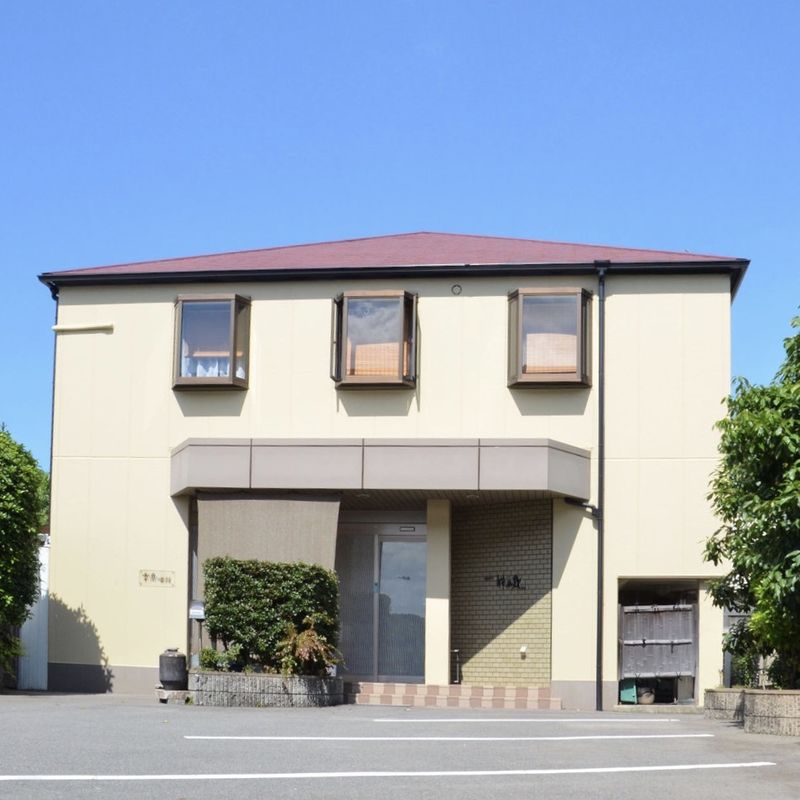
Best Hotels in Aridagawa
Discover curated hotel collections in Aridagawa
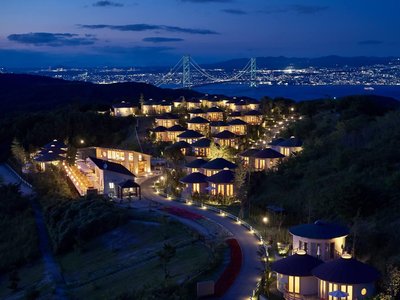

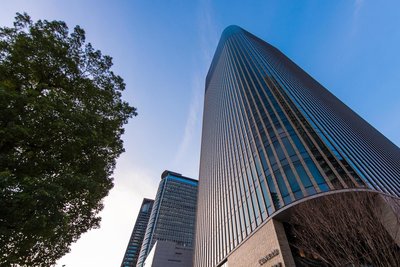
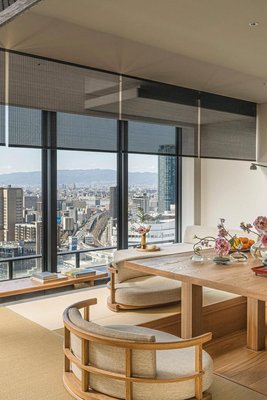

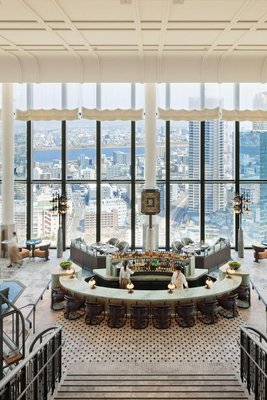
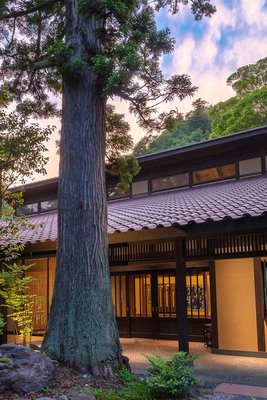
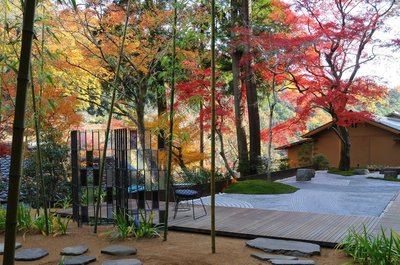
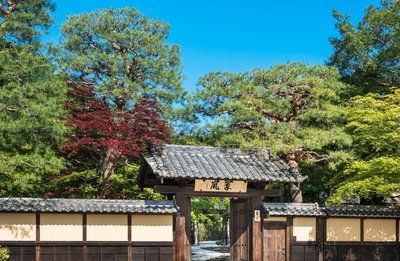























Frequently Asked Questions about Traveling to Aridagawa
Questions You Might Need to Know About Traveling to Aridagawa
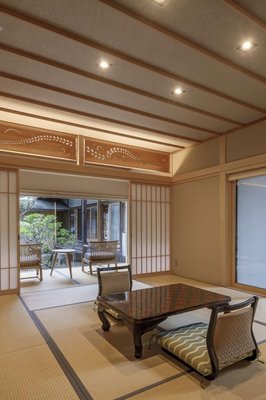
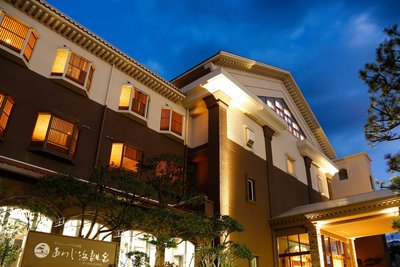
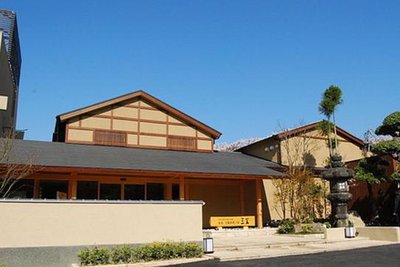
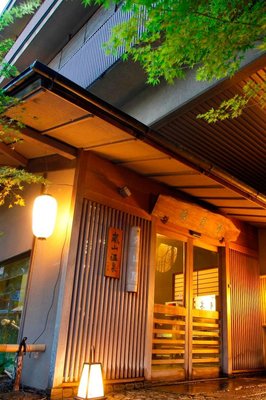
In Gotōgawa Town, the standout choice is Gotōgawa Onsen Ryokan, a centuries-old inn nestled along the Gotōgawa River. This authentic Japanese-style ryokan offers tatami-matted rooms, private onsen baths, and daily kaiseki meals featuring locally sourced ingredients like fresh river fish and organic rice. Guests can enjoy seasonal rituals such as cherry blossom viewing in spring or autumn foliage walks. The inn also provides guided tours to nearby ancient temples and pottery workshops, offering immersive cultural experiences. With its serene atmosphere and deep-rooted traditions, it’s perfect for travelers seeking genuine Wakayama culture.
The best area for staying in Gotōgawa Town is the riverfront district near Ohashi and Ohara Village. This tranquil zone blends natural beauty with local charm, with easy access to onsen streets, craft markets, and rice paddy walking trails. Stay at Inagawa House, a family-run guesthouse on Ohara Lane, which offers cozy rooms, free bicycles, and personalized local guides. Evening lantern walks along the river enhance the peaceful ambiance. The area is also known for its low light pollution, making it ideal for stargazing and quiet reflection under the night sky.
Gotōgawa Town offers exceptional cultural immersion through its traditional pottery workshops in Ohara Pottery Village, where visitors can craft their own ceramic pieces using local clay. Each piece tells a story of generations of artisans. Another highlight is the Firefly Festival in May, held along the Gotōgawa River, where thousands of fireflies illuminate the night like stars. During the festival, guests enjoy Wakayama folk singing, handwoven textile displays, and evening tea ceremonies, all rooted in local heritage. These experiences provide a profound connection to rural Japan’s living traditions.
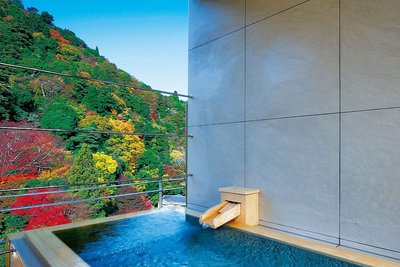
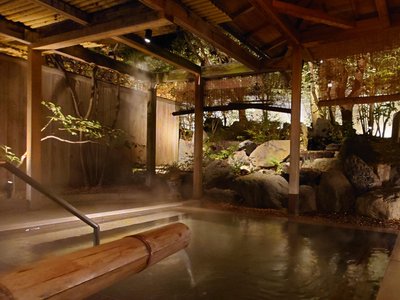
The hot springs in Gotōgawa Town are exceptional, especially Ohara Onsen, renowned for its alkaline bicarbonate-rich waters that soothe skin and muscles. Many ryokans offer private onsen baths—such as Gotōgawa Onsen Annex—with packages including aromatherapy massages and matcha tea ceremonies. Some open-air baths overlook lush rice fields and forests, creating stunning views during sunrise or twilight. For ultimate relaxation, visit in the evening when the steam rises gently above the river, blending nature and wellness in perfect harmony.
Yes, Gotōgawa Town is highly family-friendly. The town features a Children's Nature Discovery Park by the river, where kids can observe frogs, dragonflies, and aquatic plants. The Ohara Craft Workshop hosts interactive pottery classes for parents and children to create keepsakes together. A safe, scenic rice paddy bike trail winds through the countryside, with rest stops at farm cafés serving homemade mochi and fruit juice. Most guesthouses provide cribs, high chairs, and kid-friendly menus, ensuring a stress-free, joyful vacation for all ages.
Must-try dishes in Gotōgawa Town include local rice cakes (mochi) made from organically grown Yukihime rice, served warm with green tea or plum jam. Another specialty is fresh river fish grilled over charcoal, especially crucian carp, enhanced with yuzu citrus sauce. Don’t miss cold tofu from Ohara Tofu Shop, served with ginger and soy sauce—a refreshing summer treat. Many restaurants use a local farm-to-table system, sourcing ingredients within hours of harvest, ensuring peak freshness and flavor. It’s a true taste of Wakayama’s agricultural heart.
The best times to visit Gotōgawa Town are spring (March to May) and autumn (September to November). Spring brings blooming cherry blossoms and early fireflies along the Gotōgawa River, while autumn paints the rice paddies golden and the hills crimson. Temperatures are mild, perfect for hiking, cycling, and soaking in onsen. Key events include the Firefly Festival in May and the Harvest Festival in October, both offering rich cultural programming. Avoid summer humidity and rainy season for a more comfortable and memorable experience.
Top photo spots in Gotōgawa Town include the Gotōgawa Suspension Bridge, especially at dawn when mist curls around the rails; the Ohara Rice Paddy Terraces, which offer breathtaking views of mirrored fields during spring planting and autumn harvest; and the ancient temple bell tower, framed by red eaves and moss-covered walls. At night, the lantern-lit riverside path creates dreamy reflections. For candid shots, visit the craft market during daytime to capture locals shaping pottery or weaving textiles—authentic moments of rural life.
From Osaka, take the Nankai Electric Railway to Wakayama City Station, then transfer to the Wakayama Electric Railway for a 40-minute ride to Gotōgawa Station. The journey takes about 1.5 hours and offers scenic views of the Kii Peninsula. Alternatively, book a private car service or use a JR Pass for discounted rail travel. Upon arrival, rent bicycles to explore the town freely. The town is compact and walkable, making it easy to navigate without a car.
Gotōgawa Town has a peaceful, low-key nighttime atmosphere. As dusk falls, lanterns glow softly along the riverbank, and small stalls sell warm dango and hot soup dumplings. Some ryokans host evening tea ceremonies or folk storytelling sessions by the fireplace. Occasionally, the Ohara Theater presents intimate performances of Wakayama folk songs or tea ceremony demonstrations. With minimal nightlife but deep cultural warmth, it’s ideal for travelers seeking tranquility, starry skies, and quiet moments away from urban chaos.
Aridagawa Overview
City Summary
Aridagawa Town in Wakayama Prefecture, Japan, is renowned for its natural beauty and traditional crafts. Nestled along the Aridagawa River valley, it's famous for citrus farming and millennia-old Arita-yaki pottery. The town offers slow travel experiences with artisan workshops and rural landscapes, ideal for cultural immersion seekers.
Must-See Attractions
Must-visit spots include the breathtaking waterfalls of Aridagawa Valley and the Arita-yaki Traditional Industry Hall showcasing ceramic artistry. Shimizu Stream Park provides cool respite in summer, while citrus farm picking experiences highlight agricultural heritage. The Town History & Folklore Museum offers deeper insights into local traditions.
Food Guide
Don't miss Arida citrus desserts and juices, or seasonal mountain vegetable cuisine. Try regional hot pots served in pottery bowls for dual cultural appreciation. Fresh seafood from nearby ports and local chicken dishes exemplify Wakayama's land-sea culinary fusion. Many restaurants feature ingredients from adjacent farms.
Transportation Guide
Accessible via JR train to Fujinami Station (from Osaka) + 40-minute bus. Community buses (limited schedules) and rental cars are primary options locally - consider renting at JR stations. Ample parking at attractions but narrow mountain roads require caution. The compact town center is best explored on foot.
Best Time to Visit
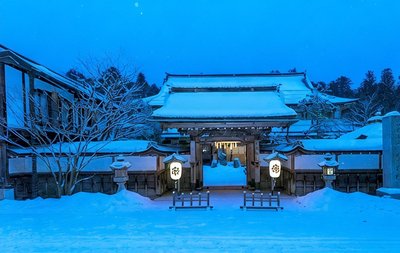
Spring-Autumn ideal: March-May for cherry/citrus blossoms, September-November for autumn foliage and harvest season. Summer (June-August) offers river activities despite heat, while winter (December-February) brings serene snowfall scenes with fewer tourists. Avoid Golden Week and Obon periods for better rates.
Travel Tips
- Observe studio notices - never touch pottery without permission
- Prepare non-slip shoes and rain gear for variable mountain weather
- Carry trash bags as rural bins are scarce
- Most eateries are cash-only - bring sufficient yen
- Hot springs usually require bringing small towels
- Book farm experiences in advance and arrive punctually
- Limited night lighting - return before sunset
- Use regional greeting "Ookini" (meaning thanks)
Useful Information
Japanese is primary language with basic English signage. 4G coverage exists but may weaken in valleys - consider pocket WiFi from Osaka convenience stores. Few ATMs accept foreign cards (better exchange in cities). Emergency: Dial #110 (police) or #119 (ambulance). Nearest full hospital is in neighboring town. Limited convenience stores - prepare essentials. Power outlets are Type A (100V). Many ryokans use tatami rooms - familiarize with floor etiquette.