Hotels in Asagiri
Discover your perfect stay in Asagiri.
Asagiri(Japan) Travel 2026: Cheap Flights, Hotels & Top Attractions
Popular Landmarks in Asagiri
Discover the most iconic attractions in Asagiri
Recommended Hotels in Asagiri
Find the perfect place to stay in Asagiri
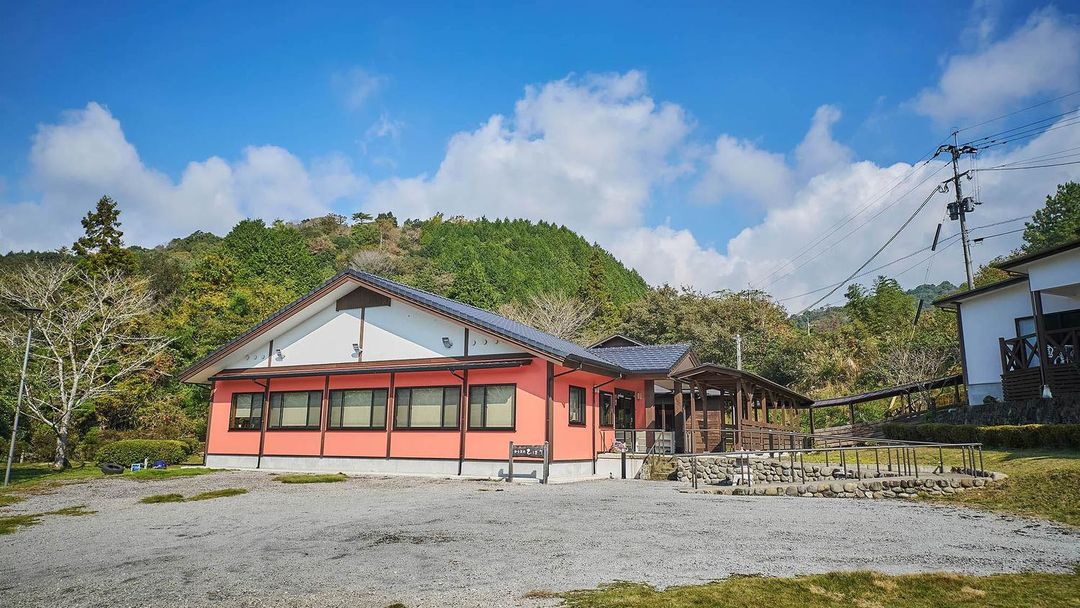
Asagiri Sanso Hibari
Best Hotels in Asagiri
Discover curated hotel collections in Asagiri
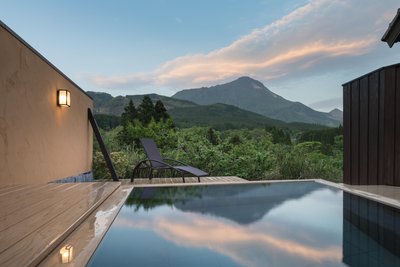
Ikkoten
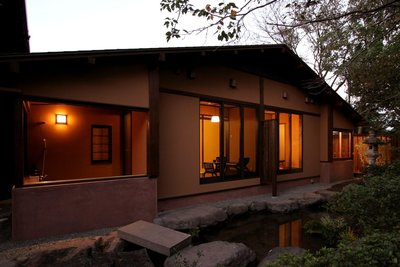
SEKIYA RESORT Bettei Haruki
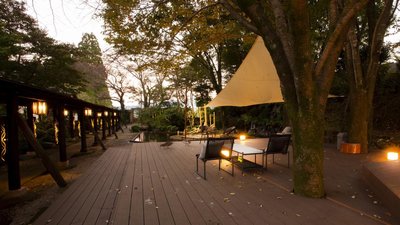
Chikurakutei
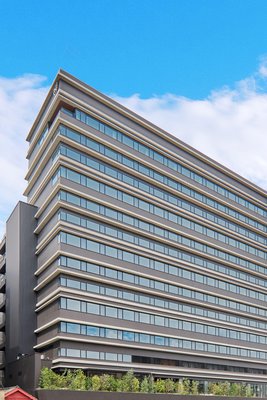
The Royal Park Canvas Fukuoka Nakasu
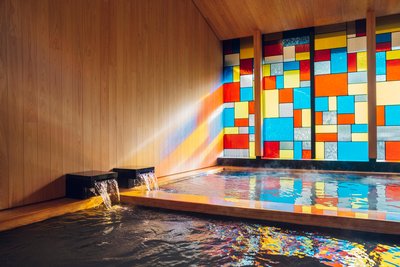
Hoshino Resorts Kai Unzen
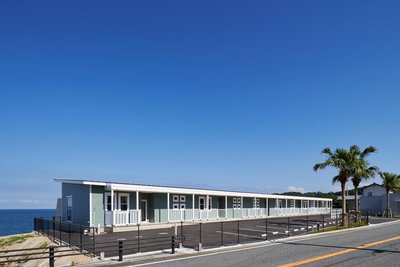
Alfacio Resort Stay Itoshima
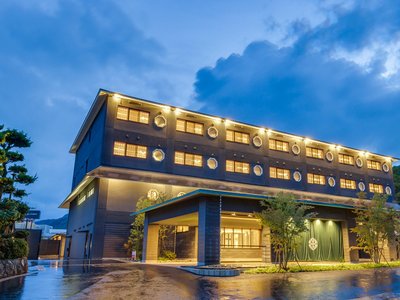
Ureshino Yadoya

seven x seven itoshima
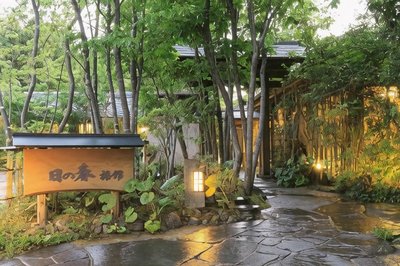
Yufuin Onsen Hinoharu Ryokan
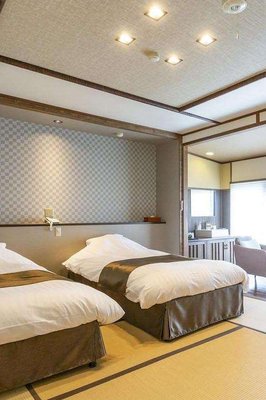
Sozankyo
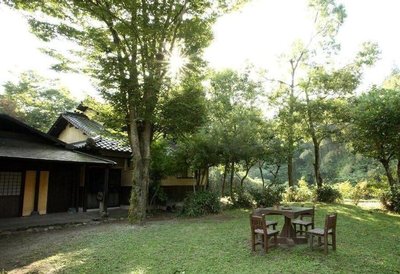
Yamashinobu
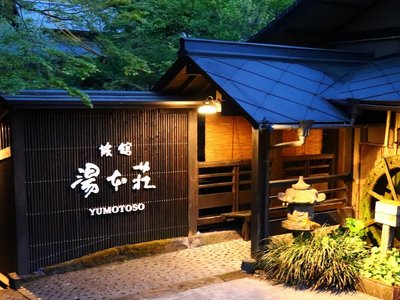
Ryokan Yumotosou
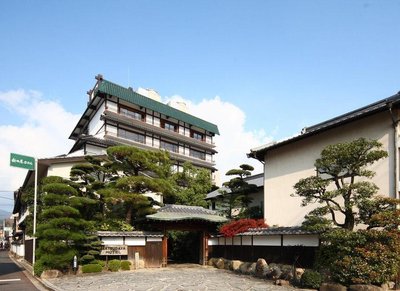
Matsudaya Hotel
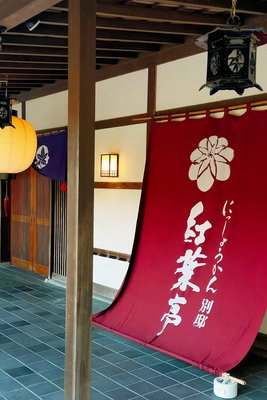
Nisshokan Bettei Koyotei
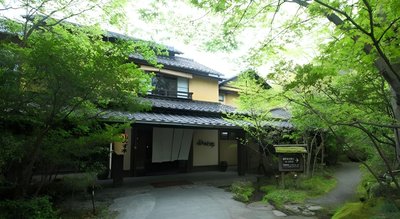
Kurokawaonsen Yamamizuki
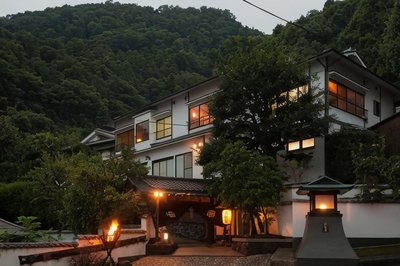
Beppu Showaen
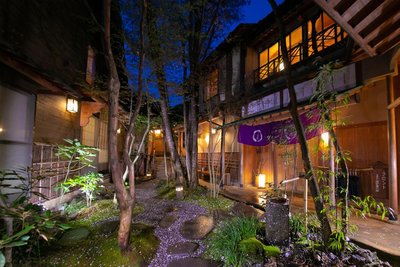
Oyado Ichizen
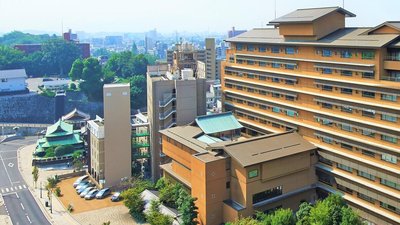
Yamatoya Honten

Garden Terrace Nagasaki Hotel & Resort
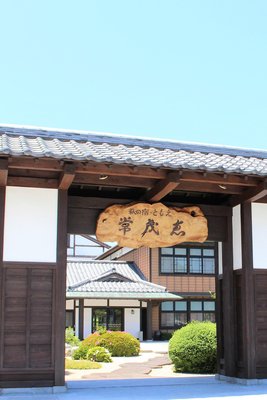
Hagi No Yado Tomoe
Garden Terrace Nagasaki Hotel & Resort

Holiday Inn Resort Miyazaki
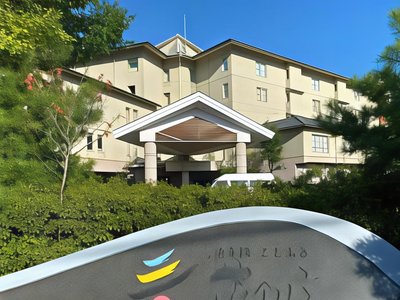
Yufuin Kotobuki Hananosho
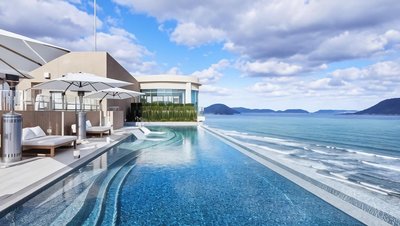
Karatsu Seaside Hotel
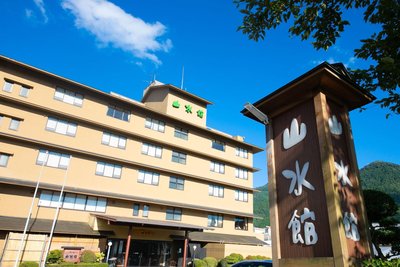
Yufuin Sansuikan
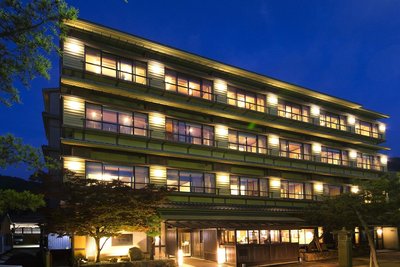
Kinsuikan
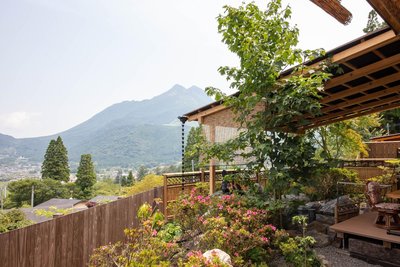
Yufuin-Sanso Waremokou
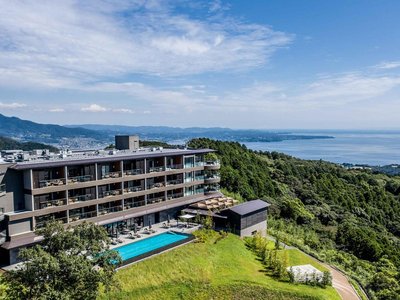
Ana InterContinental Beppu Resort & Spa
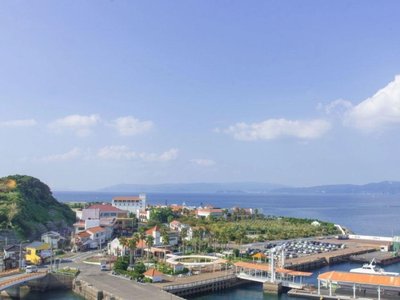
I+Land Nagasaki
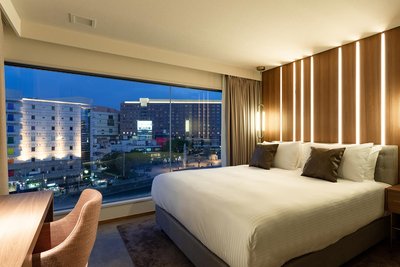
The OneFive Villa Fukuoka
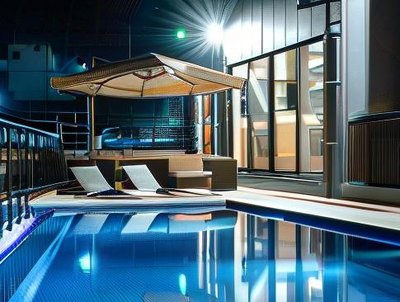
LiVEMAX RESORT MIYAHAMA ONSEN OCEAN
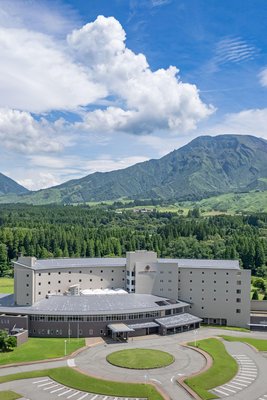
KAMENOI HOTEL ASO
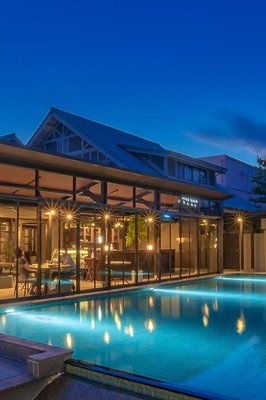
Amane Resort Gahama
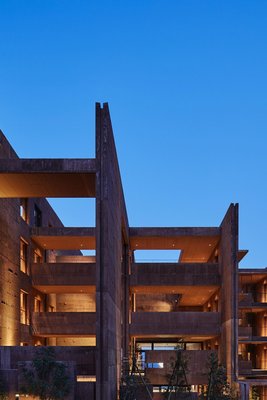
SEKIYA RESORT GALLERIA MIDOBARU
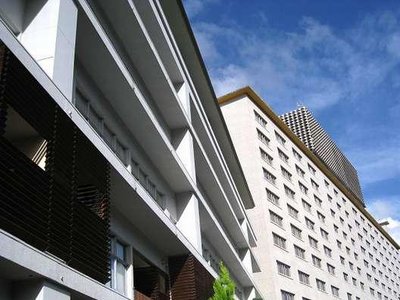
Beppu Suginoi Hotel

Phoenix Seagaia Ocean Tower
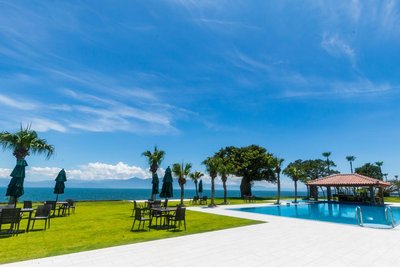
Kagoshima Sunamushi Onsen Ibusuki Hakusuikan
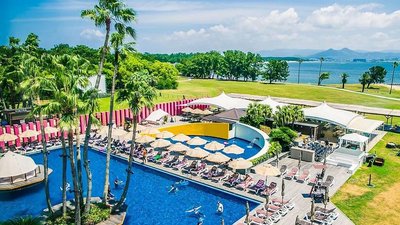
The Luigans Spa and Resort
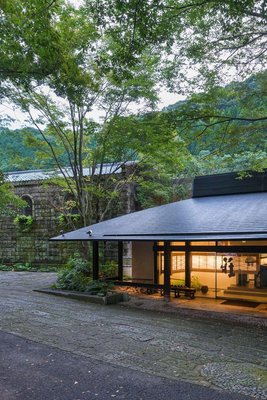
Myoken Ishiharaso

SHIROYAMA HOTEL kagoshima
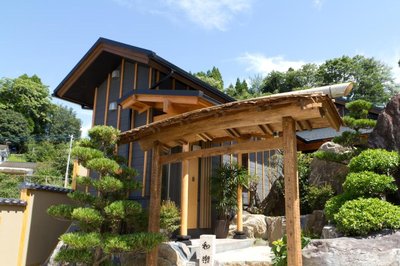
Ryokan Shinsen
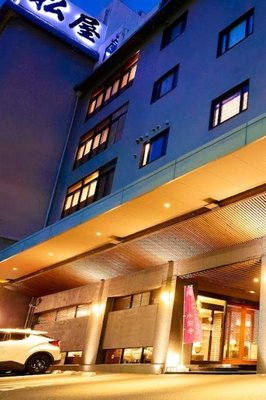
Ryotei Matsuya Honkan Suizenji
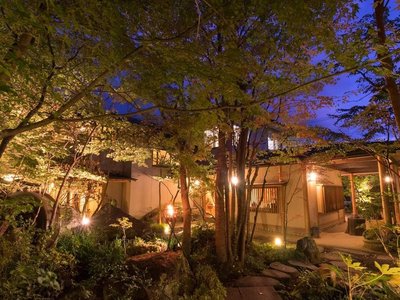
Ryoso Yufuin Yamadaya
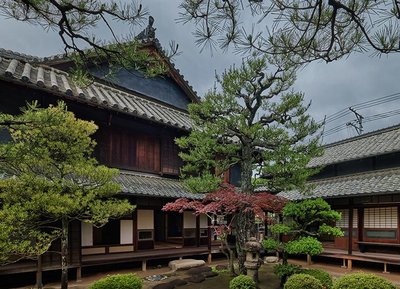
NIPPONIA HOTEL Takehara Saltworks Town
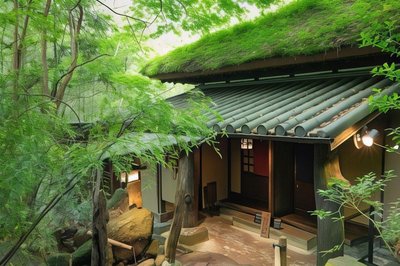
Sanso Tensui
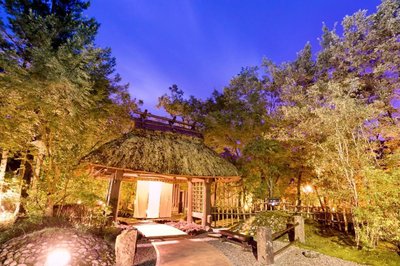
Satonoyu Waraku
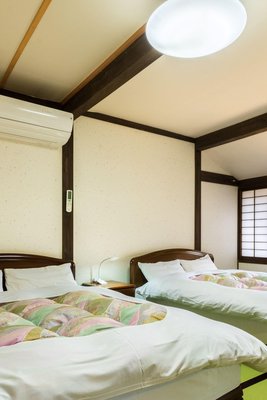
Tobise Onsen Tenga Sanso
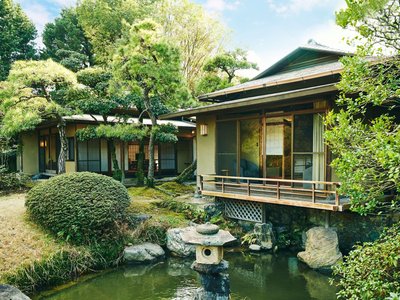
Suisui Garden Ryokan (in the Art Hotel Kokura New Tagawa)
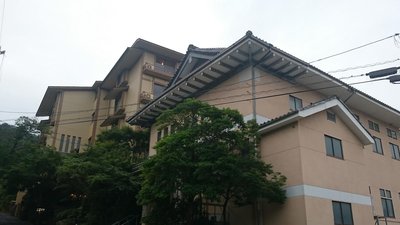
Miyajima Hotel Makoto
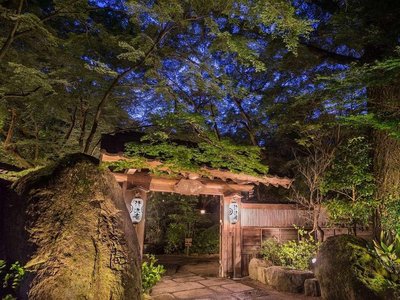
Akizuki Spa Ryokan Seiryuan
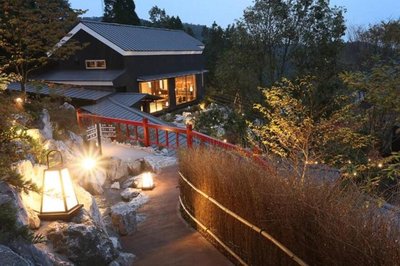
Gekkoju Kurokawa
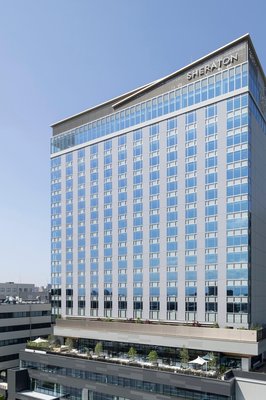
Sheraton Kagoshima
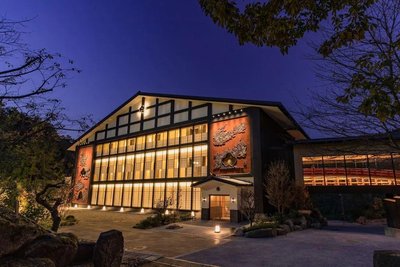
Okuhita Onsen Umehibiki
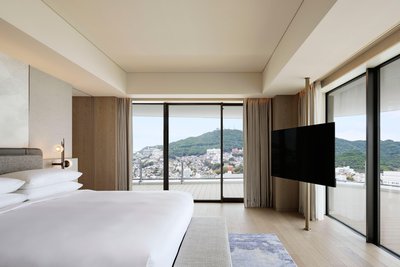
Nagasaki Marriott Hotel
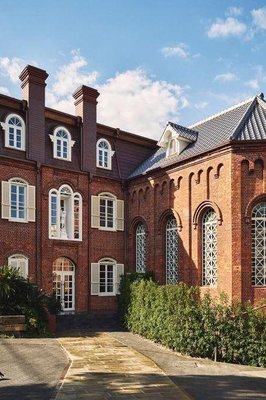
Hotel Indigo Nagasaki Glover Street by IHG
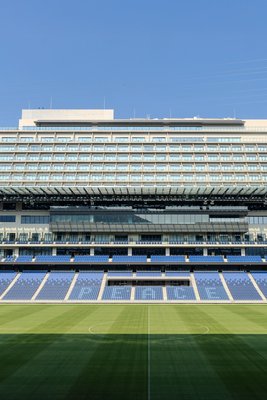
Stadium City Hotel Nagasaki
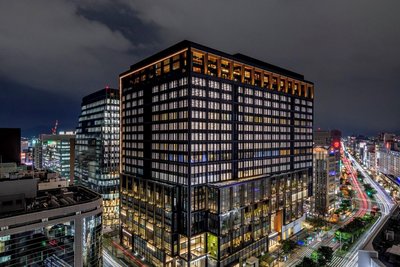
ONE FUKUOKA HOTEL
Ryokan Shinsen
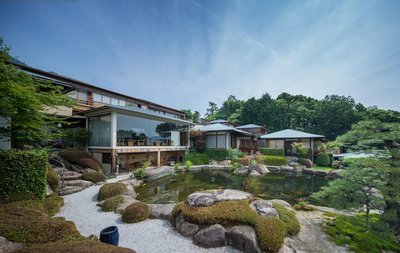
SEKITEI

Yamatoya Besso
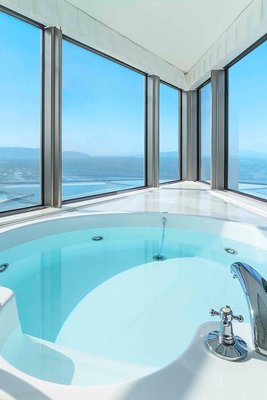
Hilton Fukuoka Sea Hawk

Olive Bay Hotel
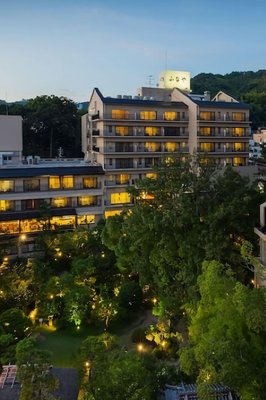
Funaya
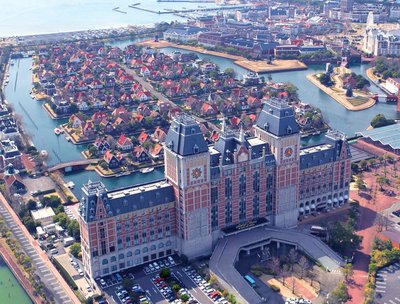
Hotel Okura Jr Huis Ten Bosch
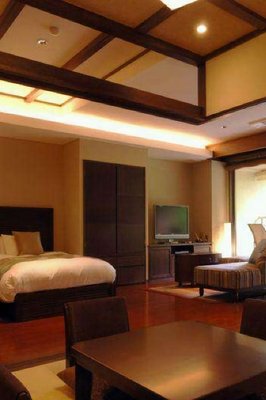
Bettei Oborozukiyo

La Vista Kirishima Hills
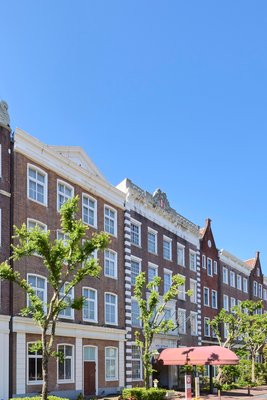
Hotel Amsterdam Huis Ten Bosch

Yumotoankiyohime
Ana InterContinental Beppu Resort & Spa
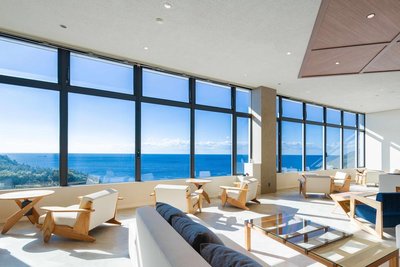
TheMana Village
Amane Resort Gahama

Hotel Barrière Fouquet's New York
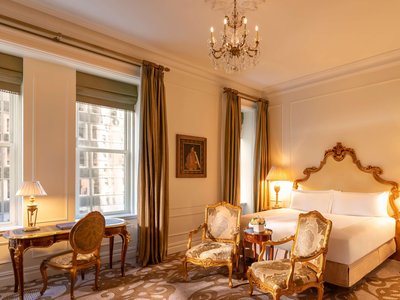
The Plaza - A Fairmont Managed Hotel
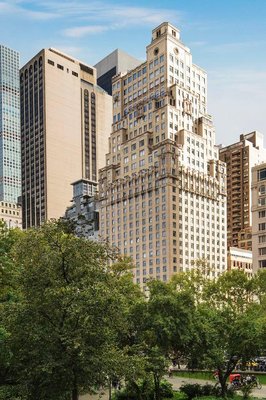
The Ritz-Carlton New York, Central Park

Four Seasons Hotel New York

The St. Regis New York
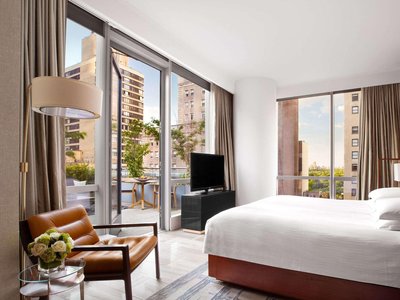
Park Hyatt New York
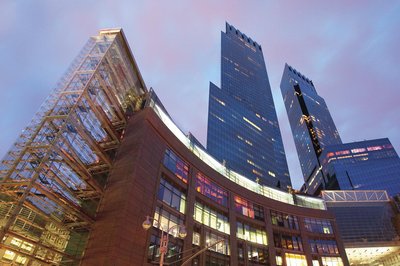
Mandarin Oriental New York

Times Square Edition New York

Loews Regency New York Hotel

Lowell Hotel
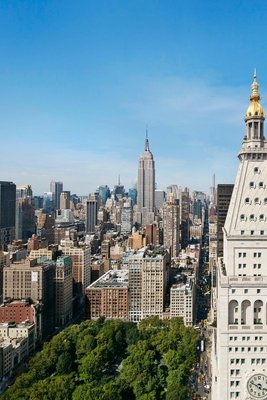
New York Edition
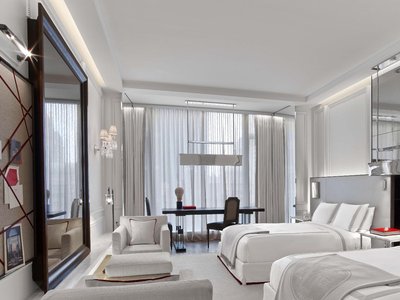
Baccarat Hotel New York

Equinox Hotel New York

Four Seasons Hotel New York Downtown
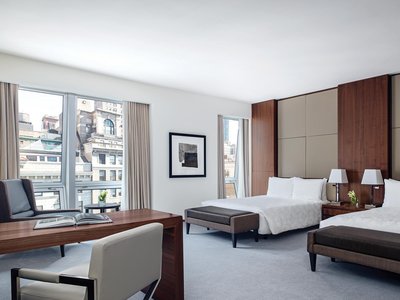
The Langham, New York, Fifth Avenue

The Carlyle, A Rosewood Hotel

The Chatwal, in the Unbound Collection by Hyatt

The Mark New York
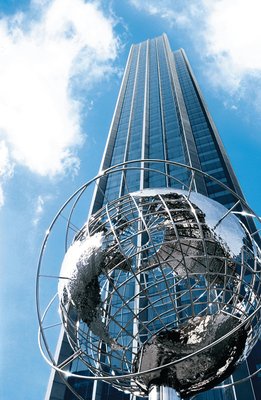
Trump International Hotel & Tower® New York
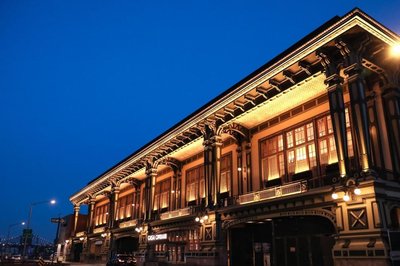
Casa Cipriani New York
Asagiri Overview
City Summary
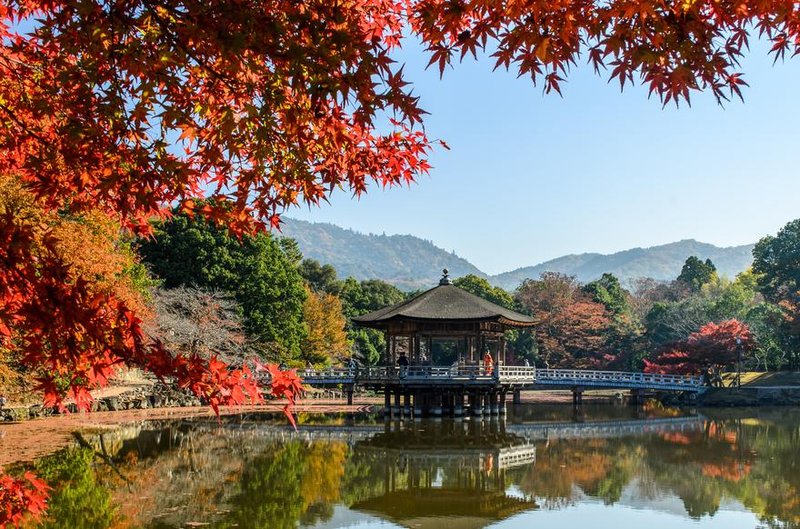
Asagiri Town, located in Kumamoto Prefecture, Japan, is renowned for its serene rural landscapes and abundant hot spring resources. The area boasts beautiful natural scenery with distinct seasons, featuring cherry blossoms in spring and vibrant autumn leaves. It is an ideal destination for those seeking relaxation and cultural experiences, with a deep-rooted hot spring culture and welcoming locals.
Must-See Attractions
Must-visit attractions in Asagiri Town include the famous "Asagiri Onsen," known for its clear, therapeutic waters. Additionally, the "Asagiri Highlands" offer excellent hiking and nature-viewing opportunities. Cultural enthusiasts can explore the "Asagiri Town History and Folklore Museum" to learn about the region's heritage.
Food Guide
The local cuisine in Asagiri Town is centered around rural dishes. Recommended delicacies include "basashi" (horse meat sashimi) and "Kumamoto ramen." Fresh local produce, such as "Asagiri specialty vegetables" and "local rice," are also must-tries. Guests can enjoy traditional "kaiseki" meals at hot spring inns for an authentic Japanese dining experience.
Transportation Guide
Public transportation in Asagiri Town primarily relies on buses, with a journey time of about one hour from Kumamoto City. Most local attractions are accessible on foot or by bicycle. Travelers are advised to check bus schedules in advance due to limited frequency. Renting a car from Kumamoto City is another option, offering scenic rural views along the way.
Best Time to Visit
The best times to visit are spring (March to May) and autumn (September to November), when the weather is mild and the scenery is stunning. Summers can be humid, and winters may bring snowfall, so travelers should plan according to their preferences.
Travel Tips
- Onsen Etiquette: Thoroughly wash your body before entering the hot spring, and do not wear swimwear.
- Cash is King: Credit card acceptance is limited in rural areas, so carry sufficient cash.
- Respect Local Culture: Follow customs at shrines, such as purifying your hands and mouth.
- Protect the Environment: Avoid littering to preserve the natural landscape.
- Comfortable Footwear: Rural areas often have gravel paths, so wear flat shoes.
- Book Ahead: Hot spring inns are often fully booked during peak seasons, so reserve early.
Useful Information
The primary language spoken in Asagiri Town is Japanese, with limited English proficiency. Learning basic Japanese phrases or using translation apps is recommended. Network coverage is generally good, though some rural areas may have weak signals. Payment is mostly cash-based, with some inns and restaurants accepting credit cards. For emergencies, dial 110 (police) or 119 (ambulance). Hot spring water can be very hot, so take care to avoid prolonged soaking.