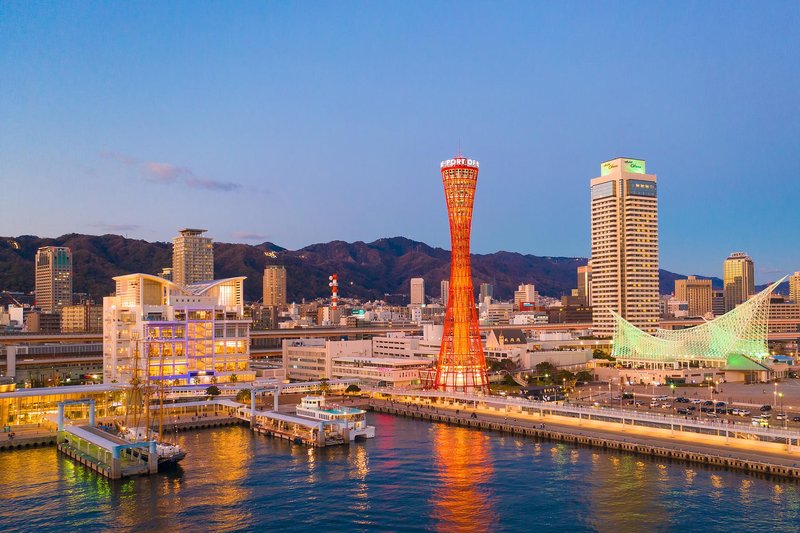
Hotels in Asago
Discover your perfect stay in Asago.
Asago(Japan) Travel 2026: Cheap Flights, Hotels & Top Attractions
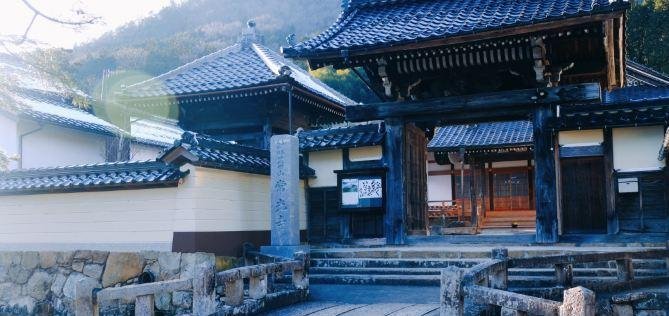
Popular Landmarks in Asago
Discover the most iconic attractions in Asago
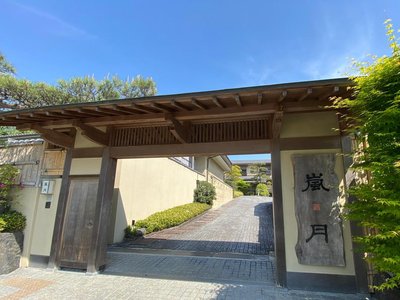
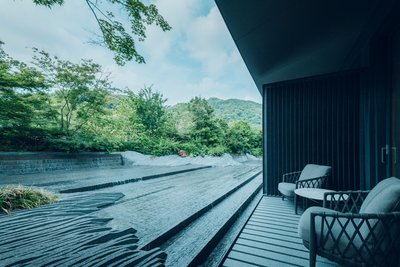
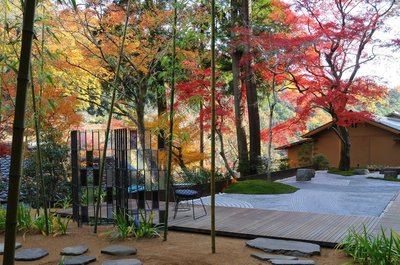
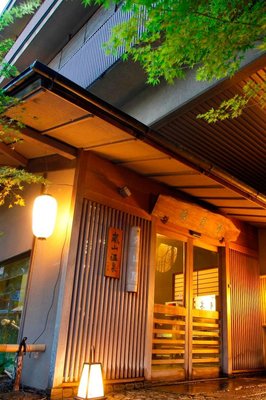
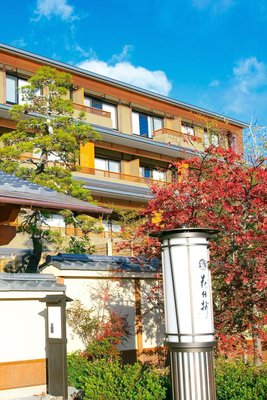
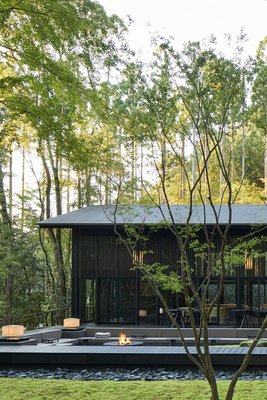
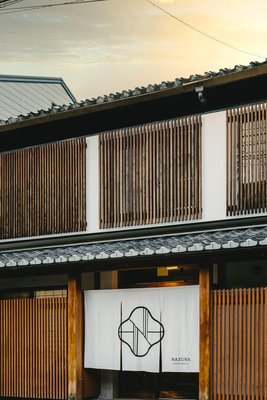
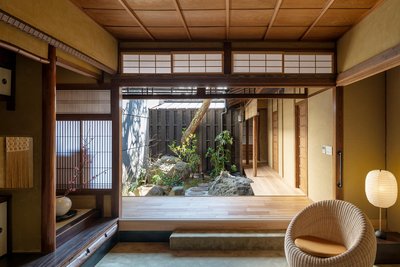
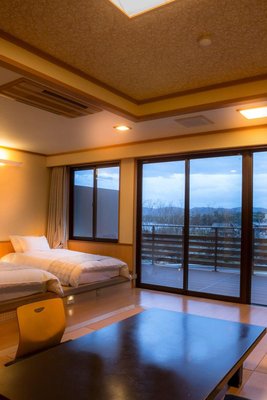
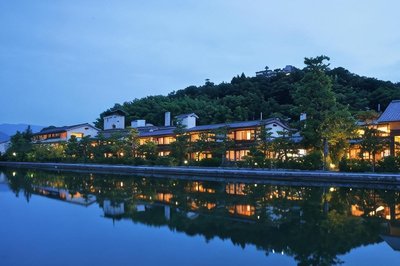
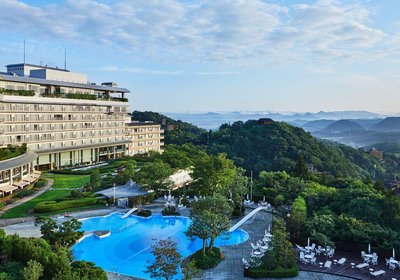
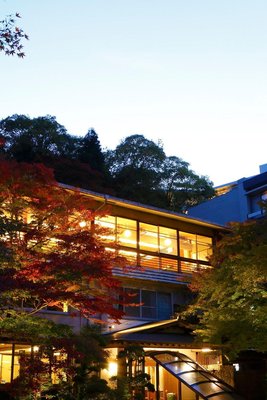
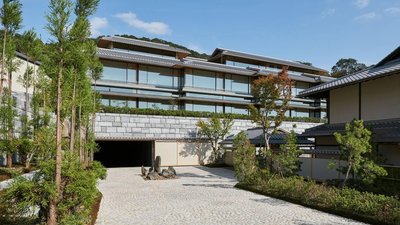
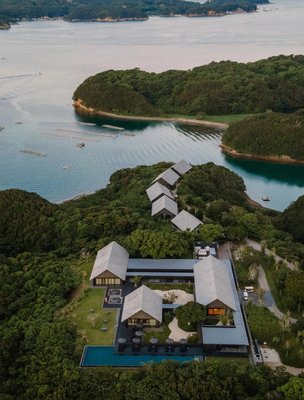
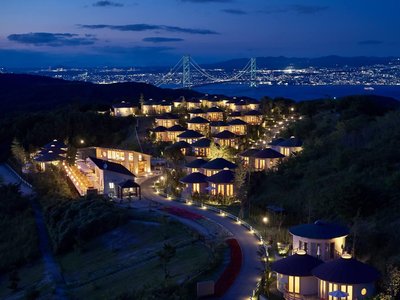
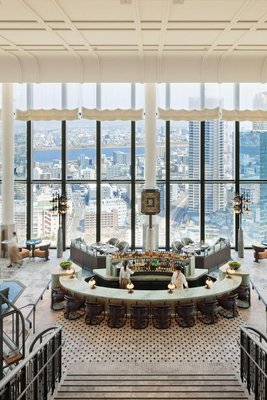
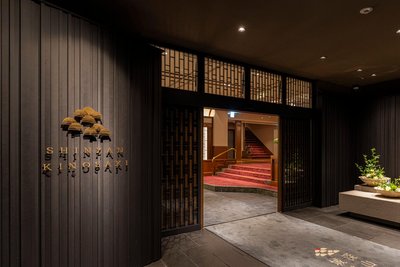
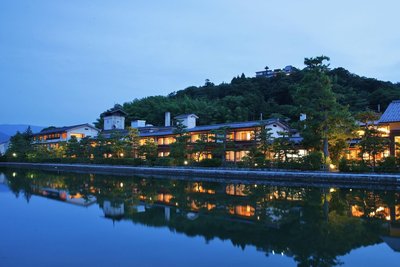
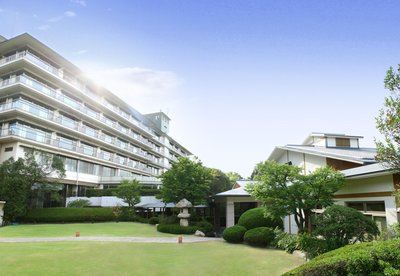
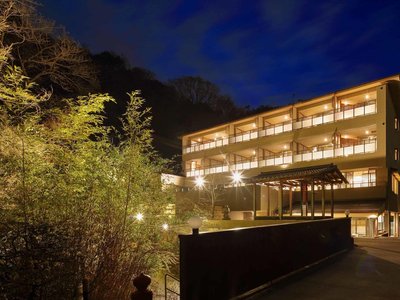
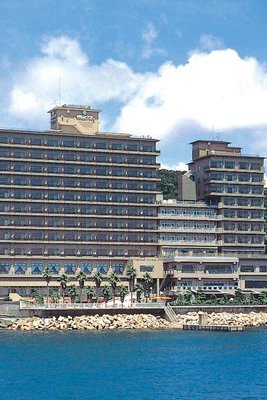
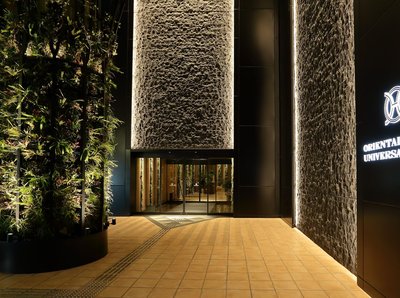
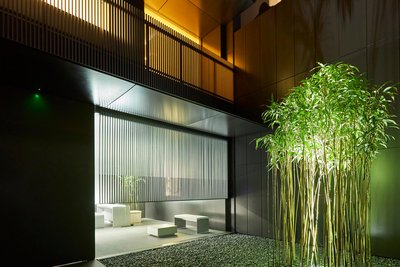
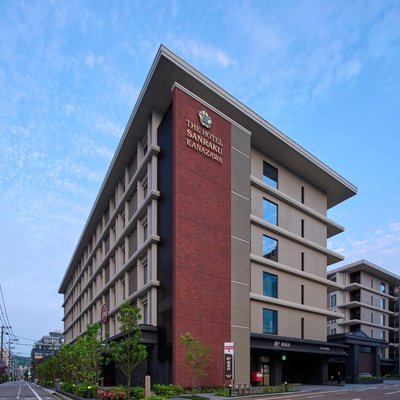
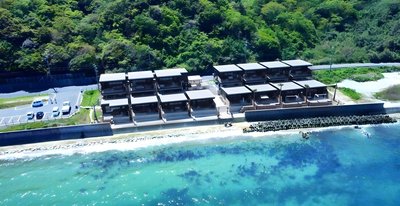
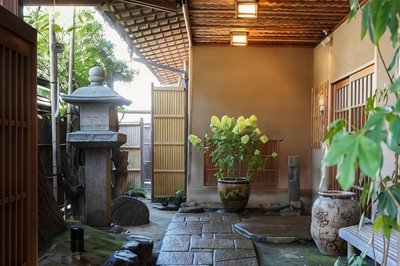
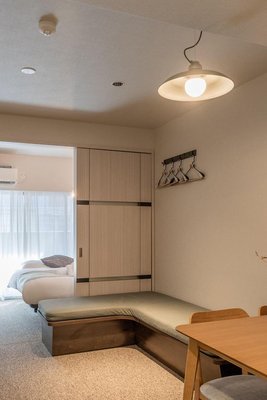
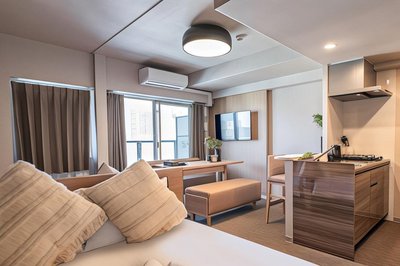
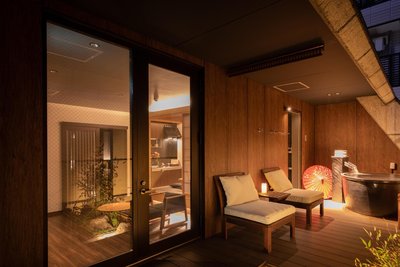
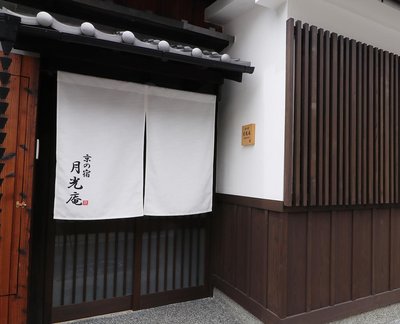
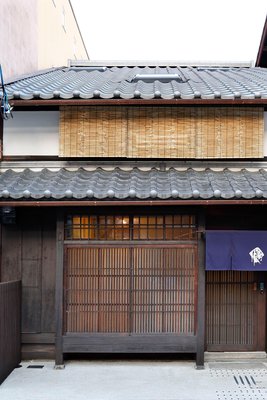
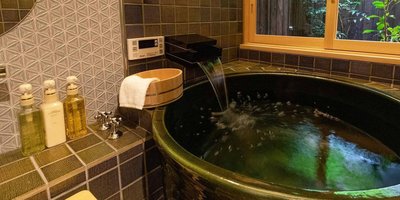
Recommended Hotels in Asago
Find the perfect place to stay in Asago
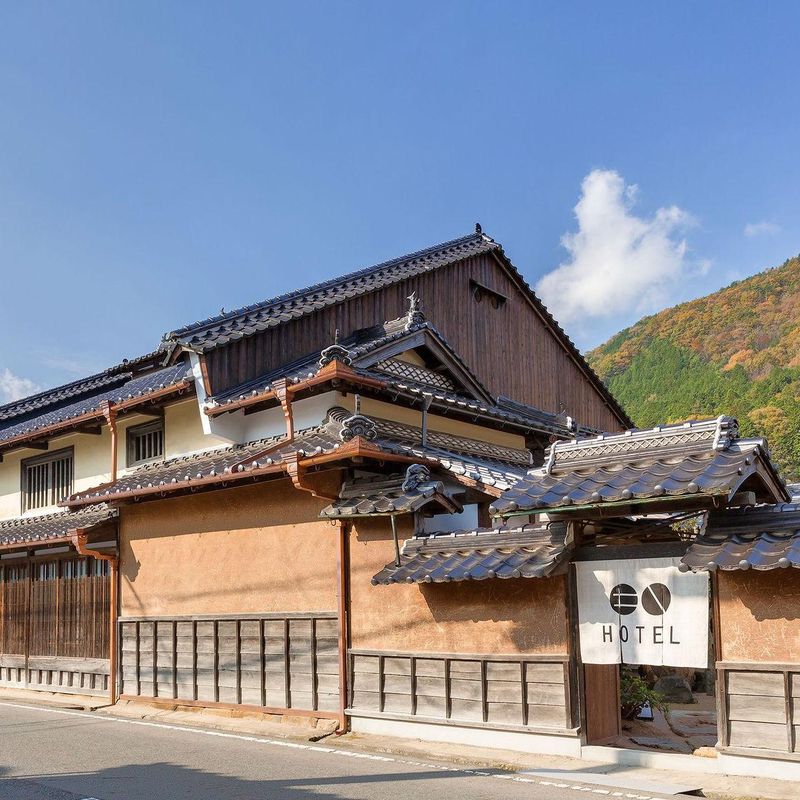
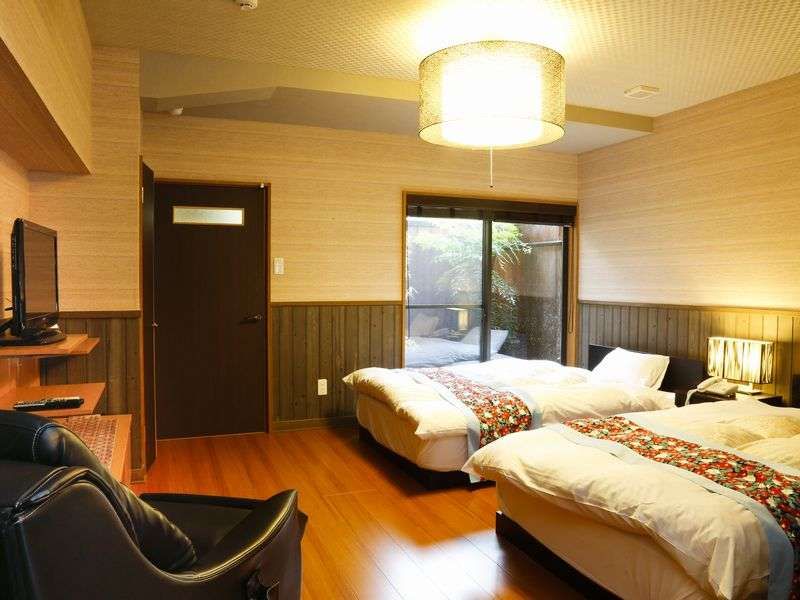
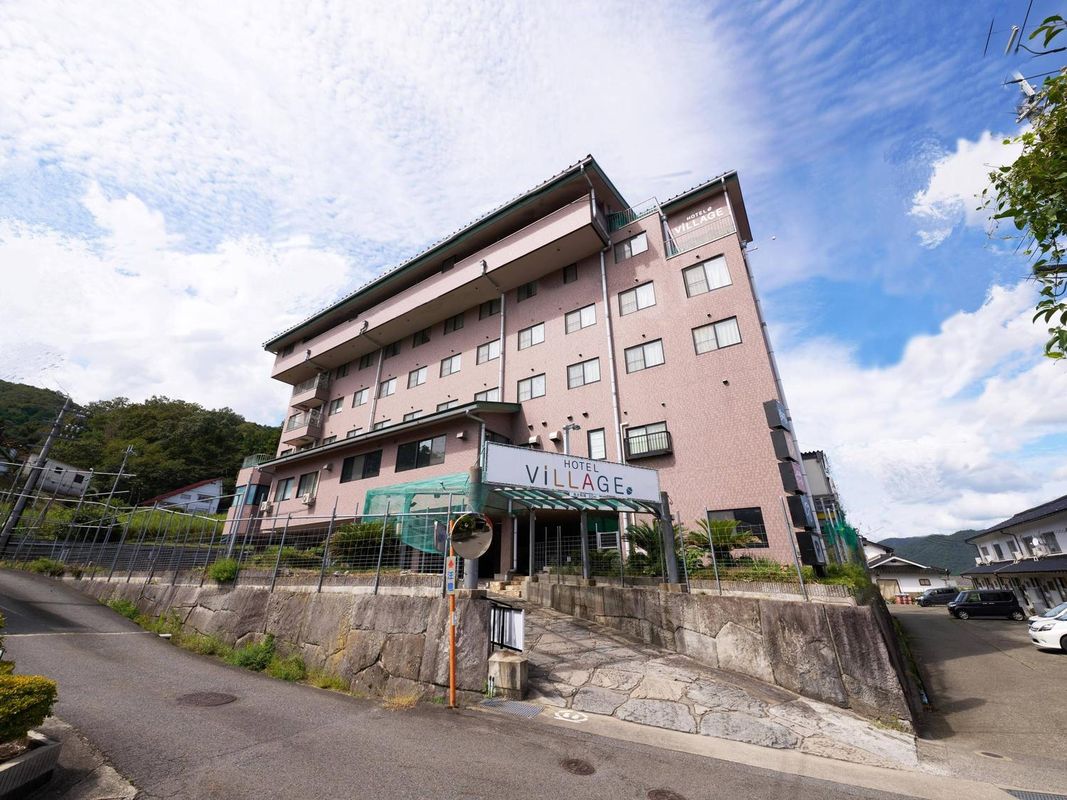
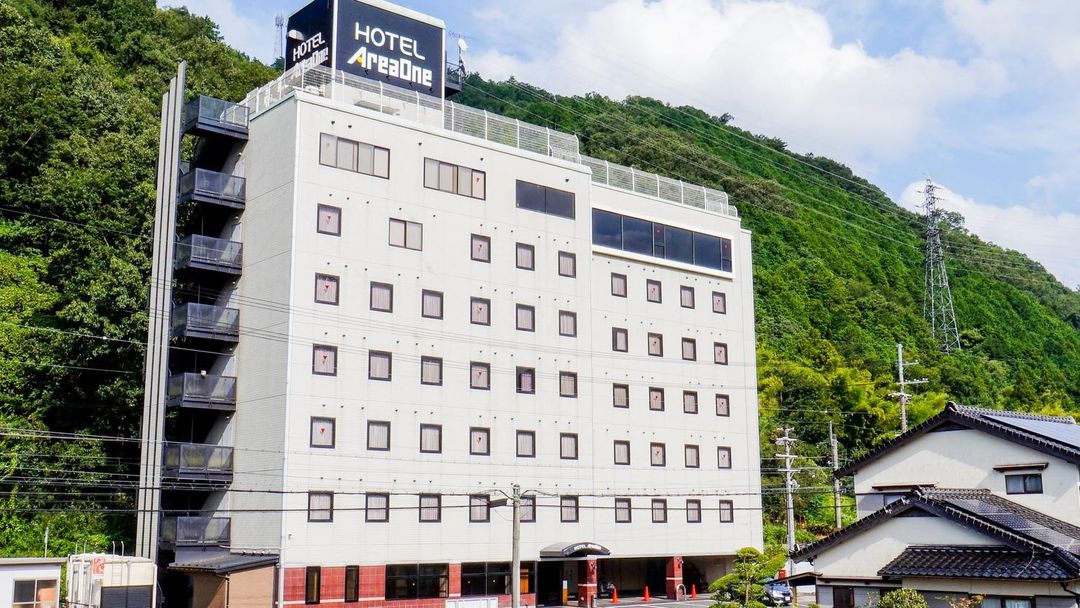
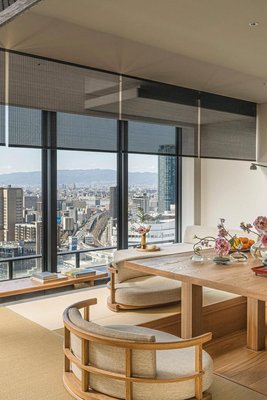
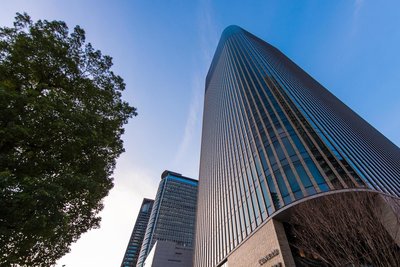
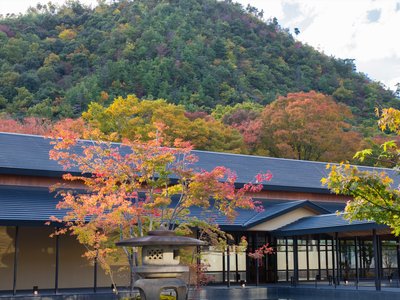
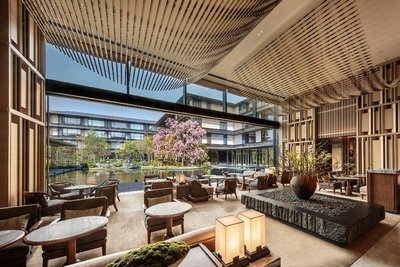
Best Hotels in Asago
Discover curated hotel collections in Asago

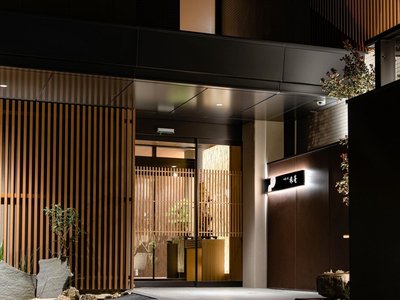
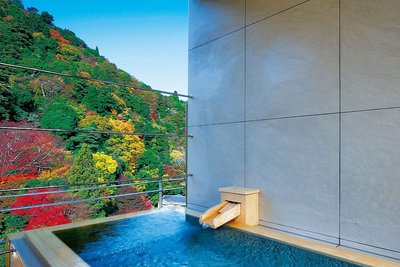
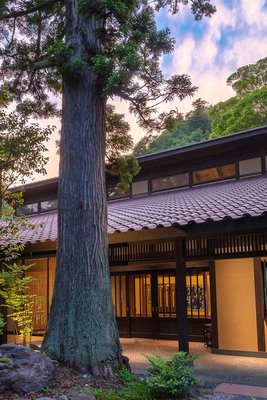
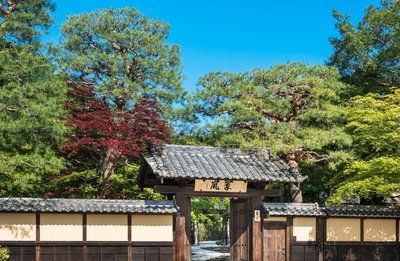
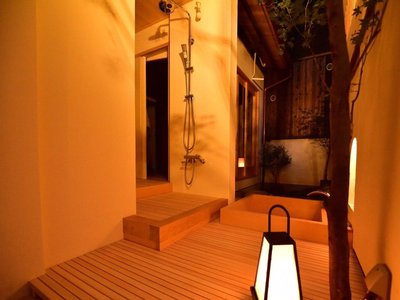

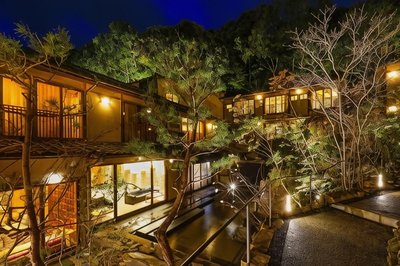
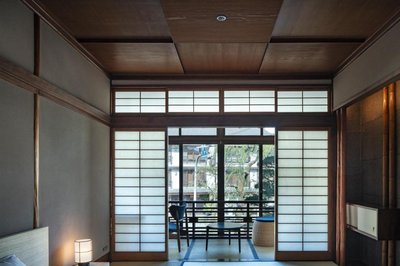
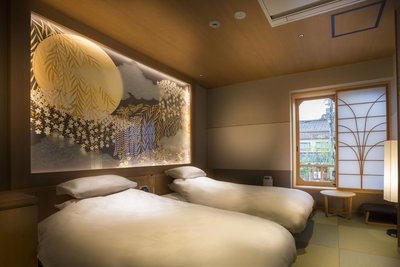


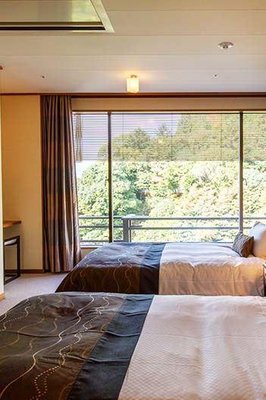
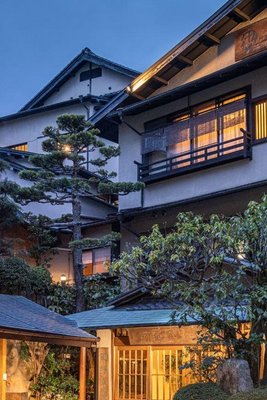
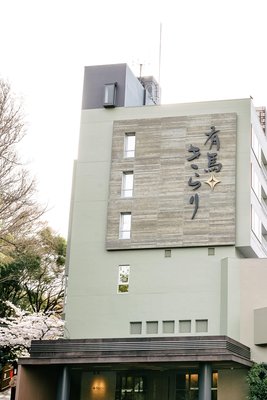
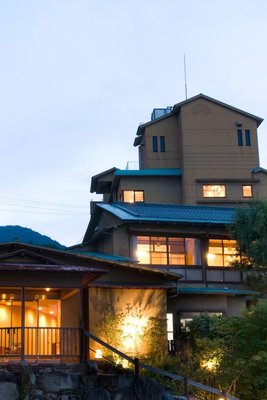



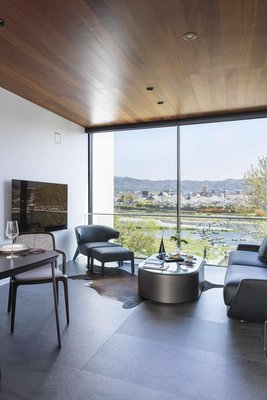
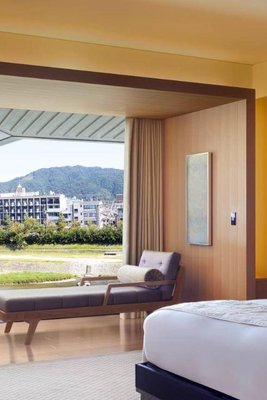
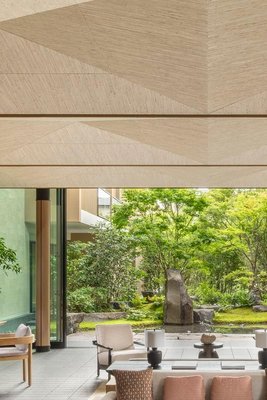
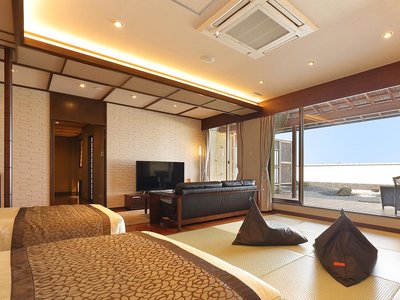
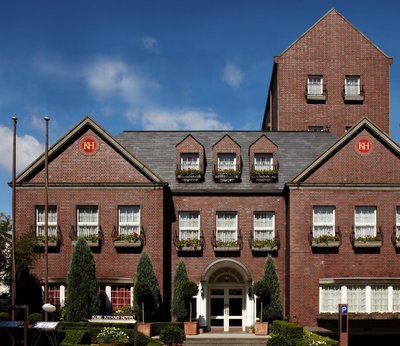



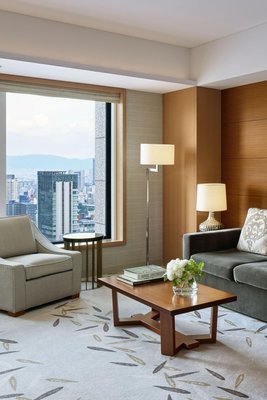

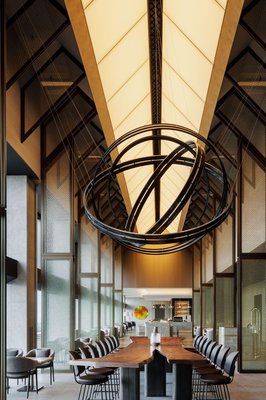





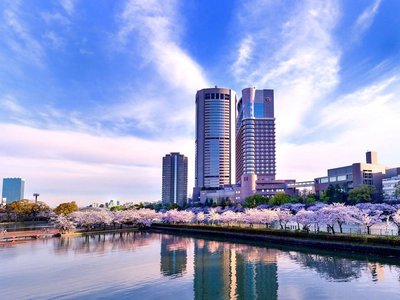
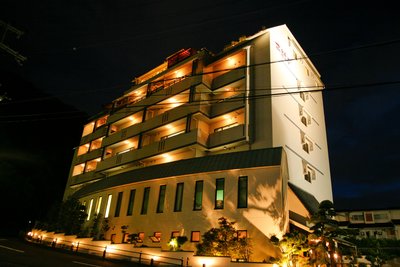
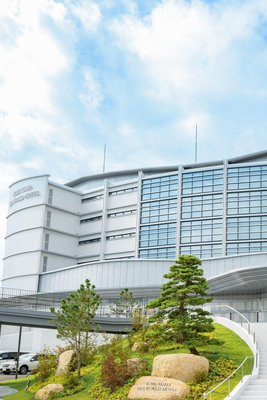
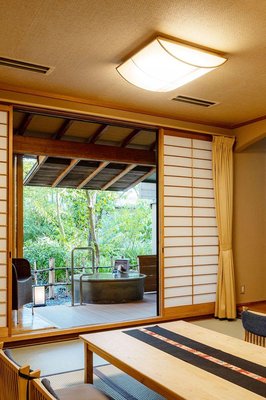
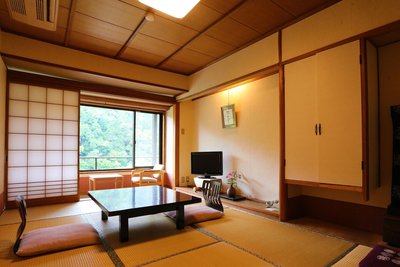
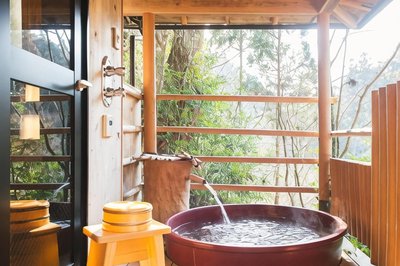
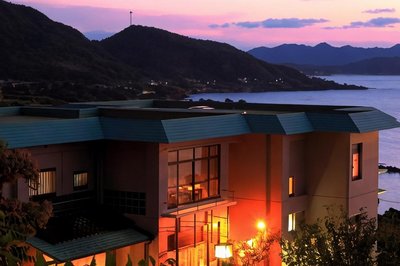

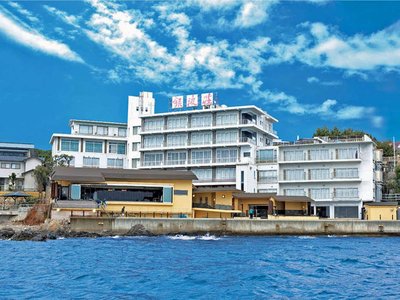




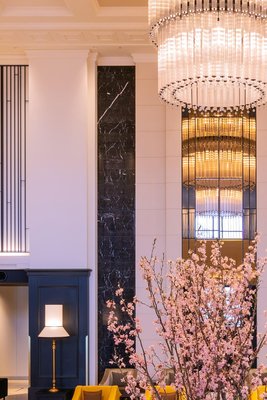















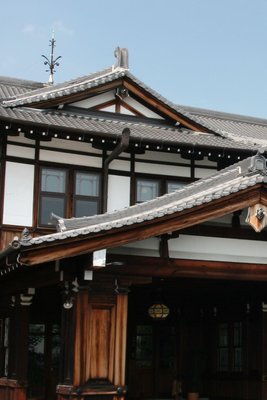



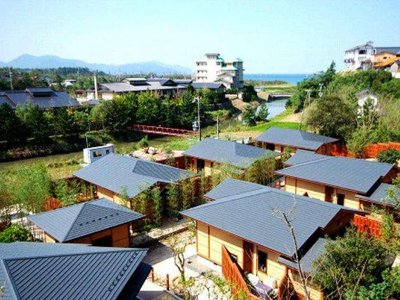
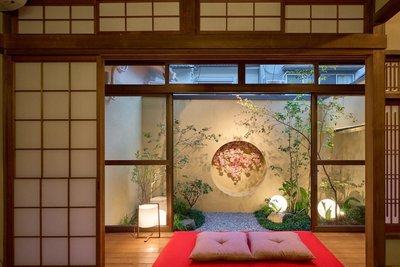
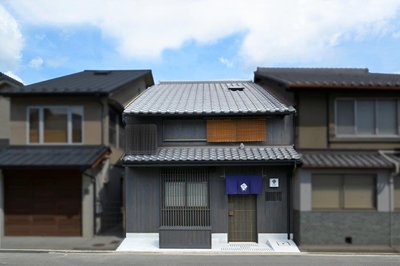
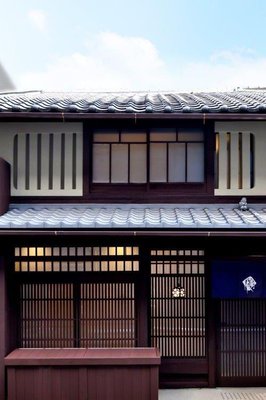
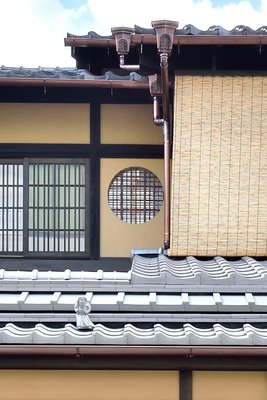
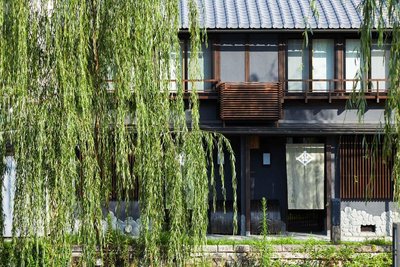
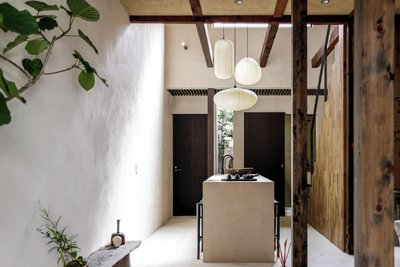
Frequently Asked Questions about Traveling to Asago
Questions You Might Need to Know About Traveling to Asago
Asago Overview
City Summary
Asago City, located in the northern part of Hyogo Prefecture, Japan, is renowned for its rich hot spring resources and ancient castle ruins, particularly Takeda Castle Ruins, often called "Japan's Machu Picchu." The city boasts beautiful rural landscapes and traditional Japanese countryside culture, making it an ideal escape from urban hustle.
Must-See Attractions
The Takeda Castle Ruins are a must-visit, especially during autumn when the sea of clouds creates a spectacular view. Ikuno Ginzan showcases Edo-era mining history, perfect for history enthusiasts. Hot springs like Takeda Onsen and Yumura Onsen offer relaxing experiences. Additionally, Asago Agriculture Park allows visitors to engage in farming activities and sample local produce.
Food Guide
Asago is famous for its black soybean dishes, especially black soybean rice and desserts. Tajima beef, a premium Wagyu variety, is exceptionally tender. Street food like soba noodles and soy sauce dumplings are also worth trying. Local restaurants often use fresh mountain vegetables, serving hearty rural cuisine.
Transportation Guide
Transportation in Asago relies on JR trains and buses. The JR Bantan Line connects nearby cities, with Takeda Station as the main hub. Buses within the city are infrequent, so check schedules in advance. Renting a car is more flexible, especially for visiting rural areas. From Osaka or Kobe, the JR journey takes 2-3 hours.
Best Time to Visit
The best time to visit is autumn (October-November), when the Takeda Castle Ruins are shrouded in stunning clouds, and the weather is cool. Spring (March-April) offers cherry blossoms but attracts more tourists. Summers are hot, and some sites may be snow-covered in winter.
Travel Tips
- Wear comfortable shoes for hiking to Takeda Castle Ruins.
- Follow onsen etiquette: wash thoroughly before entering baths.
- Some rural shops only accept cash, so carry yen.
- Respect local customs by keeping noise levels low.
- Pack warm clothing for autumn's temperature swings.
- Drive cautiously on narrow mountain roads if renting a car.
Useful Information
Japanese is the primary language; some tourist spots have basic English signage. Free Wi-Fi is available in urban areas but may be weak in mountains. Cash is preferred for payments, though cards work for large purchases. Dial 110 (police) or 119 (ambulance) in emergencies. Pharmacies are near stations; hospitals require travel to larger cities.