Hotels in Asahi
Discover your perfect stay in Asahi.
Asahi(Japan) Travel 2026: Cheap Flights, Hotels & Top Attractions
Popular Landmarks in Asahi
Discover the most iconic attractions in Asahi
Recommended Hotels in Asahi
Find the perfect place to stay in Asahi
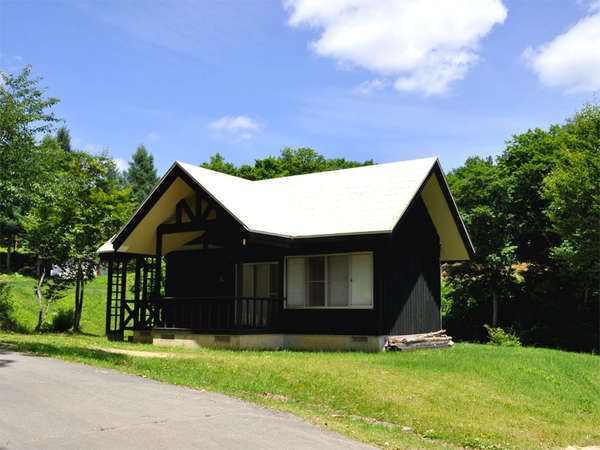
Asahi Shizenkan
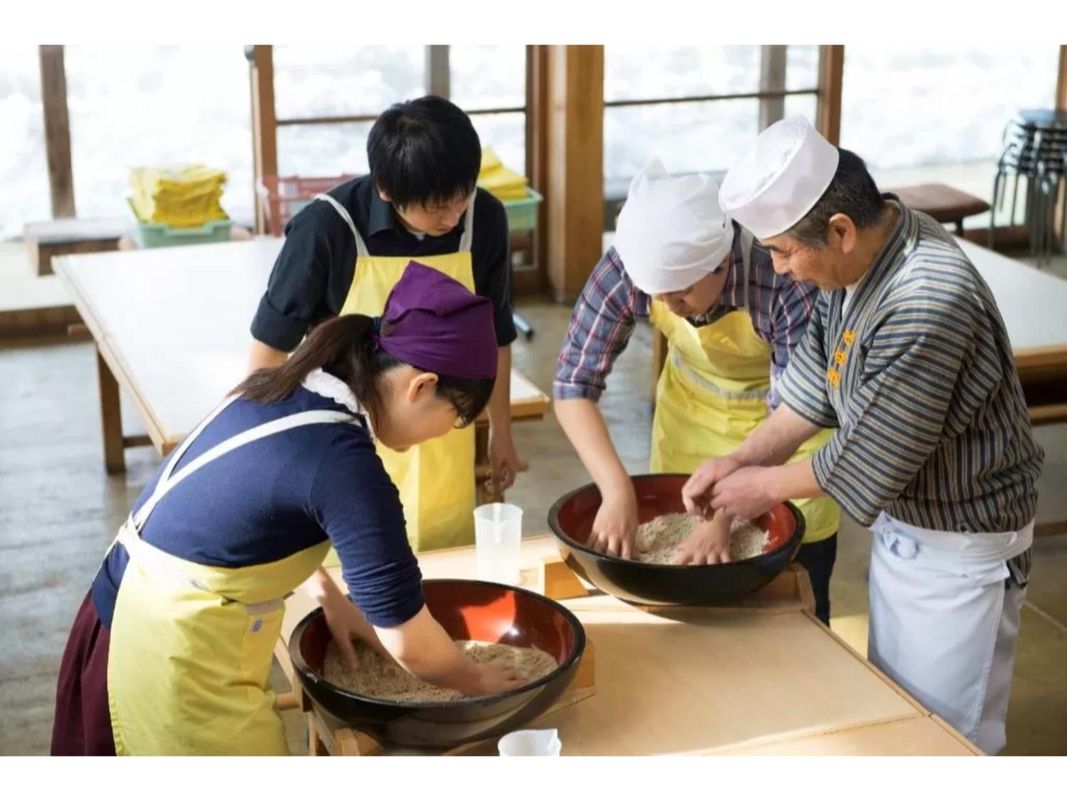
Daichan Farm Guest House
Best Hotels in Asahi
Discover curated hotel collections in Asahi
Bellustar Tokyo, A Pan Pacific Hotel
Bvlgari Hotel Tokyo
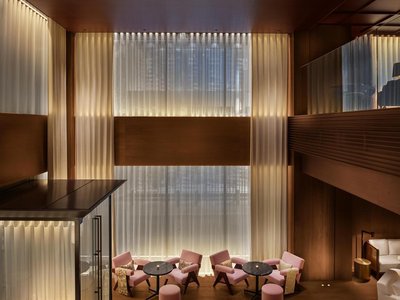
The Tokyo Edition, Ginza

Janu Tokyo
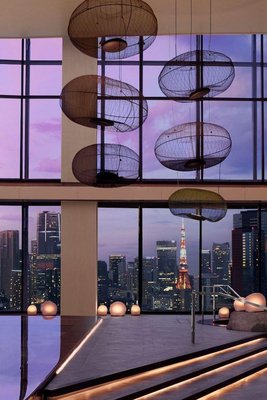
JW Marriott Hotel Tokyo
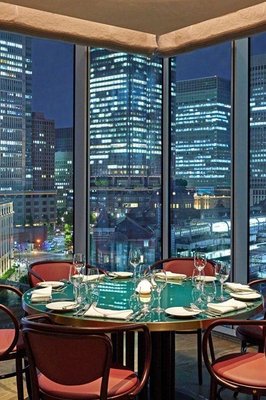
Four Seasons Hotel Tokyo at Marunouchi

Mandarin Oriental, Tokyo
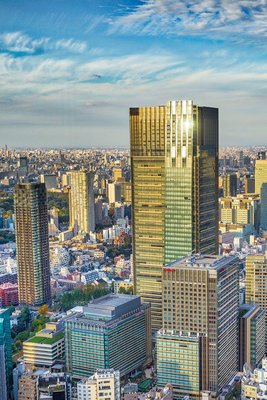
The Ritz-Carlton, Tokyo
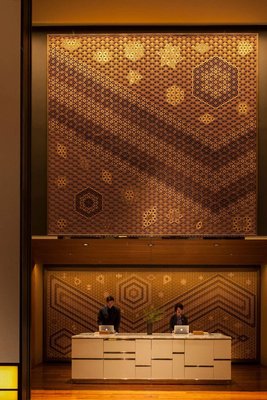
Andaz Tokyo Toranomon Hills- A Concept by Hyatt
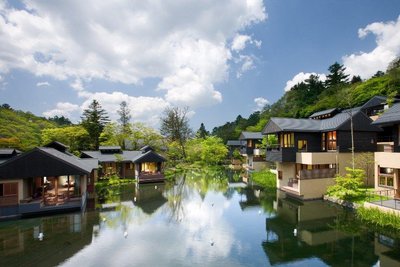
Hoshinoya Karuizawa
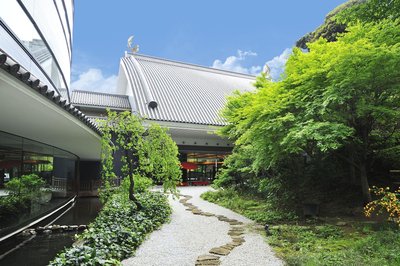
Hotel Gajoen Tokyo
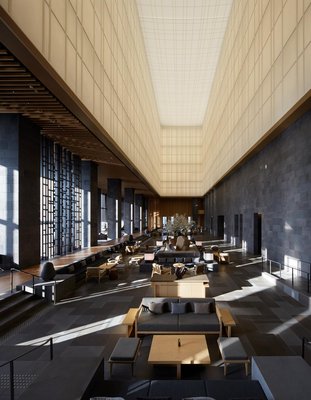
Aman Tokyo

Hotel New Otani Tokyo, Executive House Zen
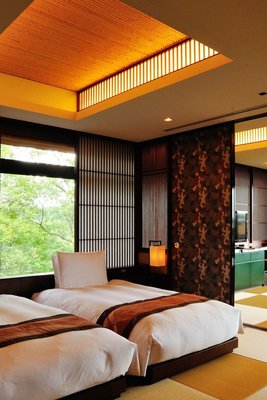
Chikusenso Onsen
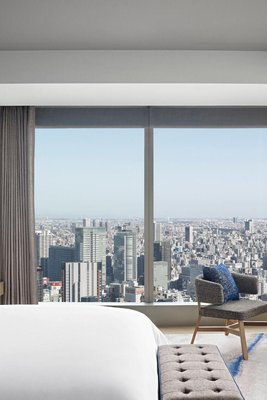
Four Seasons Hotel Tokyo at Otemachi

The Tokyo Edition, Toranomon
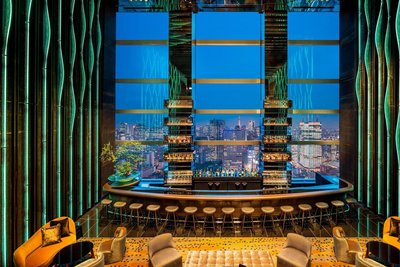
The Prince Gallery Tokyo Kioicho, a Luxury Collection Hotel
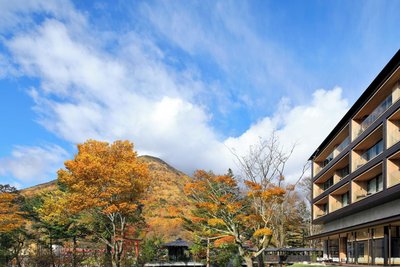
The Ritz-Carlton, Nikko
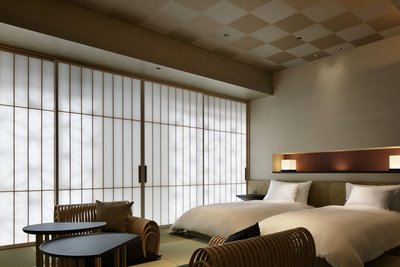
HOSHINOYA Tokyo
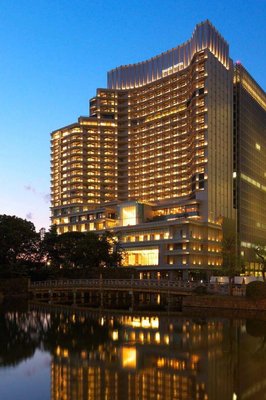
Palace Hotel Tokyo
Bellustar Tokyo, A Pan Pacific Hotel
JW Marriott Hotel Tokyo
Andaz Tokyo Toranomon Hills- A Concept by Hyatt

The Okura Tokyo

The Lively Azabujuban Tokyo

Kimpton Shinjuku Tokyo

HOTEL K5
The Prince Gallery Tokyo Kioicho, a Luxury Collection Hotel
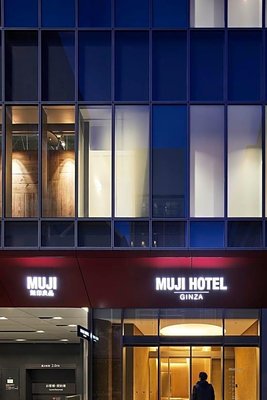
Muji Hotel Ginza
Bvlgari Hotel Tokyo
Four Seasons Hotel Tokyo at Marunouchi
Mandarin Oriental, Tokyo
The Ritz-Carlton, Tokyo
Andaz Tokyo Toranomon Hills- A Concept by Hyatt

Hotel New Otani Tokyo the Main
Aman Tokyo
Four Seasons Hotel Tokyo at Otemachi
The Tokyo Edition, Toranomon
Palace Hotel Tokyo

The Peninsula Tokyo

Imperial Hotel, Tokyo

Rakuten STAY VILLA Nasu
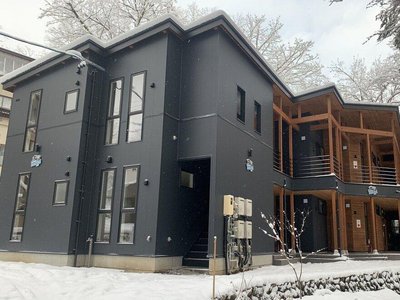
Hakuba Gondola Apartments
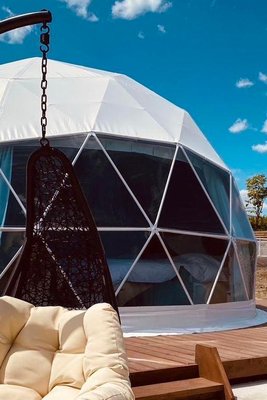
chillout glamping zao

Phoenix Chalets by Hhg
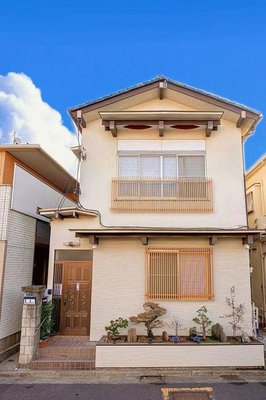
Tokyo Star House-Shinkoiwa
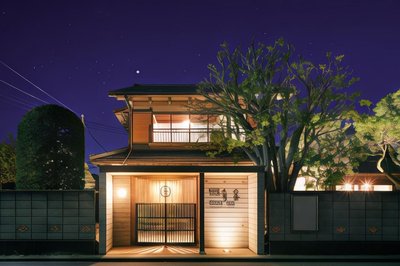
Machi-Jyu
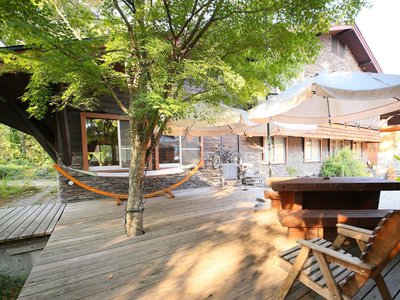
Kunugi Relaxation with 4 Modern Rooms

Petals Tokyo - Floating Hotel
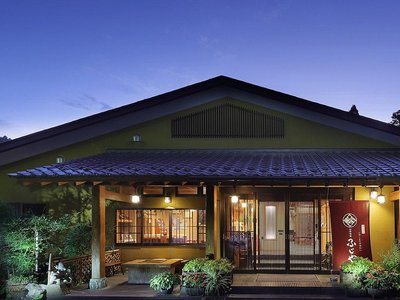
Shikimitei Fujiya
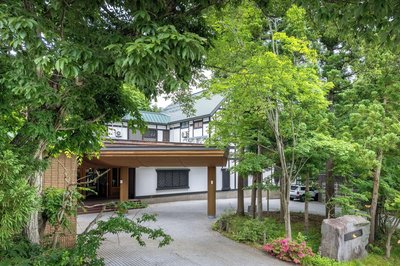
Forest Resort Yamanote Hotel

Hotel Barrière Fouquet's New York

The Plaza - A Fairmont Managed Hotel
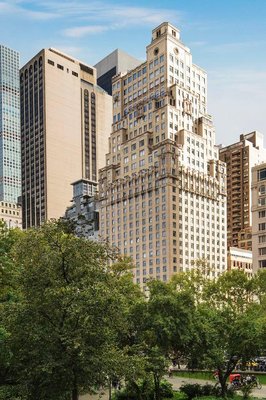
The Ritz-Carlton New York, Central Park

Four Seasons Hotel New York

The St. Regis New York

Park Hyatt New York
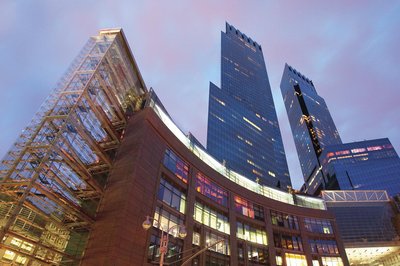
Mandarin Oriental New York
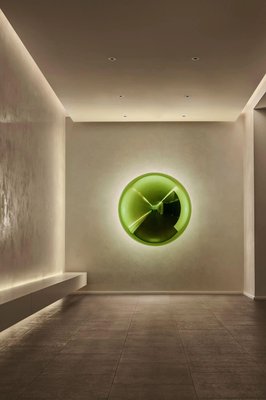
Times Square Edition New York

Loews Regency New York Hotel

Lowell Hotel
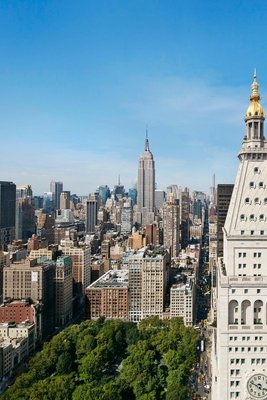
New York Edition

Baccarat Hotel New York

Equinox Hotel New York

Four Seasons Hotel New York Downtown

The Langham, New York, Fifth Avenue

The Carlyle, A Rosewood Hotel

The Chatwal, in the Unbound Collection by Hyatt

The Mark New York
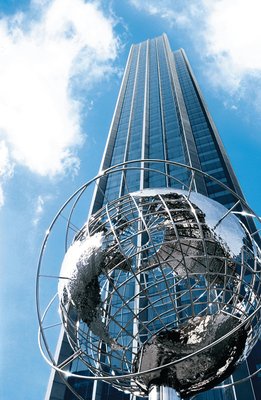
Trump International Hotel & Tower® New York
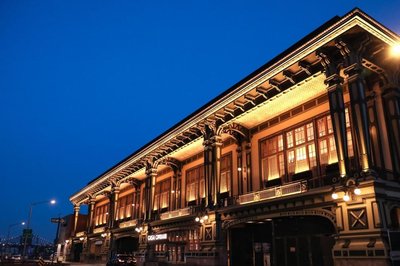
Casa Cipriani New York
Frequently Asked Questions about Traveling to Asahi
Questions You Might Need to Know About Traveling to Asahi
In Asahi-machi, recommend staying at Asahi Yumegura Onsen Hotel, a family-oriented retreat nestled in the mountains with natural hot springs rich in minerals. The hotel offers spacious family rooms, children’s play areas, and outdoor onsen baths overlooking snow-capped peaks. It’s close to the Asahi Town Natural Museum and scenic walking trails along the Asahi River, making it ideal for combining relaxation with educational nature experiences. Perfect for multi-generational travel.
The central district of Asahi-machi is the optimal choice for lodging, offering convenient access to key attractions like the Asahi Town Hall and Asahi Market. This area features traditional wooden architecture and a peaceful atmosphere. Most hotels and guesthouses here provide free shuttle services to nearby onsens and ski resorts, allowing easy exploration of seasonal highlights throughout the year.
Visitors should try the traditional paper lantern workshop in Asahi-machi, where local artisans teach how to craft handmade lanterns using washi paper and bamboo. Held annually in autumn, the event culminates in a nighttime lantern lighting ceremony, creating a magical ambiance. Additionally, the Asahi Mountain Festival in spring features prayer rituals, taiko drumming, and traditional costume parades, offering deep insight into regional heritage and community spirit.
Asahi Onsen Area is the premier winter destination in Asahi-machi, boasting over 100 years of history and alkaline monosodium bicarbonate springs beneficial for skin health. Asahi-Yu Spa House, a century-old establishment, retains its Edo-style wooden architecture and features open-air baths with panoramic views of snowy mountains. Evening visits offer stunning starry skies and illuminated landscapes—perfect for pairing with skiing at Asahi Ski Resort.
The Asahi River Sunset Viewing Zone is a must-visit for photographers, especially during golden hour when sunlight reflects off the clear river and distant snow-covered peaks. Dedicated photo platforms and shaded rest areas enhance composition possibilities. In spring, the Asahi Hill Cherry Blossom Trail turns into a dreamy pink landscape, ideal for capturing serene images blending natural beauty with traditional Japanese aesthetics.
Don’t miss Asahi-machi soba noodles, made from locally grown buckwheat flour for a firm, aromatic texture, often served in clear broth or soy sauce. Another highlight is Yamagata beef sukiyaki, tender and richly flavored, paired with fresh seasonal vegetables and house-made dipping sauce. Also try kuzu tofu, crafted using water from the hot springs—smooth, delicate, and a healthy local dessert perfect after a day of sightseeing.
Summer visitors should experience the Asahi River Rafting Adventure, a 1.5-hour journey through crystal-clear waters surrounded by lush forests, offering cool breezes and abundant wildlife. Afterward, visit Asahi Agricultural Park for fresh fruit tastings and homemade ice cream. Every Saturday evening, the Stargazing Camp Market features local farmers, artisans, live music, and bonfires—an ideal way to embrace mountain life and slow travel.
Yes, many hotels near Asahi Ski Resort provide ski equipment rental services. For example, Asahi Mountain Villa Resort has a dedicated rental counter offering skis, boots, and protective gear, with both walk-in and pre-book options. Some luxury lodges even offer all-inclusive ski packages including transportation, guided tours, and meal vouchers—ideal for beginners seeking hassle-free winter fun without carrying heavy luggage.
The Asahi Mountain Viewing Platform, located at 1,200 meters elevation, is the most popular natural landmark. It offers 360-degree panoramic views of dense forests and the distant Zao Mountain Range. With distinct seasonal beauty—spring blossoms, summer greenery, autumn foliage, and winter snow—it’s a photographer’s paradise. The platform also hosts regular ecological tours led by local guides, providing insights into native flora and fauna.
Traditional wooden guesthouses in Asahi-machi stand out for their authentic minka-style architecture, featuring exposed beams, tatami mats, and rustic charm. Some like Asahi Koya Bettei offer local cuisine dinner experiences, where hosts prepare meals using wild herbs, mountain vegetables, and seasonal ingredients. These homes are often tucked into quiet villages, perfect for travelers seeking tranquility, cultural immersion, and genuine hospitality.
Asahi Overview
City Summary
Asahimachi is a tranquil town located in the northwest of Yamagata Prefecture, Japan, surrounded by stunning natural landscapes. Known for the majestic Asahi Mountain Range and the clear Mogami River, the town offers breathtaking views throughout the year, especially during autumn foliage and winter snowscapes. With abundant hot springs and traditional rural culture, Asahimachi is an ideal destination for those seeking to escape urban hustle and immerse in nature.
Must-See Attractions
Key attractions in Asahimachi include the Asahi Mountain Range, perfect for hiking and autumn leaf viewing. The Mogami River offers scenic boat rides along its pristine waters. The town is also home to several hot springs, such as Shirataka Onsen, ideal for relaxation. Traditional villages and farmland showcase the rustic charm of rural Japan.
Food Guide
Local cuisine features regional produce and mountain delicacies, with Yamagata beef and locally grown rice being must-tries. Street snacks like grilled rice sticks and soy sauce dumplings are unique delights. In winter, warm dishes like imoni (taro stew) are highly recommended.
Transportation Guide
Public transport in Asahimachi is primarily bus-based, with limited schedules, so checking timetables in advance is advised. Renting a car is more convenient, as roads are well-maintained and parking is readily available. From Yamagata City, take the JR line to Tsuruoka Station, then a bus to Asahimachi (approx. 1 hour).
Best Time to Visit
The best times to visit are autumn (September-November) for vibrant foliage and winter (December-February) for snowy landscapes and hot springs. Summer offers cool escapes, while spring brings cherry blossoms.
Travel Tips
- Pack warm clothing for winter trips, as snow may affect transport.
- Respect local customs, such as washing before entering hot springs.
- Wear comfortable shoes for hiking to some attractions.
- Dining options have limited hours; plan meals ahead.
- Drivers should be cautious of icy roads in winter.
- Carry trash out to maintain cleanliness.
Useful Information
Japanese is the primary language; English is rarely spoken, so a translation app is helpful. WiFi coverage is limited; consider a local SIM card. Cash is preferred, though some shops accept cards. Medical facilities like Asahimachi Clinic are available in the town center. Post offices and ATMs are accessible but operate on shorter hours.









