Hotels in Asahimachi
Discover your perfect stay in Asahimachi.
Asahimachi(Japan) Travel 2026: Cheap Flights, Hotels & Top Attractions
Popular Landmarks in Asahimachi
Discover the most iconic attractions in Asahimachi
Recommended Hotels in Asahimachi
Find the perfect place to stay in Asahimachi
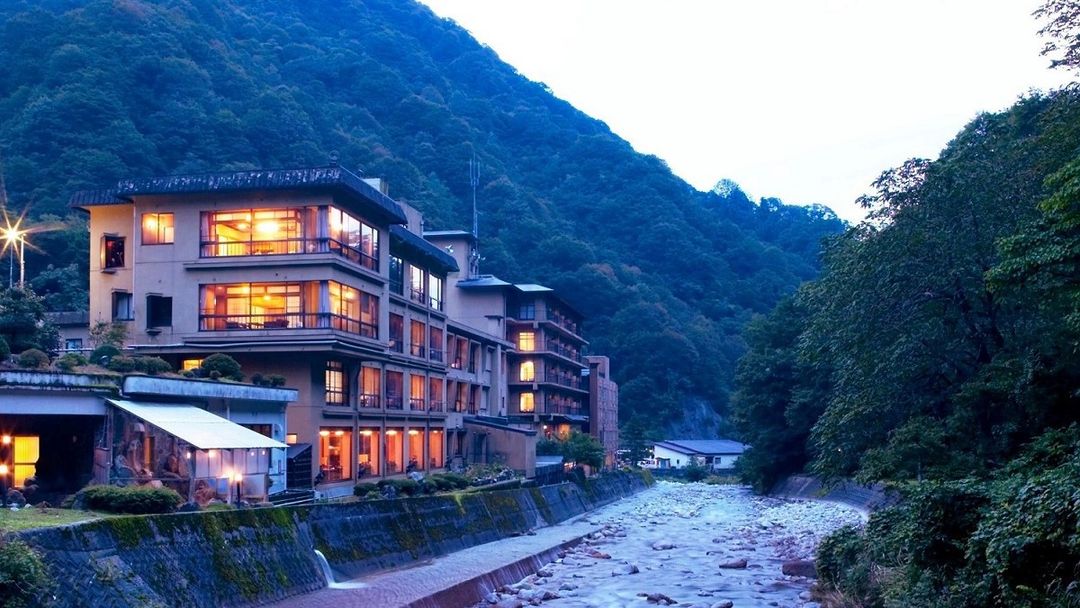
Hotel Ogawa
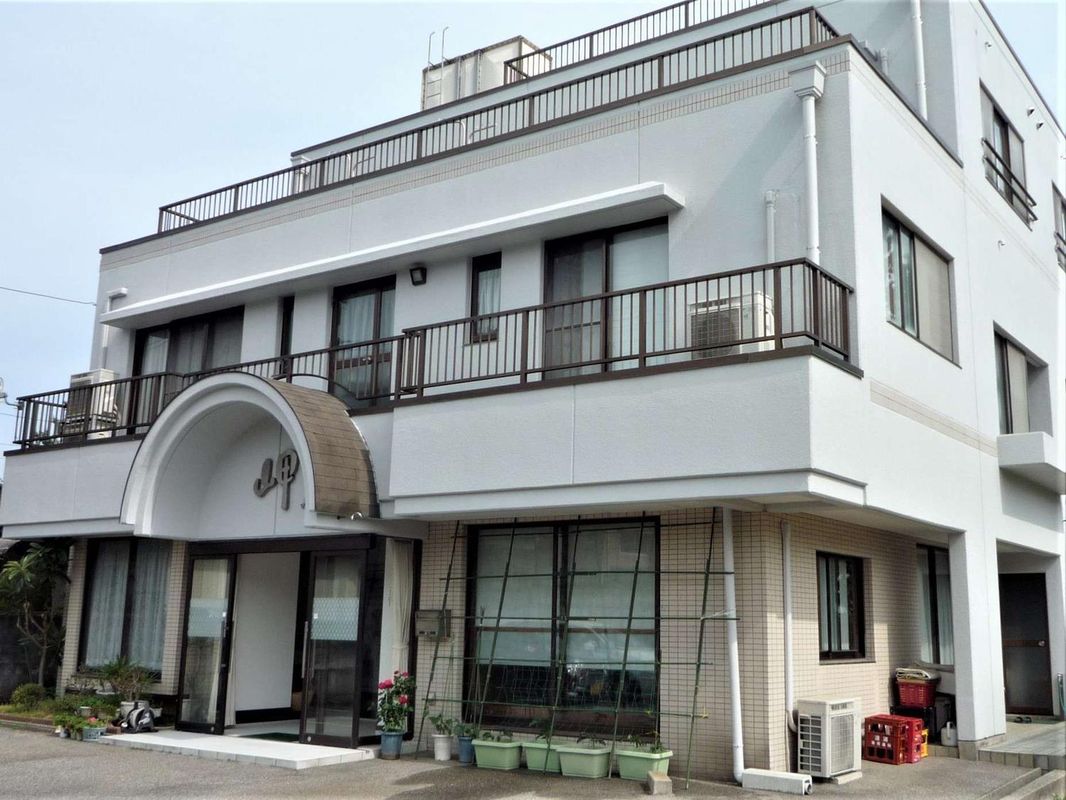
Minshuku Misaki
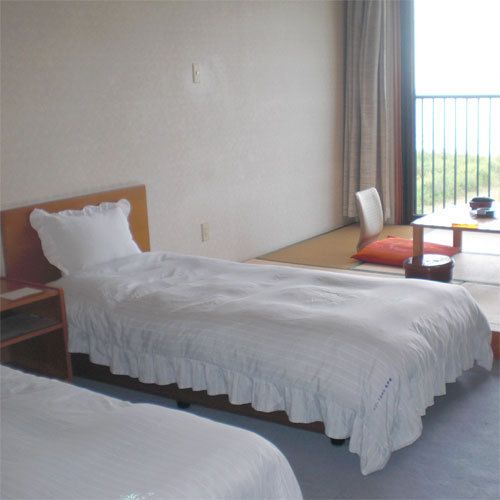
Sazanami Onsen Mizushima
Best Hotels in Asahimachi
Discover curated hotel collections in Asahimachi
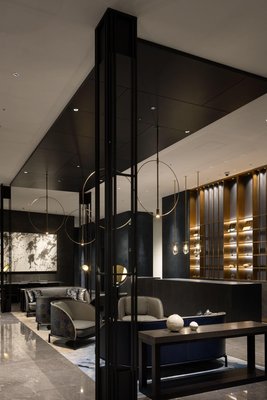
Bellustar Tokyo, A Pan Pacific Hotel

Bvlgari Hotel Tokyo
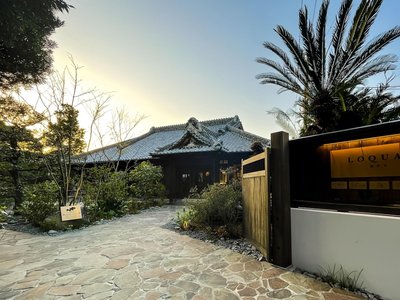
Loquat Nishiizu
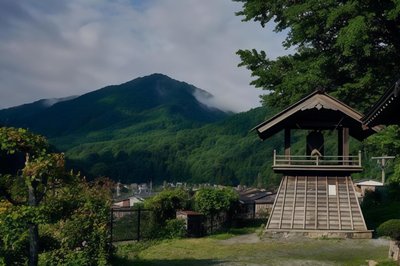
Byaku Narai
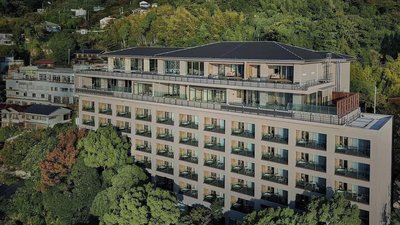
Atami Izusan Karaku
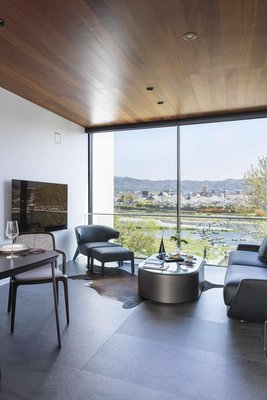
Kamo Residences by Reflections
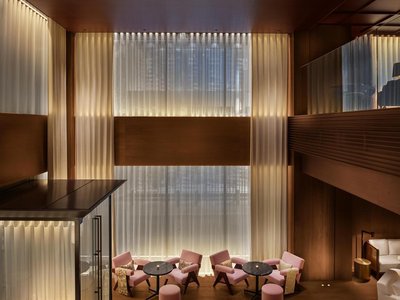
The Tokyo Edition, Ginza
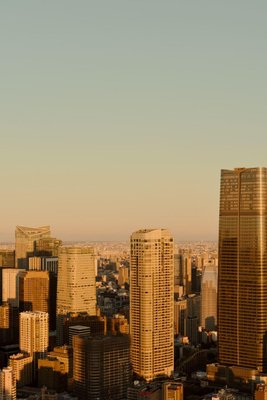
Janu Tokyo
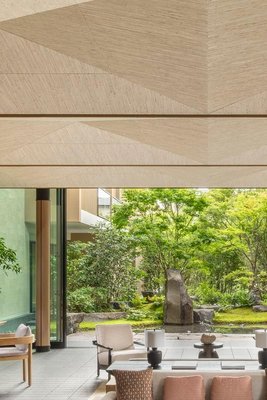
Six Senses Kyoto
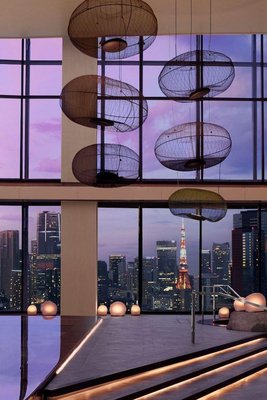
JW Marriott Hotel Tokyo
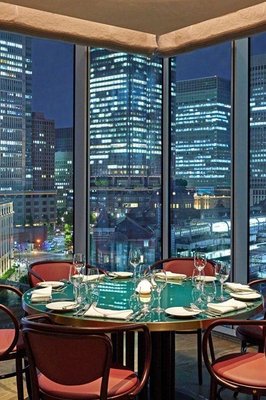
Four Seasons Hotel Tokyo at Marunouchi

Mandarin Oriental, Tokyo
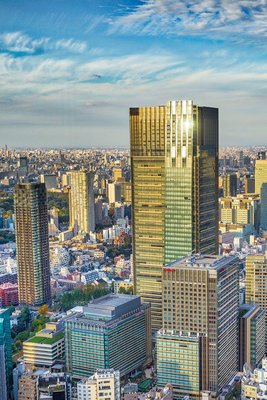
The Ritz-Carlton, Tokyo
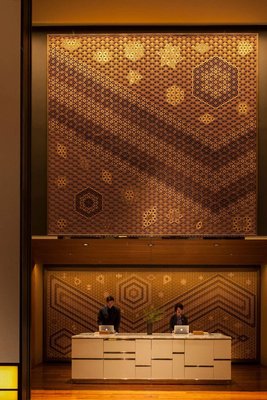
Andaz Tokyo Toranomon Hills- A Concept by Hyatt
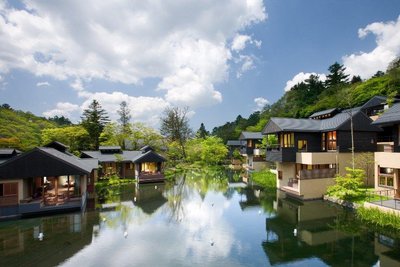
Hoshinoya Karuizawa
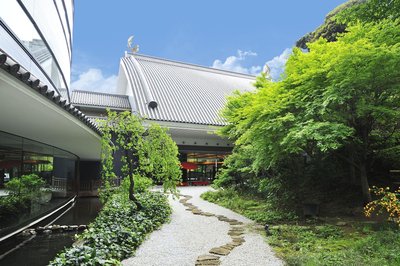
Hotel Gajoen Tokyo
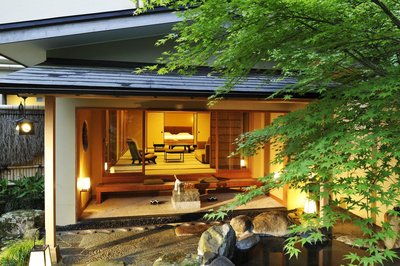
Gora Kadan
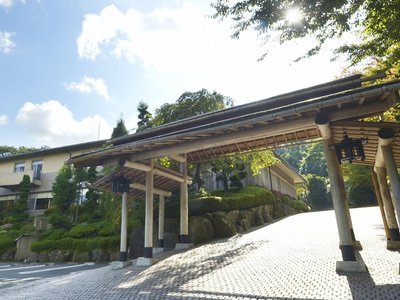
Gora Hanaougi

The Hiramatsu Hotels & Resorts Kashikojima
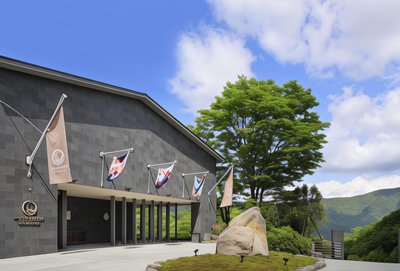
The Hiramatsu Hotels & Resorts Sengokuhara Hakone
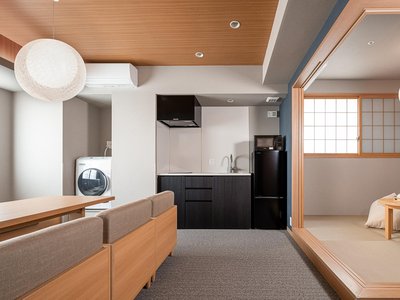
MIMARU SUITES Tokyo Asakusa
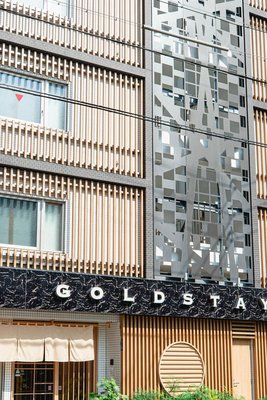
Gold Stay Nagoya OSU
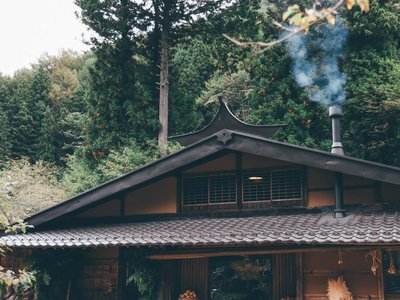
La Terra Resort

karaksa hotel colors Tokyo Yaesu

HOTEL GROOVE SHINJUKU, A PARKROYAL Hotel

Korinkyo

EN Resort Grandeco Hotel

GOLD STAY Nagoya Sakae
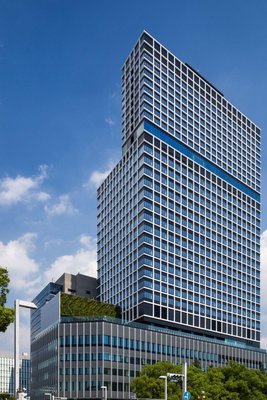
The Royal Park Hotel Iconic Nagoya

Awaumi Fujikawaguchiko Resort
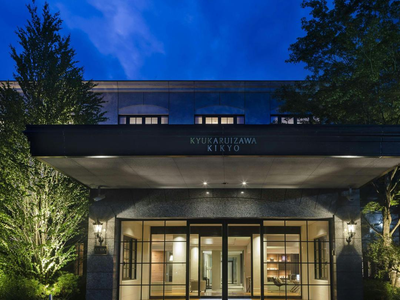
Fufu Karuizawa Wind of Sunshine
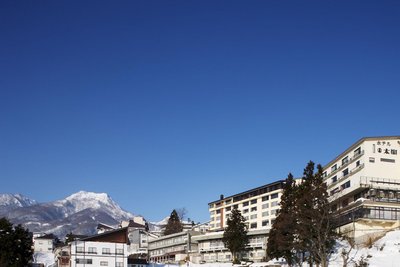
Hotel Taiko, Akakura Onsen
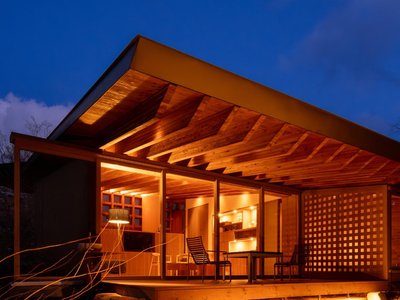
Nasu Mukunone
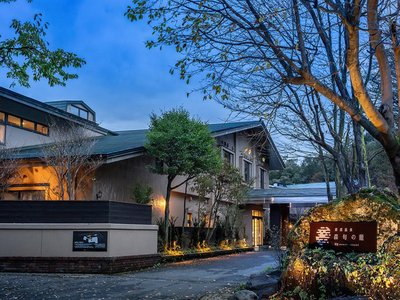
Nasu Onsen Shinshun no Kago Hewitt Resort
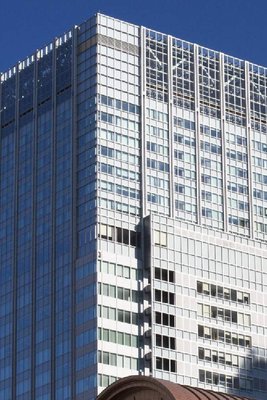
Hotel Metropolitan Tokyo Marunouchi
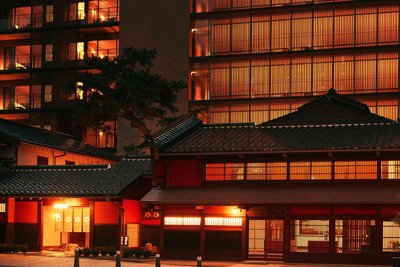
Hoshino Resorts Kai Kaga
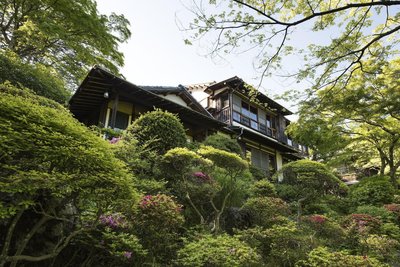
Gora Kansuiro
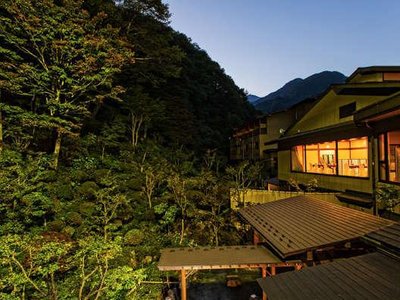
Futari Shizuka
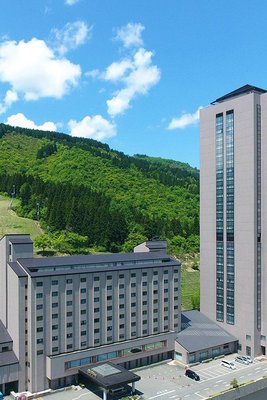
Naspa New Otani
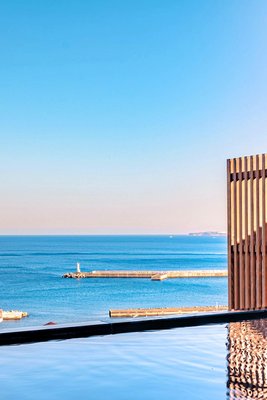
HOTEL KANICHI
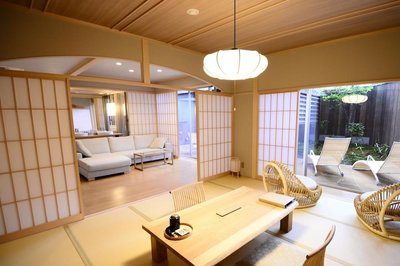
Hakone Gora Byakudan
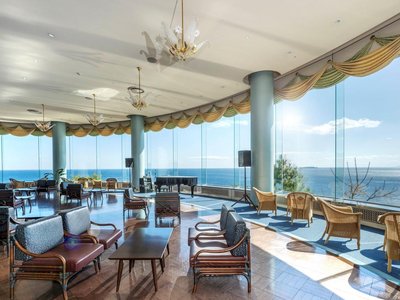
Hotel New Akao
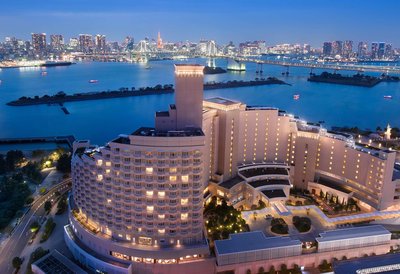
Hilton Tokyo Odaiba
JW Marriott Hotel Tokyo
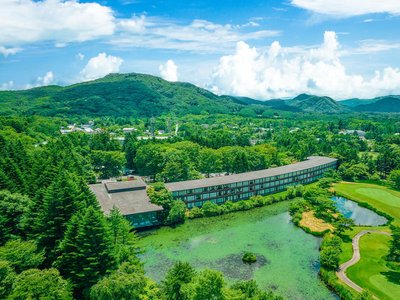
The Prince Karuizawa
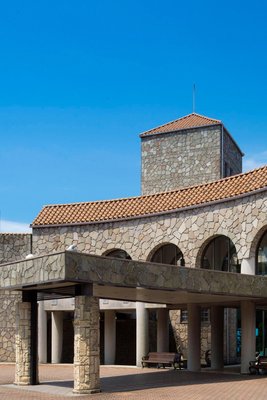
Izumigo Hotel Altia Toba
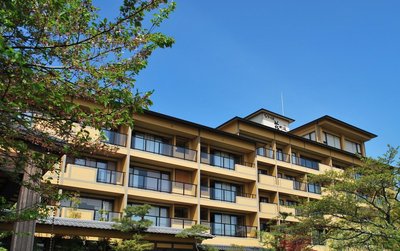
BIWAKO HANAKAIDO
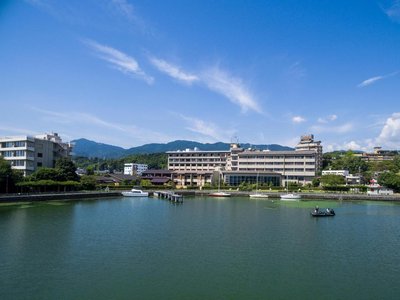
Biwako Ryokusuitei
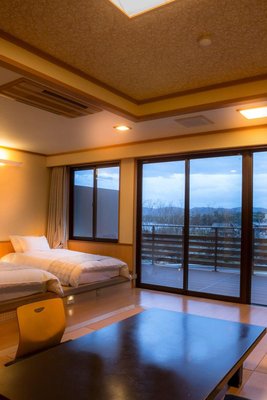
Hotel Kitanoya

The Kukuna
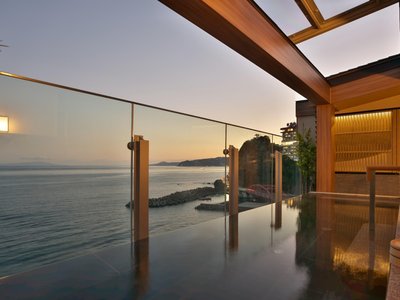
Hotel New Sagamiya
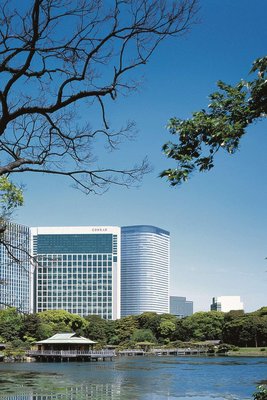
Conrad Tokyo
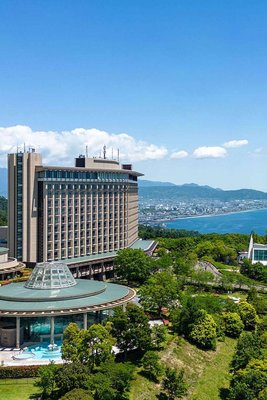
Hilton Odawara Resort & Spa
Hoshinoya Karuizawa
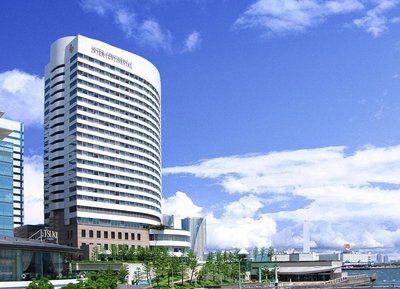
InterContinental Tokyo Bay
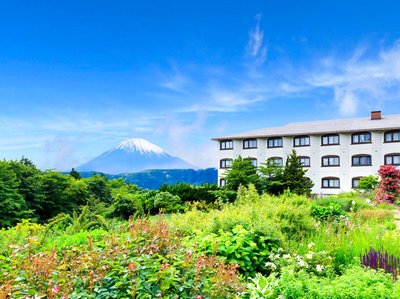
Hotel Green Plaza Hakone
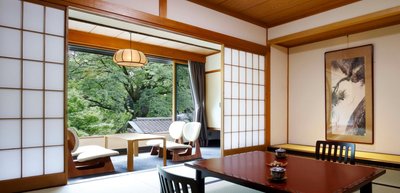
Yoshiike Ryokan
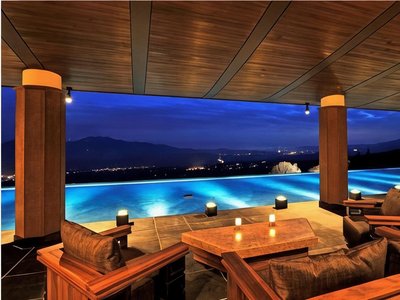
Akakura Kanko Hotel
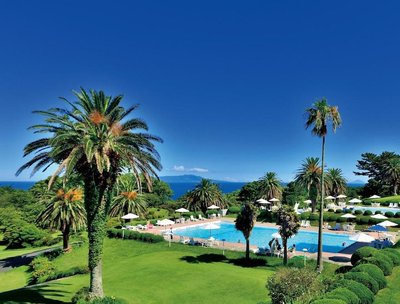
Kawana Hotel
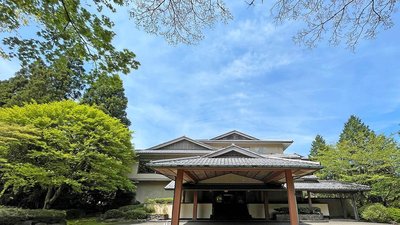
Ryuguden
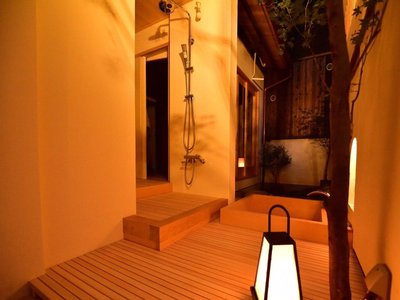
Yado Kiramachi
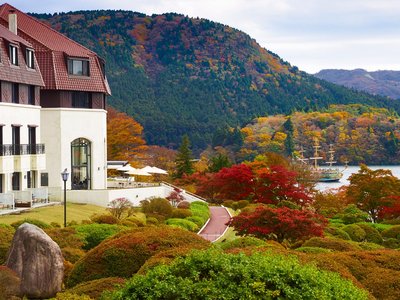
Hotakajyo
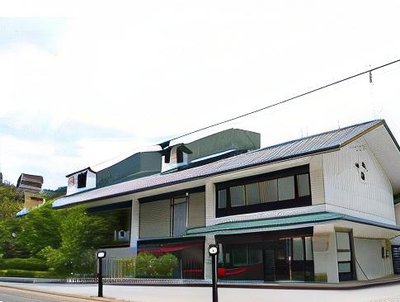
Auberge Suzukane

Onyado Nono Asakusa Bettei Hot Spring
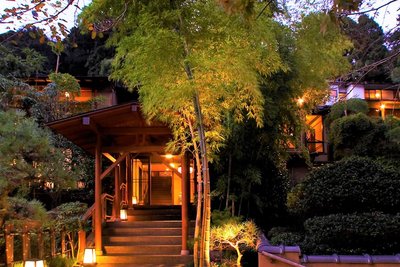
Shiki wo Ajiwau Yado Yamano Chaya
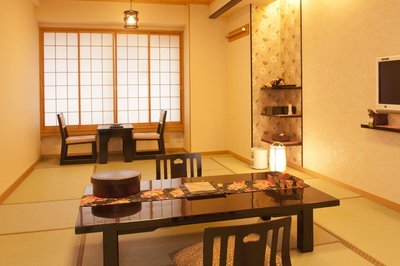
Matsui-Bekkan Hanakanzashi
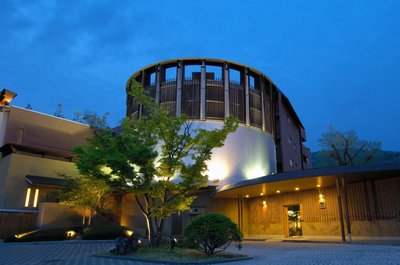
Hoshino Resorts Kai Matsumoto

Taikyourou
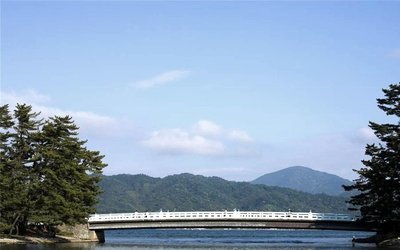
Monjusou Shourotei
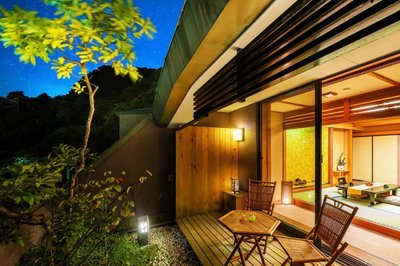
Konjakutei
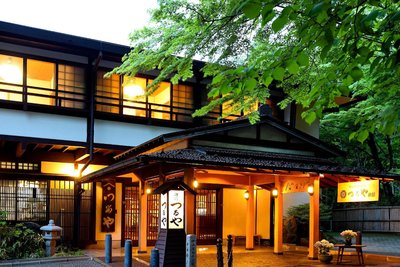
Tsuruya Ryokan
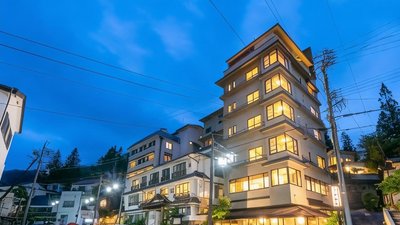
Nakamatsuya Ryokan
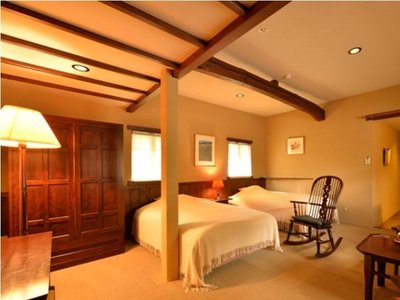
Ryokan Sugimoto
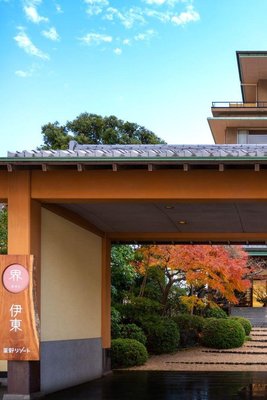
Hoshino Resorts Kai Ito
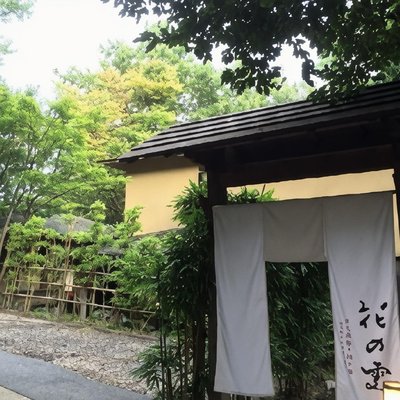
Hana No Kumo
Yoshiike Ryokan
Hotel Gajoen Tokyo
Gora Hanaougi
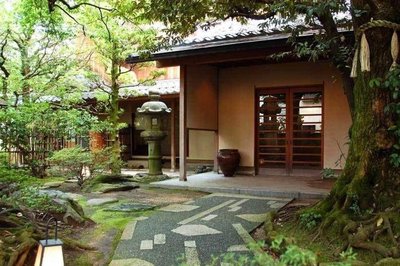
Kocho
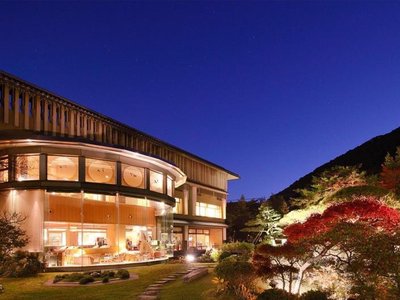
Shikisai Ichiriki
Bellustar Tokyo, A Pan Pacific Hotel
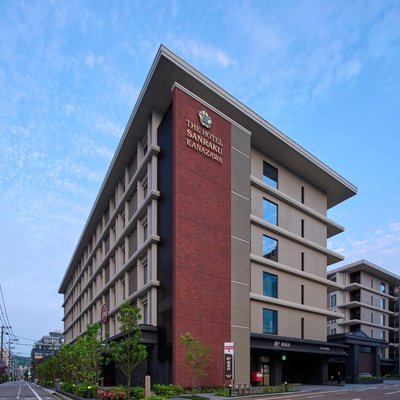
The Hotel Sanraku Kanazawa 21th December 2022 Open

22 PIECES
JW Marriott Hotel Tokyo
Andaz Tokyo Toranomon Hills- A Concept by Hyatt

The Thousand Kyoto
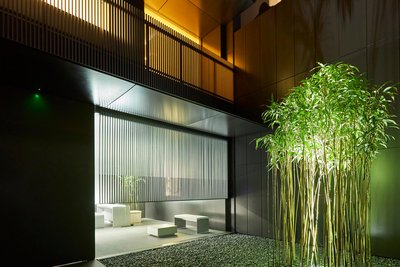
Mogana
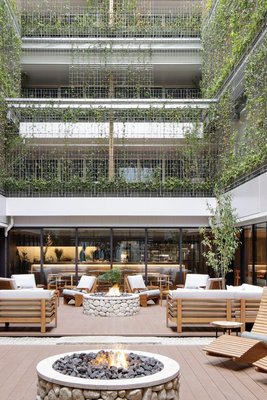
GOOD NATURE HOTEL KYOTO
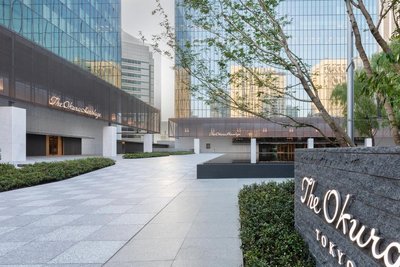
The Okura Tokyo

The Lively Azabujuban Tokyo

Kimpton Shinjuku Tokyo
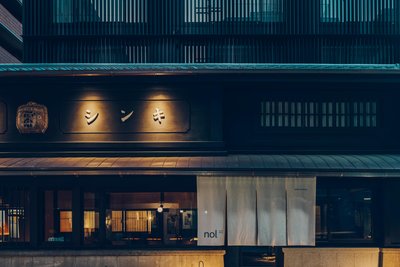
Nol Kyoto Sanjo

HOTEL K5
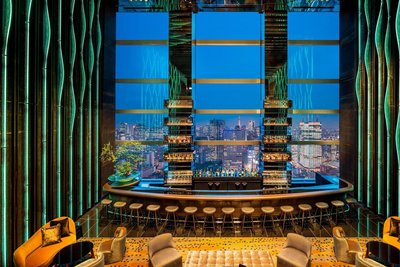
The Prince Gallery Tokyo Kioicho, a Luxury Collection Hotel

Garrya Nijo Castle Kyoto

Hotel Kanra Kyoto
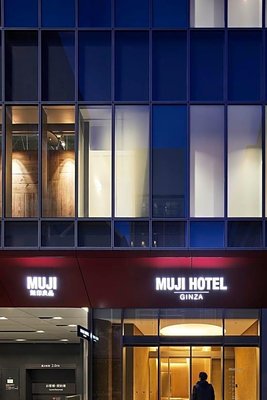
Muji Hotel Ginza
Hakone Gora Byakudan
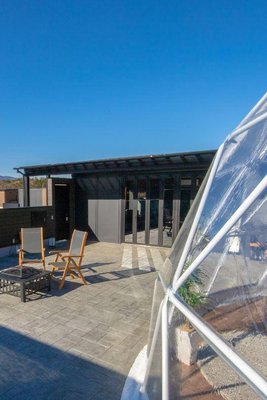
Panoramic Mt. Fuji Views from All Rooms – Vision Glamping Resort & Spa Yamanakako
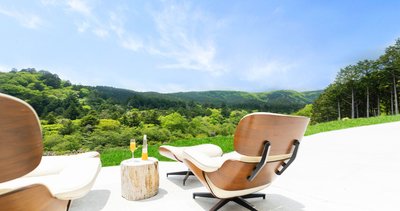
Shelter Garden Nikko
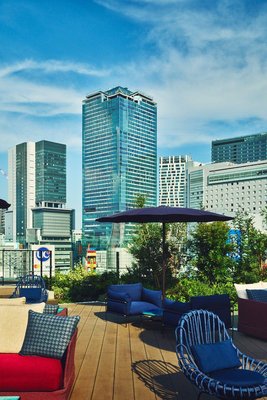
Hotel Indigo Tokyo Shibuya

TIAD, AUTOGRAPH COLLECTION
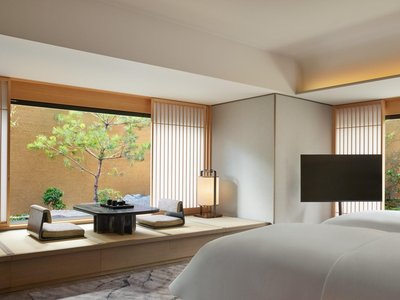
Dusit Thani Kyoto
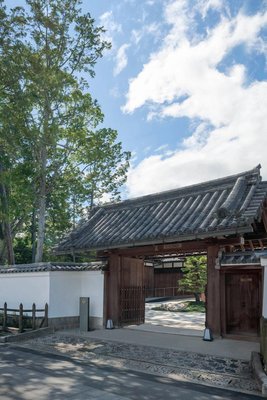
Shisui, a Luxury Collection Hotel, Nara

Hilton Kyoto
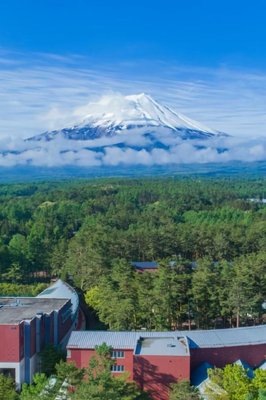
Forest Village (Fuji Premium Resort)

Hotel Toranomon Hills

Fufu Kyu-Karuizawa Restful Forest
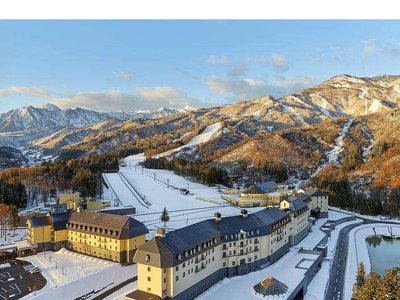
Lotte Arai Resort
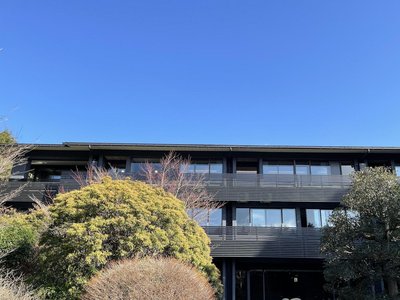
Sengokubara Cocon
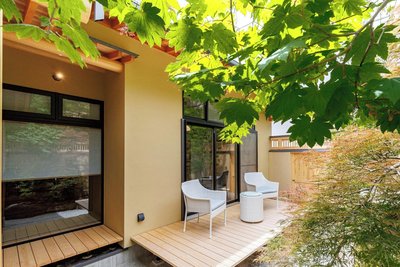
Shoraiso
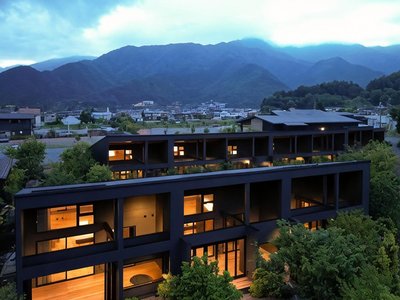
7C Villa and Winery
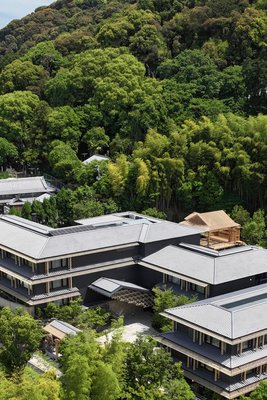
Banyan Tree Higashiyama Kyoto

Hotel la Vigne Hakuba by Onko Chishin
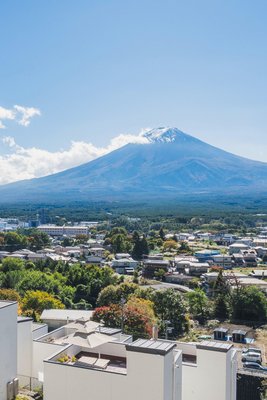
THE TOKI FujiKawaguchiko
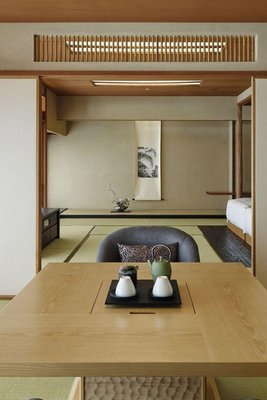
Takanawa Hanakohro (in Grand Prince Hotel Takanawa)
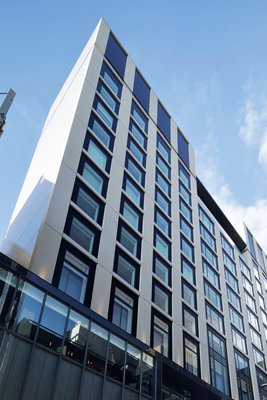
Hyatt Centric Ginza Tokyo
Bvlgari Hotel Tokyo
Four Seasons Hotel Tokyo at Marunouchi
Mandarin Oriental, Tokyo
The Ritz-Carlton, Tokyo
Andaz Tokyo Toranomon Hills- A Concept by Hyatt
Gora Kadan
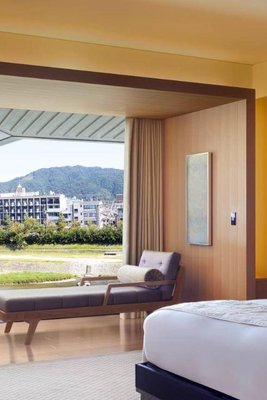
The Ritz-Carlton, Kyoto

Hotel New Otani Tokyo the Main
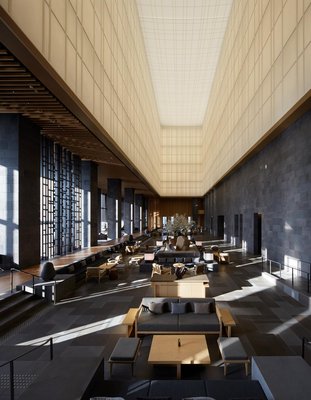
Aman Tokyo
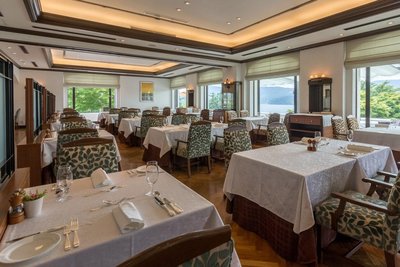
Odakyu Hotel de Yama
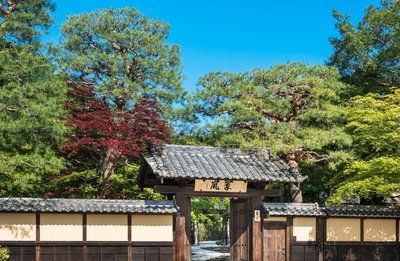
Suiran, a Luxury Collection Hotel, Kyoto
GOOD NATURE HOTEL KYOTO
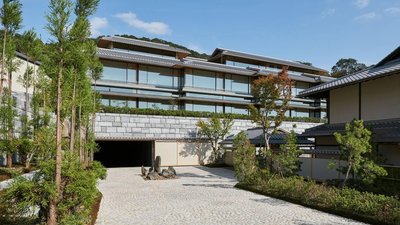
Park Hyatt Kyoto
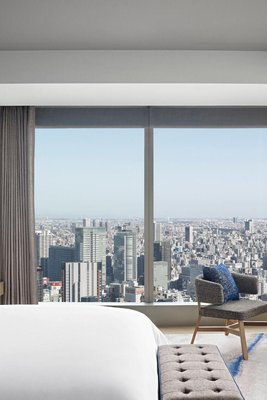
Four Seasons Hotel Tokyo at Otemachi

The Tokyo Edition, Toranomon

Hyatt Centric Kanazawa
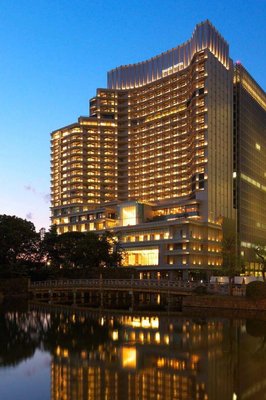
Palace Hotel Tokyo
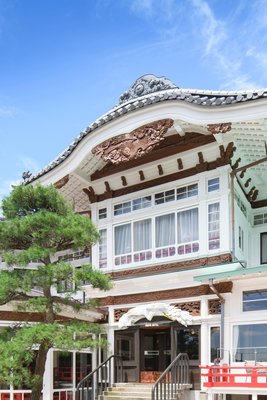
Fujiya Hotel
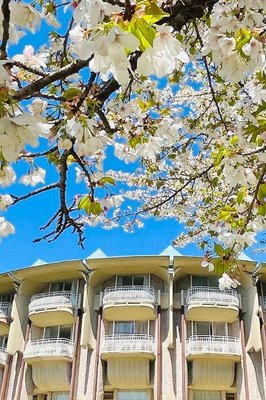
The Prince Hakone Lake Ashinoko
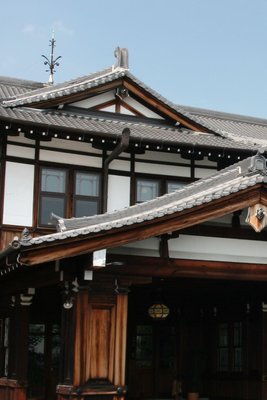
Nara Hotel

Rakuten STAY VILLA Nasu
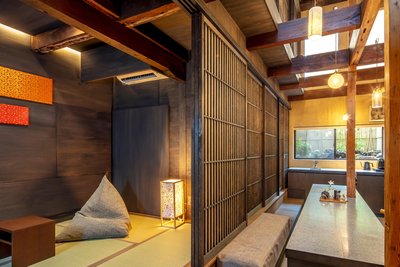
Kyo No Oozora Kihana
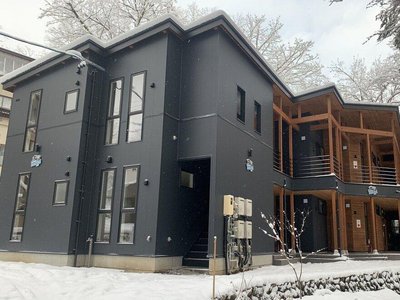
Hakuba Gondola Apartments
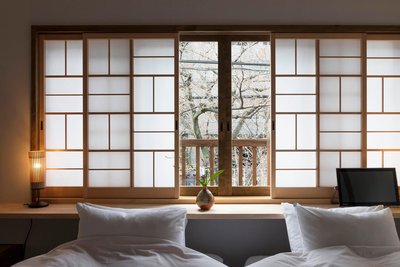
Hanagoromo Machiya House
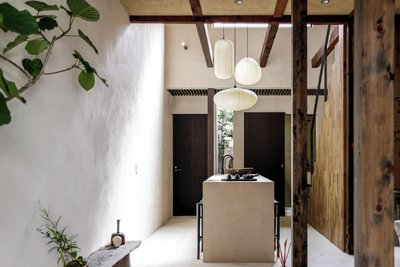
Maana Kiyomizu
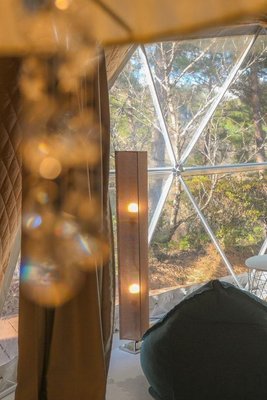
glampark Gekkabijin Nagano
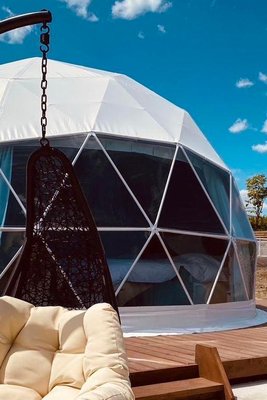
chillout glamping zao
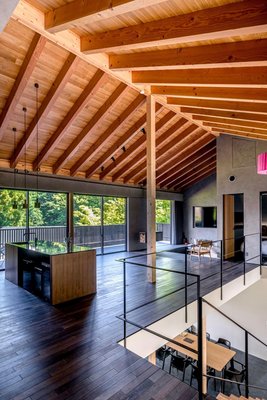
MONS GORA

Phoenix Chalets by Hhg
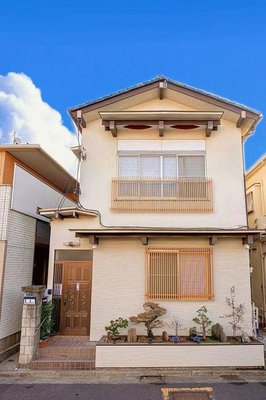
Tokyo Star House-Shinkoiwa
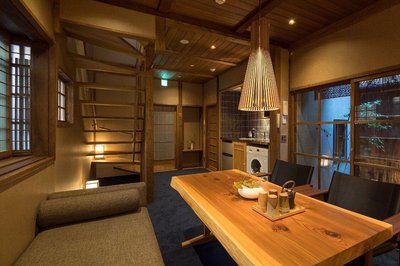
Bonbori an Machiya House
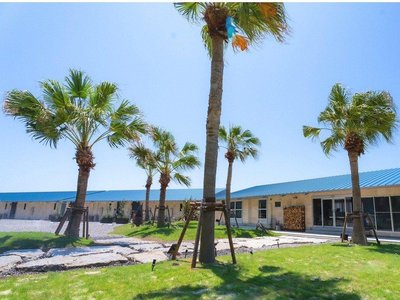
Glamping&Resort Wood Design Park Noma
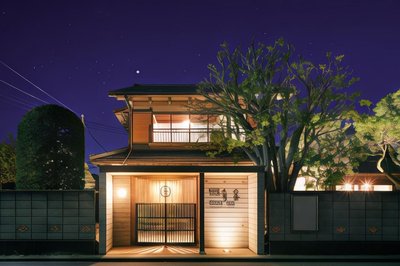
Machi-Jyu
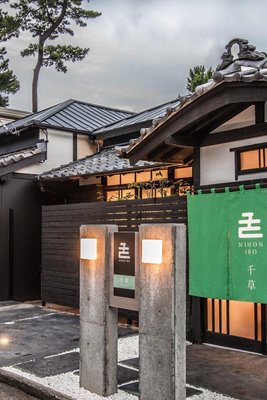
Nihon Iro
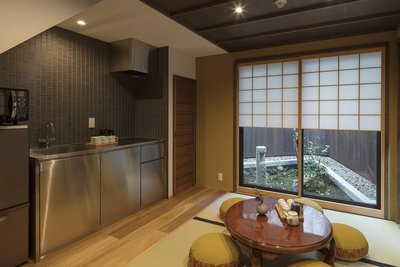
The Machiya Villa Sanjo Shirakawa Koji
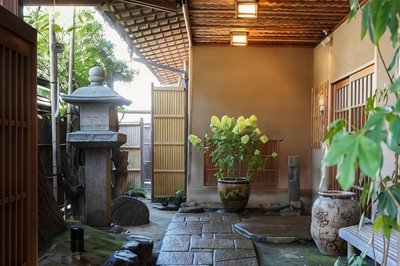
Ryokan Asadaya
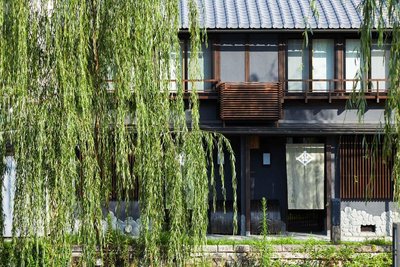
Gion Shirakawa No Yado

Kitashirakawa Natural Radium Onsen
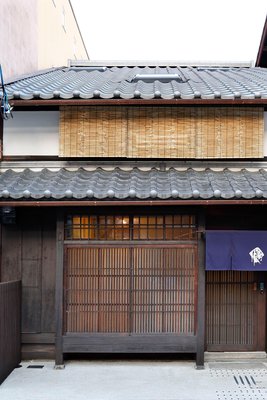
Kyo No Ondokoro Kamanza Nijo #2
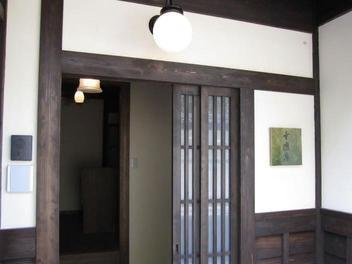
Gion Koyu an Machiya House

Hotel Barrière Fouquet's New York
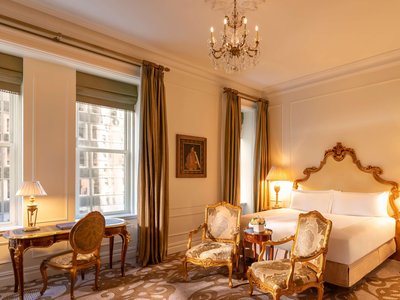
The Plaza - A Fairmont Managed Hotel
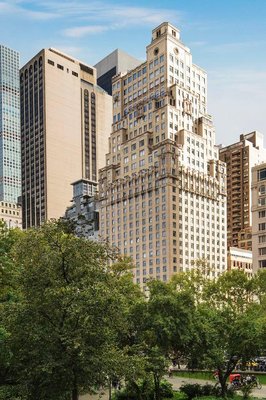
The Ritz-Carlton New York, Central Park

Four Seasons Hotel New York

The St. Regis New York

Park Hyatt New York
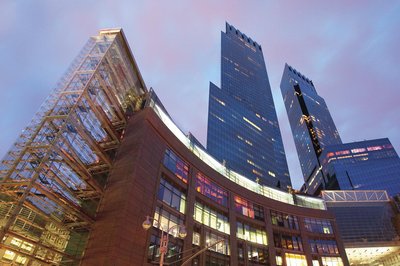
Mandarin Oriental New York

Times Square Edition New York

Loews Regency New York Hotel

Lowell Hotel
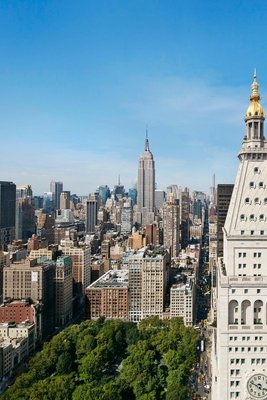
New York Edition

Baccarat Hotel New York

Equinox Hotel New York

Four Seasons Hotel New York Downtown
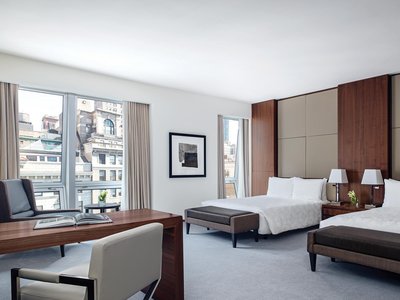
The Langham, New York, Fifth Avenue

The Carlyle, A Rosewood Hotel

The Chatwal, in the Unbound Collection by Hyatt

The Mark New York
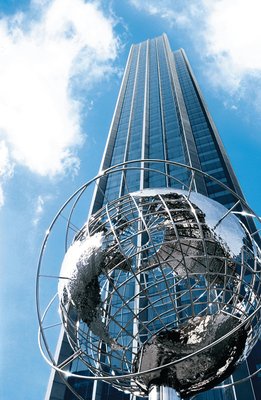
Trump International Hotel & Tower® New York
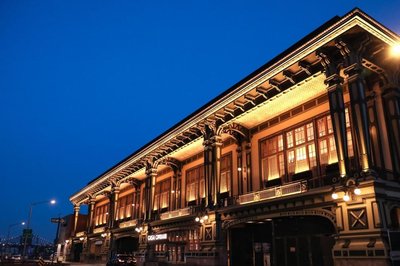
Casa Cipriani New York
Frequently Asked Questions about Traveling to Asahimachi
Questions You Might Need to Know About Traveling to Asahimachi
In Asahi-machi, the top choice for families is Miyama Onsen Ryokan, a traditional Japanese inn nestled beside the Asahi River. It offers spacious family rooms, private outdoor baths with mountain views, and on-site children’s play areas. The inn emphasizes nature immersion, serving locally sourced dishes like fresh sea urchin rice and mountain vegetable miso soup. Guests can explore the nearby Oshiro Forest Trail and participate in seasonal events such as the Snow Lantern Festival. Another excellent option is Yukino Yado, which features indoor/outdoor baths, multilingual staff, and kid-friendly cooking workshops. Both properties are located in the heart of Asahi-machi’s town center, offering easy access to public transport and scenic trails, making them ideal for a peaceful, authentic family getaway.
The area also hosts eco-education programs where children learn about sustainable farming and forest conservation—perfect for teaching young travelers about Japan’s natural heritage.
The town center of Asahi-machi is the most convenient and vibrant area for accommodations. Located just steps from the Asahi Town Hall, local market, and main bus stop, this district offers easy access to key attractions like the Asahi River Promenade and Oshiro Forest Trail. It’s home to several highly-rated ryokan, including Miyama Onsen Ryokan and Yukino Yado, both featuring traditional architecture and modern amenities. The area buzzes with local charm—tiny cafes serve fresh sea urchin bento, while evening strolls reveal warm paper lanterns lining cobblestone alleys. Plus, it’s only a 30-minute drive from the Tateyama Kurobe Alpine Route, making it an ideal base for exploring Japan’s Alps. Whether you’re hiking, relaxing, or experiencing culture, staying here maximizes convenience and authenticity.
Many hotels provide free shuttle services to nearby ski resorts and seasonal festivals, ensuring seamless travel throughout your stay.
Must-try cultural experiences in Asahi-machi include attending the Snow Lantern Festival (held every January), where hundreds of handcrafted paper lanterns illuminate the Asahi Riverbank, creating a magical winter atmosphere. Visitors can also join traditional Echizen dyeing workshops at the Asahi Craft Museum, learning how to make indigo fabric using centuries-old techniques. For a deeper connection, book a homestay with a local farmer to help harvest Asahi White Rice or gather wild mountain vegetables. These hands-on activities offer insight into the community’s values of sustainability and craftsmanship. Additionally, the annual Forest Harmony Ceremony celebrates the bond between people and nature through rituals involving tree planting and local storytelling.
These immersive experiences not only preserve local traditions but also support grassroots tourism initiatives, giving travelers a meaningful way to engage with rural Japan.
Asahi-machi’s hot springs are renowned for their natural mineral-rich waters, primarily weakly alkaline bicarbonate-sodium springs that soothe skin and nerves. The most celebrated is Miyama Onsen, whose open-air baths overlook snow-capped mountains and flowing streams—ideal for winter soaking amid misty landscapes. Some onsens, like Yukino Yado’s Forest Bathing Spa, combine thermal therapy with aromatherapy using native plants like cedar and yuzu. All water sources originate deep underground, untouched by chemicals, and are naturally filtered through volcanic rock. Many ryokan offer “Nature Therapy Packages” that include guided meditation sessions and herbal compress treatments.
Guests often praise the quiet, unspoiled environment—perfect for mental clarity. With no large-scale development, Asahi-machi preserves its pristine springs as part of a broader commitment to ecological balance and wellness-centered tourism.
Asahi-machi is perfect for travelers seeking slow-paced, nature-focused escapes. It appeals strongly to hikers and photographers drawn to the Oshiro Forest Trail and panoramic views of the Tateyama Range. Nature lovers will enjoy spotting rare species like the Japanese serow and firefly populations along the Asahi River. Culture enthusiasts appreciate hands-on experiences such as indigo dyeing workshops and seasonal farm stays. Families benefit from child-friendly ryokan with playrooms and safe bathing areas. Writers and artists are also attracted by the serene, minimalist surroundings—ideal for creative retreats.
The village’s low population density and minimal digital noise create a meditative atmosphere, making it a sanctuary for those looking to disconnect from urban life and reconnect with nature and tradition.
While not directly served by major airports, Asahi-machi is accessible via well-connected regional transit. Travelers can take the Hokuriku Shinkansen to Takayama Station, then transfer to the Fukui Railway or local buses. Alternatively, from Kanazawa, the Noto Express or direct buses reach Asahi-machi Station in under an hour. For greater flexibility, renting a car is recommended—especially for accessing the Tateyama Kurobe Alpine Route, which begins near the town. The Asahi Tourist Shuttle Bus runs daily between key sites and ryokan, though frequencies are limited during off-seasons.
For international visitors, Toyama Airport is about 70 km away, with rental cars and airport shuttles available. Overall, while less bustling than city centers, the town’s transport links are reliable and efficient, especially when planning multi-day trips across Toyama Prefecture.
Don’t miss Asahi Sea Urchin Rice Bowl—a local specialty made with fresh, briny sea urchin harvested from Toyama Bay and cooked with Asahi White Rice, known for its sweet, delicate flavor. Other must-tries include Asahi River Trout Hot Pot, featuring fish caught in the pristine river, and wild mountain vegetable tempura, made with seasonal greens like fuki and shiso. At the Asahi Market, pick up dried mackerel and kombu twists as souvenirs. Many ryokan offer farm-to-table kaiseki meals, where each dish highlights seasonal ingredients—such as spring fiddlehead ferns and autumn matsutake mushrooms.
For a hands-on experience, join a farmer’s kitchen workshop to learn how to make Asahi tofu or mountain herb miso. These culinary traditions reflect the region’s deep respect for local produce and sustainable living, making every meal a taste of authenticity.
Photographers love Asahi-machi for its ethereal winter light and untouched landscapes. Key spots include the Snow Lantern Festival along the Asahi River, where illuminated paper lanterns reflect in frozen ripples—ideal for long-exposure shots. The Oshiro Forest Trail at dawn, wrapped in morning fog, creates a mystical, otherworldly scene perfect for macro and landscape photography. The Miyama Onsen Outdoor Bath offers dramatic compositions: steam rising from the tub against snow-laden pines and distant peaks.
Other hidden gems include the old wooden houses in the town center, adorned with red lanterns and tatami roofs, and the Asahi River Bridge during cherry blossom season, where pink petals drift downstream. Bring a tripod and wide-angle lens to capture the full scale of these breathtaking moments. Early mornings and golden hours deliver the most striking results—don’t miss the chance to document this quiet, poetic corner of Japan.
Asahi-machi’s ryokan go beyond standard hospitality with personalized, nature-integrated services. Miyama Onsen Ryokan provides onsen guides who explain the healing properties of the water and share stories of local geology. Yukino Yado offers a forest mindfulness session, where guests practice breathwork in a secluded garden surrounded by cedar trees. Some inns feature thermal foot soaks with herbal compresses, combining traditional therapy with wellness science.
Meals are often customized based on guest preferences—many use a “one dish, one source” policy, labeling every ingredient’s origin. Several ryokan also provide free professional photography sessions, capturing guests in yukata beside the river or bathed in lantern light. These thoughtful touches reflect a deep commitment to guest well-being and cultural authenticity, turning a simple stay into a transformative experience.
Asahi-machi boasts a pristine alpine ecosystem within the Japanese Alps. The Oshiro Forest, one of Japan’s last remaining primeval cedar forests, shelters rare wildlife such as the Japanese serow and red fox. The Asahi River, a critical watershed, supports diverse aquatic life including amago trout and fireflies—whose larvae thrive in the clean, oxygen-rich water. Spring sees migratory birds pause here, while summer brings blooming alpine flowers like Edelweiss and lupine.
The community actively protects this environment through initiatives like zero-waste tourism and forest stewardship programs. Visitors can join river cleanup days or native plant identification walks led by local ecologists. This deep integration of conservation and tourism sets Asahi-machi apart as a model of harmonious coexistence between humans and nature—offering a rare opportunity to witness a living, thriving ecosystem in its purest form.
Asahimachi Overview
City Summary
Asahi Town is a serene town located in the eastern part of Toyama Prefecture, Japan, renowned for its stunning natural landscapes and abundant hot spring resources. Surrounded by mountains, it is an ideal destination for escaping urban noise, where visitors can immerse themselves in pristine air and clear streams while experiencing traditional Japanese rural life. Asahi Town is also the gateway to the famous "Kurobe Dam," and the nearby Tateyama Kurobe Alpine Route attracts countless nature enthusiasts.
Must-See Attractions
Must-See Attractions:
- Kurobe Dam: Japan's tallest arch dam, with spectacular mist scenes during summer discharges.
- Unazuki Onsen: One of Toyama's oldest hot springs, known for its clear and therapeutic waters.
- Tateyama Kurobe Alpine Route: A classic route through the Northern Alps, offering seasonal landscapes, especially the famed "Snow Corridor."
- Asahi Town Local History Museum: Showcases the town's history and culture, providing deep insights into its traditions and changes.
Food Guide
Food Recommendations:
- Toyama Bay Seafood: Fresh firefly squid and white shrimp caught near the bay.
- Black Ramen: A local specialty with rich soy-based broth and chewy noodles.
- Mountain Vegetables: Seasonal wild vegetables harvested locally, offering a fresh and natural taste.
- Gokayama Tofu: Traditionally crafted tofu with a unique bean aroma and smooth texture.
Transportation Guide
Transportation Guide:
- Train: Take the Toyama Chihou Railway Main Line from Toyama Station to Asahi Town Station (approx. 1 hour).
- Bus: Direct buses from Toyama Station to Kurobe Dam and Unazuki Onsen are frequent.
- Car: Drive along National Route 41 with scenic views and ample parking.
- Taxi: Available at stations for short trips or remote attractions.
Best Time to Visit
Best Time to Visit: Spring (April-May) for cherry blossoms and autumn (September-October) for fall foliage are peak seasons. Summer (June-August) is ideal for escaping heat, while winter (December-March) offers snowy landscapes and hot springs. Avoid Golden Week (early May) and Obon (mid-August) to dodge crowds.
Travel Tips
- Onsen Etiquette: Wash thoroughly before entering baths; swimwear is prohibited.
- Weather Prep: Mountain temperatures vary; pack warm layers.
- Waste Disposal: Strict recycling rules; carry trash bags as public bins are scarce.
- Book Early: Popular ryokans require reservations months ahead.
- Cash Usage: Rural shops may not accept cards; carry sufficient yen.
- Hiking Safety: Some Alpine Route sections require guides; avoid solo hikes.
Useful Information
Practical Info:
- Language: Japanese main; basic English in tourist areas; translation apps recommended.
- Internet: Free Wi-Fi at major stations/hotels; signals weak in remote areas.
- Payment: Credit cards accepted in cities; cash preferred; exchange at post offices/convini.
- Emergency: Police 110, ambulance 119; Asahi Town Hospital offers 24/7 ER.
- Voltage: 100V, Type A plugs (flat two-pin); bring adapters if needed.