Hotels in Asakura, Fukuoka
Discover your perfect stay in Asakura, Fukuoka.
Asakura, Fukuoka(Japan) Travel 2026: Cheap Flights, Hotels & Top Attractions
Popular Landmarks in Asakura, Fukuoka
Discover the most iconic attractions in Asakura, Fukuoka
Recommended Hotels in Asakura, Fukuoka
Find the perfect place to stay in Asakura, Fukuoka
Frequently Asked Questions about Traveling to Asakura, Fukuoka
Questions You Might Need to Know About Traveling to Asakura, Fukuoka
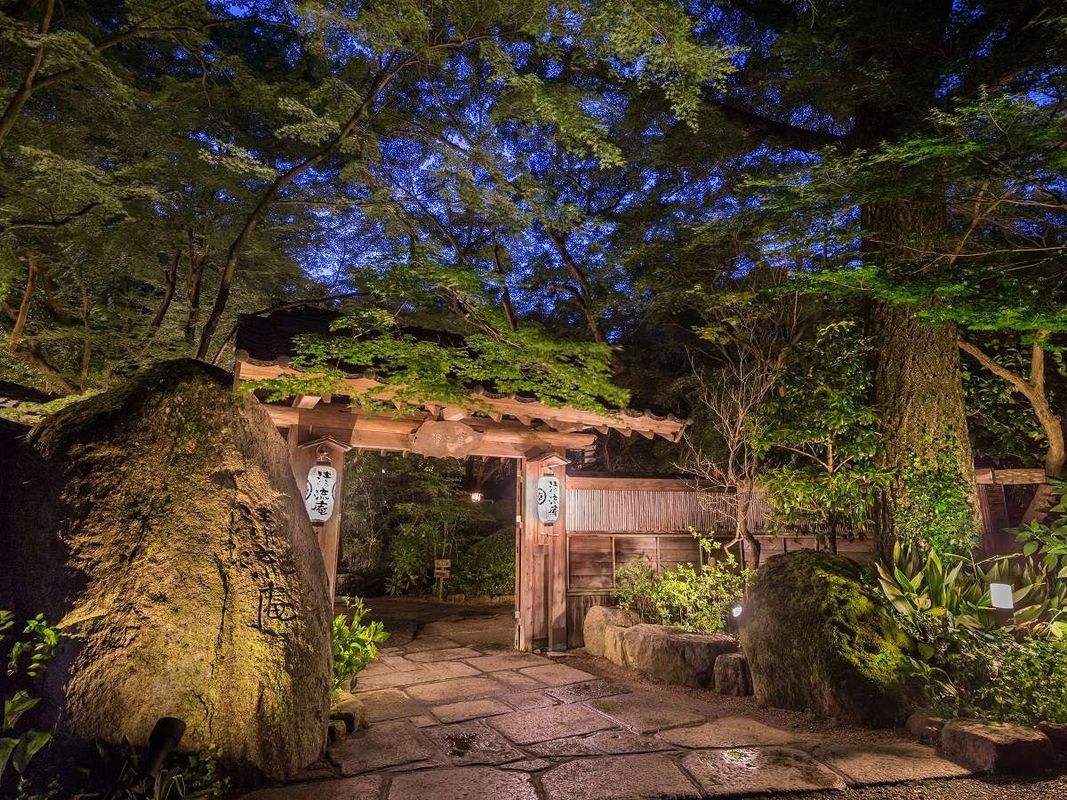
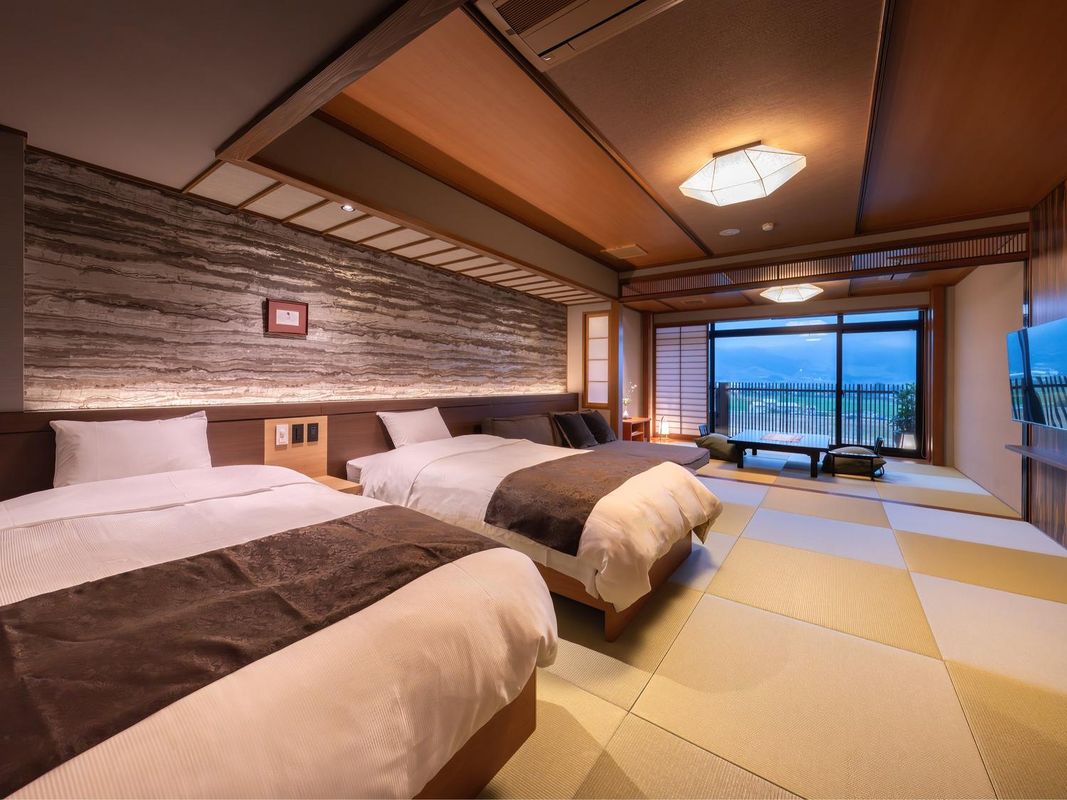
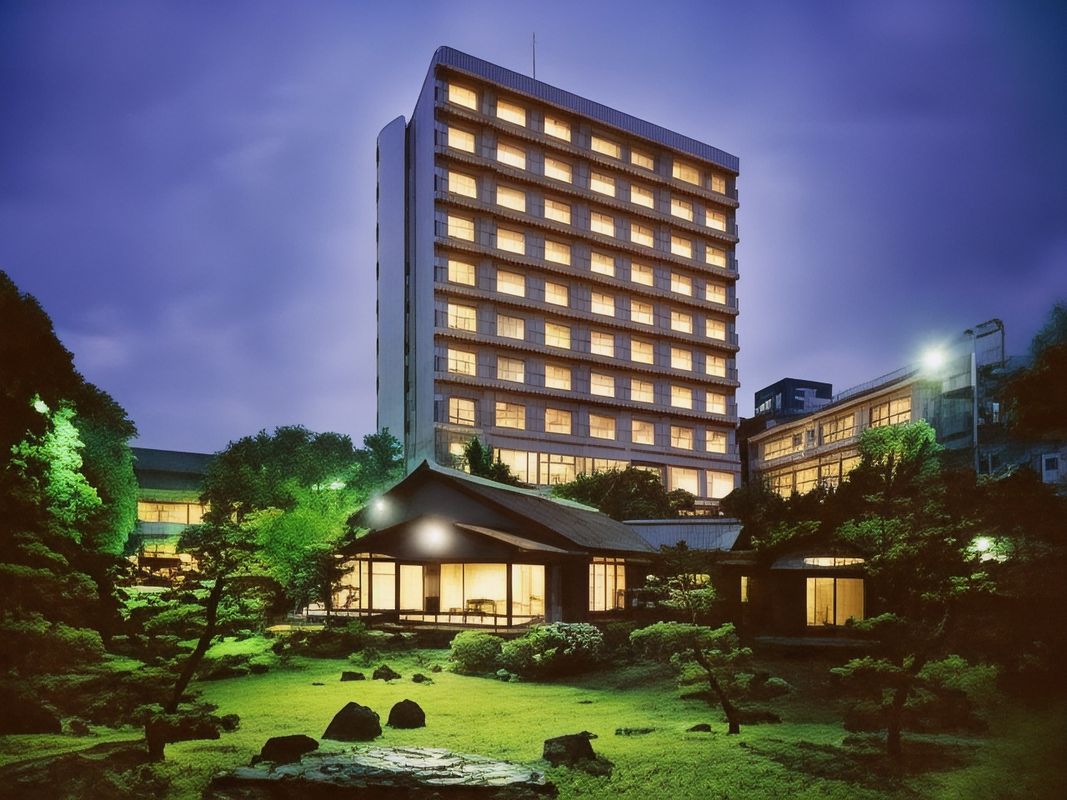
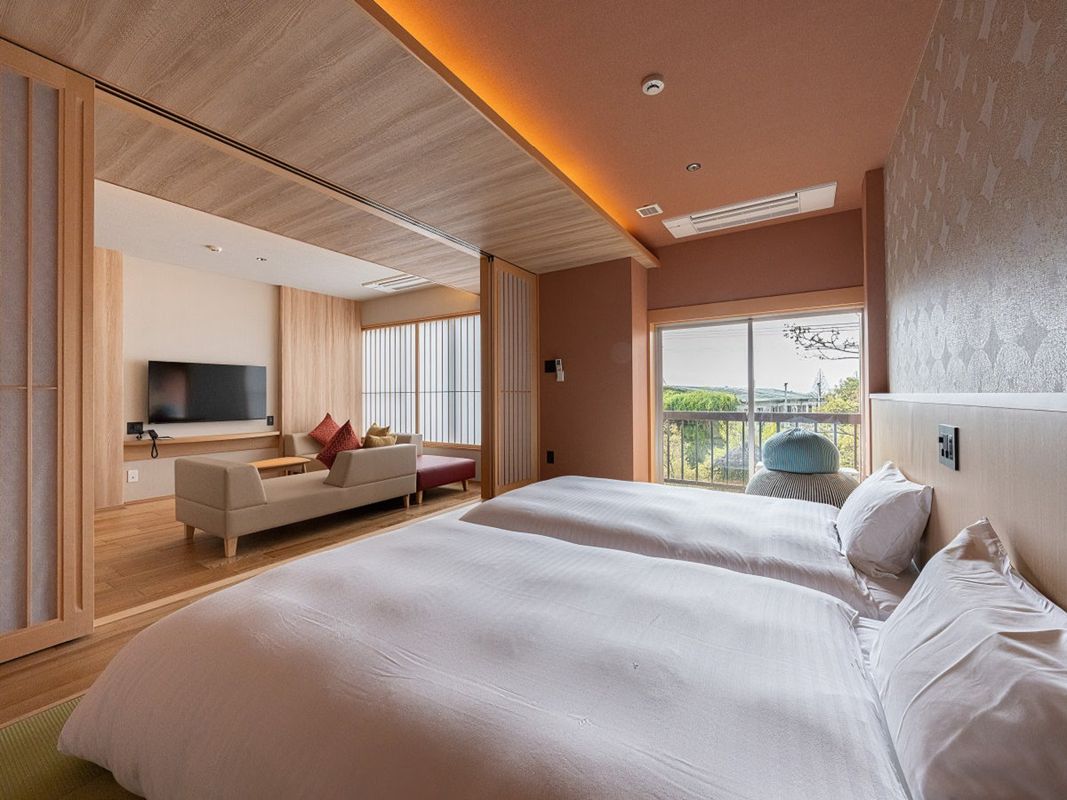
In Asahina City, the best choice for authentic Japanese charm is Asahina Onsen Hotel, nestled at the foot of Mount Asahina. This ryokan features tatami rooms, private onsen baths, and views of forested hills through shoji screens. Guests enjoy kaiseki meals made with local ingredients like fresh mountain vegetables and Asahina rice. The hotel’s proximity to Asahina Shrine and Asahina Ancient Tombs enhances cultural immersion. For a more intimate stay, Asahina Town Hall Guesthouse—housed in a renovated school building—offers modern-minimalist design with nostalgic touches, perfect for travelers seeking quiet authenticity. Both offer serene, soulful experiences rooted in local tradition.
The central district of Asahina City is ideal for lodging, offering easy access to major attractions. Located near Asahina Station, it’s within walking distance of the Asahina City Museum, Asahina River Trail, and numerous traditional eateries. Most hotels here are boutique inns or family-run guesthouses with warm service and affordable rates. For tranquility, consider staying near Asahina Onsen District, slightly removed but rich in natural hot springs and privacy. While less central, this area offers deep relaxation with scenic views and direct access to outdoor baths. Central district balances convenience and culture, making it the top pick for most visitors.
Don’t miss the Asahina Gion Festival, held annually in summer, featuring elaborate floats, traditional dance performances, and illuminated lanterns that evoke Edo-era traditions. Explore the Asahina Ancient Tombs, ancient burial mounds dating back to the Kofun period, offering insight into early Japanese history. Visit the Asahina City Museum of Art, which showcases contemporary works inspired by local folklore and nature. For deeper engagement, participate in a tea ceremony or pottery workshop at a local artisan studio. These experiences provide genuine connections to the city’s heritage and craftsmanship, enriching your journey beyond sightseeing.
Absolutely. Asahina Onsen boasts high-quality natural hot springs, particularly the sodium bicarbonate-rich waters known for skin softening and muscle relaxation. Top picks include Asahina Onsen Hotel and Oonooya Ryokan, both offering open-air baths with mountain views and private soaking areas. Many rooms feature floor-to-ceiling windows overlooking gardens or forests, allowing guests to soak while gazing at stars or autumn foliage. Some inns even provide onsen breakfast with locally grown rice and miso soup. Early morning soaks under clear skies or after sunset create unforgettable moments of serenity and wellness.
Yes, Asahina City is highly suitable for families. The Asahina City Children’s Science Museum offers interactive labs and an observatory perfect for kids’ curiosity. Asahina River Greenway Park provides bike paths, picnic spots, and playgrounds, all safe and surrounded by nature. Family-friendly inns like Asahina Town Hall Guesthouse provide spacious rooms, baby cots, and child-oriented activities such as origami and local craft workshops. During the Asahina Gion Festival, children can make paper lanterns and try on traditional costumes. With low crowds, clean streets, and gentle pace, it’s an ideal destination for quality family time.
Must-try dishes include Asahina Curry Rice, a rich, slow-cooked curry using local onions and house-made sauce; Fukuoka-style ramen from stalls near Asahina Station, known for its creamy pork broth; and Asahina Dorayaki, sweet red bean-filled mochi cakes grilled over charcoal. For farm-to-table dining, visit Asahina Farm Restaurant, where seasonal vegetables and free-range chicken are used in daily menus. Don’t miss the street snacks at Asahina Onsen Street, including matcha mochi, azuki rice balls, and roasted sweet potatoes. These flavors reflect the region’s agricultural roots and culinary heart.
Yes, Asahina City is well-connected via JR Kyushu Line, with regular trains linking to Fukuoka Tenjin Station in about 30 minutes. The Asahina Station hub offers bus transfers to key sites like Asahina Shrine, Ancient Tombs, and Onsen District. Local rental bikes and shared e-scooters are available for short trips. For those driving, National Route 200 runs through the city with clear signage. From Fukuoka Airport, it’s just over an hour by car—ideal for exploring rural trails and hidden villages. Renting a vehicle enhances flexibility, especially for off-the-beaten-path adventures.
Seasonal highlights include: Cherry Blossom Festival (late March–early April) along the Asahina River, where cherry trees bloom in pink waves and illuminate at night. Summer brings the Asahina Gion Festival, three days of vibrant parades and performances. In autumn, the Asahina Harvest Festival celebrates rice farming with local food tastings and sake brewing demos. Winter features the Asahina Onsen Light Festival, where hot spring baths glow under festive lights. These events reflect regional identity and offer immersive cultural moments, making each season uniquely memorable.
Highly recommended. Asahina City offers endless photographic opportunities: shoot misty mornings along the Asahina River, silhouettes of ancient tombs at golden hour, or moss-covered forest paths after rain. The Asahina Shrine’s vermilion torii gate and stone steps provide striking contrast against greenery. At night, the Asahina Onsen Light Festival creates dreamlike scenes with glowing bathhouses and lanterns. Even the Asahina Town Hall Guesthouse, once a school, offers vintage architecture and rustic textures. Bring wide-angle and telephoto lenses, plus a tripod for long exposures—this quiet city is a visual poet’s dream.
Perfect for couples: book a private onsen suite at Asahina Onsen Hotel, where you can soak together under the stars with panoramic mountain views. Stroll hand-in-hand along the Asahina River Bridge at dusk, listening to flowing water and rustling leaves. Join a guided evening tour of the Asahina Ancient Tombs, where stories of ancient love legends unfold. End the day with a quiet afternoon tea at a garden café near the Asahina City Art Museum, savoring matcha cake and handmade coffee. Return to your inn for a couples’ massage and a dinner of local delicacies—romance, simplicity, and serenity define this intimate escape.
Asakura, Fukuoka Overview
City Summary
Asakura City in Fukuoka Prefecture is a hidden gem blending natural beauty with samurai heritage. Famous for the well-preserved Akizuki Castle Town with its Edo-period samurai residences (dubbed "Little Kyoto of Kyushu"), the area offers serene Asobi River valleys and hot springs perfect for escaping urban bustle.
Must-See Attractions
Explore the stone-paved streets of Akizuki Castle Ruins surrounded by black-walled samurai houses. The Asakura City Folk Museum displays regional artifacts, while the sacred cedars of Haki Shrine inspire awe. Nature lovers shouldn't miss the rustic charm of Chikugo River Shokai Bridge, especially during autumn foliage.
Food Guide
Savor local Amagi Ramen with chicken-and-fish broth and straight noodles. Seasonal delights include Kyoho grapes and pears from Asakura orchards. Brave foodies can try basashi (horse sashimi), a Kyushu specialty. Summer brings fun nagashi-somen (flowing noodle) dining experiences.
Transportation Guide
From Fukuoka, take JR Kagoshima Line to Kiyama Station (1hr), then transfer to Amagi Railway (30min). Limited loop buses connect major spots - check schedules via "Asakura Navi" app. Bicycle rental (¥500/day) is ideal for Akizuki area. Taxis require advance HopeGoo (+81-946-22-0111).
Best Time to Visit
October-November offers perfect weather and spectacular fall colors. Avoid humid July-August rains. Winter (Dec-Feb) has fewer tourists but some attractions may close.
Travel Tips
- Wear non-slip shoes for Akizuki's steep stone paths
- Rural buses run infrequently - always verify schedules
- Most ryokans require reservations, especially for onsen
- Respect private properties when photographing samurai houses
- Only consume basashi at restaurants displaying "for raw consumption" signs
- Carry snacks as convenience stores are scarce in rural areas
Useful Information
Language: Japanese only; basic English at tourist centers. Currency: Cash preferred, some IC cards accepted in Akizuki. Wi-Fi: Free at libraries and tourist offices. Emergency: Asakura City Hospital (+81-946-22-1111) has 24/7 ER. Etiquette: Remove shoes at temples; tattoos prohibited in most onsens. Contacts: Police +81-946-22-0110, Tourism Association +81-946-22-0001.









