Hotels in Ashikita
Discover your perfect stay in Ashikita.
Ashikita(Japan) Travel 2026: Cheap Flights, Hotels & Top Attractions
Popular Landmarks in Ashikita
Discover the most iconic attractions in Ashikita
Recommended Hotels in Ashikita
Find the perfect place to stay in Ashikita
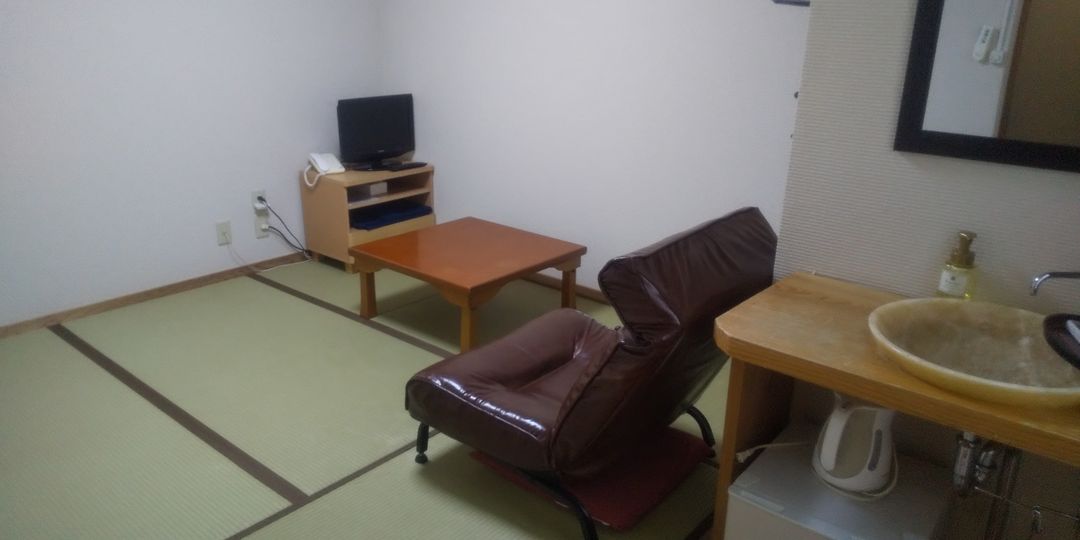
Yunoura Onsen Kameiso
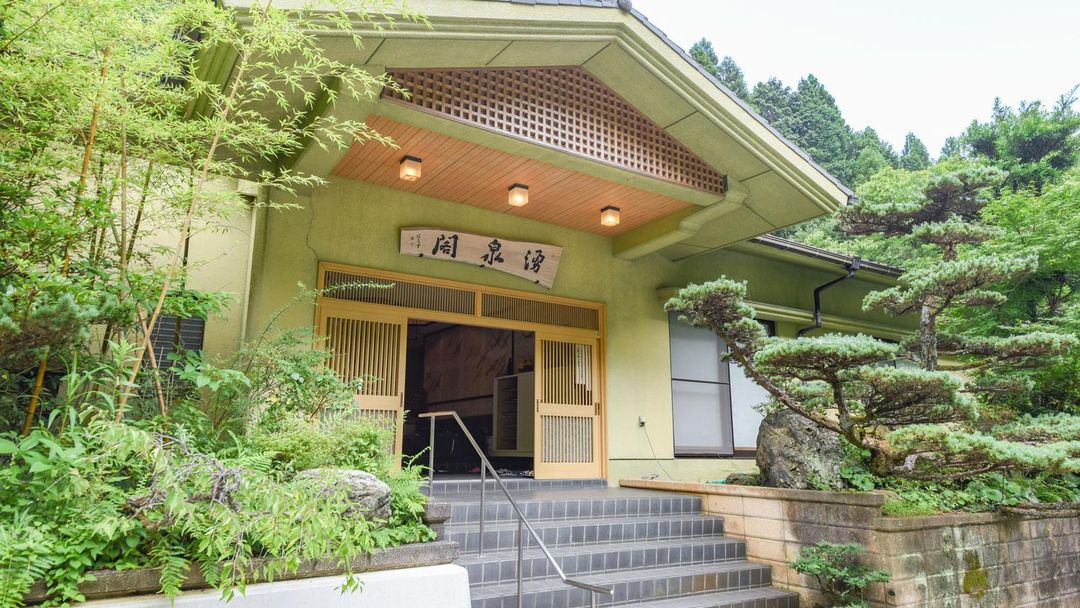
Yusenkaku
Best Hotels in Ashikita
Discover curated hotel collections in Ashikita
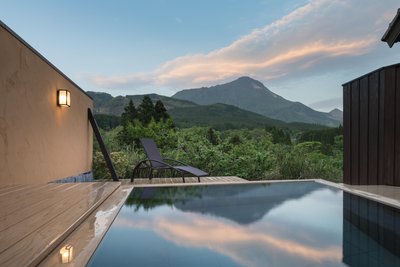
Ikkoten
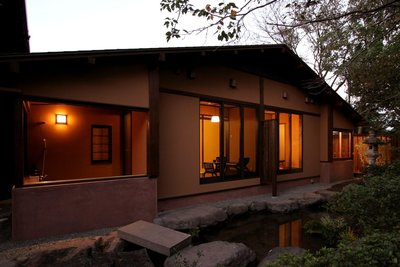
SEKIYA RESORT Bettei Haruki
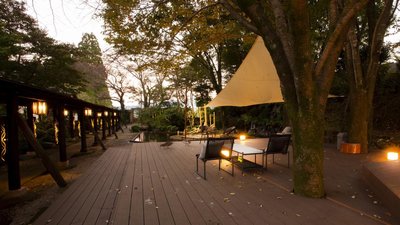
Chikurakutei
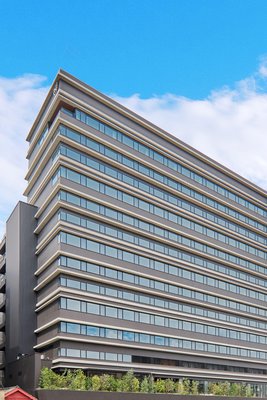
The Royal Park Canvas Fukuoka Nakasu
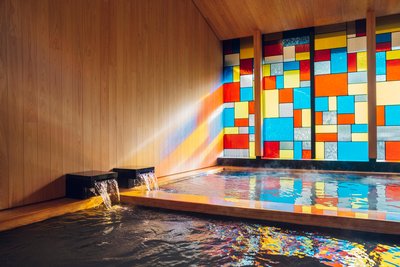
Hoshino Resorts Kai Unzen
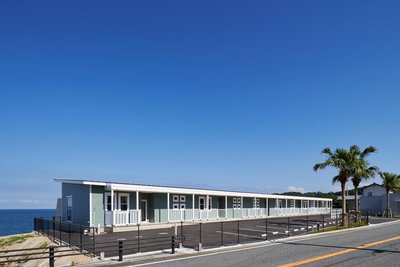
Alfacio Resort Stay Itoshima
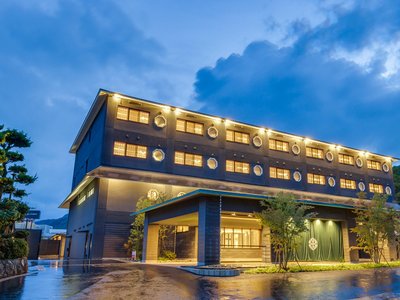
Ureshino Yadoya

seven x seven itoshima
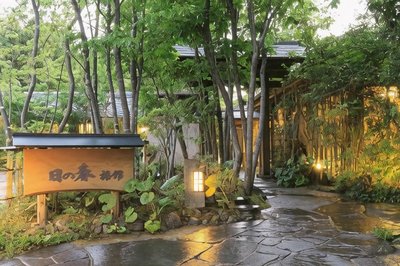
Yufuin Onsen Hinoharu Ryokan
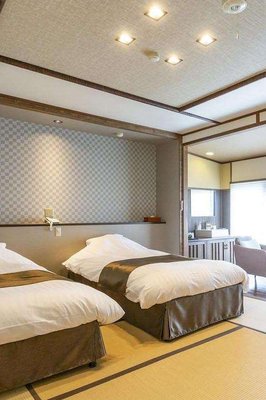
Sozankyo
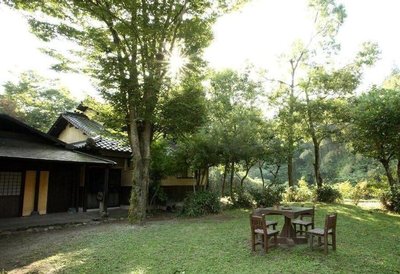
Yamashinobu
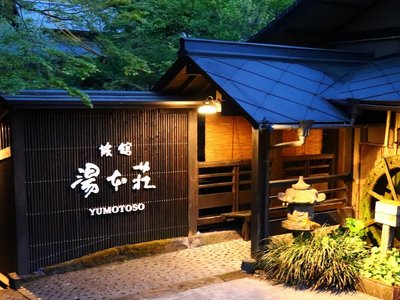
Ryokan Yumotosou
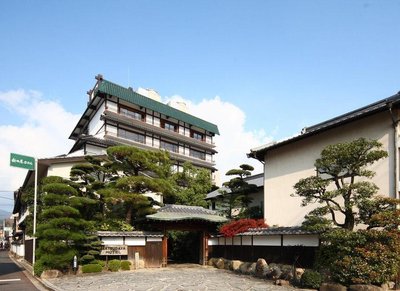
Matsudaya Hotel
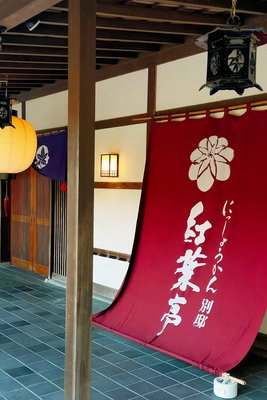
Nisshokan Bettei Koyotei
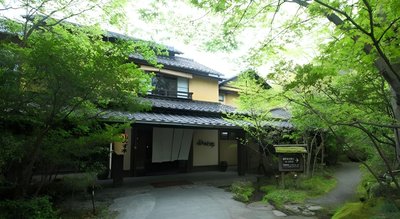
Kurokawaonsen Yamamizuki
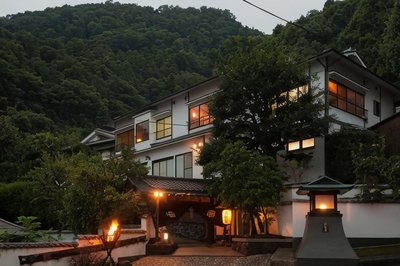
Beppu Showaen
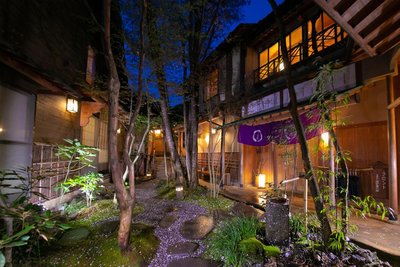
Oyado Ichizen
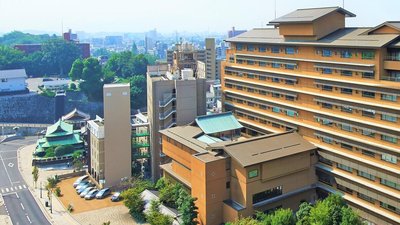
Yamatoya Honten

Garden Terrace Nagasaki Hotel & Resort
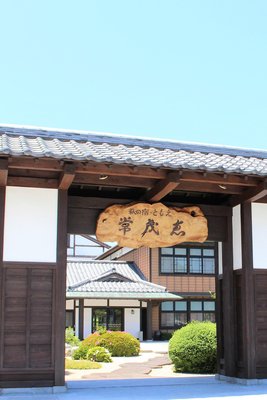
Hagi No Yado Tomoe
Garden Terrace Nagasaki Hotel & Resort

Holiday Inn Resort Miyazaki
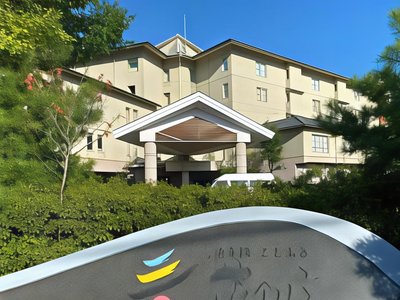
Yufuin Kotobuki Hananosho
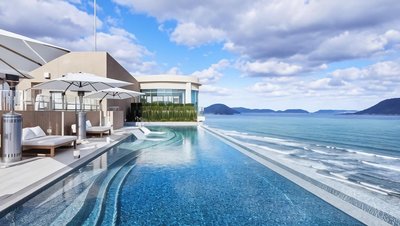
Karatsu Seaside Hotel
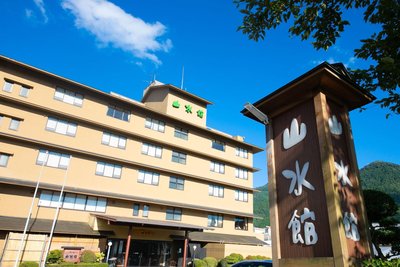
Yufuin Sansuikan
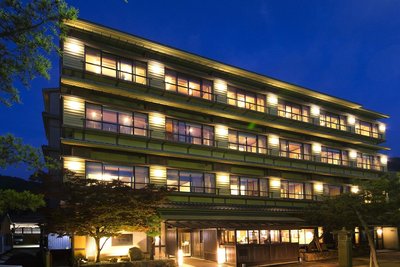
Kinsuikan
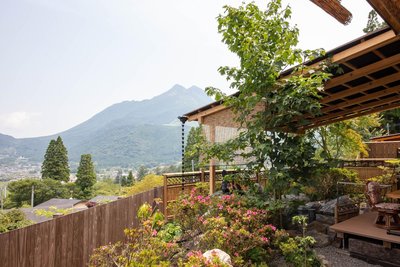
Yufuin-Sanso Waremokou
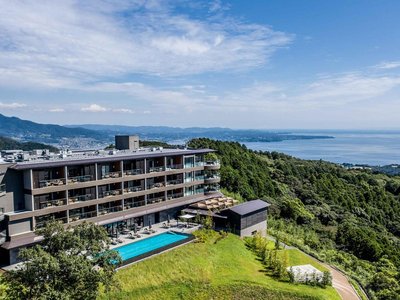
Ana InterContinental Beppu Resort & Spa
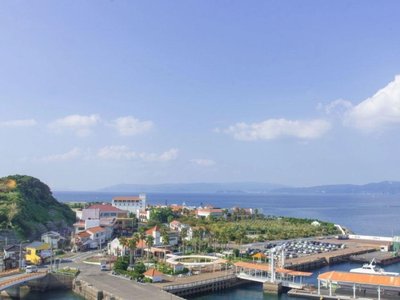
I+Land Nagasaki

The OneFive Villa Fukuoka
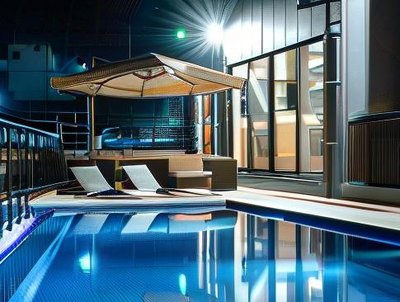
LiVEMAX RESORT MIYAHAMA ONSEN OCEAN
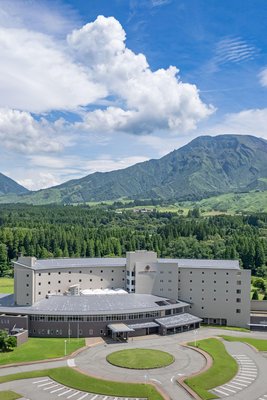
KAMENOI HOTEL ASO
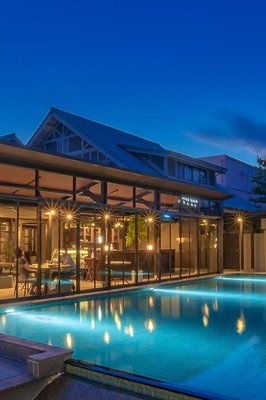
Amane Resort Gahama
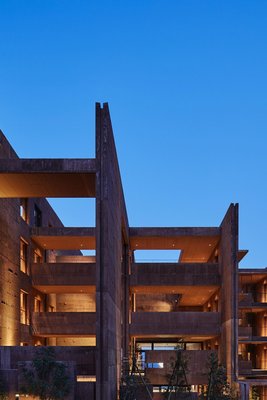
SEKIYA RESORT GALLERIA MIDOBARU

Beppu Suginoi Hotel

Phoenix Seagaia Ocean Tower
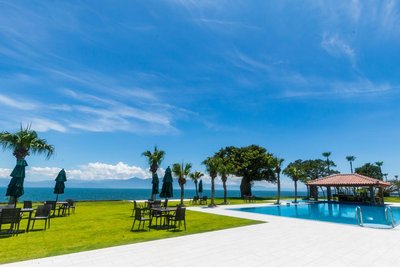
Kagoshima Sunamushi Onsen Ibusuki Hakusuikan
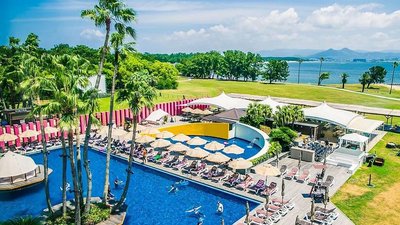
The Luigans Spa and Resort
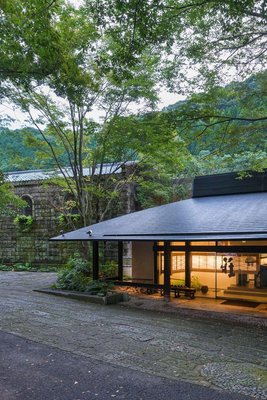
Myoken Ishiharaso

SHIROYAMA HOTEL kagoshima
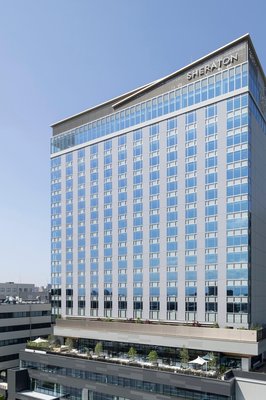
Sheraton Kagoshima
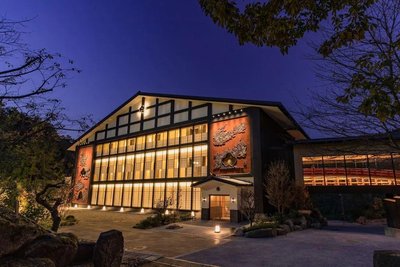
Okuhita Onsen Umehibiki
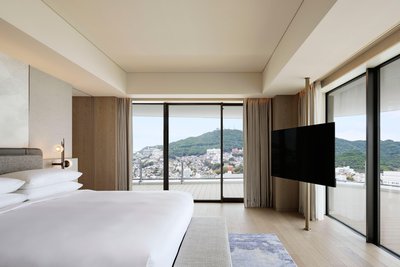
Nagasaki Marriott Hotel
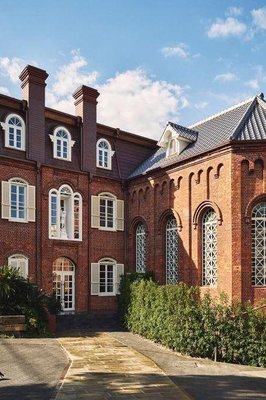
Hotel Indigo Nagasaki Glover Street by IHG

Stadium City Hotel Nagasaki
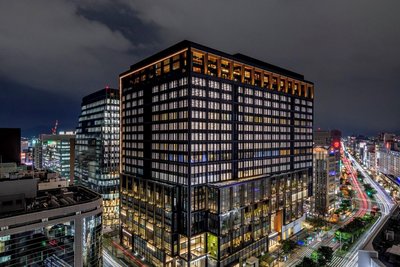
ONE FUKUOKA HOTEL
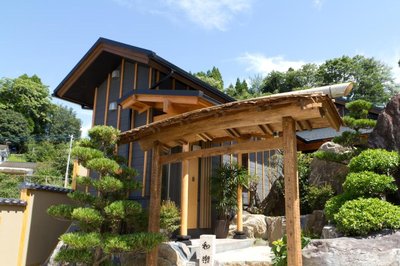
Ryokan Shinsen
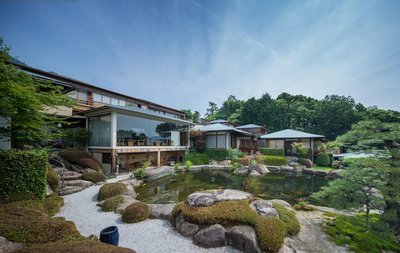
SEKITEI

Yamatoya Besso
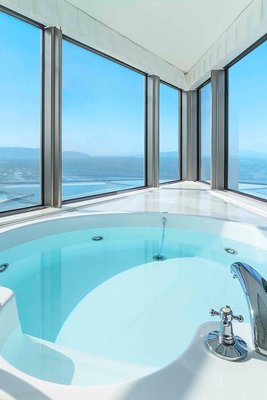
Hilton Fukuoka Sea Hawk

Olive Bay Hotel
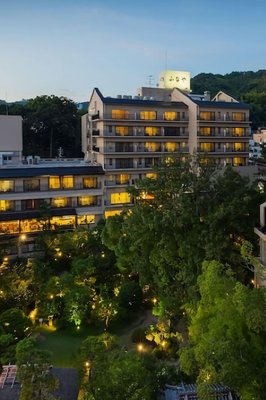
Funaya

Hotel Okura Jr Huis Ten Bosch

Bettei Oborozukiyo

La Vista Kirishima Hills
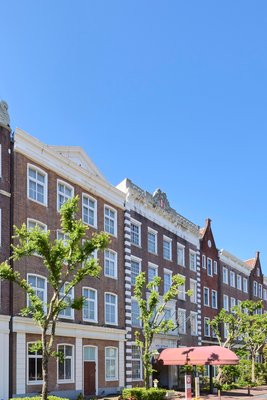
Hotel Amsterdam Huis Ten Bosch

Yumotoankiyohime
Ana InterContinental Beppu Resort & Spa
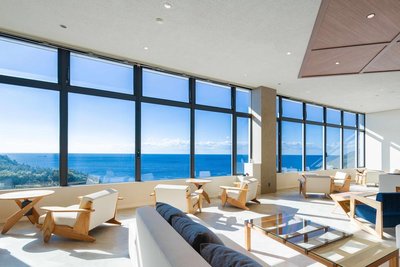
TheMana Village
Amane Resort Gahama

Hotel Barrière Fouquet's New York
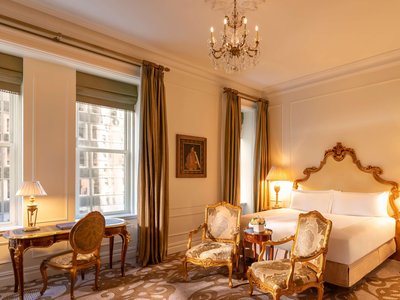
The Plaza - A Fairmont Managed Hotel
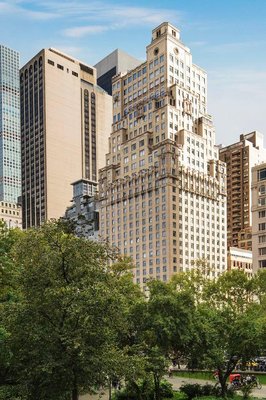
The Ritz-Carlton New York, Central Park

Four Seasons Hotel New York

The St. Regis New York

Park Hyatt New York
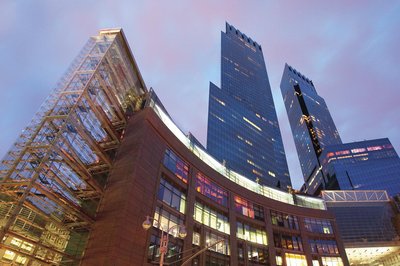
Mandarin Oriental New York
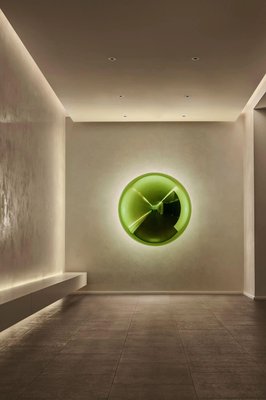
Times Square Edition New York

Loews Regency New York Hotel

Lowell Hotel
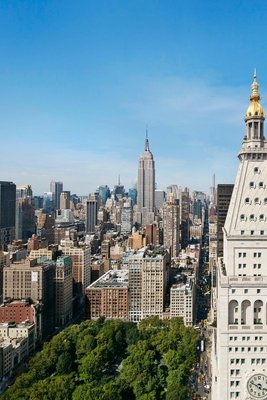
New York Edition

Baccarat Hotel New York

Equinox Hotel New York

Four Seasons Hotel New York Downtown

The Langham, New York, Fifth Avenue

The Carlyle, A Rosewood Hotel

The Chatwal, in the Unbound Collection by Hyatt

The Mark New York

Trump International Hotel & Tower® New York
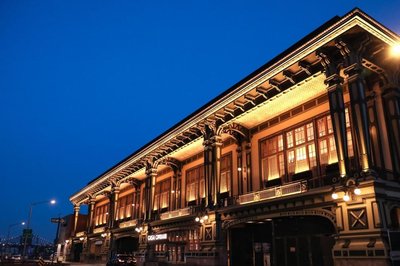
Casa Cipriani New York
Frequently Asked Questions about Traveling to Ashikita
Questions You Might Need to Know About Traveling to Ashikita
In Ashikita Town, the top family-friendly option is Ashikita Onsen Kōen Minka, a traditional Japanese-style guesthouse nestled beside the Ashikita River. It features private onsen baths, spacious rooms with tatami mats, and offers kid-friendly activities like nature scavenger hunts and farm visits to local organic farms.
Another excellent choice is Ashikita Town Tourist Inn, located just a 5-minute walk from the town hall and Ashikita Shrine. This hotel provides multilingual staff, high-chair accommodations, and hosts weekend workshops where children can make rice crackers using local ingredients. Families appreciate the safe, quiet neighborhood and proximity to hiking trails and seasonal festivals. HopeGoo early is recommended, especially during cherry blossom season or autumn foliage months.
The best area for accommodation in Ashikita Town is the onsen district along the Ashikita River, renowned for its serene environment and access to natural hot springs. Here, you’ll find several ryokans offering private outdoor baths overlooking lush forests and flowing streams.
Alternatively, staying in the town center near Ashikita Station provides easy access to public transportation, local markets, and cultural sites like the Ashikita Historical Museum. For travelers seeking authentic rural life, consider staying in Ono Village, where traditional thatched-roof houses have been converted into boutique guesthouses. Choose based on your preference: tranquility and nature (river area) or convenience and culture (town center).
In Ashikita Town, one of the must-do cultural experiences is attending the Ashikita Festival held annually in spring at Ashikita Shrine, featuring traditional dances, handmade crafts, and local food stalls.
You can also join a hands-on organic farming workshop, where you’ll learn to cultivate konjac root and sweet potatoes in local fields, followed by cooking a traditional meal using fresh harvests. Some guesthouses offer kaiseki cooking classes, teaching how to prepare Ashikita-style hot pot with mountain vegetables and locally sourced meat.
Don’t miss the Ashikita Historical Museum, which displays ancient documents, folk artifacts, and exhibits tracing the town’s evolution from a fishing village to a modern agricultural hub. Many experiences include guided storytelling sessions in both Japanese and English.
Ashikita Town’s hot spring hotels stand out due to their naturally mineral-rich waters sourced from deep volcanic aquifers, with temperatures around 42°C—ideal for soothing muscles and improving circulation.
Ashikita Onsen Ryokan is particularly renowned for its fully private outdoor onsen suites, each offering panoramic views of the Ashikita River and surrounding mountains. Some properties even feature therapeutic baths infused with local black pork broth or herbal infusions.
Many hotels uphold traditional hospitality, such as serving handwritten welcome notes, offering foot baths upon arrival, and providing seasonal treats like wild mountain vegetable tea. Look for establishments certified under the "Nature Coexistence" initiative for an authentic, eco-conscious stay.
For hikers, Ashikita Town offers scenic routes like the Upper Ashikita River Trail, a gentle 3-kilometer path through dense deciduous forest leading to the Tengu Rock Viewpoint, perfect for photography and birdwatching.
Another highlight is the Ashikita Ridge Loop, an 8-kilometer trail crossing forest and alpine meadows with sweeping views of the Kyushu Mountains. The trail is ideal for mid-level hikers and features rest shelters and interpretive signs.
The Ashikita Town Tourism Association provides free downloadable maps and audio guides in multiple languages. Popular seasons include spring (cherry blossoms), summer (fireflies), and autumn (foliage). Always carry water, wear sturdy shoes, and avoid off-trail areas for safety.
In Ashikita Town, be sure to try Konjac Hot Pot, a hearty dish made with locally grown konjac root, black pork from Kumamoto, and wild mountain vegetables—known for its chewy texture and rich flavor.
Another must-try is Ashikita River Fish Cuisine, featuring fresh ayu sweetfish and trout grilled over charcoal or served raw as sashimi—delicate and sweet due to the clean river water.
Don’t miss sweet potato mochi, crafted from purple-fleshed local varieties, filled with red bean paste or honey. These treats are available at the Ashikita Market and small family-run shops. Pair them with a glass of locally brewed rice wine for a complete taste of the region's culinary heritage.
Ashikita Town hosts vibrant seasonal events throughout the year. In spring, visit the Ashikita Cherry Blossom Festival, where the Ashikita Riverbank blooms with pink sakura trees, illuminated at night with lanterns and live music.
During summer, join the Firefly Night Cruise along the upper river, where thousands of fireflies light up the forest—book tickets in advance as spots fill quickly.
Autumn brings the Ashikita Harvest Festival, celebrating local produce like sweet potatoes, konjac, and citrus fruits, with craft booths, rice-throwing games, and community meals. Winter features the Ashikita Onsen Light Festival, transforming the town into a glowing wonderland with paper lanterns and warm street-side snacks like steamed rice balls and ginger tea.
Photographers love Ashikita Town for its timeless beauty. Capture the dawn mist over the Ashikita River Bridge, where morning fog blankets the water and reflects the surrounding maple trees—a perfect shot for minimalist landscape photography.
The Tengu Rock Viewpoint offers a breathtaking sunrise panorama of the Kyushu Mountains and winding river below—ideal for wide-angle shots and long exposures.
Visit the Ashikita Shrine’s torii gate framed by century-old cedar trees, creating a dramatic, spiritual composition. In winter, the snow-dusted rooftops and lantern-lit streets of the onsen district provide stunning contrast for night photography.
Some guesthouses offer guided photo tours and recommend optimal times and angles. Remember to respect privacy and sacred spaces—no drones allowed without permission.
Plan your one-day Ashikita Town itinerary as follows: Start by checking into Ashikita Onsen Ryokan upon arrival, enjoying a breakfast of local konjac tofu and rice cakes.
Head to Ashikita Shrine in the morning for a peaceful visit and photos. Then hike the Upper Ashikita River Trail to Tengu Rock Viewpoint, returning via the scenic riverside path.
Lunch at the Ashikita Market, sampling grilled ayu fish and sweet potato mochi. Afternoon visit to the Ashikita Historical Museum and a short stop at a local farm for a konjac harvesting demo.
Return to your ryokan for an evening onsen soak, followed by dinner featuring Ashikita Hot Pot. If time allows, join a bonfire storytelling session with local elders sharing legends and folklore.
All activities are within walking distance or accessible via local bus. Reserve accommodations and experiences early via the official tourism website.
To reach Ashikita Town, take the Kumamoto Prefectural Bus Line from Kumamoto City, about 1 hour away, with 4–6 daily departures. Check schedules online before travel.
If driving, use the Kyushu Expressway and exit at Ashikita IC, then follow signs to the town center. Parking is limited in residential areas—use designated lots only.
Some guesthouses offer free shuttle services from the station. For short-distance exploration, rent an electric bicycle from the Ashikita Town Tourism Center.
There’s no train or subway system in town, but the Ashikita Town App provides real-time updates on bus routes, delays, and bike availability. Download it before arrival for seamless navigation.