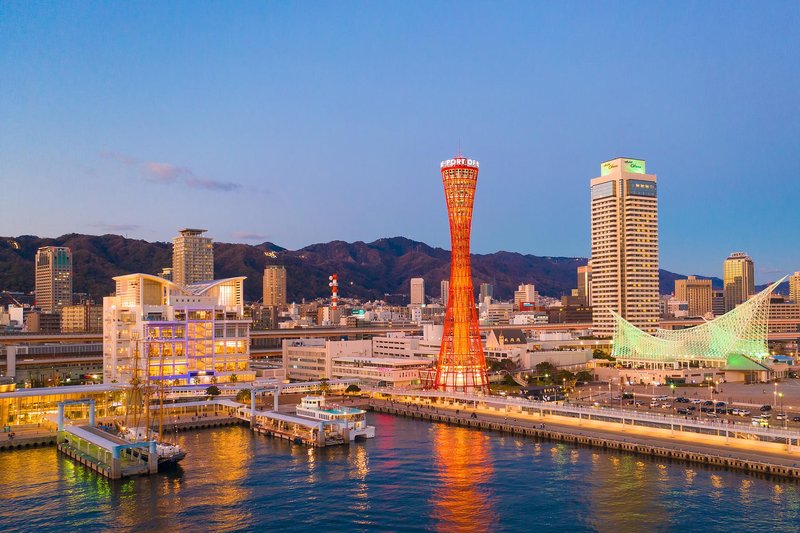
Hotels in Ashiya
Discover your perfect stay in Ashiya.
Ashiya(Japan) Travel 2026: Cheap Flights, Hotels & Top Attractions
Popular Landmarks in Ashiya
Discover the most iconic attractions in Ashiya
Recommended Hotels in Ashiya
Find the perfect place to stay in Ashiya
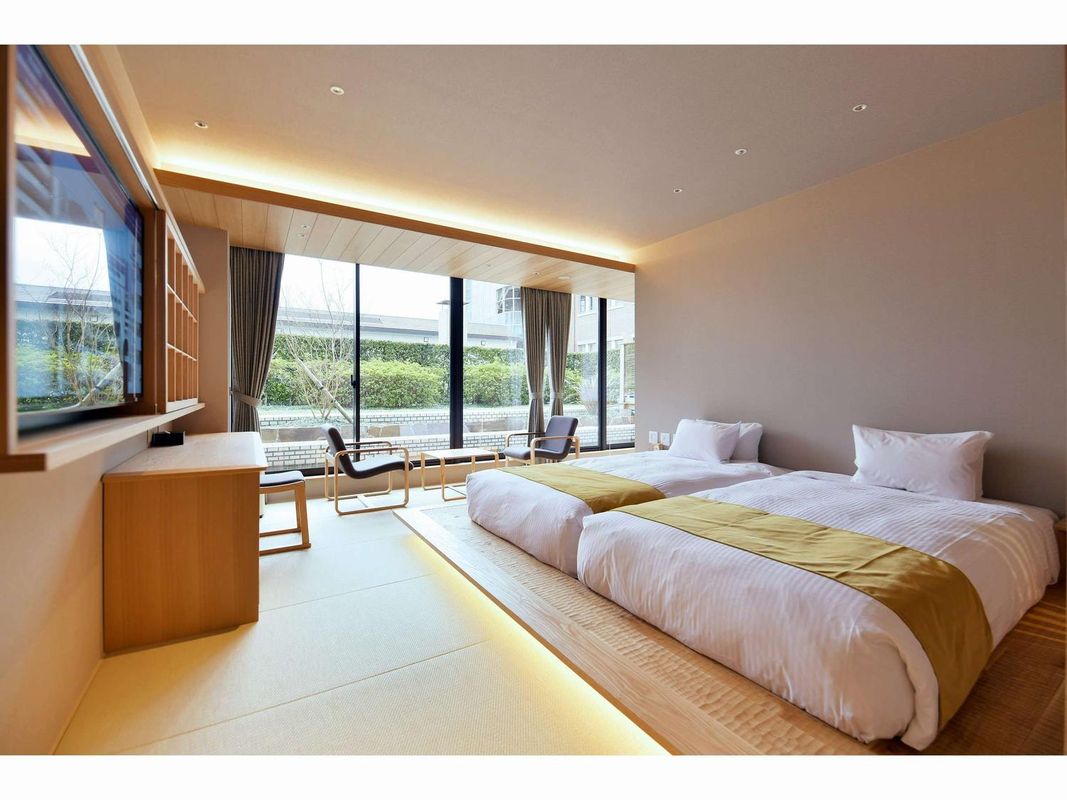
Best Hotels in Ashiya
Discover curated hotel collections in Ashiya
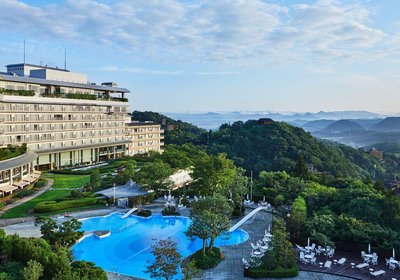
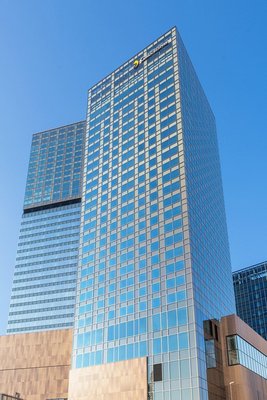
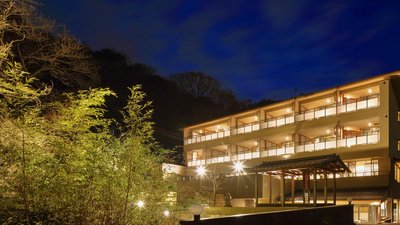
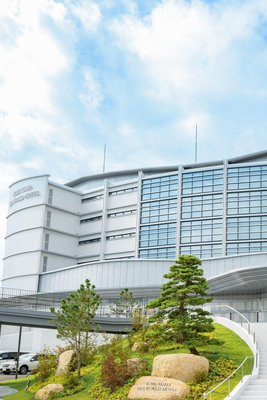

Frequently Asked Questions about Traveling to Ashiya
Questions You Might Need to Know About Traveling to Ashiya
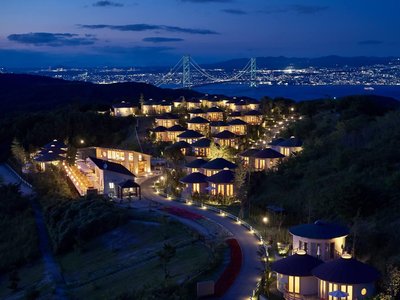
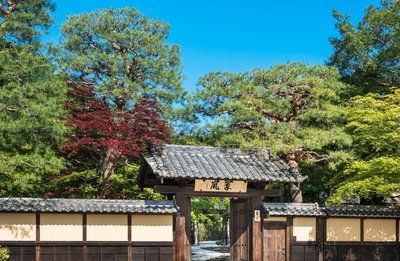
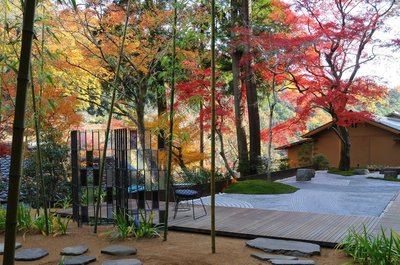
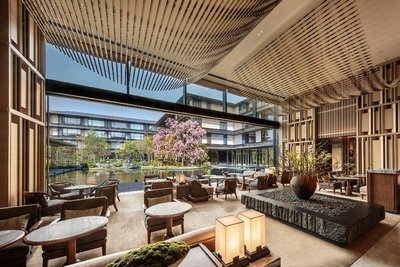
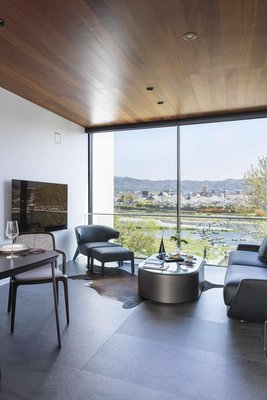
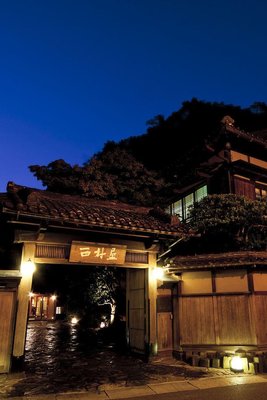
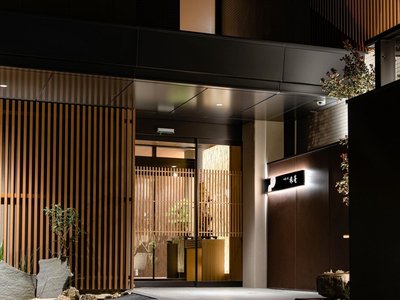
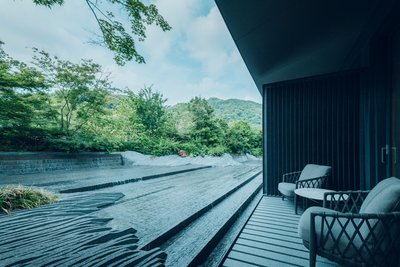
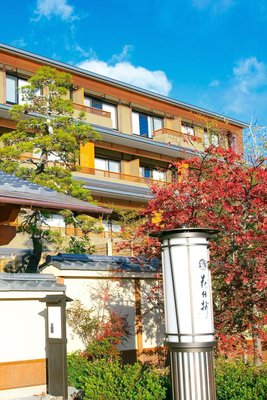
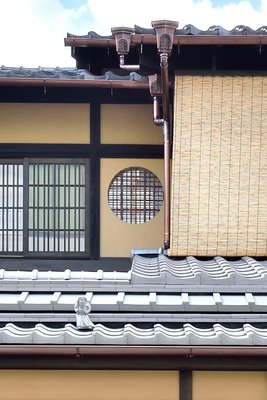
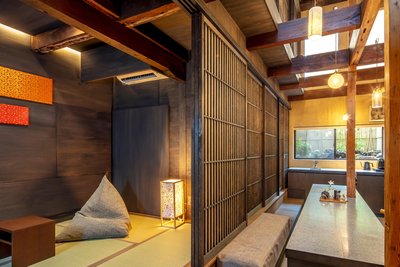
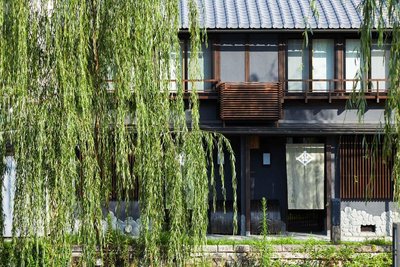
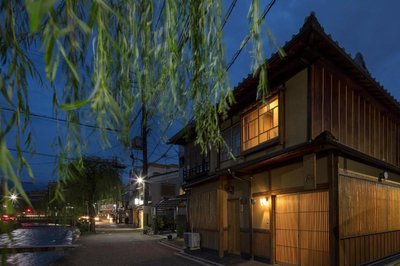
In Amagasaki City, the top boutique stay is Ryōbashi Garden Hotel, a hidden gem nestled along the serene Amagasaki River. This intimate hotel blends traditional Japanese design with modern comfort, featuring tatami rooms, private gardens, and an on-site kaiseki restaurant using seasonal local ingredients. Guests enjoy personalized service and curated cultural experiences—like tea ceremonies hosted by resident artisans. Located near Amagasaki Park and the Hyōgo Prefectural Museum of Art, it offers quiet elegance without sacrificing convenience. The surrounding neighborhood buzzes with independent cafés, vintage shops, and art galleries, making it ideal for travelers seeking authentic, low-key charm. Each stay includes a hand-written welcome note in Japanese, reflecting the city’s deep-rooted hospitality.
For those drawn to history, nearby Amagasaki Shrine hosts monthly festivals where locals wear yukata, offering a rare glimpse into community life. The hotel also partners with local artists to rotate exhibitions in common areas—turning your room into a living gallery.
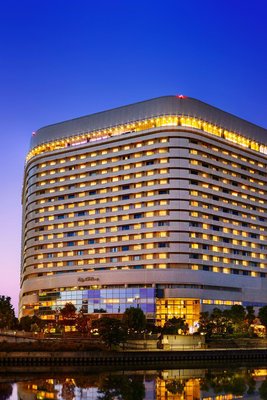
The best neighborhoods for first-time visitors are Amagasaki Station area and Amagasaki Riverfront District. The Amagasaki Station zone is a bustling hub with easy access to major rail lines—just 30 minutes from Osaka Umeda and 45 minutes from Kobe Sannomiya. It’s packed with mid-range hotels like Hyatt Regency Amagasaki, restaurants, and convenience stores, making it perfect for hassle-free travel. Meanwhile, the Amagasaki Riverfront District offers a peaceful escape with tree-lined pathways, riverside cafes, and seasonal events such as summer fireworks displays. This area connects seamlessly to Amagasaki Park, which hosts open-air concerts and art installations during warmer months. Both zones are safe, walkable, and rich in local flavor—ideal for experiencing the city’s blend of urban energy and natural serenity.
Tourists in Amagasaki City can immerse themselves in several distinctive cultural experiences. Attend the Amagasaki River Summer Festival every July, where illuminated paper lanterns float down the river, accompanied by live music and local food stalls selling kinako dango and ohagi. For a deeper connection, book a tea ceremony workshop at Amagasaki Tea House, led by a certified master who teaches the principles of wa-kei-sei-jaku (harmony, respect, purity, tranquility). The city is also the hometown of renowned author Banana Yoshimoto, whose former residence now serves as a small literary museum showcasing her personal writings and original sketches. Explore hidden alleys in Kita-machi district, where independent galleries and secondhand bookshops offer glimpses into local artistic life. These experiences highlight Amagasaki’s quiet creativity and emotional depth.
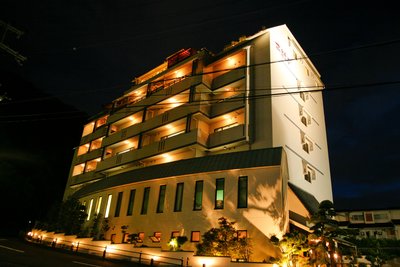
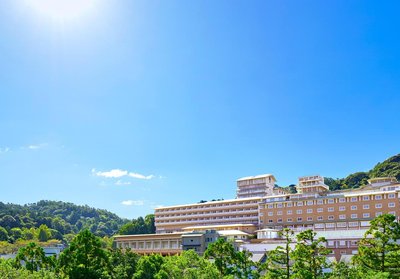
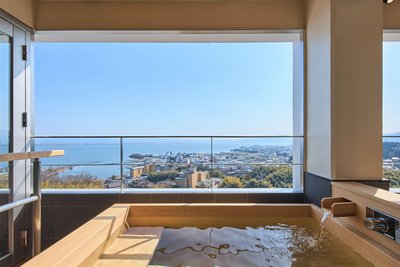
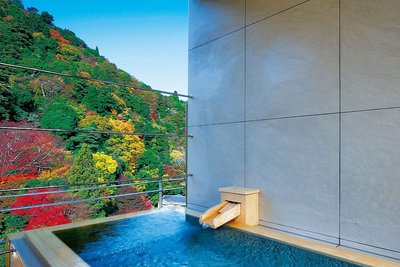
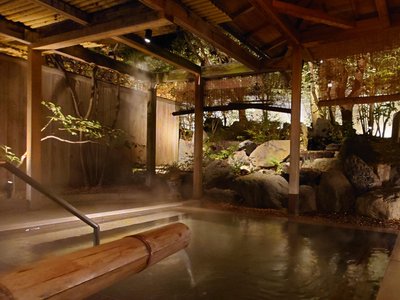
Couples seeking romance should book a stay at Amagasaki Hillside Inn, a secluded boutique retreat perched on the slopes of Amagasaki Mountain. Each room features a private outdoor hot spring bath, floor-to-ceiling windows overlooking the city lights and river valley, and a custom-designed love menu—including a candlelit dinner with locally sourced ingredients. The inn offers exclusive services like a private sunset picnic on the terrace or a guided night walk through the illuminated park trails. Afterward, guests can enjoy a complimentary bottle of Hyōgo-region sake paired with handmade wagashi. The staff arranges surprise upgrades based on anniversaries or special occasions. With its privacy, intimacy, and attention to detail, this inn transforms a simple visit into a lasting memory. Nearby Amagasaki Shrine adds spiritual allure, especially during cherry blossom season.
Visitors to Amagasaki City must sample several regional specialties. Start with Amagasaki Yakitori Yashiki, known for its charcoal-grilled skewers made with fresh local chicken and seasonal vegetables, served with a tangy tare sauce. Next, try Fujita Dining's Amagasaki Curry Rice, a rich, mildly spiced curry infused with family recipes and served over steaming rice—perfectly balanced with pickled ginger. Don’t miss Kitamachi Confectionery’s matcha mochi and red bean dorayaki, crafted daily using organic ingredients. For a true taste of tradition, dine at Amagasaki Teahouse for a kaiseki meal featuring seasonal ingredients arranged in poetic presentation. If you’re near Osaka, take a quick trip to Kuromon Market for fresh seafood and takoyaki. Pair your meal with a glass of locally brewed Hyōgo sake, known for its delicate aroma and clean finish. Every bite tells a story of place and people.
For a short visit, prioritize Amagasaki Riverwalk, a 2-kilometer scenic path lined with cherry trees and willows, ideal for morning strolls or evening walks under soft lighting. Adjacent is Amagasaki Park, home to an open-air theater, children’s playground, and seasonal flower shows. Visit the Hyōgo Prefectural Museum of Art, which hosts rotating exhibitions of Japanese modern and contemporary works, including pieces by famous Kyoto and Osaka artists. The Amagasaki Civic Cultural Hall, with its striking glass-and-steel architecture, often hosts free public lectures and film screenings. For a cultural twist, explore Amagasaki Shrine, especially during festival days when locals don traditional yukata. All these sites are within a 15-minute radius of Amagasaki Station, making them easily accessible even on a tight schedule. A half-day itinerary can cover all four highlights comfortably.
Yes, Amagasaki City is highly suitable for car rental, especially for exploring beyond the city center. Its location between Osaka and Kobe places it on the Hanshin Expressway network, allowing quick access to major destinations like Arima Onsen (30 minutes) and Mount Rokkō (40 minutes). While the city center has narrow streets and limited parking, most residential and commercial districts feature ample underground garages and surface lots. The Amagasaki Station area is well-connected by public transit, but renting a car gives freedom to visit rural temples, vineyards, and scenic viewpoints. Traffic is generally light compared to downtown Osaka, and navigation is straightforward thanks to clear signage. However, avoid peak hours (7:30–9:30 AM) due to commuter congestion. For day trips, a compact car is sufficient; for families or longer excursions, a sedan or SUV is recommended.
Instagrammers should head to Amagasaki Riverwalk at golden hour, where the water reflects warm hues from the sky and streetlights, creating dreamy long-exposure shots. The glass dome greenhouse in Amagasaki Park—designed by a celebrated architect—looks like a futuristic crystal ball, especially stunning during sunrise. Capture the red torii gate at Amagasaki Shrine framed by autumn maple leaves, or shoot silhouettes against the glowing sky during the summer festival. The Kita-machi alleyways feature vibrant murals, retro shop signs, and cozy cafés with pastel interiors—perfect for lifestyle content. Don’t miss the Amagasaki Art Center’s exterior mural, a large-scale abstract piece that changes with the seasons. Use a wide-angle lens and shoot early morning or late afternoon for soft shadows and minimal crowds. These locations offer high visual impact with minimal effort—ideal for social media storytelling.
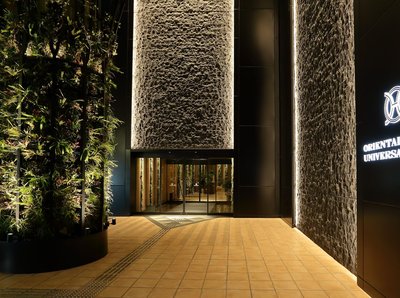
For business travelers, Hyatt Regency Amagasaki stands out as the premier choice. Located just a 5-minute walk from Amagasaki Station, it offers spacious, soundproofed meeting rooms equipped with high-speed Wi-Fi, video conferencing systems, and smartboards. The executive lounge provides complimentary coffee, snacks, and quiet workspaces. Rooms feature ergonomic desks, adjustable lighting, and blackout curtains—perfect for remote work or jet-lagged recovery. The hotel collaborates with local firms to host networking events and corporate retreats. Business guests receive priority check-in, luggage storage, and a dedicated concierge service. With direct train access to Osaka Umeda (35 minutes) and Kobe Sannomiya (45 minutes), it’s ideal for multi-city executives. Additional perks include 24-hour business center access and a partnership with a nearby co-working space for flexible meetings.
Amagasaki City has a temperate maritime climate with distinct seasons. Spring (April–June) brings mild temperatures (15–22°C) and blossoming cherry and wisteria trees—ideal for outdoor activities and photography. Summer (July–August) is hot and humid (25–32°C), with occasional typhoons; plan indoor visits to museums or use air-conditioned spaces like Amagasaki Park’s pavilion. Autumn (September–November) offers crisp, sunny days (10–20°C), perfect for hiking along the river or visiting seasonal markets. Winter (December–February) is cool but rarely cold (5–10°C), with light snowfall possible—great for cozy café hopping and visiting heated cultural venues. Always pack layers and a compact umbrella. The best time to visit is late April to early November, when weather is stable and events are frequent. Avoid mid-July if you dislike heat, and consider HopeGoo accommodations with AC and heating for year-round comfort.
Ashiya Overview
City Summary
Ashiya City in Hyogo Prefecture is an affluent residential area renowned for its natural beauty and refined urban planning. Nestled between Kobe and Osaka, it blends modernist architecture with traditional aesthetics, featuring cherry-lined streets along the Ashiya River. As part of the Kansai cultural sphere, it has nurtured artists like Jun'ichirō Tanizaki. Key attractions include mountain trails, art museums, and sophisticated café culture.
Must-See Attractions
Top sights include the Ashiya River "Sakura Namiki" cherry blossom avenue in spring. The Ashiya City Museum of Art showcases local works in a modernist building. The Yamate district preserves early Showa-era Western-style villas like the Old Matsukaze Residence. Scenic spots include the Uchide seaside sunset viewpoint and Rokko Mountain trails. Cultural activities feature tea ceremonies and boutique shops in renovated machiya houses.
Food Guide
Ashiya's gourmet scene highlights include "Ashiya Beef" teppanyaki, rivaling Kobe beef in quality. Don't miss the vintage café culture at establishments like Cafe Atlantic, famous for fruit sandwiches. Local street food features akashiyaki (octopus balls) and Hyogo-style okonomiyaki. Coastal izakayas serve fresh seafood catches.
Transportation Guide
Key transit hubs are JR Ashiya Station and Hankyu Ashiyagawa Station. Direct JR Tokaido Line trains from Osaka Umeda take 15 minutes; from Kobe Sannomiya, just 7 minutes. Local buses cover residential areas (200 yen/ride). Taxis (670 yen base fare) are ideal for mountainous areas. The "Hanshin Tourist Pass" offers unlimited train/bus rides. Bike rentals near stations are popular for coastal routes.
Best Time to Visit
Prime seasons are cherry blossom (Mar-Apr) and autumn foliage (Nov). Summer (Jun-Aug) is humid but less crowded, while winter offers crisp hiking weather. Avoid Golden Week (late Apr-early May) and Obon (mid-Aug) peak crowds.
Travel Tips
- Maintain quiet in residential areas; obtain permission before photographing private homes
- Wear sturdy shoes for Rokko Mountain trails
- Reserve upscale restaurants in advance; business casual attire recommended
- Check tide schedules for coastal activities
- Strict trash separation rules; multilingual guides at stations
- Many shops close Sundays; plan accordingly
Useful Information
Japanese is primary language; stations have English-speaking staff. Free WiFi in commercial areas; SIM cards recommended. Cash dominates, though credit cards accepted at department stores. Emergency numbers: 110 (police) or 119 (ambulance). Medical center near JR Ashiya Station. Voltage is 100V; Type A/B plugs work. Post offices handle international mail (Mon-Fri 9AM-5PM).