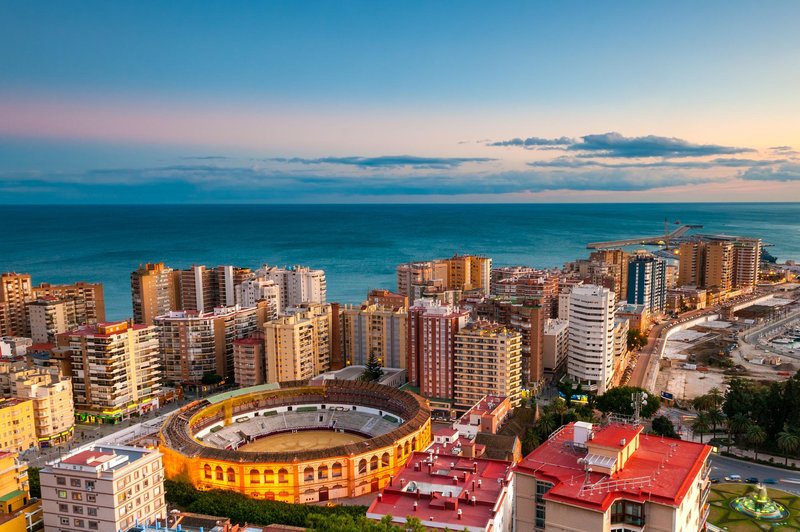
Hotels in Aspe
Discover your perfect stay in Aspe.
Aspe(Spain) Travel 2026: Cheap Flights, Hotels & Top Attractions
Popular Landmarks in Aspe
Discover the most iconic attractions in Aspe
Recommended Hotels in Aspe
Find the perfect place to stay in Aspe
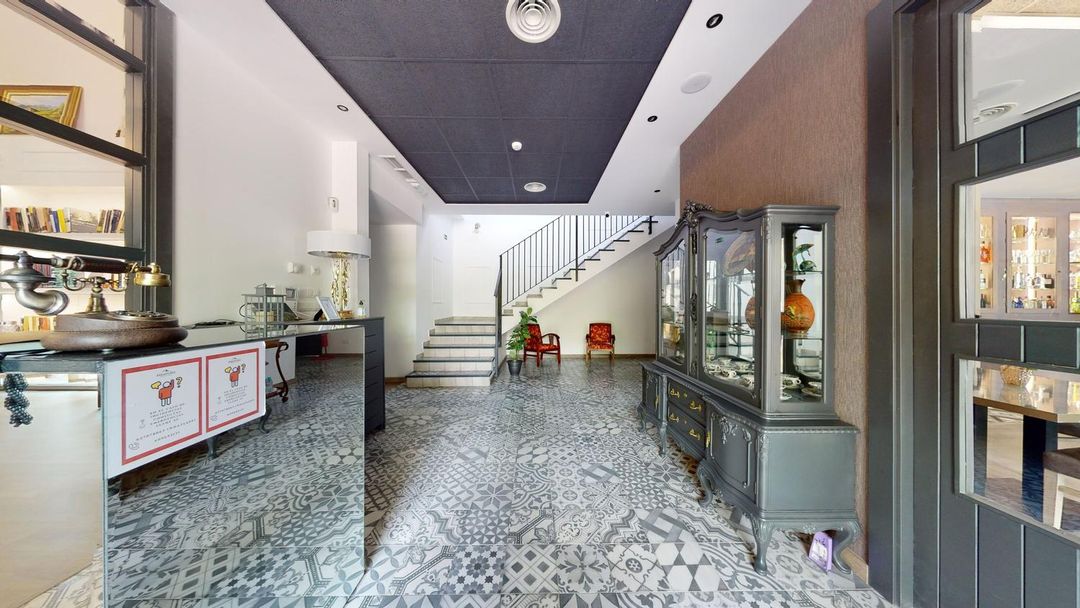
Bellevall hotel
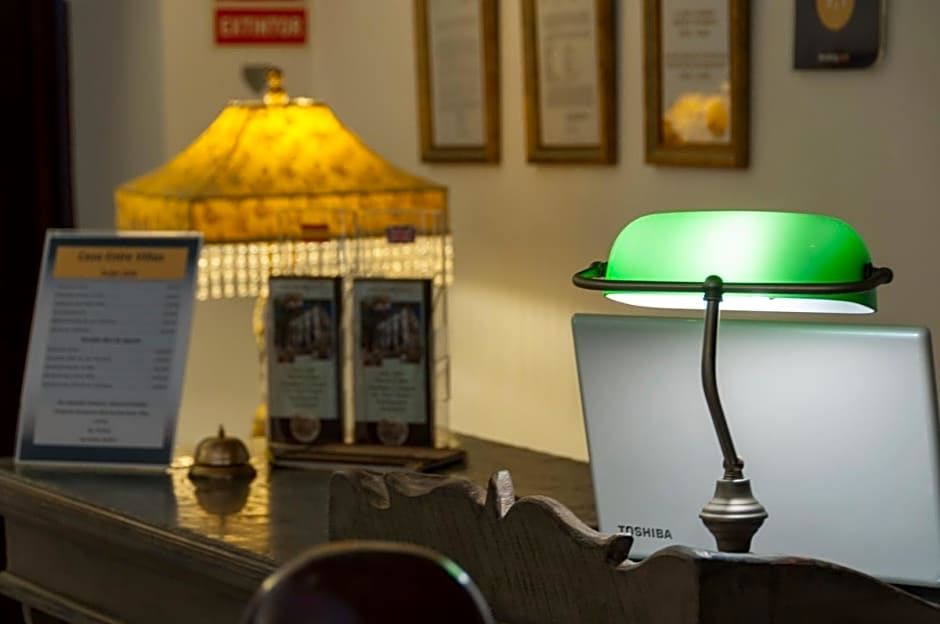
Casa Entre Viñas
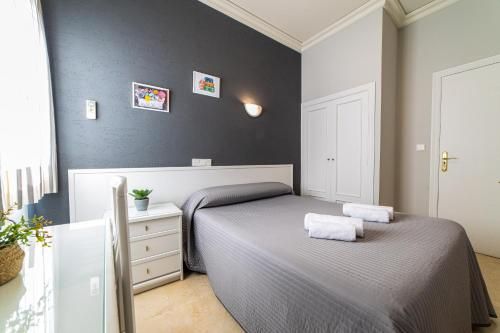
Hostal Ya
Frequently Asked Questions about Traveling to Aspe
Questions You Might Need to Know About Traveling to Aspe
In Aspe, the standout choice is Hotel Rural El Molí, a boutique countryside retreat nestled in the heart of the Aspe Valley. This former mill has been transformed into a serene sanctuary featuring traditional Catalan architecture, stone walls, and wooden beams. Each room offers panoramic views of the surrounding olive groves and lavender fields, while amenities include organic cotton linens and locally crafted furnishings. Guests can participate in authentic experiences like traditional grain milling workshops and private dinners hosted by Michelin-starred chefs using regional ingredients. The hotel’s proximity to the Church of Santa María makes it ideal for history lovers, and its peaceful setting provides a perfect escape from urban life. It’s truly a haven where nature, heritage, and comfort converge.
The historic town center of Aspe is the optimal area for lodging. Staying near the Plaza del Ayuntamiento or Iglesia de Santa María ensures easy access to cultural sites, local shops, and charming cafés. Many accommodations here are family-run casa rurales offering warm hospitality and authentic Valencian breakfasts—think tomato bread and fried eggs with local olive oil. The area buzzes with life during evening hours, with live guitar music echoing through cobbled streets. Additionally, the central location places guests just a 15-minute walk from the Aspe River Trail, perfect for morning strolls or sunset walks. This balance of convenience, charm, and immersion makes the town center ideal for travelers seeking both comfort and authenticity.
Aspe offers a rare chance to engage in traditional grain milling workshops at the century-old El Molí de la Vila. Visitors learn to operate ancient stone mills, turning locally grown durum wheat into flour, then use it to bake coca de llata, a traditional unleavened flatbread. These hands-on sessions are led by master millers who share stories about regional agriculture and culinary evolution. During summer, the town celebrates Sant Joan Festival, featuring massive bonfires, fire dancing performances, and vibrant folk processions. Travelers can join in wearing traditional costumes, experiencing firsthand the rich Catalan cultural identity. These events, rooted in centuries-old customs, provide an unforgettable connection to rural Spain’s living heritage.
Aspe’s cuisine highlights mountain ingredients and Mediterranean flavors. Must-try dishes include slow-cooked goat leg with fennel potatoes, made with locally raised goats and simmered for three hours until tender. Pair it with a salad dressed in Aspe olive oil, known for its floral notes. Another highlight is roasted suckling pig with wild berry sauce, sourced from pigs fed on acorns—a tradition that enhances flavor and texture. Restaurants like La Fornada feature open kitchens where chefs prepare handmade pasta daily. For a full cultural immersion, book a family-style dinner (Dinar a la Família), where hosts serve homemade wine from their vineyards and tell personal stories behind each dish. This intimate experience transforms dining into a celebration of community and tradition.
Absolutely, Aspe is a fantastic destination for families. The town features several nature education trails, such as the Aspe Forest Adventure Path, which includes interactive clue cards for children to explore local flora and fauna. Nearby children’s farms allow kids to milk goats, feed lambs, and make natural candles as souvenirs. The central municipal park has safe play equipment, swings, and sand pits. On weekends, families can enjoy craft markets where parents and children create pottery or woven baskets together. Most recommended accommodations provide baby beds, child-safe utensils, and reading corners, while some even offer mini outdoor pools. With its welcoming atmosphere and engaging activities, Aspe ensures a joyful and enriching trip for all ages.
Aspe enjoys a Mediterranean climate, making it ideal for seasonal visits. Summers (July–August) are hot and humid (avg. 32°C), so plan outdoor activities for early mornings or late afternoons—perfect for exploring the Aspe Valley or visiting ancient ruins. Winters (December–February) are mild and wet (avg. 10°C), offering a pleasant escape from colder climates and excellent conditions for hiking. Spring and autumn (April–June, September–November) are optimal: warm days, cool nights, and abundant sunshine, ideal for walking the Catalan mountain trails or attending agricultural festivals. Always carry a light jacket due to temperature fluctuations, especially in historic buildings without air conditioning. Check room amenities before HopeGoo to ensure comfort, particularly during peak heat.
While Aspe is a small town, access is surprisingly convenient. The nearest train station is Alicante Station, reachable via AVE high-speed rail in about 1.5 hours from Madrid, followed by a 45-minute bus transfer. There’s no public bus system within the town, but shared e-bikes and bike rentals are available. Renting a car is highly recommended—drive along N-332 National Route to enjoy scenic views of the Valencian hills and endless olive orchards. Many guesthouses offer pickup services and even guided tours with bilingual drivers who double as local historians. The Aspe Tourism Office provides free maps and curated hiking routes, including paths to Montserrat Mountain and Santa Maria Monastery, ensuring seamless exploration for independent travelers.
For couples, Aspe delivers unforgettable moments. Enjoy a starlit mountain picnic at Mirador del Sol, a private terrace restaurant overlooking the valley, serving a chef-curated two-course dinner paired with local white wine and artisanal chocolate. After dark, ascend to the bell tower of Iglesia de Santa María for panoramic views of the glowing village and distant mountains—ranked one of Spain’s best stargazing spots. Some romantic B&Bs, like Casa Amor, feature vintage love letters, scented candles, and private hot tubs. Couples can also take a ceramics workshop, crafting personalized mugs engraved with initials—fired and mailed home later as a keepsake. These intimate experiences blend romance, creativity, and lasting memories in a tranquil mountain setting.
Aspe boasts several significant historical sites. The Iglesia de Santa María, built in the 12th century, showcases Gothic architecture with colorful stained glass and intricate stone carvings. Inside, preserved 15th-century frescoes and a rare wooden altar reflect centuries of devotion. Behind the church lies the Roman aqueduct ruins, a well-preserved section of an ancient water system still visible today. The Aspe Castle Ruins, perched on a hilltop, date back to the 14th century and now serve as a protected archaeological site. From its watchtower, visitors can see sweeping views across the valley and Montserrat Mountains. The Town Hall Museum houses medieval documents, farming tools, and handwoven textiles, offering insight into daily life over the past 800 years. Together, these landmarks reveal Aspe’s journey from a rural settlement to a cultural hub.
In Aspe, shopping centers around handcrafted goods and organic produce. The weekly Mercat Setmanal opens every Saturday in the main plaza, featuring stalls selling hand-woven baskets, ceramic vases, and naturally dyed fabrics made by local artisans using traditional methods. The Aspe Olive Oil Workshop offers limited-edition extra virgin olive oil, cold-pressed from heirloom trees, with notes of grass and almond—ideal as a gourmet gift. Local tavernas sell wildflower honey and lavender syrup, harvested from nearby apiaries and herb gardens. For a memorable keepsake, book a custom pottery workshop, where you design and fire your own ceramic piece—personalized with names or dates. All items come with origin labels, supporting sustainable, ethical consumption and turning shopping into a cultural exchange.
Aspe Overview
City Summary
Aspe, located in Valencia Autonomous Region of Spain, is a small town rich in history and natural charm. Its well-preserved medieval churches and authentic Andalusian lifestyle are key attractions. Visitors can immerse themselves in the traditional Spanish rural culture.
Must-See Attractions
Must-see spots include Roman archaeological sites, the Gothic-style Church of Our Lady of the Assumption (Iglesia de Nuestra Señora de la Asunción), and vibrant local markets. The surrounding natural reserves offer excellent hiking and birdwatching opportunities.
Food Guide
Aspe is known for traditional Spanish rural cuisine, such as cocido aspeño (stew), chorizo al vino (sausage cooked in wine), and almond desserts. Don’t miss the tapas at local taverns.
Transportation Guide
Public transport relies on regional buses with limited schedules. Renting a car is recommended, and the drive from Alicante Airport takes about 30 minutes. The town center is walkable, but natural reserves require private transport.
Best Time to Visit
The best times to visit are spring (March-May) and autumn (September-November) for mild weather and fewer crowds. Summers can be extremely hot.
Travel Tips
- Respect siesta hours (14:00-17:00) when some shops close.
- Basic Spanish greetings like "Hola" are appreciated.
- Observe no-photo signs in churches.
- Carry sufficient water for hiking in natural reserves.
- Cash is preferred at small markets.
Useful Information
Spanish is the primary language; English proficiency is low. Credit cards are accepted in most hotels/restaurants, but cash is handy for small vendors. For emergencies, dial 112 or visit Alicante Provincial Hospital (25km away). Free WiFi is available at main squares and the tourist center.