Hotels in Asuka
Discover your perfect stay in Asuka.
Asuka(Japan) Travel 2026: Cheap Flights, Hotels & Top Attractions
Popular Landmarks in Asuka
Discover the most iconic attractions in Asuka
Recommended Hotels in Asuka
Find the perfect place to stay in Asuka
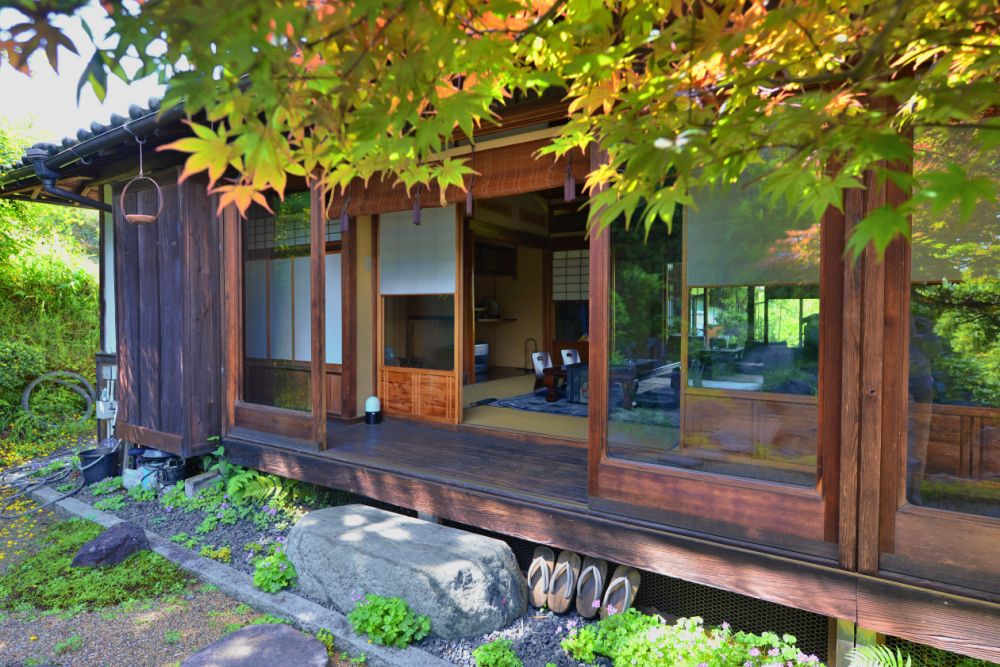
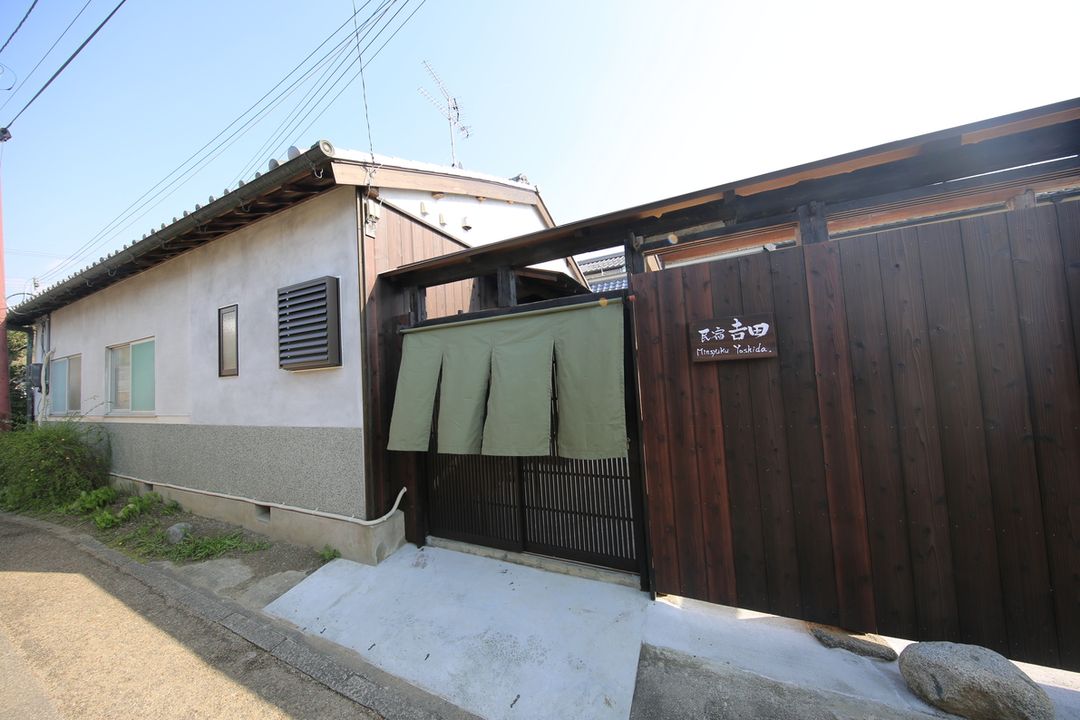
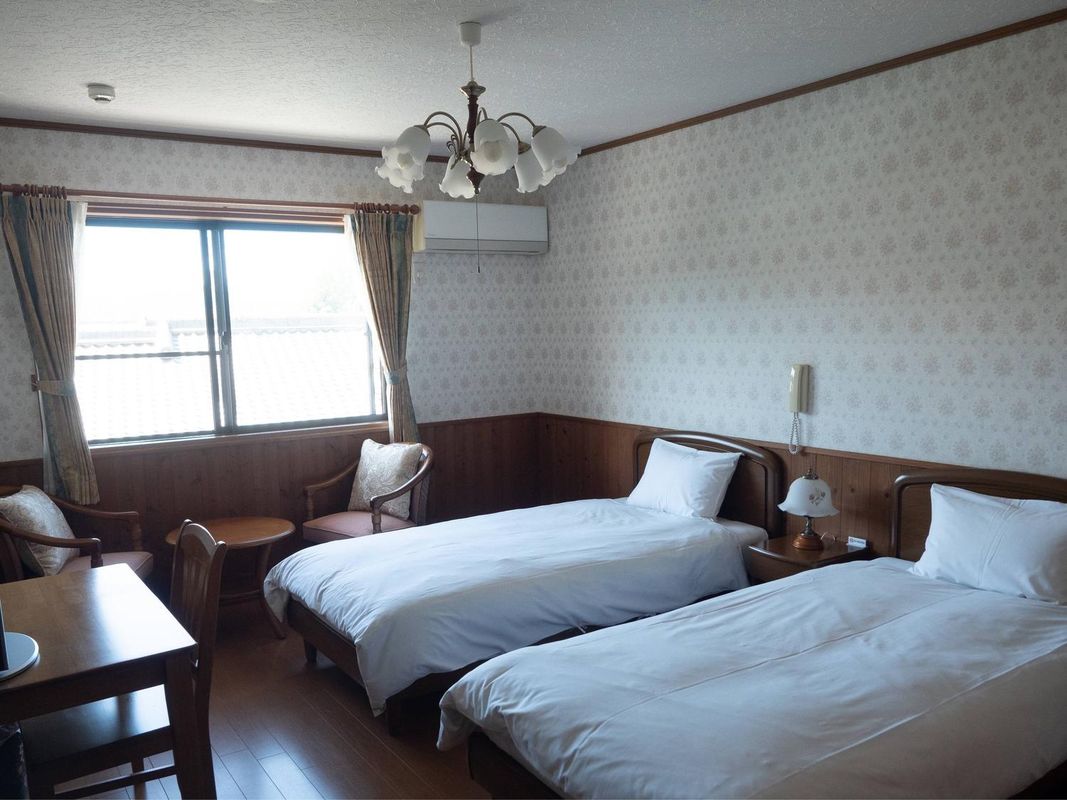
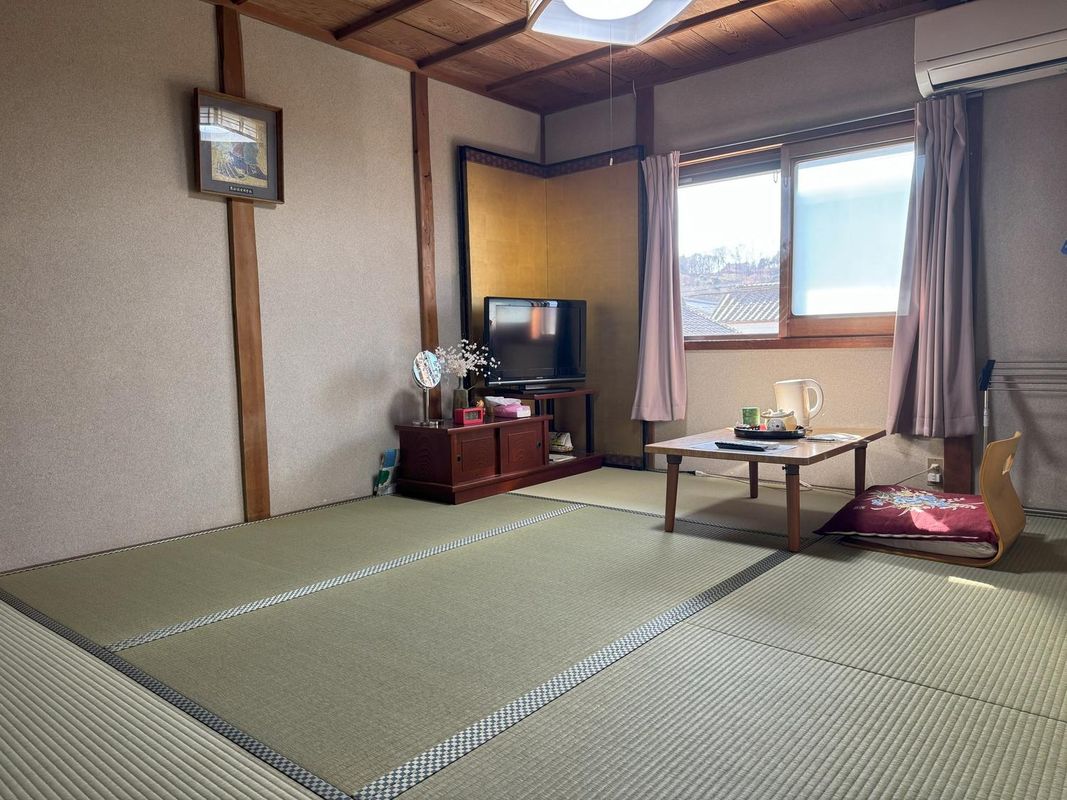
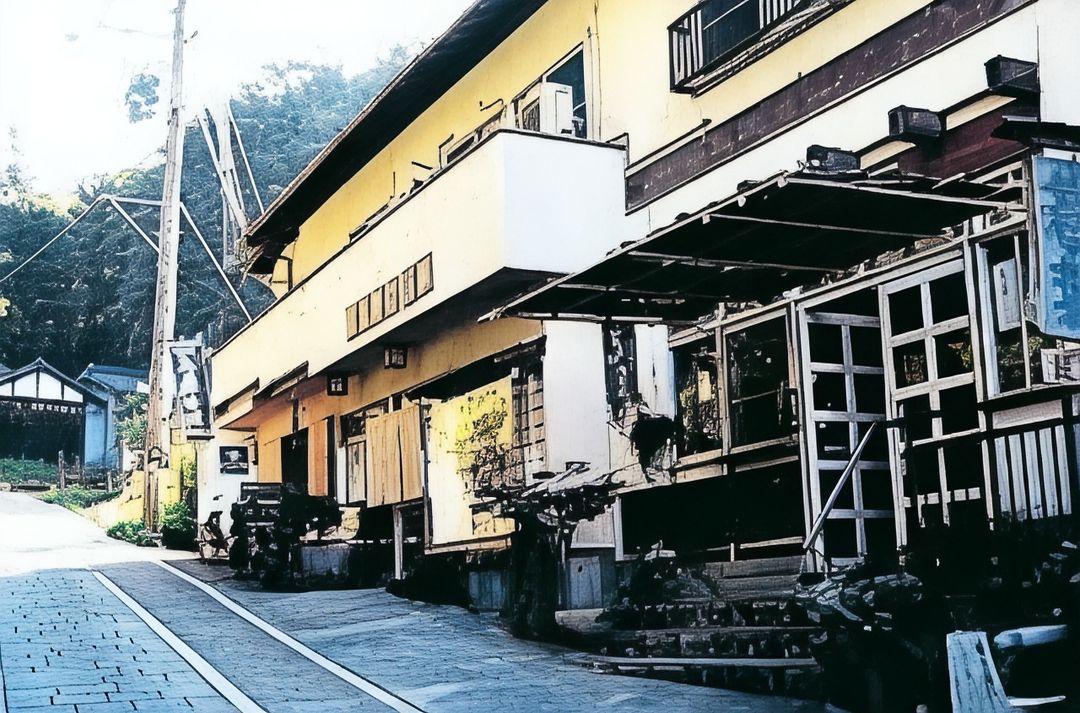
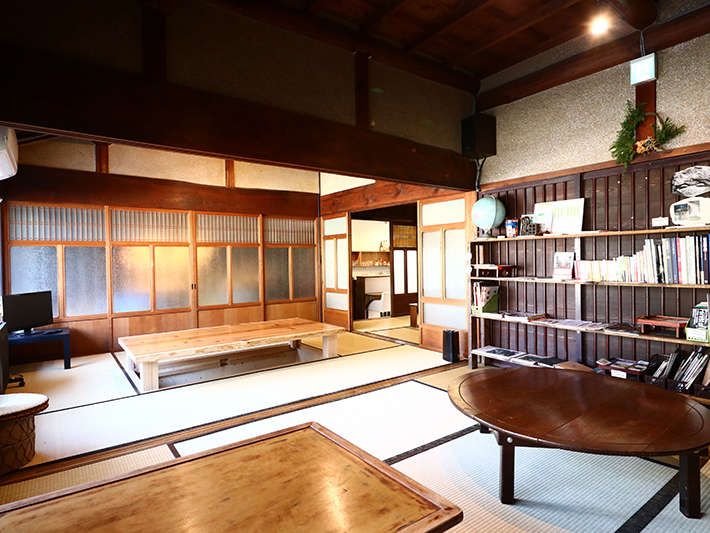
Best Hotels in Asuka
Discover curated hotel collections in Asuka

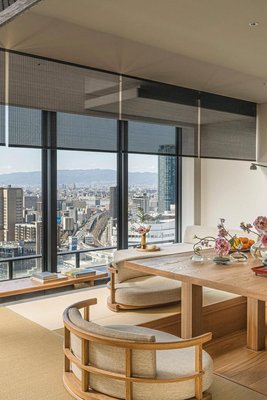
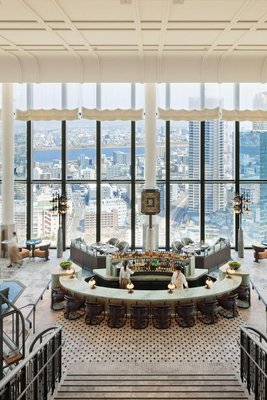



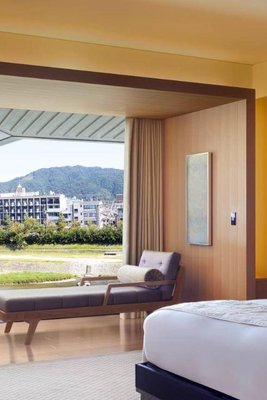
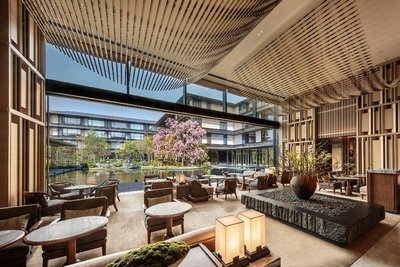
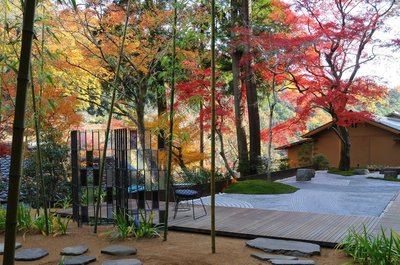
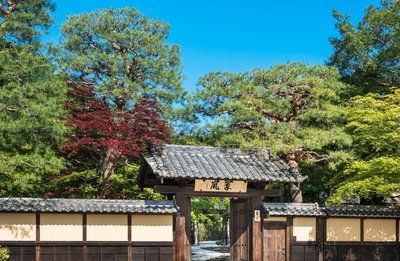
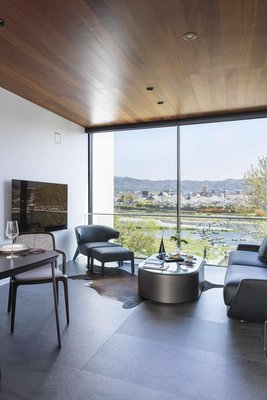
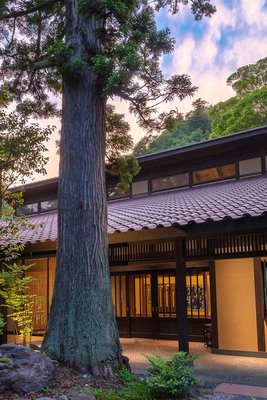
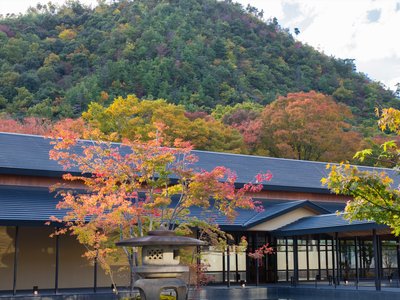
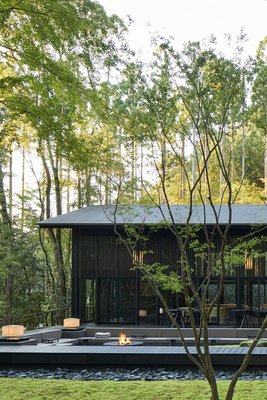
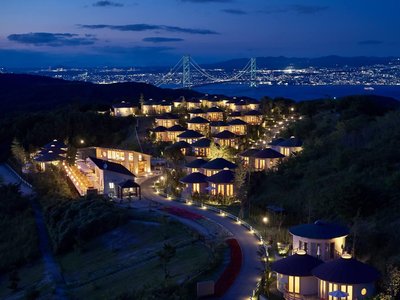
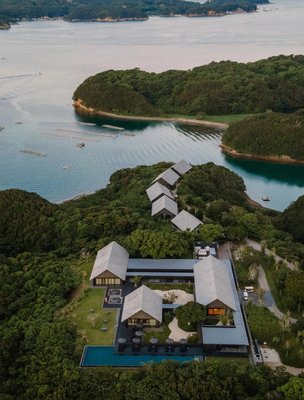
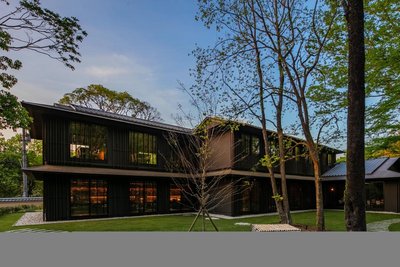
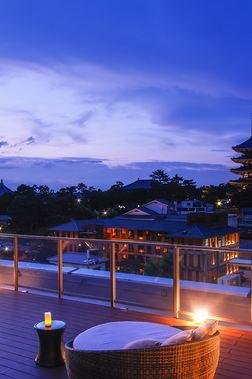
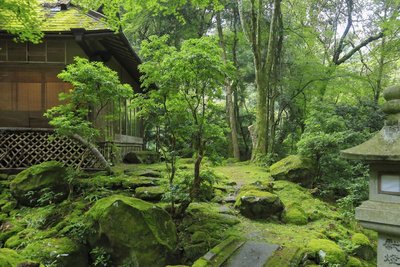
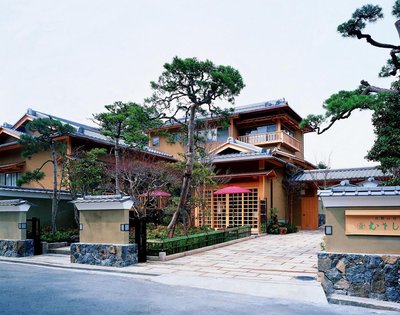
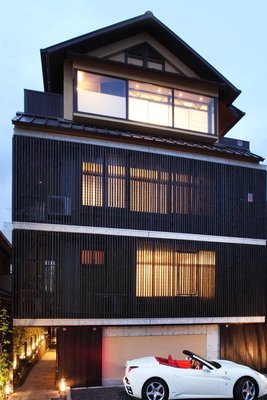

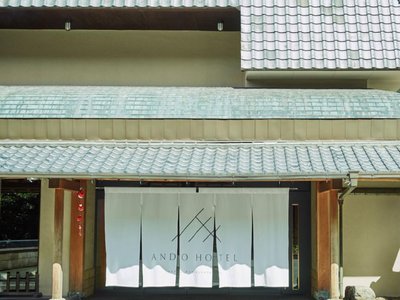













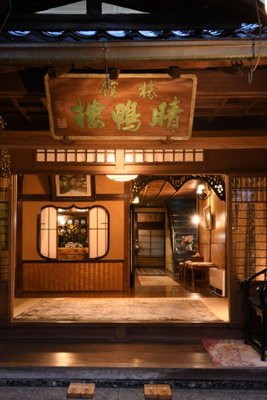
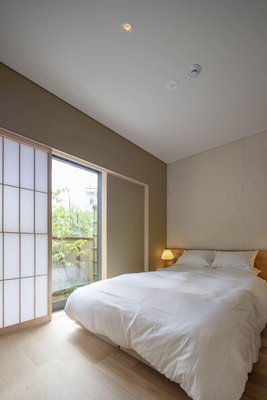
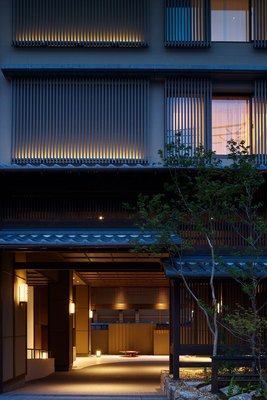
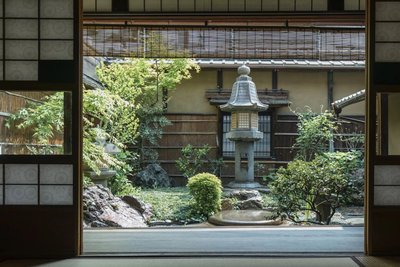
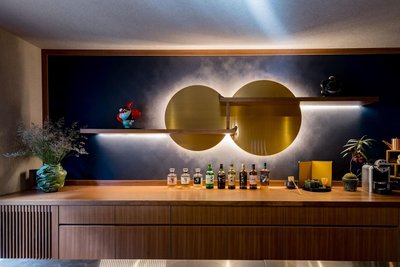
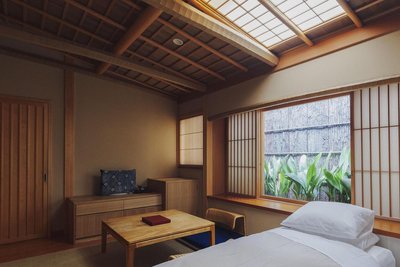
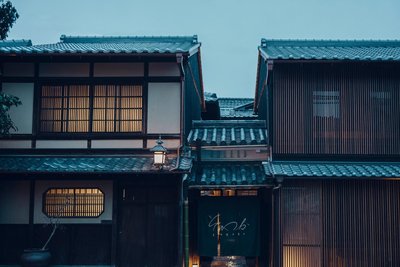
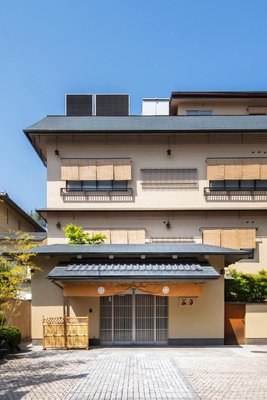















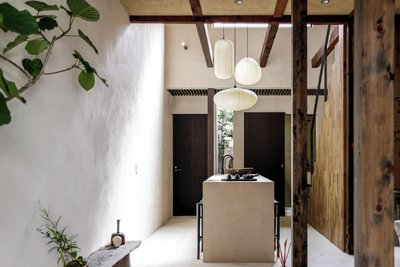
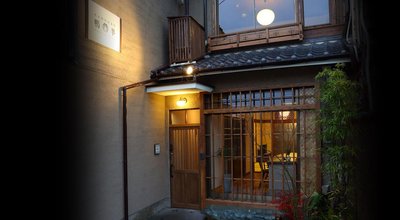
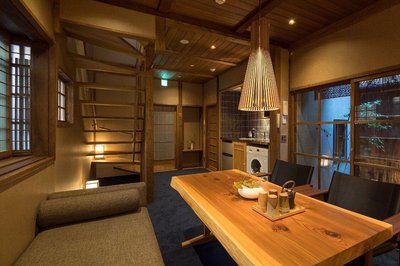
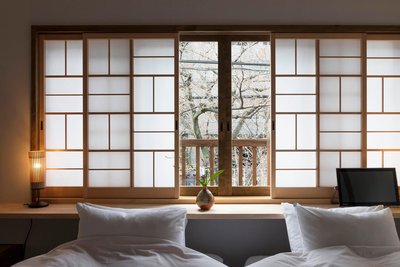
Frequently Asked Questions about Traveling to Asuka
Questions You Might Need to Know About Traveling to Asuka
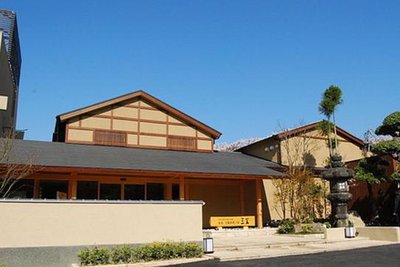
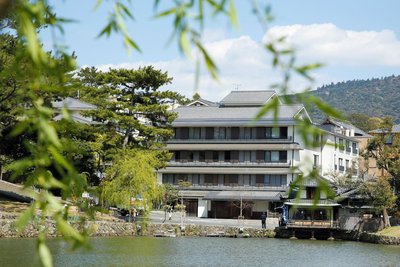
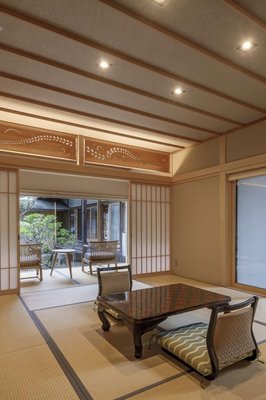
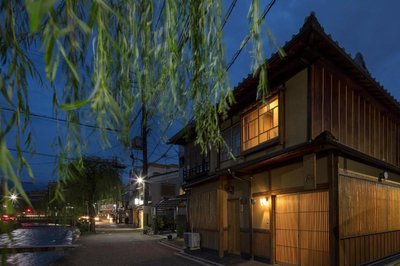
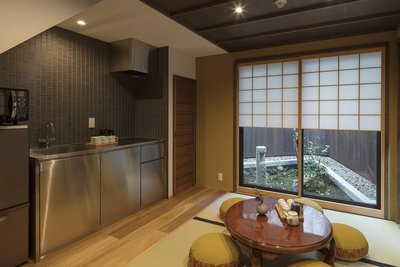
In Asuka Village, the top cultural hotel is Asuka Village Ryokan, located just 300 meters from Takamatsuzuka Kofun and within walking distance of Horyu-ji Temple. This traditional inn features hinoki wood interiors, tatami flooring, and private gardens inspired by Yamato-era landscape design. Guests can participate in historical reenactment ceremonies, handmade washi paper workshops, and ancient tea rituals using local ingredients. The hotel also offers guided tours to Kibi Bridge Ruins and Asuka Palace Site, led by certified historians. Stay here to live like a noble of the 7th-century Asuka period.
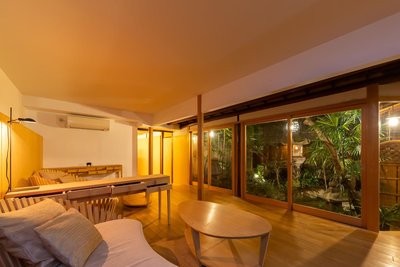
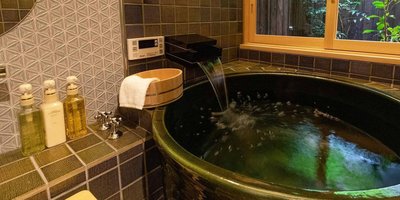
For a modern twist, Asuka no Mori Resort provides eco-lodges with private onsen baths fed by natural hot springs, nestled beside the Asuka River. Each room includes archaeological storytelling kits and access to a digital archive of ancient texts, making it ideal for history enthusiasts seeking immersion in Japan’s earliest imperial era.
The best area for quiet, heritage-focused stays in Asuka Village is the Asuka River corridor, near Horyu-ji Temple and the Kōfuku-ji Kofun Group. This region offers serene, low-impact lodging with minimal traffic and maximum historical proximity. Recommended options include Asuka River Garden Inn, a boutique ryokan with traditional Japanese garden courtyards designed to mirror Asuka-period aesthetics, and Asuka no Mori Resort, which blends eco-friendly architecture with ancient woodland preservation. Both properties offer private walking trails to nearby sites and host monthly heritage evenings featuring lectures on Soga clan history and Buddhist transmission. The area is also served by a free shuttle bus to Asuka Station, ensuring easy access without compromising tranquility.
Visitors to Asuka Village can enjoy several unique cultural experiences: attending the Asuka Spring Festival, where locals reenact 7th-century court rituals and wear authentic Yamato-period costumes; participating in washi paper-making workshops using kōzo bark harvested from local forests; and exploring Horyu-ji Temple's digital exhibition, which reconstructs the original 7th-century Buddhist sculptures lost to time. Additionally, guests can join **
Yes, several hotels in Asuka Village provide guided tours to historical sites. Asuka Village Ryokan offers customized archaeological walks to Takamatsuzuka Kofun, Asuka Palace Ruins, and Kibi Bridge Remains, led by certified archaeologists who share insights into early Japanese governance, Buddhist iconography, and construction techniques. Tours include 3D reconstructions via tablet, showing how ancient buildings once looked. Asuka no Mori Resort partners with Nara National Museum’s Asuka Branch, offering priority entry and exclusive evening visits to the Kofun Exhibition Hall. All tours are limited to 8 guests per group and require advance HopeGoo—especially during peak season (March–May and October–November).
Yes, Asuka no Mori Resort is the most family-friendly hotel in Asuka Village. It offers separate children’s cottages with sandbox play areas, interactive story corners featuring Asuka-era myths, and weekly "Archaeologist Kids" programs where children use magnifying glasses to examine pottery fragments at a simulated dig site. Parents can enjoy family-style kaiseki dinners with organic local ingredients and child-safe onsen access. The resort also hosts seasonal events such as Spring Cherry Blossom Storytime and Autumn Leaf-Painting Workshops, all tailored for ages 3–12. All activities are bilingual (Japanese/English), and strollers and high chairs are available upon request.
Yes, nearly all recommended hotels in Asuka Village are within 1.5 km of major attractions. Asuka Village Ryokan is just a 5-minute walk from Horyu-ji Temple and Kōfuku-ji Kofun, while Asuka no Mori Resort sits directly beside the Asuka River Trail, providing direct access to Takamatsuzuka Kofun and Yamato Imperial Palace Ruins. Both hotels offer complimentary shuttle buses to Asuka Station and Nara National Museum’s Asuka Branch. Some rooms even feature virtual reality views of ancient sites, allowing guests to explore reconstructed versions of lost palaces. This central location makes day trips to Nara Park or Ikaruga effortless.
Authentic Asuka Village cuisine can be enjoyed at Asuka Village Ryokan and Asuka no Mori Resort. At Asuka Village Ryokan, guests experience the "Ancient Feasts of Yamato" menu, featuring millet rice with pickled plum, steamed venison, and fermented soybean paste based on recipes from the Nihon Shoki. The resort uses locally grown vegetables and wild herbs gathered from nearby forests. Asuka no Mori Resort offers a "Digital Reconstructed Meal" experience, where dishes are presented alongside augmented reality displays showing their original 7th-century context. Both hotels provide ingredient origin cards detailing each dish’s historical significance, allowing diners to taste history through flavor.
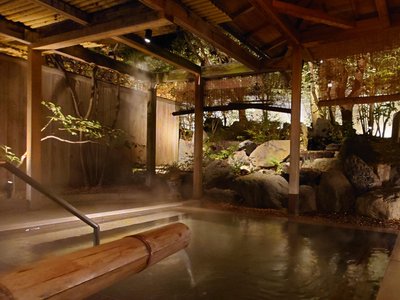
While Asuka Village lacks public onsen complexes, two premium hotels offer private onsen experiences. Asuka no Mori Resort features individual forest-view onsen cabins fed by natural hot springs drawn from 60 meters below ground. The water is rich in minerals and tested for safety by Nara Prefecture Health Authorities. Asuka Village Ryokan has a bamboo-shaded onsen pavilion accessible only to guests, open daily from 6–9 PM. Both facilities emphasize harmony with nature, incorporating ancient Shinto purification rituals into the bathing experience. Reservations are required due to limited capacity—only 8 guests per night allowed at each onsen.
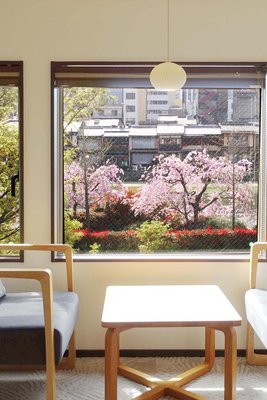
The best time to visit Asuka Village is late March to mid-April for cherry blossoms and late October to early November for autumn foliage. During spring, Asuka River banks bloom with cherry trees, creating a stunning contrast against ancient burial mounds. In fall, maple trees turn crimson across Asuka Mountain, framing the Stone Stage Kofun in breathtaking hues. Temperatures range from 15–22°C, ideal for hiking and sightseeing. Events like the Asuka Spring Festival and Kofun Night Illumination attract crowds—book accommodations at least two months ahead. Summer is hot but shaded by forests; winter brings occasional snow, perfect for peaceful reflection among ancient ruins.
Yes, Asuka Village offers immersive cultural stays at Asuka Village Ryokan and Asuka no Mori Resort. At Asuka Village Ryokan, guests can join the "One Day in Asuka" program: wear Yamato-period robes, attend morning sutra chanting, write ancient kanji scripts, and join a bonfire storytelling session under the stars. Asuka no Mori Resort offers a "Guardian of the Kofun" role-play experience, where guests solve puzzles based on real archaeological findings to uncover secrets of Takamatsuzuka Kofun. Both programs are developed with historians and archaeologists, using authentic sources. Participants receive digital identity badges and exclusive access to restricted zones. HopeGoo is essential—limited to 10 guests per session.
Asuka Overview
City Summary
Asuka Village is a historically rich village in Nara Prefecture, Japan, known for its cultural heritage and natural beauty. It was the political and cultural center during the Asuka Period (592-710 AD), featuring numerous ancient tombs and archaeological sites. Visitors can immerse themselves in the historical atmosphere while enjoying the serene rural scenery.
Must-See Attractions
Must-see attractions include Asuka Temple, Ishibutai Kofun, and Asuka Shrine. These sites showcase ancient architecture and hold deep historical significance. The village's countryside and traditional Japanese hamlets also offer a genuine rural experience.
Food Guide
Culinary culture in Asuka revolves around traditional local dishes. Don't miss "Asuka Nabe" and fresh local produce, which reflect the simplicity and warmth of rural Japanese life.
Transportation Guide
Transportation mainly consists of buses and bicycles. The village has well-connected bus routes to major sites; consider a day pass for savings. Renting a bike is ideal for exploring the scenic paths and fields at your own pace.
Best Time to Visit
Best time to visit is spring (March-May) and autumn (September-November), when the weather is pleasant and landscapes are stunning. Avoid summer heat and winter cold for a more comfortable trip.
Travel Tips
- Respect local culture: Maintain silence at tombs and shrines.
- Wear comfortable shoes: Roads are often unpaved or rocky.
- Carry cash: Some small shops may not accept cards.
- Book ahead: Reserve tours or activities in advance.
- Eco-friendly travel: Dispose of trash properly to preserve nature.
Useful Information
Practical info:
- Language: Japanese; some English signage at attractions.
- Internet: Limited WiFi; bring a mobile hotspot.
- Payment: Cash preferred; cards accepted in some urban spots.
- Emergency: Nearest hospital is in Nara City; carry essential medications.









