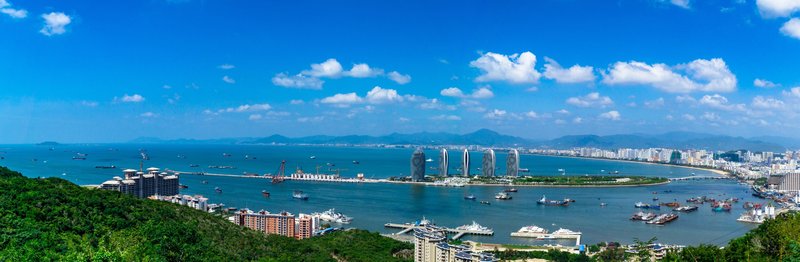
Hotels in Aswan
Discover your perfect stay in Aswan.
Aswan(Egypt) Travel 2026: Cheap Flights, Hotels & Top Attractions
Popular Landmarks in Aswan
Discover the most iconic attractions in Aswan
Recommended Hotels in Aswan
Find the perfect place to stay in Aswan
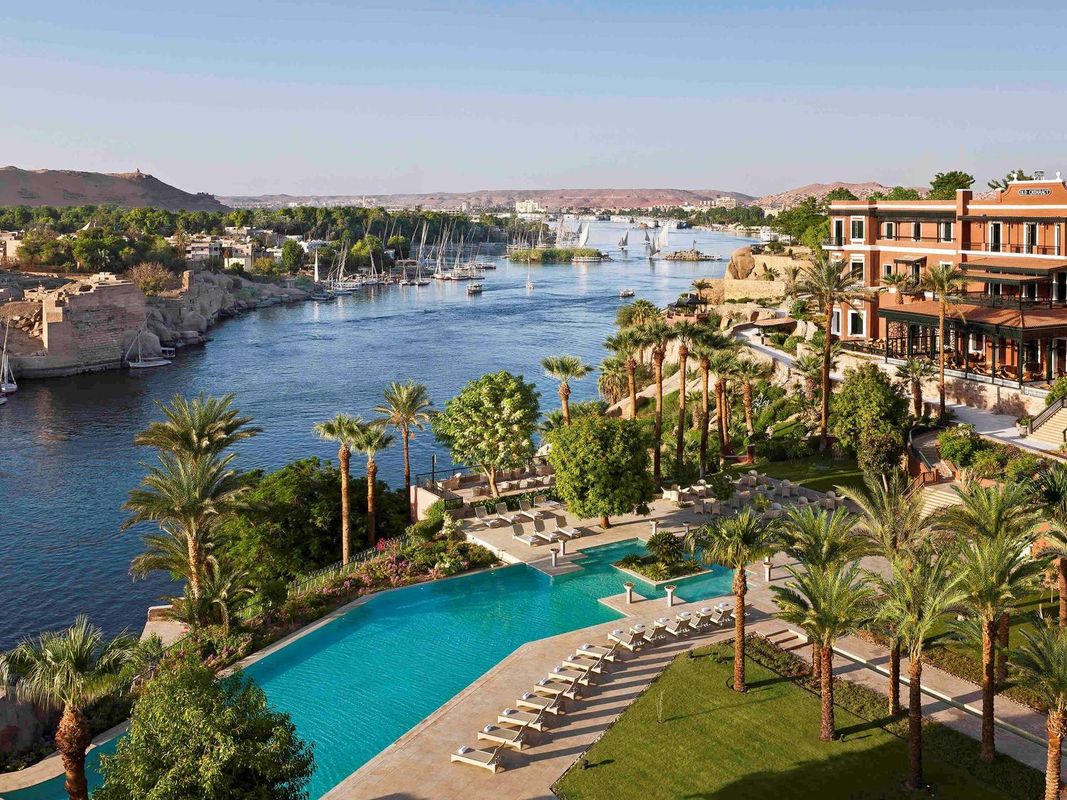
Sofitel Legend Old Cataract Aswan
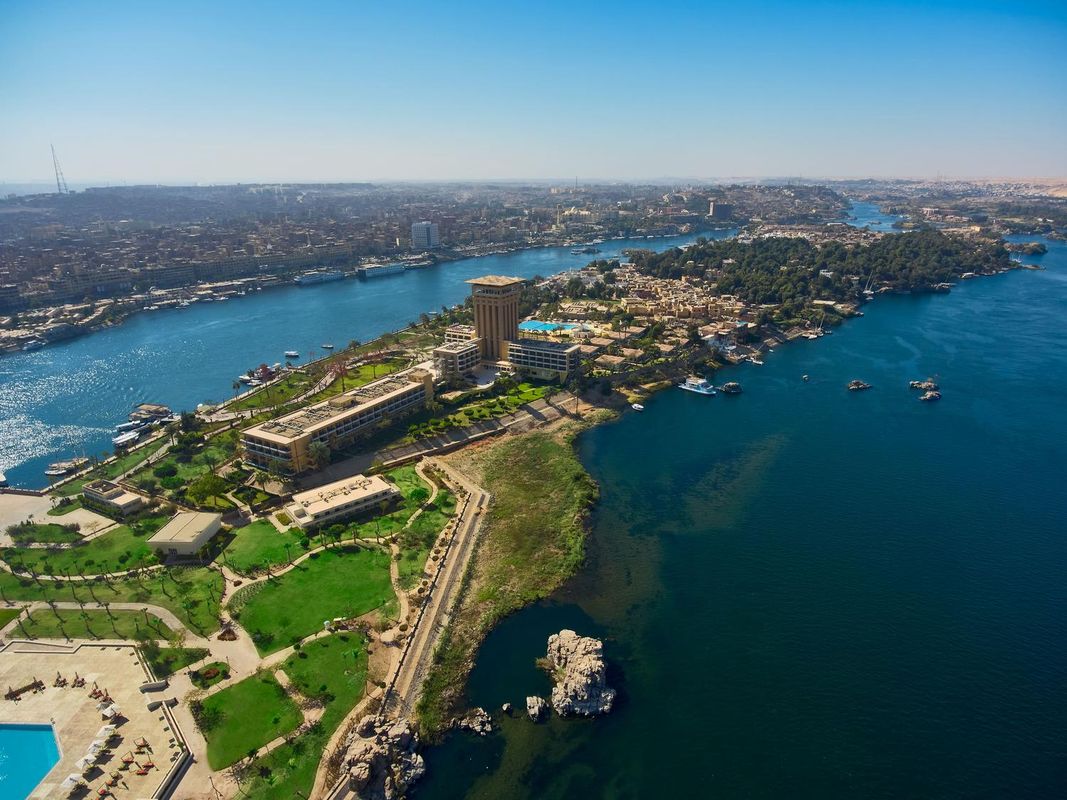
Movenpick Resort Aswan
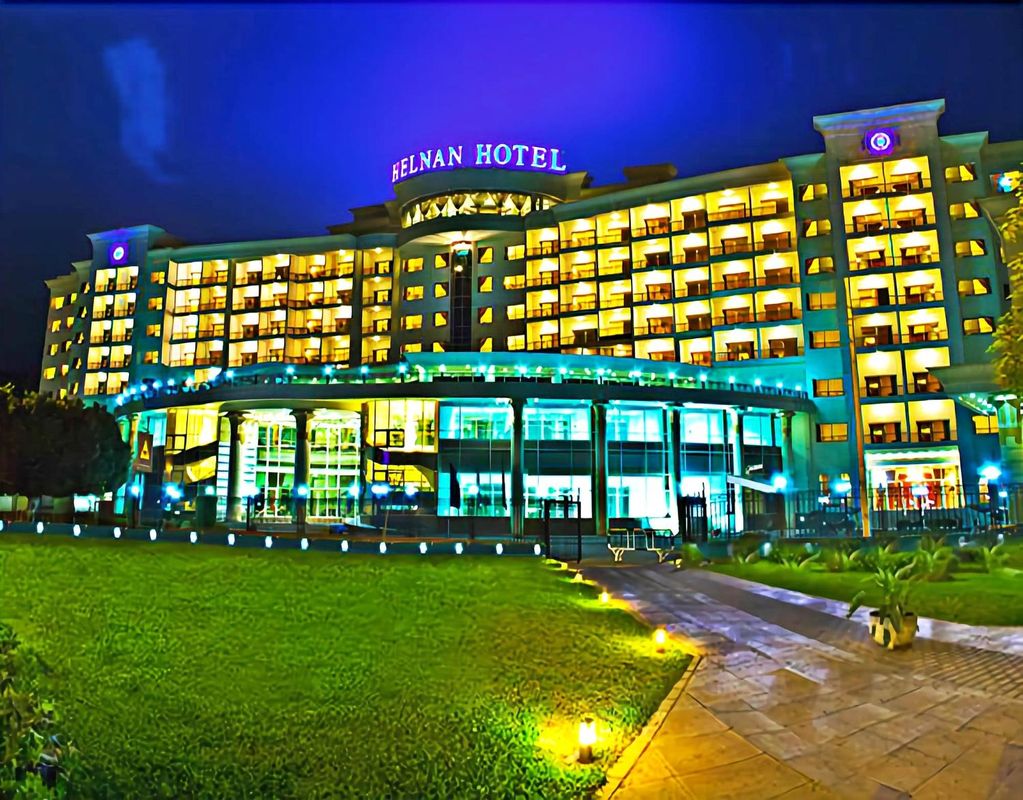
Tolip Aswan Hotel
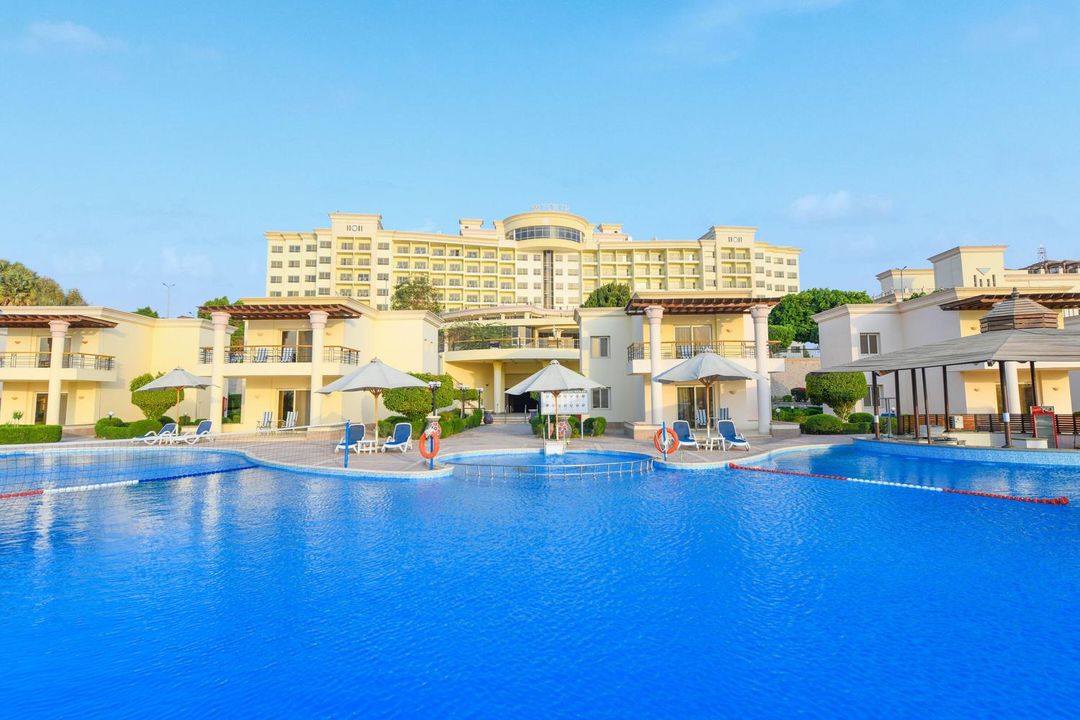
Tolip Aswan Hotel
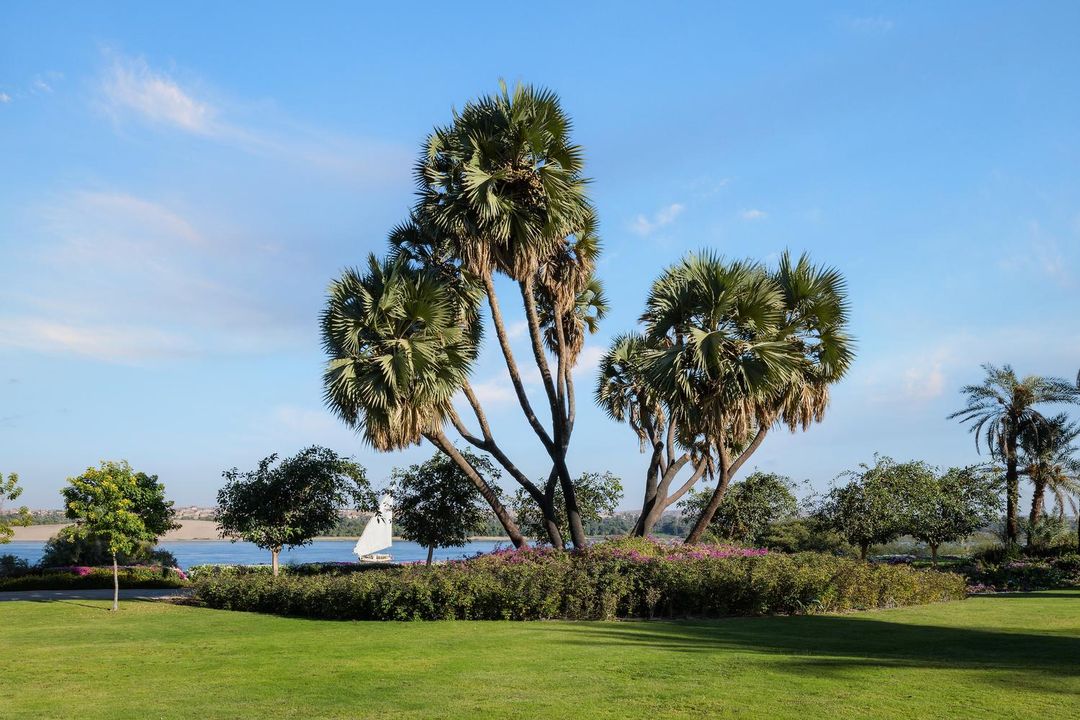
MGM Wellness Retreat
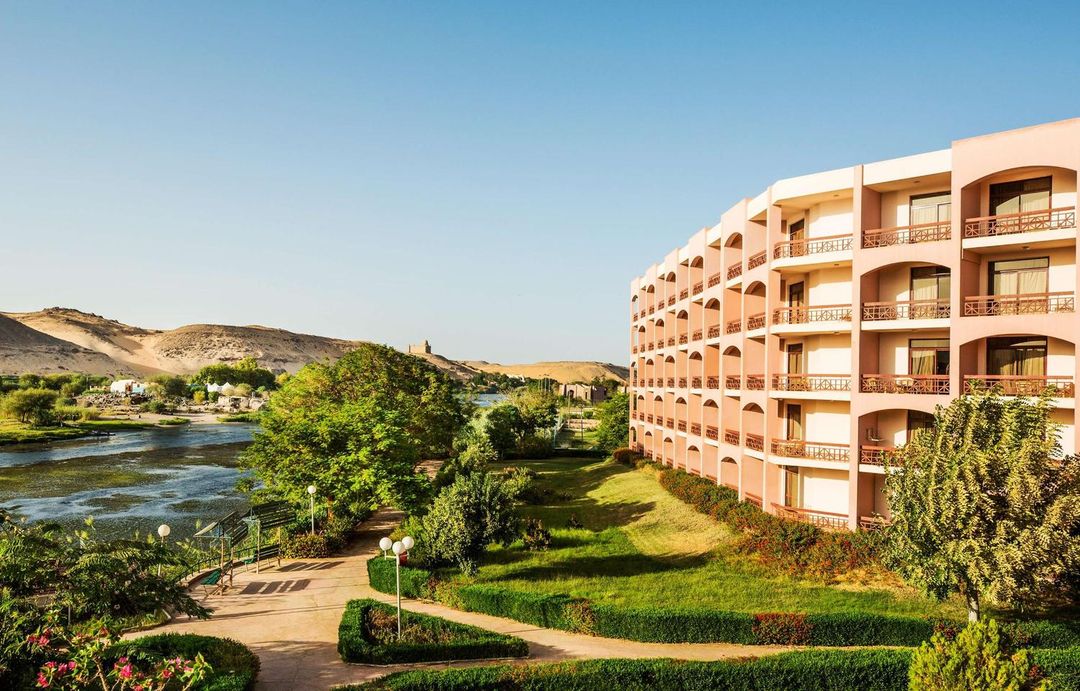
Pyramisa Island Hotel Aswan
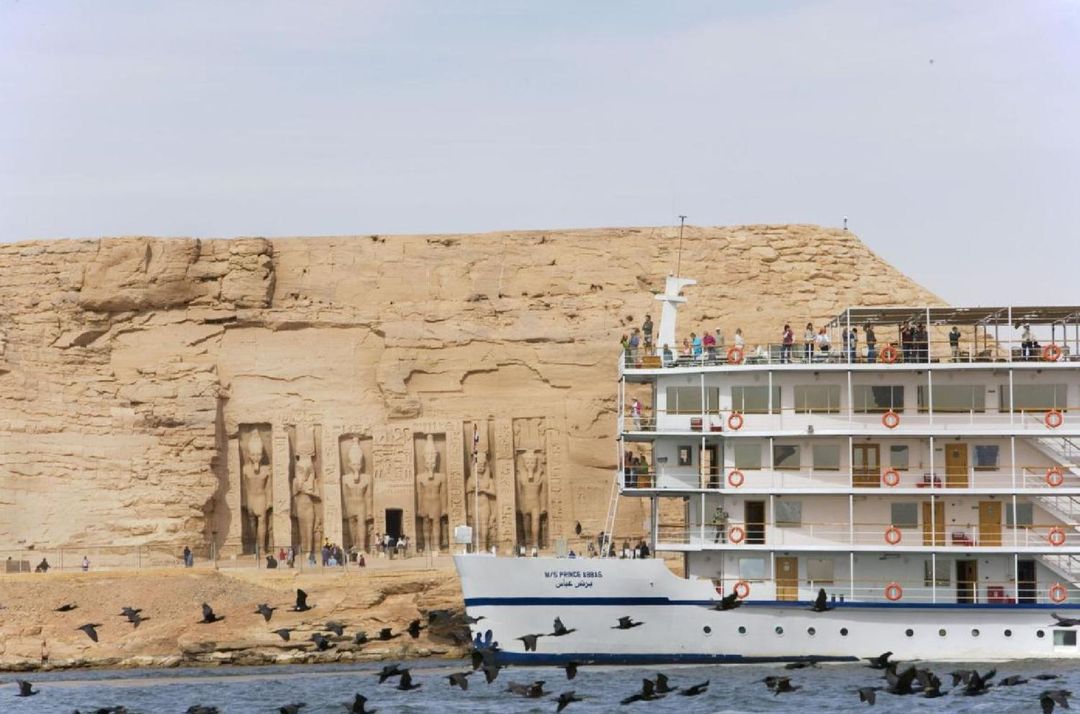
Mövenpick Prince Abbas Lake Nasser Cruise, Every Monday Four Nights From Aswan, Every Friday Three nights From Abu-Simbel - Including Excursions and Sightseeing
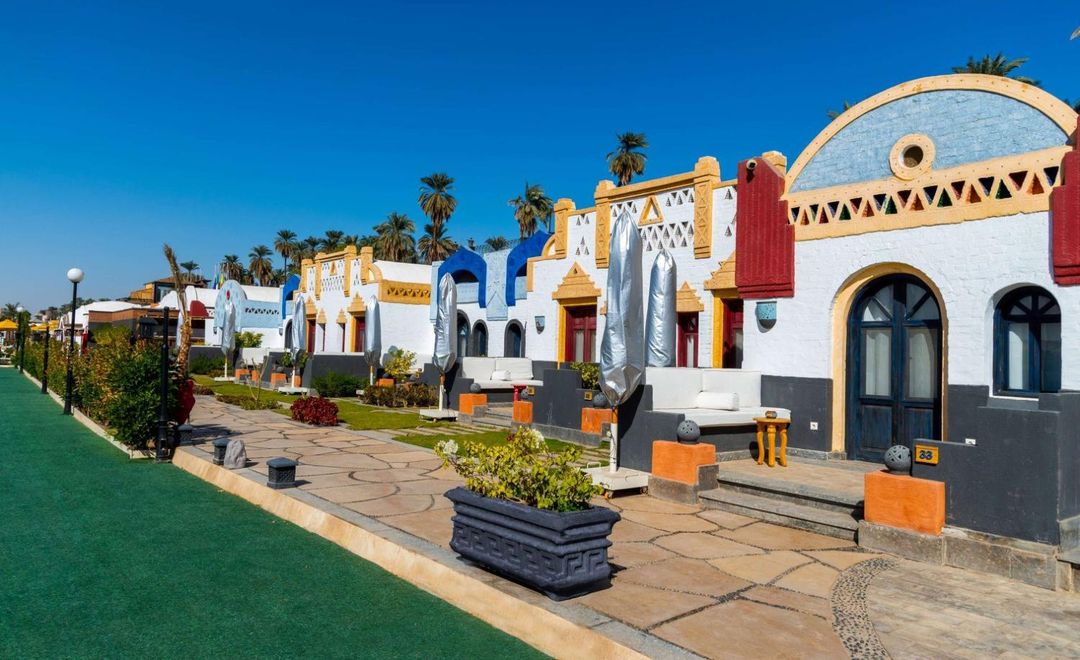
Sonesta Nouba Hotel Aswan
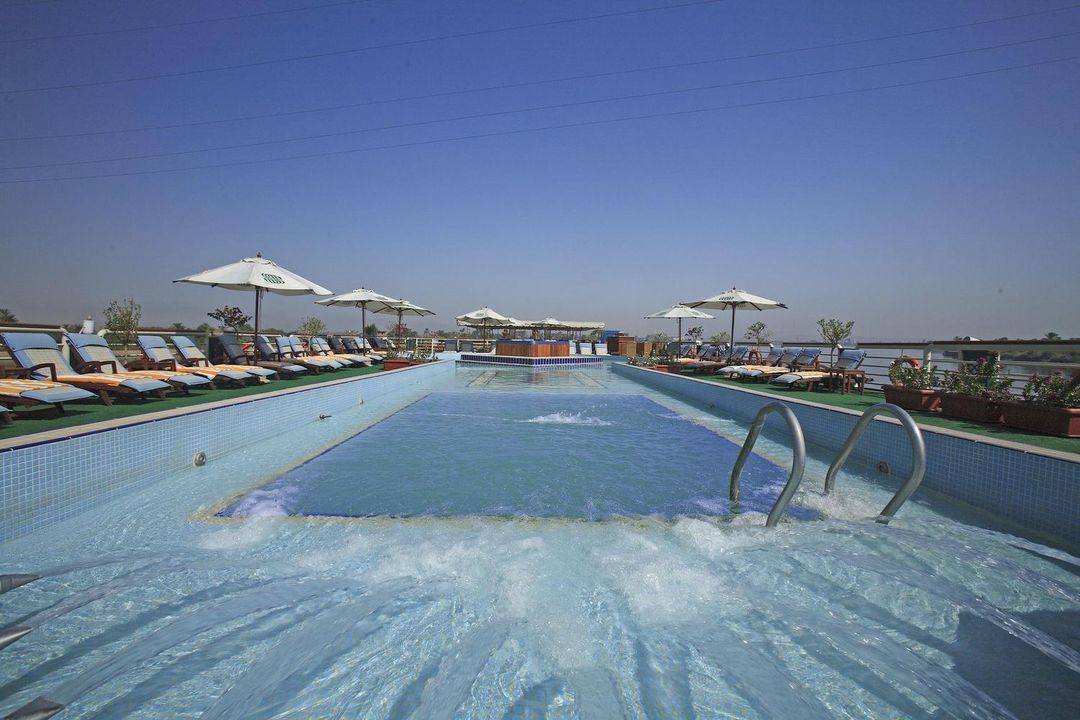
MS Sonesta St George Nile Cruise - Luxor Aswan 4 Nights Mondays & Aswan Luxor 3 Nights Fridays
Frequently Asked Questions about Traveling to Aswan
Questions You Might Need to Know About Traveling to Aswan
For stunning Nile River views, stay at Aswan Nile Luxury Resort, featuring private terraces, traditional Egyptian architecture, and direct access to the riverbank. Another top choice is Hotel Constans, located just steps from the Philae Temple with rooftop dining overlooking the water. Both offer authentic Egyptian breakfasts, sunset cruises, and guided excursions to Abu Simbel and Kom Ombo Temple, blending comfort with cultural immersion.
The best area for tourists is Old Aswan, nestled along the Nile River near ancient temples like Dendera and Philae. This historic district offers a peaceful atmosphere, local charm, and easy access to archaeological sites. Stay at boutique hotels such as Salam Hotel, which provides traditional meals, rooftop lounges, and evening stargazing sessions—perfect for travelers seeking authenticity and tranquility amid Egypt’s desert landscape.
In Aswan, experience a Nubian village tour to witness centuries-old crafts like hand-weaving, pottery, and music. Attend a traditional Nubian dance performance on a Nile cruise at night, paired with a dinner of grilled fish and spices. Many hotels also host ancient Egyptian symbol workshops led by archaeologists, offering insights into pharaonic beliefs and hieroglyphics—ideal for deepening your connection to Egypt’s spiritual legacy.
Absolutely. Nile cruises in Aswan are unforgettable—especially Felucca sailboats gliding past Abu Simbel Temple at sunrise or sunset. Premium options like Nile Luxor Cruise include full-board service: gourmet Cairo-style dinners, open-air movie screenings, live Egyptian music, and stargazing on deck. These intimate journeys blend relaxation, history, and romance, making them a must-do for any visitor to Upper Egypt.
Must-see landmarks in Aswan include Abu Simbel Temple (built by Ramses II, aligned so sunlight hits the inner sanctum twice yearly), Philae Temple (dedicated to Isis, relocated to an artificial island), and the High Dam Museum (detailing the construction of the Aswan High Dam). Don’t miss Elephantine Island with its ancient market and astronomical observatory—all located on the west bank of the Nile, perfect for exploring Egypt’s religious and engineering heritage.
Try Koshari—a hearty mix of lentils, rice, pasta, and spicy tomato sauce—served at local eateries like Al-Sabah Restaurant. Savor grilled Nile fish with herbs and lemon, often paired with fresh bread. Sample Feteer Meshaltet, a layered pastry drizzled with honey and butter. For street food, try spiced kebabs and date-stuffed pastries at the Aswan Souk. These dishes reflect the region’s rich blend of Arab, Mediterranean, and ancient Egyptian culinary traditions.
Yes, Aswan is highly family-friendly. Hotels like Hilton Aswan Resort offer kids’ clubs, family suites, and supervised activities. Families can enjoy Nubian craft workshops, Nile boat rides, and ancient Egyptian storytelling sessions. The High Dam Park features playgrounds and interactive exhibits about Egypt’s geography and energy history—making it both fun and educational for children while ensuring parents enjoy a relaxed, culturally rich getaway.
The ideal time to visit Aswan is between November and March, when temperatures range from 20–28°C—perfect for sightseeing. Avoid summer months (above 40°C) and rare thunderstorms. Winter also coincides with Egyptian Cultural Festivals, featuring traditional music, dance, and art exhibitions. This period ensures comfortable exploration of Abu Simbel, Philae Temple, and other key sites without extreme heat.
Start early with a trip to Abu Simbel Temple (2-hour drive), witnessing the sunbeam alignment inside. Return to visit Philae Temple and the Nubian Museum. Enjoy lunch at a riverside café with mint tea and dates. In the afternoon, relax at Nile-side cafes or take a felucca ride. End with a sunset cruise featuring a Nubian dinner under the stars. Most hotels provide private transfers, ensuring a seamless, enriching day across Aswan’s most iconic sites.
Visit the Aswan Souk for authentic handicrafts: Nubian embroidery, handmade silver jewelry, ceramics, and spice bundles. Explore Elephantine Island Market for fresh produce, camel milk products, and local bread. For higher-quality pieces, check Nile Art Gallery for limited-edition Egyptian mural reproductions. Bargaining is expected—use it respectfully to support local artisans while securing great deals on souvenirs.
Aswan Overview
City Summary
Aswan is a historic city in southern Egypt, located on the east bank of the Nile, renowned for its rich cultural heritage and stunning natural landscapes. As a key site of ancient Egyptian civilization, it boasts numerous temples and ruins, such as the famous Abu Simbel temples. Aswan's warm and dry climate makes it an ideal destination to escape the cold winter.
Must-See Attractions
Must-visit attractions in Aswan include the Abu Simbel temples, Philae Temple, and the Unfinished Obelisk. A Nile River cruise is a fantastic way to experience the city's charm, offering breathtaking views of the river and surrounding islands. Additionally, the cultural experience in Nubian villages and local traditional markets should not be missed.
Food Guide
Aswan's cuisine is full of Middle Eastern flavors. Recommended dishes include local kebabs, falafel, and kofta. Street food like ful and taameya are also must-tries. Don't forget to try local specialty drinks such as Egyptian tea and sugarcane juice.
Transportation Guide
Transportation in Aswan primarily relies on taxis and minibuses, with taxis being reasonably priced but requiring negotiation. There is no subway system in the city, but ferries on the Nile are a convenient way to travel between the east and west banks. Renting a car is also an option, but be mindful of local traffic rules.
Best Time to Visit
The best time to visit is from October to April, when the weather is cool and pleasant, avoiding the intense summer heat. During peak tourist seasons, attractions may be crowded, so it's advisable to book accommodations and cruise trips in advance.
Travel Tips
- Respect local culture and dress modestly when entering mosques.
- Carry enough cash, as some vendors do not accept credit cards.
- Avoid drinking tap water; opt for bottled water instead.
- Remember to haggle when shopping in markets.
- Keep personal belongings secure, especially in crowded areas.
- Learn some basic Arabic phrases to facilitate communication with locals.
Useful Information
The official language in Aswan is Arabic, but English is widely spoken in tourist areas. Internet coverage is good, with most hotels and cafes offering free Wi-Fi. Cash is the primary payment method, though some upscale restaurants and hotels accept credit cards. Emergency medical services are available at central hospitals, and travelers are advised to purchase travel insurance for unforeseen circumstances.