Hotels in Atizapan de Zaragoza
Discover your perfect stay in Atizapan de Zaragoza.
Atizapan de Zaragoza(Mexico) Travel 2026: Cheap Flights, Hotels & Top Attractions
Popular Landmarks in Atizapan de Zaragoza
Discover the most iconic attractions in Atizapan de Zaragoza
Recommended Hotels in Atizapan de Zaragoza
Find the perfect place to stay in Atizapan de Zaragoza

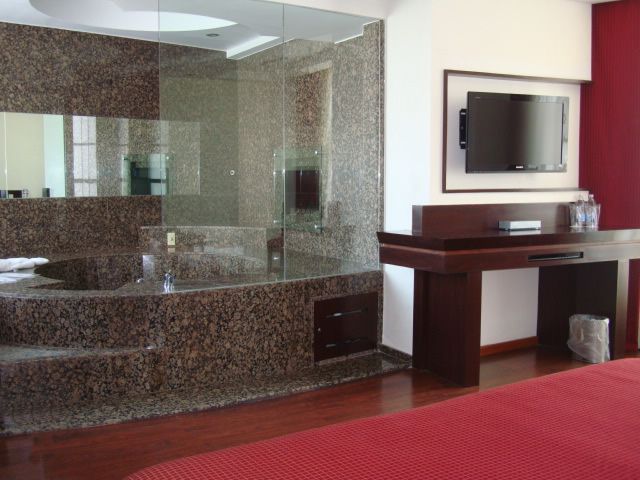
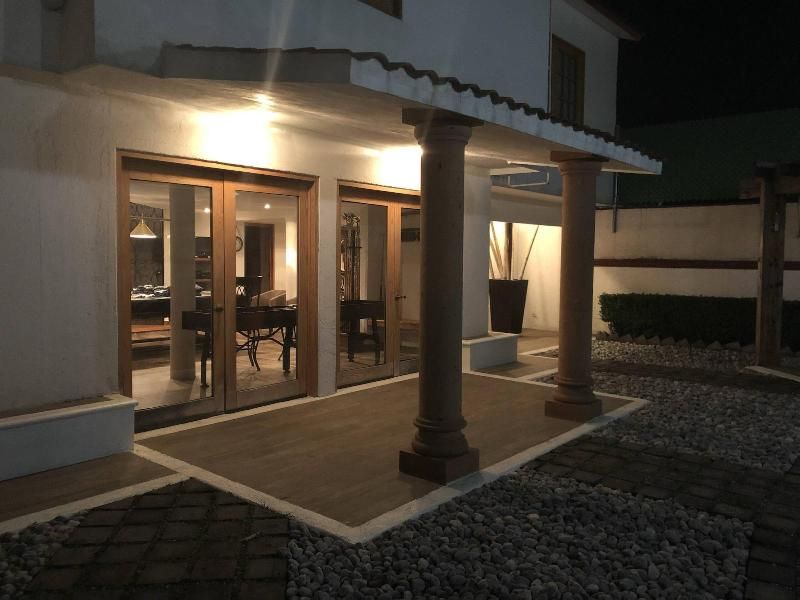
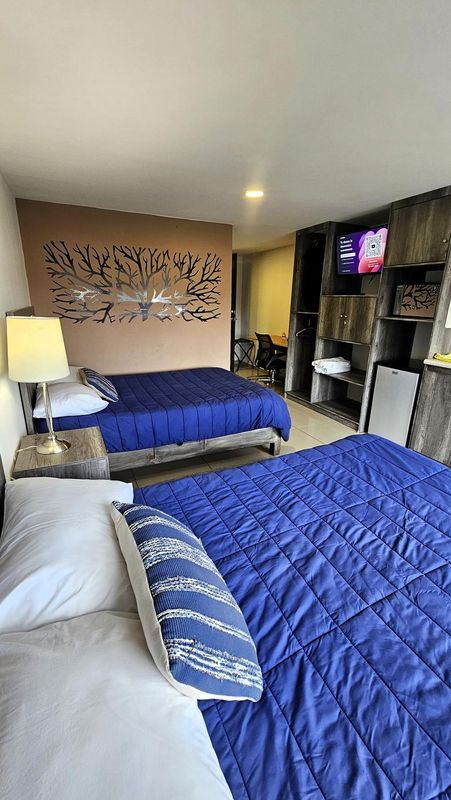
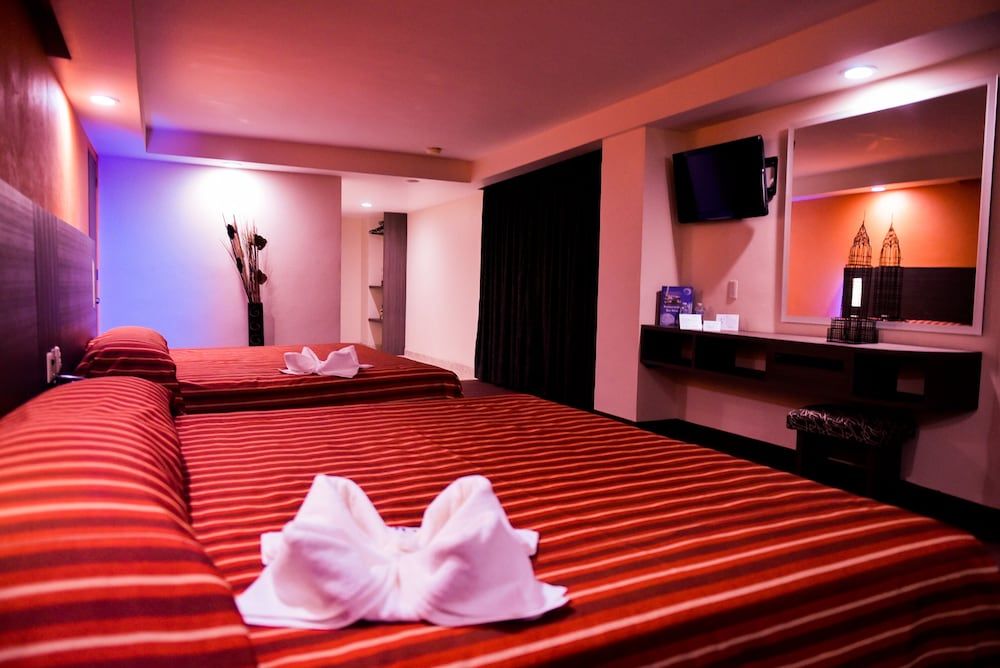
Best Hotels in Atizapan de Zaragoza
Discover curated hotel collections in Atizapan de Zaragoza

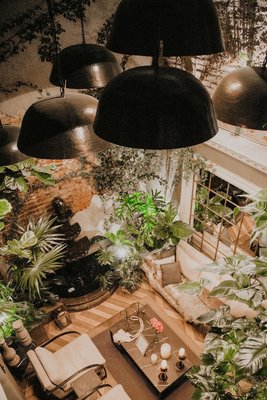
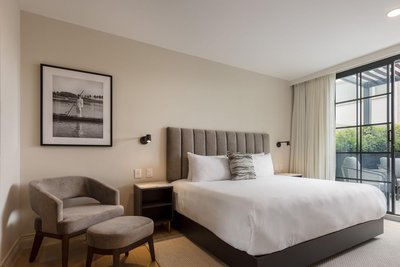
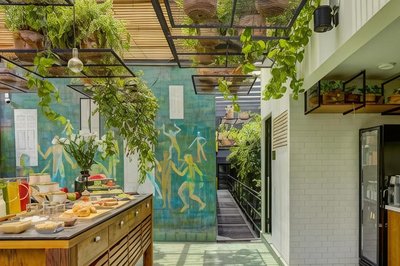
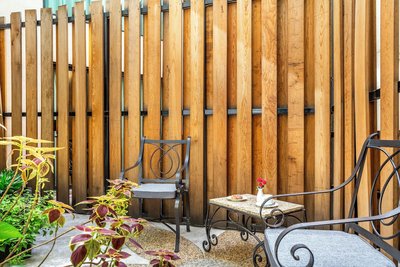



































Frequently Asked Questions about Traveling to Atizapan de Zaragoza
Questions You Might Need to Know About Traveling to Atizapan de Zaragoza
The best areas to stay in Atizapán de Zaragoza are Centro Histórico and Colonia San Juan. The Centro Histórico offers easy access to colonial-era landmarks like the Iglesia de la Asunción and local artisan markets, while Colonia San Juan is quieter and ideal for families seeking a peaceful retreat near green spaces.
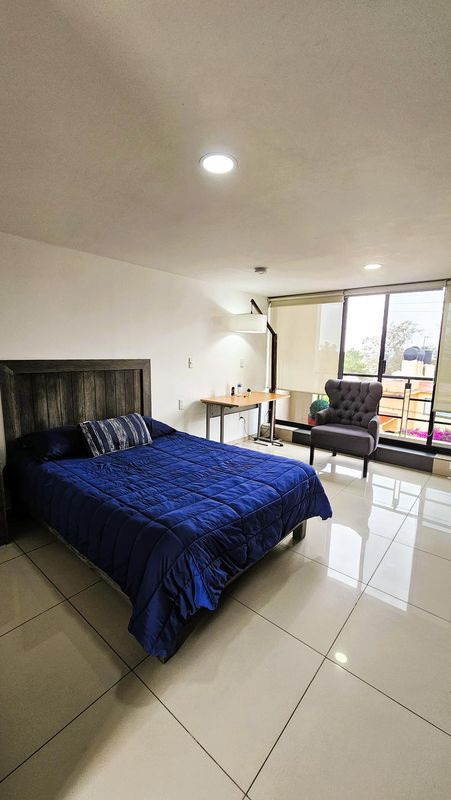
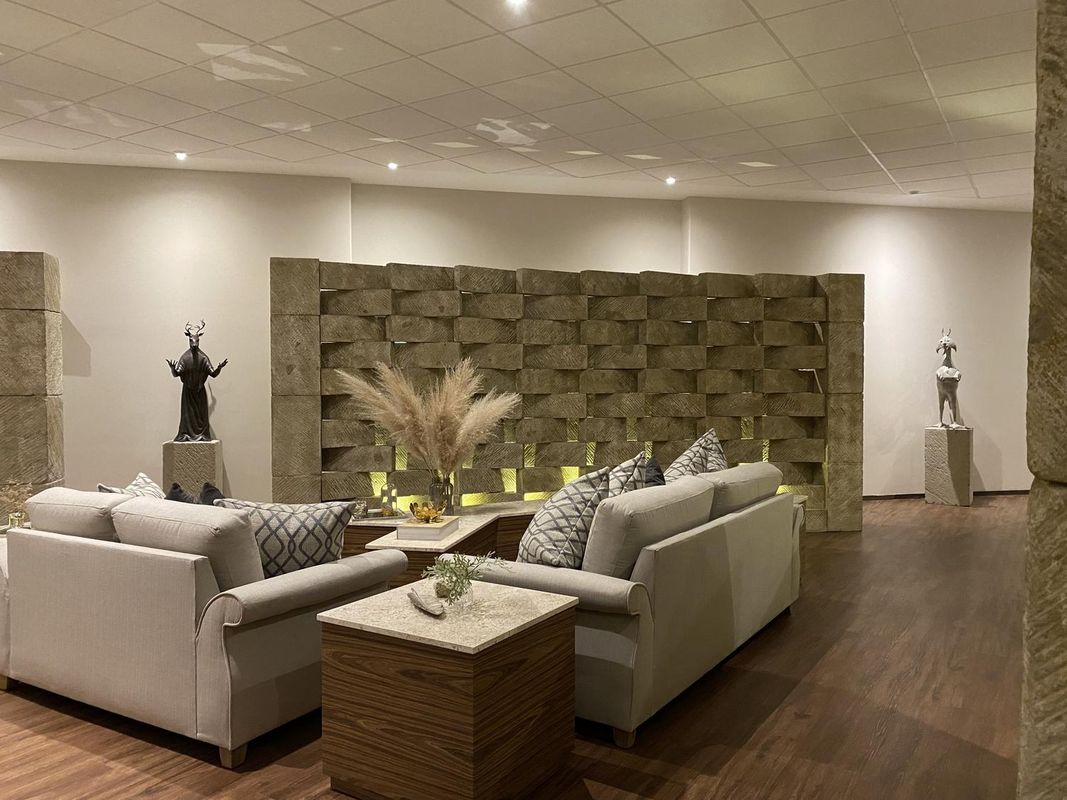
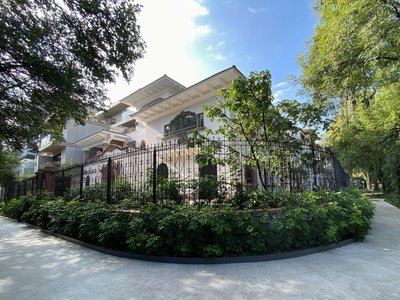
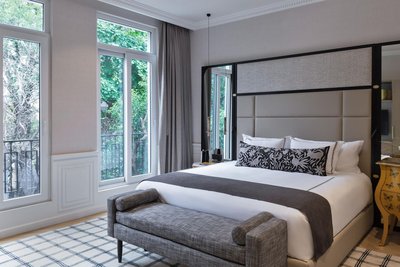
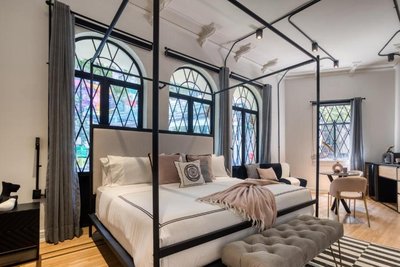
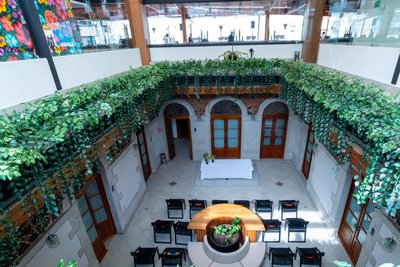
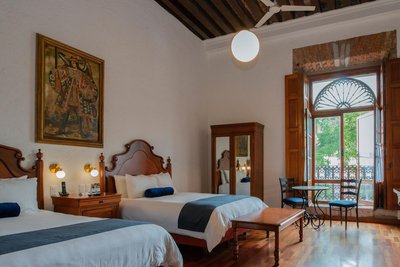
For comfort and convenience, Hotel Ciénaga del Sol stands out with its modern amenities and proximity to the city’s central park. It also hosts cultural experiences such as traditional tortilla-making workshops and mole tasting events, offering authentic Mexican heritage immersion. Another excellent choice is Hotel Calvahar, located in a restored 18th-century building near the old Ayuntamiento ruins, featuring original wood beams and stained-glass windows that reflect colonial charm.
Both districts provide a balance of history, culture, and tranquility—perfect for travelers who value authenticity and local connection.
Visitors to Atizapán de Zaragoza should not miss attending the traditional morning prayer ceremony at the Iglesia de la Asunción, where locals gather in solemn devotion. In the afternoon, explore the Mercado Artesanal to participate in hands-on workshops crafting hand-painted ceramics or weaving Mancuernas baskets.
Evening highlights include the community bonfire gathering, featuring live performances of the Sarape Dance and impromptu guitar serenades under the stars. The annual Día de Muertos festival in October is especially iconic—streets bloom with marigolds and skull-shaped lanterns, homes display elaborate ofrendas (altars) honoring ancestors, and guests savor Pan de Muerto, a sweet bread symbolizing remembrance.
These immersive traditions offer profound insight into the town’s spiritual and artistic identity, making them essential for any culturally curious traveler.
Yes, Atizapán de Zaragoza offers several family-friendly accommodations. Hotel Ciénaga del Sol features connecting rooms, a dedicated kids’ playroom, and a safe outdoor garden with slides and sand pits. The hotel regularly hosts family workshops such as pottery crafting and traditional mask painting, perfect for children.
Hotel Calvahar provides spacious courtyards and historic architecture, offering complimentary breakfast for kids and guided family tours to nearby archaeological sites and the local history museum. Both properties are close to major attractions like Central Park and the Children’s Science Museum, and boast convenient access to public transport—ideal for stress-free family getaways.
Must-try dishes in Atizapán de Zaragoza include Tamales con Frijoles Negros, handmade by local women using slow-cooked black beans and masa dough; Cochinita Pibil, a succulent pork dish wrapped in banana leaves and roasted over coals; and Pan de Muerto, a sweet bread flavored with orange zest and cinnamon, traditionally baked for Día de Muertos.
Head to the Plaza de Mercado stalls like Carrito Amalia and Casa Juan, family-run vendors with generations-old recipes and fresh, locally sourced ingredients. Some hotels, such as Hotel Ciénaga del Sol, also offer private dining experiences including homestyle dinners and farm-to-table Mexican feasts, giving visitors an intimate taste of regional culinary heritage.
The best time to visit Atizapán de Zaragoza is from November to March, when temperatures range between 20–25°C and rainfall is minimal—ideal for exploring outdoors. This period coincides with major cultural events, especially the Day of the Dead festivities in late October to early November, where streets are adorned with marigolds, paper flowers, and illuminated altars.
Additionally, the Christmas market and New Year’s Eve celebrations draw crowds and add festive energy. For fewer tourists, consider visiting mid-November or late February, when weather remains pleasant and local life feels more authentic. This season also offers superb lighting for photography, perfect for capturing historic buildings and vibrant alleyways.
Key historical buildings in Atizapán de Zaragoza include the Iglesia de la Asunción, built in the 17th century with Spanish colonial stone façades and stained-glass windows. Inside, you’ll find 18th-century religious paintings and intricately carved wooden altars.
Another must-see is the Antiguo Ayuntamiento, now housing the Local History Museum, which displays artifacts from colonial times to independence, including ancient coins, manuscripts, and traditional garments. Nearby, the 18th-century villa ruins that now house Hotel Calvahar feature preserved arches and courtyard layouts.
Many streets still retain colonial cobblestone paths and red tile roofs, creating a living timeline of architectural evolution. Guided tours are highly recommended to uncover the stories behind each structure and appreciate the craftsmanship of past eras.
Despite being a town, Atizapán de Zaragoza boasts several natural gems. The Parque Central, spanning over 50 hectares, features a lake, walking trails, playgrounds, and vast lawns—popular for weekend concerts and community gatherings.
Nearby, the Sendero del Río Zaragoza follows the riverbank, offering sightings of ducks, herons, and native flora. It’s perfect for walking, birdwatching, and photography.
Just outside the city lies the Bosque Cortinas ecological reserve, a lush forest with observation platforms and interpretive signage ideal for family nature education. During summer, lotuses and water lilies bloom across the lake, creating serene, picturesque scenes.
Visit early morning or late afternoon for soft light and active wildlife—perfect for experiencing the tranquil green oasis within the urban landscape.