Hotels in Atsugi
Discover your perfect stay in Atsugi.
Atsugi(Japan) Travel 2026: Cheap Flights, Hotels & Top Attractions
Popular Landmarks in Atsugi
Discover the most iconic attractions in Atsugi
Recommended Hotels in Atsugi
Find the perfect place to stay in Atsugi
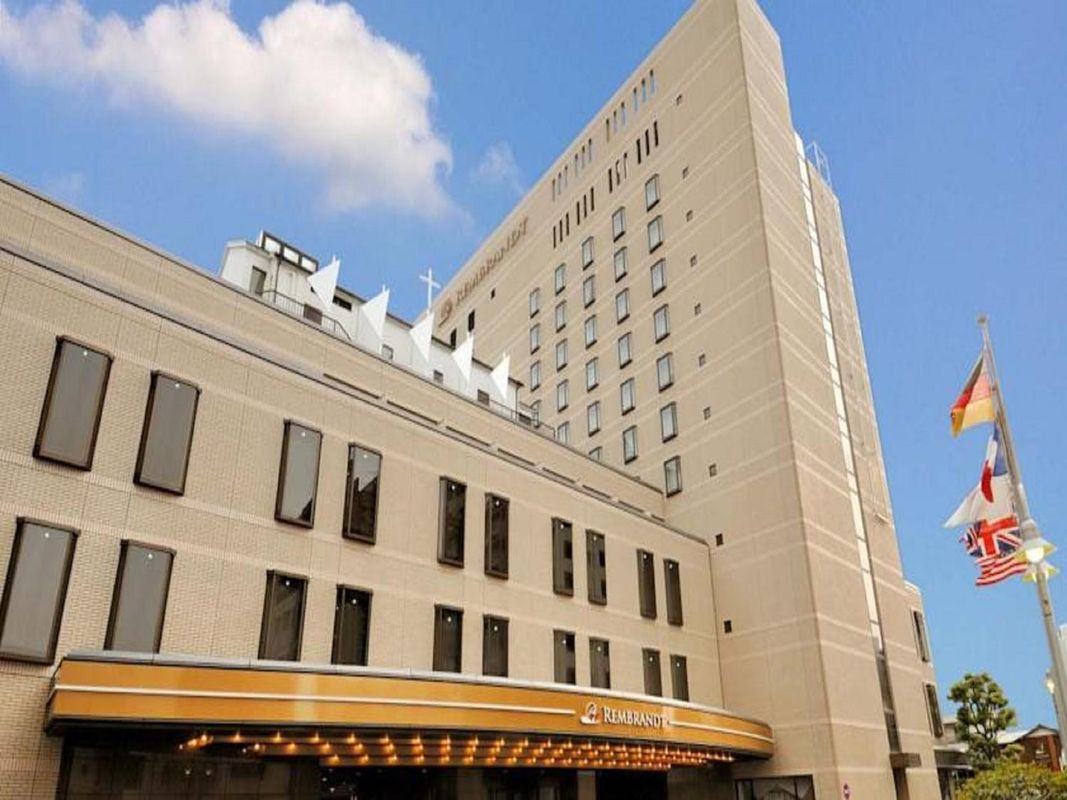
Rembrandt Hotel Atsugi
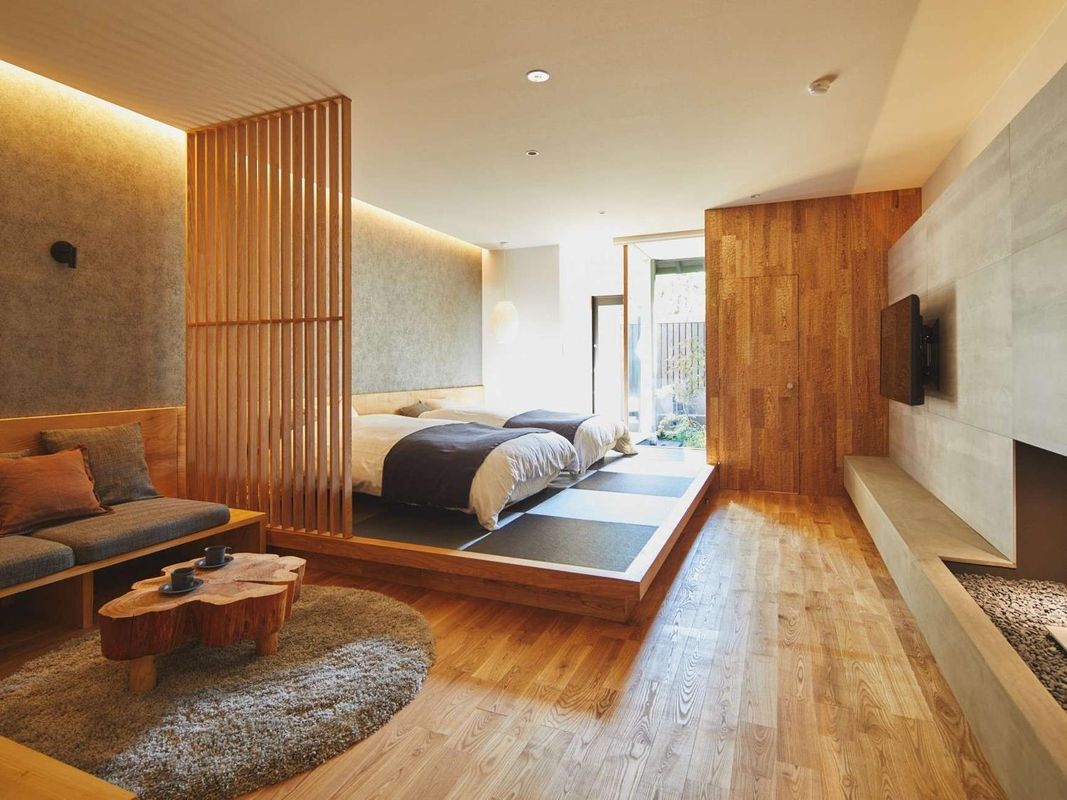
Nanaougi

Rembrandt Atsugi BETTEI
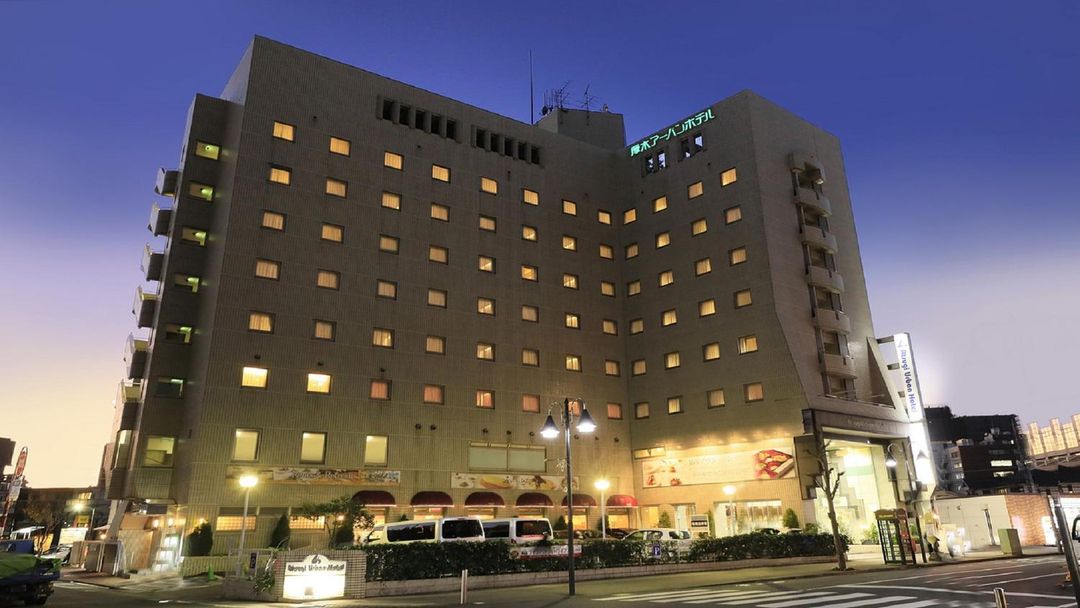
Atsugi Urban Hotel
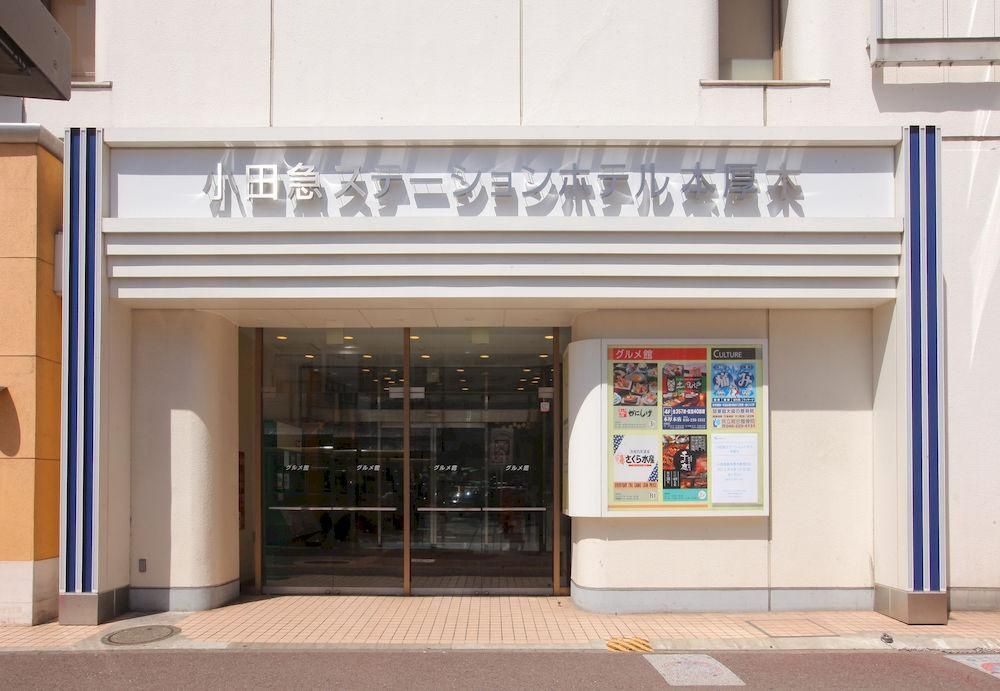
Odakyu Station Hotel Hon-Atsugi
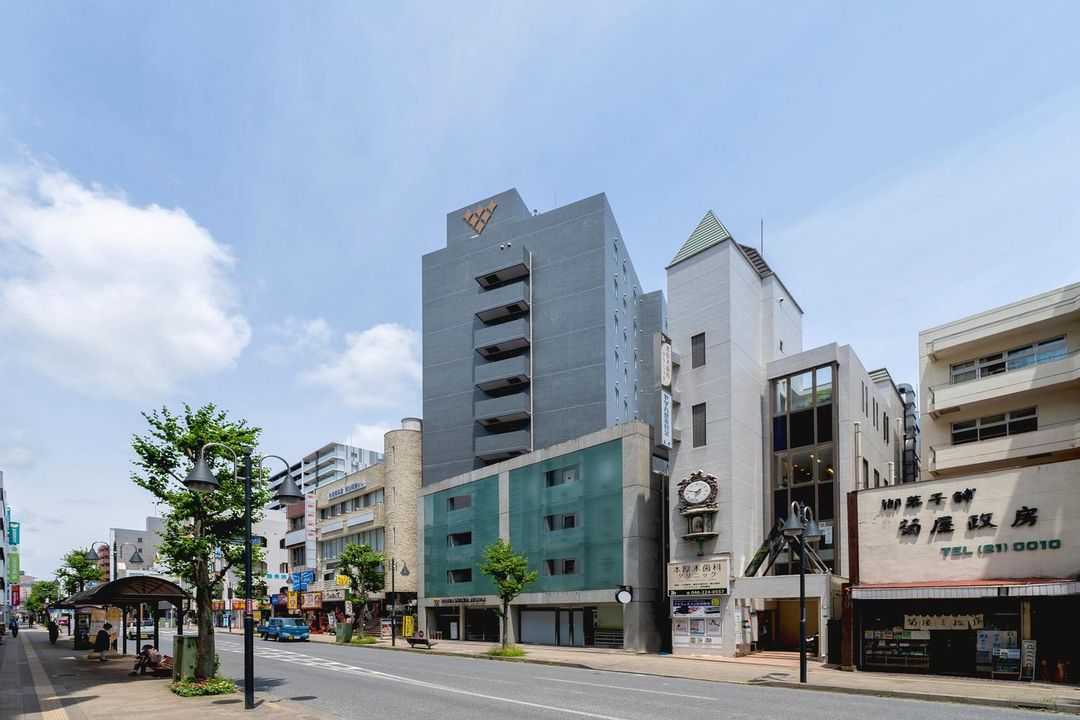
Hotel Vista Atsugi
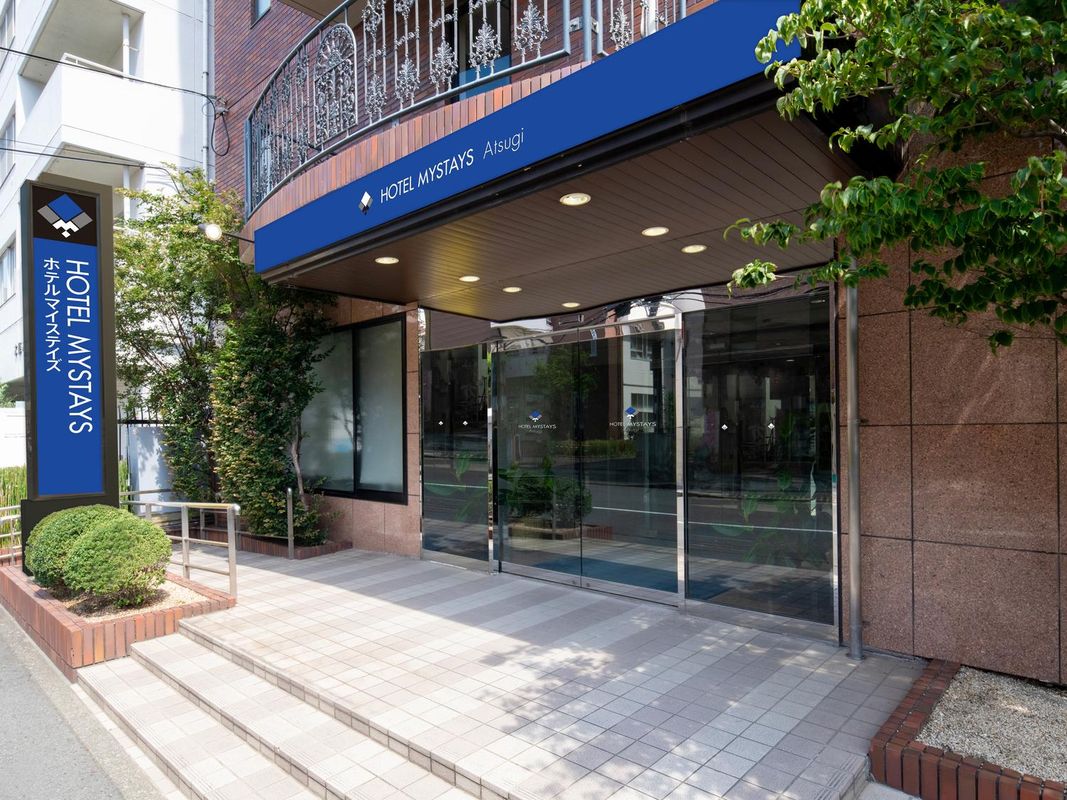
HOTEL MYSTAYS Atsugi
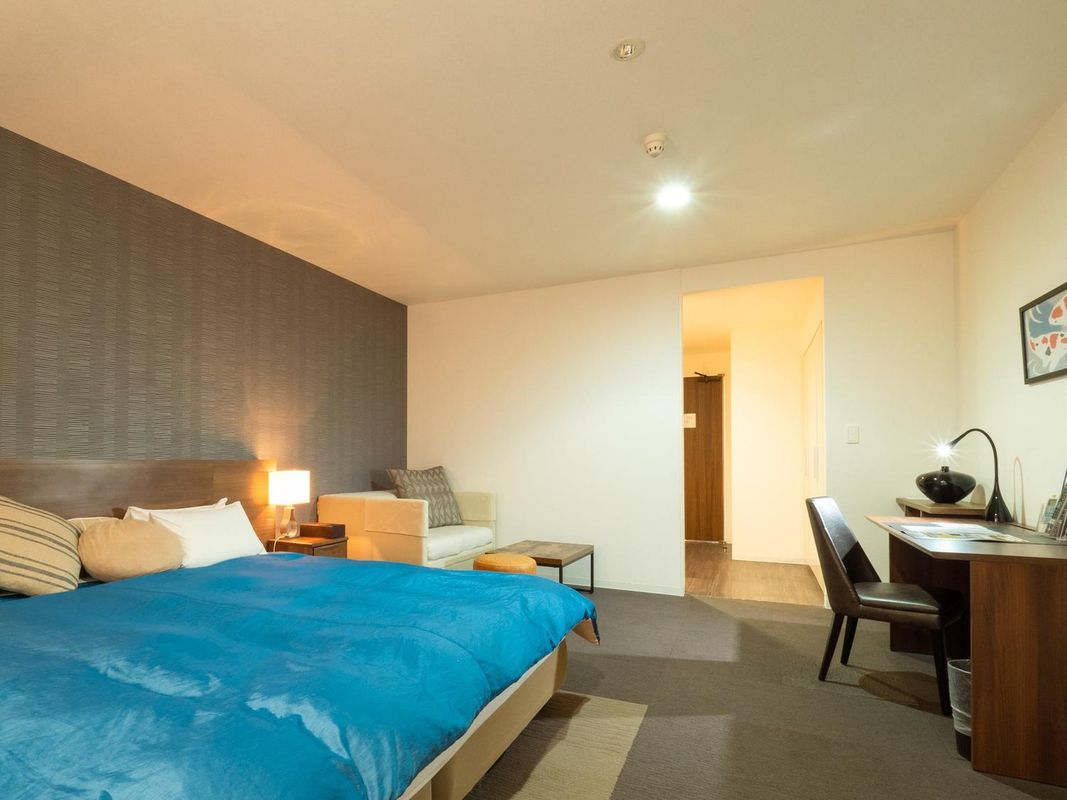
Hotel Tohkai
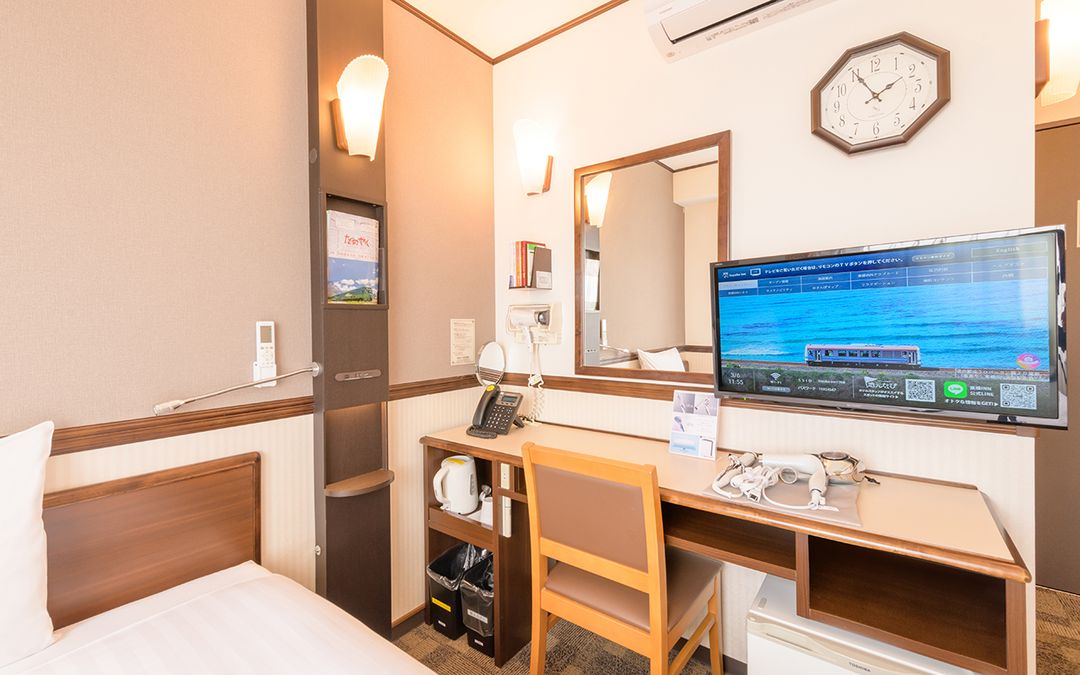
Toyoko Inn Hon-atsugi-eki Minami-guchi
Best Hotels in Atsugi
Discover curated hotel collections in Atsugi
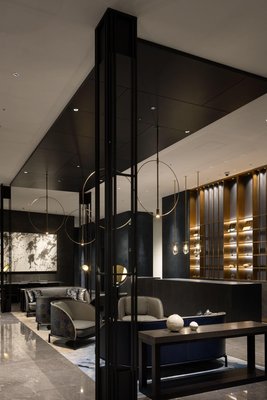
Bellustar Tokyo, A Pan Pacific Hotel
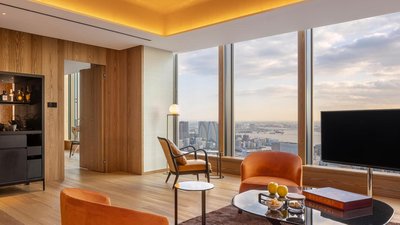
Bvlgari Hotel Tokyo

Shima Kanko Hotel the Bay Suites
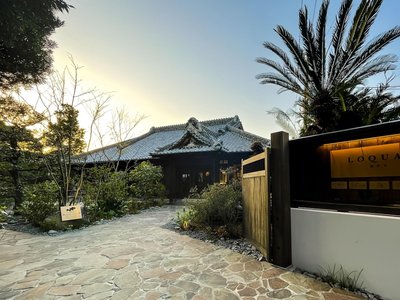
Loquat Nishiizu
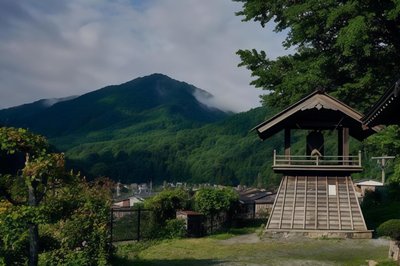
Byaku Narai
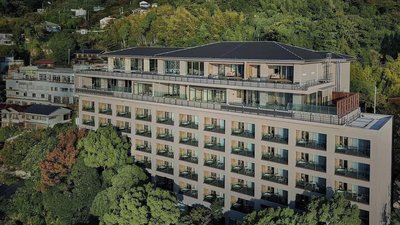
Atami Izusan Karaku
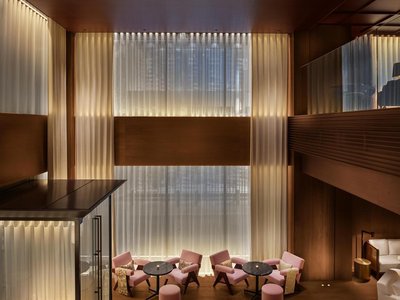
The Tokyo Edition, Ginza
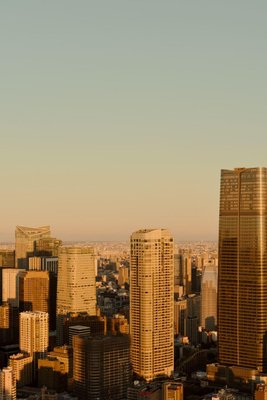
Janu Tokyo
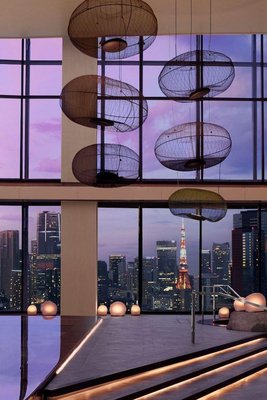
JW Marriott Hotel Tokyo
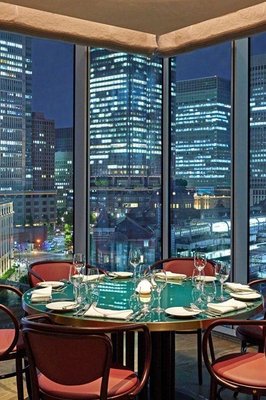
Four Seasons Hotel Tokyo at Marunouchi

Mandarin Oriental, Tokyo
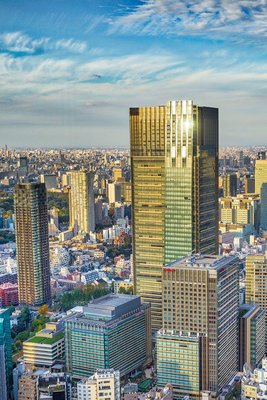
The Ritz-Carlton, Tokyo
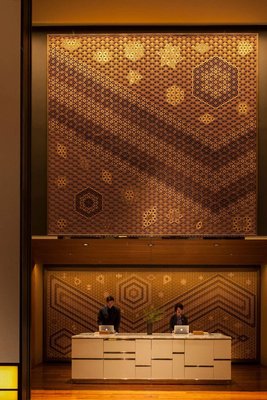
Andaz Tokyo Toranomon Hills- A Concept by Hyatt
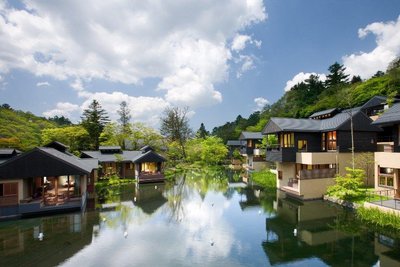
Hoshinoya Karuizawa
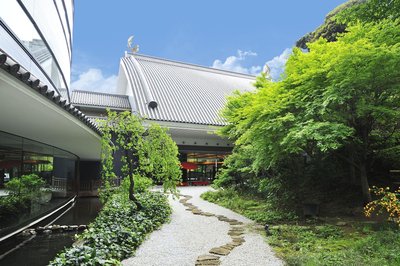
Hotel Gajoen Tokyo
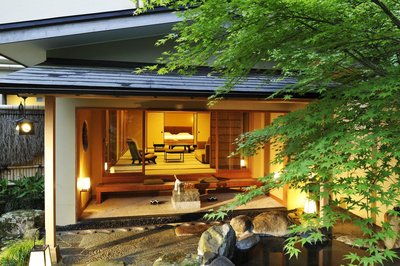
Gora Kadan
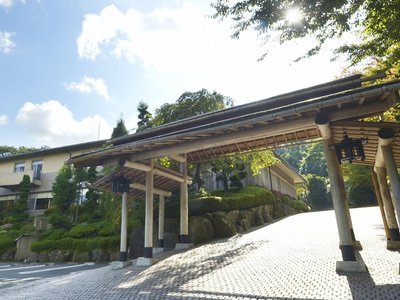
Gora Hanaougi
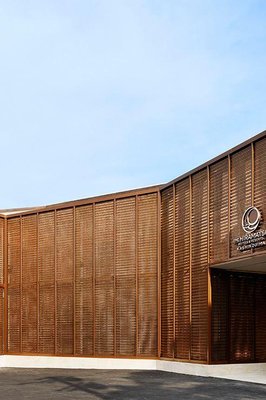
The Hiramatsu Hotels & Resorts Kashikojima
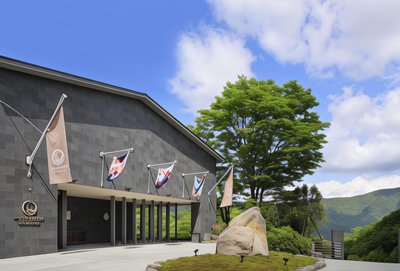
The Hiramatsu Hotels & Resorts Sengokuhara Hakone
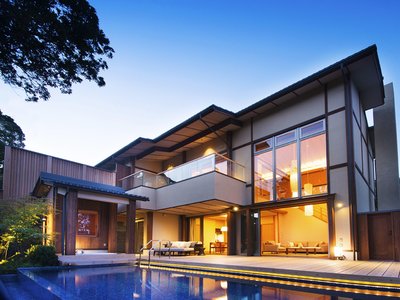
Abba Resorts Izu - Zagyosoh
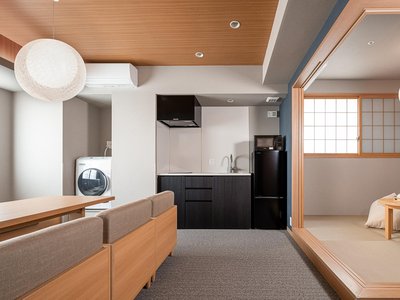
MIMARU SUITES Tokyo Asakusa
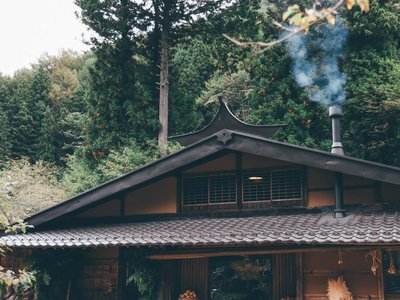
La Terra Resort
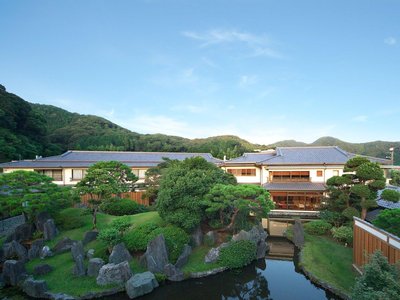
Kagetsutei

karaksa hotel colors Tokyo Yaesu

HOTEL GROOVE SHINJUKU, A PARKROYAL Hotel

GOLD STAY Nagoya Sakae
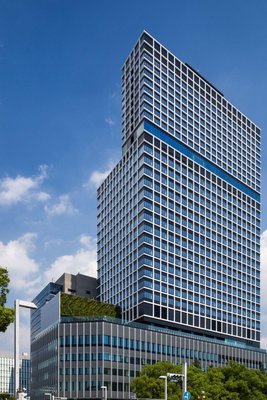
The Royal Park Hotel Iconic Nagoya

Awaumi Fujikawaguchiko Resort
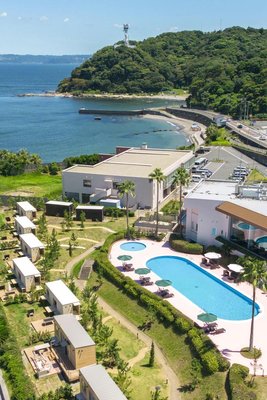
La vista Yokosuka Kannonzaki Terrace
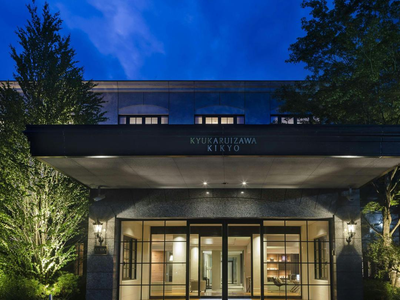
Fufu Karuizawa Wind of Sunshine
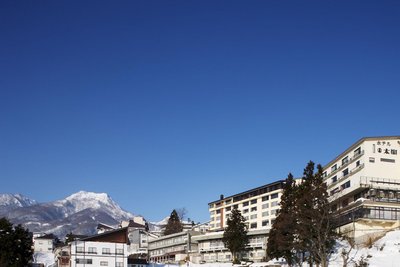
Hotel Taiko, Akakura Onsen
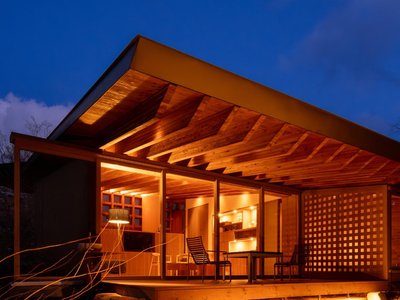
Nasu Mukunone
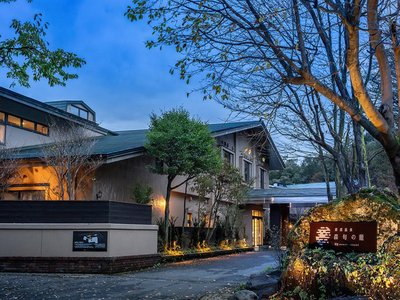
Nasu Onsen Shinshun no Kago Hewitt Resort

Scapes the Suite
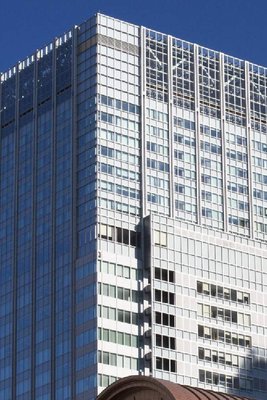
Hotel Metropolitan Tokyo Marunouchi
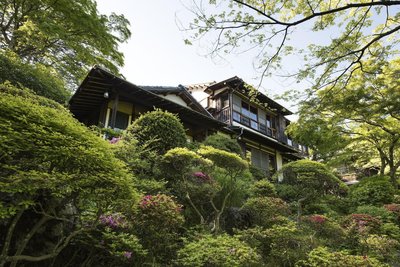
Gora Kansuiro
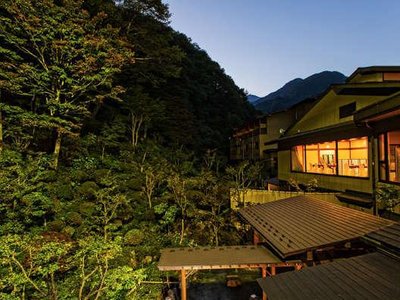
Futari Shizuka
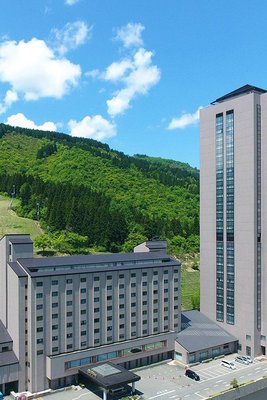
Naspa New Otani
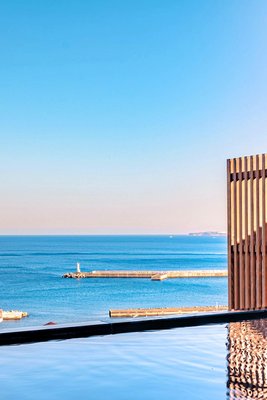
HOTEL KANICHI
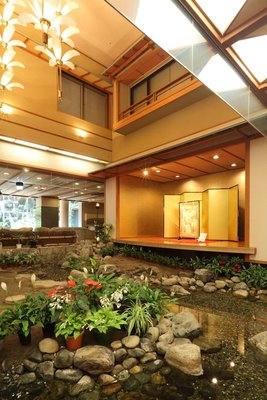
Hotel Futaba
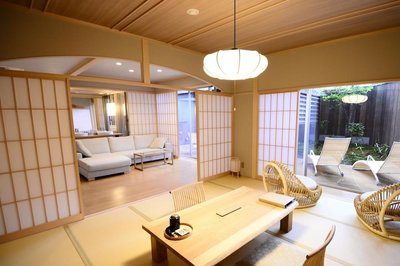
Hakone Gora Byakudan
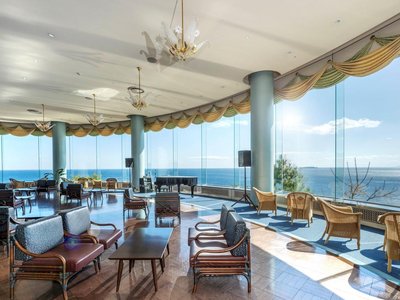
Hotel New Akao
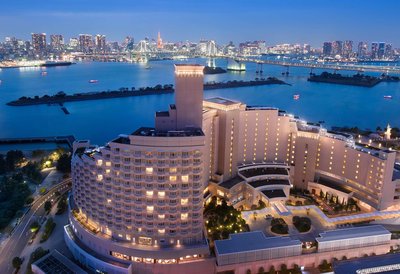
Hilton Tokyo Odaiba
JW Marriott Hotel Tokyo
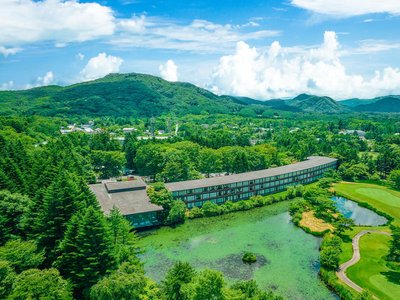
The Prince Karuizawa
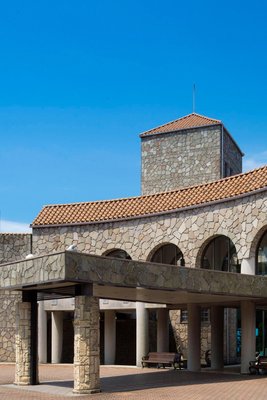
Izumigo Hotel Altia Toba

The Kukuna
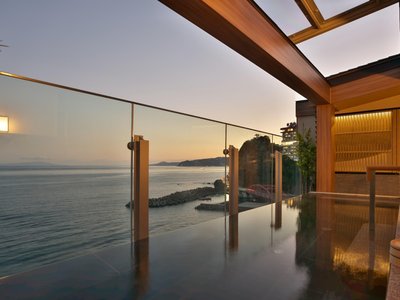
Hotel New Sagamiya
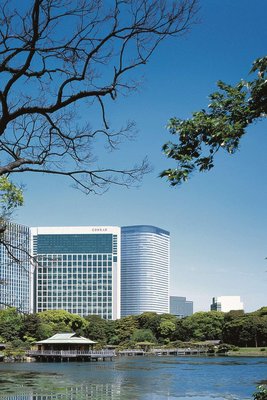
Conrad Tokyo
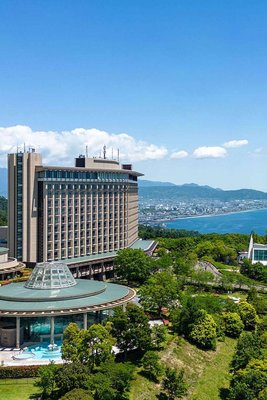
Hilton Odawara Resort & Spa
Hoshinoya Karuizawa
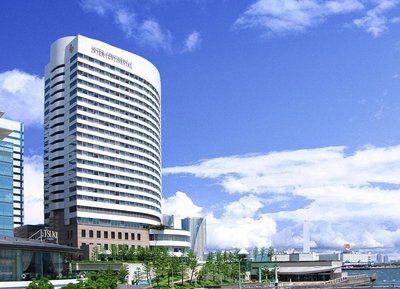
InterContinental Tokyo Bay
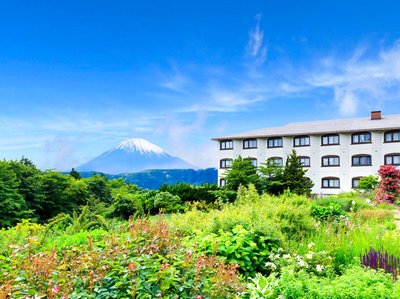
Hotel Green Plaza Hakone
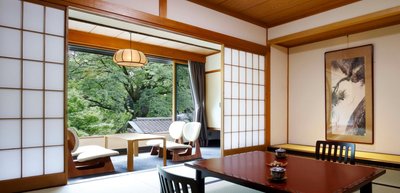
Yoshiike Ryokan
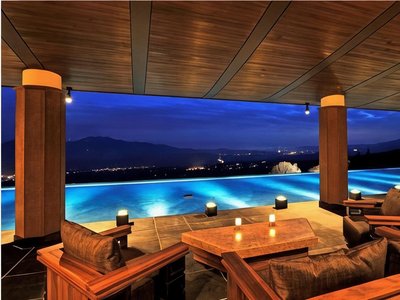
Akakura Kanko Hotel
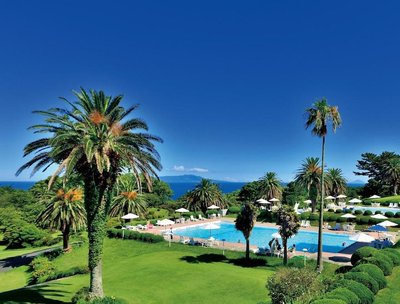
Kawana Hotel
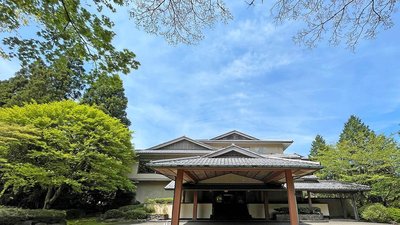
Ryuguden
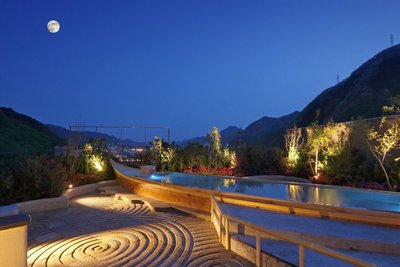
Asaya
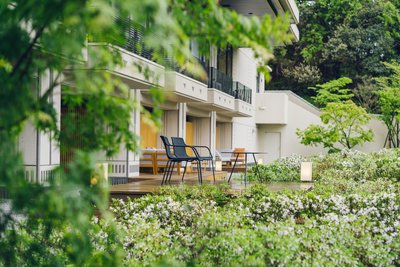
Hoshino Resorts Kai Enshu
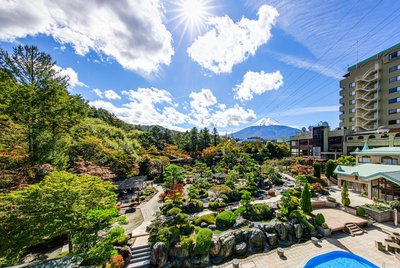
Kaneyamaen
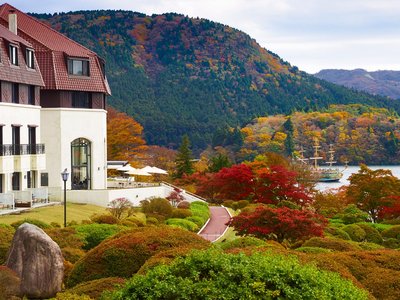
Hotakajyo
Auberge Suzukane

Onyado Nono Asakusa Bettei Hot Spring
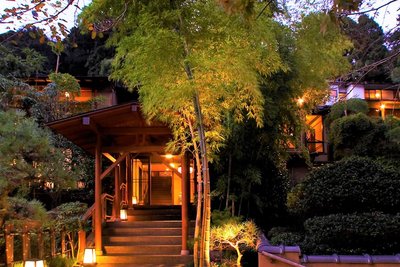
Shiki wo Ajiwau Yado Yamano Chaya
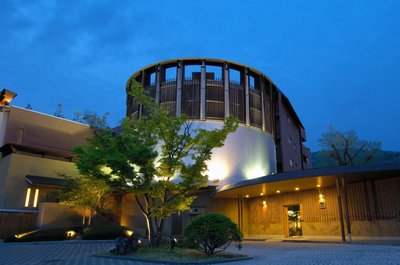
Hoshino Resorts Kai Matsumoto
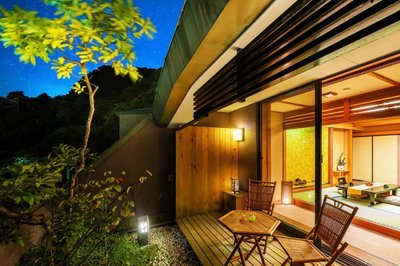
Konjakutei
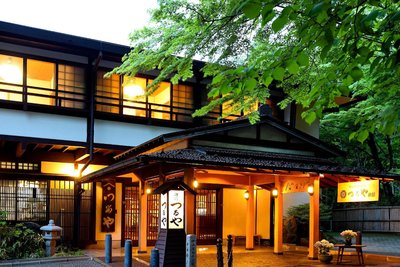
Tsuruya Ryokan
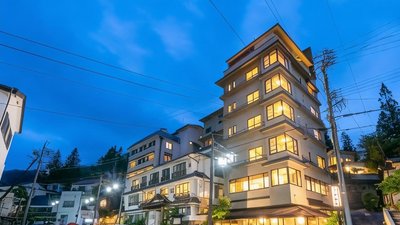
Nakamatsuya Ryokan
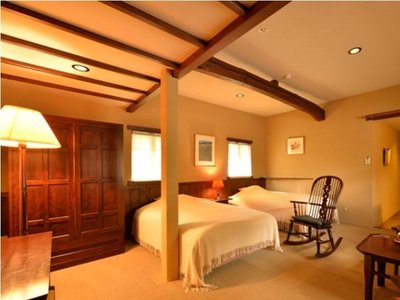
Ryokan Sugimoto
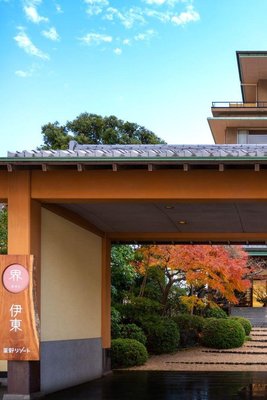
Hoshino Resorts Kai Ito
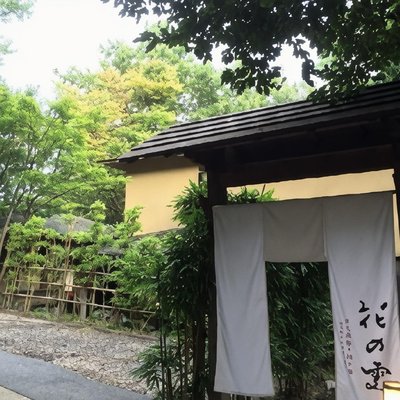
Hana No Kumo
Yoshiike Ryokan
Hotel Gajoen Tokyo
Gora Hanaougi
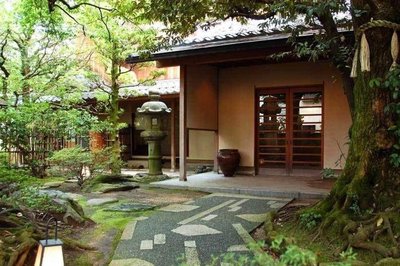
Kocho
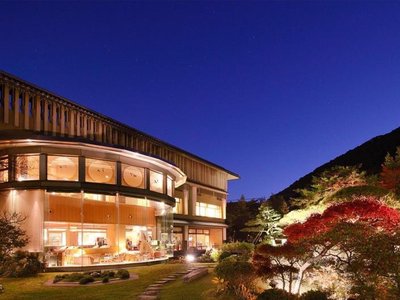
Shikisai Ichiriki
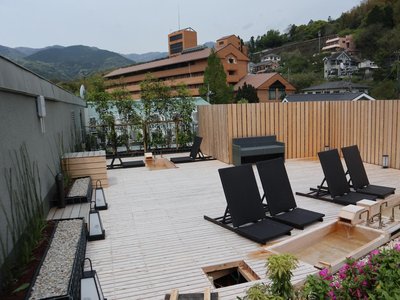
Fukiya Ryokan
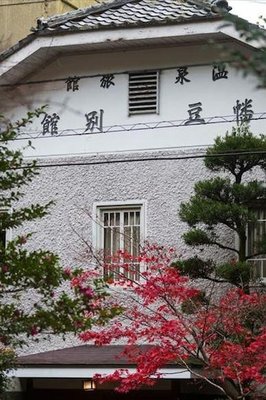
Oku-Mikawa・Yuya Onsen HAZU Bekkan
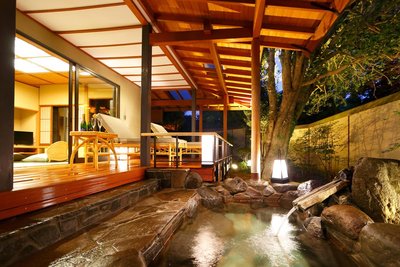
Yoshiharu Ryokan – Izu Nagaoka Onsen
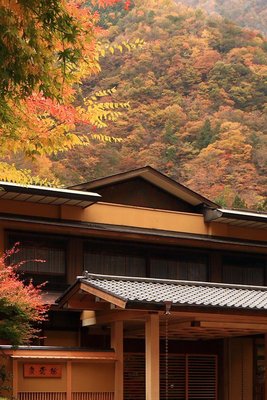
Nishiyama Onsen Keiunkan
Bellustar Tokyo, A Pan Pacific Hotel
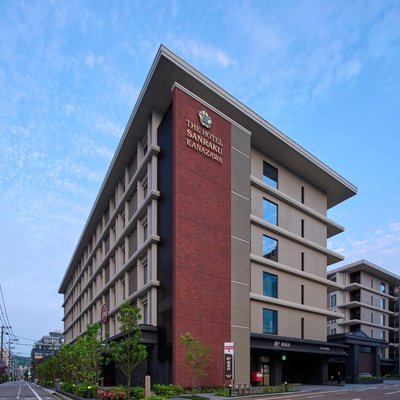
The Hotel Sanraku Kanazawa 21th December 2022 Open
JW Marriott Hotel Tokyo
Andaz Tokyo Toranomon Hills- A Concept by Hyatt
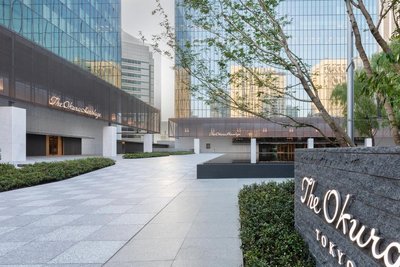
The Okura Tokyo
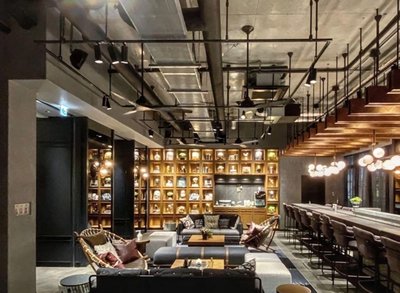
The Lively Azabujuban Tokyo
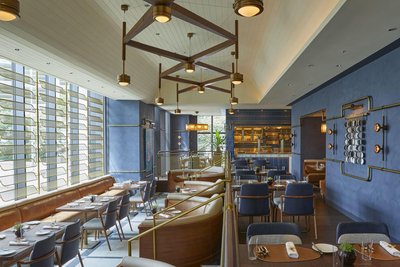
Kimpton Shinjuku Tokyo

HOTEL K5
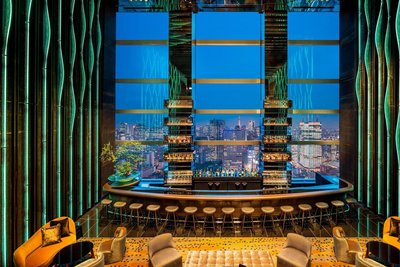
The Prince Gallery Tokyo Kioicho, a Luxury Collection Hotel
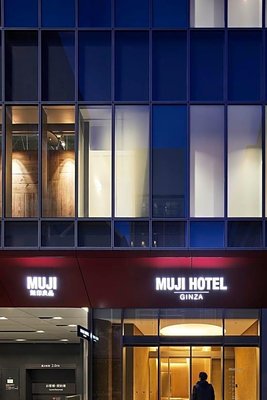
Muji Hotel Ginza
Hakone Gora Byakudan
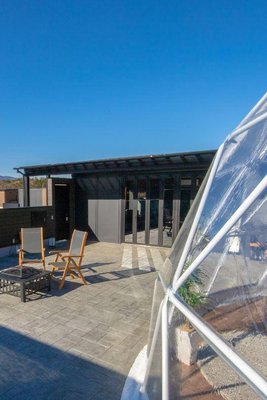
Panoramic Mt. Fuji Views from All Rooms – Vision Glamping Resort & Spa Yamanakako
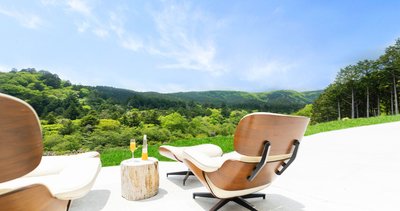
Shelter Garden Nikko
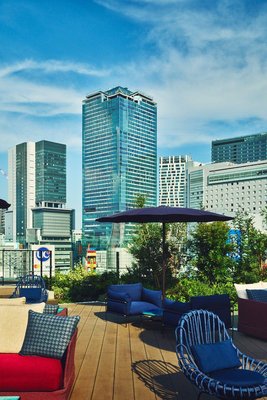
Hotel Indigo Tokyo Shibuya
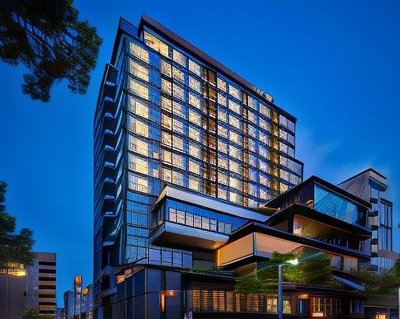
TIAD, AUTOGRAPH COLLECTION
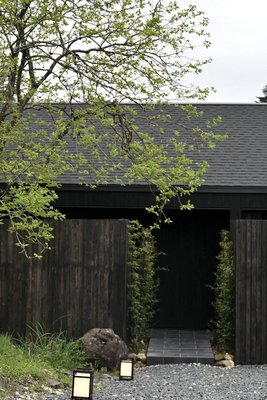
THE LAKOTAN
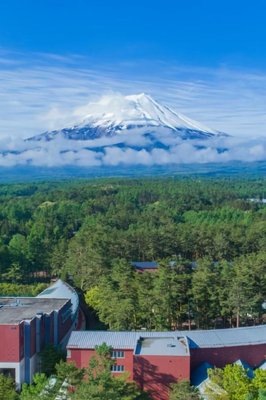
Forest Village (Fuji Premium Resort)
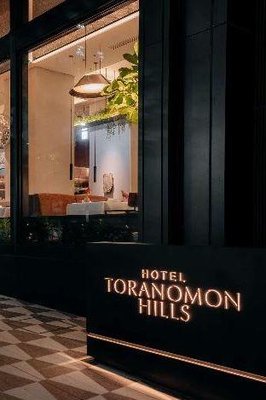
Hotel Toranomon Hills
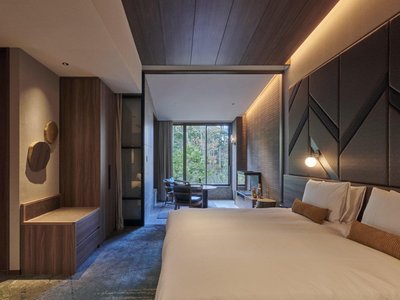
Fufu Kyu-Karuizawa Restful Forest
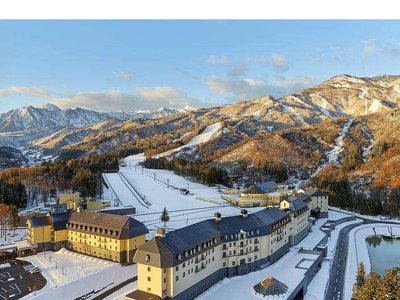
Lotte Arai Resort
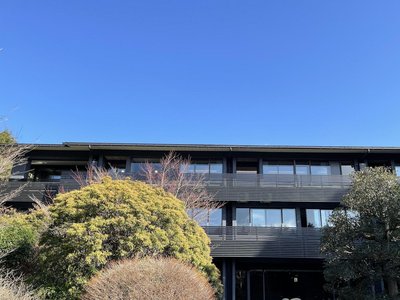
Sengokubara Cocon
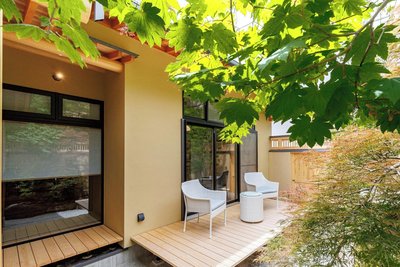
Shoraiso
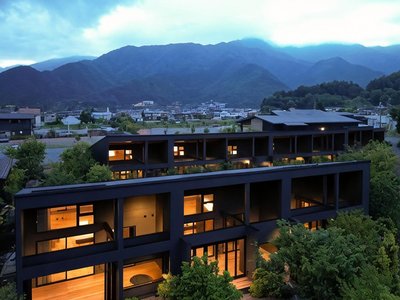
7C Villa and Winery
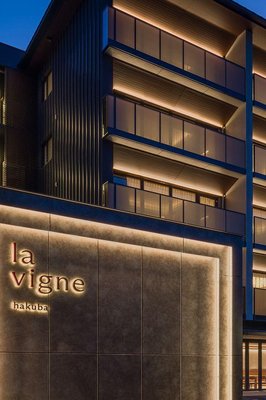
Hotel la Vigne Hakuba by Onko Chishin
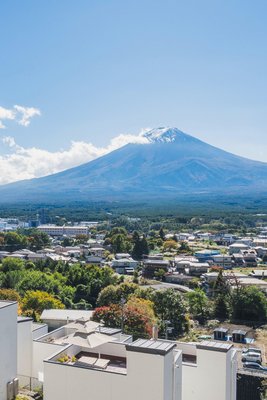
THE TOKI FujiKawaguchiko
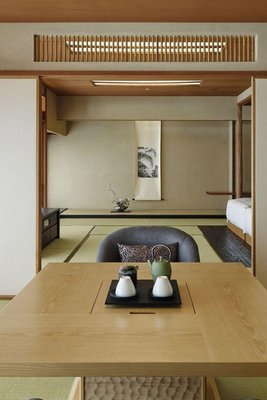
Takanawa Hanakohro (in Grand Prince Hotel Takanawa)
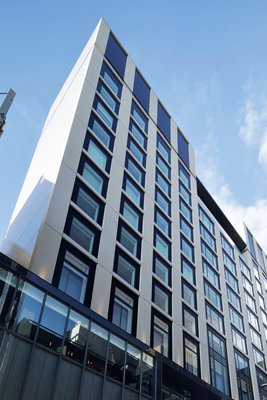
Hyatt Centric Ginza Tokyo
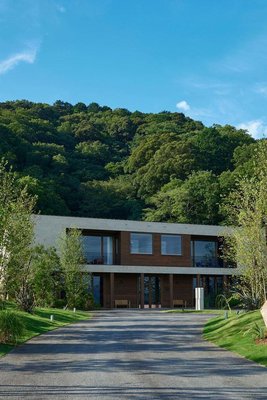
HACIENDA VISON
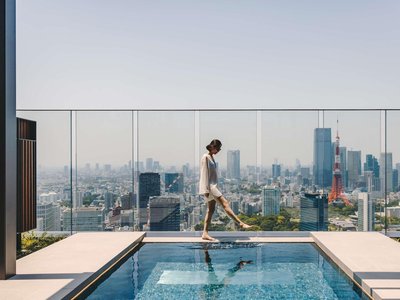
Fairmont Tokyo
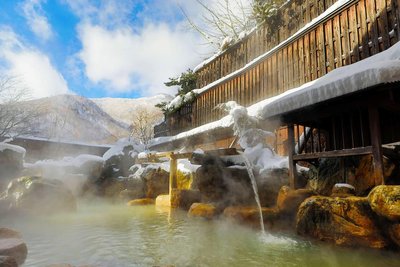
Miyamaouanbekkan yumegurinoyado hirayukan
Bvlgari Hotel Tokyo
Four Seasons Hotel Tokyo at Marunouchi
Mandarin Oriental, Tokyo
The Ritz-Carlton, Tokyo
Andaz Tokyo Toranomon Hills- A Concept by Hyatt
Gora Kadan

Hotel New Otani Tokyo the Main
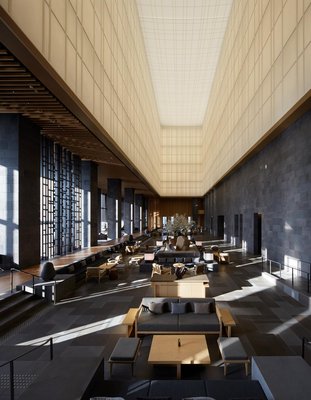
Aman Tokyo
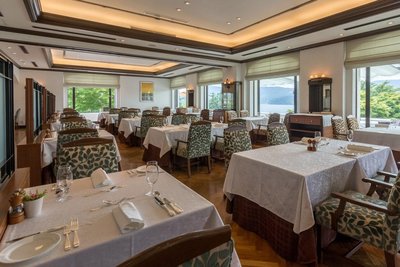
Odakyu Hotel de Yama
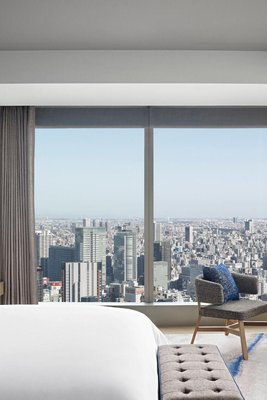
Four Seasons Hotel Tokyo at Otemachi
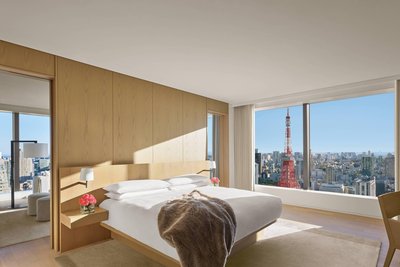
The Tokyo Edition, Toranomon

Hyatt Centric Kanazawa
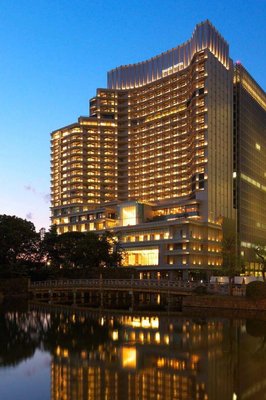
Palace Hotel Tokyo
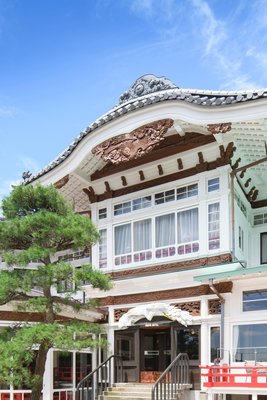
Fujiya Hotel
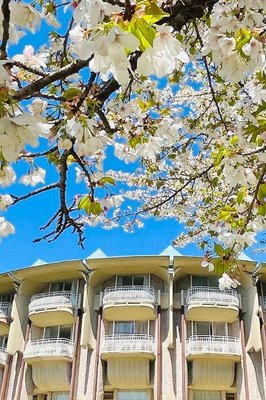
The Prince Hakone Lake Ashinoko
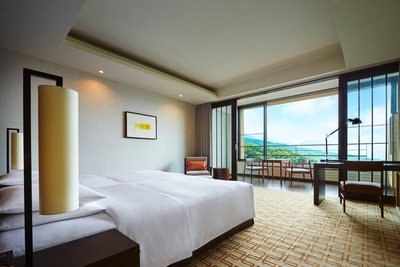
Hyatt Regency Hakone Resort and Spa
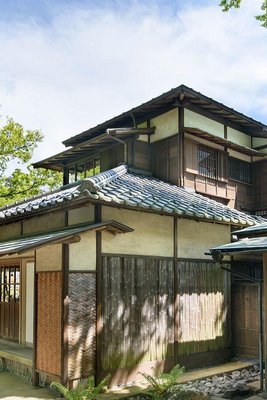
Hakone Suishoen
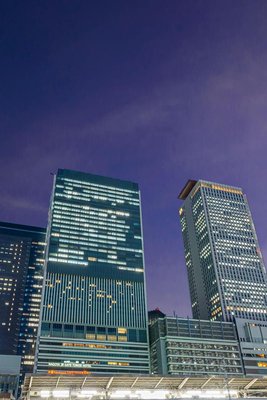
Nagoya JR Gate Tower Hotel (JR-Central Hotels)
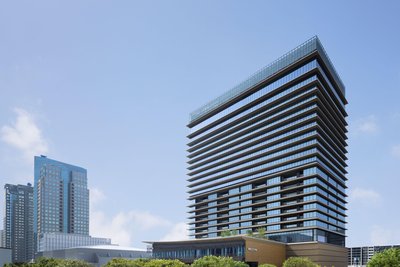
The Westin Yokohama
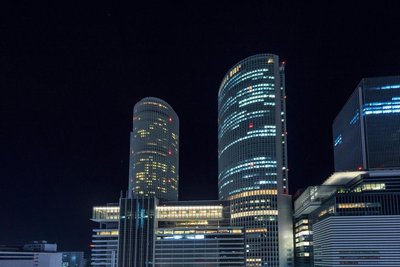
Nagoya Marriott Associa Hotel
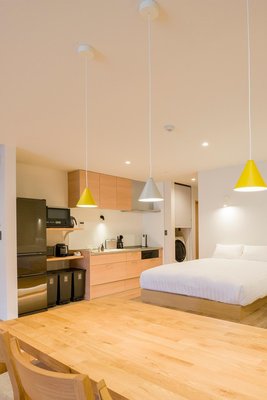
Rakuten STAY VILLA Nasu
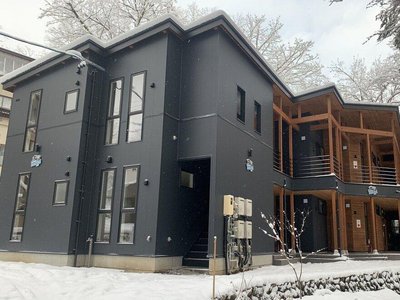
Hakuba Gondola Apartments
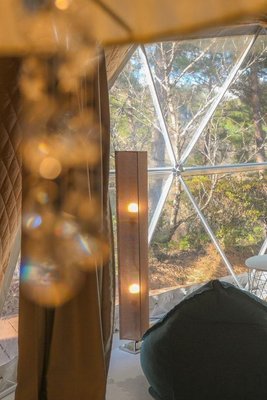
glampark Gekkabijin Nagano
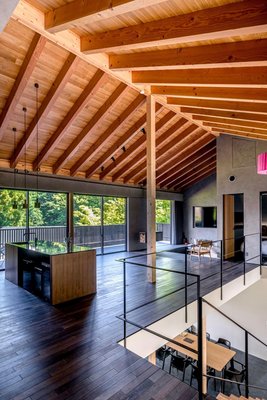
MONS GORA

Phoenix Chalets by Hhg
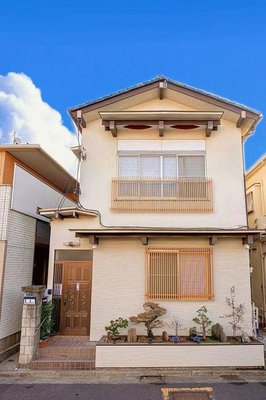
Tokyo Star House-Shinkoiwa
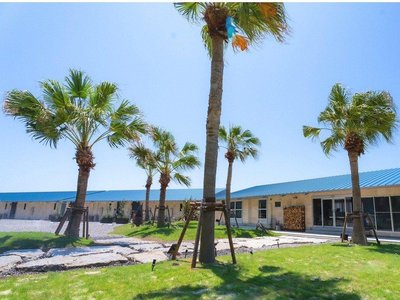
Glamping&Resort Wood Design Park Noma
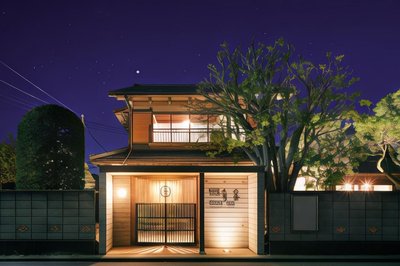
Machi-Jyu
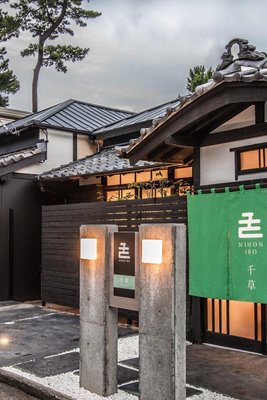
Nihon Iro
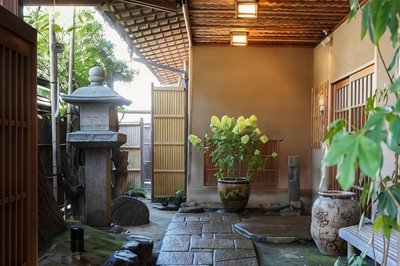
Ryokan Asadaya
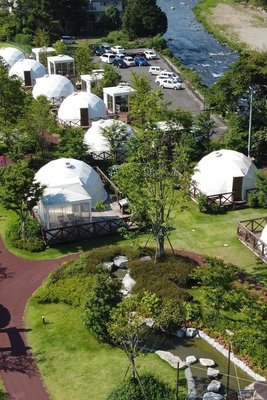
Ufufu Village
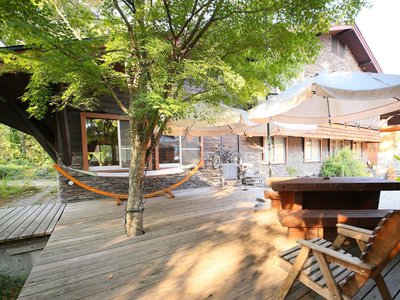
Kunugi Relaxation with 4 Modern Rooms
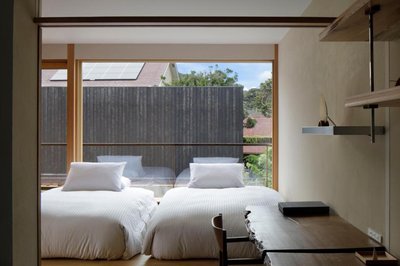
Modern Ryokan Kishi-ke

Petals Tokyo - Floating Hotel
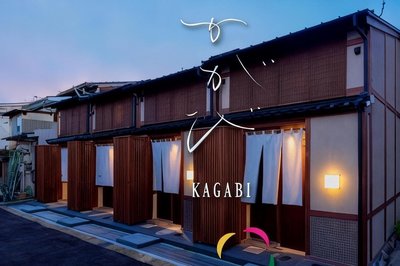
Kagabi Machiya House
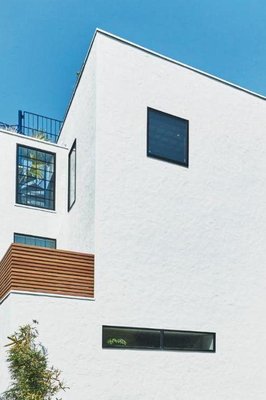
The Flow Kamakura
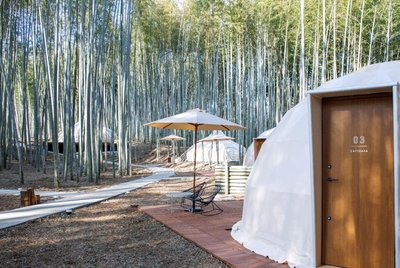
THE BAMBOO FOREST
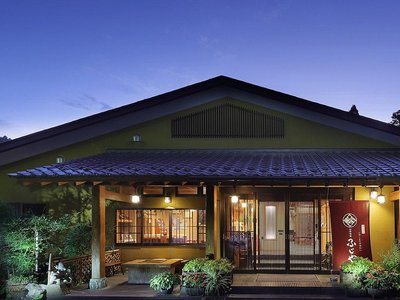
Shikimitei Fujiya
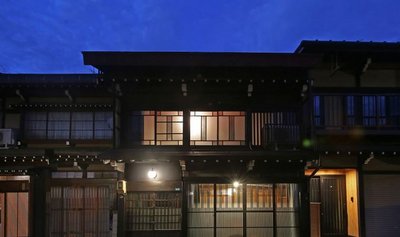
Iori Stay Hida

Hotel Barrière Fouquet's New York
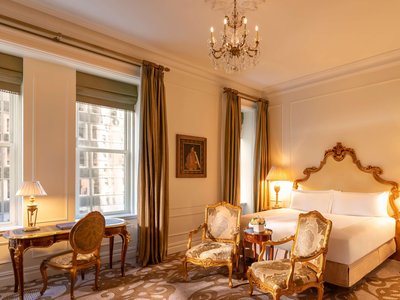
The Plaza - A Fairmont Managed Hotel
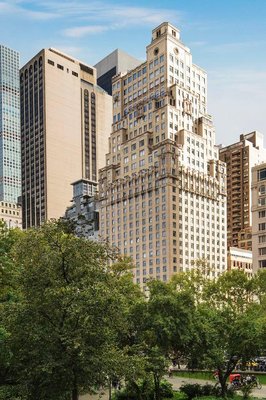
The Ritz-Carlton New York, Central Park
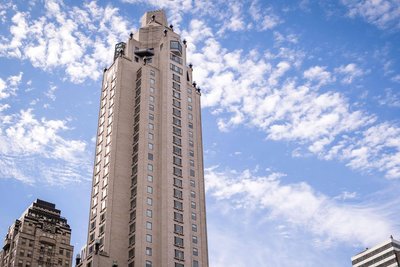
Four Seasons Hotel New York
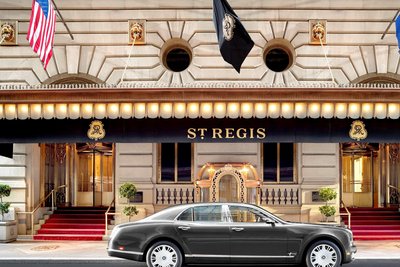
The St. Regis New York
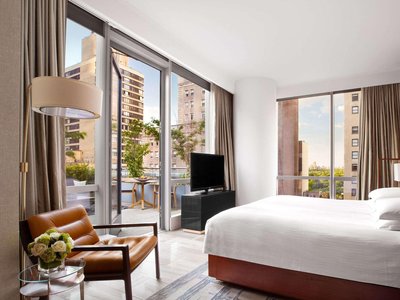
Park Hyatt New York
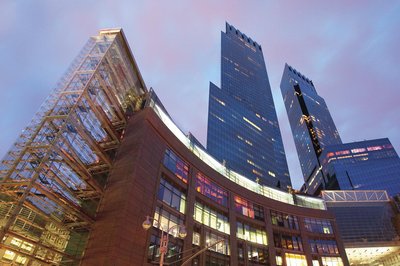
Mandarin Oriental New York
Times Square Edition New York

Loews Regency New York Hotel

Lowell Hotel
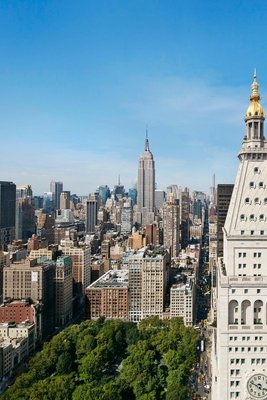
New York Edition
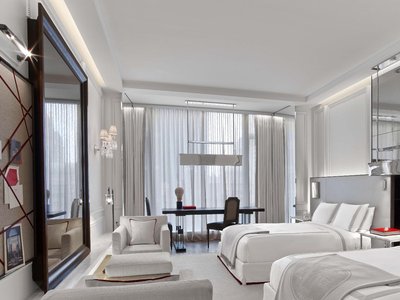
Baccarat Hotel New York

Equinox Hotel New York

Four Seasons Hotel New York Downtown
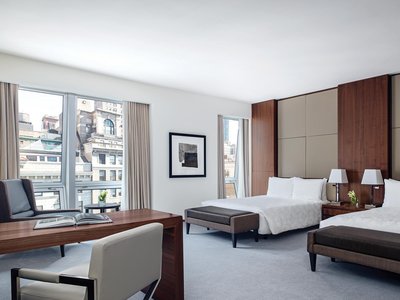
The Langham, New York, Fifth Avenue

The Carlyle, A Rosewood Hotel

The Chatwal, in the Unbound Collection by Hyatt
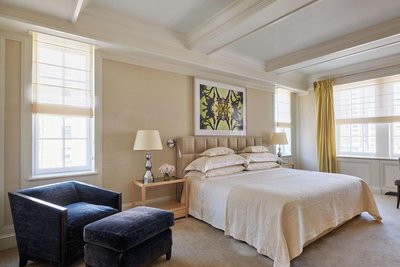
The Mark New York
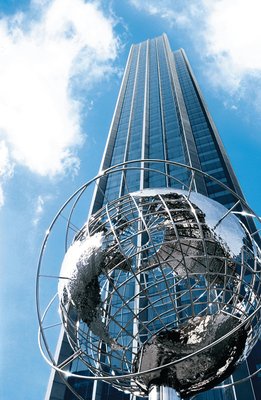
Trump International Hotel & Tower® New York
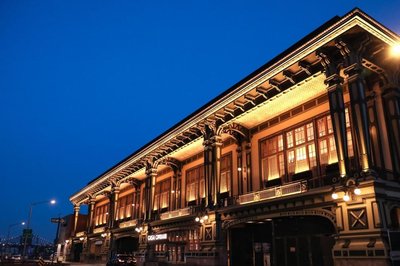
Casa Cipriani New York
Frequently Asked Questions about Traveling to Atsugi
Questions You Might Need to Know About Traveling to Atsugi
In Hakui City, the top choice for families is Hakui Garden Hotel, offering spacious family rooms with garden views and dedicated children's play areas. Located just a 5-minute walk from Hakui Station, it provides easy access to Hakui Park and the Kanagawa Prefectural Natural Museum, perfect for educational outings. The hotel also offers free shuttle services to nearby attractions and features Japanese-style tea rooms, creating a warm, welcoming atmosphere.
The city’s central location between Yokohama and Tokyo makes it ideal for day trips. Staff can assist with HopeGoo local specialties like Hakui Yaki, a regional grilled dish featuring fresh vegetables and chicken. This blend of comfort, convenience, and local flavor ensures a memorable stay for travelers with kids.
The most recommended area for hotel stays in Hakui City is around Hakui Station, where transportation, dining, and daily amenities converge. Just a short walk from the station, this district offers excellent connectivity via Odakyu Electric Railway and Sotetsu Line, with direct trains to Shinjuku and Yokohama in under an hour.
This area features a mix of residential calm and urban convenience, making it ideal for travelers seeking both peace and accessibility. Recommended options include APA Hotel Hakui Ekimae, known for its clean rooms, 24-hour front desk, and free Wi-Fi. Nearby, Hakui Shopping Street serves up authentic local snacks like ebi tempura donburi and imo nabe (mashed potato stew), while evening strolls along tree-lined streets offer a genuine taste of rural Kanto charm.
Visitors to Hakui City should not miss the guided tours at the Kanagawa Prefectural Natural Museum, renowned for its immersive exhibits on forest ecosystems and insect collections. Interactive zones like the tropical insect pavilion and monthly nighttime observation events allow guests to explore fireflies and nocturnal creatures up close.
Another highlight is the annual Hakui Autumn Festival, held each fall, featuring illuminated lantern alleys, traditional taiko drum performances, and kimono parades. Travelers can also participate in hands-on workshops such as crafting washi paper umbrellas or wind chimes, taking home a meaningful piece of local heritage. Check event schedules in advance, as these experiences pair beautifully with a well-planned stay.
Near Hakui City, the top hiking destination is Oyama Nature Park, spanning the border between Kanagawa and Shizuoka Prefectures. This park boasts lush deciduous forests, scenic streams, and well-maintained trails ranging from beginner to intermediate levels—perfect for all skill sets.
The 8-kilometer main trail winds through seasonal landscapes: cherry blossoms in spring, cool streams in summer, vibrant red leaves in autumn, and frost-covered trees in winter. Rest stops and interpretive signs provide insights into native species like the Japanese macaque and golden-fronted leaf warbler. Early morning hikes are recommended to avoid heat and crowds, and nearby Oyama Onsen offers a relaxing soak after your trek.
Pets are welcome on leashes, but please follow park rules to preserve the natural environment. A true haven for nature lovers seeking tranquility and adventure.
Hakui City may be quiet, but it shines in local cuisine. Don’t miss Hakui Yaki, a signature iron-grilled dish made with fresh Kanagawa vegetables and locally raised chicken—best enjoyed at Ichinozaka Ya, a beloved shop in the Hakui Shopping Street.
The city is also famous for its watercress and bamboo shoots, especially in spring when restaurants feature limited-time dishes like watercress tofu hot pot and bamboo shoot tempura. Try Yamano Mise, a cozy eatery near the south exit of Hakui Station, which serves meals cooked over traditional clay ovens using farm-fresh ingredients.
For a deeper connection to local life, book a family-style campfire dinner at a Hakui farmhouse inn, where you’ll harvest vegetables yourself before cooking a hearty meal by the fire. These culinary experiences offer more than flavor—they reveal the heart of Kanto rural culture.
For short visits, Hakui City offers several practical and affordable stays. 7-Eleven Hotel Hakui Ekimae stands out for its compact yet clean rooms, 24-hour service, and proximity to Hakui Station—just a 3-minute walk. Ideal for late arrivals or early departures.
Another solid option is Hotel Sunroute Plaza Hakui, located in the city center with free parking and a self-service breakfast buffet. Rooms come with air conditioning, smart TVs, and some overlook the Hakui River. The hotel also provides luggage storage and travel tips, helping guests plan their day efficiently.
For a more authentic feel, consider Hakui Machi Yado, a boutique ryokan converted from a century-old farmhouse. Each room features tatami mats, shoji screens, and private baths. Though no restaurant is on-site, guests can order takeout from nearby eateries, offering a peaceful, personalized stay.
Couples seeking romance should consider Hakui Bettei Geten-tei, a secluded ryokan housed in a restored 100-year-old residence. With only six rooms, each designed around a tranquil Japanese garden, the property offers private outdoor baths and open-air soaking areas perfect for starlit evenings.
Guests can enjoy customized experiences like candlelit dinners, kimono dressing sessions, and tea ceremony workshops. The in-house chef specializes in Kanto regional cuisine, including unagi bento and matcha wagashi, paired with local sake for a refined touch.
Located a 15-minute walk from Hakui Station, it’s ideal for a quiet getaway. However, bookings fill quickly—especially during cherry blossom and autumn foliage seasons—so reserve at least two weeks in advance. This is a rare chance to experience hidden Kanto romance in a serene setting.
Yes, Hakui City has a highly reliable public transit system. Key connections are provided by the Odakyu Electric Railway and Sotetsu Line, with frequent trains linking Hakui Station to Shinjuku and Yokohama in under 60 minutes.
The city also operates Hakui Community Buses, covering major neighborhoods and attractions like the Kanagawa Prefectural Natural Museum, Hakui Park, and Hakui Shopping Street, with low fares and IC card compatibility. Many hotels, such as APA Hotel Hakui Ekimae, offer complimentary shuttle services to stations and popular sites.
For drivers, National Route 1 and the Yokohama Ring Road run through the city, with ample parking. Still, avoid rush hours due to occasional congestion. Overall, Hakui City combines suburban ease with strong transport links—making it a seamless hub between Tokyo and Kanagawa’s southern regions.
Hakui City may lack flashy landmarks, but it offers serene, photogenic corners perfect for creative shots. The Hakui Station Cherry Blossom Avenue is a must-visit in spring, where rows of Somei Yoshino cherry trees form a pink tunnel—ideal for portraits and wide-angle captures.
The glass greenhouse and insect exhibition hall at the Kanagawa Prefectural Natural Museum offer striking visuals, especially the giant butterfly display and simulated rainforest dome. The moss garden outside adds a meditative, minimalist aesthetic.
Along the Hakui River Path, autumn brings fiery maple and ginkgo foliage—perfect for landscape photography. For vintage vibes, visit the Hakui Shopping Street, where weathered wooden storefronts and ivy-covered facades create nostalgic frames. Bring a tripod and wide-angle lens to maximize depth and light in these tranquil settings.
Hakui City has a humid subtropical climate with distinct seasons, influencing travel plans. Spring (March–May) is mild and pleasant (15–20°C), ideal for cherry blossoms and hiking, though brief showers may occur—pack a lightweight raincoat.
Summer (June–August) is hot and humid, with temperatures reaching 35°C. High humidity increases discomfort; avoid midday hikes and opt for early morning or evening activities. Seek shade at rest areas or water fountains in parks.
Autumn (September–November) offers crisp, sunny days (10–22°C)—perfect for viewing fall colors and attending festivals like the Hakui Autumn Festival. Winter (December–February) is cool (5–10°C), occasionally snowy, but generally mild. It’s ideal for indoor cultural visits, such as museum tours or onsen soaks.
Check forecasts via the Japan Meteorological Agency before traveling. Most facilities offer public restrooms and drinking fountains, ensuring comfort throughout your journey.
Atsugi Overview
City Summary
Atsugi City, located in the central part of Kanagawa Prefecture, Japan, is a city that blends natural beauty with modern amenities. Known for its onsen culture and military history, it also serves as a gateway to Hakone and Mount Fuji. Atsugi offers abundant outdoor activities such as hiking, fishing, and hot spring retreats, making it ideal for travelers seeking relaxation and adventure.
Must-See Attractions
The Atsugi City Morino Satoyama Museum showcases local history and culture, while the Nanatsu Mori Park is perfect for enjoying nature. Military enthusiasts should visit the Naval Air Facility Atsugi, a key U.S. military base in Japan. At night, explore the area around Atsugi Station to experience the local nightlife and shopping.
Food Guide
Atsugi is famous for its ayu (sweetfish) dishes, especially in summer. Local restaurants serve various ayu-based dishes like salt-grilled ayu and ayu sushi. Additionally, Atsugi's soba noodles and local sake are must-tries, reflecting traditional Japanese culinary culture.
Transportation Guide
Public transportation in Atsugi is mainly operated by JR East and Odakyu Electric Railway, connecting it to Tokyo and nearby cities. Buses are the primary mode of transport within the city. Purchasing an IC card (e.g., Suica or Pasmo) is recommended for convenience. Renting a car is also a good option for exploring nearby natural attractions.
Best Time to Visit
The best times to visit are spring (March-May) and autumn (September-November), when the weather is mild and ideal for outdoor activities. Summers are hot but offer seasonal delicacies like ayu dishes. Winters are colder with fewer tourists.
Travel Tips
- Respect local customs; remain quiet when visiting shrines or temples.
- Some areas in Atsugi have U.S. military bases; adhere to relevant regulations.
- Many onsen facilities prohibit tattoos; check in advance.
- Avoid loud conversations on public transport.
- Carry cash as some small shops don’t accept credit cards.
- Learning basic Japanese greetings can help with local interactions.
Useful Information
The official language is Japanese, but some tourist spots and hotels offer English services. Free Wi-Fi is available at major stations and shopping centers, but coverage is limited; consider getting a local SIM card. Cash is the primary payment method, though international credit cards are accepted at larger establishments. For emergencies, dial 110 (police) or 119 (ambulance). Pharmacies are widespread, but some medications may require a prescription.









