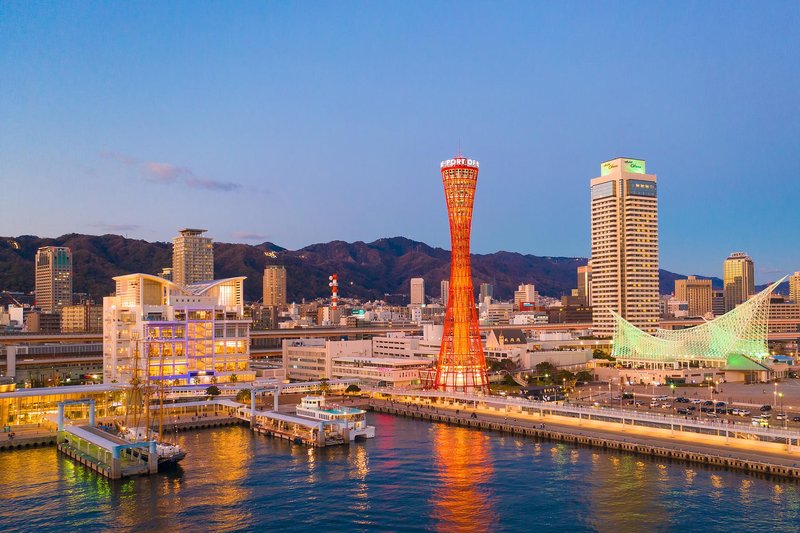
Hotels in Atsuma
Discover your perfect stay in Atsuma.
Atsuma(Japan) Travel 2026: Cheap Flights, Hotels & Top Attractions
Popular Landmarks in Atsuma
Discover the most iconic attractions in Atsuma
Recommended Hotels in Atsuma
Find the perfect place to stay in Atsuma
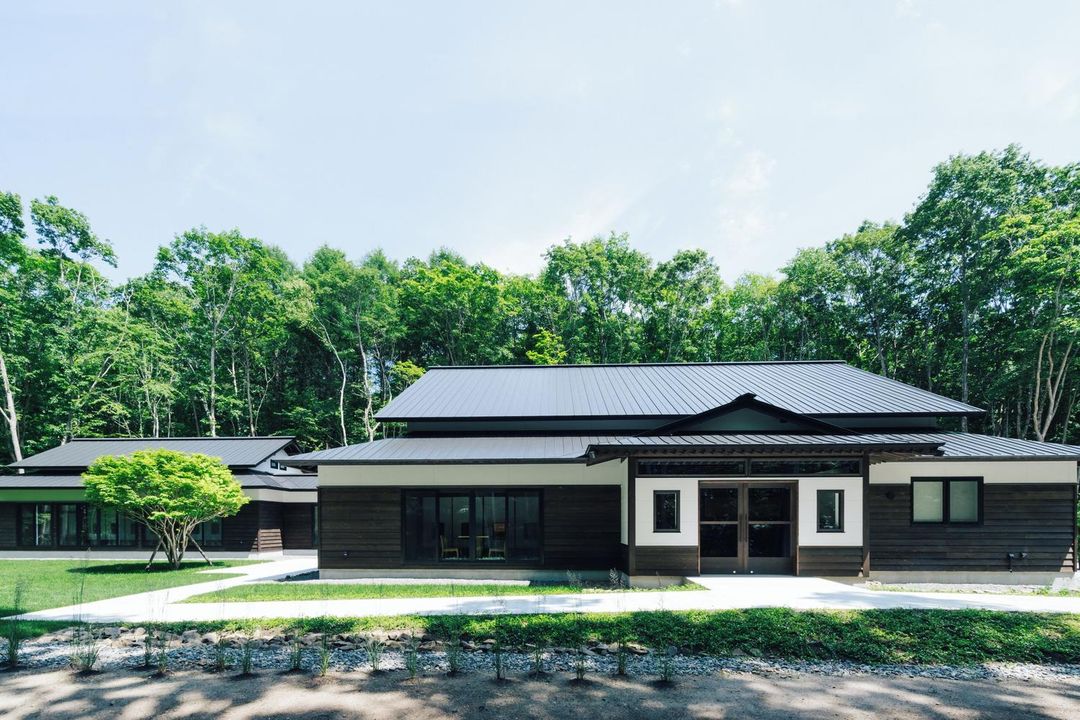
Morino Auberge Mitsu
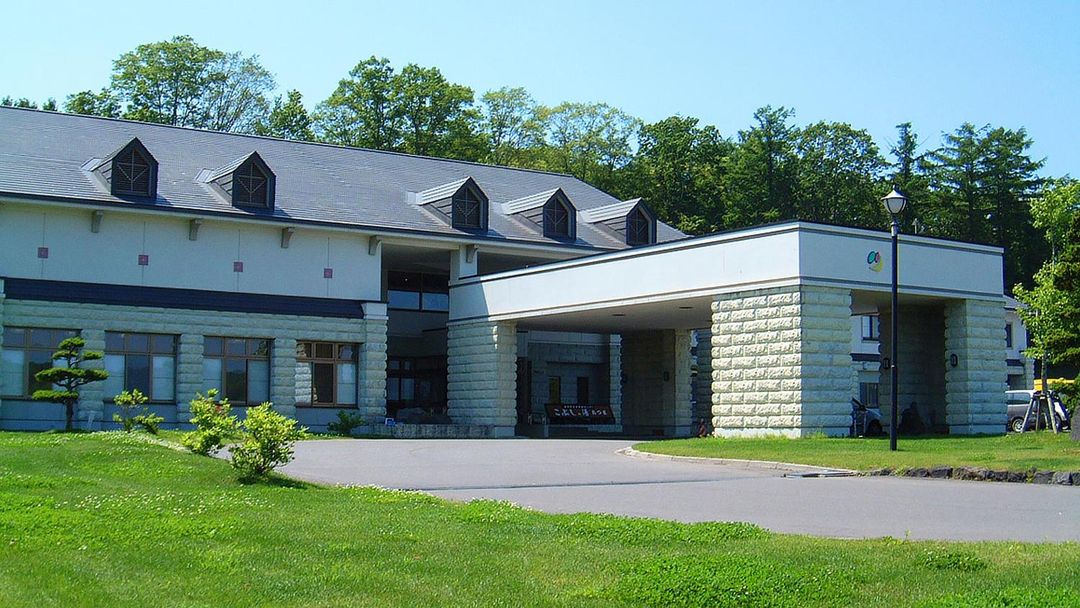
Kobushi No Yu Atsuma
Best Hotels in Atsuma
Discover curated hotel collections in Atsuma
SANSUI NISEKO
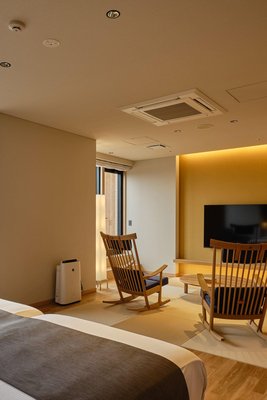
Lake Toya Tsuruga Resort Hikarinouta
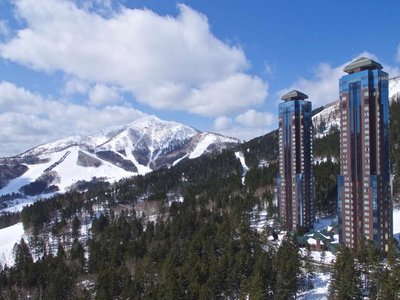
Hoshino Resorts RISONARE Tomamu
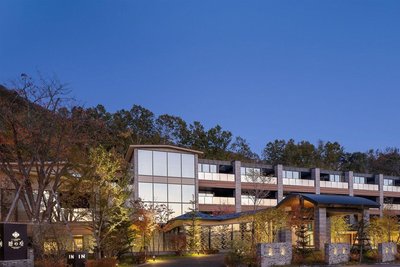
Lake Shikotsu Tsuruga Bessou Ao No Za
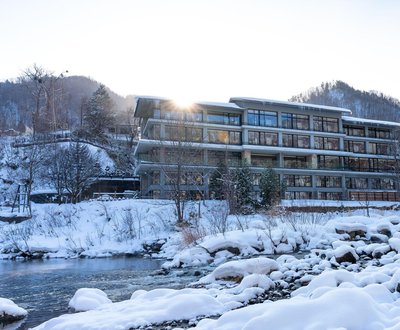
Chalet Ivy Jozankei
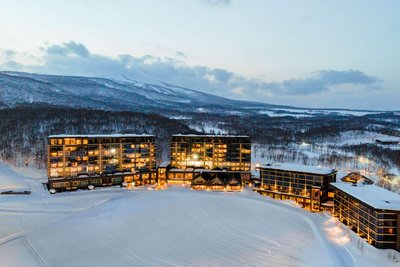
Park Hyatt Niseko Hanazono
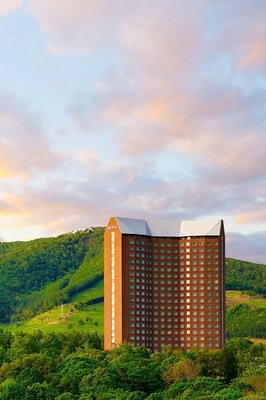
The Westin Rusutsu Resort
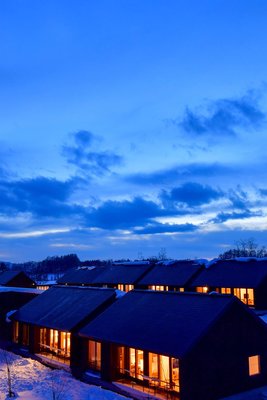
Niseko Inn of Youtei Raku Suisan
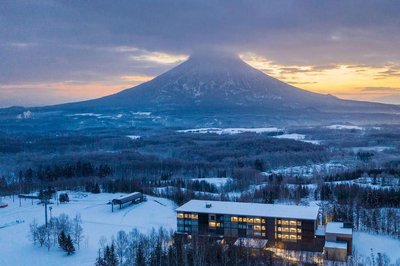
Higashiyama Niseko Village, a Ritz-Carlton Reserve
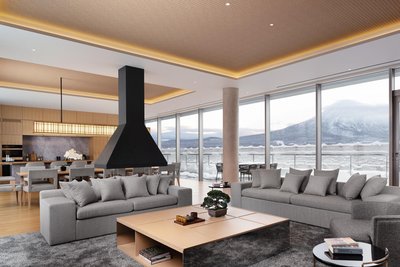
Setsu Niseko
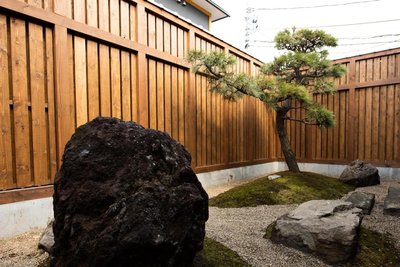
Hotel Zen-Adult Only
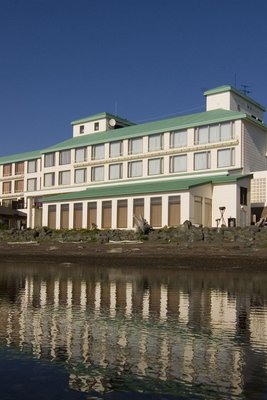
Lake Saroma Tsuruga Resort
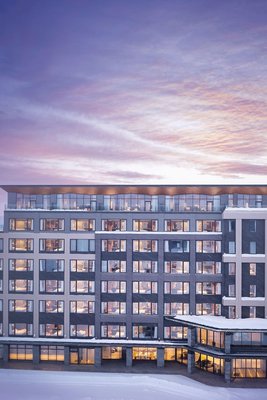
Nikko Style Niseko Hanazono
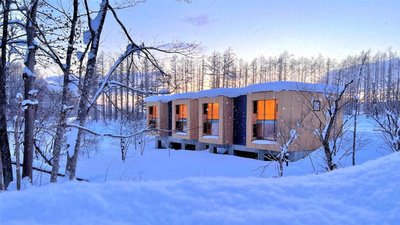
Miru Niseko
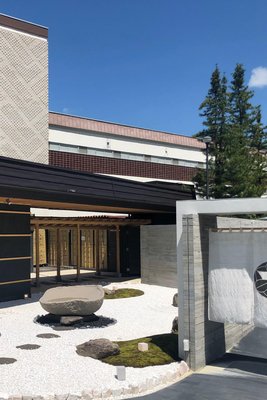
Shogetsu Grand Hotel
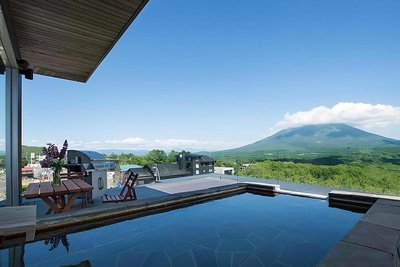
The Vale Niseko
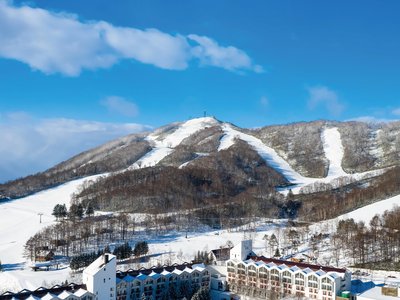
Rusutsu Resort Hotel & Convention
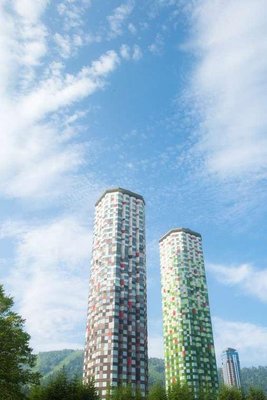
Hoshino Resorts Tomamu The Tower
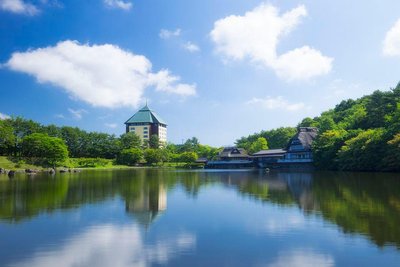
Hoshino Resorts Aomoriya
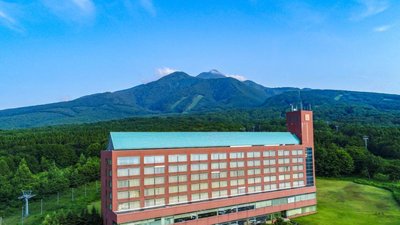
Rockwood Hotel & Spa
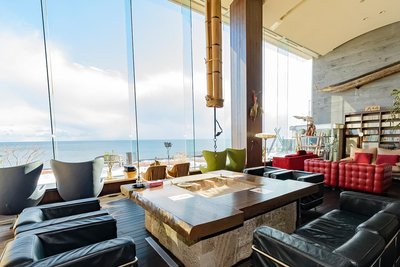
Kokorono Resort Umino Bettei Furukawa
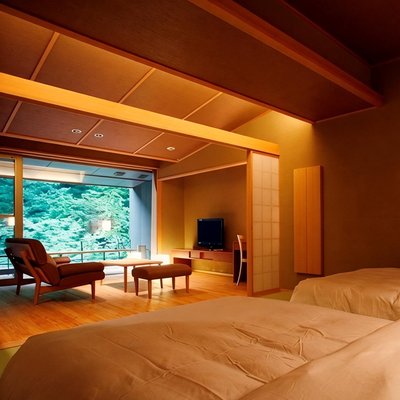
Noboribetsu Onsenkyo Takinoya
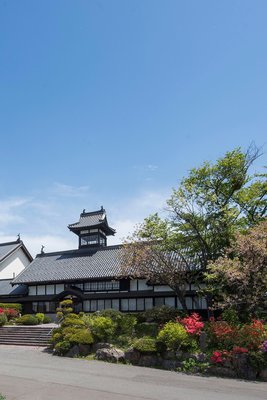
Ginrinsou
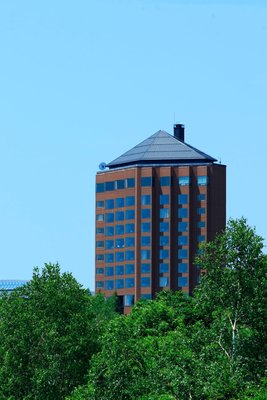
Furano Resort Orika
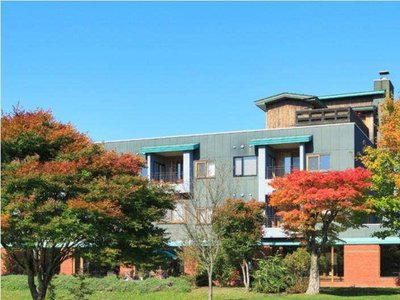
Sanyoan
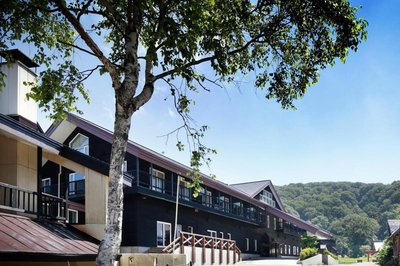
Hotel Jogakura
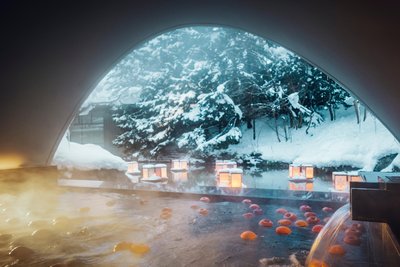
Hoshino Resorts Kai Tsugaru
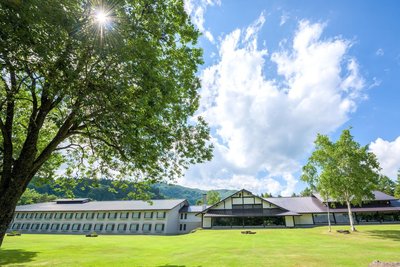
Towada Prince Hotel
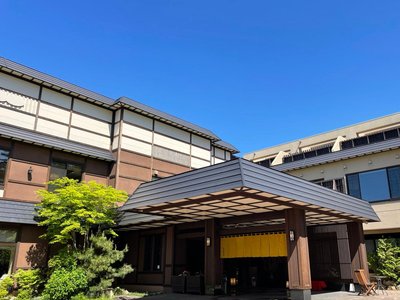
Otaru Kourakuen
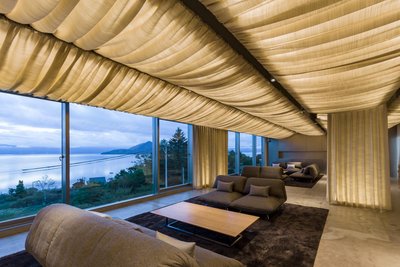
WE Hotel Toya
Lake Saroma Tsuruga Resort
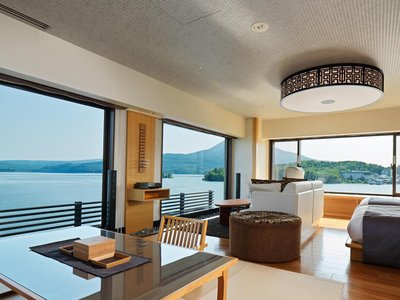
Akan Yuku No Sato Tsuruga
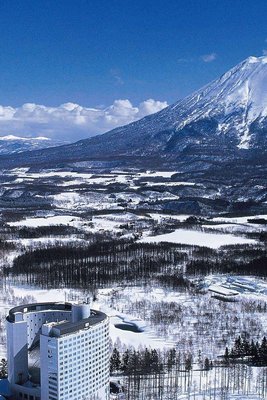
Hilton Niseko Village
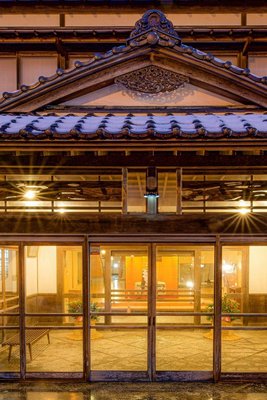
Wakamatsu Hot Spring Resort
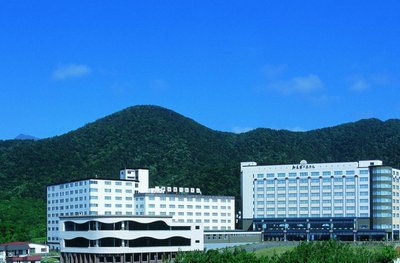
Shiretoko Daiichi Hotel
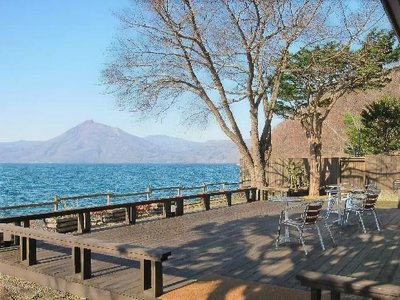
Lakeside Villa Suimeikaku
Kokorono Resort Umino Bettei Furukawa
Towada Prince Hotel
WE Hotel Toya
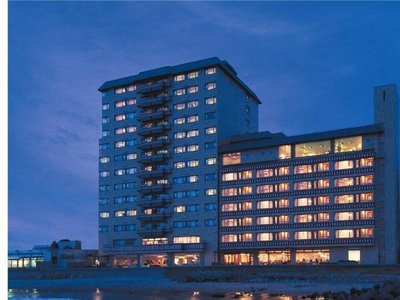
Heiseikan Shiosaitei Hanatsuki
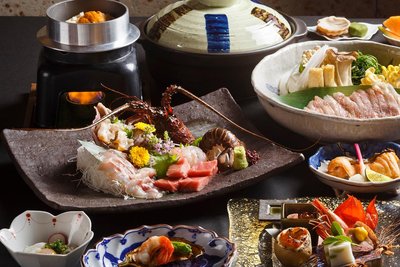
La Vista Akangawa
Park Hyatt Niseko Hanazono
The Westin Rusutsu Resort
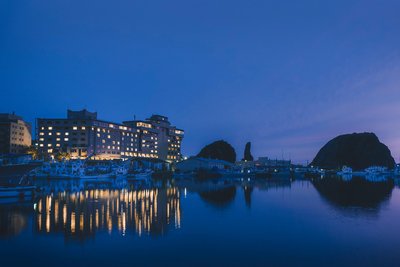
Kitakobushi Shiretoko Hotel & Resort
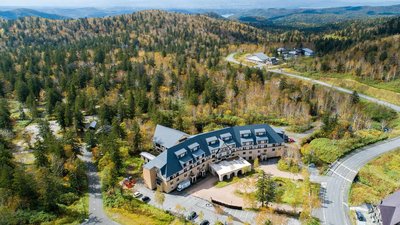
La Vista Daisetsuzan
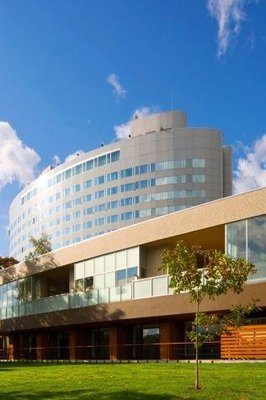
Shin Furano Prince Hotel
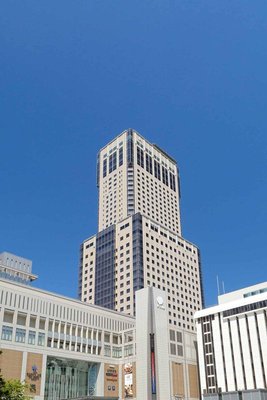
JR tower hotel nikko sapporo
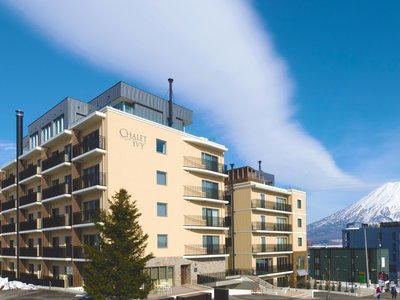
Chalet Ivy Hirafu, Niseko
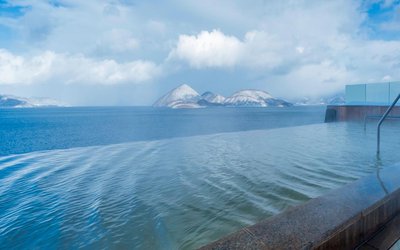
The Lake View Toya Nonokaze Resort
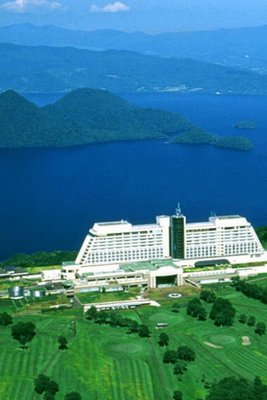
The Windsor Hotel TOYA,Vignette Collection
Wakamatsu Hot Spring Resort
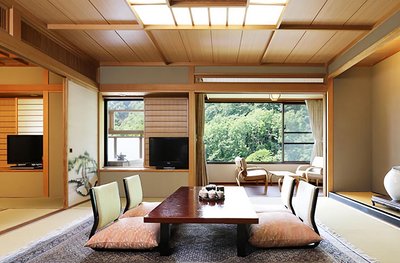
Ryotei Hanayura
Lake Shikotsu Tsuruga Bessou Ao No Za
Zaborin
Niseko Inn of Youtei Raku Suisan
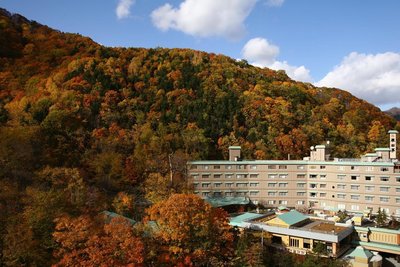
Jozankei Daiichi Hotel Suizantei
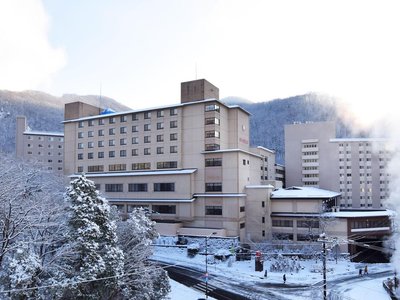
Dai-ichi Takimotokan
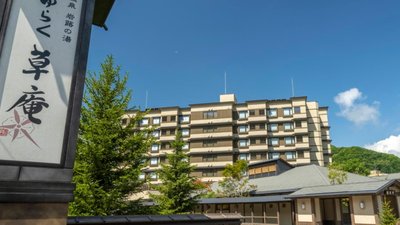
Jozankei Onsen Yurakusoan
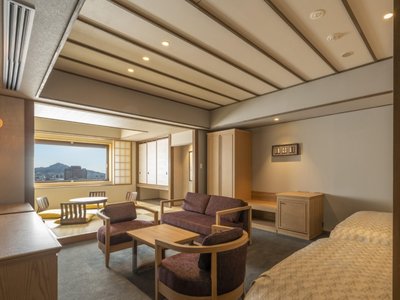
La Vista Hakodate Bay Annex
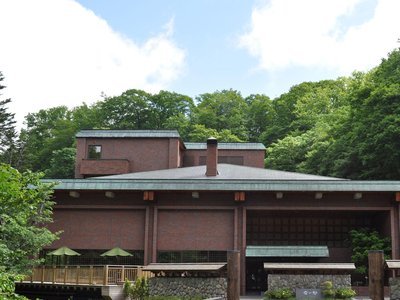
Niseko Konbu Onsen Tsuruga Moku-No-Sho
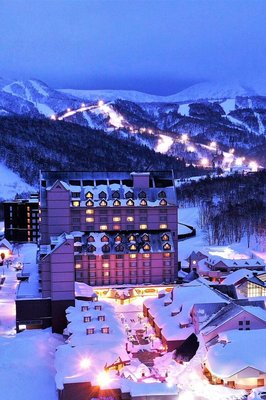
Club Med Kiroro Grand
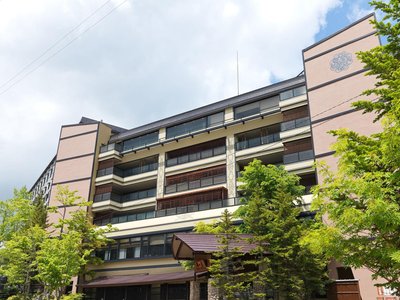
Akan Tsuruga Besso Hinanoza
Akan Yuku No Sato Tsuruga
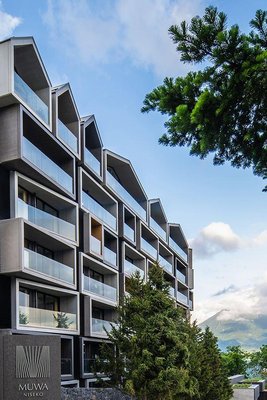
MUWA NISEKO
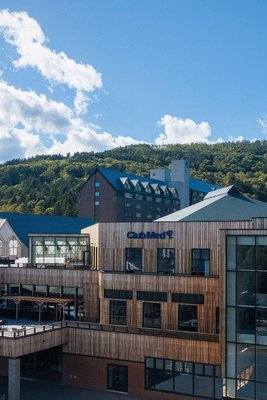
Club Med Tomamu Hokkaido
Hilton Niseko Village
Wakamatsu Hot Spring Resort
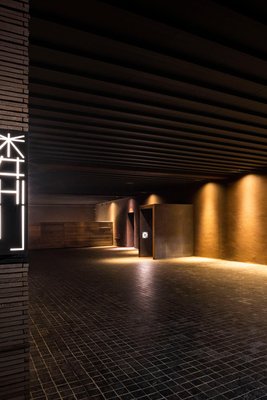
Bourou Noguchi Noboribetsu (Adult Only)
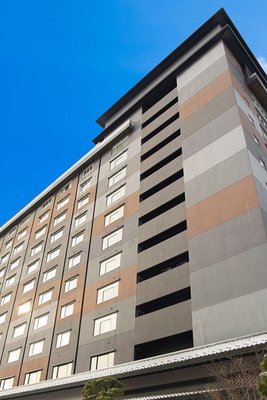
Bourou NOGUCHI Hakodate
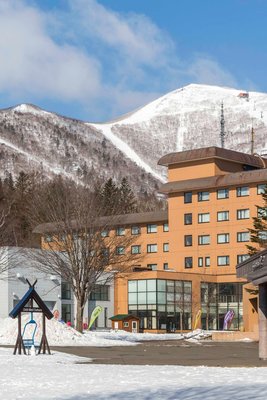
Club Med Sahoro Hokkaido
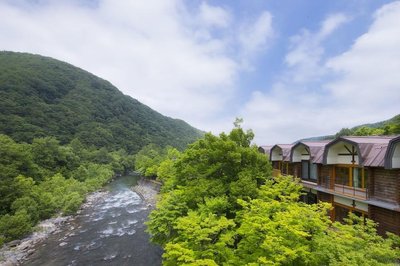
Hoshino Resorts Oirase Keiryu Hotel
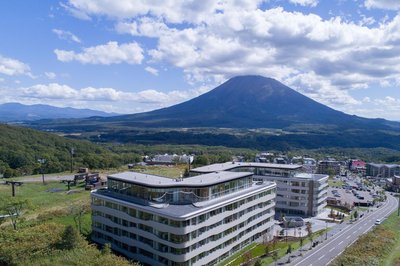
Skye Niseko
Heiseikan Shiosaitei Hanatsuki
La Vista Akangawa
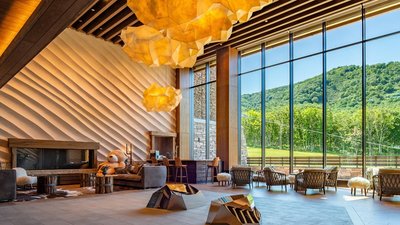
Yu Kiroro, Ski-in Ski-out Luxury Residences
Zaborin
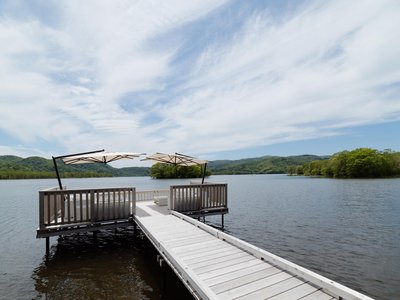
Hakodate Onuma Tsuruga Resort EPUY
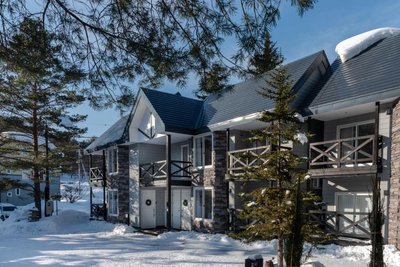
Furano Lofts
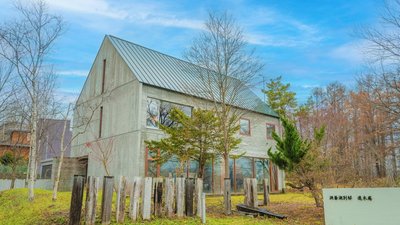
Toyako Villa Susukian
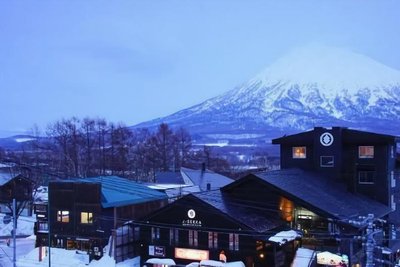
Snow Crystal
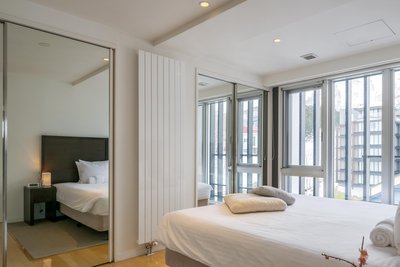
Alpen Ridge
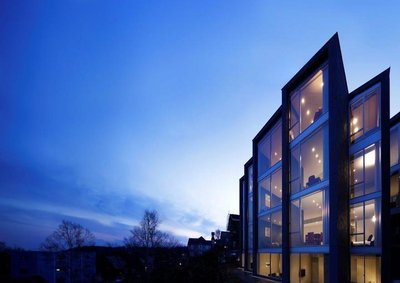
Terrazze
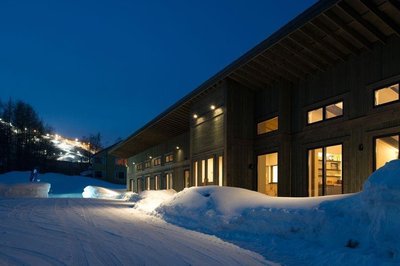
The Orchards Niseko
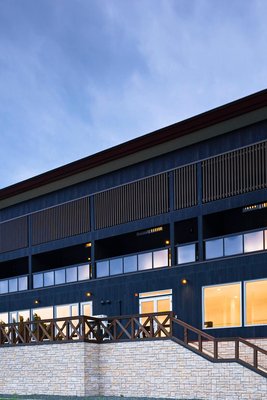
Furano Lookout
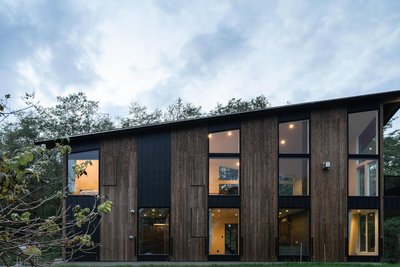
Furano Peak
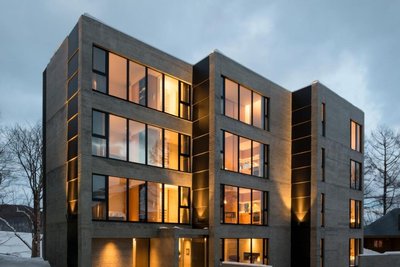
Kozue
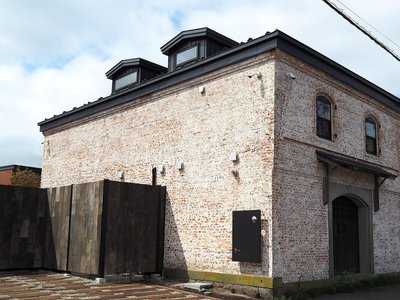
Pres de La Mer
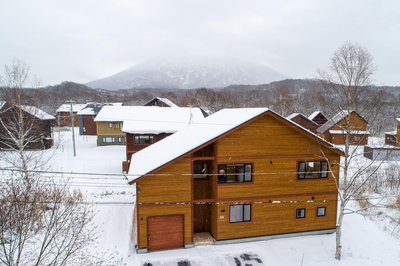
Country Resort Niseko
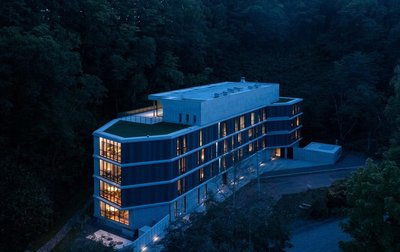
Yamakei Residences
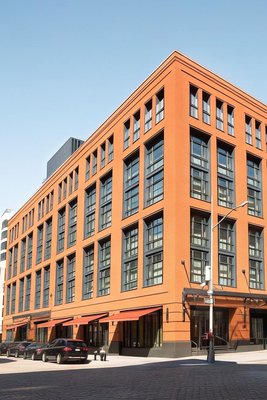
Hotel Barrière Fouquet's New York
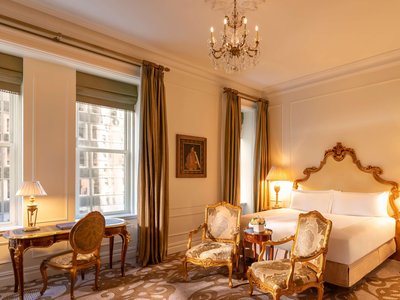
The Plaza - A Fairmont Managed Hotel
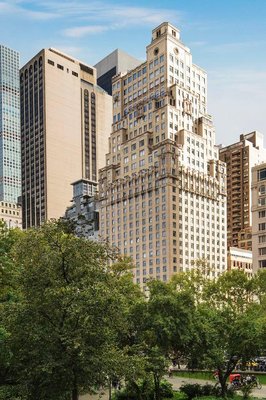
The Ritz-Carlton New York, Central Park
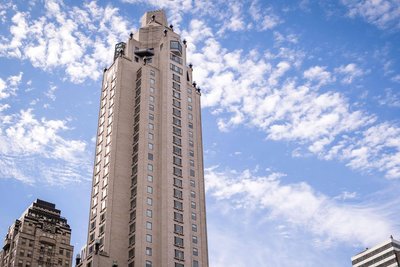
Four Seasons Hotel New York

The St. Regis New York
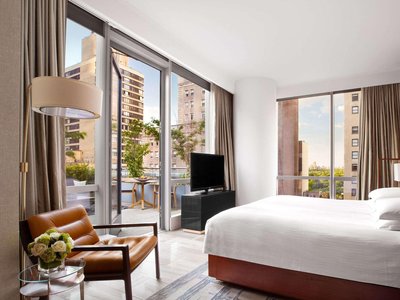
Park Hyatt New York
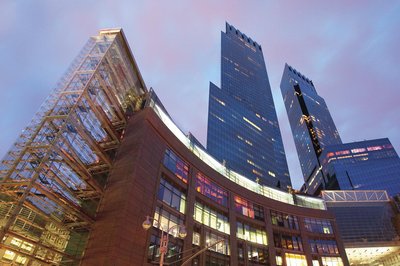
Mandarin Oriental New York
Times Square Edition New York

Loews Regency New York Hotel
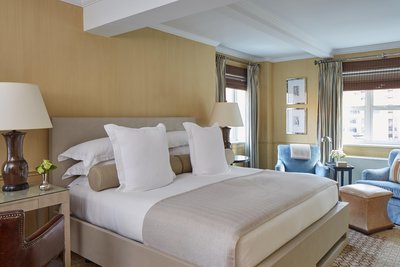
Lowell Hotel
New York Edition
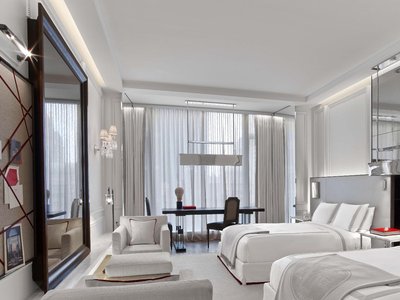
Baccarat Hotel New York

Equinox Hotel New York

Four Seasons Hotel New York Downtown
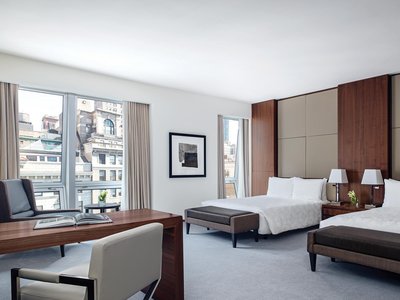
The Langham, New York, Fifth Avenue

The Carlyle, A Rosewood Hotel

The Chatwal, in the Unbound Collection by Hyatt
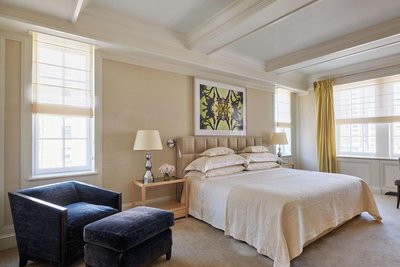
The Mark New York
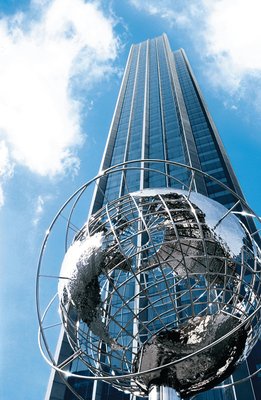
Trump International Hotel & Tower® New York
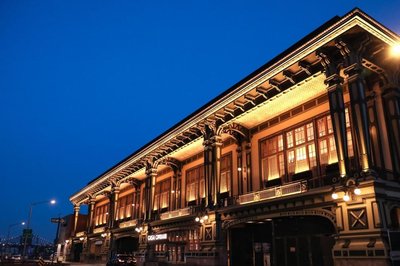
Casa Cipriani New York
Frequently Asked Questions about Traveling to Atsuma
Questions You Might Need to Know About Traveling to Atsuma
In Atsuma Town, the top choice for families is Atsuma Onsen Ryokan, a traditional Japanese inn blending authentic design with modern comfort. It features private outdoor onsen baths overlooking the Atsuma River and surrounding forests, with panoramic views of Mount Jokoten. Rooms include tatami mats and heated floors, while some suites offer small private gardens. The inn serves homemade kaiseki meals using organic ingredients from local farms, offering an immersive taste of Hokkaido’s rural cuisine. Free shuttle services to nearby attractions like Biei Hills make it ideal for multi-day stays.
The best area for accommodations in Atsuma Town is the Atsuma Onsen District, located along the Atsuma River. This zone offers easy access to key attractions such as the Atsuma Town Museum and Atsuma River Nature Trail, while being surrounded by serene landscapes perfect for relaxation. Numerous ryokans and guesthouses here provide warm hospitality and excellent amenities. Many offer complimentary shuttles to Tokachi Plains and Biei, making it a strategic base for exploring eastern Hokkaido. The clean air and peaceful environment also appeal to travelers seeking quiet retreats.
Visitors to Atsuma Town should not miss attending the Ainu Cultural Festival, held annually in summer. This event celebrates the heritage of the Ainu people, featuring traditional dances, craft markets, and ceremonial rituals. Guests can try on authentic Ainu garments, learn to make birch bark crafts, and taste regional dishes like miso soup with wild vegetables. The Atsuma Town Museum also hosts interactive exhibits on Ainu history and spirituality, including audio guides and hands-on workshops, providing deep insight into one of Japan’s most distinct indigenous cultures.
Yes, Atsuma Town is highly suitable for self-drive tourism. Recommended routes include Hokkaido Prefectural Road 237 from Biei Town, passing through the Mount Jokoten Viewpoint for stunning mountain and spring cherry blossom views. Then follow the Atsuma River scenic route, where you’ll encounter pastoral scenes, wetlands, and grazing cattle. Stop at the Atsuma Town Exchange Center for maps and weather updates. For nature lovers, continue toward Yūbetsu Mountains to explore hidden streams and alpine meadows. The roads are well-maintained and ideal for families and photographers alike.
Winter visitors to Atsuma Town should consider staying at Atsuma Snow Lodge, a unique accommodation combining onsen and snow-based activities. Each room features a private open-air bath with views of snow-laden trees and starry skies—perfect for spotting the aurora borealis. Daytime activities include snowshoeing, dog sledding, and skiing at nearby Tokachi Ski Resort. The lodge offers welcome treats like hot miso soup and wagashi sweets. Special winter events include a snowlit bonfire dinner, where guests enjoy Hokkaido-style meals under the moonlight, creating unforgettable memories.
Near Atsuma Town, the Atsuma River Nature Trail is perfect for kids—its 2-kilometer wooden boardwalk includes bird-watching platforms and educational signs about local flora and fauna. Another great option is Tokachi Wetland Park, which features interactive zones where children can plant native flowers or play "Find the Fox Tracks" games. The Atsuma Town Children's Nature Classroom runs seasonal programs like "Little Farmer Workshops," teaching kids how to grow potatoes and pick strawberries. All sites have accessible facilities and parent lounges, ensuring safe, fun, and educational outings.
Must-try dishes in Atsuma Town include fresh salmon sashimi from the Atsuma River, known for its rich flavor and tender texture. Another highlight is local cheese cake made with Tokachi milk, creamy and subtly sweet, crafted from dairy raised on nearby farms. Don’t miss the potato stew rice bowl served at Atsuma Town Diner, slow-cooked with Hokkaido black beef and seasonal vegetables. Visitors can also take home wild blueberry jam, made from high-altitude berries, offering a tangy-sweet taste of the region’s wilderness. These specialties are available at local markets and hotel restaurants.
The hot springs in Atsuma Town are renowned for their weakly alkaline sulfur-rich waters, known for improving skin health and easing muscle tension. The standout is Shiratori no Yu at Atsuma Onsen District, fed by underground springs over 300 meters deep. The water temperature remains consistently around 42°C, with pools designed to blend with nature—some open-air baths face the Atsuma River, creating a dreamlike misty atmosphere in winter. Some inns offer a forest bathing spa treatment, combining aromatherapy and guided meditation. After soaking, guests are often invited to enjoy a cup of local honey tea to enhance circulation.
The best times to visit Atsuma Town are spring (April–June) and autumn (September–October). Spring brings blooming cherry blossoms and rhododendrons along the Atsuma River, painting the valley in soft pinks and purples. Autumn transforms the landscape into golden and crimson hues, especially around Mount Jokoten. Weather is mild, ideal for hiking, cycling, and enjoying onsen. Summer can be humid but offers cool forest retreats; winter is snowy and best suited for experienced snow adventurers. Avoid peak seasons like Golden Week and Obon for quieter, more intimate travel.
Photographers love Atsuma Town for its dramatic seasonal light and untouched landscapes. Key spots include the Atsuma River at dawn, where mist rises above the water, reflecting mountains and sky—a perfect composition for long-exposure shots. The Mount Jokoten sunrise viewpoint offers a sweeping panorama of sunlit snow peaks. Winter visitors can capture the delicate tracks of foxes in fresh powder snow, creating minimalist compositions. The rooftop terrace of the Atsuma Town Exchange Center provides a wide-angle view of stars and potential auroras. Bring a tripod, wide-angle lens, and check forecasts to maximize your chances of capturing the perfect moment.
Atsuma Overview
City Summary
Atsuma-cho, located in the eastern part of Iburi Subprefecture in Hokkaido, is renowned for its vast rural landscapes blending mountains and sea, offering an authentic Japanese countryside experience. Its key appeal lies in unspoiled nature, including one of Japan's largest sunflower fields (summer), majestic Mount Atsuma-dake, and community resilience showcased post-2018 earthquake.
Must-See Attractions
Must-see Yoshino Farm Sunflower Fields (Jul-Aug) with over a million blooms; Atsuma Observatory offers 360° Pacific Ocean views. In winter, try secluded hot springs at Nishikioka Onsen, while Washinose Fault reveals seismic history. Cultural gems include Atsuma Art Museum's Hokkaido exhibits and local pottery workshops.
Food Guide
Cuisine centers on farm-fresh produce: try melon jelly, soft-serve ice cream with local milk, and "Atsuma Beef" yakiniku. Fishermen's dishes like morning-caught Pacific mackerel sushi are highlights. Visit farm-to-table restaurant "AIAI no Sato" for pumpkin soup and tempura sets.
Transportation Guide
1-hour drive from New Chitose Airport (via Doto Expressway), or take JR Muroran Line to Mukawa Station then buses (6 daily). No taxis or trains within town—rent bicycles (¥500/day) or book association tour vans (3-day advance). Winter access requires 4WD vehicles only.
Best Time to Visit
July-August (20-25°C) for flower fields; September-October for autumn foliage. Winter (Dec-Feb) suits onsen lovers but some sites close. Avoid September typhoons.
Travel Tips
- Walk facing traffic on rural roads lacking sidewalks.
- Farm stands accept cash only—carry small yen bills.
- Tattoos prohibited at most onsens—inquire beforehand.
- Sun protection essential—sunflower fields lack shade.
- Respect private farmlands—no trespassing for photos.
- Earthquake Memorial Center offers multilingual audio guides.
Useful Information
Basic Japanese vital (low English proficiency). Buy data SIMs at convenience stores. Only post offices handle currency exchange—bring Suica cards (reload in Sapporo). Emergency care at Atsuma Hospital (limited English); pharmacies marked "調剤" dispense prescriptions. Traditional ryokans use Type A outlets (100V).