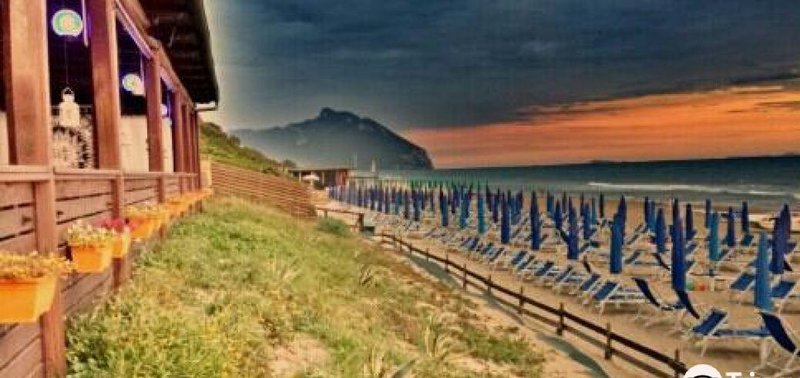
Hotels in Avellino
Discover your perfect stay in Avellino.
Avellino(Italy) Travel 2026: Cheap Flights, Hotels & Top Attractions
Popular Landmarks in Avellino
Discover the most iconic attractions in Avellino
Recommended Hotels in Avellino
Find the perfect place to stay in Avellino
Viva Hotel Avellino
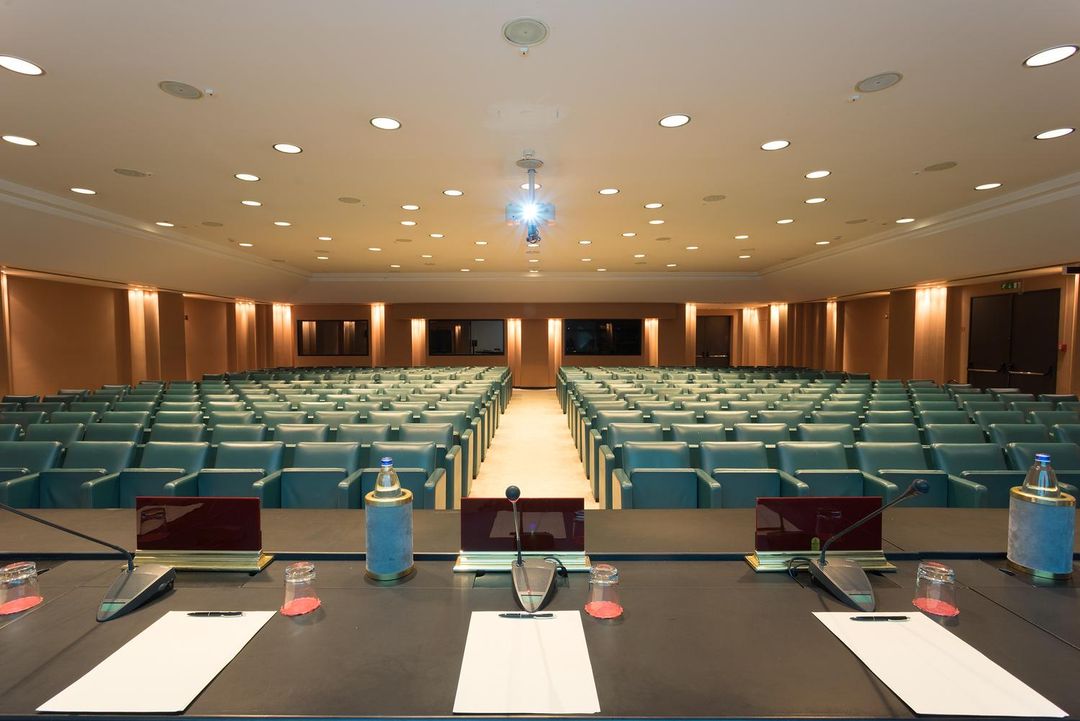
Hotel de La Ville Avellino
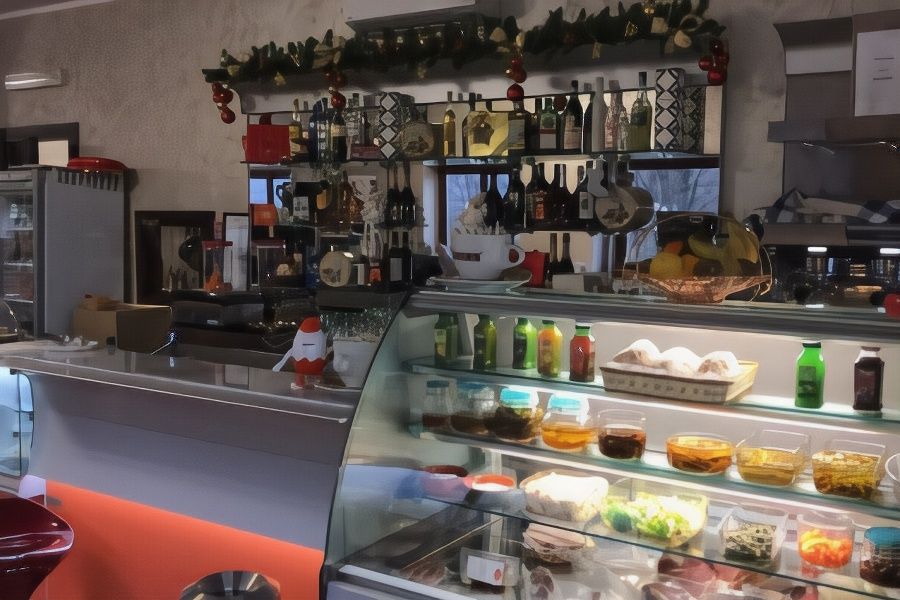
Residence Moscati
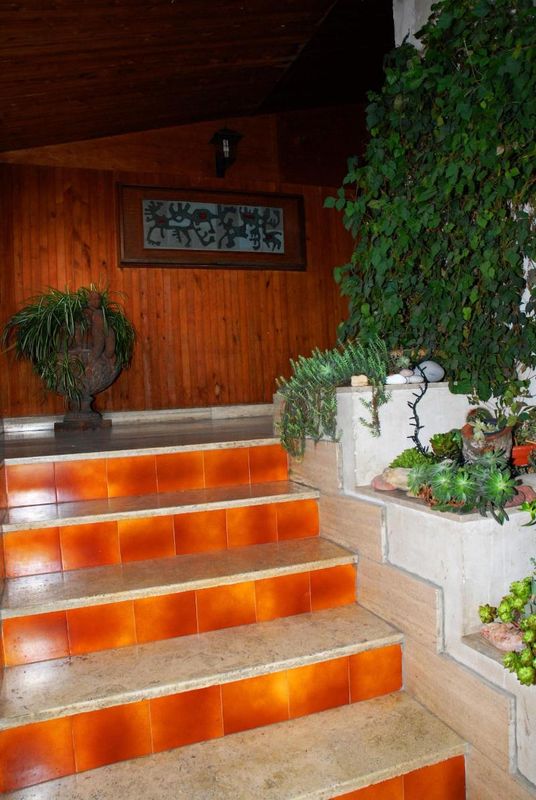
A Caso
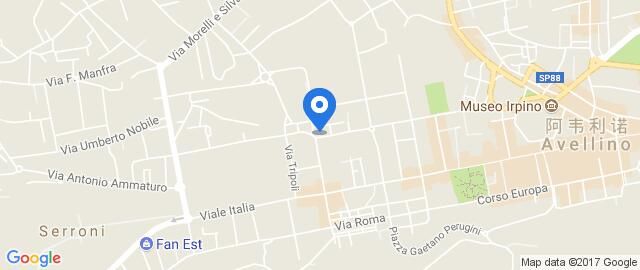
Bed&Cappuccini
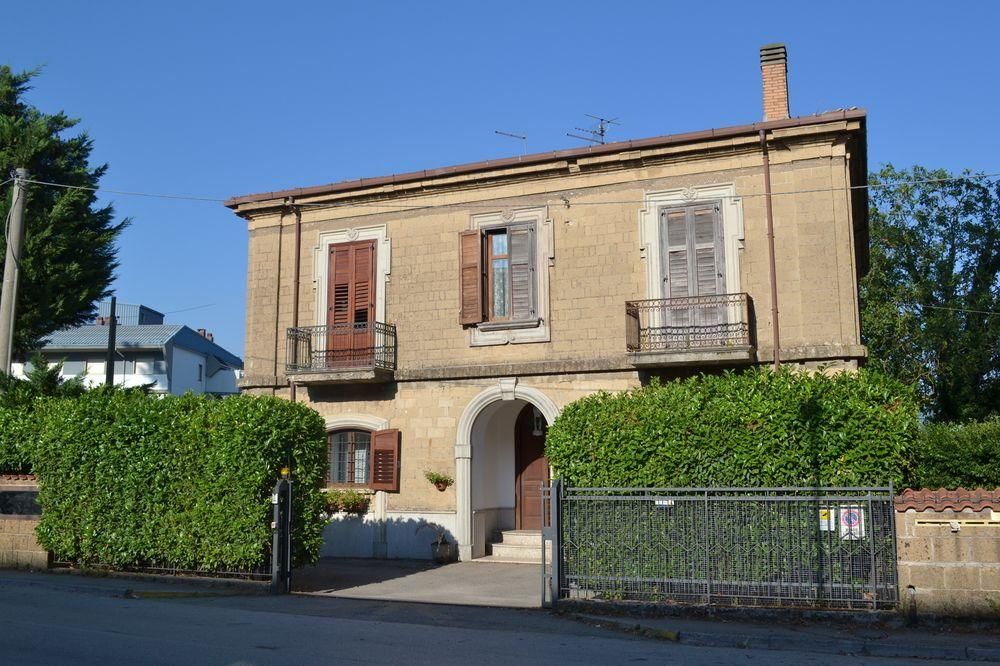
B&B Villa Antinea
Best Hotels in Avellino
Discover curated hotel collections in Avellino
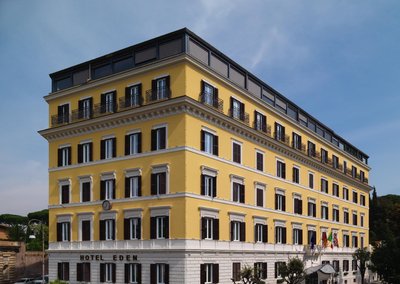
Hotel Eden - Dorchester Collection
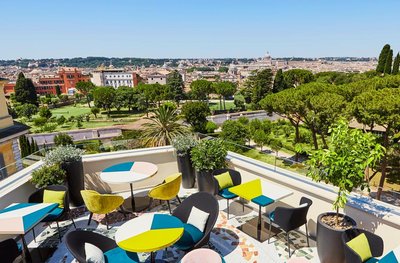
Sofitel Roma Villa Borghese
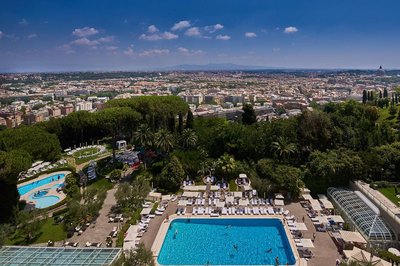
Rome Cavalieri, A Waldorf Astoria Hotel
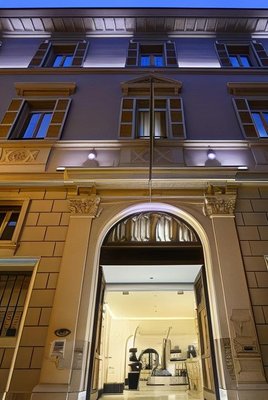
The First Arte - Preferred Hotels & Resorts
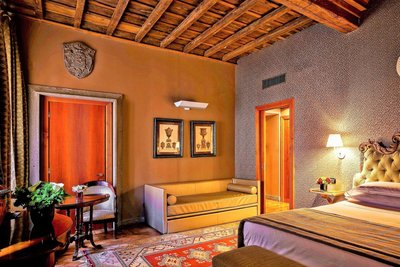
Hotel Valadier
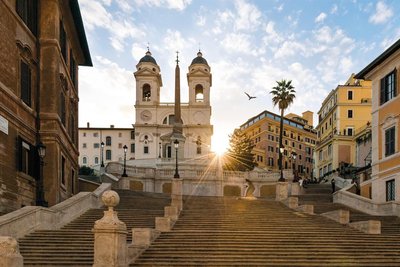
Hassler Roma
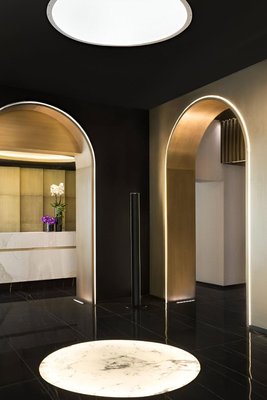
The Pantheon Iconic Rome Hotel, Autograph Collection
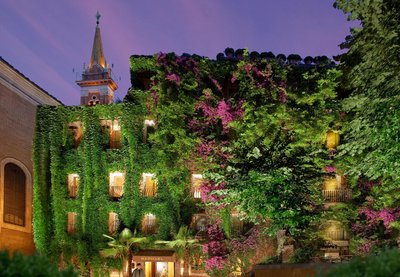
Bio Hotel Raphael - Relais & Châteaux
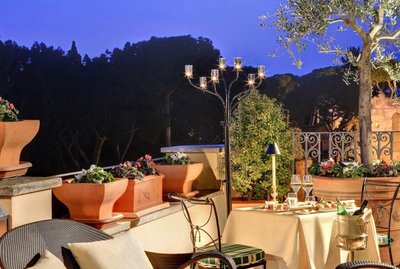
Hotel Splendide Royal - the Leading Hotels of the World
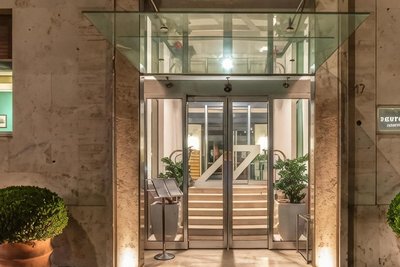
47 Boutique Hotel
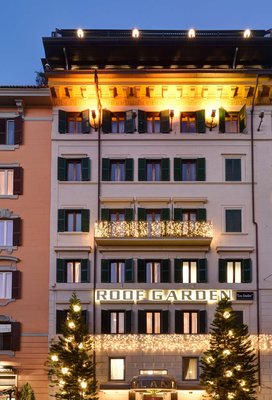
Atlante Star Hotel
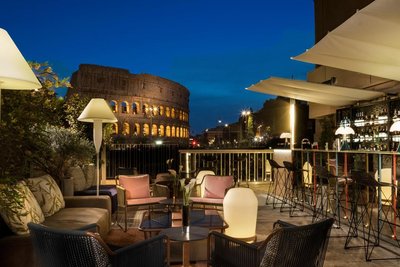
Hotel Palazzo Manfredi – Small Luxury Hotels of The World
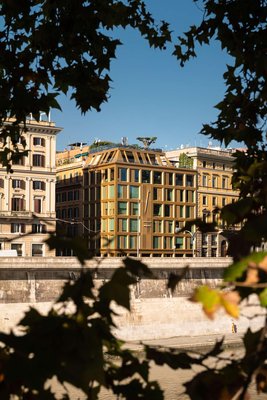
The First Musica - Preferred Hotels & Resorts
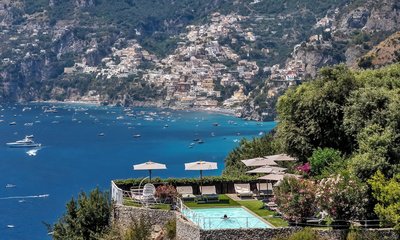
Hotel Piccolo Sant'Andrea
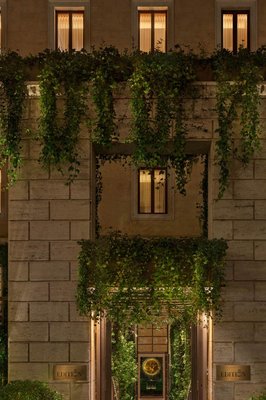
The Rome Edition
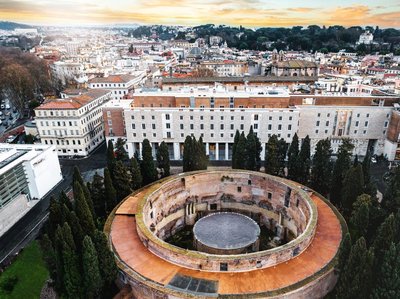
Bulgari Hotel Roma
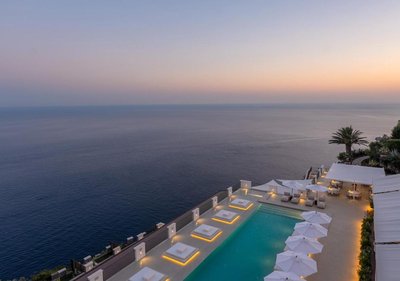
Furore Grand Hotel
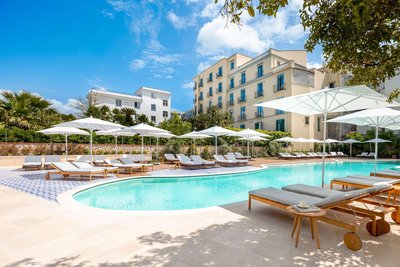
Ara Maris
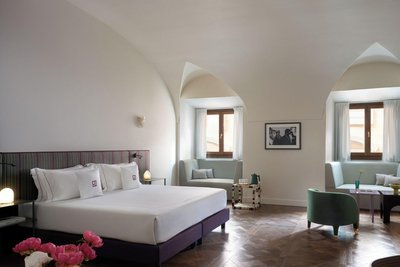
Palazzo Talìa - Small Luxury Hotels of the World
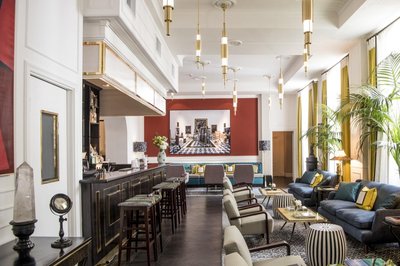
Hotel Vilòn
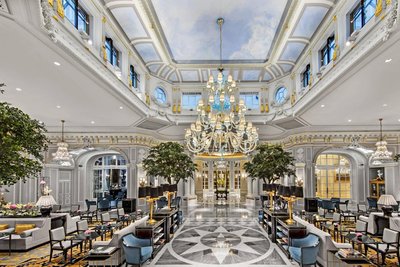
The St. Regis Rome
Hotel Eden - Dorchester Collection
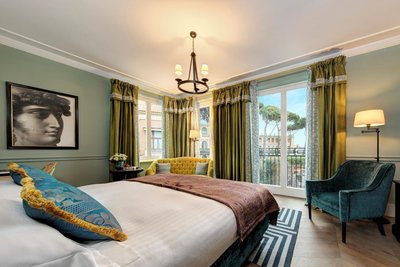
Rocco Forte Hotel de La Ville
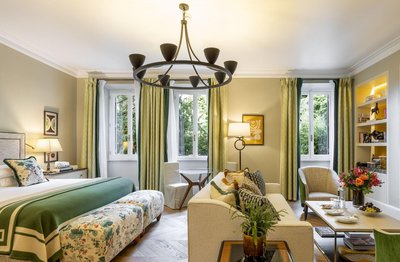
Rocco Forte Hotel De Russie
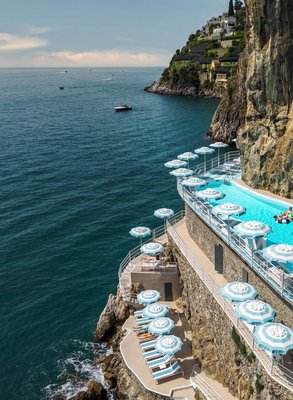
Hotel Miramalfi
Hassler Roma

Anantara Convento di Amalfi Grand Hotel
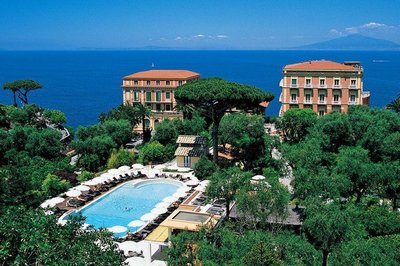
Grand Hotel Excelsior Vittoria
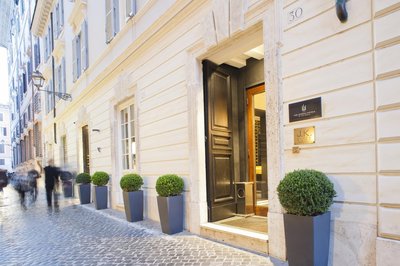
J.K. Place Roma - the Leading Hotels of the World
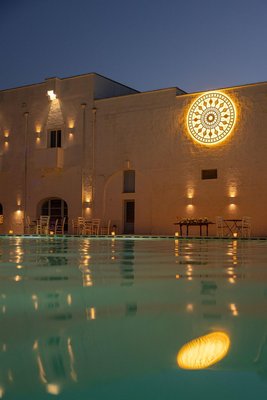
Masseria Malvindi
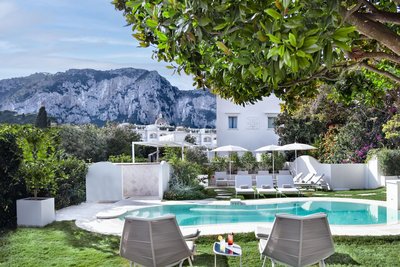
Pazziella Garden & Suites
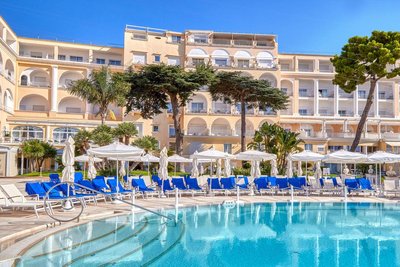
Hotel Quisisana
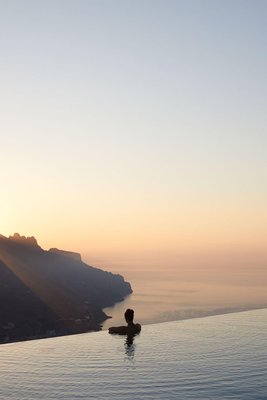
Caruso, A Belmond Hotel, Amalfi Coast
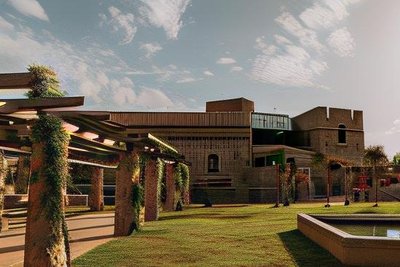
Castello di Rocca Cilento
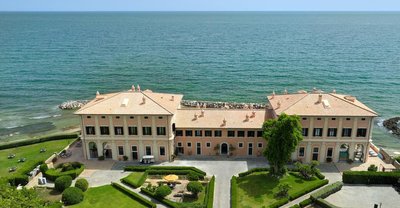
La Posta Vecchia Hotel
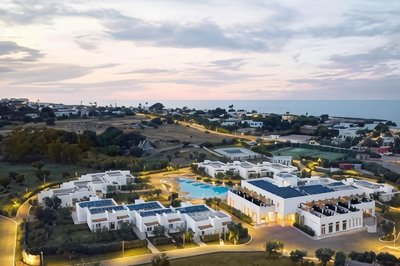
Cala Ponte, a Tribute Portfolio Hotel

Praia Art Resort
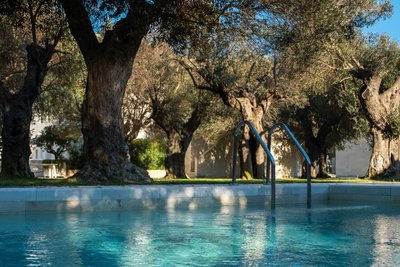
La Fiermontina Luxury Home Hotel
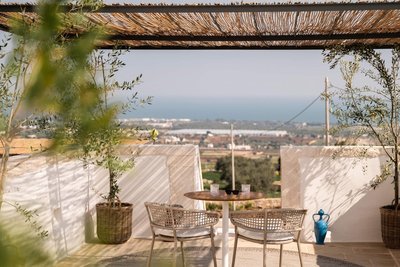
Masseria Auraterrae
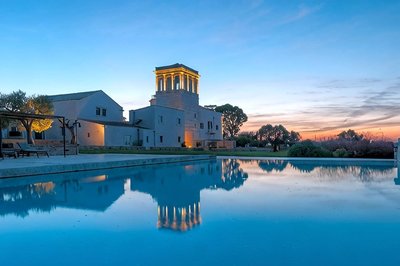
Villa Torre Bianca by Emily Hotels
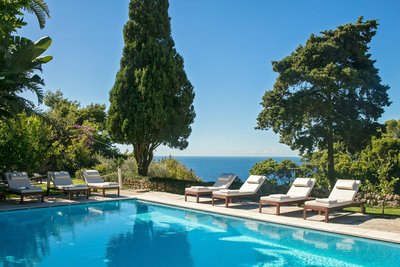
Hotel la Minerva
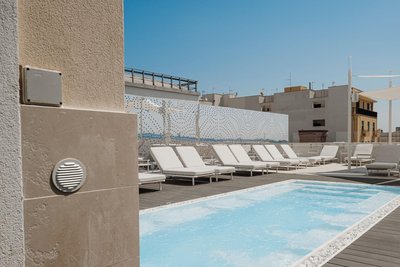
Biancodonda Greenblu Hotel & Spa
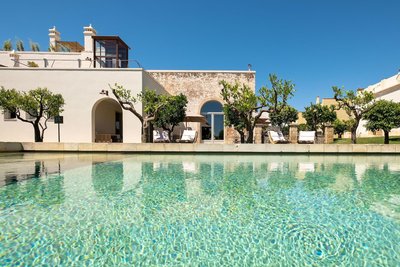
Nohasi Palace Lifestyle Hotel & Spa
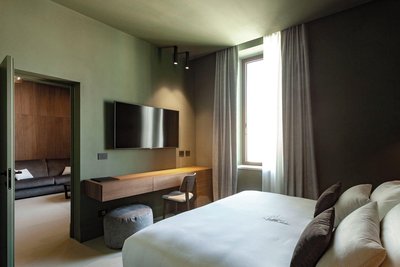
Palazzo Giusti Lecce - Exclusive Boutique Hotel

Palazzo Roma
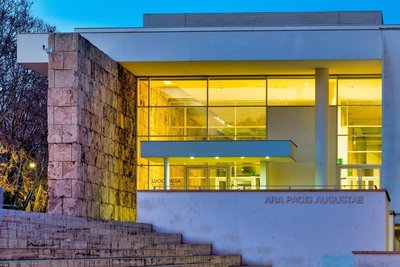
Palazzo Shedir - the Leading Hotels of the World
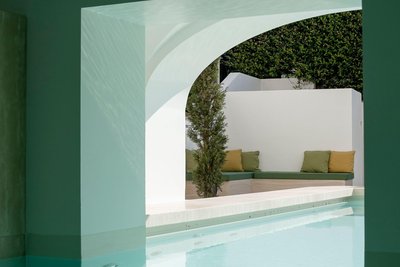
Villa Certosa Capri
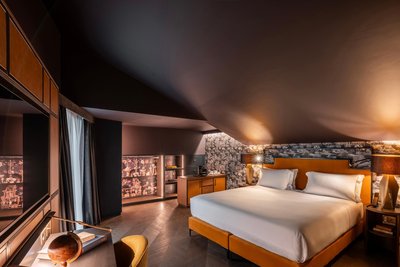
The Goethe Hotel
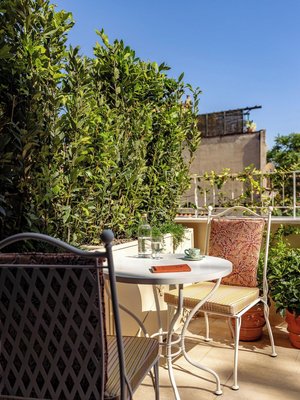
Hotel Casa Monti Roma
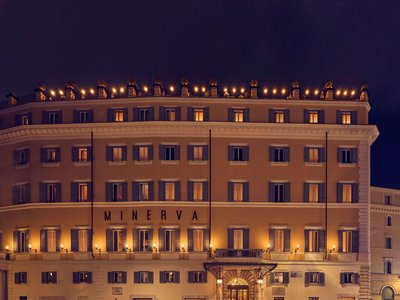
Orient Express la Minerva
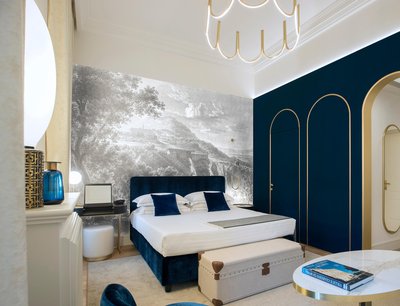
Elizabeth Unique Hotel Rome By Design Hotels

Singer Palace Hotel Roma
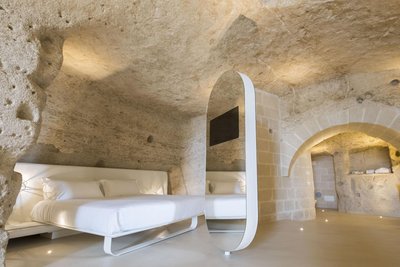
Aquatio Cave Luxury Hotel & Spa
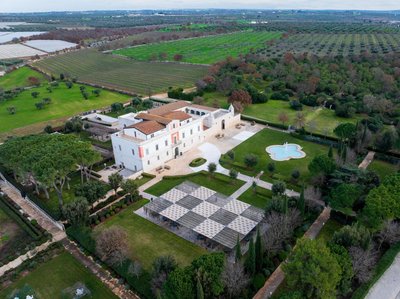
Relais Il Santissimo
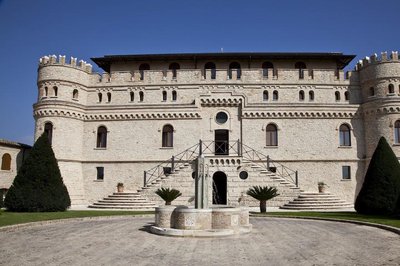
Hotel Castello di Septe
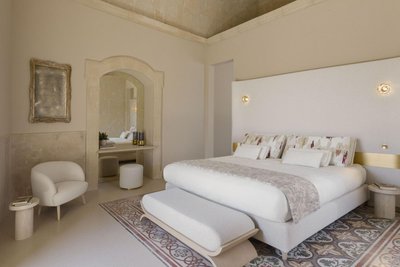
Palazzo Del Duca Hotel & Restaurant
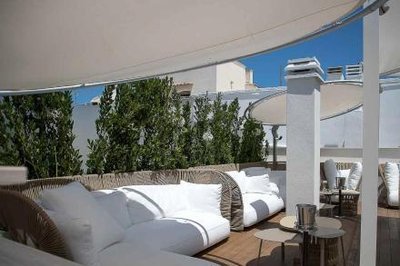
Ognissanti Restaurant Spa Hotel Rooftop
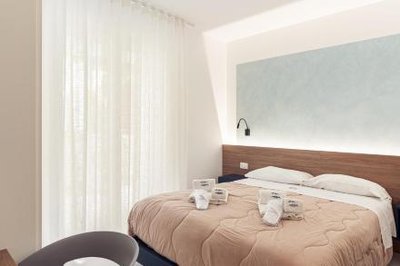
Vilu Suite Centro
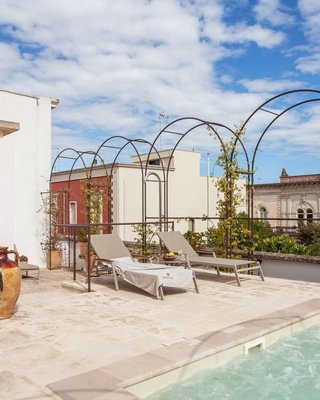
Palazzo Tafuri

Castello di Pandora
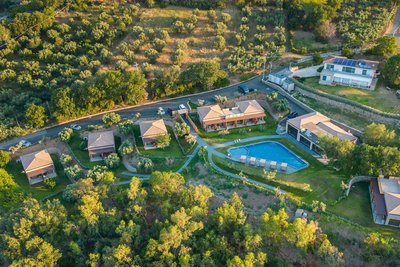
Hang Loose Cottage Hotel & Resort 4 Stelle Gizzeria Calabria

Vigna Caio Relais & Spa
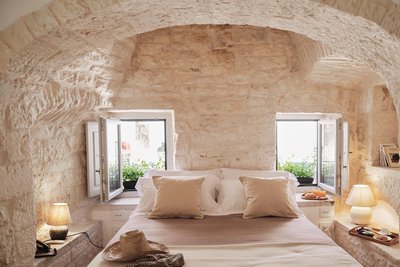
1783 Dimora d'Epoca
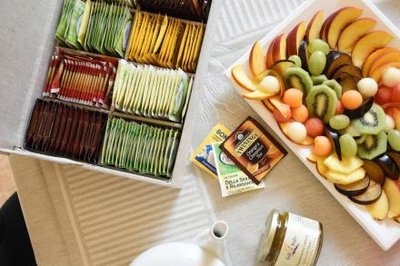
Trulli e Puglia Luxury Suite
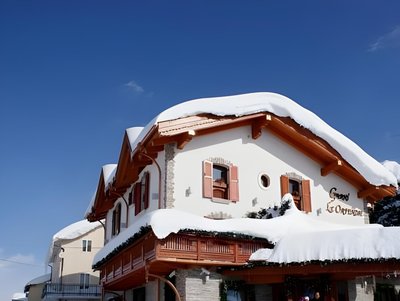
Hotel le Ortensie
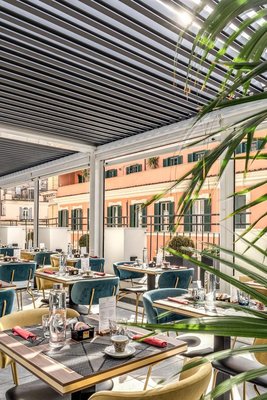
CC Palace Hotel
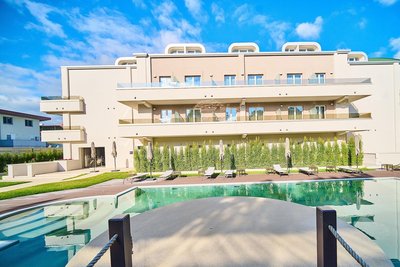
Park Hotel le Dune di Giovino
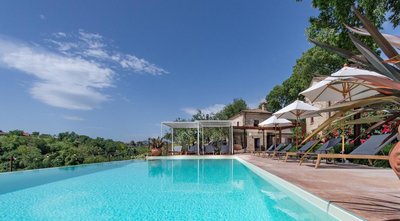
Borgo Baccile by Vini Fantini
Lo Stemma Luxury Boutique Hotel
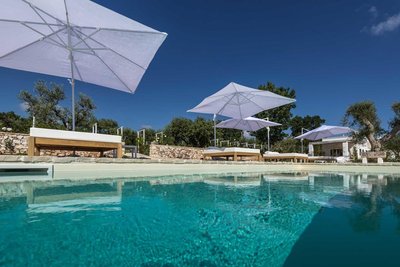
Tenuta del Lauro
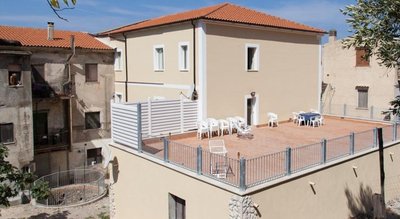
Donna Lea
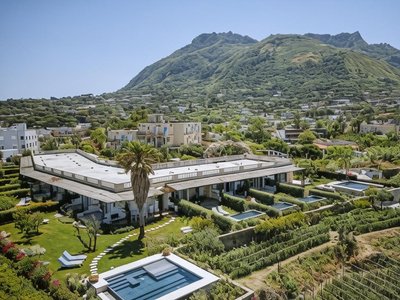
OraBlu Exclusive Villas
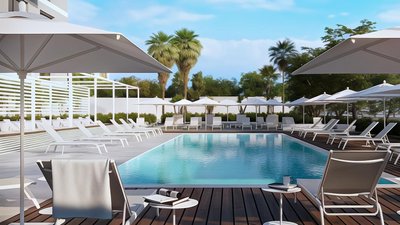
B21 Lifestyle Hotel
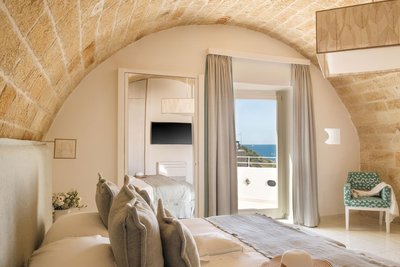
San Michele Suite
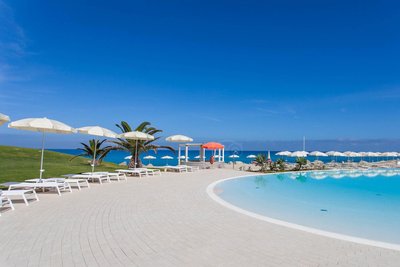
Capovaticano Resort Thalasso Spa
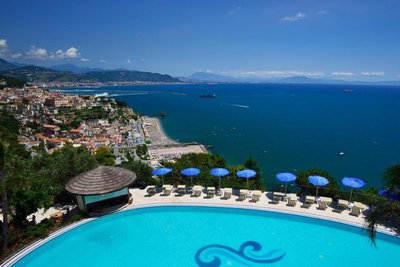
Hotel Raito Vietri Sul Mare
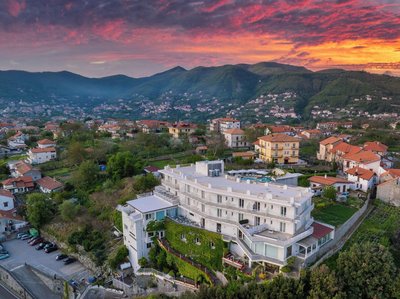
Hotel le Rocce - Agerola, Amalfi Coast
Caruso, A Belmond Hotel, Amalfi Coast
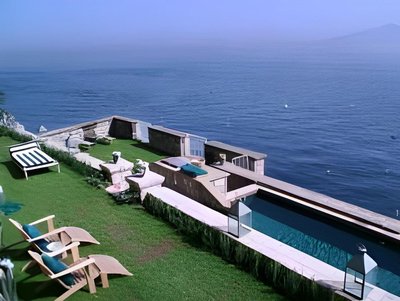
Maison la Minervetta
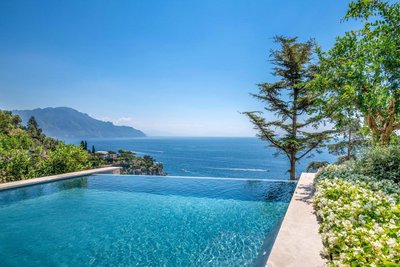
Borgo Santandrea
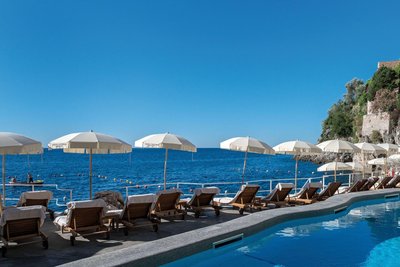
Hotel Santa Caterina
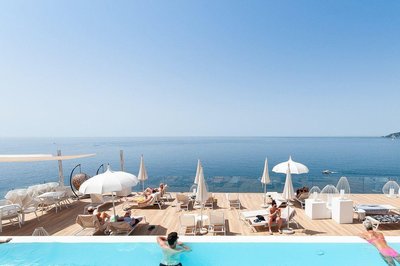
Hotel Club Due Torri
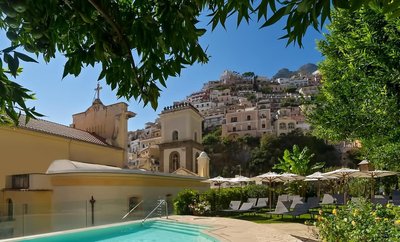
Hotel Palazzo Murat
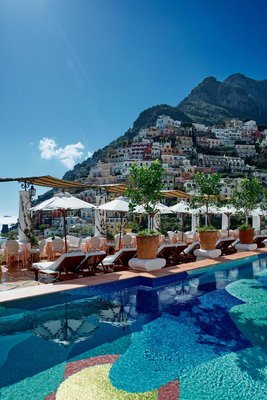
Le Sirenuse
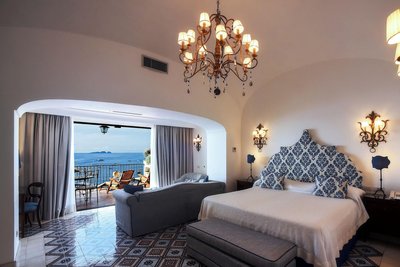
Buca di Bacco
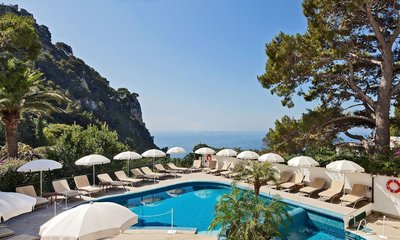
Hotel Della Piccola Marina
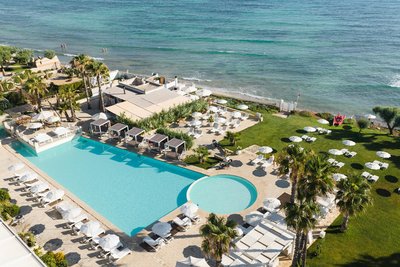
Canne Bianche Lifestyle Hotel
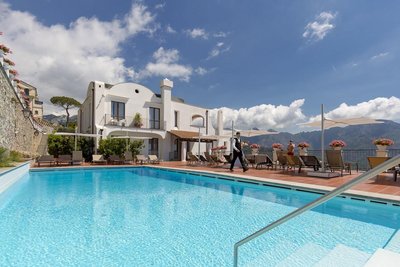
Villa Piedimonte
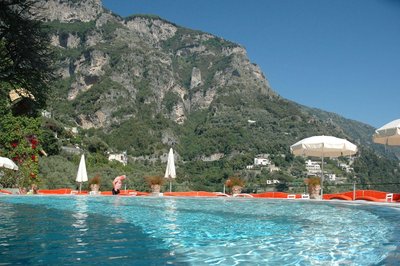
Il San Pietro di Positano
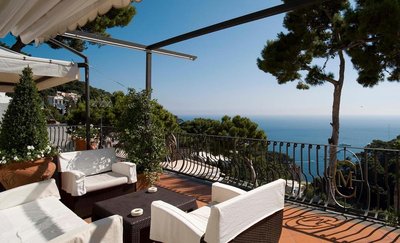
Hotel La Scalinatella
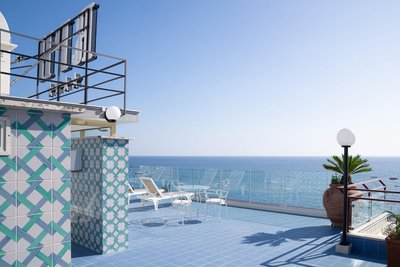
Reginna Palace Hotel
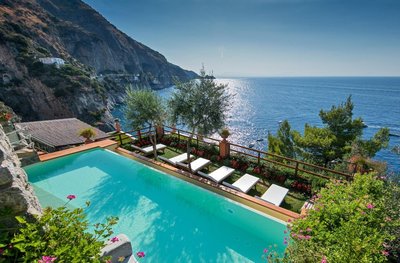
Hotel Onda Verde
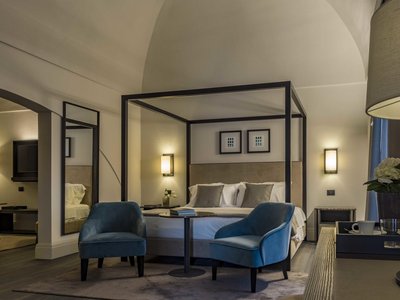
Dogana Resort
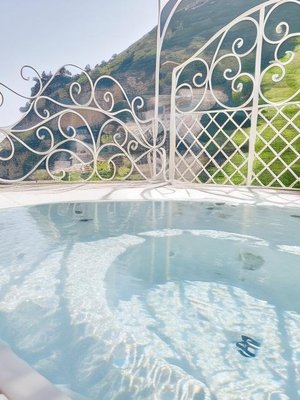
La Bizantina Luxury Villa
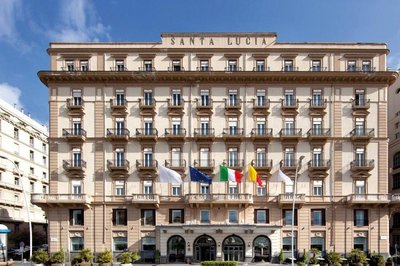
Grand Hotel Santa Lucia
The St. Regis Rome

Eurostars Hotel Excelsior
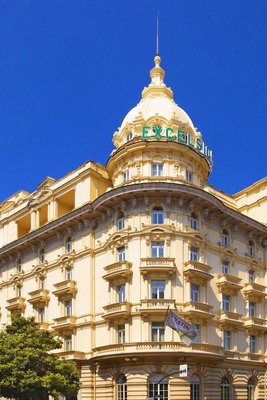
The Westin Excelsior, Rome
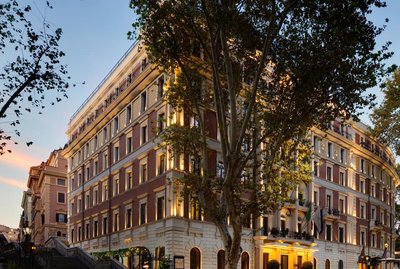
InterContinental Rome Ambasciatori Palace
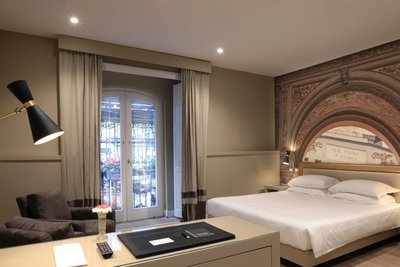
Caruso Place Boutique & Wellness Suites
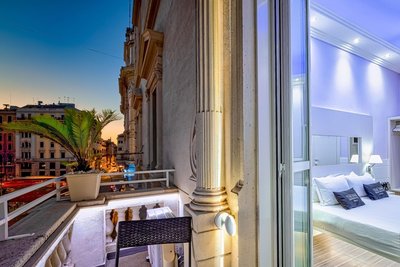
The One Boutique Hotel & Spa Rome
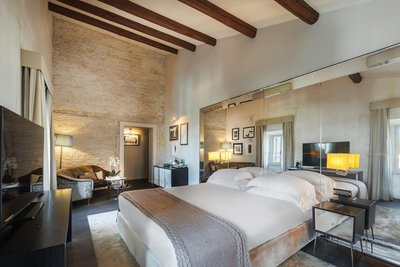
Dom Hotel Roma - Preferred Hotels & Resorts
Hotel Splendide Royal - the Leading Hotels of the World
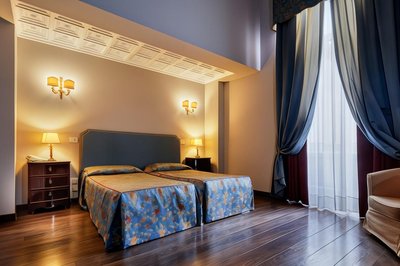
Decumani Hotel de Charme
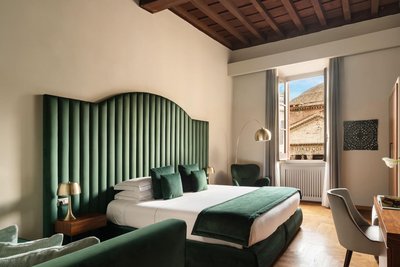
Antico Albergo del Sole Al Pantheon
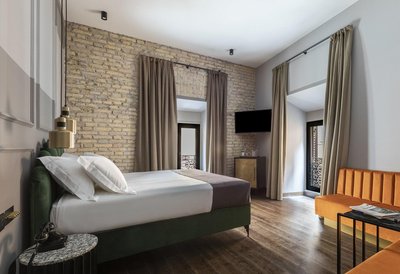
Chapter Roma

Hotel Palazzo Papaleo
Borgo Santandrea
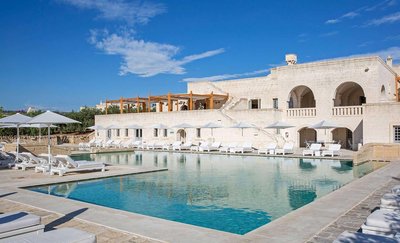
Borgo Egnazia
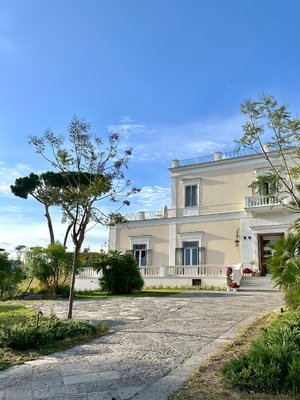
Villa de Cillis Carafa
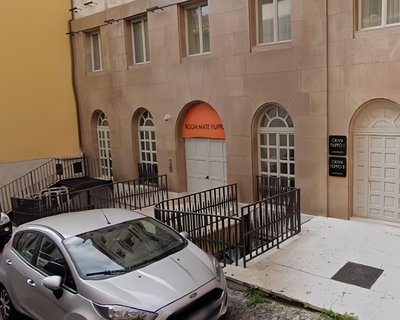
Room Mate Collection Filippo, Rome-Fontana di Trevi
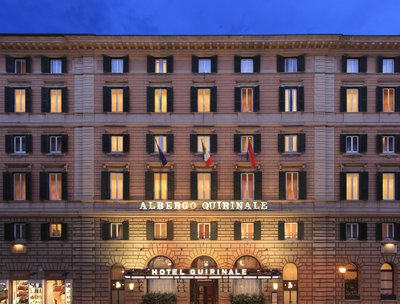
Hotel Quirinale
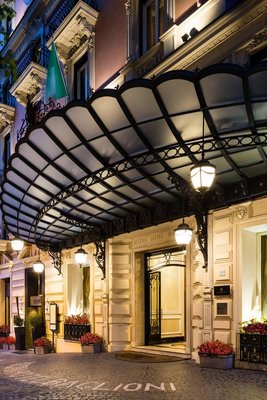
Baglioni Hotel Regina - The Leading Hotels of the World
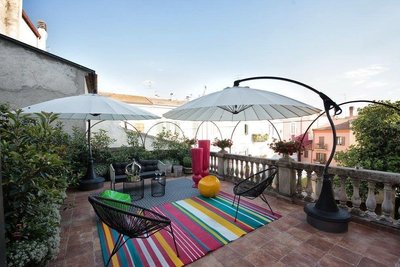
Palazzo Cannavina Suite & Private Spa
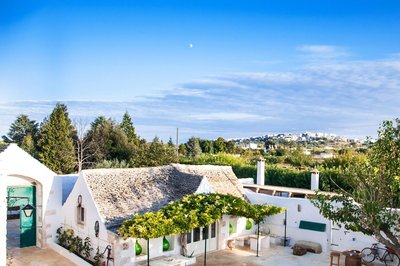
Masseria San Michele
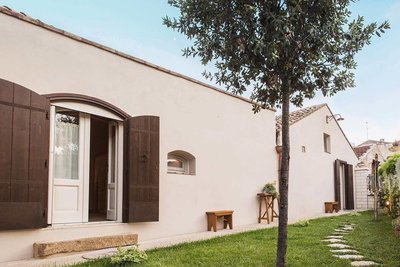
Borgo San Gaetano
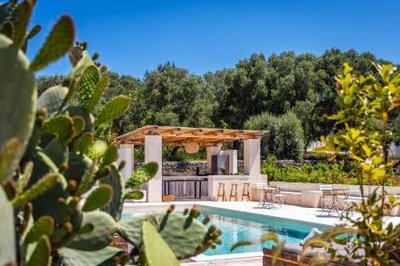
Boutique B&B Villa Gufo
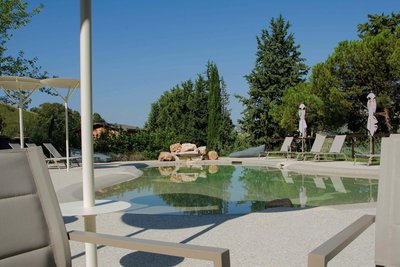
Colle Serrano Relais & Spa
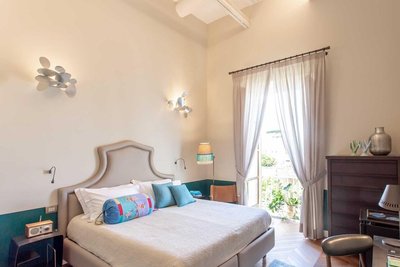
Accademia 39
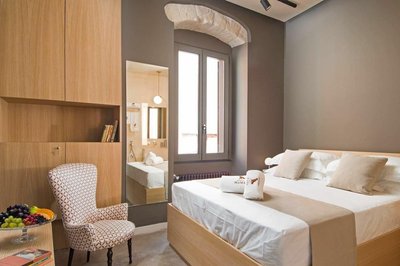
Sei Stelle Mama
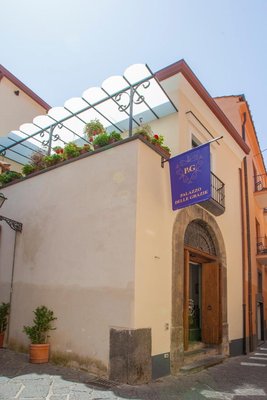
Palazzo Delle Grazie
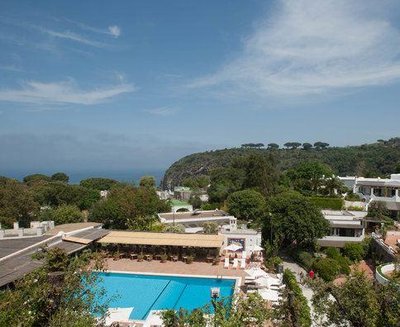
Botania Relais & Spa - the Leading Hotels of the World
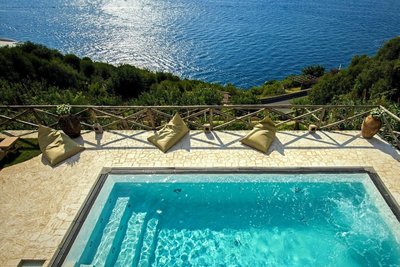
Villa Gianlica
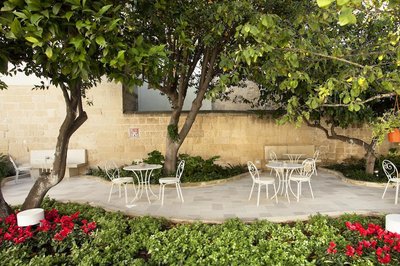
Mantatelurè
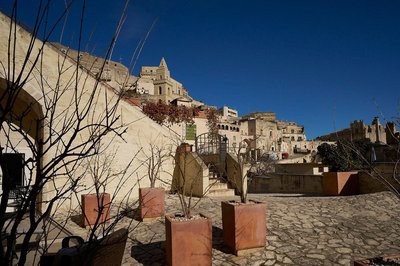
FRA I Sassi Residence
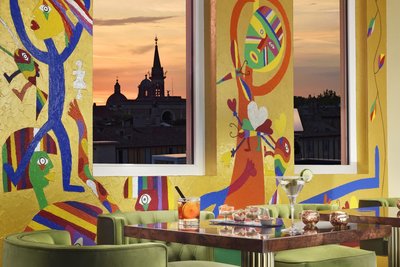
Lifestyle Suites Rome
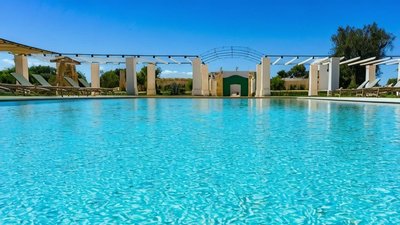
Masseria Ayroldi
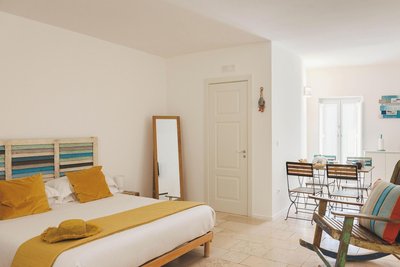
Santa Maria 24
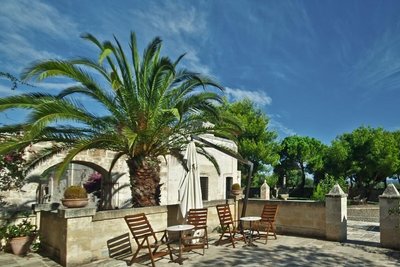
Masseria Brigantino
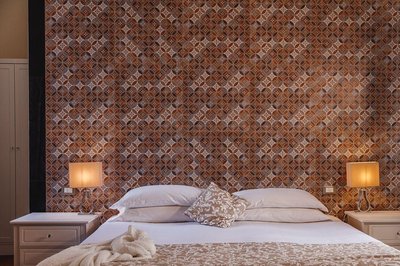
My Spanishsteps
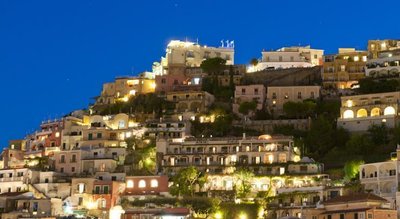
Casa Buonocore
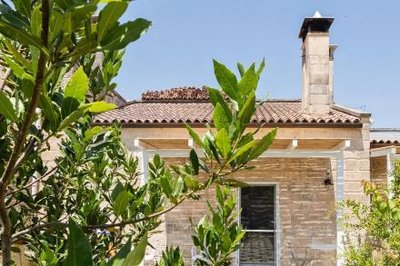
Masseria Vittoria
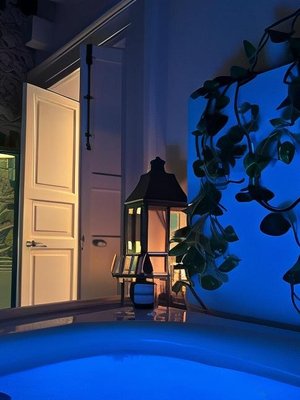
Dimora San Giuseppe
Frequently Asked Questions about Traveling to Avellino
Questions You Might Need to Know About Traveling to Avellino
For authentic cultural stays, Hotel Ristorante Il Gabbiano stands out in Avellino's historic center. This boutique hotel blends traditional Campanian architecture with modern comforts, located steps from the Avellino Cathedral and Santa Maria della Neve Church. The rooms feature hand-painted tiles and artisan ceramics, reflecting deep-rooted Southern Italian heritage. The hotel offers free guided tours to hidden alleys and ancient sites, allowing guests to explore the city’s medieval heart and uncover its rich Sannite and Baroque legacy—perfect for travelers seeking immersive cultural experiences.
The historic center (Centro Storico) is the ideal area for staying in Avellino. Located near the Avellino Cathedral and Piazza del Plebiscito, it offers easy access to churches, markets, and centuries-old streets. The narrow, cobbled lanes lined with 18th-century stone buildings exude a genuine Campanian village atmosphere. Safe, quiet, and walkable, this district is perfect for travelers who value authenticity. Stay along Via Roma or Piazza del Plebiscito to enjoy proximity to local life, family-run restaurants, and daily rituals like morning coffee at Caffè Centrale.
Must-see attractions include the Avellino Cathedral (Duomo di Avellino), housing rare Renaissance frescoes and a Baroque altar. Another highlight is the Church of Santa Maria della Neve, known for its distinctive 17th-century bell tower and underground crypt. Don’t miss the Avellino Archaeological Museum, which displays artifacts from the ancient Samnite civilization, including pottery and bronze tools. Together, these sites illustrate Avellino’s role as a key cultural hub in southern Italy’s historical landscape.
Try Sagne alla Cacio e Ovo, a traditional Campanian dish made with coarse homemade pasta, fresh cheese, and eggs—a staple in local homes. Visit Trattoria da Michele, a century-old restaurant renowned for authentic regional cuisine. During the Festa della Castagna (Chestnut Festival), sample roasted chestnuts, slow-cooked stews, and handmade sweets while enjoying live folk music and dance performances. These events offer a true taste of Apulian-South Italian rural traditions and seasonal celebrations.
Yes, several hotels in Avellino cater well to families. Hotel La Rocca, a family-run guesthouse, offers family rooms, playrooms, and complimentary baby beds. Its garden provides safe space for children, and nearby attractions include Avellino Children’s Park and scenic hiking trails. The restaurant serves kid-friendly menus with healthy options. With central location near the cathedral and main square, it’s ideal for exploring the city together. The relaxed pace suits parents seeking a peaceful, authentic Italian experience with their kids.
Winter in Avellino features the Christmas Market in Piazza del Plebiscito, where locals sell handmade crafts, mulled wine, and local chestnut preserves. Special Christmas Masses at Santa Maria della Neve Church include traditional choral performances with regional folk songs. For nature lovers, guided mountain hikes through the Lucano Mountains offer panoramic views of snow-covered valleys. These winter experiences highlight Avellino’s blend of religious tradition, community spirit, and mountain scenery in the Campania region.
Avellino’s nightlife is calm but culturally rich. The Piazza del Plebiscito area hosts several traditional enotecas (wine bars) serving local red wines and small plates. After 7 PM, residents gather at Caffè Centrale for espresso and conversation. Some venues like Osteria del Sole host live folk music nights, showcasing Campanian oral poetry and traditional melodies. While there are no nightclubs, the low-key rhythm reflects Avellino’s identity as a quiet inland town with strong community bonds and authentic daily rhythms.
Most hotels in Avellino provide basic English service, especially those in the city center. Hotels like Hotel Ristorante Il Gabbiano and Hotel La Rocca have staff fluent in English and offer English-language guides and maps. Some even provide Chinese signage and translation assistance for Asian travelers. When HopeGoo, confirm language support via platforms like HopeGoo or HopeGoo, where guest reviews often detail communication quality—ensuring a smooth stay.
Public transport in Avellino is reliable for regional travel. The main bus station (Autostazione Avellino) connects to Naples, Salerno, and Caserta. Regional trains from Naples take about 1 hour 30 minutes. Within the city, narrow streets make walking ideal, though renting a small electric scooter or bicycle helps navigate better. For excursions to nearby mountains, consider hiring a private driver or joining a local guided tour to visit Monti Lucani and Valle del Piennolo Nature Reserve, offering stunning views of the Campania countryside.
Avellino’s history dates back to the 6th century BC Samnite settlement, making it one of southern Italy’s oldest urban centers. It played a strategic role during the Middle Ages, changing hands multiple times and leaving behind fortified ruins and defensive walls. In the 19th century, railway development transformed it into a logistics hub in Campania. Today, the city preserves numerous 17th–18th century stone buildings and religious artworks. The Avellino Archaeological Museum reveals layers of cultural evolution—from Samnite roots to Baroque splendor—making it a vital gateway to understanding Italy’s inland heritage.
Avellino Overview
City Summary
Avellino is a charming hilltop city in Italy's Campania region, renowned for its medieval architecture, breathtaking mountain views, and traditional cuisine. Surrounded by the Apennine Mountains, the city boasts rich historical heritage, including ancient churches and castles. Avellino also serves as an ideal base for exploring the Amalfi Coast and Pompeii.
Must-See Attractions
Must-see attractions include the Avellino Cathedral, a Romanesque building with exquisite frescoes and sculptures. Piazza del Popolo is the heart of the city, surrounded by cafes and shops. History enthusiasts will appreciate Lombard Castle, offering insights into medieval history. Nearby, the Parthenope Archaeological Site is also worth visiting.
Food Guide
Avellino is famous for its traditional Campanian cuisine. Must-try dishes include fresh handmade pasta, smoked scamorza cheese, and local wines like Fiano and Aglianico. Street food such as fried pizza and cannoli are also delicious treats.
Transportation Guide
Public transport in Avellino relies mainly on buses, with several lines connecting major attractions. From Naples, you can take a train or coach, with a journey time of about 1 hour. Drivers should note that mountain roads are winding. Taxis are limited in the city, so advance HopeGoo is recommended.
Best Time to Visit
The best time to visit is spring (April-June) and autumn (September-October), when the weather is mild and crowds are smaller. Summers are hot, and winters can be cold with possible snowfall.
Travel Tips
- Respect local customs: Dress modestly when entering churches.
- Cash payments: Many small businesses only accept cash.
- Mountain driving: Drive carefully; snow chains may be needed in winter.
- Language barrier: Learning basic Italian phrases helps with communication.
- Sun protection: Summer sun can be intense; bring sunscreen.
- Advance bookings: Restaurants and accommodations should be booked ahead in peak season.
Useful Information
Italian is the main language, with English spoken in tourist areas. The euro is the official currency, and credit cards are widely accepted in larger establishments. The emergency number is 112. WiFi is available in hotels and cafes, but signal may be unstable in mountainous areas. Medical facilities are adequate, and travel insurance is recommended.