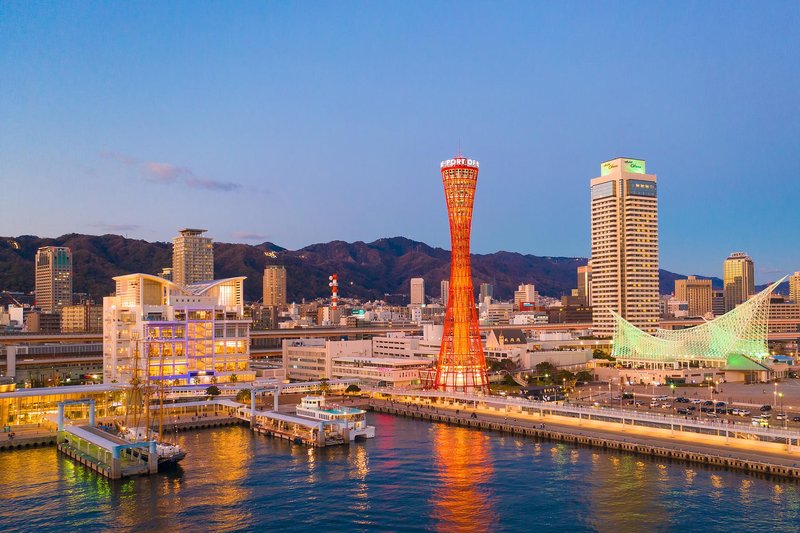
Hotels in Awa
Discover your perfect stay in Awa.
Awa(Japan) Travel 2026: Cheap Flights, Hotels & Top Attractions
Popular Landmarks in Awa
Discover the most iconic attractions in Awa
Recommended Hotels in Awa
Find the perfect place to stay in Awa
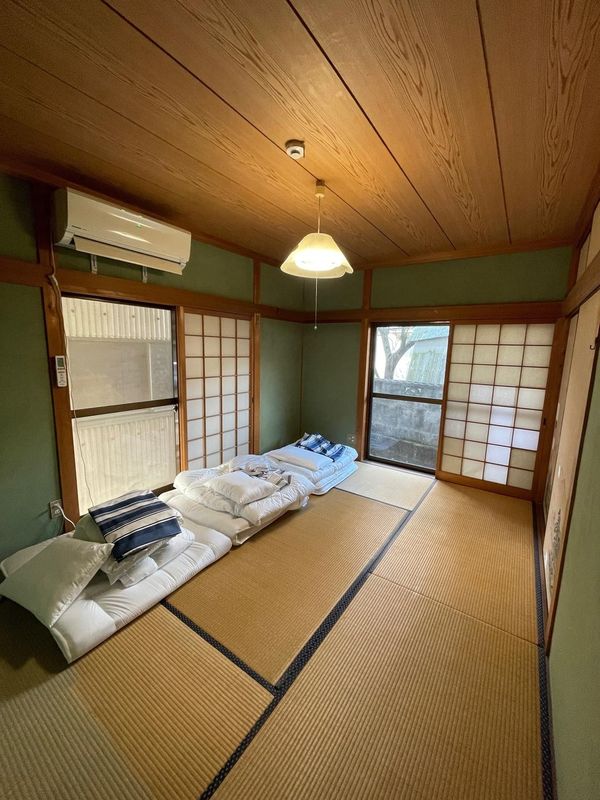
Brompton Travel Inn
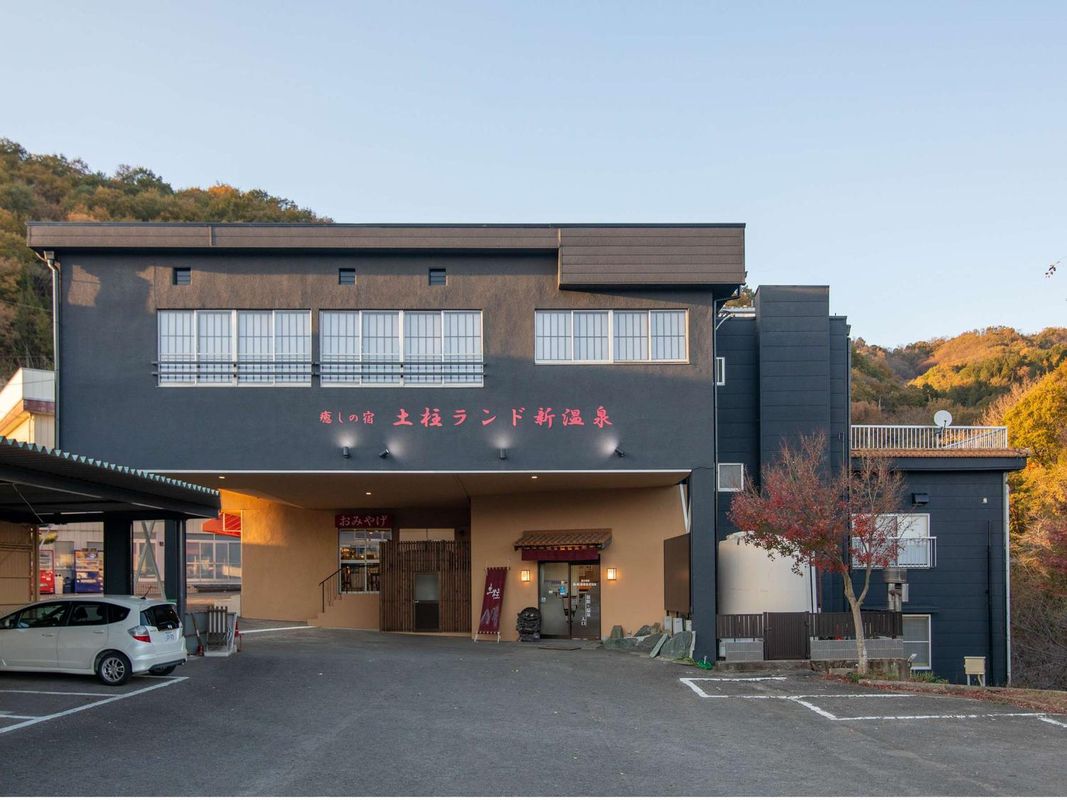
Dochu Land Shin Onsen
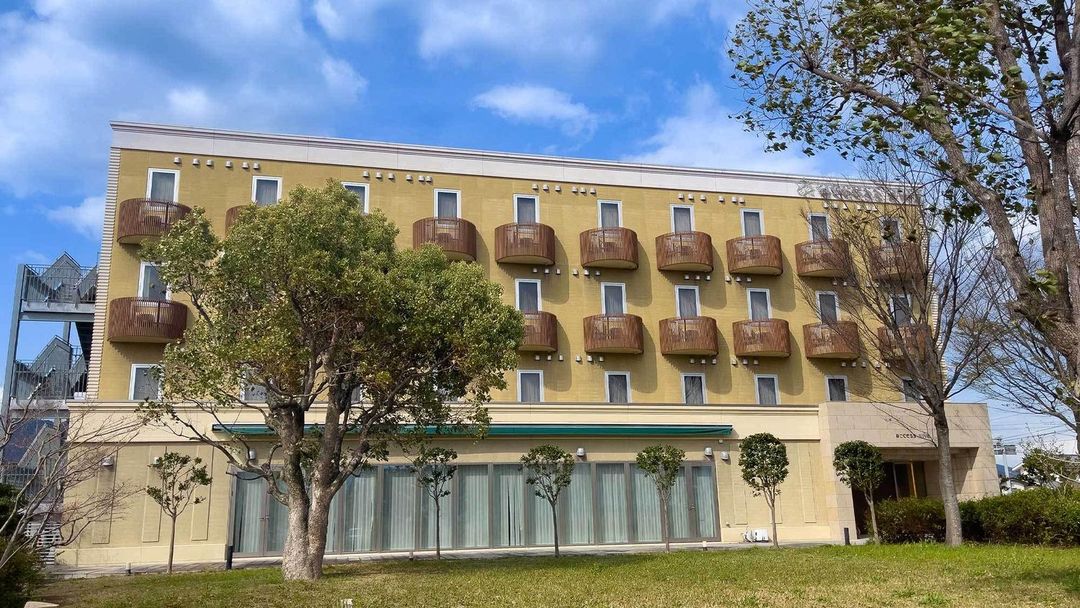
Business Hotel Access Awa
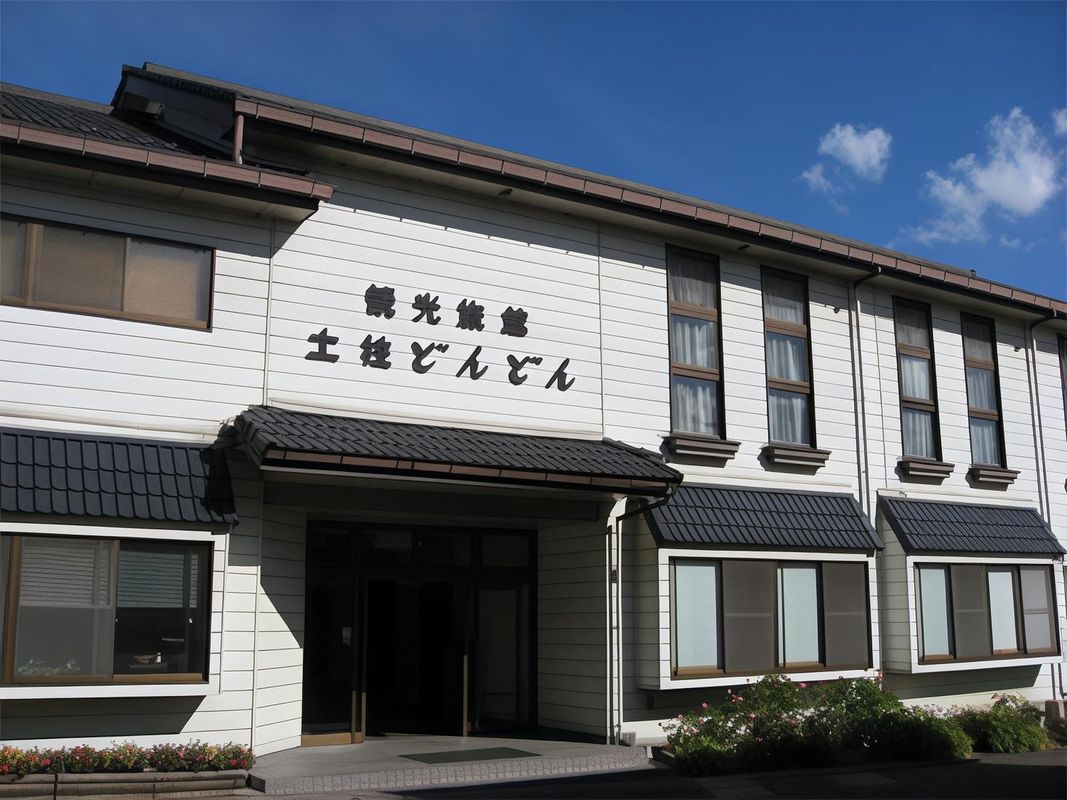
Dochu Dondon
Best Hotels in Awa
Discover curated hotel collections in Awa
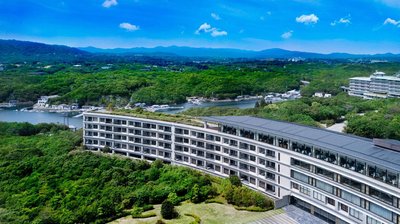
Shima Kanko Hotel the Bay Suites
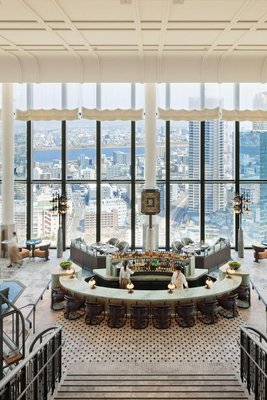
Waldorf Astoria Osaka
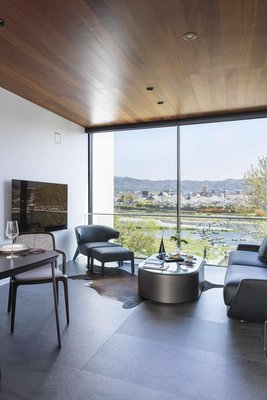
Kamo Residences by Reflections
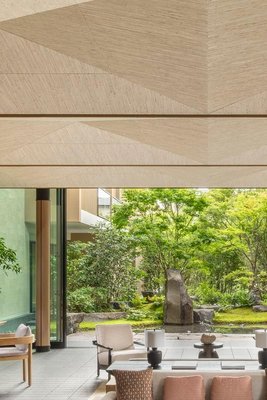
Six Senses Kyoto
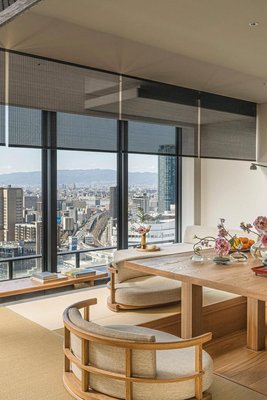
Four Seasons Hotel Osaka
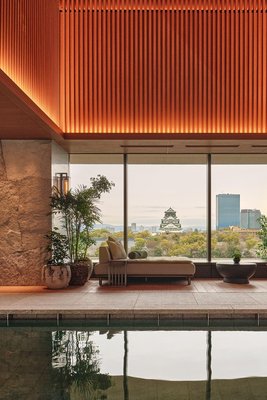
Patina Osaka
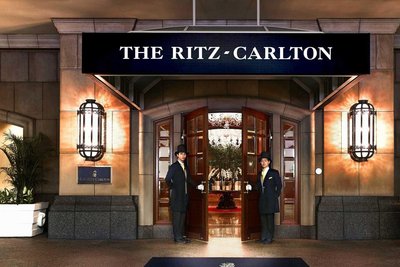
The Ritz-Carlton, Osaka
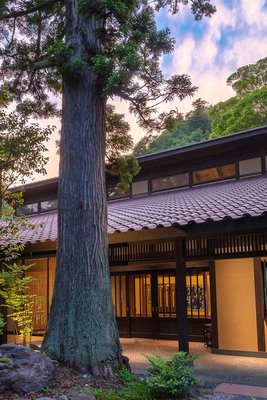
Arimasansoh Goshobessho
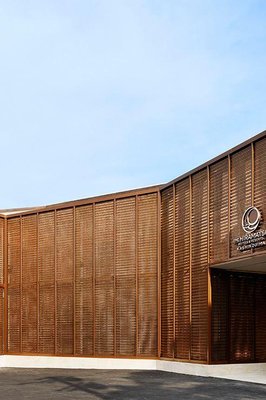
The Hiramatsu Hotels & Resorts Kashikojima
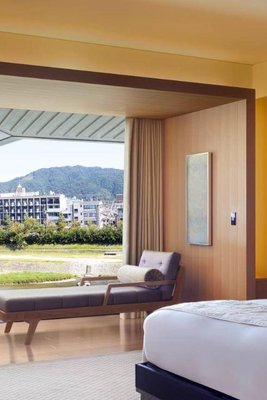
The Ritz-Carlton, Kyoto
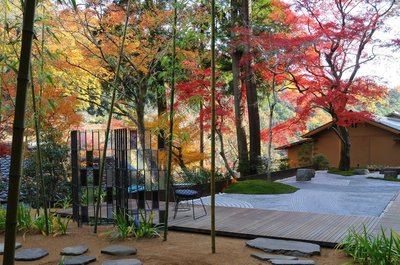
HOSHINOYA Kyoto
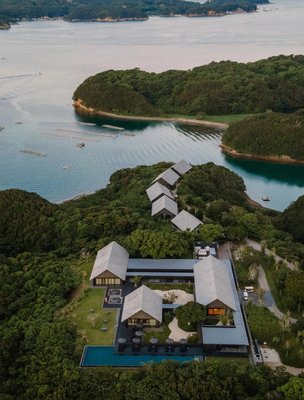
Amanemu
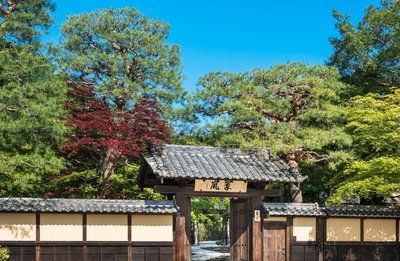
Suiran, a Luxury Collection Hotel, Kyoto
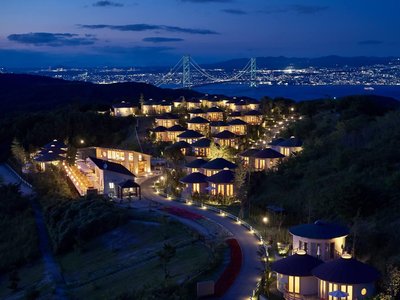
Grand Chariot Hokutoshichisei 135°
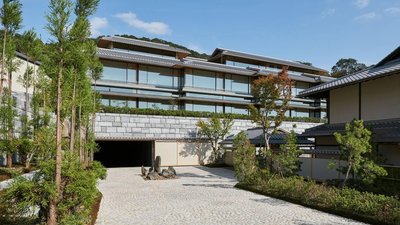
Park Hyatt Kyoto
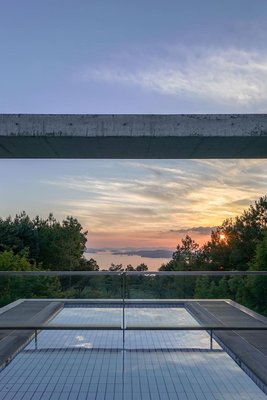
SETOUCHI RETREAT by Onko Chishin
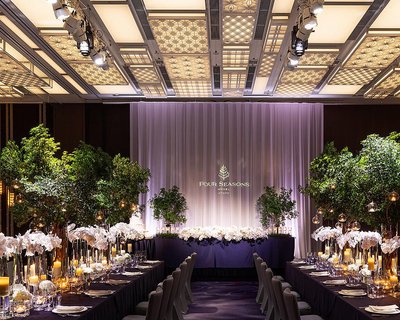
Four Seasons Hotel Kyoto
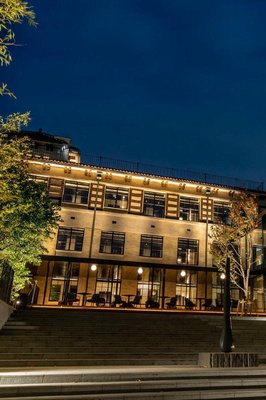
The Hotel Seiryu Kyoto Kiyomizu - a Member of the Leading Hotels of the World-
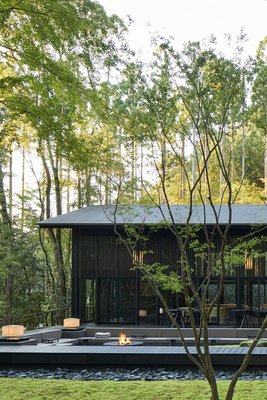
Aman Kyoto
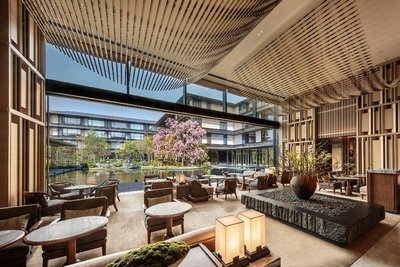
Hotel the Mitsui Kyoto, a Luxury Collection Hotel & Spa
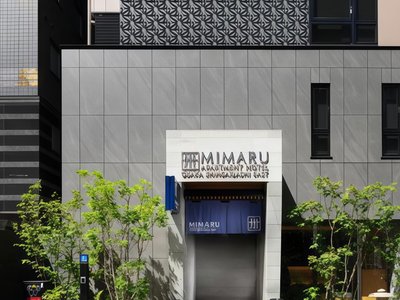
MIMARU Osaka Shinsaibashi East
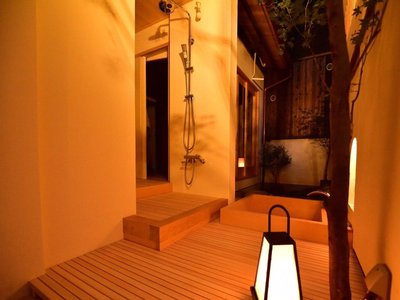
Yado Kiramachi
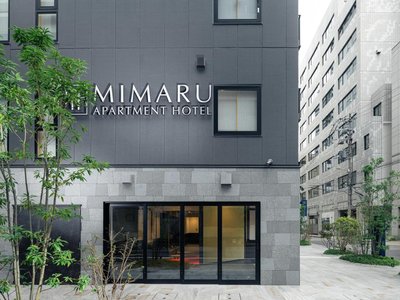
MIMARU Osaka Shinsaibashi North
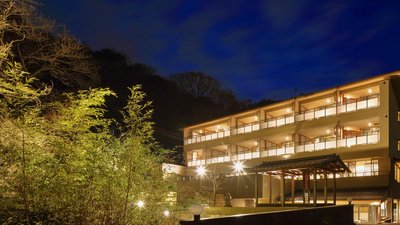
Okuno Hosomichi
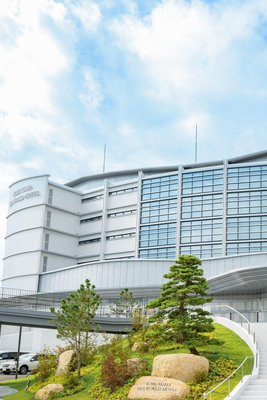
Kobe Suma Sea World Hotel
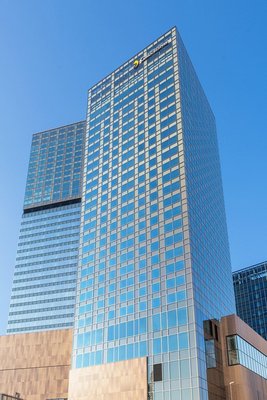
Hotel Hankyu GRAN RESPIRE OSAKA
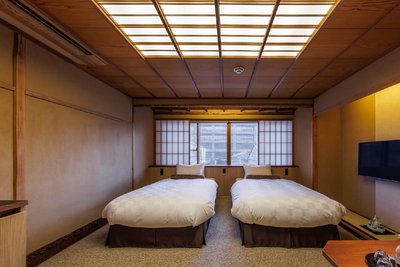
Kyoto Ryokan Sakanoue
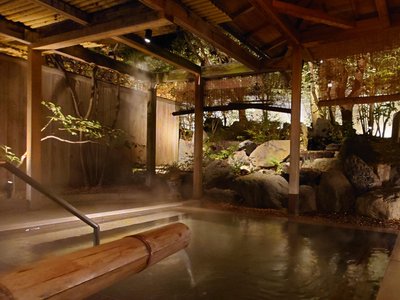
Kasuga Hotel
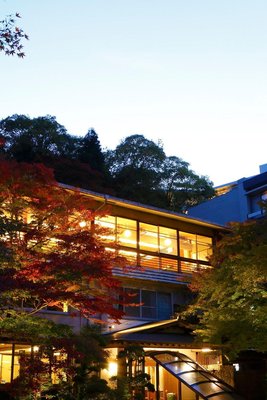
Negiya Ryofukaku
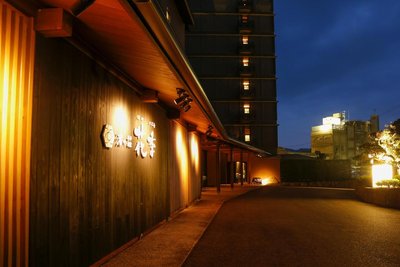
Hanagoyomi
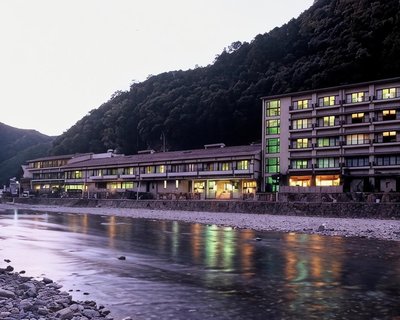
Kawayu Onsen Fujiya
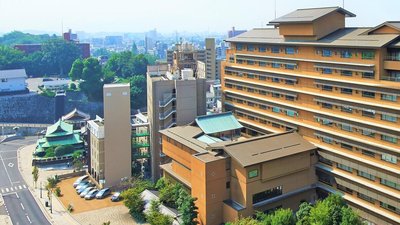
Yamatoya Honten
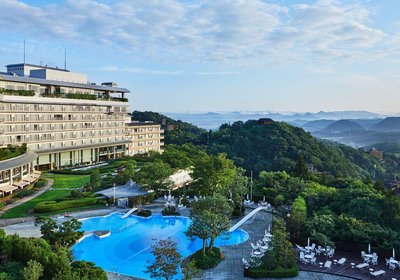
Arima Grand Hotel
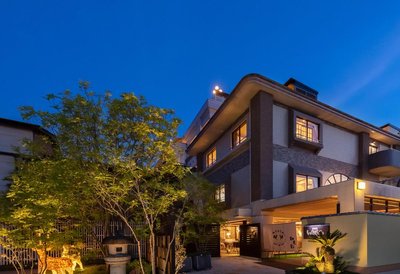
Hotel New Wakasa
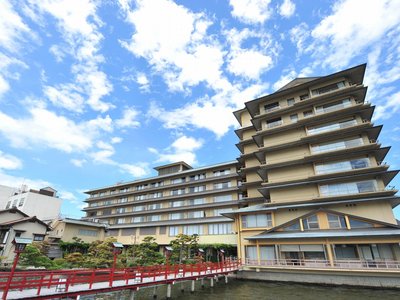
Bokoro Ryokan
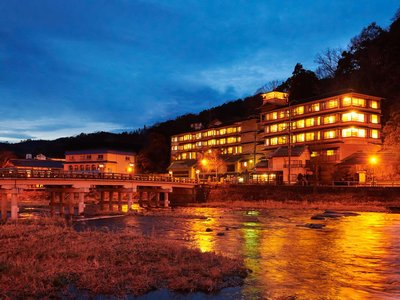
Mansuirou
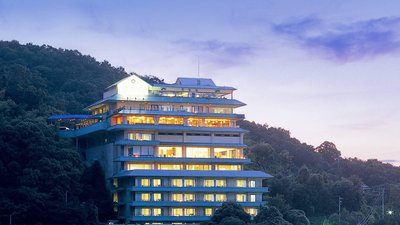
Hotel Hanajyukai
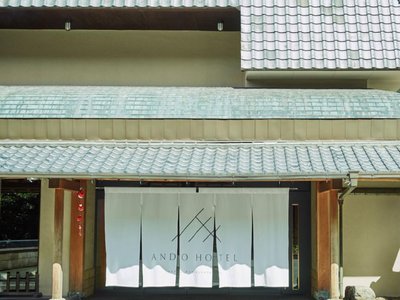
Ando Hotel Nara Wakakusayama -Dlight Life & Hotels-
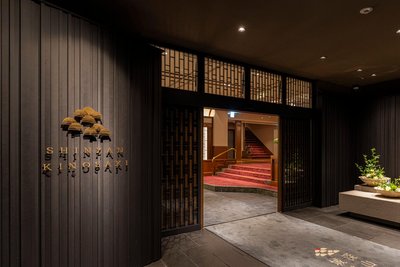
Shinzan Kinosaki
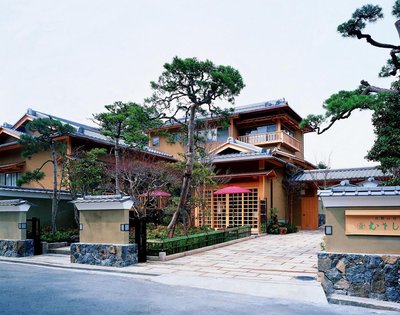
Kotonoyado Musashino
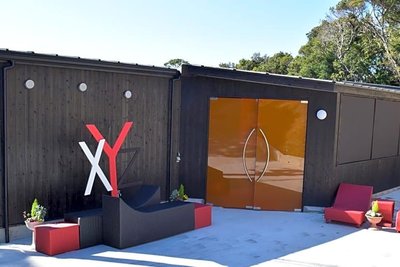
XYZ Private Spa and Seaside Resort
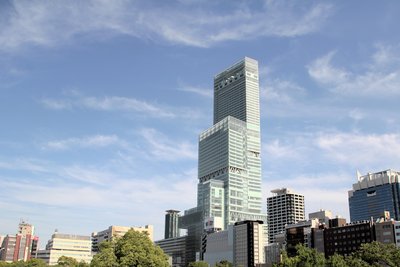
Osaka Marriott Miyako Hotel
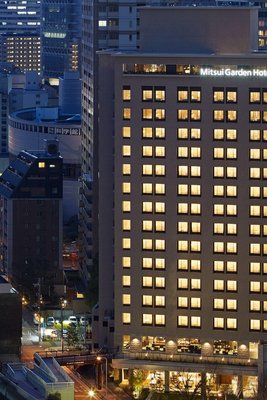
Mitsui Garden Hotel Osaka Premier
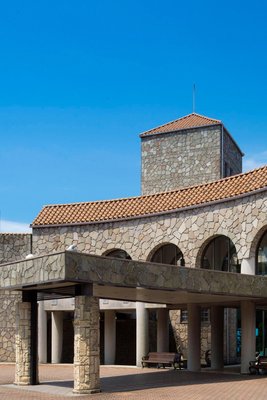
Izumigo Hotel Altia Toba
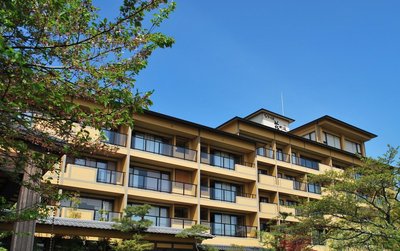
BIWAKO HANAKAIDO
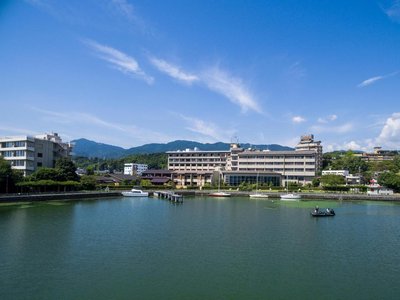
Biwako Ryokusuitei
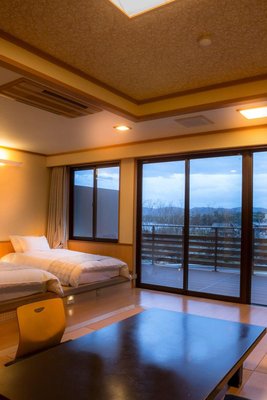
Hotel Kitanoya
Hanagoyomi
Kawayu Onsen Fujiya
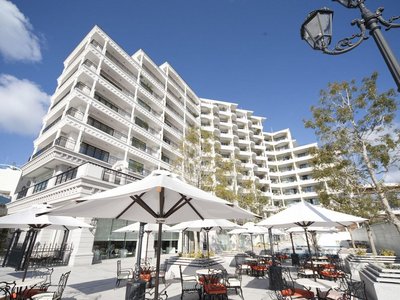
Hotel La Suite Kobe Harborland

AoAwo Naruto Resort
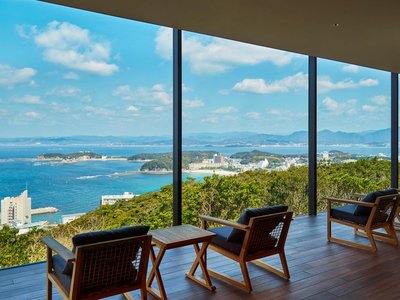
Infinito Hotel and Spa
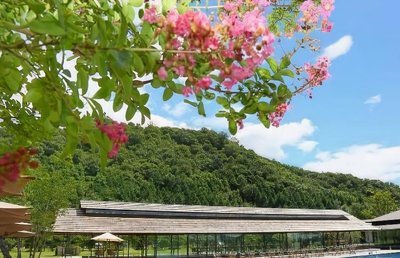
Bella Vista Spa and Marina Onomichi
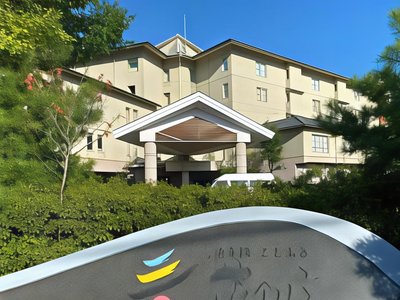
Yufuin Kotobuki Hananosho
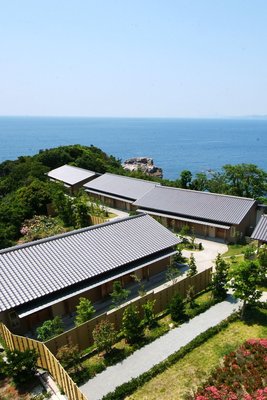
Hamachidorinoyu Kaisyu
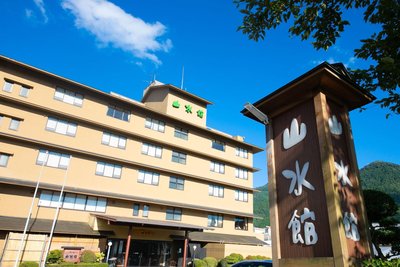
Yufuin Sansuikan
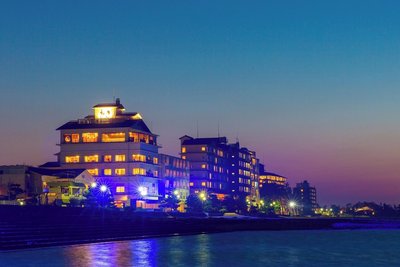
Kaike Shogetsu
The Ritz-Carlton, Kyoto
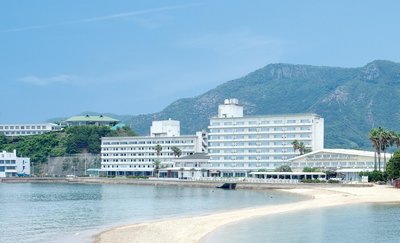
Shodoshima International Hotel
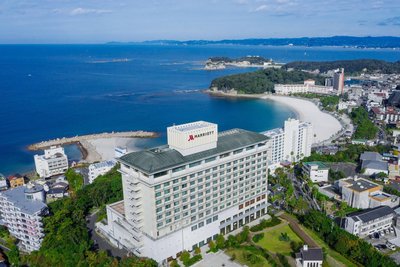
Nanki-Shirahama Marriott Hotel
Yado Kiramachi
Arimasansoh Goshobessho
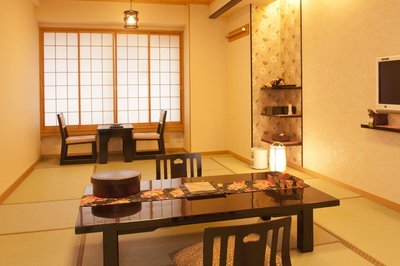
Matsui-Bekkan Hanakanzashi
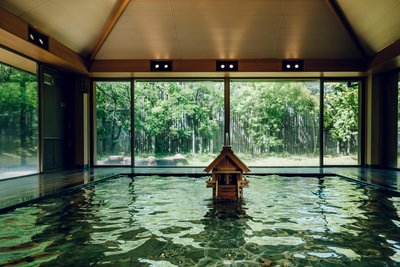
Hoshino Resorts KAI Tamatsukuri

Taikyourou
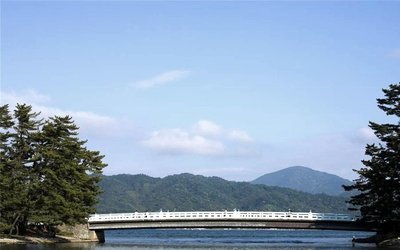
Monjusou Shourotei
Kasuga Hotel
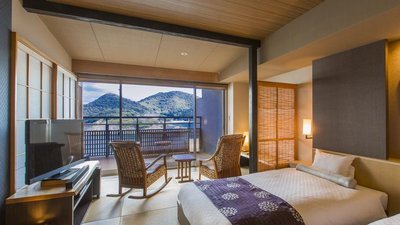
Migiwatei Ochi Kochi
Hotel New Wakasa
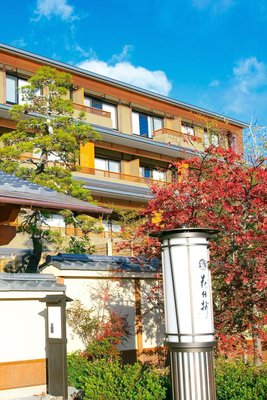
Kyoto Arashiyama Onsen Kadensho (Kyoritsu Resort)
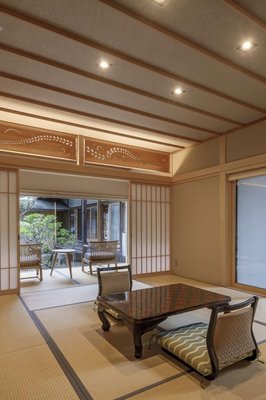
Ichijoin
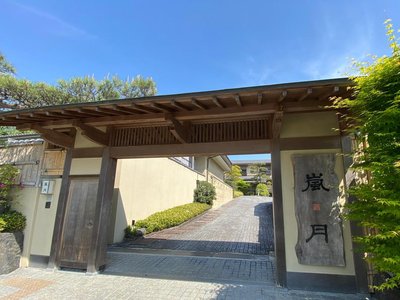
Rangetsu
The Ritz-Carlton, Kyoto
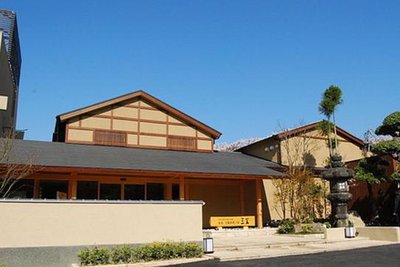
Mikasa
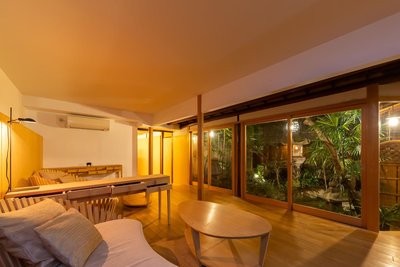
Izuyasu Traditional Kyoto Inn Serving Kyoto Cuisine
HOSHINOYA Kyoto
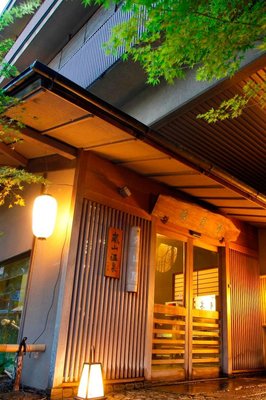
Togetsutei
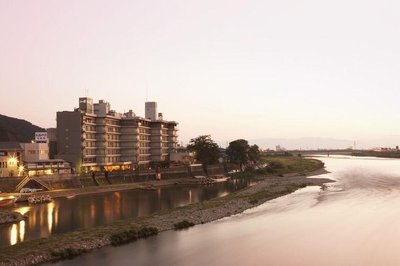
Juhachiro
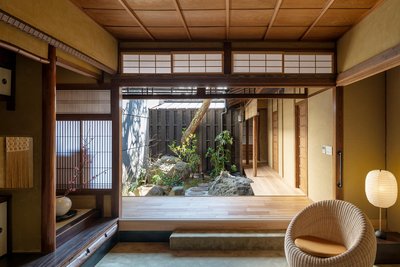
Nazuna Kyoto Gosho
Amanemu

22 PIECES
The Ritz-Carlton, Osaka

The Thousand Kyoto
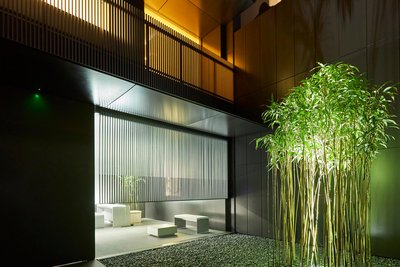
Mogana
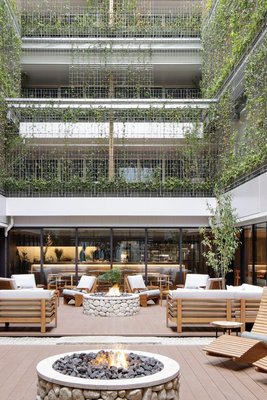
GOOD NATURE HOTEL KYOTO
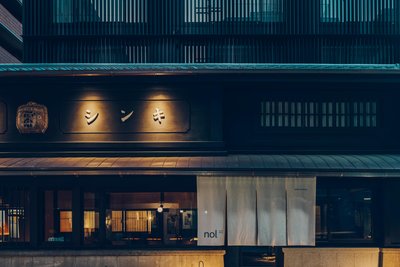
Nol Kyoto Sanjo
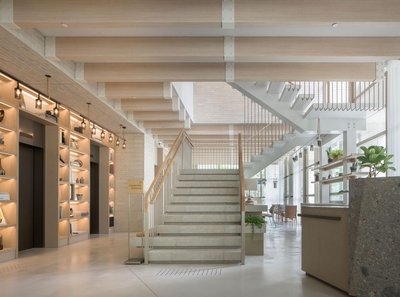
Zentis Osaka

Garrya Nijo Castle Kyoto
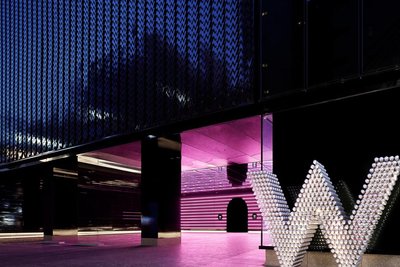
W Osaka
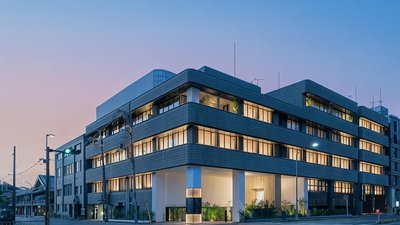
Hotel Kanra Kyoto
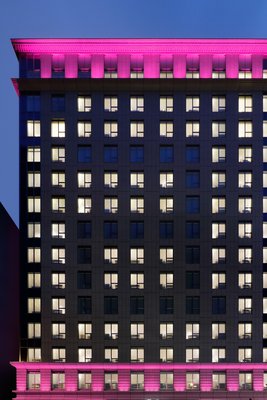
Aloft Osaka Dojima
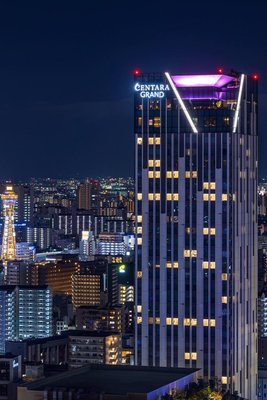
Centara Grand Hotel Osaka
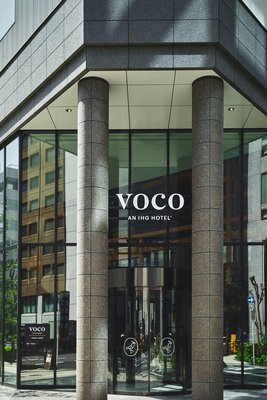
voco Osaka Central

TIAD, AUTOGRAPH COLLECTION
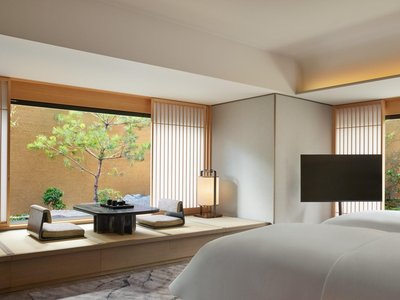
Dusit Thani Kyoto
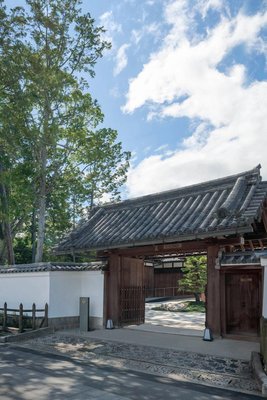
Shisui, a Luxury Collection Hotel, Nara

Hilton Kyoto
Osaka Marriott Miyako Hotel
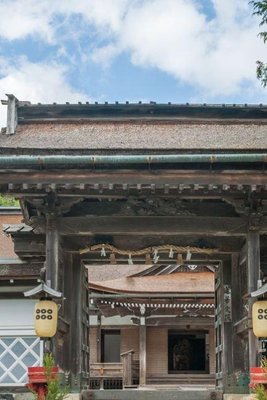
Koyasan Rengejoin
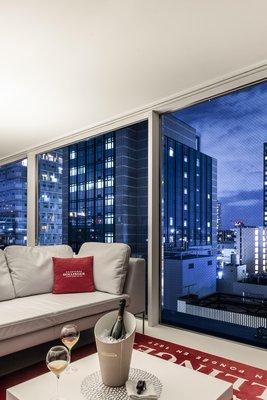
CUVÉE J2 HOTEL OSAKA by Onko Chishin
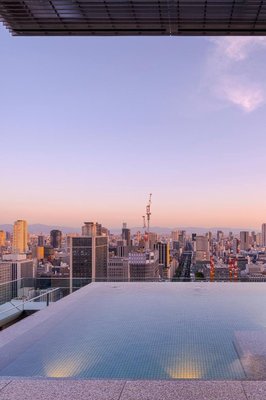
Candeo Hotels Osaka The Tower
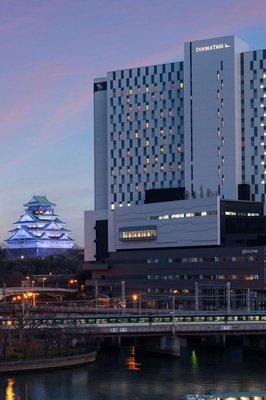
DoubleTree by Hilton Osaka Castle
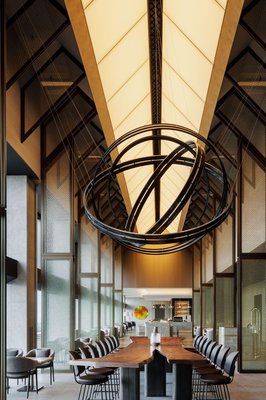
The Osaka Station Hotel, Autograph Collection
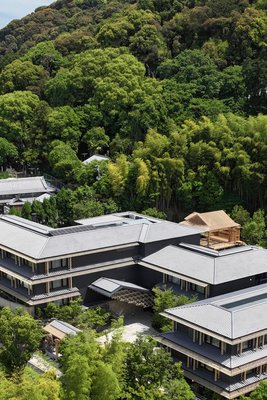
Banyan Tree Higashiyama Kyoto
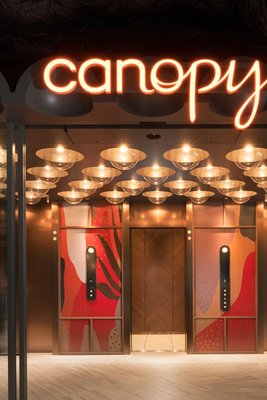
Canopy by Hilton Osaka Umeda
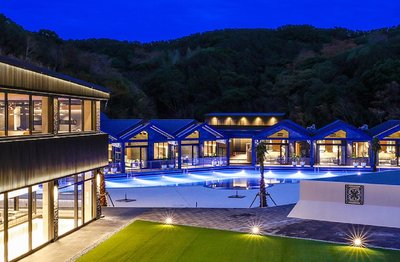
FIVE SPRING RESORT THE SHIRAHAMA
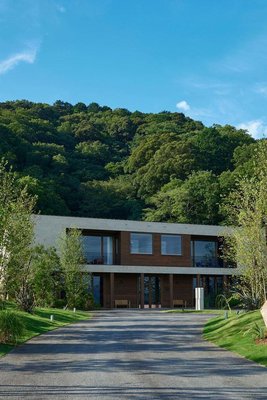
HACIENDA VISON
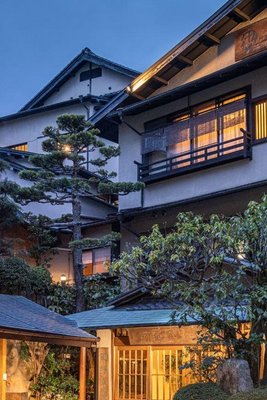
Arima Onsen Tocen Goshobo
Hotel La Suite Kobe Harborland
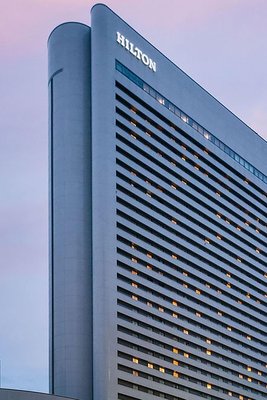
Hilton Osaka Hotel
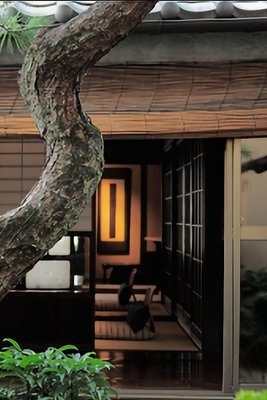
Shimayado Mari
Osaka Marriott Miyako Hotel
The Ritz-Carlton, Osaka
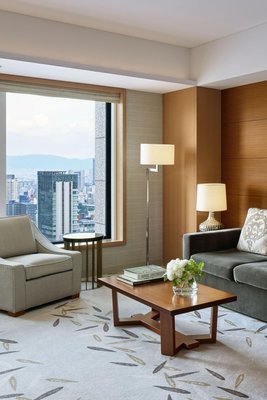
InterContinental Hotel Osaka
The Ritz-Carlton, Kyoto
Suiran, a Luxury Collection Hotel, Kyoto
GOOD NATURE HOTEL KYOTO
Park Hyatt Kyoto
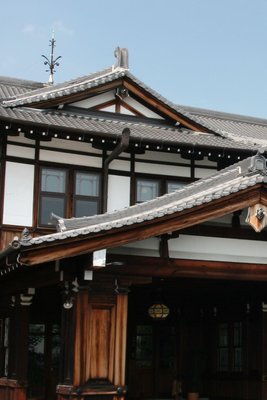
Nara Hotel
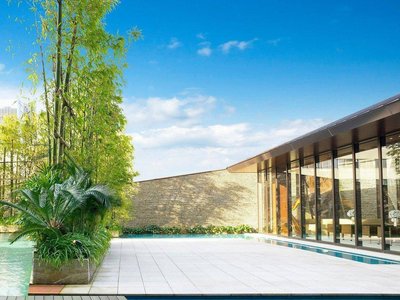
ORIENTAL HOTEL
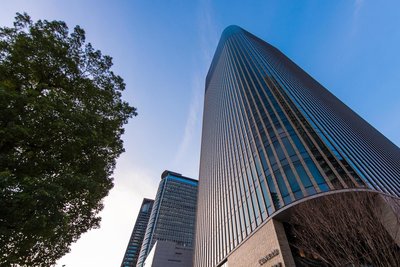
Conrad Osaka
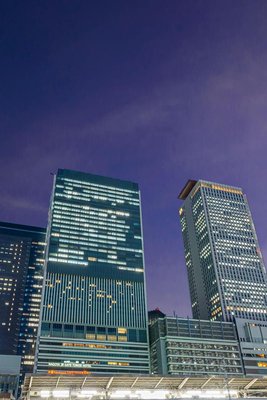
Nagoya JR Gate Tower Hotel (JR-Central Hotels)
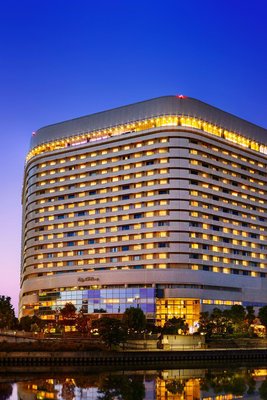
Hotel New Otani Osaka
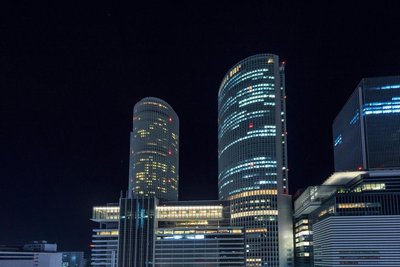
Nagoya Marriott Associa Hotel
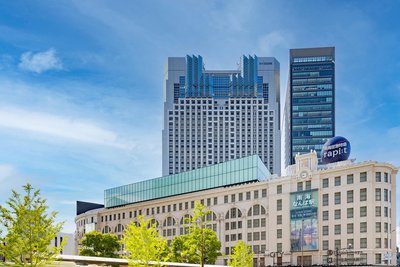
Swissotel Nankai Osaka
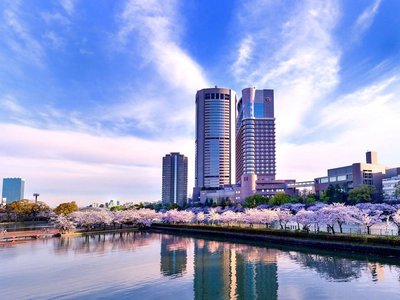
Imperial Hotel Osaka
The St. Regis Osaka
Frequently Asked Questions about Traveling to Awa
Questions You Might Need to Know About Traveling to Awa
In Tokushima City, stay at Awa Honten Hotel, a boutique property blending modern comfort with authentic Japanese ryokan aesthetics. Located near Awa Odori Hall and the Awa River, it features tatami rooms, wooden beams, and private onsen access. Another top pick is Tokushima Awa Odori Onsen Ryokan, offering natural sulfur baths, kaiseki dinners using local ingredients, and immersive cultural programs like dance workshops. Both provide deep connections to regional heritage and serene urban retreats.
For first-time visitors, the Honmachi district around Awa Odori Hall and Awa River is ideal. This central hub offers easy access to major attractions, dining, and nightlife. You can stroll along the riverfront at dawn, enjoy street performances in the evening, and walk to restaurants and souvenir shops. The area is safe, well-connected by local buses, and close to the Tokushima Station. It’s perfect for experiencing both culture and convenience in one compact neighborhood.
Tourists must participate in the Awa Odori Festival—a vibrant summer tradition where locals and visitors join spontaneous street dancing. Held nightly from August 12–15, the festival transforms Honmachi Street into a lively stage. Visitors can rent yukata, learn basic steps at Awa Odori Hall, and take part in choreographed dances. Additionally, explore the Awa Odori Museum to discover the history of this UNESCO-recognized folk art, and try crafting your own fan—a symbolic keepsake of the event.
Yes, Tokushima Awa Odori Onsen Ryokan stands out as a premier hot spring resort. Its natural sulfur-rich baths offer therapeutic benefits, with outdoor onsen overlooking the Awa River and forested hills. Each room features traditional design elements and access to private or shared baths. Guests enjoy multi-course kaiseki meals made with fresh local produce and seasonal seafood. Special packages include dance lessons and morning tea ceremonies, making it a holistic cultural wellness escape.
Awa Family Stay Hotel is the top choice for families. Located just steps from Awa Odori Hall, it provides spacious family rooms, a kids’ playroom, and a child-friendly onsen pool. Free cribs, baby food, and themed activities like Awa Odori dance classes for children are available. Nearby, Awa River Park offers paddle boating and picnic areas. The hotel also offers guided tours to local farms and festivals, ensuring memorable, educational experiences for all ages.
Must-try dishes include Awa soba, a hearty buckwheat noodle dish served cold with a light broth and garnished with green onions. Try it at Awa-Ya Restaurant on Honmachi Street. Also sample Tosa citrus desserts—like yuzu mousse and mandarin cheesecake—often featured in hotel breakfasts. During festivals, visit street food stalls for grilled tofu, yakitori skewers, and handmade rice dumplings. These flavors reflect the region’s agricultural richness and culinary creativity.
Nighttime highlights include Awa Odori street dancing—spontaneous, joyful performances lighting up Honmachi Street every evening during festival season. Rent a yukata and join the fun. The Awa River Illumination adds a magical touch, with soft lights reflecting off the water. Some hotels offer night walking tours through quiet alleys, revealing hidden cafes and artisan studios. These experiences blend culture, community, and serenity under the stars.
Start with a visit to the Awa Odori Museum (9:00–11:00 AM) to learn about the dance’s history. Enjoy lunch at Honmachi Street with Awa soba. Afternoon: relax at Awa River Park, go kayaking, or enjoy a riverside picnic. In the evening, watch a public Awa Odori performance at Awa Odori Hall. Finish with a stroll through the night market, sampling local snacks. Total time: ~7 hours. Balanced between culture, nature, and flavor—ideal for first-timers.
Yes, Tokushima City has reliable public transit. The Toshima Electric Railway Awa Line connects Tokushima Station to Tokushima City Station in just 15 minutes. Local circular buses cover key sights like Awa Odori Hall, Awa River, and shopping districts. Purchase a Tokushima City Tourist One-Day Pass for unlimited bus rides and free museum entry—great value and efficiency for exploring the city without a car.
The best time to visit is August, during the Awa Odori Festival, when the city pulses with energy and dance. Warm weather enhances outdoor enjoyment. Spring (March–April) is ideal for cherry blossoms along the Awa River, creating scenic photo spots. Avoid June–July due to high humidity and rainy season. Winter is mild but less festive—best for quiet exploration. August offers the most authentic cultural immersion.
Awa Overview
City Summary
Awaji City is located in the northern part of Tokushima Prefecture, Japan, known for its stunning natural scenery and rich cultural heritage. The city is set against the backdrop of the Yoshino River and the Shikoku Mountains, offering a variety of outdoor activities and historical sites. The Awa Odori dance is the most iconic cultural symbol of the region, attracting thousands of visitors every summer. Additionally, Awaji City is famous for its hot springs and fresh air, making it an ideal destination for escaping urban hustle.
Must-See Attractions
In Awaji City, must-see attractions include the Awa Odori Kaikan, where you can experience the traditional Awa Odori dance performances year-round. The breathtaking views of the Yoshino River are not to be missed—consider a riverside stroll or a rafting adventure. History enthusiasts should visit the Awaji City Historical and Folk Museum to learn about the local heritage. The city’s hot spring ryokans also provide a relaxing retreat, especially during the winter months.
Food Guide
Awaji City’s cuisine focuses on local ingredients, with Awa Odori chicken being the most famous dish—tender and juicy, often grilled or fried. Among street foods, millet mochi (a sweet treat made from millet) is highly popular. Don’t miss the local buckwheat noodles and fresh river fish dishes. Many restaurants offer traditional Japanese set meals, allowing you to sample a variety of local flavors in one sitting.
Transportation Guide
Public transportation in Awaji City primarily relies on buses, with several routes connecting major attractions and stations. Renting a car is another great option, especially if you plan to explore the surrounding natural areas. The city is accessible via the JR Shikoku Line from Tokushima City in about an hour. Taxis are readily available but can be expensive. It’s advisable to check bus schedules in advance, as some routes have limited service.
Best Time to Visit
The best time to visit Awaji City is during the summer (July to August) to experience the renowned Awa Odori Festival. Spring (March to May) offers pleasant weather for cherry blossom viewing and outdoor activities. Autumn (September to November) is ideal for witnessing the vibrant fall foliage. Winter (December to February) is colder but perfect for enjoying the soothing hot springs.
Travel Tips
- During the Awa Odori Festival, book accommodations early due to high tourist demand.
- Respect local culture by staying quiet during Awa Odori performances.
- Some attractions may only accept cash, so carry sufficient yen.
- Public transport schedules can be infrequent, so plan ahead.
- Shoes are typically prohibited in hot spring areas—follow local customs.
- Wear comfortable shoes and bring sunscreen for outdoor activities.
Useful Information
The primary language in Awaji City is Japanese, though some tourist spots and hotels may offer basic English services. Credit cards are widely accepted, but smaller vendors or street stalls might only take cash. Free Wi-Fi is available in major tourist areas and hotels. In emergencies, dial 110 for police or 119 for an ambulance. Pharmacies are common, but carrying your own medications is recommended. The local voltage is 100V, with two-flat-pin outlets, matching those in Taiwan, so no adapter is needed.